 MomSkoop

Some habits are so deeply ingrained that people barely notice them — but they can reveal a lot about how someone was raised. Growing up with financial security, social connections, and stable environments shapes the way people think, speak, and move through the world.
These habits aren’t about being a bad person; they’re simply invisible fingerprints left behind by a privileged childhood. Recognizing them is the first step toward building more empathy and understanding across different life experiences.
1. They Assume Systems Will Work for Them

Walk into a bank, a hospital, or a government office with total confidence that everything will go smoothly — that’s a habit many privileged people don’t even realize they have.
For them, institutions have always delivered.
Forms got processed.
Appeals got heard.
Problems got resolved.
People who grew up without that safety net often approach the same systems with anxiety, because experience taught them otherwise.
Privilege quietly whispers, “This will work out.” That unshakable trust in systems is a powerful — and often invisible — advantage that shapes how people handle everything from job applications to legal disputes.
2. Comfortable Asking for Help or Favors

Networking comes naturally when you grow up watching adults casually call a friend who “knows someone.” For many privileged individuals, asking for favors isn’t awkward — it’s just how things get done.
They learned early that connections are tools, not burdens to impose on others.
Someone who grew up without those webs of social capital may find it uncomfortable or even embarrassing to ask for help.
Requesting an extension, seeking a warm introduction, or calling in a favor feels second nature to those raised in environments where relationships were openly leveraged.
That confidence, quietly inherited, opens doors others may not even know exist.
3. Taking Personal Safety Completely for Granted
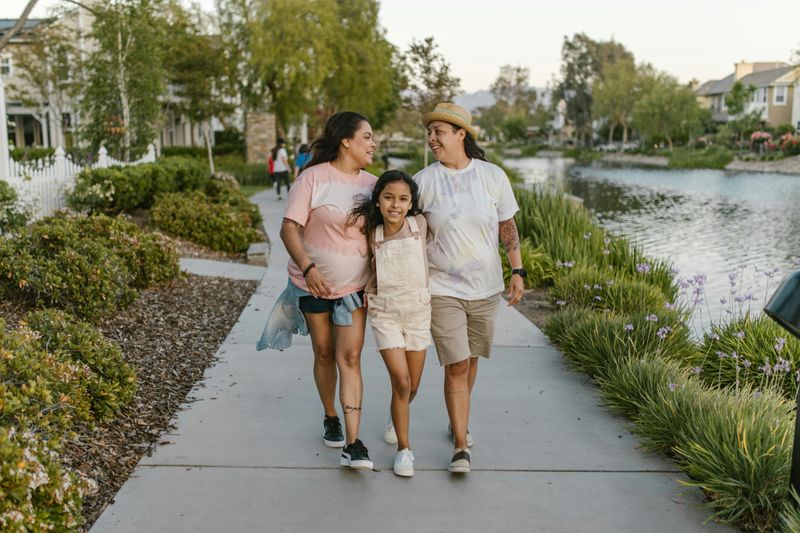
Not everyone gets to walk home after dark without running a mental checklist.
For people raised in safe neighborhoods, personal safety rarely factors into everyday decisions — where to park, which route to take, or how a police officer might react to them.
That unconscious ease is a form of privilege most people never name.
Those who grew up in less secure environments develop hypervigilance as a survival skill, constantly reading their surroundings.
Meanwhile, privileged individuals may be genuinely puzzled when others seem overly cautious.
Safety, when it’s always been present, becomes invisible — and that invisibility is one of the quietest markers of a protected upbringing.
4. Viewing Failure as a Temporary Setback

“Fail fast, learn faster” sounds great — but it’s a lot easier to embrace that mindset when a financial safety net exists underneath you.
Privileged individuals often frame setbacks as stepping stones rather than disasters, because failure rarely threatens their housing, meals, or future opportunities.
For someone without that cushion, a failed business or lost job isn’t just a lesson — it’s a crisis.
The luxury of treating failure as a learning experience is deeply tied to economic security.
When parents can cover rent or fund the next attempt, risk feels manageable.
That resilience-by-default is quietly rooted in resources, not just mindset.
5. Unfamiliarity with Financial Precarity

Payday loans, medical debt, skipping meals to cover rent — for millions of people, these aren’t abstract concepts.
But for those raised in financially stable households, these realities can feel almost foreign, like something from a documentary rather than everyday life.
This disconnect often shows up in subtle ways: surprise at how expensive basic healthcare is, confusion about why someone can’t “just save up,” or not understanding why a $500 emergency could derail someone’s entire month.
Financial precarity isn’t a personal failing — it’s a structural reality.
Growing up shielded from it creates blind spots that can make privileged people accidentally dismissive of struggles they’ve simply never lived.
6. Speaking the Language of Institutions Fluently

There’s a specific dialect spoken in boardrooms, courtrooms, hospitals, and HR offices — and not everyone grows up learning it.
Privileged individuals tend to absorb this language naturally, watching parents negotiate contracts, write formal complaints, or advocate confidently in professional settings.
Knowing how to phrase a request, structure an appeal, or push back professionally is an enormous advantage.
It’s the difference between getting what you need and being dismissed or ignored.
People who didn’t grow up around these models often describe feeling intimidated or out of place in institutional environments.
That fluency, so effortless for some, is actually a carefully inherited skill passed down through privileged households.
7. Expecting Their Voice to Be Taken Seriously

Raise your hand, share your idea, and expect the room to listen — that’s a habit built over years of being heard.
Privileged individuals often grow up in households where their opinions were welcomed at the dinner table, in classrooms, and in social settings.
That consistent validation teaches them that their voice matters.
Not everyone receives that same message growing up.
Some people learn early to shrink, stay quiet, or brace for dismissal.
Walking into a room and assuming you’ll be heard is quietly powerful.
It shapes how people negotiate, advocate, and lead.
Confidence in being listened to is, in many ways, a privilege passed down without a word.
8. Planning Long-Term with Quiet Confidence

“Where do you see yourself in five years?” For some people, that question is exciting.
For others, it feels almost absurd — when next month is uncertain, a five-year plan is a luxury.
Privileged individuals tend to map out futures with ease, assuming housing will be stable, income will grow, and opportunities will stay accessible.
Long-term thinking requires a foundation of stability that not everyone has.
Planning for graduate school, homeownership, or retirement contributions assumes a level of predictability in life that many people simply don’t have.
The ability to dream forward confidently — without constant financial anxiety disrupting the vision — is one of the quieter, less obvious gifts of a privileged upbringing.
9. Broad Exposure to Cultural Experiences Growing Up

Weekend museum trips, summer camps abroad, piano lessons, travel soccer leagues, international family vacations — for some kids, these experiences were just called “childhood.” Broad cultural exposure shapes curiosity, social fluency, and the ability to connect across diverse environments.
Kids who didn’t have access to those experiences aren’t less curious or capable — they simply had fewer resources available.
The gap in exposure often shows up later: in conversation topics, comfort in unfamiliar settings, or the ease with which someone navigates new cultures.
Growing up with rich extracurricular and cultural experiences quietly builds a kind of worldliness that becomes a social advantage, one that’s easy to forget wasn’t universally available.
10. Seeing Success as Purely Merit-Based

Hard work matters — but it rarely tells the whole story.
People who grew up privileged often attribute their achievements almost entirely to effort and talent, genuinely believing the playing field is level.
When every door opened smoothly, it’s easy to forget who held it open.
This habit isn’t rooted in arrogance — it’s usually sincere.
But it can make it harder to recognize how much structural support shaped their path: legacy admissions, funded extracurriculars, professional networks, or simply never having to work during school.
Acknowledging that success is a mix of effort and advantage isn’t self-defeating — it’s honest.
And that honesty is the foundation of real empathy for those who worked just as hard with far less support.