 MomSkoop

Behind closed doors, many Baby Boomers are fighting battles few people ever see. While they’re often viewed as resilient, independent, and financially stable, the reality is far more complicated for many in this generation.
Aging brings emotional, physical, and social challenges that can feel isolating — especially in a world changing faster than ever. From loneliness and health concerns to financial pressure and loss of purpose, these struggles are often carried silently. Here are 15 quiet battles many Boomers face that rarely get talked about openly.
1. Feeling Culturally Sidelined in a Rapidly Digitized World

Not long ago, knowing how to use a fax machine made you the tech expert in the room.
Today, that same person might feel completely lost trying to navigate TikTok trends, AI chatbots, or app-based everything.
For many boomers, this shift has happened faster than anyone anticipated.
It is not about being incapable — it is about feeling quietly excluded from conversations built around platforms they never grew up with.
Many smile and nod rather than admit the confusion.
Acknowledging this gap, without judgment, is the first step toward making technology feel less like a barrier and more like a bridge.
2. Reconciling the American Dream With Today’s Reality

Hard work was supposed to be the golden ticket.
That was the deal many boomers grew up believing — study, work hard, and security would follow.
Watching younger generations struggle despite doing everything right can feel deeply disorienting.
Some boomers feel guilt, wondering if their generation used up too many resources.
Others feel defensive when blamed for economic conditions they did not personally create.
Somewhere between those emotions lives a genuine grief — mourning a promise that no longer holds the same weight.
Sitting with that tension, rather than dismissing it, takes more courage than most people realize.
3. Carrying Financial Responsibility Longer Than Planned
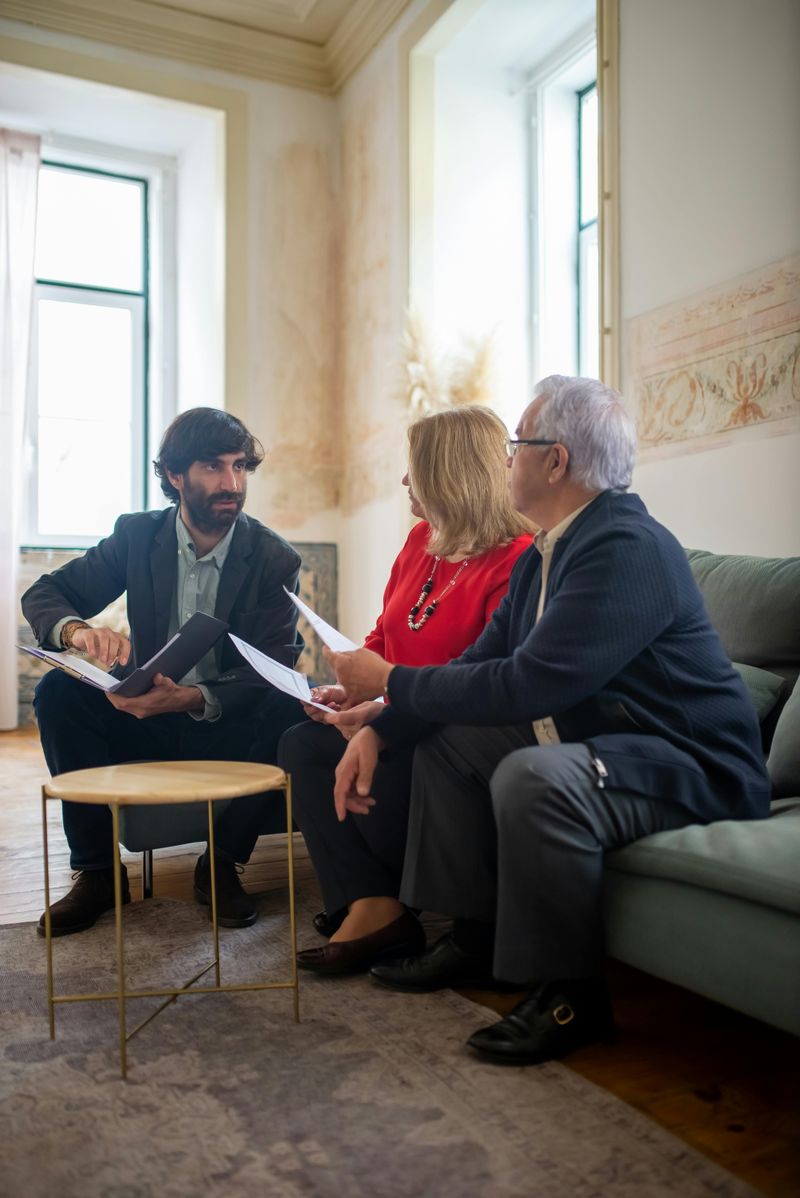
Retirement was supposed to mean simplifying life — fewer obligations, more freedom.
But for many boomers, the financial demands have only multiplied.
Adult children needing support, grandchildren requiring care, and aging parents needing assistance can all arrive at once.
This “sandwich generation” pressure stretches retirement savings in ways that were never part of the original plan.
Some quietly drain their own nest eggs without telling anyone, too proud or too protective to ask for help.
Recognizing this pattern matters because financial stress at this life stage carries real consequences for health, relationships, and long-term security that deserve open, honest attention.
4. Anxiety About Outliving Retirement Savings

Living longer sounds like a blessing — and it is — but it comes with a financial fear many boomers rarely voice aloud.
A retirement that stretches 25 to 30 years requires significantly more resources than earlier generations ever needed to plan for.
Even boomers who saved responsibly may quietly lie awake wondering whether their money will outlast them.
Healthcare costs alone can derail even the most carefully built plan.
This longevity anxiety is real, widespread, and often suffered in silence because admitting financial worry feels like admitting failure.
Talking about it openly, however, is actually one of the smartest financial moves available.
5. Loss of Identity After Retirement

For decades, the answer to “Who are you?” was tied directly to a job title.
Work gave structure to mornings, purpose to afternoons, and a community that showed up reliably every weekday.
Then retirement arrives, and all of that disappears overnight.
Many boomers are genuinely surprised by how disorienting this transition feels.
The freedom they anticipated can quickly turn into an unsettling emptiness.
Rebuilding identity outside of a career takes real effort and self-reflection — two things rarely discussed in retirement planning guides.
Finding new anchors of meaning, whether through volunteering, hobbies, or mentorship, can slowly restore that lost sense of self.
6. Grieving Physical Changes While Still Feeling Mentally Young

Inside, the mind still feels sharp, curious, and young.
Outside, the body keeps sending different messages — slower recovery, new limitations, and a face in the mirror that somehow looks older than expected.
This disconnect between inner vitality and outer reality is one of aging’s quieter cruelties.
Many boomers push through physical changes without complaint because admitting them feels like surrendering to old age.
But suppressing that frustration does not make it disappear — it just makes it lonelier.
Giving space to grieve physical losses, even small ones, is not weakness.
It is a healthy and honest response to a very human experience.
7. Watching Lifelong Friendships Thin Out

There is a particular kind of sadness that comes from watching a phone contact list slowly shrink.
Friends move away, health issues change relationships, political disagreements create distance, and loss through death becomes increasingly common.
Social circles that once felt permanent quietly unravel over time.
What makes this especially hard is that loneliness carries stigma — admitting it can feel like confessing failure.
Yet research consistently shows that social isolation poses serious risks to both mental and physical health among older adults.
Reaching out, even awkwardly, to rekindle or build new friendships is not just emotionally valuable — it may genuinely extend a person’s life.
8. Navigating Political and Generational Polarization

Entire generations rarely fit inside a single label, yet boomers are frequently painted with the same broad brush in political and cultural conversations.
For those who do not match the stereotype, this can feel both reductive and exhausting.
Being seen as a caricature instead of an individual stings.
Generational blame has become a popular sport online, and boomers often land in the crosshairs.
Some respond by withdrawing from conversations altogether, while others dig into defensiveness.
Neither approach helps.
What does help is resisting generalization on all sides and choosing curiosity over contempt — a skill that every generation could honestly stand to practice more consistently.
9. Caretaking Fatigue That Goes Unspoken

Caring for someone you love is one of the most selfless things a person can do.
It is also one of the most physically and emotionally draining — particularly when the caregiver is managing their own health concerns at the same time.
Many boomers find themselves in exactly this position.
Spouses, parents, and sometimes siblings all require increasing support, and boomers often absorb that responsibility quietly, without asking for relief.
Caretaker burnout is real, and ignoring it leads to resentment, health decline, and emotional collapse.
Seeking respite care, joining support groups, or simply telling someone “I am struggling” can make an enormous difference in sustainability and wellbeing.
10. Unspoken Regret About Time and Choices
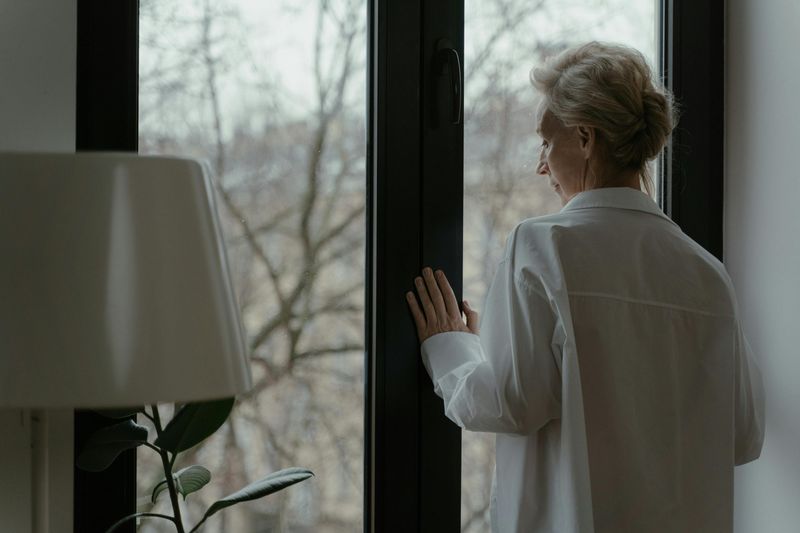
Regret has a way of arriving quietly, often in the stillness of early morning or during long evenings alone.
Missed moments with children, relationships that frayed and were never repaired, career choices made for safety rather than passion — these memories do not fade with age.
If anything, they grow louder.
Many boomers carry this weight without ever naming it aloud, partly because vulnerability was not always encouraged in the era they were raised.
But unexamined regret tends to fester.
Talking with a trusted friend, a therapist, or even writing privately can transform regret from a source of pain into a catalyst for meaningful change and deeper connection.
11. Fear of Becoming a Burden to Family
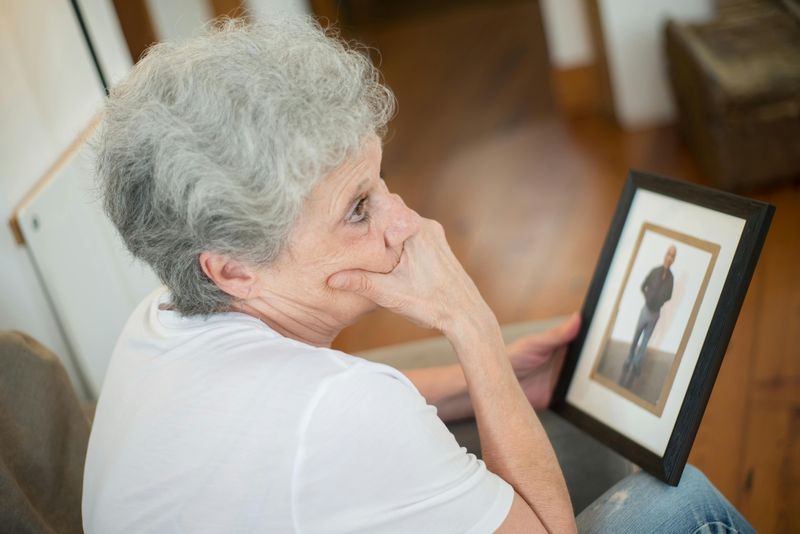
Independence has long been a point of pride for many in this generation.
The idea of needing help — with driving, finances, daily tasks, or medical decisions — can feel like a threat to everything they have worked to build.
So they stay quiet about struggles, sometimes longer than is safe.
This fear of being a burden often prevents boomers from asking for the support they genuinely need and deserve.
Ironically, waiting too long frequently creates bigger challenges for families down the road.
Starting honest conversations about future needs early, while options are still plentiful, is one of the most loving and practical things anyone can do for the people they care about.
12. Struggling to Feel Heard in Intergenerational Conversations
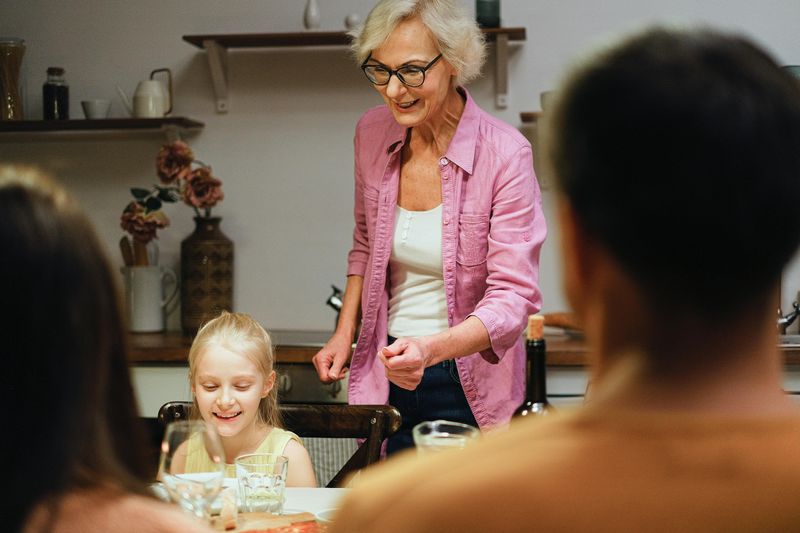
Decades of lived experience carry real wisdom — but in a culture that often prizes novelty over history, that wisdom can feel dismissed before it is even offered.
Many boomers notice younger people rolling their eyes or changing the subject when older perspectives enter the conversation.
Over time, this pattern leads some to simply stop sharing.
They withdraw rather than risk being patronized or ignored.
But intergenerational dialogue loses something vital when one voice goes silent.
Both sides carry blind spots the other can help fill.
Rebuilding that exchange requires younger people to genuinely listen and boomers to stay engaged, even when the conversation feels uncomfortable or unwelcoming.
13. Rediscovering Purpose When the Kids No Longer Need You

For decades, being “Mom” or “Dad” was a full-time identity.
Then one day, the kids grow up, move out, and build lives of their own — and suddenly the role that defined everything feels empty.
Many boomers describe this shift as quietly devastating, even when they are proud of raising independent children.
Without that central purpose, days can feel shapeless and hard to fill.
Picking up hobbies helps, but it takes time to rebuild a sense of meaning.
Volunteering, mentoring, or reconnecting with old passions can slowly restore that feeling of being needed — and that matters more than most people admit.
14. Managing Chronic Pain Without Showing Weakness

Back pain.
Knee pain.
Headaches that never fully go away.
For many boomers, chronic pain has become part of daily life, but admitting it feels like giving something up.
A generation raised on “push through it” thinking tends to downplay physical discomfort, even when it is serious.
Staying silent about pain can make things worse over time.
Speaking honestly with a doctor, exploring physical therapy, or simply telling a trusted person how you really feel can make a difference.
Strength is not about hiding what hurts — it is about finding smarter, more honest ways to keep moving forward each day.
15. Holding Onto Relevance in a World That Has Moved On

There is a quiet sting that comes when your experience stops being sought after.
Boomers built careers, communities, and institutions — but today’s fast-moving culture sometimes makes that history feel like a footnote.
Being passed over for a job, ignored in a meeting, or made to feel outdated can chip away at even the most confident person.
Relevance does not disappear with age — it just shifts shape.
Sharing real knowledge with younger colleagues, finding communities that genuinely value seasoned perspectives, and owning your full story with confidence can remind you that wisdom earned over decades never truly goes out of style.