 MomSkoop

Growing up as the oldest daughter in a working-class family means learning lessons that most kids your age never even think about.
Before you could name all the state capitals or finish a long division worksheet, you already knew how to stretch a dollar, read a room, and hold a family together.
These weren’t lessons taught in school — they were picked up in kitchens, grocery store aisles, and hushed conversations behind closed doors.
Here are ten things you understood deep in your bones before your twelfth birthday.
1. Responsibility Was Never Just a Word
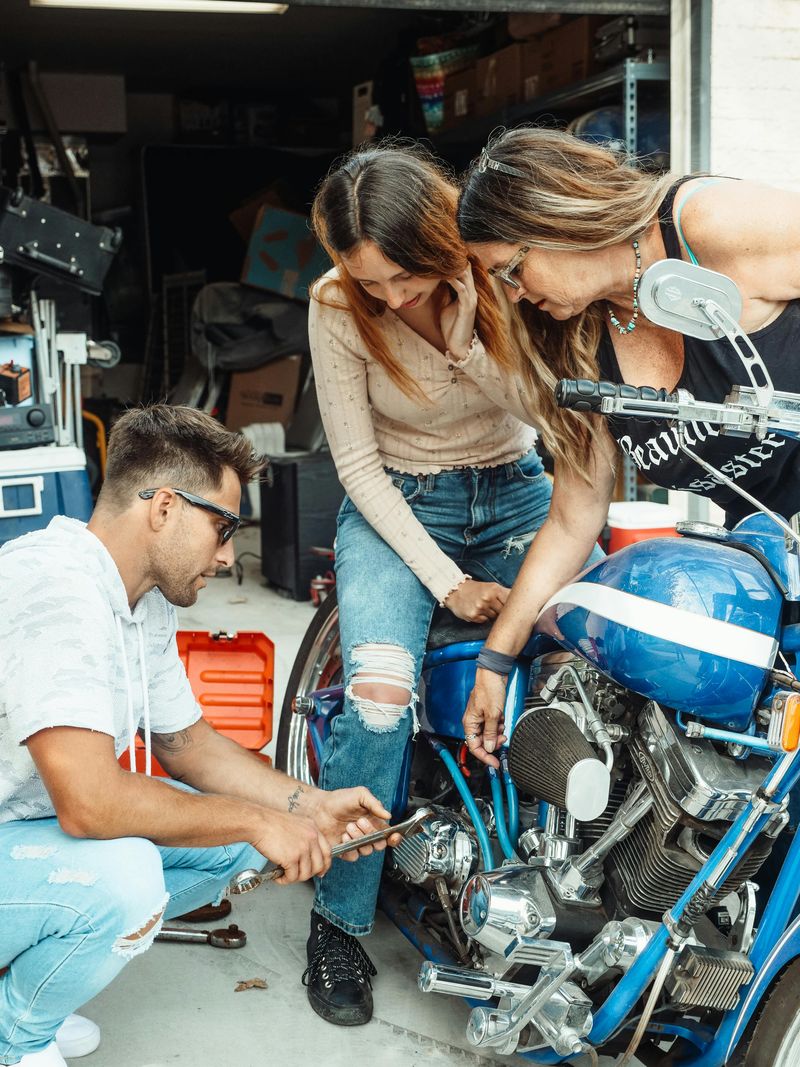
Before most kids were worried about recess, you already knew that being “the responsible one” was not a compliment — it was a full-time job.
If something broke, burned, or went sideways, eyes landed on you first.
Not because you were blamed unfairly, but because you were trusted most.
That trust came with weight.
You learned to double-check the stove, lock the front door, and make sure your little siblings were fed before you thought about yourself.
Accountability wasn’t a classroom lesson.
It was the air you breathed every single day, quietly shaping who you were becoming.
2. Money Stress Has Its Own Sound

Nobody had to say the word “bills” out loud for you to feel it.
The stress lived in the way your mom sighed after opening the mailbox, or how your dad got quiet at dinner near the end of the month.
You picked up on all of it.
That silent math — knowing when to ask for something and when to absolutely not — became second nature.
You learned to read financial tension the way other kids read chapter books.
It made you sharp, careful, and deeply aware that money wasn’t just numbers.
It was mood, safety, and survival wrapped into one.
3. Reading Moods Came Before Reading Textbooks
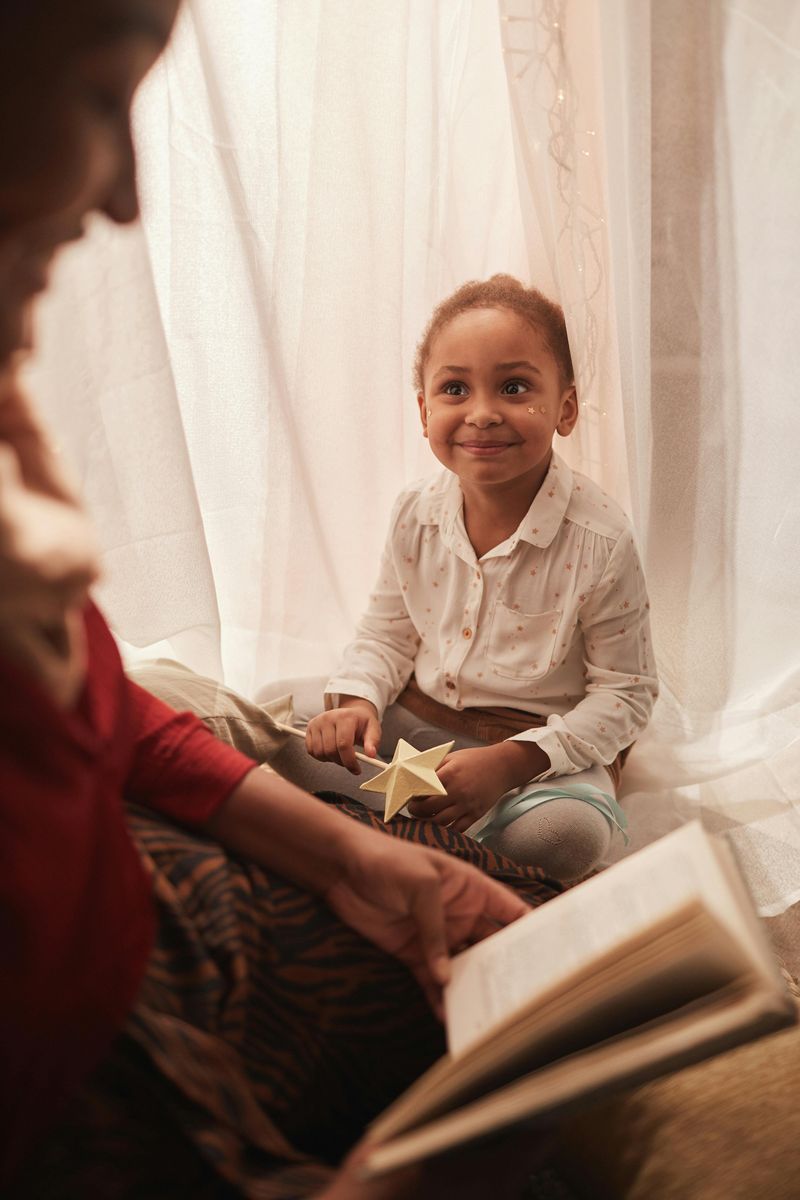
Long before algebra made any sense, you had already mastered emotional math.
One look at your mom’s face when she walked through the door told you everything — whether to stay quiet, offer help, or disappear into your room for a while.
This wasn’t something anyone taught you.
It grew out of necessity, out of love, and out of wanting to keep the peace.
You became the family’s unofficial emotional weather forecaster.
While your classmates were still figuring out how to read a clock, you were fluent in body language, tone of voice, and the loaded silence between two people who were both exhausted.
4. Helping Was How You Showed Love
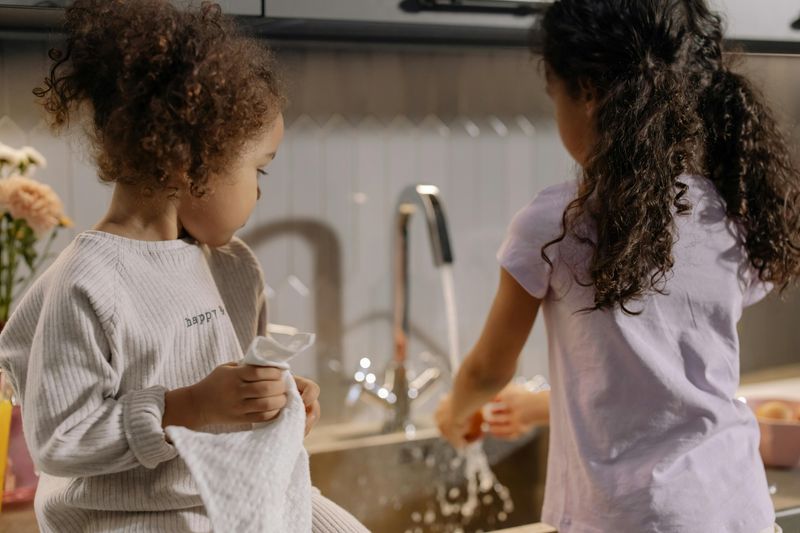
In your house, love didn’t always look like hugs and long conversations.
Sometimes it looked like folding laundry without being asked, or starting dinner before your parents got home.
Helping wasn’t optional — it was the language everyone spoke.
You never resented it, not really, because deep down you understood that pitching in was how the whole thing stayed afloat.
Every task you handled was one less thing your parents had to carry.
That sense of purpose — of being genuinely needed — wired you for contribution in a way that stuck.
You didn’t just help.
You held things together.
5. You Were a Translator in More Ways Than One

Maybe you translated actual languages — sitting beside your mom at a doctor’s office, turning medical words into something she could understand.
Or maybe you translated school emails, utility notices, and confusing forms that adults were too busy or too tired to decode alone.
Either way, you carried information that was way too heavy for your age.
You also translated emotions — explaining to your little brother why Mom was upset, or softening bad news before it reached the wrong ears.
You became the family’s bridge between worlds.
That skill made you wise, but it also made you grow up faster than you should have had to.
6. New Things Always Came With Quiet Math

“Can I have…” — you usually stopped yourself before the sentence finished.
Somewhere between wanting something and asking for it, your brain automatically ran the numbers.
New shoes meant checking if rent was paid.
A school trip meant wondering if there was room in the budget.
You weren’t taught this habit.
It just developed, like a reflex.
While other kids handed over wish lists without a second thought, you edited yours down to the bare minimum.
That quiet math — always running in the background — made you grateful for small things and realistic about big ones.
It also made you really good at budgeting way before most adults figure it out.
7. Maturing Fast Was Praised — But It Had a Cost

Adults always said it like it was a trophy: “She’s so mature for her age.” And sure, it felt good to be noticed.
But nobody talked about what got left behind in the rush to grow up.
The carefree, giggly, worry-free childhood that other kids seemed to float through?
You watched it from a slight distance.
Maturity meant being the calm one at a chaotic birthday party, the one who remembered to bring a jacket, the one who checked in on grandma.
It was real and earned.
But it also meant skipping over some soft, silly years that you never really got back.
8. Your Own Needs Learned to Wait — or Disappear

There was always someone who needed something more urgently than you did.
A crying toddler, a stressed parent, a sibling with homework meltdown — your own feelings quietly stepped to the back of the line.
You got used to it so fast that sometimes you forgot what you even needed.
Swallowing your emotions wasn’t weakness.
It was strategy.
But over time, it became a habit that followed you — the tendency to minimize your own struggles, to say “I’m fine” before anyone even asked.
Recognizing that your needs matter too is something many oldest daughters spend years — sometimes decades — learning to believe.
9. Independence Wasn’t a Phase — It Was Training

By the time most kids were still asking permission to pour their own cereal, you were already navigating the world solo.
Staying home alone, managing after-school routines, making small decisions that actually mattered — independence arrived early and stayed.
It wasn’t handed to you as a privilege.
It was handed to you because it was necessary.
But here is the thing: that early training built something solid inside you.
Problem-solving, self-reliance, the ability to stay calm when things go sideways — those skills became your foundation.
What looked like a tough childhood was also, quietly, the best preparation for adulthood anyone could have gotten.
10. Being Needed Shaped Who You Became
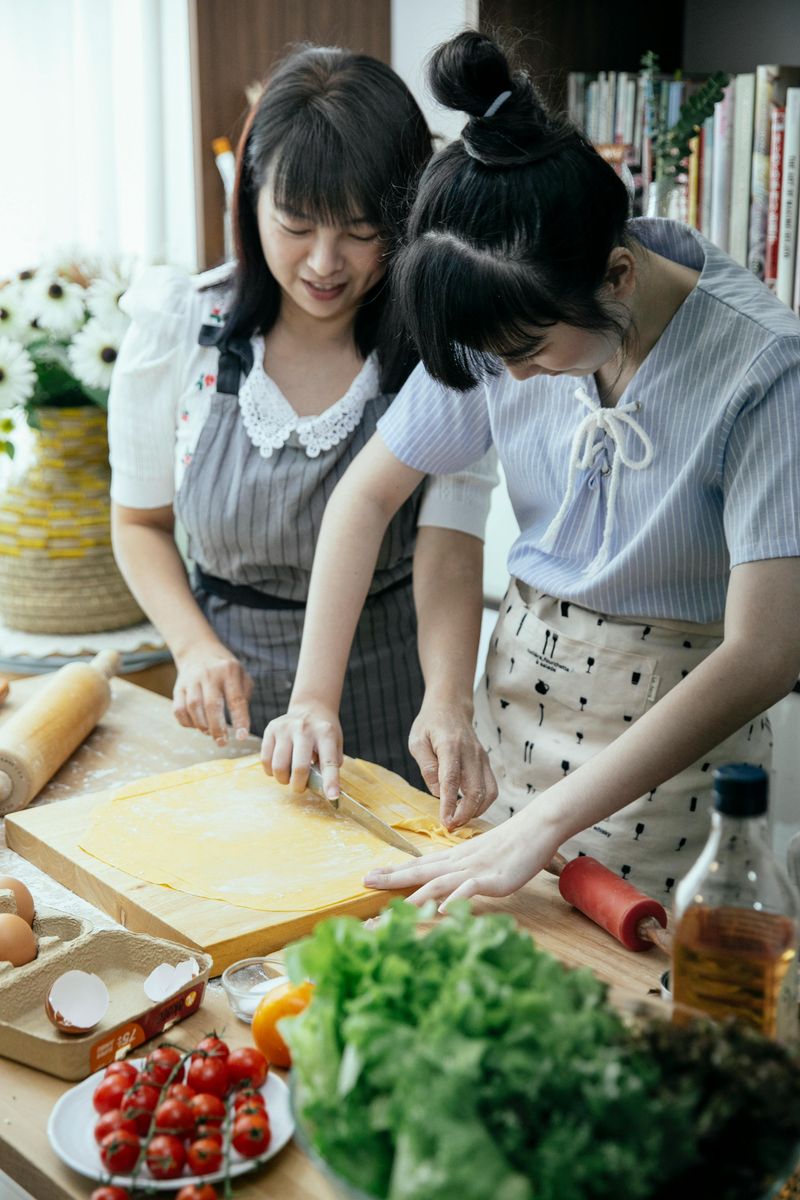
Here is something worth sitting with: all of it — the early mornings, the quiet sacrifices, the weight of being counted on — left a mark.
Not a wound, but a shape.
You became someone who shows up, who notices, who does not walk past a problem without trying to fix it.
That is not a small thing.
The world genuinely needs people like you.
Growing up as the oldest daughter in a working-class family did not just make you responsible — it made you resilient, empathetic, and deeply human.
You figured out what mattered long before most people even started asking the question.