 MomSkoop
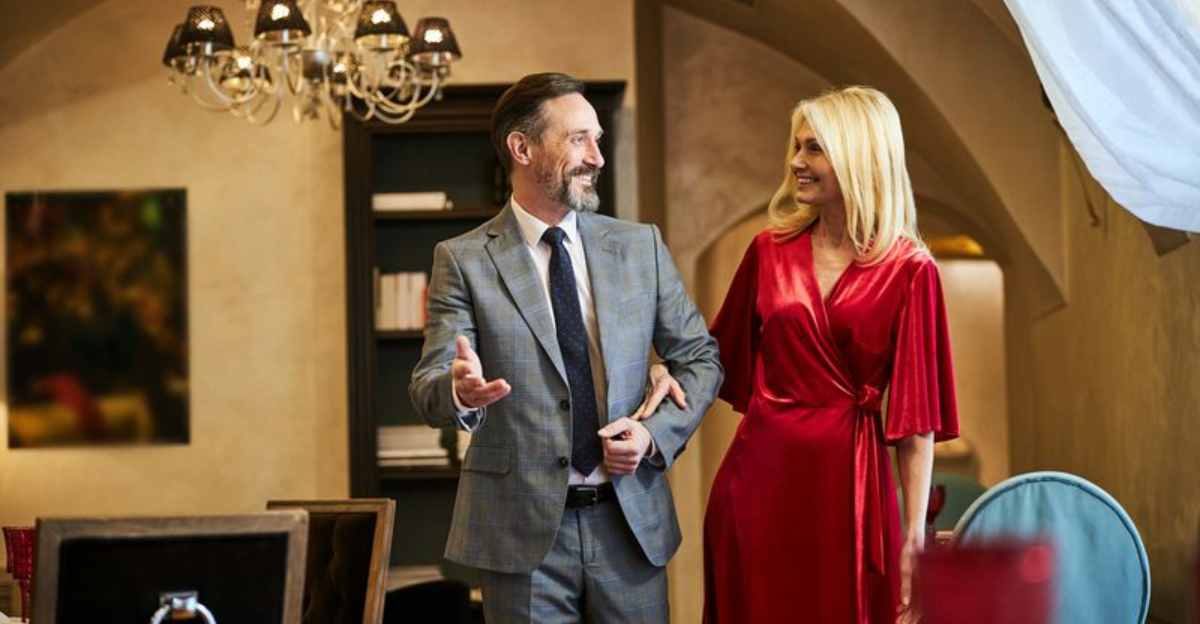
Getting older comes with real advantages — wisdom, confidence, and a sense of self that younger men are still building. But sometimes, certain habits quietly chip away at what makes an older man genuinely attractive.
A few small changes in behavior can make a big difference in how others see you. Whether you’re dating, socializing, or just trying to put your best foot forward, these are the patterns worth paying attention to.
1. Trying Too Hard to Prove They’re Still Young
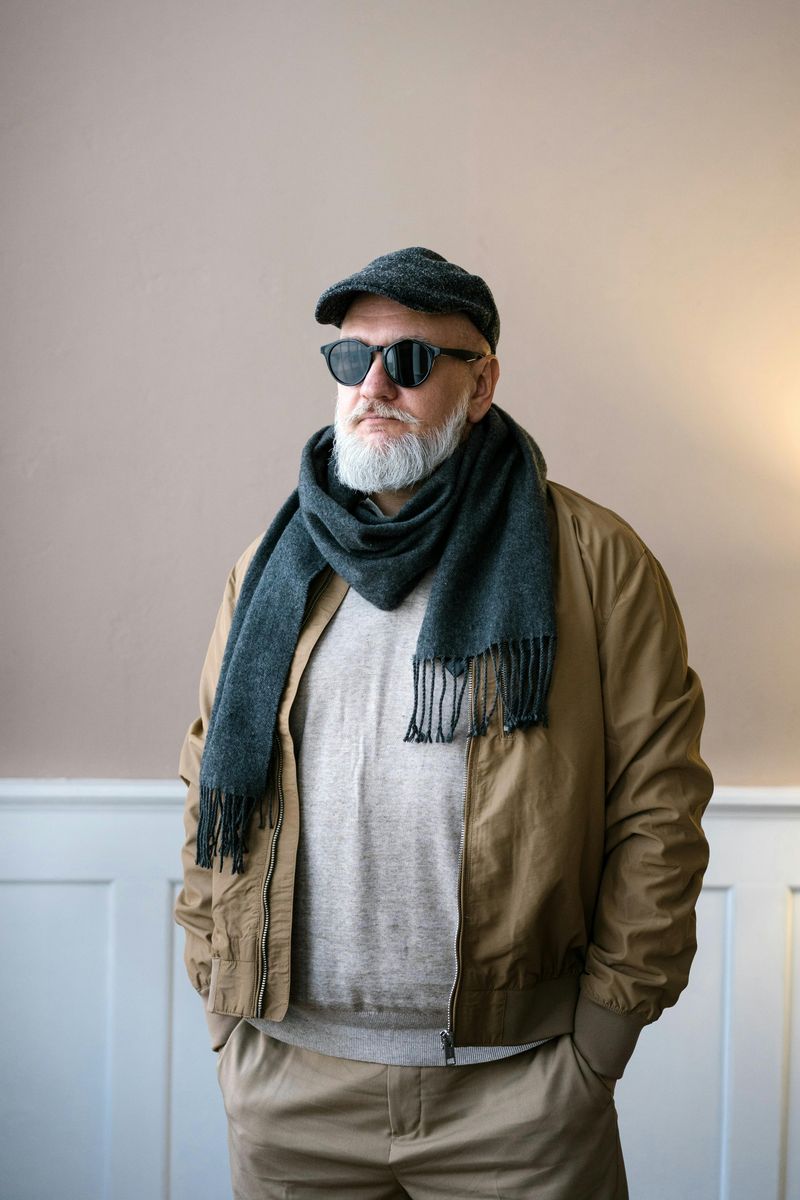
Picture a 58-year-old showing up to a casual dinner using Gen Z slang he clearly Googled an hour before.
It lands wrong every time.
Overcompensating with trendy fashion or forced cultural references doesn’t make anyone look younger — it signals insecurity dressed up as energy.
Confidence at any age means owning who you are right now, not performing a version of who you were 30 years ago.
Women and younger people alike find it refreshing when an older man leans into his actual identity.
Vitality shows through enthusiasm and presence, not through mimicking trends.
Authenticity never goes out of style, no matter what year it is.
2. Talking Down to Women

Mansplaining has a particularly sharp edge when it comes from someone who assumes age automatically grants him superior knowledge.
Interrupting mid-sentence or slowly explaining something a woman clearly already knows sends one loud message: you’re not really listening.
Attraction thrives on mutual respect.
When a man consistently talks over or corrects a woman, even subtly, she stops feeling like a partner and starts feeling like a student in an unwanted lecture.
The fix is simpler than most men realize — ask more, assume less.
Genuine curiosity about another person’s perspective is far more magnetic than any amount of expertise on display.
3. Over-Leading With Money or Status
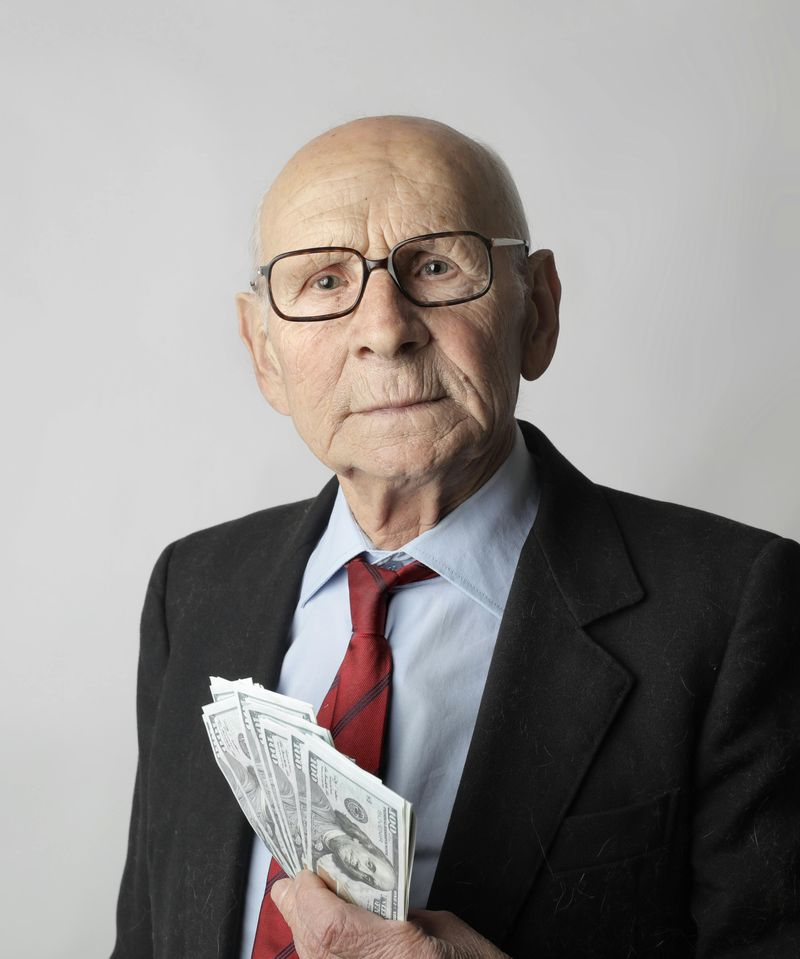
Success earned over decades is genuinely admirable.
The problem starts when it becomes the opening line, the main story, and the closing argument all at once.
Leaning too hard on wealth or status early on turns what could be chemistry into something that feels more like a business pitch.
Most people — especially emotionally mature ones — are drawn to character, humor, and genuine connection long before they care about net worth.
When money leads every conversation, it raises a quiet question: what’s underneath all that?
Letting your values, curiosity, and warmth speak first creates real attraction.
The impressive resume can come up naturally later.
4. Neglecting Physical Upkeep

Nobody expects perfection, and nobody should.
But there’s a real difference between aging naturally and simply letting things slide.
Dated clothing, skipped haircuts, and ignoring basic fitness send a quiet but clear signal about how much self-respect a man carries day to day.
Physical upkeep isn’t about vanity — it’s about intention.
When someone puts care into how they present themselves, it communicates that they value their own well-being, and by extension, the people around them.
Small upgrades go a long way: a well-fitting shirt, a consistent grooming routine, and staying reasonably active can shift first impressions dramatically.
Effort, at any age, is always noticeable.
5. Constantly Talking About the Good Old Days
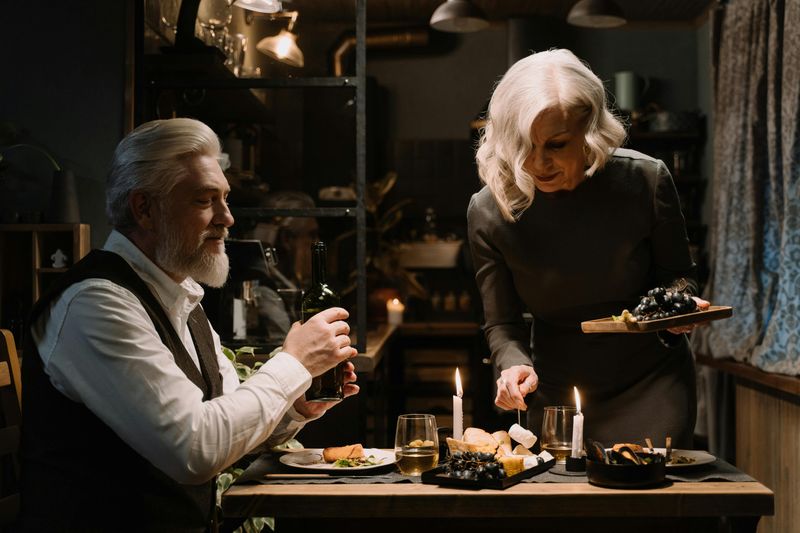
Nostalgia has its place — a well-timed story from the past can be charming and even fascinating.
But when every conversation circles back to how things were better in 1987, it starts to feel less like storytelling and more like an escape hatch from the present.
Living mentally in a different decade signals that a man hasn’t found much worth engaging with in his current life.
That kind of stagnation is hard to connect with, especially for people who are actively building their futures.
The most attractive version of an older man is one who respects his history but shows genuine enthusiasm for what’s happening right now, and what’s still ahead.
6. Being Emotionally Closed-Off

There’s a version of stoicism that reads as steady and calm — genuinely attractive qualities.
Then there’s the version that’s just walls with a good poker face.
When emotional unavailability gets mistaken for strength, real connection becomes nearly impossible.
Women, in particular, tend to pick up on emotional distance quickly.
A man who can’t acknowledge vulnerability, share a feeling, or engage with emotional topics feels more like a closed door than a safe space.
Emotional intelligence doesn’t mean oversharing or being dramatic.
It means being willing to show up honestly in a conversation.
That kind of openness, even in small doses, builds more trust than a stoic front ever could.
7. Complaining About Modern Dating or Women Today

Bitterness is one of those things that people can smell from across the room.
When an older man regularly vents about how women are impossible, dating apps are a waste of time, or nobody appreciates a “real man” anymore, it doesn’t come across as honest — it comes across as exhausting.
Chronic complaints about the dating landscape signal unresolved frustration, not wisdom.
And frustration worn openly on a date is one of the fastest ways to confirm exactly why things aren’t working out.
Accountability and perspective are far more appealing.
Recognizing that attraction is a two-way street — and approaching it with curiosity instead of grievance — changes the entire energy someone brings to the room.
8. Acting Entitled to Attention Because of Age or Experience
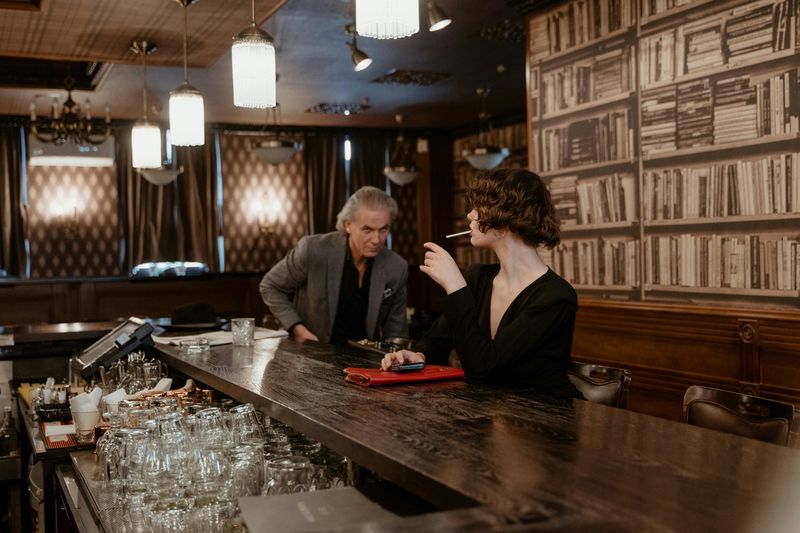
Experience is earned and genuinely worth respecting.
But expecting others to automatically recognize it — or worse, acting offended when they don’t — flips the energy entirely.
Entitlement, regardless of age, is one of the least attractive qualities a person can carry into a room.
Younger generations especially tend to value connection and contribution over credentials.
Showing up and demanding deference because of decades lived rarely earns the admiration it’s meant to command.
Real respect is built through how a person treats others, not through expecting others to treat them a certain way first.
Humility paired with genuine confidence is a combination that works at 35, 55, or 75.
9. Oversharing Too Soon

A first date is not a therapy session, and the difference matters more than most people realize.
Unloading divorce trauma, financial stress, or long-standing personal baggage in the first few conversations doesn’t create intimacy — it creates pressure on the other person to manage emotions they didn’t sign up for.
Vulnerability is powerful when it’s timed well and offered in proportion to the relationship’s depth.
Early-stage oversharing often comes from a real place of pain, but it lands as emotional flooding rather than honest connection.
Building trust gradually, letting stories unfold naturally over time, and reading the room are all signs of emotional maturity.
Those qualities genuinely draw people in.
10. Lacking Curiosity
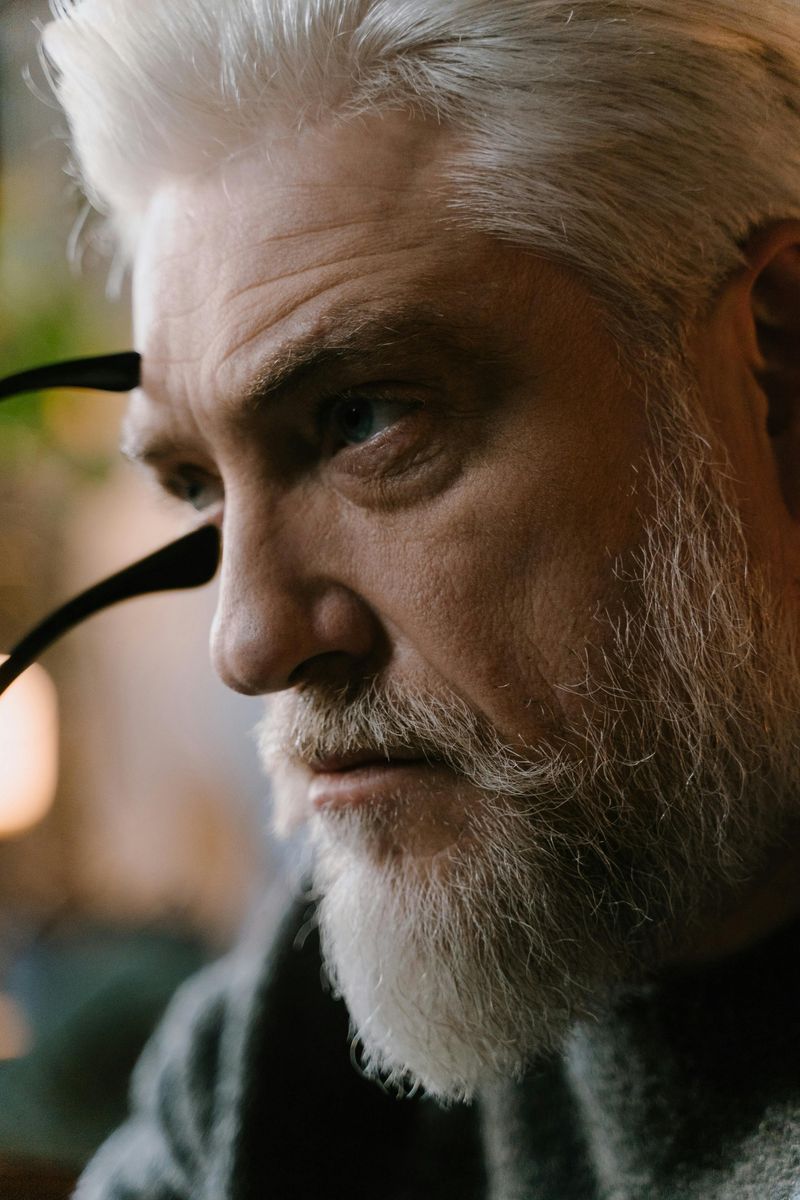
Ask any woman what she finds unattractive about a date, and “he never asked me a single question” comes up more often than most men expect.
Curiosity is magnetic.
When someone is genuinely interested in understanding your world, it creates a feeling of being seen — and that’s hard to fake.
Complacency can settle in quietly over the years.
A man who stopped exploring new ideas, asking thoughtful questions, or engaging with perspectives different from his own can come across as mentally parked rather than present.
Staying curious keeps conversations alive and signals that a person is still growing.
That kind of engaged energy is noticeable, attractive, and refreshingly rare in any age group.
11. Trying to Control the Dynamic

Confidence and control are not the same thing, even though they’re easy to confuse.
A man who micromanages every plan, redirects every conversation back to his preferences, or subtly dismisses a woman’s input isn’t coming across as strong — he’s coming across as someone who doesn’t trust anyone else in the room.
This pattern often develops from years of being in charge at work or at home.
But what works in a boardroom tends to suffocate a budding connection.
Partnership requires give-and-take, not a director and an audience.
Letting go of the need to manage every outcome actually communicates more security than controlling behavior ever does.
Real confidence makes space for others to show up fully.