 MomSkoop
Growing up in the early 2000s meant figuring things out the hard way — and somehow, that made us better at almost everything.
Before smartphones, streaming, and instant answers, kids had to be creative, patient, and surprisingly resourceful.
Those quirky skills we picked up back then?
Turns out, they were building something pretty powerful all along.
Here’s a look back at the oddly brilliant things we learned just by living through that era.
1. How to Burn a Perfect CD (and Label It Like It Mattered)
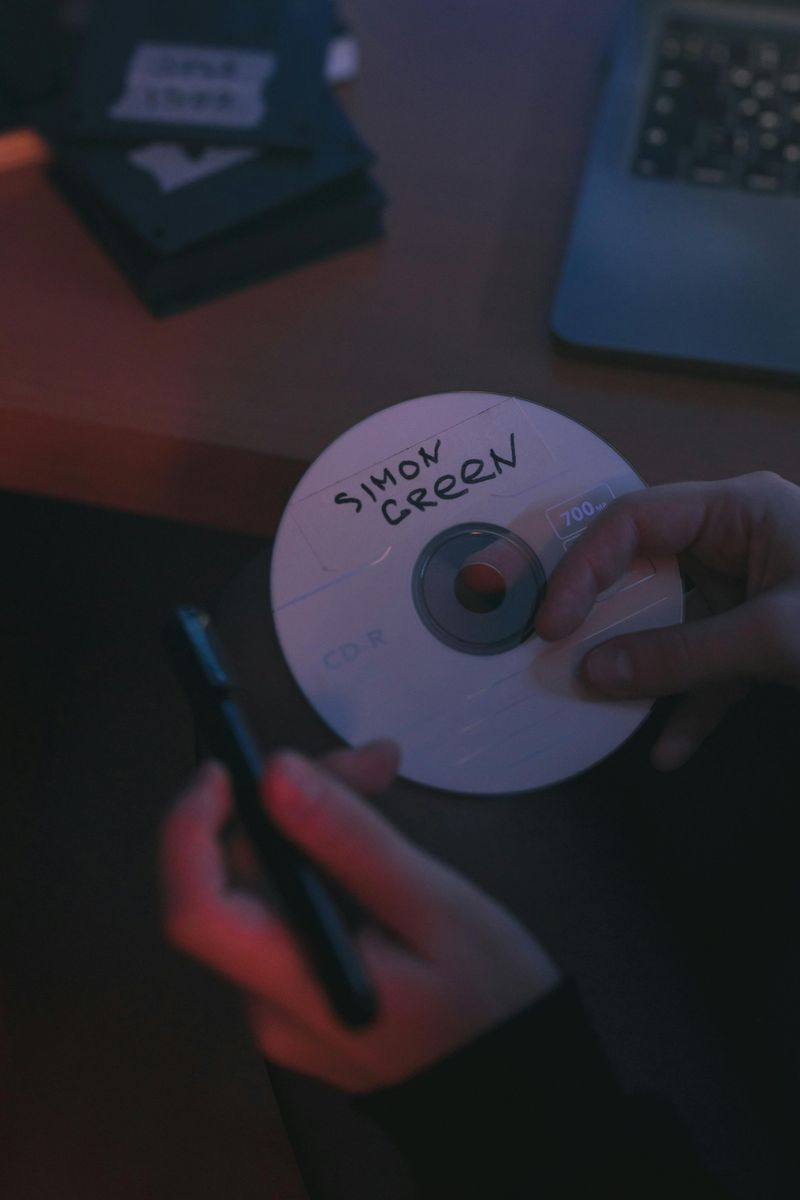
There was something almost sacred about burning a CD.
You spent hours picking the perfect songs, arranging them in exactly the right order, and calculating whether track 11 would fit before the disc ran out of space.
Every second counted — literally.
Then came the label.
Whether you printed one or hand-wrote it in your neatest bubble letters, that disc meant something.
It was a playlist, a gift, a statement.
That careful attention to detail — planning, sequencing, and finishing with pride — is a real organizational skill that translates directly into project management today.
2. How to Survive on Dial-Up Internet Without Losing Your Mind
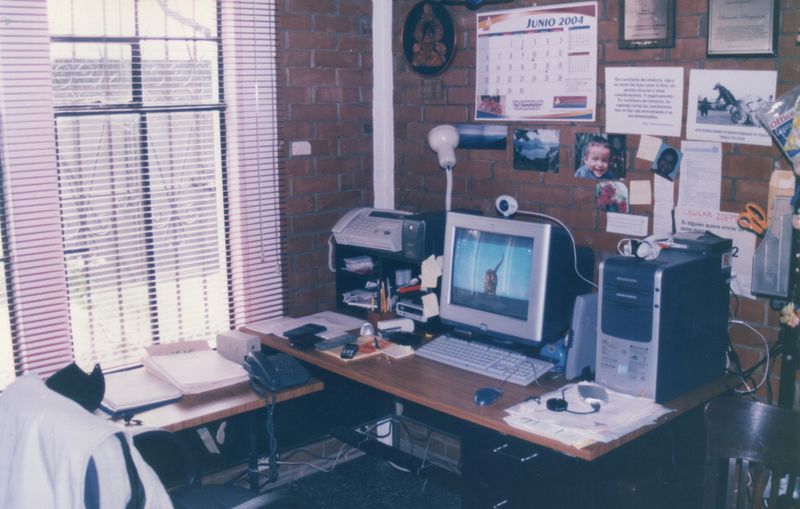
That screeching sound of a modem connecting was both annoying and exciting — it meant the internet was almost yours.
Almost.
You still had to wait several more minutes for a single webpage to load, image by agonizing image.
Dial-up taught an entire generation the art of patience and strategic multitasking.
You learned to start a download, walk away, do something else, and come back without panicking.
Managing expectations and working within frustrating limitations are surprisingly valuable life skills.
Anyone who survived dial-up can handle a slow Wi-Fi day at the office without breaking a sweat.
3. How to Write in T9 Without Looking at the Keypad
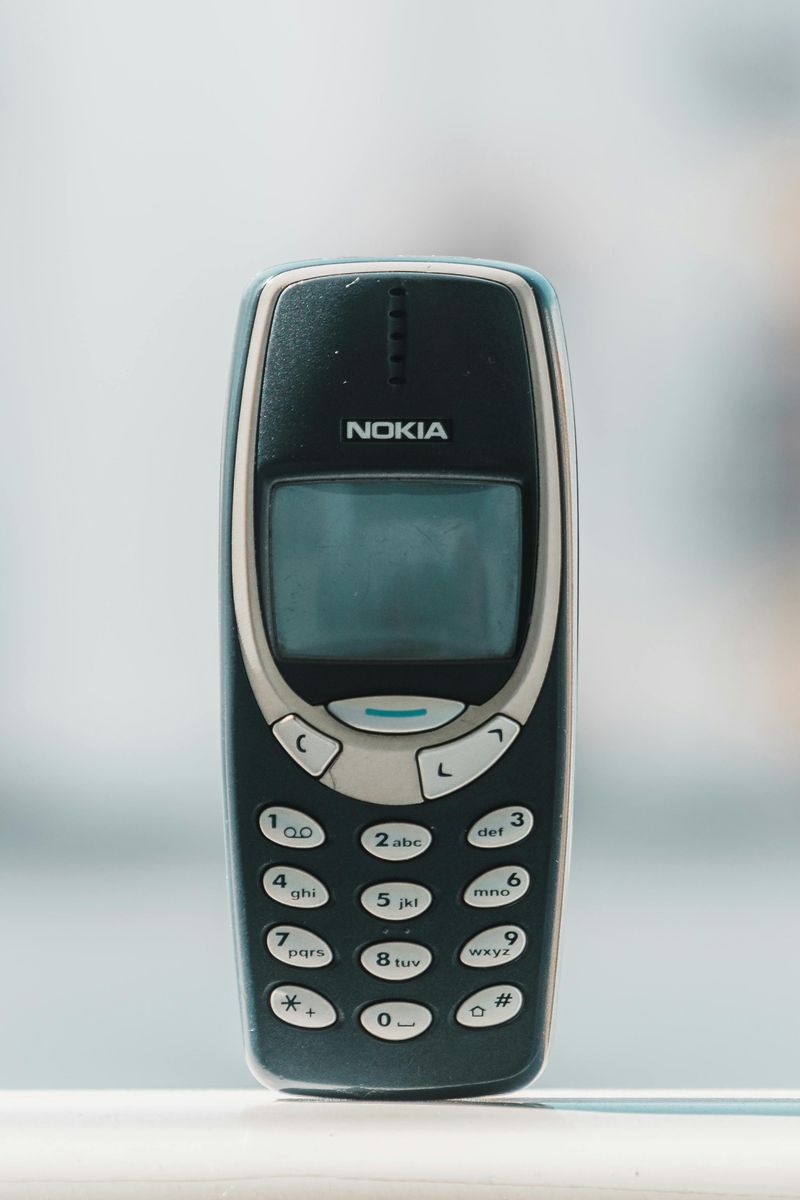
T9 predictive text was basically a puzzle wrapped inside a phone.
You pressed a number multiple times to cycle through letters, and somehow your brain memorized which key combination spelled “tomorrow” versus “tomorrow” spelled wrong — again.
Mastering T9 without glancing at the keypad was a genuine feat of muscle memory and spatial awareness.
Your thumbs became surprisingly precise instruments.
That kind of tactile learning — training your hands to move automatically while your brain stays focused elsewhere — is the same skill surgeons, musicians, and athletes spend years developing.
Not bad for a Nokia 3310.
4. How to Memorize Phone Numbers (Because You Had To)

Before contacts were synced to the cloud, phone numbers lived in your head.
You knew your best friend’s number, your grandma’s number, and the number for the pizza place — all without thinking twice about it.
Memorizing numbers wasn’t just rote learning; it was chunking information, creating patterns, and building genuine mental storage habits.
Those are the same techniques memory champions use in competitions today.
Losing that skill has made many adults oddly helpless when a phone dies.
But those of us who grew up drilling numbers into our brains still carry a quiet mental sharpness others envy.
5. How to Fix a Scratched DVD with Toothpaste

Few things were more devastating than a DVD skipping right before the movie’s big ending.
But somewhere along the way, someone discovered that a little toothpaste — rubbed outward from the center in straight lines — could actually bring a disc back to life.
It sounds ridiculous, and honestly, it kind of was.
But it worked often enough that it became common knowledge among kids everywhere.
More importantly, this taught a generation to try unconventional fixes before giving up.
That resourceful, “what do I have on hand?” mindset is exactly what problem-solvers and engineers rely on every single day.
6. How to Download Music Without Destroying the Family Computer
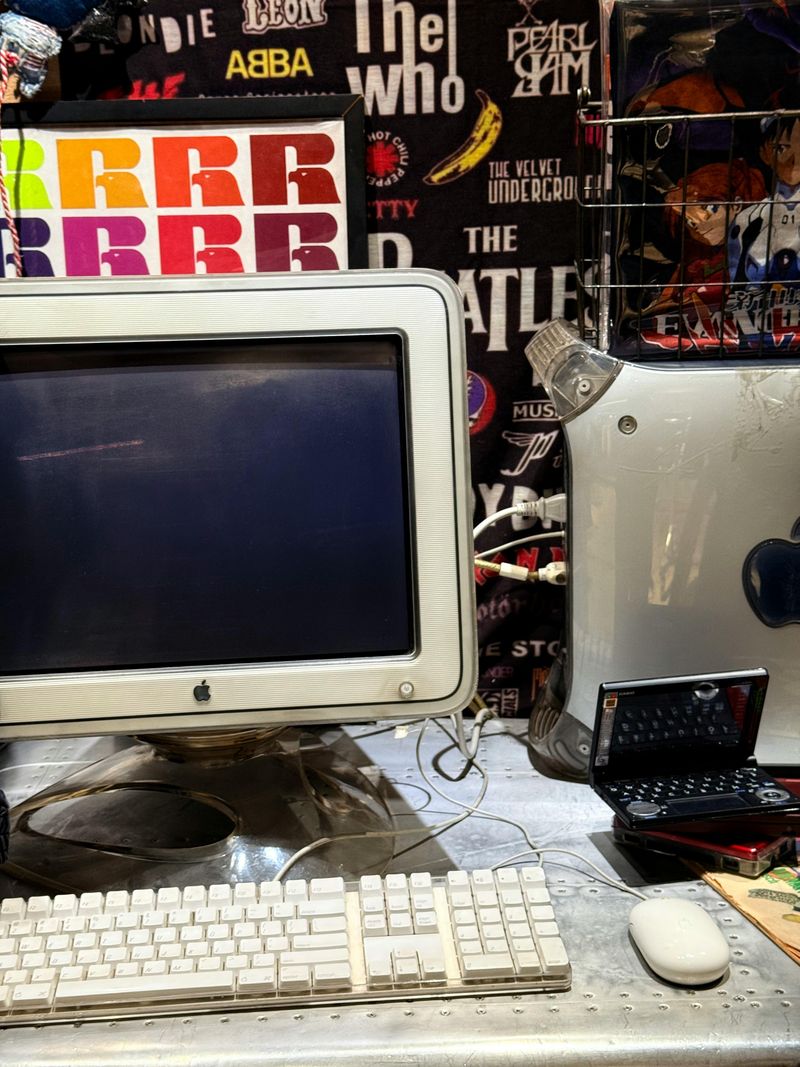
LimeWire, Kazaa, Napster — these names either make you smile or give you flashbacks.
Downloading music in the early 2000s was a minefield of mislabeled files, fake tracks, and viruses disguised as your favorite song.
Navigating that landscape taught real digital literacy.
You learned to check file sizes, read reviews, spot suspicious file names, and back away slowly from anything that looked off.
Those instincts — evaluating sources, thinking critically before clicking, and protecting shared systems — are the exact skills cybersecurity professionals now teach in corporate training sessions.
We just learned them the stressful, trial-and-error way.
7. How to Customize Your MySpace Page with Basic HTML

Long before website builders made everything drag-and-drop easy, MySpace handed you a blank text box and said, “Good luck.” If you wanted a glittery background, autoplay music, and a custom cursor, you had to figure out the HTML yourself.
Millions of teenagers learned what a div tag was, how to embed a YouTube video, and why font color codes mattered — all just to impress their friends online.
That scrappy, self-taught coding experience planted seeds that grew into real web development skills for many people.
MySpace was, without exaggeration, the world’s most chaotic and effective beginner coding bootcamp.
8. How to Wait — for Songs, Photos, and People to Come Online
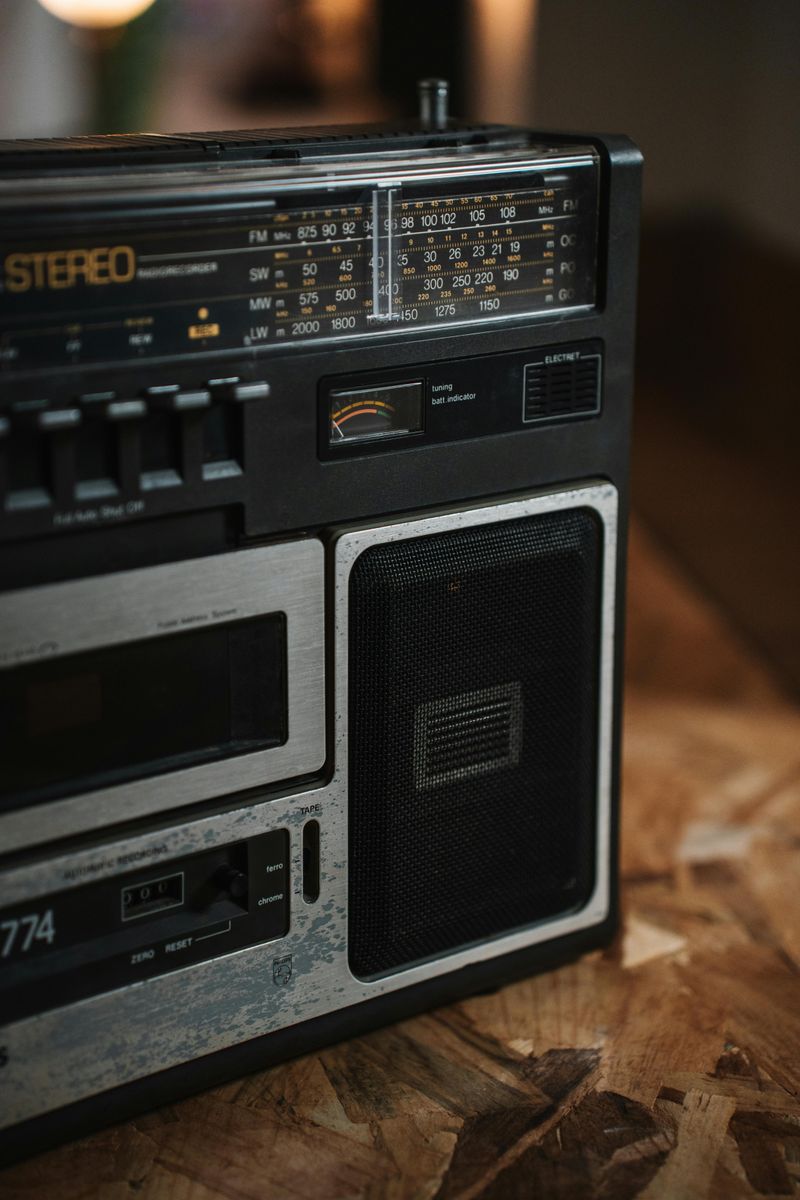
Waiting was basically a full-time hobby in the early 2000s.
You sat by the radio for an hour hoping your favorite song would play so you could hit record in time.
You dropped off a roll of film and waited days to see if any photos turned out.
You watched the AIM buddy list refresh, hoping that one screen name would finally pop up green.
Living inside that kind of anticipation built genuine emotional regulation and delayed gratification — two things psychologists say are strongly linked to long-term success, happiness, and resilience.
Waiting, it turns out, was training.
9. How to Share One Computer with the Entire Household
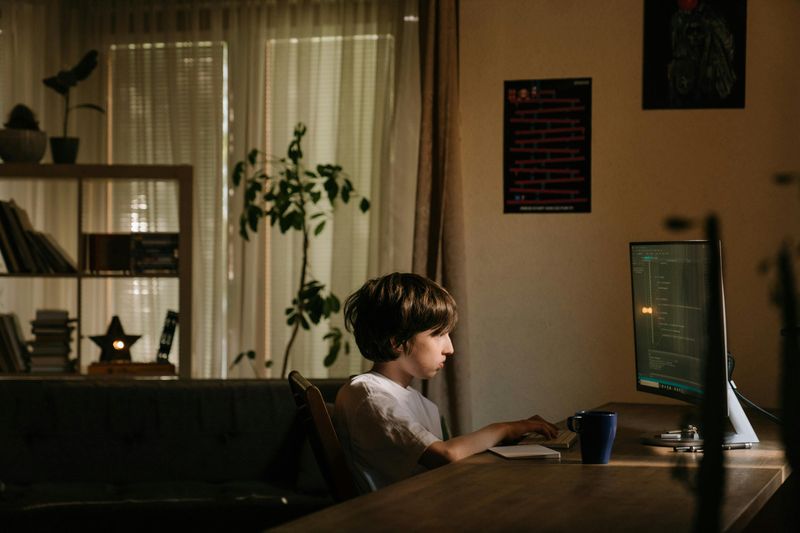
One computer.
Five people.
Zero patience.
Sound familiar?
Negotiating screen time with siblings and parents was basically a daily diplomacy exercise, complete with time limits, written schedules taped to the monitor, and the occasional dramatic meltdown.
You learned to make your time count.
No endless scrolling — you had a mission, you completed it, and you logged off before someone knocked on the door.
That habit of focused, purposeful computer use is something productivity experts now actively coach adults to redevelop.
Turns out, growing up with limited access accidentally made us more efficient than we ever realized.
10. How to Troubleshoot Tech Without YouTube Tutorials
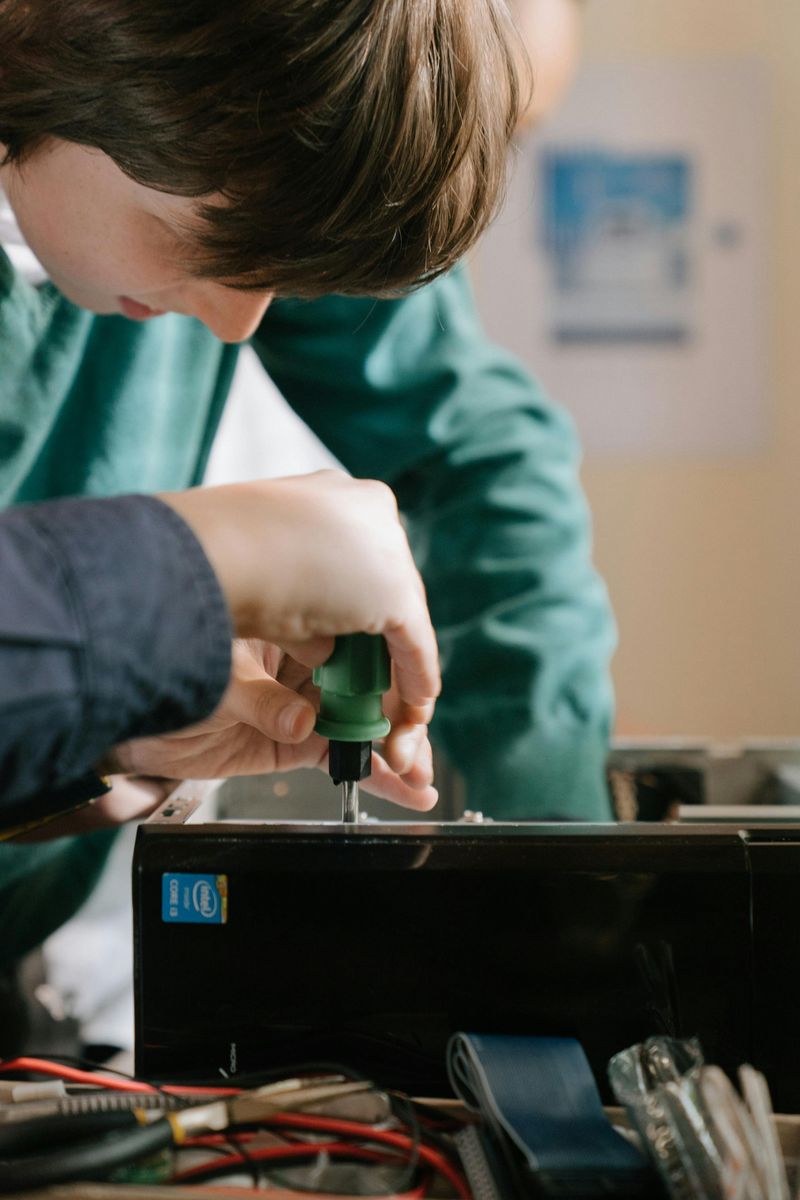
When something broke, there was no quick video showing you exactly what to do.
You read the manual — yes, the actual paper manual — or you clicked through every menu until something worked.
Sometimes you called a tech hotline and waited on hold for forty-five minutes.
That process of systematic elimination, reading documentation, and thinking logically through a problem is called debugging.
Professional software developers do it every day.
Early 2000s kids developed a surprisingly high tolerance for tech frustration and a strong instinct for independent problem-solving — two qualities that are genuinely hard to teach in a classroom setting.
11. How to Make Plans and Actually Show Up (No Live Location, No Constant Texting)
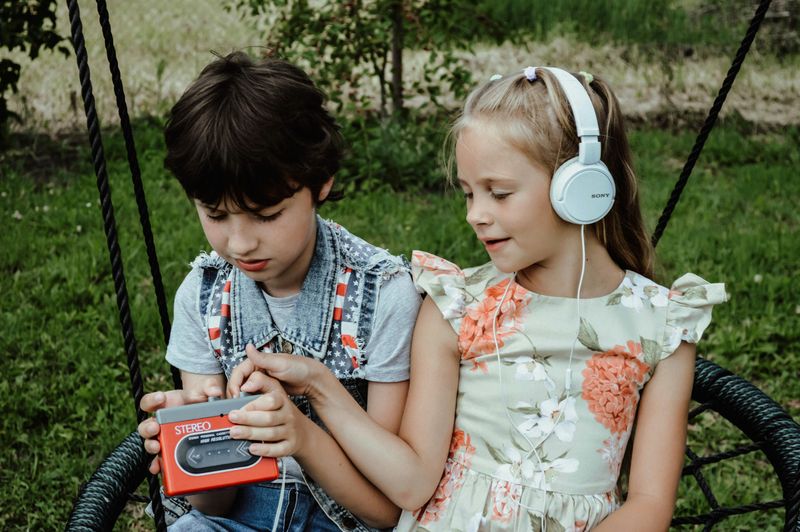
“Meet me at the park at 3.
By the big oak tree.
Don’t be late.” That was the whole plan.
No group chat to coordinate, no live location to share, no last-minute “omw” texts — just a time, a place, and a handshake deal.
Showing up required memory, responsibility, and actual commitment.
You couldn’t bail five minutes before without anyone knowing; people were already there waiting.
That kind of social accountability built trust and follow-through in ways that constant digital check-ins actually undermine today.
Early 2000s kids learned to be reliable simply because there was no other option.
12. How to Entertain Yourself Without Streaming, Scrolling, or Algorithms
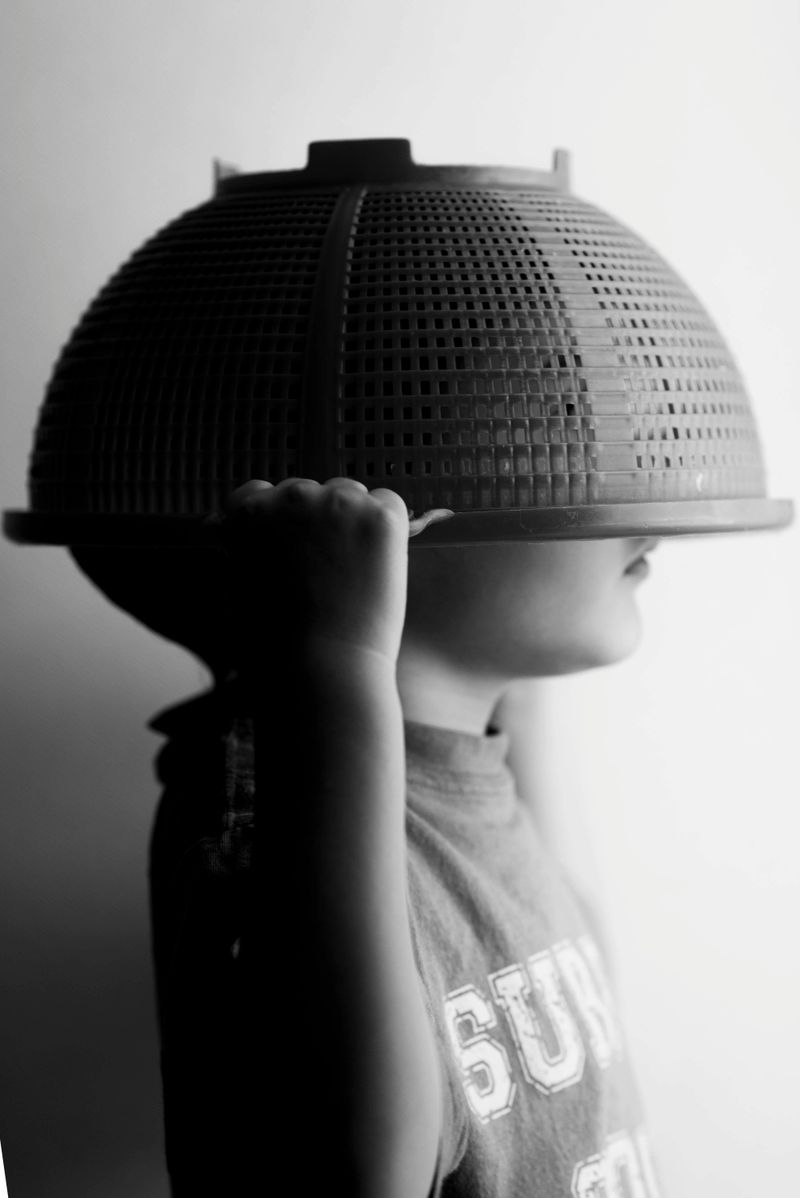
Boredom in the early 2000s wasn’t a crisis — it was a creative challenge.
When there was nothing on TV and the computer was taken, you went outside, built something, made up a game, or just lay in the grass thinking.
Honestly?
It was kind of great.
That unstructured time forced imagination and self-direction in ways that curated content feeds simply cannot replicate.
Researchers now call this kind of free, open-ended play essential for developing creativity, emotional resilience, and independent thinking.
Early 2000s kids didn’t know they were doing something healthy — they were just bored enough to be brilliant.