 MomSkoop

Aging well is about much more than just staying physically fit. Experts say that how we think, connect, and care for ourselves plays a huge role in how we age.
The good news is that healthy aging is something most of us can work toward, no matter where we are in life. Here are seven key markers that show you are on the right track.
1. You’re Honest About Your Needs

Knowing what you need and actually saying it out loud takes real courage.
Many people spend years pushing their feelings aside, telling themselves they are fine when they are not.
That habit can quietly wear down both mental and physical health over time.
Experts say that self-awareness is one of the strongest foundations for aging well.
When you can honestly say, “I need rest,” or “I need help,” you give yourself permission to actually receive care.
That kind of emotional honesty reduces stress and builds stronger relationships.
Think of it as a gift to your future self.
The more honest you are today, the better equipped you will be tomorrow.
2. You Prioritize Your Physical Health

A 2023 study found that adults who stay physically active in their 60s and 70s have a significantly lower risk of heart disease, cognitive decline, and mobility issues.
That is a pretty powerful reason to keep moving.
Prioritizing physical health does not mean running marathons or lifting heavy weights.
It can be as simple as a daily walk, stretching in the morning, or swimming a few times a week.
Consistency matters far more than intensity.
Eating balanced meals, staying hydrated, and getting enough sleep all count too.
Your body works hard for you every single day.
Treating it well is one of the smartest investments you can make in your future.
3. You Take Time to Learn New Things

Here is something fascinating: learning a new language, instrument, or skill after age 60 can actually strengthen the brain and slow cognitive aging.
Scientists call this “neuroplasticity,” and it means your brain keeps growing when you challenge it.
Healthy agers tend to stay curious.
They take online classes, pick up hobbies, ask questions, and explore topics they never had time for before.
That sense of wonder keeps life feeling fresh and meaningful.
You do not have to enroll in a university to keep your mind sharp.
Reading a new book, trying a recipe from another culture, or learning how to use a new app all count.
Curiosity truly is ageless.
4. You Have a Community

Loneliness has been called one of the greatest health risks of our time.
Research from Harvard’s Study of Adult Development found that strong social connections are one of the most reliable predictors of long, healthy lives.
That finding held true across decades of research.
Having a community does not require a large social circle.
Even one or two close, trusting relationships can make a meaningful difference.
Regular check-ins with friends, joining a club, attending a place of worship, or volunteering all help build that sense of belonging.
People who feel connected tend to recover from illness faster and report higher levels of happiness.
Community is not just good for the soul.
It is genuinely good for the body too.
5. You Plan for the Future

Planning ahead is one of the most quietly powerful things a person can do for their well-being.
Experts note that people who set goals, manage their finances, and think about long-term care options tend to experience less anxiety as they age.
Future planning does not have to feel heavy or overwhelming.
Start small.
Update your will, talk to a financial advisor, or simply write down what you want your life to look like in five years.
Those small steps build confidence and reduce worry.
There is something deeply reassuring about knowing you have thought things through.
Planning is not about expecting the worst.
It is about giving yourself the freedom to enjoy the present without constant uncertainty hanging overhead.
6. You Do Things You Enjoy
Joy is not a luxury.
According to researchers at the Mayo Clinic, regularly doing things you love is directly linked to lower stress hormones, better immune function, and a longer life.
Enjoyment is genuinely medicinal.
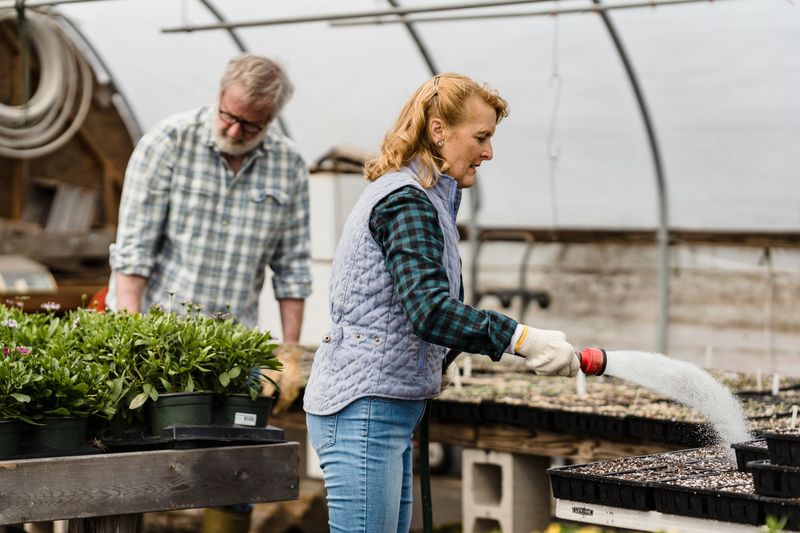
Healthy agers make time for the activities that light them up, whether that is gardening, cooking, painting, hiking, or simply watching their favorite movies.
They do not wait until everything else is done to allow themselves pleasure.
They treat it like a priority, because it is.
If you have lost touch with what brings you joy, that is okay.
Start experimenting again like a kid exploring a new playground.
Rediscovering what makes you happy is one of the most rewarding parts of growing older.
7. You Talk to Your Doctor About Your Medications

Many adults take multiple medications as they get older, and not all of them may still be necessary.
Experts call unnecessary or overlapping prescriptions “polypharmacy,” and it is far more common than most people realize.
Having an open conversation with your doctor can make a real difference.
Healthy agers do not just passively accept every prescription.
They ask questions like, “Do I still need this?” or “Could this be causing side effects?” That kind of proactive communication leads to smarter, safer care.
Bringing a written list of all your medications to every appointment is a simple but powerful habit.
Your doctor is your partner in health, not just a prescription writer.
Speaking up is always worth it.