 MomSkoop

Walking into a stunning, well-furnished home, you might notice something unexpected tucked between the marble countertops and designer furniture — habits that quietly whisper of simpler times. People who grew up without much often carry certain behaviors with them long after their financial situation changes.
These small, telling signs aren’t flaws; they’re actually a beautiful reminder of resilience and resourcefulness. Once you know what to look for, you’ll start spotting them everywhere.
1. Meticulous Care of Everyday Items

There’s something almost poetic about finding coasters on every single surface in a home filled with expensive furniture.
People who grew up without much learned early that things don’t replace themselves easily — so you protect what you have.
That mindset doesn’t vanish when the bank account grows.
Even the fanciest appliances get wiped down immediately after use.
Plastic might still be left on remotes, and a scratch on the hardwood floor gets fixed the same week it appears.
It’s not obsessive — it’s deeply respectful of what ownership means to someone who once had very little.
2. “Just in Case” Storage
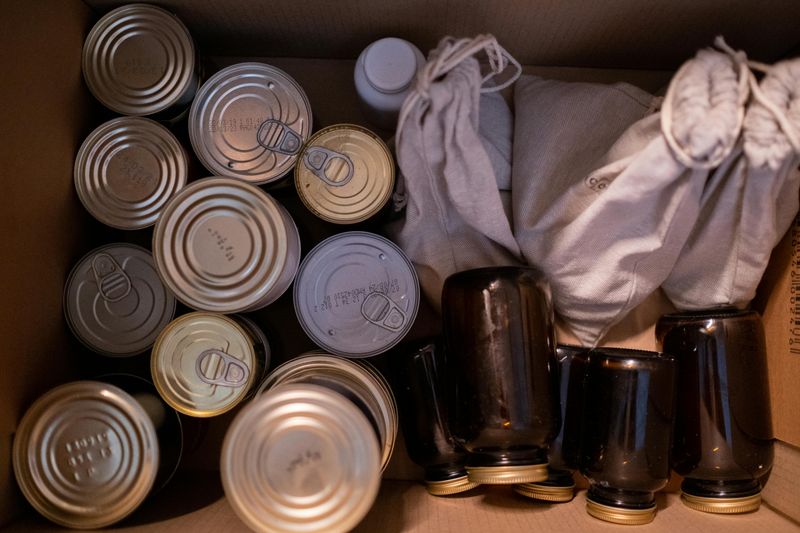
Open the pantry in a wealthy home and sometimes you’ll find something surprising — folded gift bags from three Christmases ago, neatly stacked next to labeled bins of extra batteries and spare soap bars.
Growing up with limited resources teaches you that running out of something is a real problem, not just an inconvenience.
That habit of stashing backups doesn’t disappear with financial comfort.
The garage might have extra paper towels in bulk.
The closet might have toiletries that could last a small hotel through a long weekend.
It’s not hoarding — it’s a deeply wired sense of security built from years of making do.
3. Minimal Food Waste

Wasting food feels almost physically painful to someone who grew up watching their parents stretch every grocery dollar.
Even in a kitchen stocked with premium ingredients and high-end appliances, leftovers are carefully labeled and stored — never tossed without a second thought.
Expiration dates get checked regularly.
Produce that’s slightly past its prime becomes soup rather than trash.
Dinner portions are sized with intention, not abundance for show.
Friends might notice that meals at this home are delicious but never wasteful — every bit gets used.
Food, to someone shaped by scarcity, has always meant more than just fuel.
It represents effort, money, and gratitude.
4. Strategic Bulk Buying
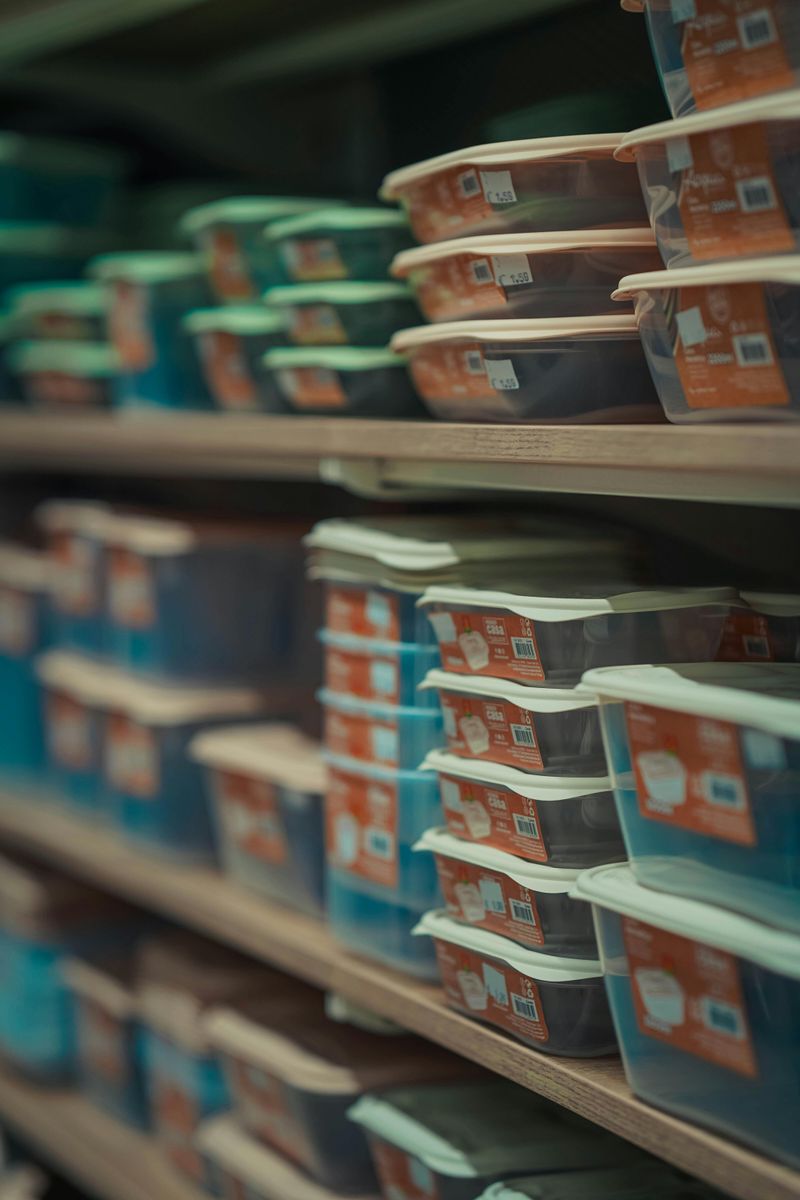
Buying in bulk isn’t just a budget strategy — for many people who grew up with financial instability, it’s a deeply comforting ritual.
Knowing the pantry is stocked feels like safety in a very real, physical way.
That feeling doesn’t fade just because money is no longer tight.
A luxury home might have a pantry that looks like a small warehouse: multiple packs of pasta, gallons of olive oil, enough canned goods to survive a snowstorm.
It’s Costco logic applied to an upscale lifestyle.
The math still makes sense, sure — but honestly, it’s less about savings and more about never wanting to feel caught off guard or unprepared again.
5. Functional Over Flashy Purchases
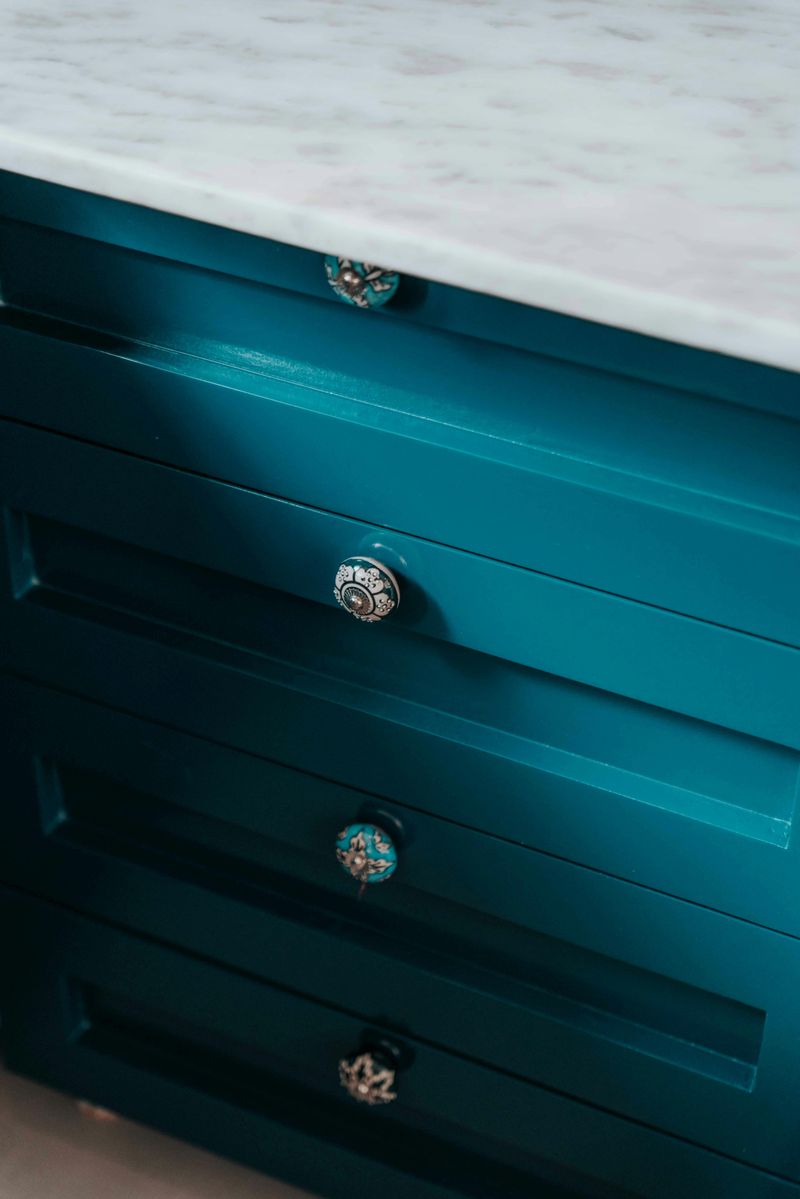
Ask someone who grew up with very little what they look for in a big purchase, and the answer usually isn’t “impressive” — it’s “will this last?” Even when spending serious money, the priority is durability, reliability, and long-term value.
Status symbols feel hollow compared to something that actually works well for years.
You might notice this in how the home is furnished.
The sofa is top quality but chosen for comfort and construction, not because it’s a trendy designer name.
The car in the driveway is reliable and well-maintained.
Practicality quietly wins over prestige every time, because growing up without taught them that things need to earn their place.
6. Over-Prepared Guest Spaces
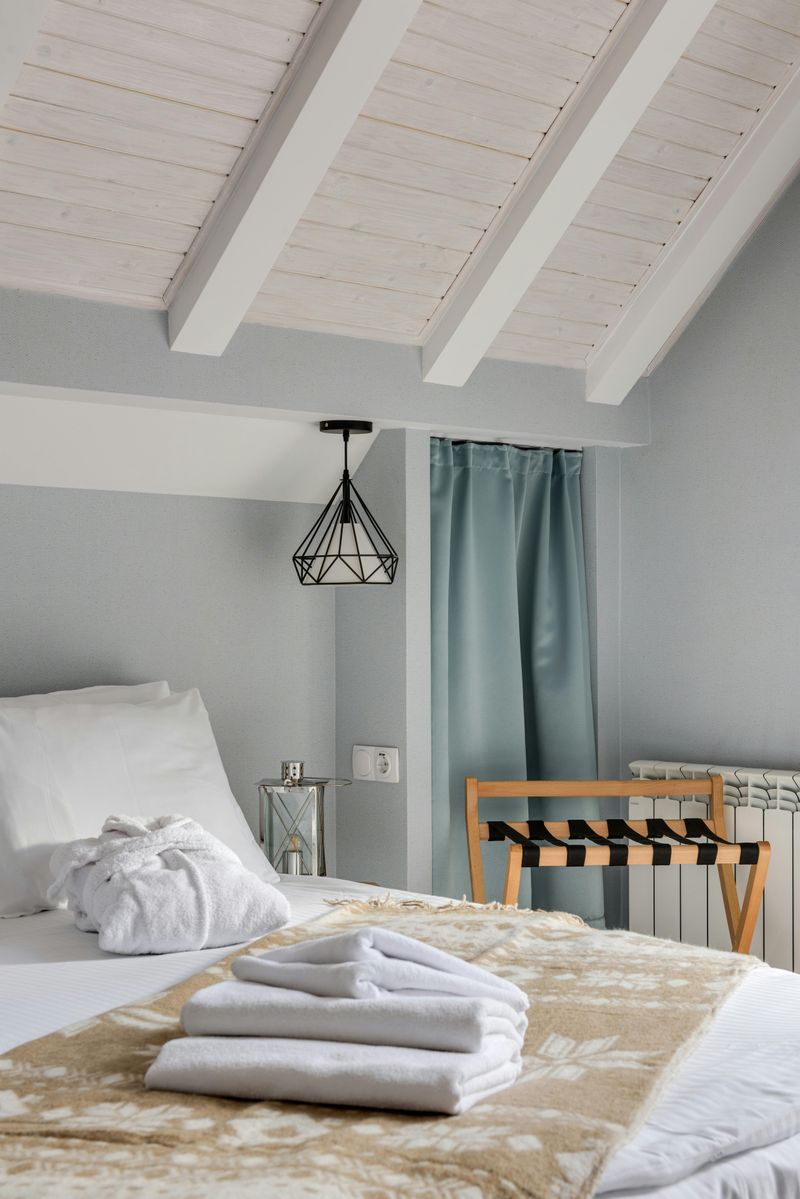
Nothing says “I know what it feels like to be without” quite like a guest room stocked better than a boutique hotel.
Extra blankets are folded at the foot of the bed.
A little basket holds travel-sized shampoo, toothpaste, and lotion.
There might even be snacks on the nightstand.
This level of hospitality runs deeper than good manners.
People who once felt like a burden when they needed help go out of their way to make sure no guest ever feels that way in their home.
Every little detail is thought through — because they remember what it meant to feel truly welcomed and taken care of, perhaps for the first time.
7. Energy-Conscious Habits
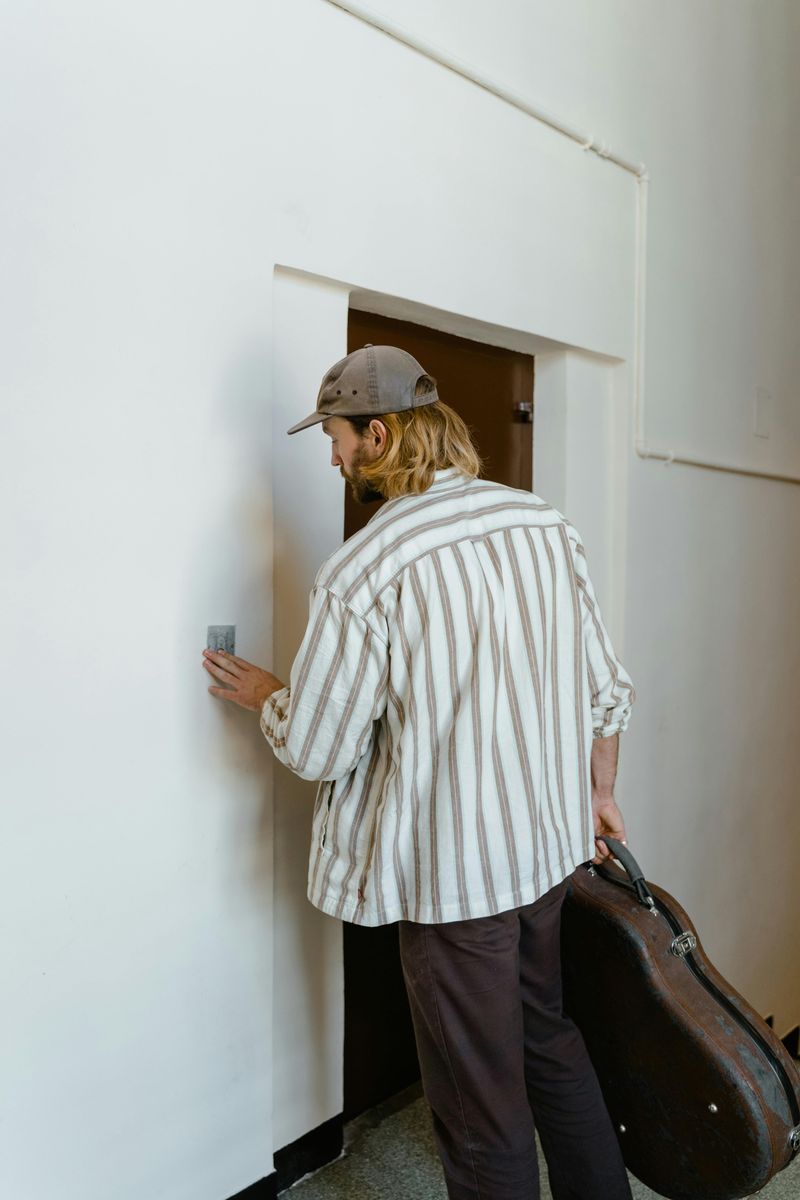
Growing up in a home where a high electric bill meant real stress leaves a lasting impression.
Even after upgrading to a large house with every modern convenience, the habit of turning off lights the moment you leave a room stays firmly in place.
It’s almost automatic.
The thermostat gets nudged just a few degrees rather than cranked.
Water runs only as long as it needs to.
These aren’t the habits of someone pinching pennies today — they’re the reflexes of someone who once knew exactly what those small choices meant for the family budget.
Wealth changed the bank account, but the muscle memory of being careful never fully went away.
8. DIY Mindset

There’s a particular kind of pride that comes from fixing something with your own hands.
For people raised in households where calling a repairman wasn’t always an option, learning to solve problems yourself was simply survival.
That pride doesn’t evaporate once you can easily afford to hire help.
You might find a homeowner in an upscale neighborhood patching drywall on a Saturday morning or troubleshooting a leaky pipe before ever calling a plumber.
The tools are organized and well-used.
It’s not about the money saved — it’s about the satisfaction of knowing you could handle it yourself.
Self-sufficiency was once a necessity; now it’s become a quiet point of personal honor.
9. Emergency Supplies on Hand
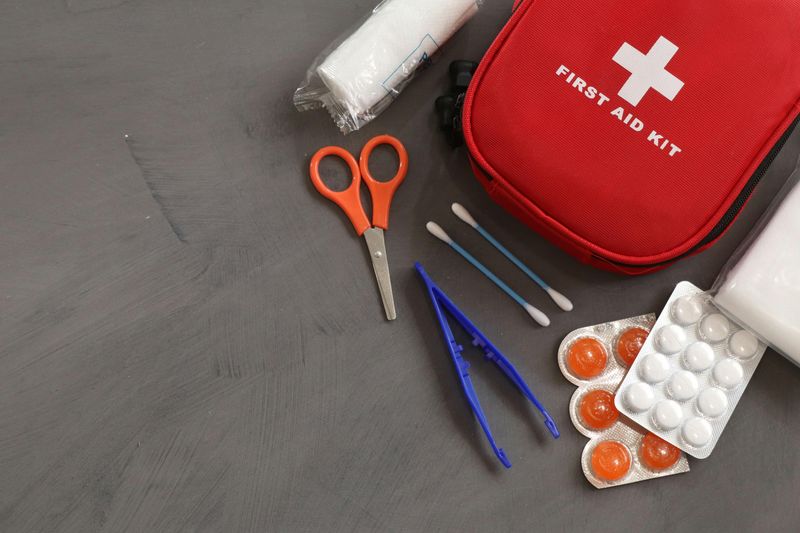
Somewhere in a beautifully decorated home, there’s a cabinet — or maybe a whole closet — packed with emergency supplies.
Flashlights with fresh batteries.
A first-aid kit that’s actually stocked.
Backup phone chargers, bottled water, maybe even a hand-crank radio.
Visitors might find it surprising in such an otherwise polished space.
But for someone who grew up in unpredictable circumstances, being prepared isn’t paranoia — it’s peace of mind.
Power outages, unexpected illnesses, sudden car trouble: these things weren’t just inconveniences once; they were real crises.
Having supplies on hand became a way of feeling in control.
No matter how comfortable life gets, that need for a safety net never fully disappears.
10. Sentimental Displays
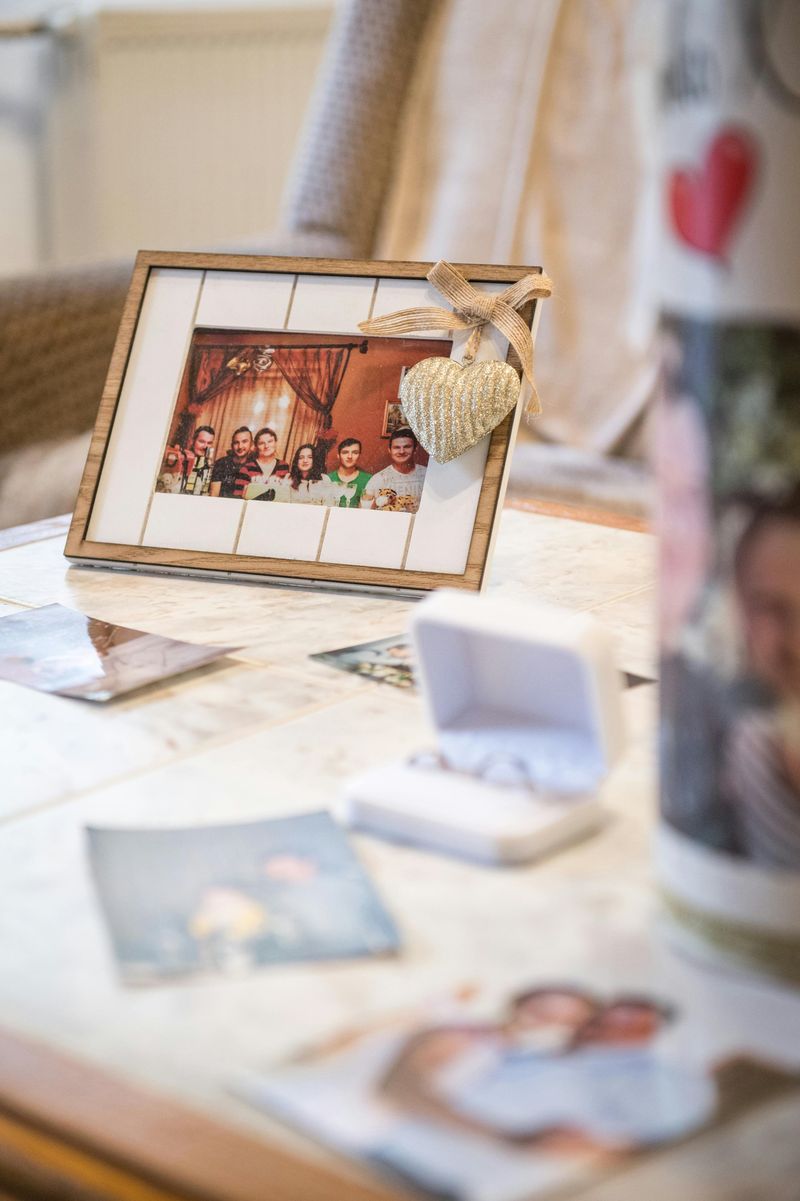
Among the carefully curated art and designer accents, there’s almost always a shelf or wall dedicated to something far more personal — a framed school photo from decades ago, a hand-stitched piece from a grandmother, or a worn figurine that traveled through several difficult moves.
These items hold a place of honor that no expensive purchase can replace.
For people shaped by modest beginnings, identity isn’t tied to what they own now — it’s rooted in where they came from.
Keeping those memories visible is a way of staying grounded.
The luxury around them is earned and appreciated, but those humble mementos are the real anchors.
They tell the truer, more meaningful version of the story.
11. Strong Emphasis on Education or Books

Walk into the home office or living room and one thing stands out immediately — the books.
Not decorative coffee-table books arranged for aesthetics, but genuinely well-read volumes with cracked spines, dog-eared pages, and sticky notes poking out.
Education was the ladder, and that belief never gets forgotten.
Many people who grew up without financial security were told — or figured out themselves — that knowledge was the one thing nobody could take away.
That conviction turns into overflowing bookshelves, dedicated study spaces for kids, and a household where learning is treated as a priority, not an afterthought.
The home might be luxurious now, but it still feels like a place where ideas are genuinely valued.
12. A Subtle “Security First” Approach
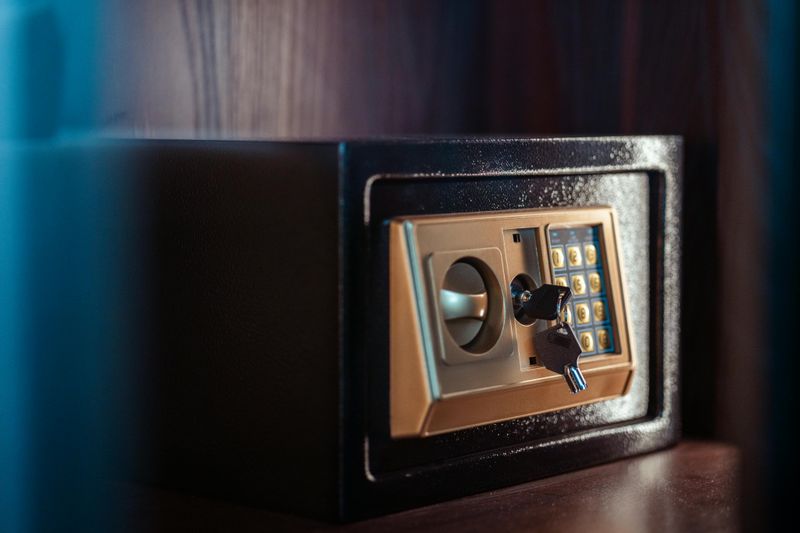
Somewhere in the home — maybe the office, maybe a locked closet — there’s a small safe.
Insurance documents are filed and labeled.
There’s a binder with emergency contact numbers, account information, and long-term financial plans.
To outsiders, it might seem overly cautious for someone clearly doing well.
But financial anxiety doesn’t vanish the moment wealth arrives.
People who watched their families struggle understand, on a gut level, that stability can shift.
Planning ahead, keeping records organized, and maintaining a financial safety net aren’t signs of worry — they’re signs of wisdom earned through experience.
The luxury is real, but so is the quiet, steady voice that says: stay prepared, stay protected, and never take security for granted.