 MomSkoop

Some people scroll through social media without ever posting a single photo of their weekend, their family, or their feelings. They are not antisocial or secretive in a negative way — they simply choose to keep their personal world close and guarded.
This quiet choice says a lot about who they are. Here are 12 traits you will often find in people who prefer to live their lives away from the public eye.
1. They Value Privacy Highly
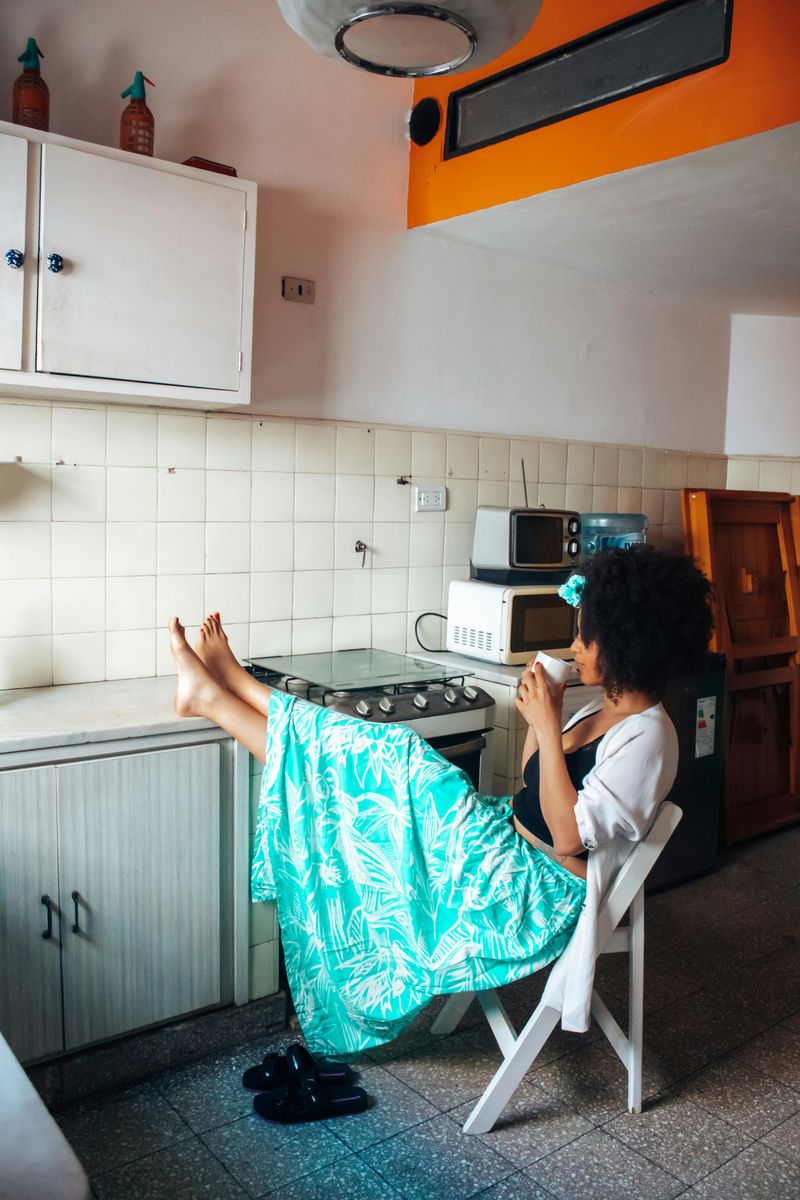
Privacy is not something they stumbled into — it is a deliberate lifestyle choice.
For these individuals, personal information feels sacred, like something worth guarding rather than giving away freely.
They do not share updates, milestones, or emotions online because they genuinely believe some things are meant only for them.
Think of it like a diary with a lock.
Just because you can share something does not mean you should.
People who value privacy understand that not every moment needs an audience.
They enjoy their experiences more fully when those moments belong entirely to them, without the noise of public reaction shaping how they feel.
2. They Prefer Real Conversations

There is something a status update simply cannot replace — the warmth of a real conversation.
People who keep their lives offline tend to crave genuine human connection, the kind where you can read someone’s facial expressions and truly feel heard.
Posting a life update for hundreds of followers to react to feels hollow to them.
Instead, they would rather call a close friend or meet someone for lunch.
Real dialogue, with all its pauses and laughter and honesty, feeds them in ways that digital validation never could.
For them, a single meaningful conversation is worth more than a thousand likes combined.
3. They Are Internally Validated

Imagine doing something wonderful and feeling completely satisfied without telling anyone.
That is the everyday reality for internally validated people.
Their self-worth does not rise or fall based on how many people liked their last post or commented on their photo.
This kind of inner confidence is rare and genuinely powerful.
They celebrate wins privately, process setbacks internally, and do not need outside applause to feel good about themselves.
Psychologists often call this intrinsic motivation, and research shows it leads to greater long-term happiness.
When your sense of value comes from within, you stop chasing approval — and that freedom is something no number of followers can buy.
4. They Set Strong Boundaries

Boundaries are not walls — they are smart decisions about who gets access to your life.
People who stay offline are usually crystal clear about the difference between what is public and what is private, and they guard that line with quiet confidence.
They do not feel guilty saying no to sharing photos at family events or declining to join group chats that feel invasive.
Their boundaries are not built from fear but from self-awareness.
They know their limits, communicate them calmly, and rarely bend under social pressure.
Setting strong boundaries around personal information is one of the healthiest habits anyone can develop in today’s oversharing culture.
5. They Observe More Than They Share
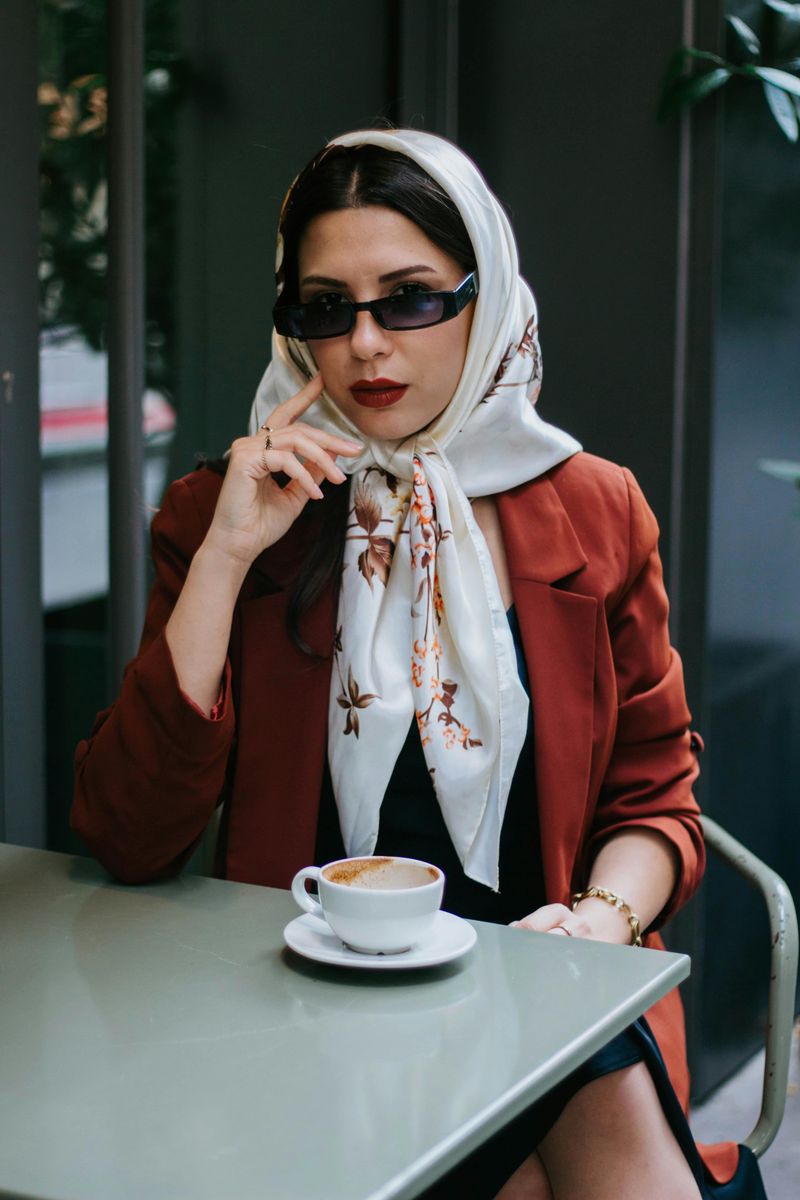
Ever notice that some of the most observant people in the room are also the quietest?
People who keep their lives offline often have a natural tendency to watch, absorb, and reflect rather than broadcast every thought or experience they encounter.
They may follow news, read articles, or even enjoy social media — but they rarely feel the urge to add their personal story to the mix.
Consuming content feels fine; contributing private details does not.
This observer mindset often makes them excellent listeners, thoughtful friends, and sharp critical thinkers.
They gather information quietly, process it deeply, and share only what truly matters to people they genuinely trust.
6. They Are Selective About Trust

Not everyone earns a front-row seat to their life.
People who avoid oversharing online tend to have small but deeply loyal inner circles.
They do not hand out personal stories like business cards — every detail shared is a conscious, deliberate choice.
Trust, for them, is built slowly through actions and consistency, not just familiarity.
A coworker they have known for years might still not know their relationship status or family struggles.
That is not coldness — it is wisdom.
They understand that real trust is earned, not assumed.
Keeping personal experiences close protects both their emotional wellbeing and the integrity of their most meaningful relationships.
7. They Think Long-Term
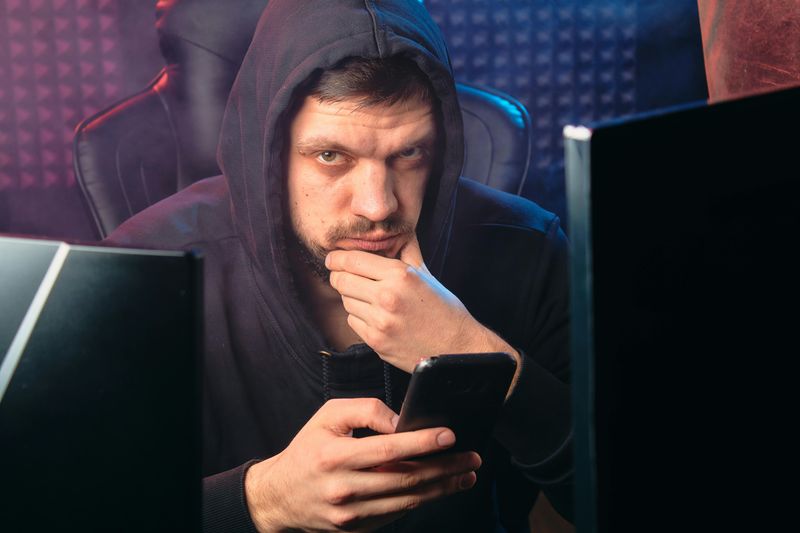
Anything posted online can resurface years later, even after deletion.
People who keep their lives offline understand this reality better than most.
They think about consequences before acting, especially when it comes to digital footprints that are nearly impossible to fully erase.
Before sharing anything, they ask themselves: Would I be comfortable with this being visible in five or ten years?
That question alone filters out a lot.
Future employers, relationships, and opportunities can all be shaped by what exists online.
Long-term thinkers protect their future selves by being mindful today.
Their restraint is not hesitation — it is strategy, wrapped in patience and quiet self-discipline.
8. They Avoid Unnecessary Drama

Less shared means less misunderstood.
People who keep personal details offline naturally sidestep a lot of the drama that comes with public sharing — the misread posts, the unsolicited opinions, and the comparison spirals that seem to follow social media like a shadow.
When your life is not on display, people cannot project assumptions onto it.
There are no comment sections debating your choices or strangers weighing in on your relationships.
The result is a quieter, more peaceful mental space.
Drama often feeds on visibility, and by limiting that visibility, offline-leaning people protect their emotional energy.
Peace becomes easier to maintain when fewer people have a window into your world.
9. They Separate Identity From Online Presence
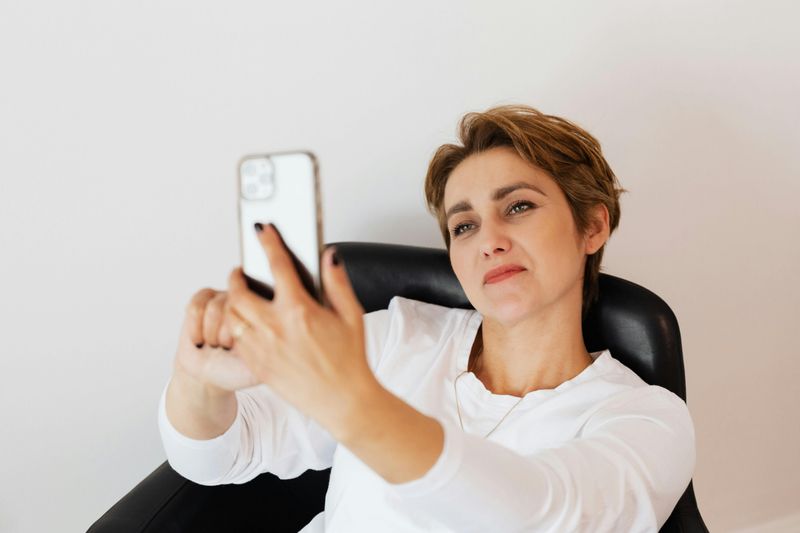
Here is a truth worth sitting with: your social media profile is not you.
People who keep their lives offline understand this deeply.
They do not measure their success, personality, or worth by how active or impressive their online presence looks to others.
Someone might have zero posts and a wildly fulfilling life.
Someone else might have thousands of followers and feel completely empty.
Offline-minded people refuse to let a profile define them.
Their identity lives in their actions, their values, and their relationships — not in curated highlights.
Separating who you are from how you appear online is one of the most grounding and freeing things a person can do.
10. They Value Depth Over Visibility
A stunning sunset enjoyed fully in the moment beats a photo of it that gets fifty likes.
People who stay offline tend to be experience-first thinkers.
They would rather feel something deeply than document it perfectly.
Presence matters more to them than performance.
Meaningful relationships, slow mornings, real laughter — these are the things they prioritize.
They are not chasing visibility or building a personal brand.
Instead, they invest their energy in connections that actually nourish them.
Depth over breadth is their quiet motto.
And honestly, research backs them up — deeper social connections are consistently linked to better mental health and greater life satisfaction than a wide but shallow network ever could provide.
11. They Are Comfortable With Mystery
Not everyone needs to know your next move — and that is perfectly okay.
People who keep their personal lives offline tend to feel genuinely at ease with being a little mysterious.
They do not experience the urge to explain their choices, update their followers, or justify their silence.
There is real confidence in that.
When you do not need to narrate your life for others, you stop living for an audience.
Mystery is not about hiding — it is about owning your story without broadcasting it.
These individuals carry a quiet self-assurance that draws people in naturally.
Their lives unfold on their own terms, with no pressure to perform or keep anyone constantly in the loop.
12. They Protect Their Peace
Comparison culture is exhausting, and people who limit their online exposure know this firsthand.
Scrolling through carefully curated highlight reels of other people’s lives is a fast track to feeling inadequate — and those who protect their peace have figured that out early.
Stepping back from public sharing means fewer triggers, less noise, and more mental space for things that actually matter.
Their boundaries around online life are not about fear or judgment — they are about self-preservation.
Protecting your peace is an active, ongoing choice.
Every time they decline to post, scroll mindlessly, or engage in online debates, they are choosing their own calm over the chaos of constant digital scrutiny.
That is a powerful habit.