 MomSkoop
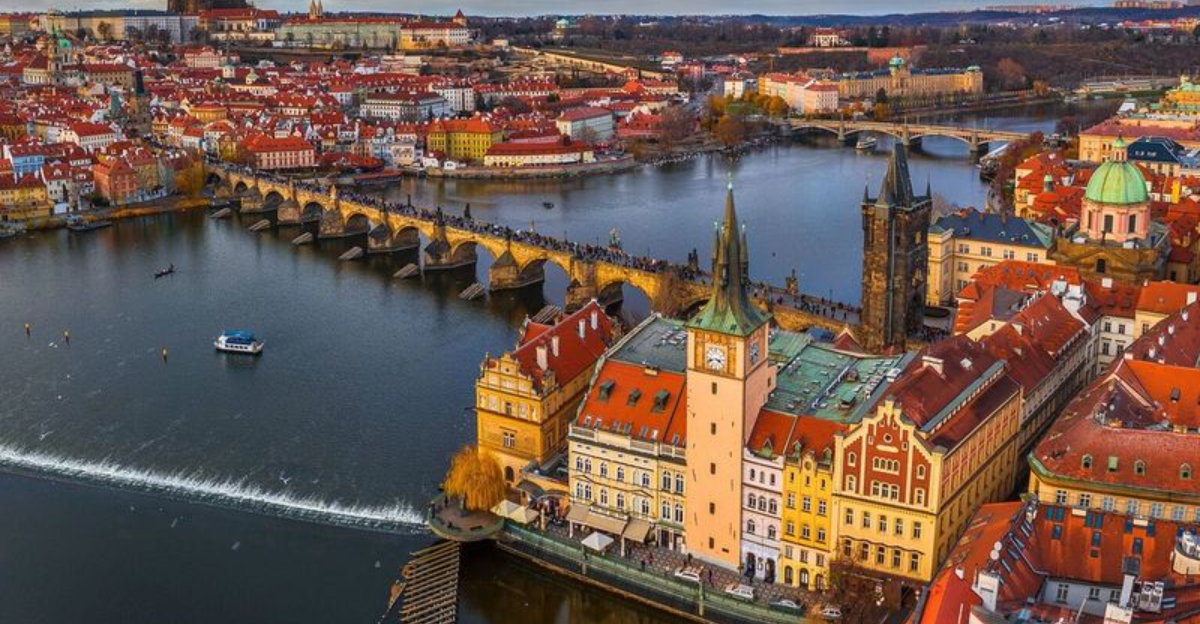
Most people flock to popular travel spots during peak season, but here’s a little secret: many of these places are actually more magical when the crowds are gone. Off-season travel means fewer tourists, lower prices, and a chance to experience destinations in a whole new way.
You might catch stunning fall colors, peaceful snowy landscapes, or blooming spring flowers that most visitors never get to see. If you’re ready to explore some of the world’s most beautiful places without the hustle and bustle, read on.
1. Santorini, Greece
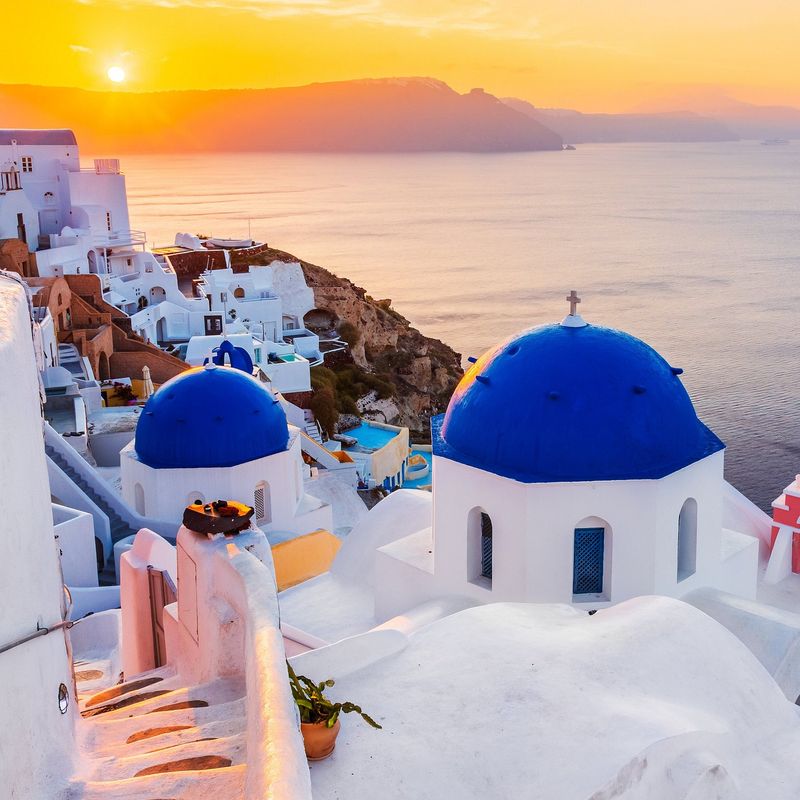
Picture those famous white-and-blue buildings perched on a cliff with no selfie sticks in sight.
That’s Santorini in October or November.
Without the summer rush, you can wander cobblestone streets at your own pace, chat with locals at small tavernas, and watch sunsets without jostling for a spot.
Hotel prices drop significantly, and the weather stays warm enough for light jackets and outdoor dining.
The sea is still swimmable in early fall, and the island feels genuinely relaxed.
Visiting Santorini off-season lets you fall in love with its beauty rather than just surviving the crowds.
2. Kyoto, Japan
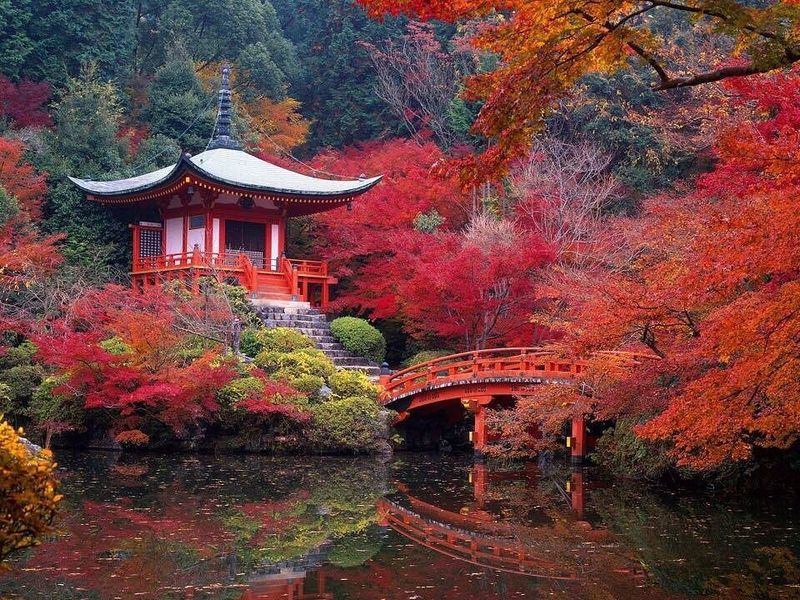
Cherry blossom season draws millions to Kyoto every spring, but the city holds an even quieter magic in late November and early December.
Autumn foliage, known locally as koyo, turns temple gardens into breathtaking seas of crimson and gold.
Fushimi Inari Shrine and Arashiyama Bamboo Grove become far more serene without the usual shoulder-to-shoulder crowds.
Accommodation rates fall noticeably, and you can actually hear the crunch of leaves underfoot instead of the buzz of tour groups.
Winter months bring a hushed, almost sacred stillness to Kyoto’s ancient streets that spring simply cannot offer.
3. Yellowstone National Park, USA
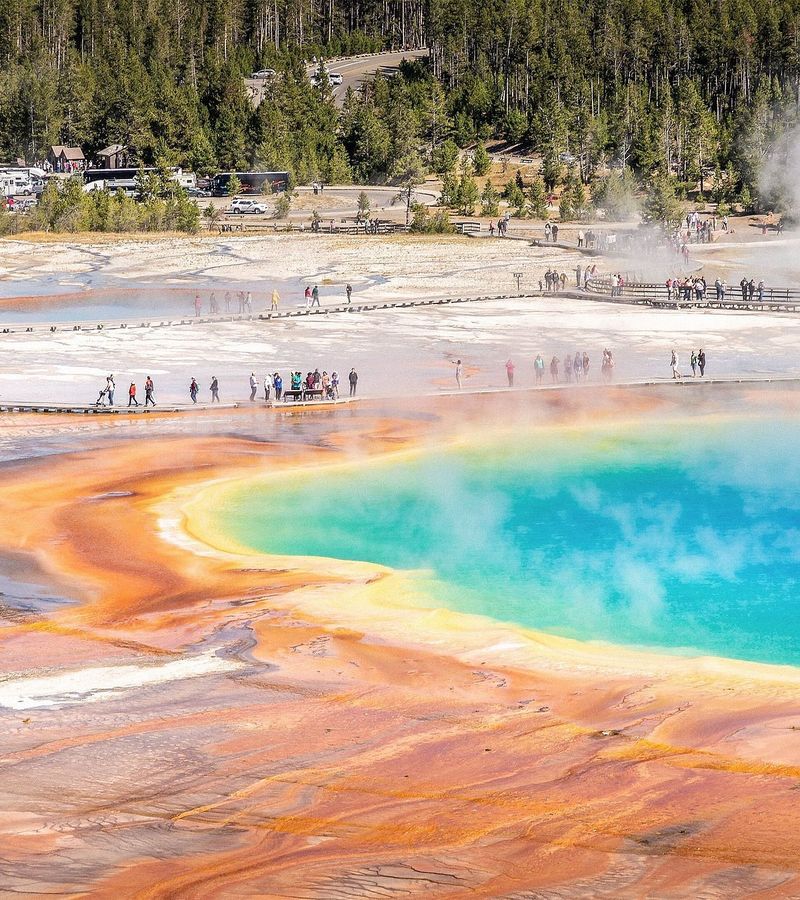
Most visitors hit Yellowstone in July, but winter transforms this already otherworldly place into something truly extraordinary.
Steam rises dramatically from geysers against a backdrop of thick snow, and bison trudge through frost-covered meadows in scenes that look almost prehistoric.
With far fewer visitors, wildlife sightings become more frequent and unhurried.
You can take a snowcoach tour or strap on snowshoes to explore trails that would be packed with hikers in summer.
Old Faithful erupting into a frozen sky is one of nature’s most spectacular shows.
Yellowstone in winter rewards those bold enough to brave the cold.
4. Venice, Italy
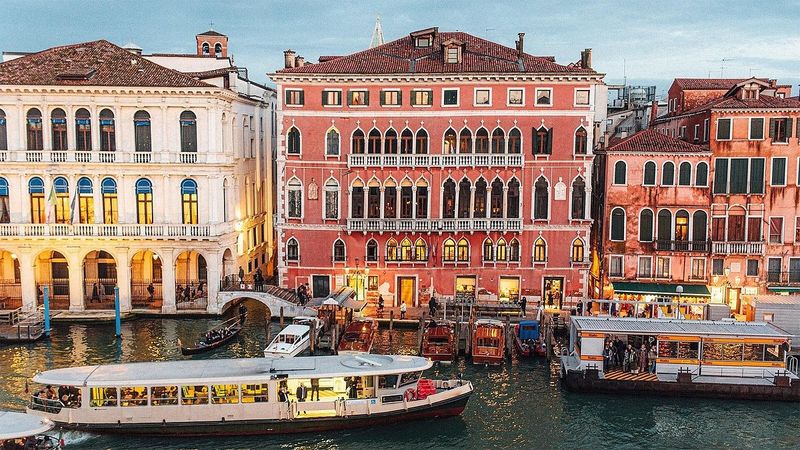
Venice in summer is undeniably beautiful, but it’s also unbearably crowded and surprisingly smelly in the heat.
Winter is a completely different story.
A quiet fog rolls in off the lagoon from November through February, wrapping the city’s ancient architecture in an almost dreamlike atmosphere.
The narrow alleyways are yours to roam freely, and local restaurants serve hearty seasonal dishes without the inflated tourist prices.
Occasional acqua alta, or high water flooding, adds a surreal charm rather than an inconvenience when you’re prepared with waterproof boots.
Venice in winter feels like a secret the rest of the world hasn’t discovered yet.
5. Banff National Park, Canada
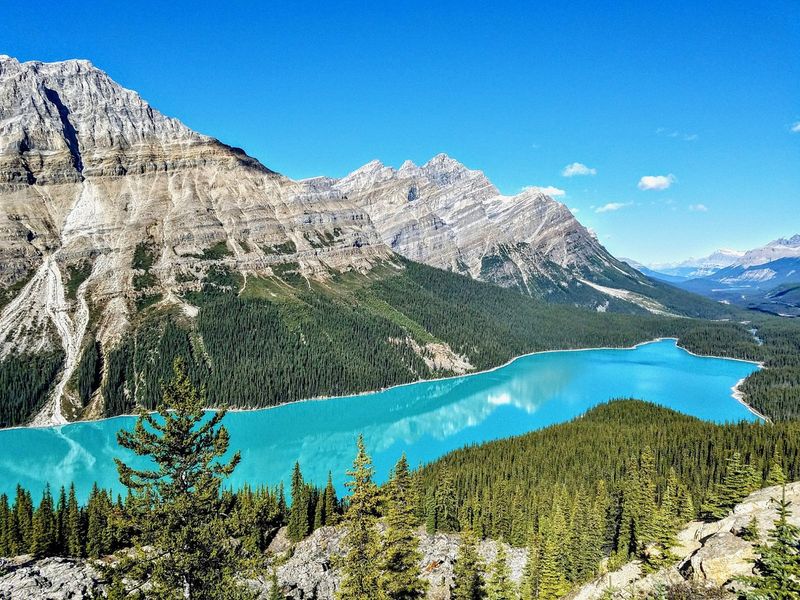
Banff in summer means traffic jams, packed trails, and fully booked lodges months in advance.
Shoulder seasons, particularly May and late September, offer a completely refreshed experience.
Lake Louise takes on an ethereal quality when the surrounding mountains still wear snow caps but the ice begins to melt.
Wildlife like elk and black bears are more active and visible during these quieter months.
Hiking trails are accessible without the wall-to-wall foot traffic, and you can actually stop to breathe in that crisp mountain air.
Hotel rates drop considerably, making a luxury stay surprisingly affordable.
Banff’s raw beauty shines brightest when it’s allowed to breathe.
6. New Orleans, Louisiana, USA
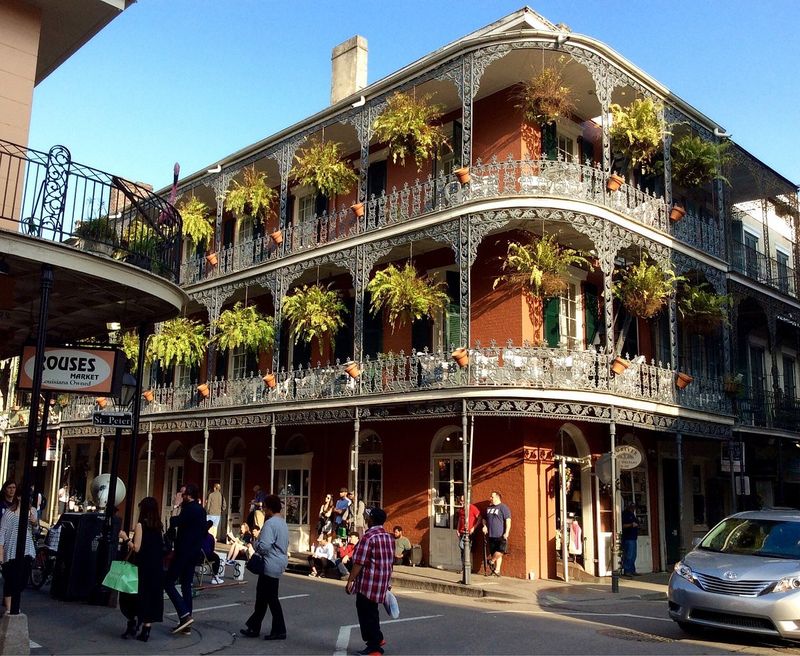
Mardi Gras is legendary, but New Orleans between September and November offers something far more personal: the city without the chaos.
Temperatures cool down from the brutal summer heat, making it genuinely pleasant to stroll through the French Quarter and sample beignets without sweating through your shirt.
Local jazz clubs feel more intimate, and you can actually find a table at renowned restaurants without a two-hour wait.
Fall also brings the festive Oak Street Po-Boy Festival and the New Orleans Film Festival, giving visitors authentic cultural experiences rather than tourist traps.
The Crescent City’s soul runs deepest when it’s at ease.
7. Iceland
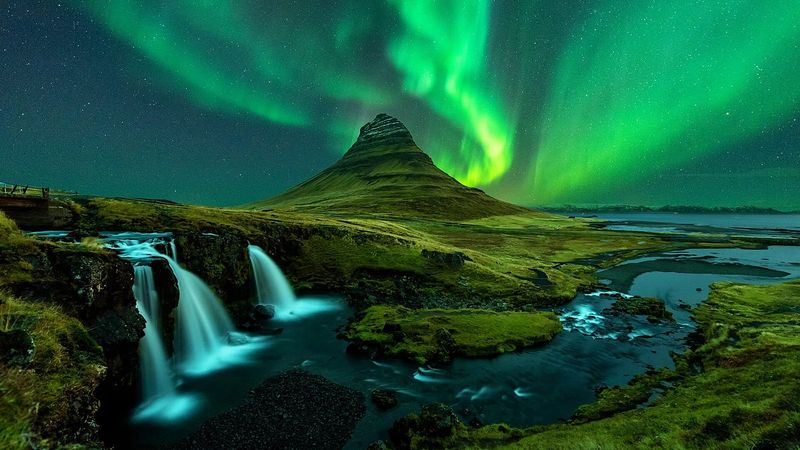
Summer in Iceland is all about the midnight sun and hiking, but autumn and winter bring something no summer visitor will ever witness: the Northern Lights dancing across an ink-black sky.
From September through March, the aurora borealis becomes a nightly possibility, painting the darkness in shades of green, purple, and pink.
Fewer tourists mean easier access to the Blue Lagoon, the Golden Circle, and remote highland roads.
Prices for flights and accommodation drop sharply after peak season ends.
Bundling up and watching the sky light up over a lava field is an experience that simply cannot be matched in any other season.
8. Tuscany, Italy
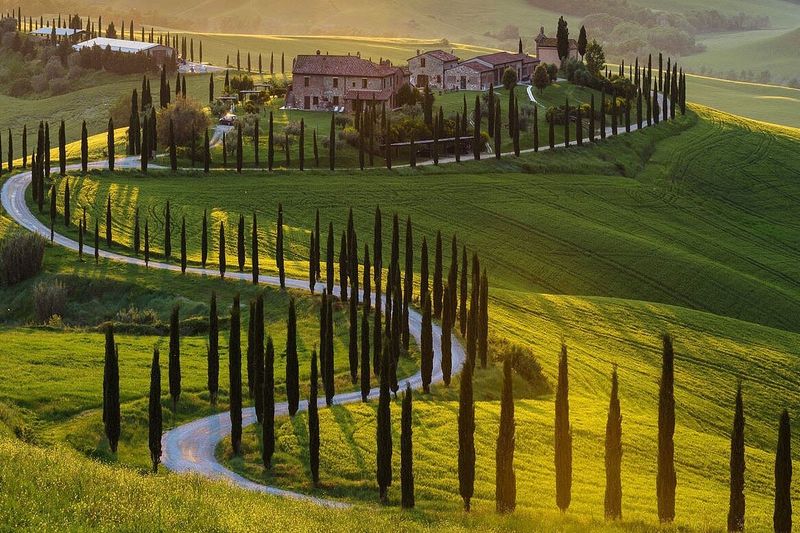
Everyone knows Tuscany is gorgeous in summer, but the harvest season in September and October turns this already stunning region into a sensory paradise.
Vineyards burst with activity during grape harvesting, and olive groves fill the air with a fresh, earthy fragrance.
Medieval hilltop towns like Siena and Montepulciano feel authentically Italian rather than overrun with tour buses.
Trattorias serve seasonal truffle dishes and hearty ribollita soup that warm you from the inside out.
Misty mornings settle over rolling hills in ways that look straight out of a Renaissance painting.
Tuscany in fall is less a vacation and more a genuine immersion in Italian life.
9. Machu Picchu, Peru
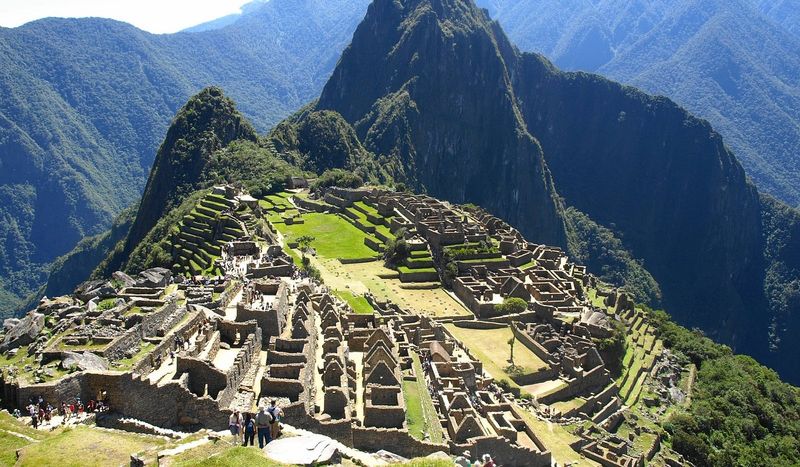
Machu Picchu sees its heaviest crowds between June and August, but visiting in April, May, or late September offers a noticeably different rhythm.
The dry season is just beginning or winding down, meaning trails are clear but visitor numbers haven’t yet peaked.
Morning mist still rolls through the ruins, creating that iconic mystical atmosphere without tour groups blocking every photo angle.
The altitude feels more manageable when you’re not pressed against hundreds of other hikers.
Local guesthouses in Aguas Calientes offer better rates and warmer hospitality during quieter months.
Machu Picchu deserves to be experienced slowly, and off-peak timing makes that possible.
10. Amsterdam, Netherlands
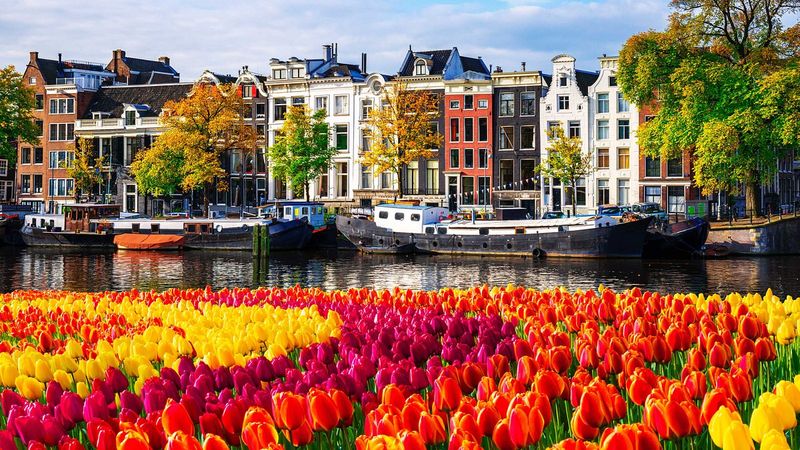
Amsterdam’s tulip fields and spring canals are famous for good reason, but the city between November and February carries a completely different kind of charm.
Christmas markets pop up along the canals, and ice skating rinks appear in historic squares.
Museum lines shrink dramatically, meaning you can spend unhurried hours inside the Rijksmuseum or the Van Gogh Museum without fighting for space.
Local brown cafes, known as bruine kroegen, feel especially cozy when it’s cold outside and you’re warming up with a hot Dutch apple pie.
Winter in Amsterdam is quieter, cheaper, and surprisingly romantic in a way that flower season never quite manages to be.
11. Bali, Indonesia
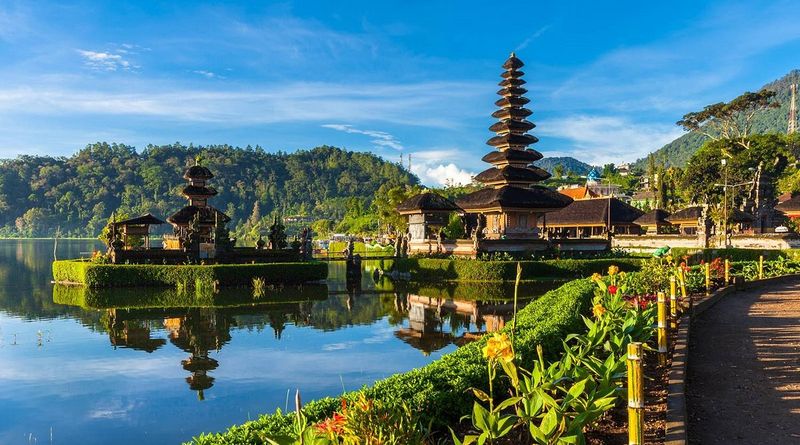
Bali’s peak tourist season runs from July through August, making temples, beaches, and rice terraces feel more like theme parks than sacred places.
Visiting in October or early November, just after the peak season ends, gives you the best of both worlds: the tail end of dry weather with significantly thinner crowds.
Ubud’s markets, Uluwatu’s cliffside temple, and Seminyak’s beaches all feel far more accessible and peaceful.
Prices at villas and warungs drop noticeably, and locals have more time to share stories and traditions with curious visitors.
Bali’s spiritual energy is much easier to feel when the noise of peak season fades away.