 MomSkoop
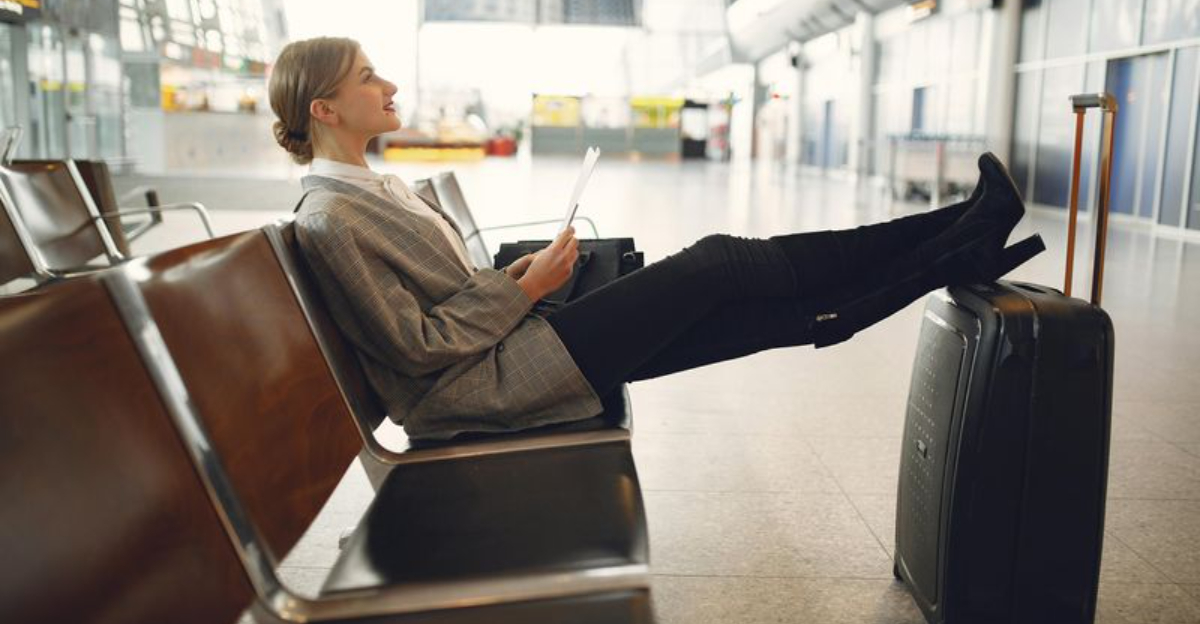
Frequent flyers make travel look effortless, but there’s a lot happening behind the scenes before they ever step foot on a plane. Experienced travelers have a set of smart habits they follow every single time, and those habits save them from stress, delays, and costly mistakes. Whether you’re a first-time flyer or someone looking to level up your travel game, these tried-and-true tips can make your next trip smoother than ever.
1. Check In Online Early
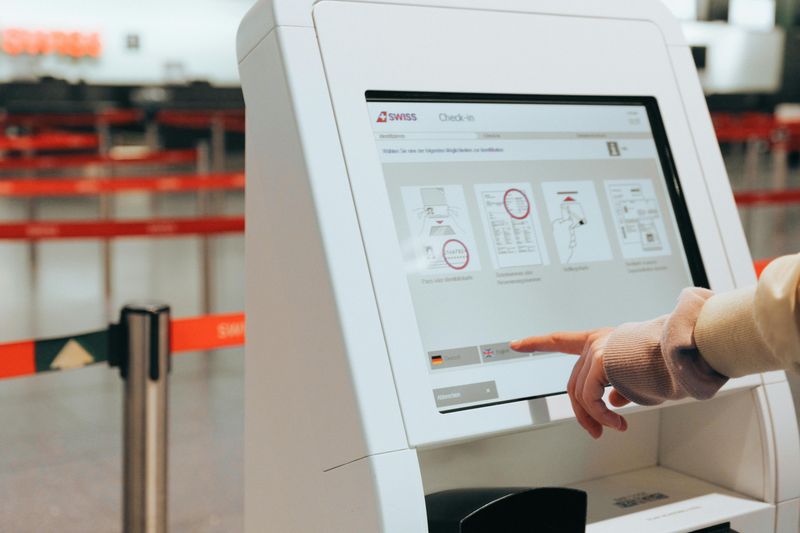
Forget scrambling at the airport kiosk — smart travelers check in online the moment the window opens, usually 24 hours before departure.
Online check-in lets you pick your seat, confirm your details, and skip long lines at the counter.
Many airlines even allow you to download a digital boarding pass directly to your phone.
That means one less thing to lose and one less line to wait in.
Some budget airlines charge extra if you check in at the airport instead of online, so doing it early can actually save you money.
Set a reminder on your phone so you never miss the window again.
2. Confirm Passport and ID Validity
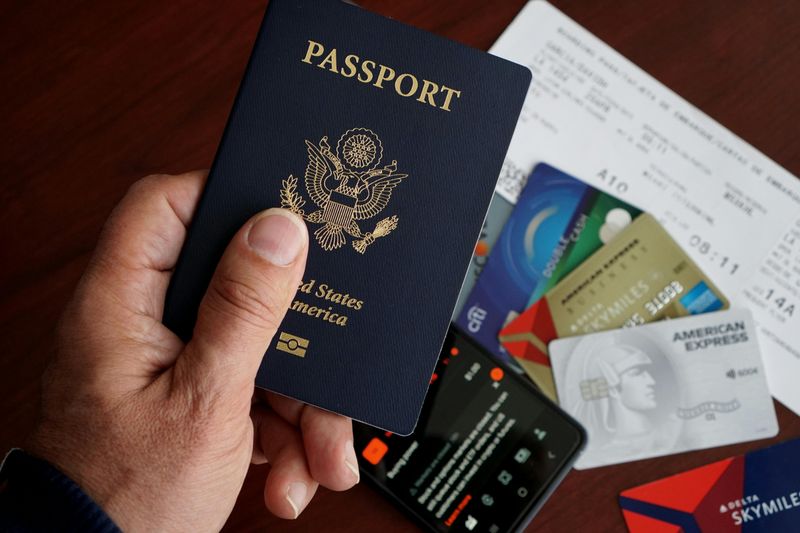
Nothing kills a trip faster than showing up at the airport with an expired passport.
Seasoned travelers always double-check their passport expiration date weeks before flying, not the night before.
Many countries require your passport to be valid for at least six months beyond your travel dates — a rule that catches a lot of people off guard.
Domestic travelers should also confirm their government-issued ID meets TSA requirements, especially with REAL ID enforcement in full effect.
Renewing a passport can take several weeks, so planning ahead is key.
A quick check today can prevent a very expensive headache tomorrow.
3. Pack a Carry-On with Essentials
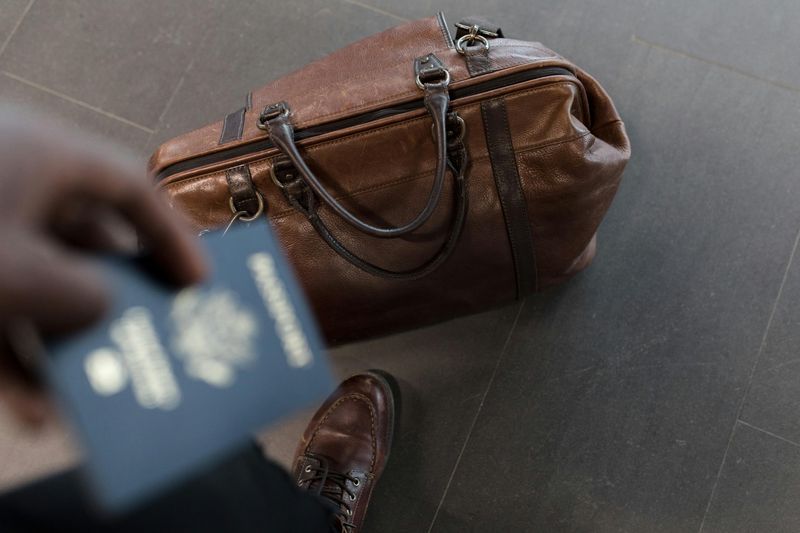
Checked luggage gets lost more often than airlines like to admit — and experienced travelers know this all too well.
That’s why they always pack a carry-on with everything they’d need to survive at least 24 hours without their main bag.
Think medications, a phone charger, a change of clothes, snacks, and any valuables.
Keeping these items close means that even if your checked bag takes an unexpected detour, your trip doesn’t have to stop.
A well-packed carry-on also makes long layovers way more comfortable.
Pro tip: roll your clothes instead of folding them to maximize space in a smaller bag.
4. Download Entertainment and Maps Offline
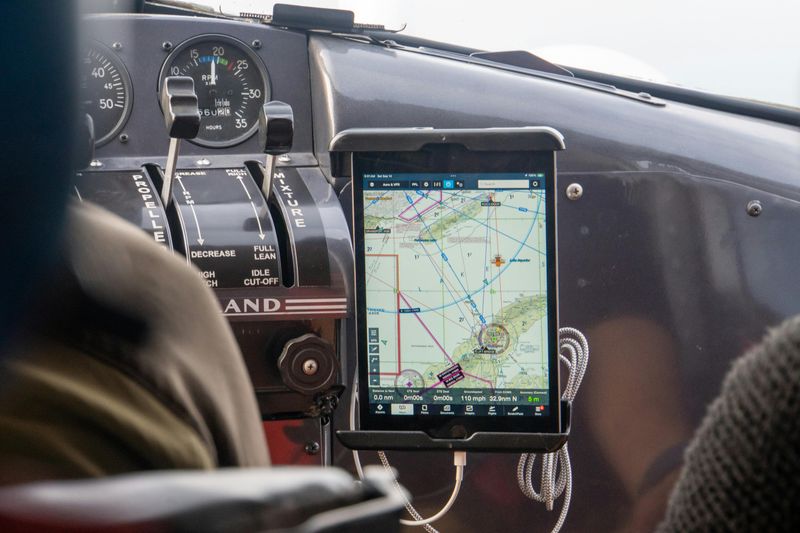
Airplane Wi-Fi is notoriously unreliable — and sometimes it costs extra on top of an already pricey ticket.
Frequent flyers always download movies, podcasts, e-books, and playlists before leaving home.
Google Maps also lets you save offline maps for specific cities, which is a lifesaver when you land somewhere with no data signal.
Downloading your destination’s map in advance means you won’t be wandering around lost or racking up roaming charges.
Apps like Spotify, Netflix, and Audible all have offline modes that are incredibly easy to set up.
A little prep on the couch at home equals a lot more comfort at 35,000 feet.
5. Research Airline Baggage Policies
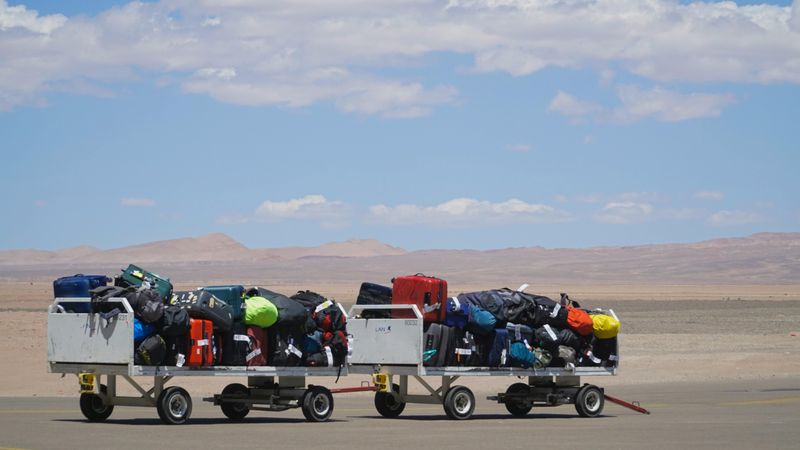
Surprise baggage fees at the check-in counter are practically a rite of passage for unprepared travelers — but experienced flyers never let it happen.
Before every trip, they look up the airline’s exact baggage rules: weight limits, size restrictions, and fees for checked versus carry-on bags.
Budget airlines especially love to tack on charges that aren’t obvious when you first book your ticket.
Weighing your luggage at home with a small handheld scale is a game-changer.
If your bag is over the limit, you can repack before leaving rather than paying a steep fee at the airport.
Knowledge truly is power when it comes to airline fees.
6. Notify Your Bank About Travel Plans

Picture this: you land in a new country, try to pay for a taxi, and your card gets declined because your bank flagged it as suspicious activity.
It’s an embarrassing and stressful situation that’s completely avoidable.
Savvy travelers always call or message their bank before flying internationally to let them know where they’re headed and for how long.
Most banks now have apps where you can set travel notifications in just a few taps.
This simple step keeps your card from being frozen when you need it most.
While you’re at it, check if your bank charges foreign transaction fees — some accounts waive them entirely for travelers.
7. Arrive at the Airport with Plenty of Time

Running through an airport with a rolling suitcase, dodging slow walkers, and praying your gate hasn’t closed yet — sounds like a nightmare, right?
Experienced travelers treat early arrival as non-negotiable.
For domestic flights, arriving at least 90 minutes early is the standard; for international flights, two to three hours is the sweet spot.
Security lines, long terminal walks, and unexpected delays can all eat into your time faster than you’d expect.
Getting there early also means you can grab a coffee, find your gate calmly, and board without the last-minute panic.
Stress-free travel starts long before the plane takes off.
8. Organize Travel Documents in One Place

Digging through a backpack for your boarding pass while a line of impatient travelers stares at you is nobody’s idea of a good time.
That’s why road warriors keep every important document in one dedicated spot — a travel wallet, a folder, or a specific pocket they always use.
This includes the boarding pass, passport, hotel confirmations, travel insurance info, and any visas required for the trip.
Digital copies stored in a cloud folder or email draft serve as a reliable backup if anything gets lost or stolen.
Organization isn’t just about convenience — it’s about protecting yourself when things go sideways far from home.
9. Set Up Flight Alerts for Real-Time Updates

Flight schedules change constantly — gates shift, delays pop up, and sometimes flights get cancelled without much warning.
Experienced travelers always sign up for real-time flight alerts through the airline’s app or a third-party tool like FlightAware or Google Flights.
These notifications land right on your phone the moment anything changes, giving you time to adjust your plans instead of standing confused at the wrong gate.
Some apps even suggest alternative flights if yours gets cancelled.
Staying informed takes almost no effort to set up but can make a massive difference when things go wrong.
Think of it as having a personal airport assistant in your pocket at all times.
10. Get a Good Night’s Sleep Before Flying

Here’s one travel tip that sounds almost too simple but makes an enormous difference: sleep.
Experienced travelers prioritize getting a full night’s rest before any flight, especially long-haul ones.
Flying while exhausted makes everything harder — navigating airports, handling delays, adjusting to new time zones, and staying alert in unfamiliar places.
A well-rested traveler is more patient, more focused, and far less likely to make costly mistakes like missing a connection or forgetting something important.
If your flight is very early, consider adjusting your bedtime a few days before to ease the transition.
Your body is your most important travel tool — treat it well before the journey begins.