 MomSkoop
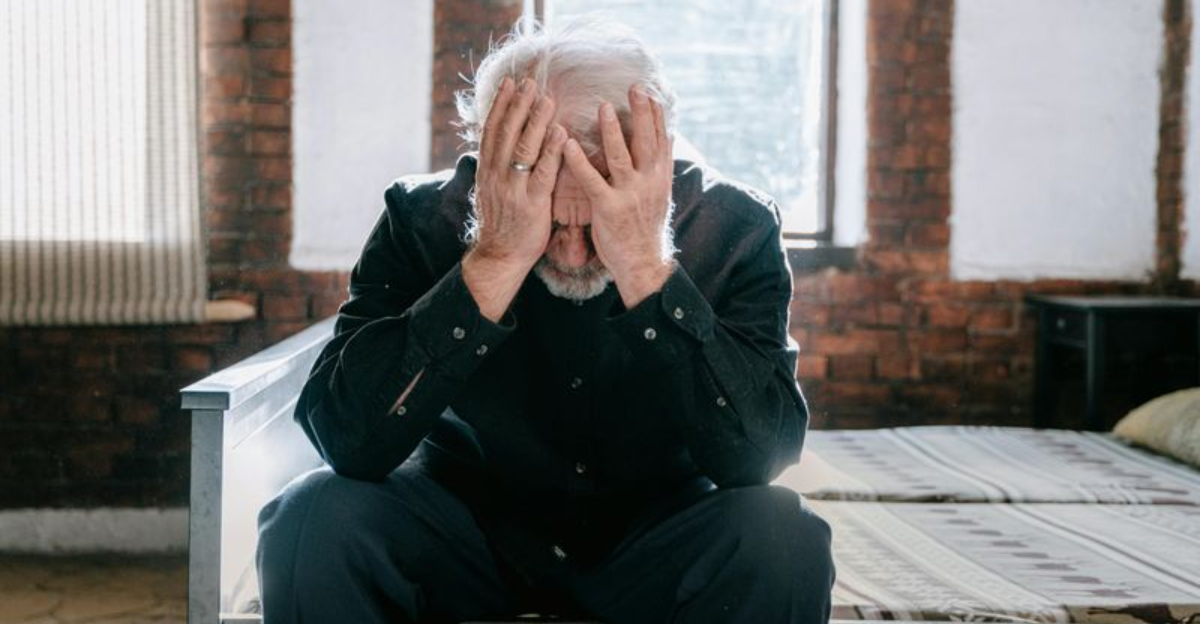
Marriage is supposed to be a lifelong journey, but sometimes that journey takes an unexpected turn. Many people are surprised when older men, after decades of commitment, decide to walk away from their marriages.
Understanding why this happens can help couples recognize warning signs early and work toward stronger connections. These 13 reasons shed light on a quiet struggle that more families are facing than most people realize.
1. Feeling Unappreciated or Ignored

Years of hard work, sacrifice, and showing up can start to feel invisible when nobody says “thank you.”
Many older men quietly carry the weight of feeling like their efforts go unnoticed day after day.
When a man feels like a paycheck rather than a partner, emotional distance grows fast.
Small moments of recognition matter more than most people realize.
A simple acknowledgment can either hold a marriage together or, when missing long enough, slowly pull it apart.
Over time, that quiet ache of feeling unseen becomes too heavy to carry alone.
2. Emotional Disconnection Over the Years

Emotional connection does not disappear overnight.
It fades slowly, like a radio signal losing strength the farther you drive from the station.
Couples who once talked for hours may find themselves struggling to hold a five-minute conversation.
For many older men, this growing silence becomes the loudest problem in the marriage.
Shared dreams, inside jokes, and deep conversations are the glue that holds two people together.
When that glue weakens, the relationship starts to crack in ways that are hard to see until it is almost too late.
3. Feeling Controlled or Constantly Criticized

Nobody wants to feel like they are always doing something wrong.
When criticism becomes a daily routine instead of an occasional correction, it chips away at a person’s confidence and sense of self-worth.
Many older men describe feeling like they were walking on eggshells in their own homes for years.
Over time, constant criticism stops feeling like feedback and starts feeling like control.
A man who once felt capable and respected may eventually decide that peace of mind is worth more than staying in a relationship where he feels perpetually judged and belittled.
4. Loss of Physical Intimacy

Physical closeness is not just about romance.
It is also about feeling connected, valued, and wanted by your partner.
When physical intimacy fades in a long-term marriage, it can create a painful emotional gap that is hard to bridge with words alone.
Studies show that men often express love and feel loved through physical connection, making its absence especially difficult.
When touch, affection, and closeness become rare, some men begin to feel more like roommates than partners.
That shift can quietly push even the most committed husband toward the exit door.
5. Ongoing Conflicts That Never Got Resolved

Every couple argues.
But there is a big difference between a disagreement that gets worked through and one that gets buried alive.
Unresolved conflicts do not disappear.
They pile up like unpaid bills, growing heavier and more complicated with every passing year.
For many older men, decades of the same arguments on repeat become emotionally exhausting.
When a couple never learns how to truly resolve their issues, resentment quietly fills the space where understanding should be.
Eventually, some men reach a breaking point where leaving feels like the only way to finally find relief.
6. A Sense That Life Is Running Out

Retirement, health scares, and the loss of friends or parents have a way of making people acutely aware of their own mortality.
For some older men, this awareness sparks an urgent question: “Is this the life I truly want?”
That question, once it surfaces, is very hard to silence.
When a man begins to feel like time is slipping through his fingers, he may start making bold decisions he once thought were impossible.
Leaving a long marriage is sometimes less about escaping a partner and more about chasing a life that still feels unlived.
7. Midlife Identity Crisis or Late-Life Awakening

Around their 50s and 60s, many men begin asking deep questions about who they are beyond their roles as husband, father, and provider.
This is sometimes called a midlife crisis, but it is often better described as a late-life awakening.
Suddenly, old dreams and buried passions resurface with surprising force.
When a man realizes that his identity has been shaped entirely by obligations rather than personal choice, the desire to rediscover himself can become overwhelming.
For some, that journey of self-discovery feels impossible to pursue while remaining in a long-established marriage.
8. The Kids Are Grown, So What’s Left?

Raising children together gives couples a powerful shared purpose that can hold a marriage together even through rough patches.
But when the last child leaves for college or their own home, some couples suddenly realize they have been co-parents for years rather than true partners.
The silence in an empty nest can be deafening.
Without kids as the central focus, some older men look across the table and feel like strangers.
That realization is jarring, and for some, it becomes the quiet trigger that leads them to reconsider whether the marriage still has a meaningful foundation.
9. New Temptations or Emotional Affairs

Not every affair is purely physical.
Emotional affairs, where someone develops a deep personal connection with another person outside the marriage, can be just as damaging.
For older men who feel lonely or unseen at home, a new friendship that turns emotionally intimate can quickly become a powerful pull away from the marriage.
The excitement of feeling understood by someone new is intoxicating.
While temptation alone does not end marriages, it often reveals the emotional gaps that already existed.
Many men who stray are not looking for something new but for something they felt they lost long ago.
10. A Desire for Freedom and Independence

After decades of shared schedules, family responsibilities, and compromise, some older men develop a deep craving for personal freedom.
It is not always about running away from someone.
Sometimes it is about running toward a version of life that feels entirely their own.
The desire to make choices without negotiation or explanation can become irresistible over time.
Freedom means different things to different people.
For some men, it is traveling solo, picking up an old hobby, or simply waking up without a structured routine.
When that desire grows strong enough, the walls of a long marriage can start to feel suffocating.
11. Long-Standing Emotional Neglect

Emotional neglect is one of the quietest forms of pain in a marriage, and it is easy to miss because nothing dramatic is happening.
No shouting, no obvious conflict.
Just a slow, steady absence of warmth, curiosity, and care from one partner toward the other.
Over many years, that absence carves out a hollow space inside a person.
Many older men struggle to articulate what is missing because they cannot point to a single incident.
The damage is cumulative.
When a man finally names the emptiness he has carried for years, leaving the marriage may feel like the only path back to emotional health.
12. Resentment From Years of Sacrifice

Sacrifice is a natural part of any long-term relationship, but when one partner feels like they gave up far more than the other, resentment quietly takes root.
Some older men spent decades putting careers, hobbies, and personal dreams on hold for the sake of the family.
When those sacrifices go unacknowledged, bitterness builds like pressure in a sealed container.
Eventually, something gives.
Resentment that is never addressed does not soften with time.
It hardens.
For some men, walking away from a marriage is the final act of reclaiming what they feel was taken from them, one quiet compromise at a time.
13. Growing Apart in Lifestyle or Values

People change.
That is not a flaw.
It is simply what happens when human beings keep growing, learning, and experiencing new things over the decades.
But when two people grow in completely different directions, the shared life they built can start to feel like it belongs to strangers.
Different values around money, religion, politics, or lifestyle can create cracks that widen over time.
For older men who feel like they no longer recognize the life they are living, the disconnect can feel profound.
When core values no longer align, staying together can feel less like loyalty and more like pretending.