 MomSkoop

Some couples don’t just survive marriage — they genuinely love it. They laugh together, handle hard days as a team, and still choose each other on the tough ones.
What separates them from couples who feel stuck or disconnected isn’t luck or perfection. It comes down to a set of habits and mindsets that anyone can learn and practice.
1. They Like Each Other as People

Friendship is the secret ingredient most people overlook.
Beyond the wedding rings and shared bills, couples who truly enjoy marriage actually like hanging out together — not because they have to, but because they want to.
They’d choose each other’s company even if they weren’t married.
They talk, joke around, and find each other interesting.
That kind of genuine connection creates a foundation that romantic love alone can’t build.
When life gets hard or the romance fades temporarily, friendship keeps the relationship warm.
Couples who are real friends tend to handle conflict better and feel more satisfied in the long run.
2. They Repair Conflict Quickly

Every couple argues.
The difference between happy and unhappy marriages isn’t the absence of conflict — it’s what happens after the fight ends.
Couples who thrive don’t let resentment pile up.
They apologize without ego, take ownership of their part, and move forward without scorekeeping.
Contempt and stonewalling are the real relationship killers, not disagreements themselves.
Researcher John Gottman found that successful couples make “repair attempts” — small gestures or words that de-escalate tension before it spirals.
A simple “I’m sorry, I overreacted” can do more for a marriage than hours of silent stewing.
Quick repair builds lasting trust.
3. They Express Appreciation Frequently
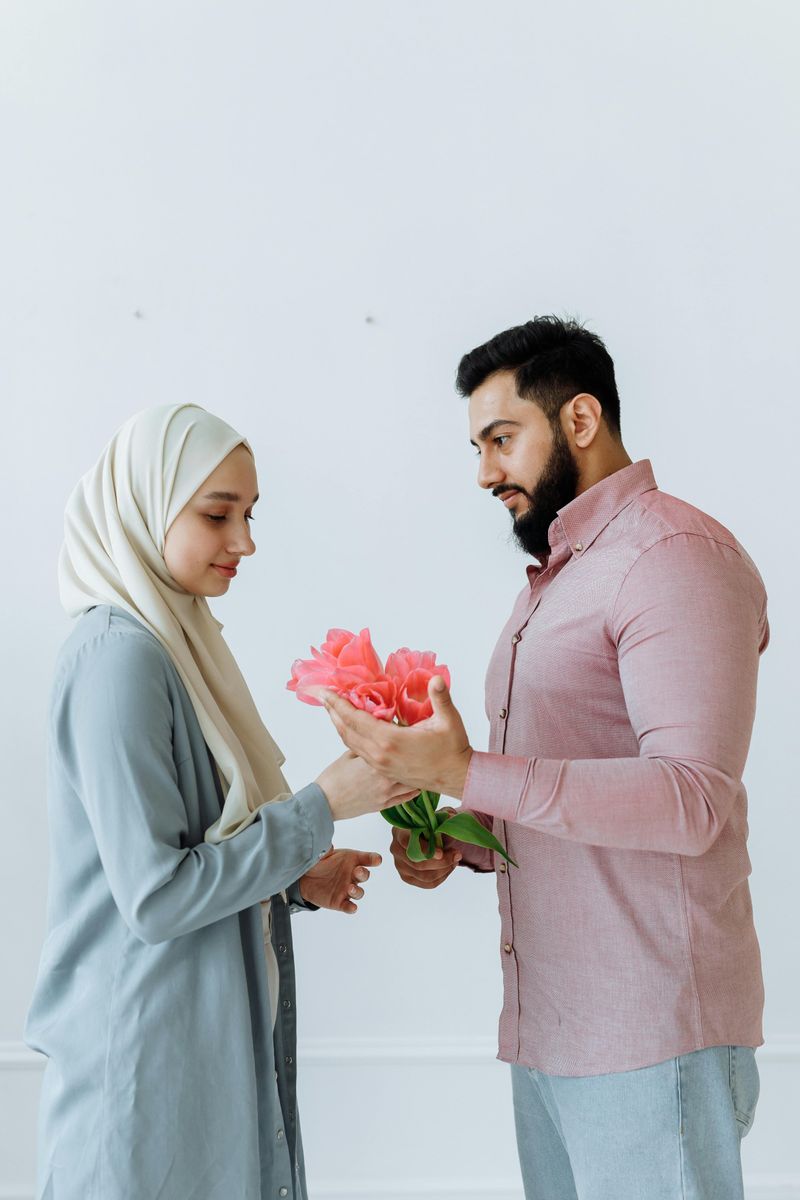
“Thanks for handling that” — three simple words that carry enormous weight.
Couples who enjoy being married don’t wait for big moments to show gratitude.
They notice the small stuff and say so out loud.
Verbal appreciation builds emotional safety over time.
When your partner regularly feels seen and valued, resentment has a much harder time taking root.
Positive reinforcement isn’t just for kids — it works powerfully in adult relationships too.
Making appreciation a daily habit, even for ordinary things like cooking dinner or remembering an errand, keeps the emotional bank account full.
And a full emotional bank account makes the hard conversations a whole lot easier to have.
4. They Assume Positive Intent

Misreading a partner’s tone or forgetting something important can easily spiral into a full-blown argument — unless you stop and ask yourself, “Did they really mean it that way?”
Happy couples default to charitable interpretations.
Instead of jumping to “You don’t care about me,” they think, “That probably wasn’t intentional” or “Let me ask before I react.” That mental pause makes a massive difference.
Assuming positive intent short-circuits unnecessary escalation.
It doesn’t mean ignoring real problems — it means not manufacturing new ones out of misunderstandings.
Over years of marriage, this habit saves couples from hundreds of avoidable fights and keeps the emotional climate a lot more peaceful and connected.
5. They Maintain Emotional Safety

Emotional safety is the invisible backbone of a healthy marriage.
When both partners feel heard, respected, and free to be vulnerable without fear of ridicule, the relationship becomes a genuine refuge.
Research consistently shows that emotional safety predicts long-term marital satisfaction more reliably than passion or romance does.
Couples who feel safe with each other are more honest, more connected, and more resilient during hard seasons.
Building emotional safety means never mocking your partner’s feelings, never using their vulnerabilities as ammunition, and always making space for hard conversations.
When both people trust that the relationship is a safe place to land, they stop guarding themselves — and real intimacy grows.
6. They Continue to Date Each Other

Marriage doesn’t come with an automatic “done” button on romance — the couples who thrive know that attraction needs to be fed, not assumed.
Date nights aren’t just nice; they’re necessary.
Keeping shared rituals alive — weekly dinners, morning walks, inside jokes — maintains the playful connection that brought two people together in the first place.
Novel experiences also help.
Trying something new together sparks the same brain chemistry as early-stage attraction.
The couples who stay happy don’t wait until things feel stale to invest in fun.
They build intentional engagement into regular life.
Protecting that time together, even when schedules get crazy, sends a clear message: this relationship is still a priority.
7. They Operate as a Team

“How do we solve this?” — four words that completely change the energy of a hard conversation.
Couples who enjoy marriage frame challenges as something they face together, not something they fight about against each other.
Language shapes reality in relationships.
Saying “us vs. the problem” instead of “me vs. you” keeps both partners on the same side.
Shared decision-making, dividing responsibilities fairly, and checking in regularly all reinforce that team mentality.
When couples stop competing and start collaborating, problem-solving becomes less exhausting and more effective.
Parenting, finances, household stress — all of it gets easier when two people genuinely operate as partners rather than opponents living under the same roof.
8. They Manage Stress Outside the Relationship

Chronically dumping unmanaged stress onto a partner is one of the quietest ways to erode a marriage.
Work pressure, family tension, and personal frustration are real — but they shouldn’t become the marriage’s permanent weather forecast.
Emotionally healthy couples take responsibility for regulating their own stress.
That might mean exercise, journaling, therapy, or simply taking a breath before walking through the front door.
Individual emotional regulation protects the relationship from absorbing too much outside noise.
Shared support matters too — partners can absolutely lean on each other.
The key is balance.
When both people manage their inner world with some intention, the marriage becomes a place of rest rather than another source of pressure.
9. They Respect Differences

One of the biggest traps in marriage is trying to turn your partner into a version of yourself.
Happy couples figured out early that differences aren’t defects — they’re just differences.
Rather than spending energy trying to change each other, thriving couples negotiate, adapt, and find middle ground.
They recognize that compatibility isn’t something you find fully formed — it’s something you build through ongoing acceptance and mutual respect.
Respecting differences also means not treating your way as the only right way.
Maybe one partner is a morning person and the other isn’t.
Maybe spending habits differ.
Working with those gaps instead of fighting them turns potential friction into something manageable — even funny — over time.
10. They Share a Meaningful Vision

Couples who feel genuinely fulfilled in marriage aren’t just coexisting — they’re building something together.
A shared vision gives the relationship direction, purpose, and staying power through difficult seasons.
Alignment on core values matters enormously: money philosophy, family goals, lifestyle priorities, and long-term dreams.
Couples don’t need to agree on everything, but they do need to agree on the things that shape daily life and future choices.
When both partners feel like they’re rowing toward the same destination, the marriage has a sense of meaning that keeps them connected even when romance dips or stress spikes.
Shared purpose is the anchor that holds a relationship steady when everything else feels uncertain.