 MomSkoop

Some of the best life advice doesn’t come from a trending app or a viral video — it comes from women who have been quietly doing the right things for decades.
Women 65 and older have held onto everyday habits that science is now proving to be genuinely powerful.
From how they eat and move to how they rest and connect, these routines are making a comeback with younger generations.
Here are ten habits that boomer women never abandoned, and why you might want to start borrowing a few of them.
1. Daily Physical Activity and Strength Training
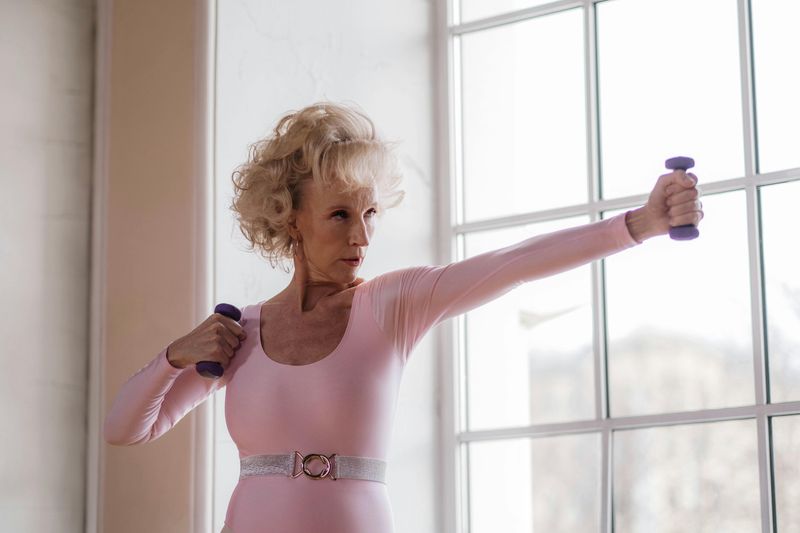
Ask any woman over 65 what keeps her going, and chances are she’ll mention moving her body every single day.
Whether it’s a brisk morning walk, a yoga session in the living room, or resistance band exercises, consistent movement has always been part of her routine.
Strength training, once thought of as something only athletes did, is now recognized as essential for maintaining muscle and balance as we age.
Younger generations are rediscovering this truth.
Strong muscles protect joints, improve posture, and boost energy levels in ways no supplement can match.
2. Prioritizing Whole-Food, Nutrient-Rich Nutrition
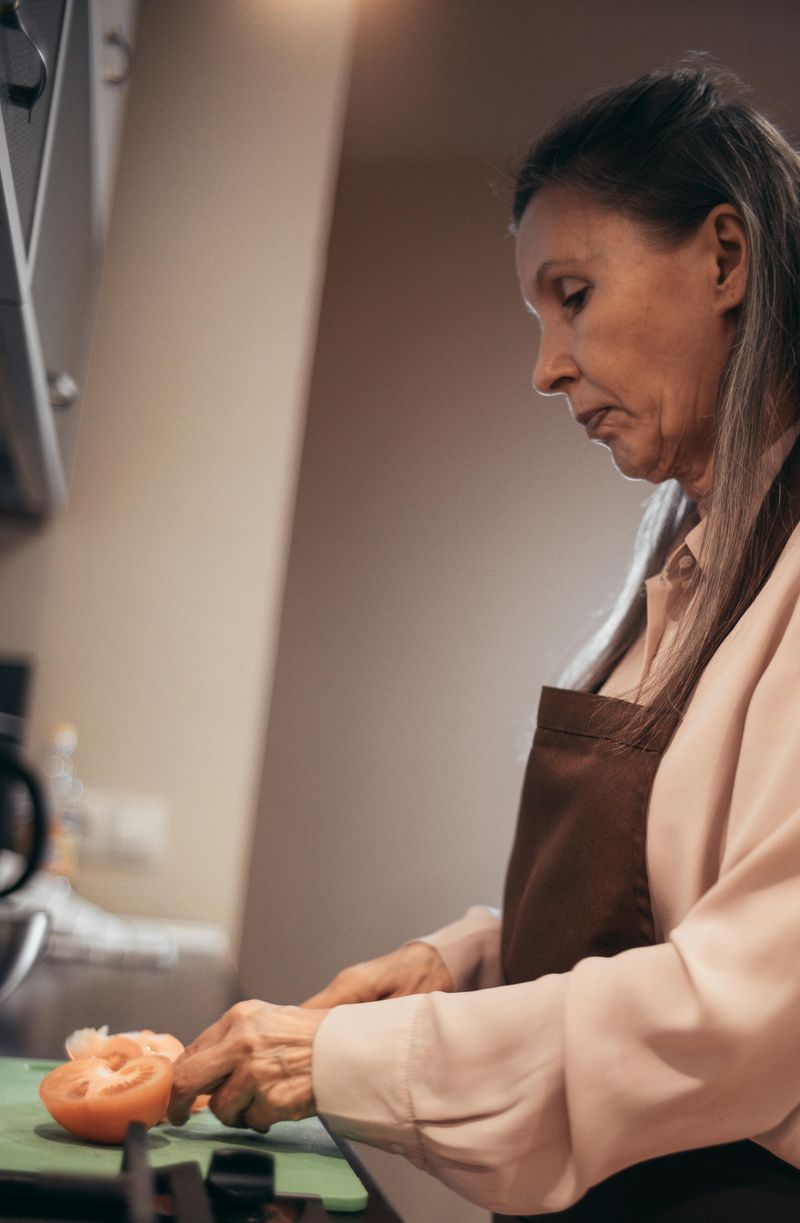
Long before “clean eating” became a buzzword, boomer women were already filling their plates with vegetables, lean proteins, and home-cooked meals made from real ingredients.
Processed snacks and fast food were treats, not staples — a mindset that kept their bodies fueled and functioning well.
Nutrition experts now confirm what these women practiced by instinct: a diet rich in whole foods dramatically supports long-term health.
Younger people are circling back to this approach, swapping ultra-processed convenience foods for meals that actually nourish.
Sometimes, the oldest advice turns out to be the most effective.
3. Maintaining Social Connection and Community
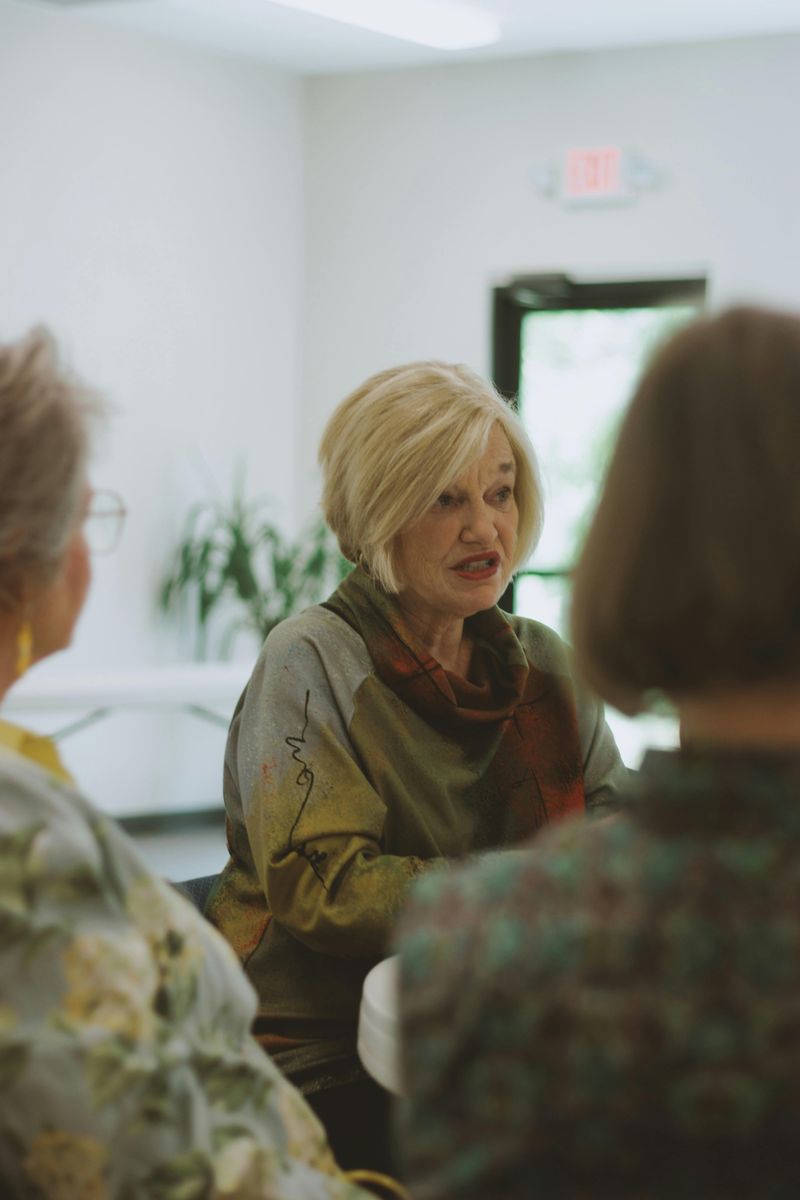
There’s a reason women in this generation stayed active in church groups, neighborhood clubs, and weekly card games — they understood that human connection is not optional.
Loneliness is now recognized as a serious health risk, comparable to smoking in its effects on the body.
Boomer women never needed a study to tell them that.
Regular time with friends and family kept their spirits lifted and their minds sharp.
Younger adults are waking up to this reality, trading scrolling for real conversations.
Community isn’t just comforting — it’s genuinely good medicine for the mind and body.
4. Mindful and Intentional Daily Routines
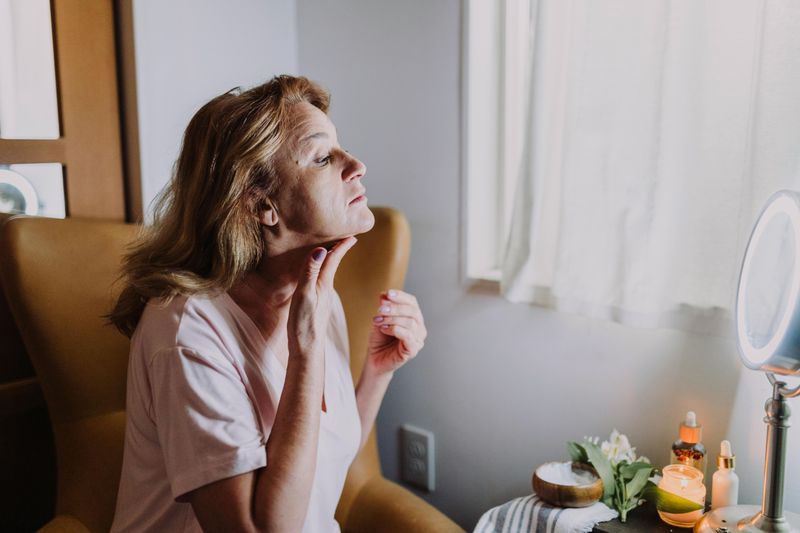
Before “self-care” became a hashtag, boomer women were quietly building routines that honored their physical and mental needs.
Consistent sleep schedules, morning rituals, and deliberate habits around hydration and stress relief were simply part of how they managed life — no app required.
Research now backs what they already lived: structured daily routines reduce anxiety, improve sleep quality, and support overall mental health.
Younger generations burned out by chaotic schedules are rediscovering the power of slowing down and being intentional.
A predictable, calming routine isn’t boring — it’s one of the smartest investments you can make in yourself.
5. Gratitude and Positive Outlook Practices
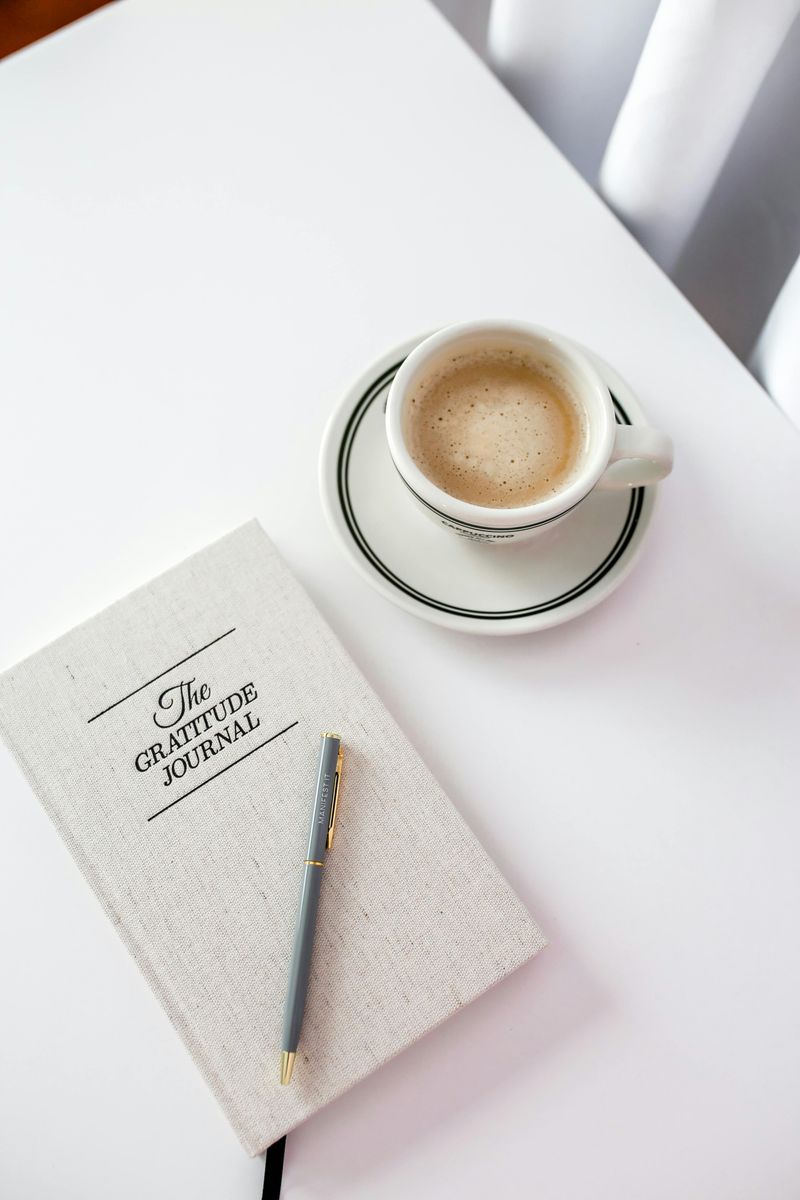
Many women in this generation grew up counting their blessings — not as a cliche, but as a genuine daily practice.
Whether it was a quiet prayer, a heartfelt thank-you, or simply pausing to appreciate a good meal or a sunny afternoon, gratitude was woven into how they experienced life.
Psychologists now call this kind of mindset a key factor in emotional resilience and overall happiness.
Focusing on what is good, rather than fixating on what is lacking, creates a mental environment where wellbeing can grow.
Younger people are picking up journaling and gratitude apps for exactly this reason.
6. Slow, Attentive Eating and Cooking at Home
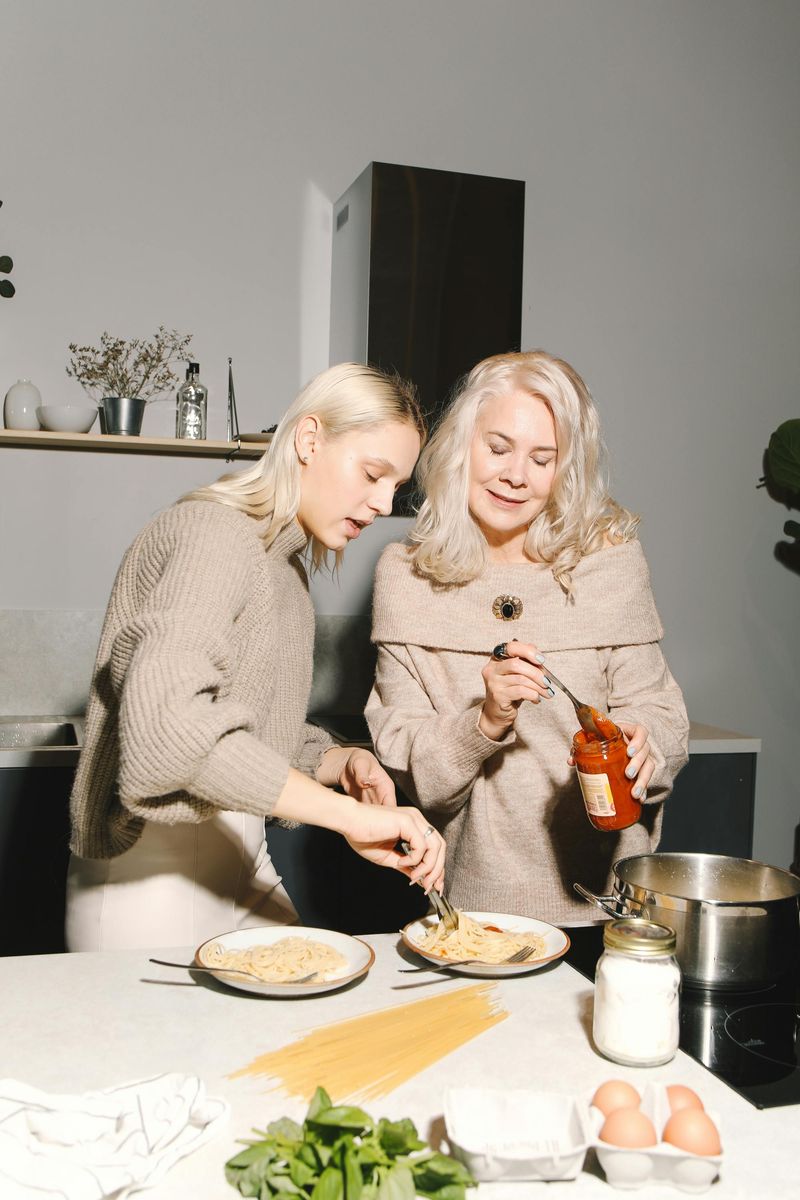
Eating used to be an event, not an afterthought.
Boomer women sat down at the table, tasted their food, and rarely rushed through a meal while staring at a screen.
Cooking at home meant knowing exactly what went into every dish — a level of food awareness that many people have only recently started reclaiming.
Mindful eating is now backed by research showing it reduces overeating, improves digestion, and even supports a healthier relationship with food.
Younger generations are learning to slow down at mealtimes, rediscovering the joy of cooking from scratch rather than unwrapping something pre-made.
7. Regular Check-Ups and Preventative Health Care

Staying on top of annual physicals, dental visits, and health screenings was never negotiable for most women in this generation.
They understood early that catching a problem before it becomes serious is far smarter than waiting until something goes wrong.
Prevention has always been their strategy.
This proactive mindset is now being embraced by younger adults who grew up skipping doctor visits unless absolutely necessary.
Routine screenings for blood pressure, cholesterol, and cancer can genuinely save lives.
Boomer women didn’t just hope for good health — they showed up for it consistently, year after year, without making excuses.
8. Balancing Activity with Rest and Recovery

Hustle culture never impressed women who had already raised families, built careers, and learned through hard experience that pushing without resting leads to burnout.
Rest was not laziness — it was part of the plan.
Regular naps, early bedtimes, and honoring the body’s need to recover were non-negotiable habits.
Sleep science now confirms what these women practiced naturally: quality rest is essential for immune function, cognitive health, and emotional regulation.
Younger generations are finally taking sleep seriously after years of glorifying exhaustion.
Recovery is not weakness — it’s what allows the body to keep showing up strong day after day.
9. Maintaining Hobbies and Lifelong Learning
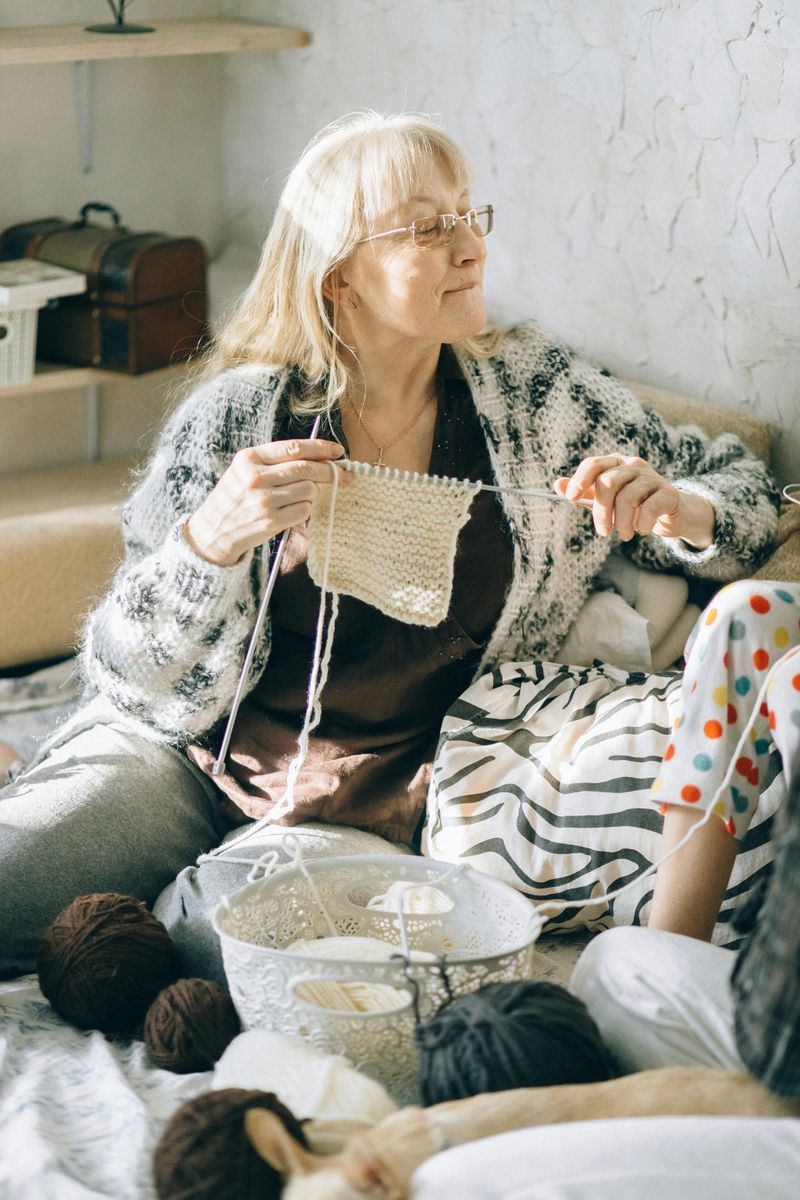
Curiosity never retired for women in this generation.
Gardening, quilting, reading, painting, learning a new language at 70 — these pursuits were never just pastimes.
They were ways of staying mentally alive, emotionally fulfilled, and connected to a sense of purpose beyond daily responsibilities.
Neuroscience now shows that engaging in creative and intellectual activities protects the brain against cognitive decline.
Younger cohorts are picking up knitting, pottery, and language apps with renewed enthusiasm, realizing that hobbies are not frivolous but fundamentally important.
Lifelong learning keeps the mind flexible, resilient, and genuinely excited about what comes next.
10. Physical and Financial Simplicity

Growing up in an era that valued thrift, boomer women learned early to live within their means, save steadily, and avoid spending on things that didn’t truly matter.
That same principle applied to their physical lives — conserving energy wisely, avoiding excess, and choosing quality over quantity in everything.
Financial stress is one of the biggest threats to health and happiness at any age.
The habit of mindful spending and steady budgeting creates stability that younger generations are now craving after years of overspending and lifestyle inflation.
Simplicity, it turns out, is one of the most powerful habits a person can build.