 MomSkoop
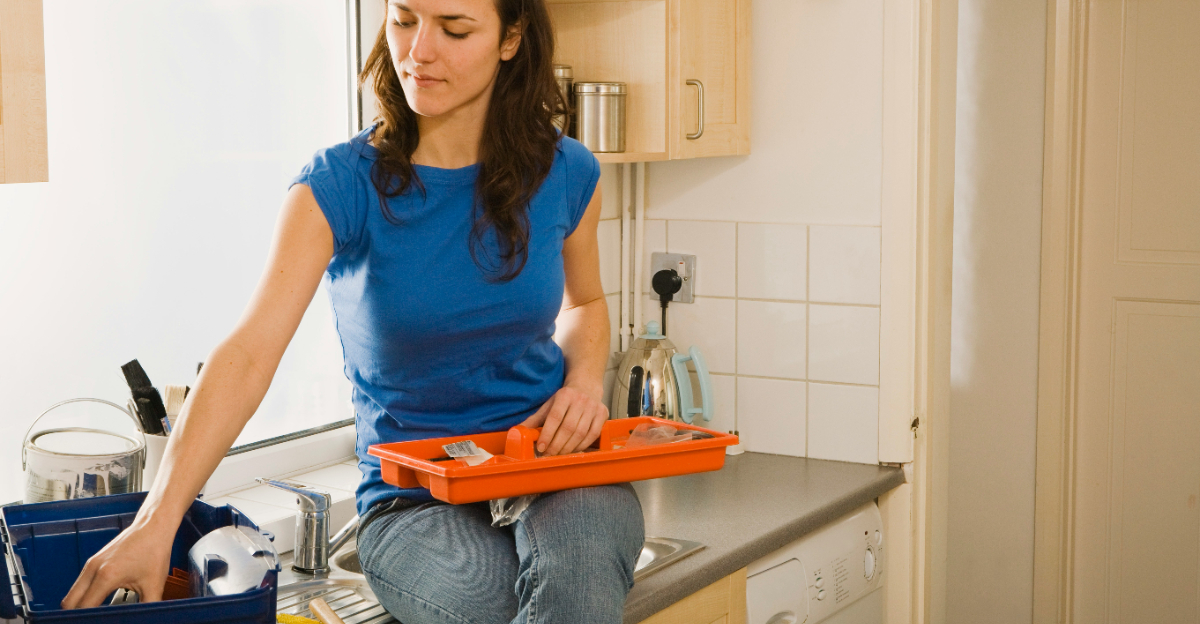
Most of us hold onto things we barely use, thinking we might need them someday. But professional organizers know that clutter quietly drains your energy and makes your home feel chaotic. Letting go of certain items can free up space, reduce stress, and make your home feel brand new. Here are the top ten things experts say you should stop holding onto.
1. Expired Medications

That bottle of cough syrup from three winters ago?
It is probably expired and potentially unsafe to use.
Expired medications lose their effectiveness over time and can sometimes become harmful.
Professional organizers always flag medicine cabinets as one of the most overlooked clutter zones in any home.
Many pharmacies offer free medication disposal programs, so getting rid of old pills is easier than ever.
Clearing out expired meds makes room for what you actually need and keeps your household safer.
A clean medicine cabinet is a small change with a surprisingly big impact on your daily routine.
2. Mismatched Tupperware and Lids
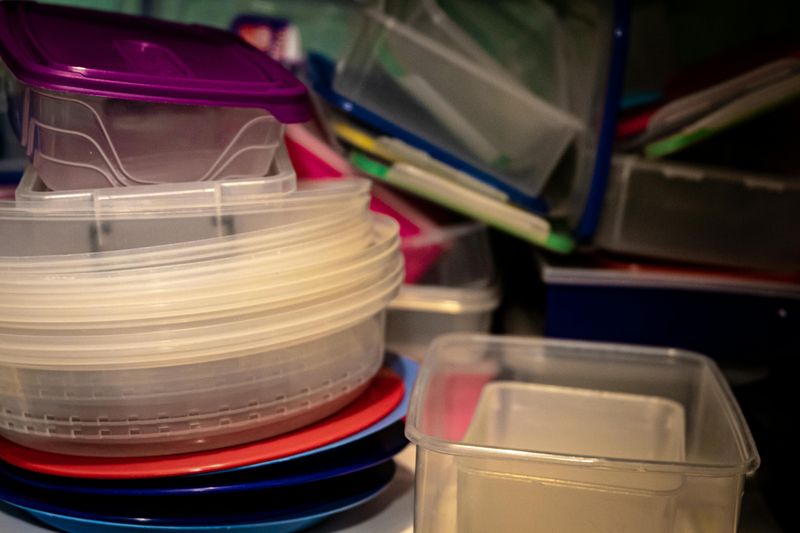
Open almost any kitchen cabinet and you will likely find a chaotic pile of containers missing their lids.
Mismatched Tupperware is one of the most common sources of kitchen clutter, and professional organizers agree it is almost never worth keeping.
If the lid is gone, the container is basically useless for storing food properly.
Tossing unmatched pieces frees up a surprising amount of cabinet space.
Consider replacing your mismatched collection with a nesting set that stacks neatly and saves room.
Your future self will thank you every single time you reach into that cabinet and find exactly what you need.
3. Old Magazines and Newspapers
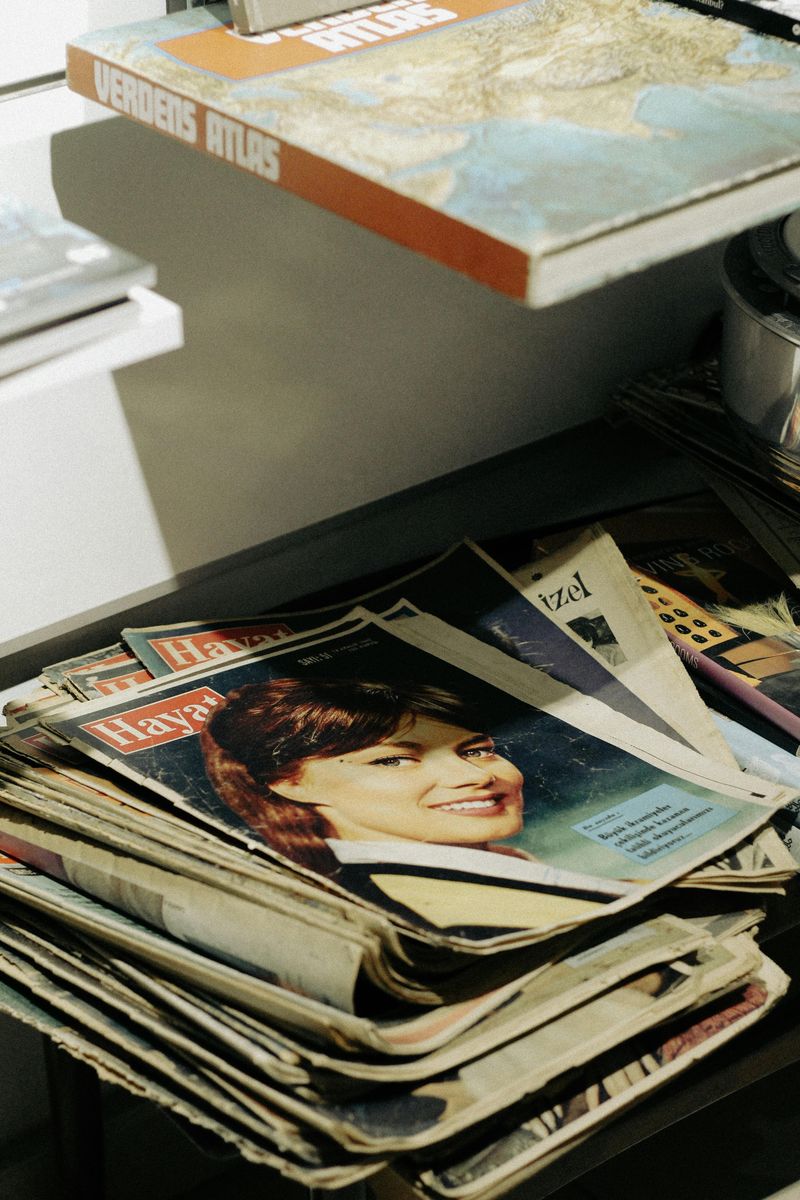
Stacks of old magazines can feel like a cozy collection, but they quietly eat up valuable space in your home.
Professional organizers point out that most people never actually go back and reread old issues.
In today’s world, nearly every article or story can be found online in seconds, making physical copies largely unnecessary to hold onto.
Recycling old magazines not only clears space but also gives those materials a second life.
If a particular issue holds sentimental value, consider tearing out just that one page and letting the rest go.
Small steps like this add up to a noticeably tidier home.
4. Worn-Out Towels and Linens
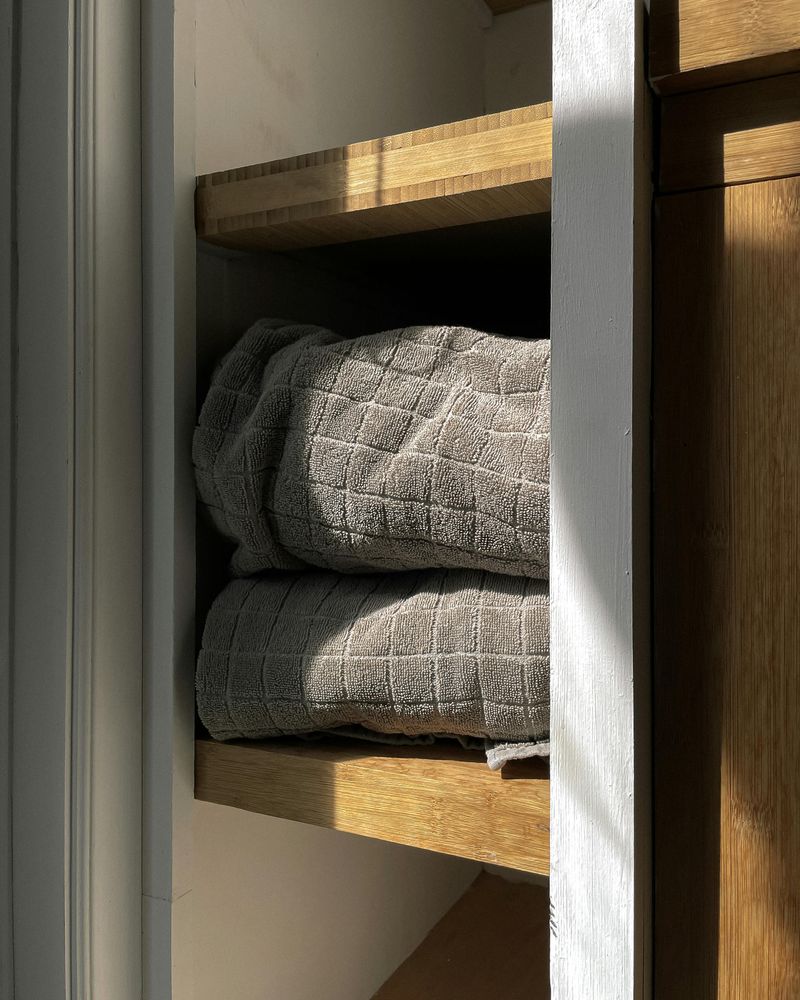
Thin, scratchy towels that no longer absorb water properly are one of those things people keep out of habit, not necessity.
Professional organizers often discover closets packed with linens that are years past their prime.
Worn-out towels and sheets take up valuable shelf space that could hold items you actually enjoy using every day.
Animal shelters and rescue organizations frequently accept old towels as donations, so they do not have to go to waste.
Swapping out tired linens for a smaller, fresher set can make your closet feel organized and your daily routine feel a little more luxurious.
5. Duplicate Kitchen Gadgets
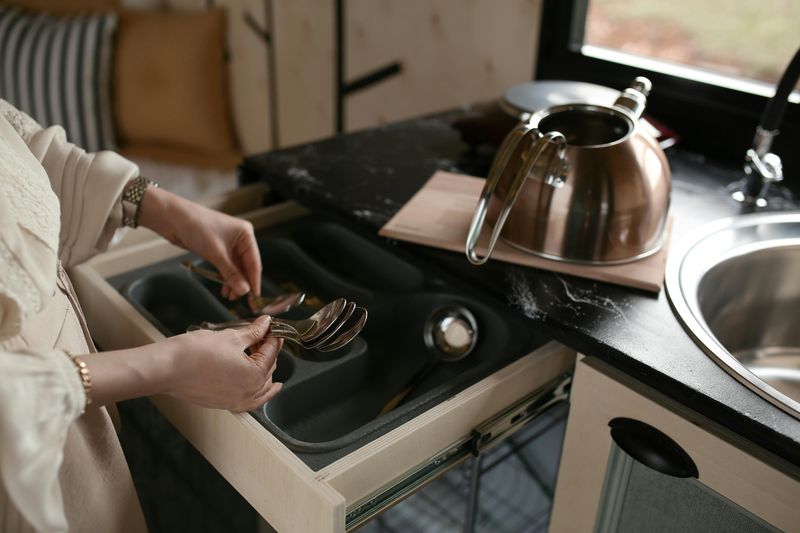
How many spatulas does one household really need?
For most families, the honest answer is far fewer than they own.
Duplicate kitchen gadgets sneak into our drawers through gifts, impulse buys, and forgotten purchases.
Professional organizers say the kitchen is one of the easiest rooms to declutter once you commit to keeping only one of each tool.
Pick your favorite version of each gadget and donate or recycle the rest.
Fewer items in your kitchen drawers means less digging and more cooking.
A streamlined kitchen is not just easier to navigate, it actually makes meal prep feel faster and more enjoyable overall.
6. Clothes You Have Not Worn in Over a Year
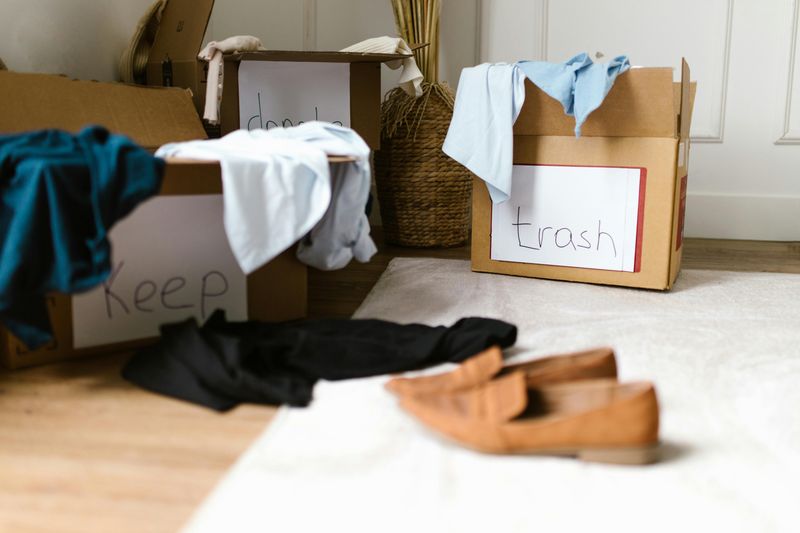
That dress you bought for a party three years ago and never wore again is taking up prime closet real estate.
Professional organizers use a simple rule: if you have not worn something in over a year, it is time to let it go.
Clothes that no longer fit your body or your lifestyle only create visual noise every time you open your closet door.
Donating unworn clothing gives those pieces a chance to be loved by someone else.
A thinned-out wardrobe also makes getting dressed in the morning faster and way less stressful.
Keeping only what you love is surprisingly freeing.
7. Broken or Incomplete Games and Puzzles
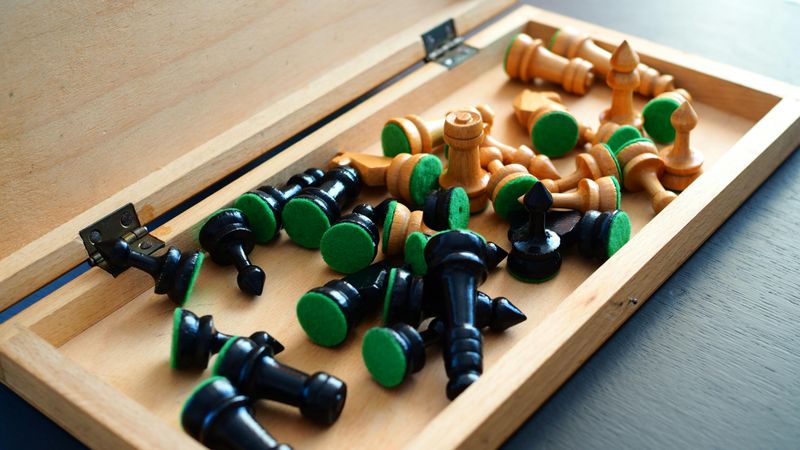
Missing puzzle pieces and board games with incomplete card decks have a way of lingering on shelves for years.
Nobody actually plays them, yet they take up shelf and closet space that could be used for things your family genuinely enjoys.
Professional organizers suggest doing a quick audit of your game collection to identify anything that is broken or missing key components.
A game that cannot be played properly is not really a game anymore, it is just clutter with a colorful box.
Recycling or tossing incomplete sets makes room for activities that actually bring your household together for real fun.
8. Excess Plastic Bags
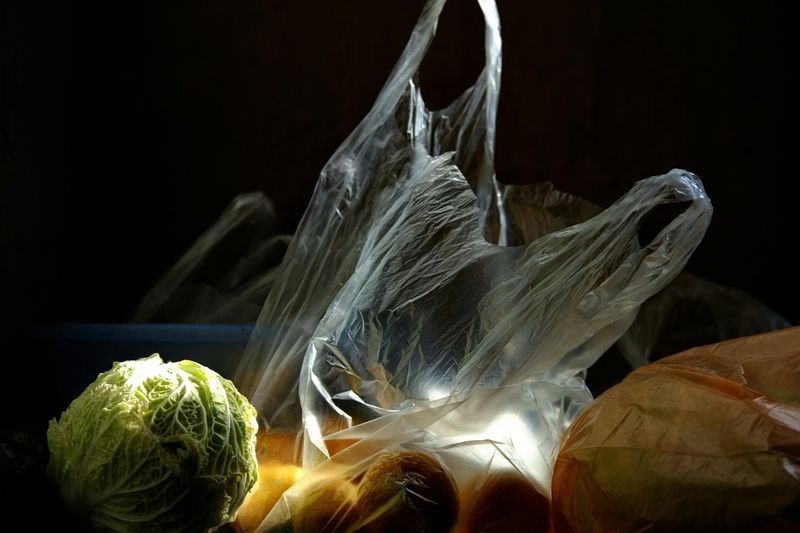
Almost every household has that one drawer or cabinet corner stuffed with a crinkly mountain of plastic grocery bags.
While it feels responsible to save them, most homes accumulate far more than they will ever reuse.
Professional organizers recommend keeping a small, manageable stash for tasks like lining small trash cans, and recycling the overwhelming surplus.
Many grocery stores have plastic bag recycling bins right at the entrance, making disposal simple and eco-friendly.
Switching to reusable shopping bags reduces the incoming pile entirely.
A single small bag holder can corral what you keep, turning a chaotic mess into something actually functional and tidy.
9. Old Electronics and Tangled Cords
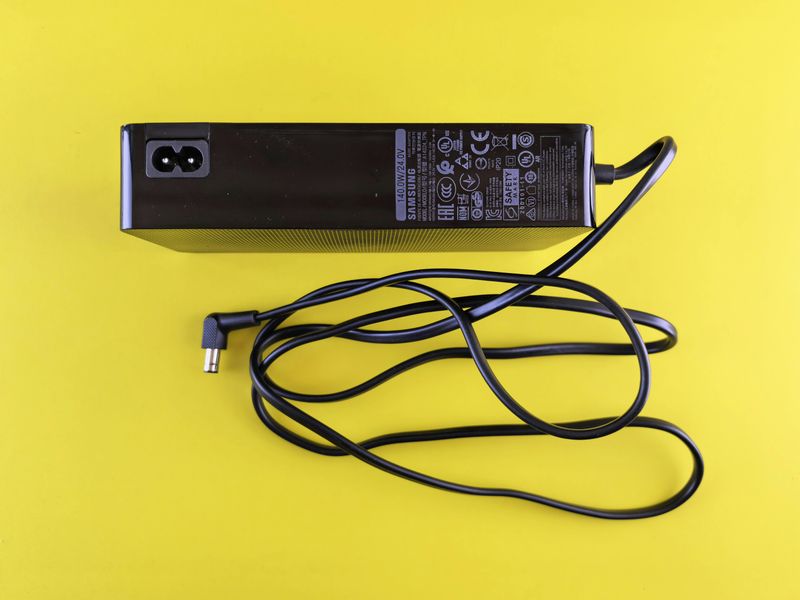
Somewhere in most homes, there is a graveyard of old phones, mystery cords, and gadgets that stopped working years ago.
Professional organizers call these electronic graveyards one of the trickiest clutter categories because people feel guilty tossing tech items.
The truth is, cords for devices you no longer own serve absolutely no purpose sitting in a drawer.
Electronics recycling programs exist in most communities, making responsible disposal easy and accessible.
Clearing out old devices and tangled cords frees up drawer and shelf space instantly.
It also reduces the visual chaos that comes from opening a drawer and seeing a hopeless knot of cables staring back at you.
10. Novelty Mugs and Excess Drinkware
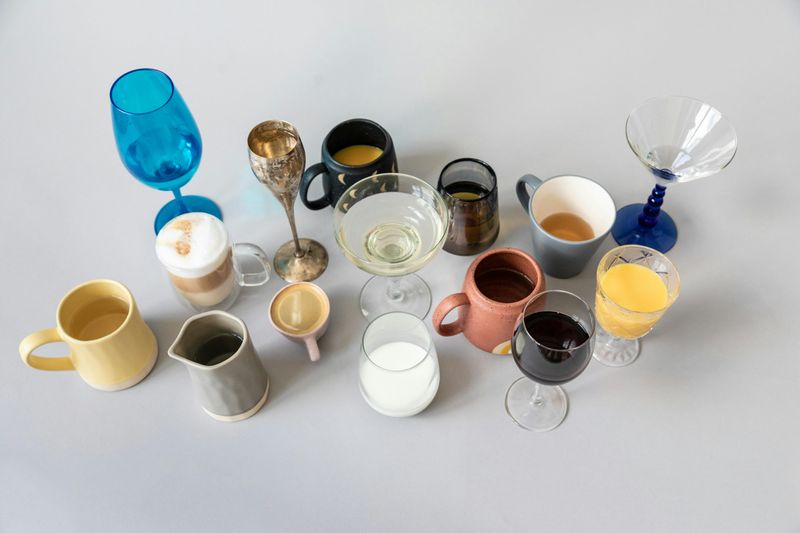
Mugs seem to multiply on their own, arriving as gifts, souvenirs, and office party prizes until your cabinet can barely close.
Most households use only a small handful of their total mug collection on any given day.
Professional organizers recommend keeping just enough drinkware for your household size plus a few extras for guests, and donating the rest.
Thrift stores are always happy to receive gently used mugs and glasses.
Trimming your drinkware collection makes your kitchen cabinet easier to navigate and prevents the avalanche of tumbling cups every time you reach for your morning coffee.
Fewer mugs, more calm.