 MomSkoop

Divorce can feel like the end of the world, but for many women, it turns out to be one of the most powerful turning points of their lives. Walking away from a marriage — whether it was your choice or not — teaches you things about love that no one ever warns you about.
The lessons are sometimes painful, often surprising, and almost always worth knowing. Here are twelve truths women commonly discover about love once they have been through a divorce.
1. Love Alone Is Not Enough

Romantic feelings can sweep you off your feet, but they cannot hold a relationship together on their own.
Many women come out of marriage realizing that love was never the problem — compatibility was.
Two people can deeply care for each other and still be completely wrong for each other.
Without shared values, mutual respect, and honest communication, even the strongest feelings start to crack under pressure.
Love is the starting point, not the finish line.
Think of it like a house — emotion is the paint, but you still need a solid foundation.
A beautiful coat of paint cannot hold up crumbling walls for long.
2. Red Flags Matter

Looking back, most women can pinpoint the warning signs that were there from the very beginning.
A partner who dismissed feelings, avoided serious conversations, or showed flashes of disrespect early on rarely became kinder with time.
Those small, uncomfortable moments were telling a bigger story.
After divorce, women often say they wish they had trusted their gut sooner.
Red flags are not always dramatic — sometimes they are as quiet as someone who never apologizes or always makes you feel like your needs are too much.
Paying attention to patterns early in a relationship can save enormous heartache down the road.
Your instincts are smarter than you think.
3. Self-Worth Must Come First
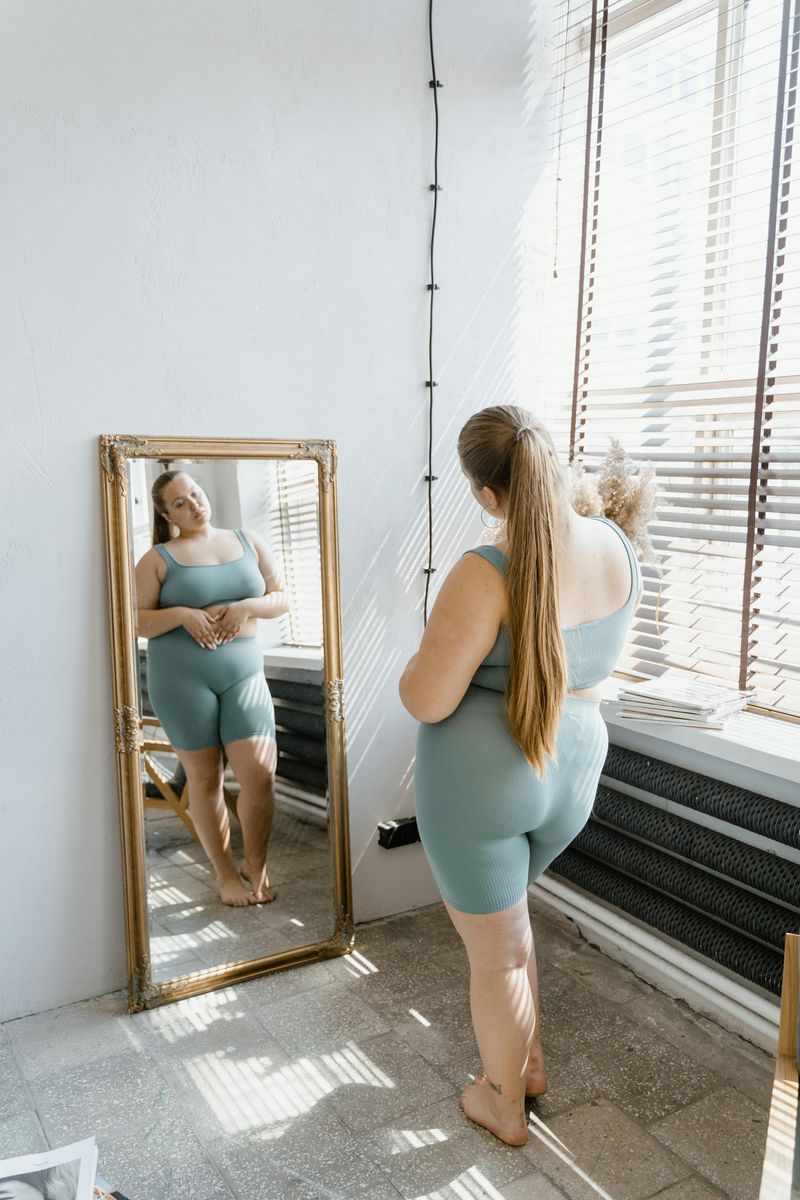
There is a quiet danger in loving someone so much that you start disappearing.
Many women, especially in long marriages, slowly gave up hobbies, friendships, and even opinions to keep the peace or make their partner happy.
Over time, that kind of self-erasure builds deep resentment.
Divorce often becomes the moment women finally ask, “Who am I outside of this relationship?” That question can feel terrifying at first, but it is also the beginning of something powerful.
When you know your own value, you stop accepting less than you deserve.
Self-worth is not something a partner gives you — it is something you have to protect and grow within yourself every single day.
4. Healthy Boundaries Are Essential

Boundaries are not walls — they are the rules you set to protect your peace, your energy, and your sense of self.
Many women enter relationships without clearly defined limits around their emotions, finances, or personal time, and slowly find those areas being eroded without even realizing it.
After divorce, women frequently describe learning to say “no” as one of the most liberating skills they ever developed.
Healthy boundaries tell a partner how you expect to be treated.
They also reveal a lot about whether someone respects you.
A person who pushes back hard every time you set a reasonable limit is showing you exactly who they are.
Pay attention to that reaction.
5. Communication Is a Skill, Not Just a Feeling

Most people assume that if two people love each other, talking things out should come naturally.
That assumption has ended more marriages than anyone wants to admit.
Real communication means saying the uncomfortable thing, listening without planning your comeback, and being willing to be wrong sometimes.
Avoiding conflict might feel like keeping the peace, but it usually just delays a bigger explosion later.
After divorce, many women actively work on expressing needs clearly and early, rather than hoping a partner will somehow just figure it out.
Good communication can be learned — it just takes practice and a willingness to be honest even when honesty feels risky.
Silence is rarely the safe option it seems.
6. You Cannot Change Someone Who Does Not Want to Change

There is a particular kind of heartbreak that comes from pouring yourself into someone in the hope that your love will be enough to make them better.
Women often enter relationships seeing potential — the person someone could be — and then spend years waiting for that version to show up.
After divorce, the lesson lands hard: people change when they want to, not when you need them to.
Loving someone deeply does not give you the power to rewire who they are.
The only person whose growth you can influence is your own.
Recognizing this is not giving up — it is actually a form of self-respect.
Letting go of the fixer role is one of the most freeing things a woman can do.
7. Emotional Safety Is More Important Than Passion

Intense chemistry can feel like everything at the start of a relationship.
The butterflies, the excitement, the electricity — it is easy to mistake that rush for something deep and lasting.
But passion without safety is like fireworks: spectacular for a moment, then gone.
Women who have been through divorce often describe their healthiest relationships not as the most thrilling, but as the most comfortable.
Feeling safe enough to be honest, to make mistakes, and to be fully yourself without fear of ridicule or punishment — that is what sustains love over time.
Butterflies fade, but the feeling of being genuinely respected and emotionally supported?
That is the kind of connection worth building a life around.
8. Independence Strengthens Relationships

There is an old idea that two people in love should become one — sharing everything, needing nothing outside each other.
In practice, that level of merging tends to create pressure that slowly suffocates both partners.
Healthy love actually has breathing room built into it.
After divorce, many women rebuild friendships, restart old hobbies, and regain financial independence — and discover those things make them better partners, not worse ones.
Bringing a full, interesting life into a relationship means you are choosing your partner rather than depending on them for everything.
That distinction matters enormously.
A relationship built between two independent people tends to be far more balanced, respectful, and genuinely fulfilling than one built on mutual neediness or fear of being alone.
9. Compatibility Matters More Than Potential

Falling for who someone could become is one of the most common — and costly — romantic mistakes.
Potential is seductive.
It lets you project the relationship you want onto a person who may never actually become that version of themselves.
Meanwhile, who they actually are right now gets overlooked.
Divorce often teaches women to evaluate partners based on present behavior, not future promises.
Does this person share your core values today?
Do your lifestyles actually work together?
Are your goals genuinely aligned, or are you hoping they will come around eventually?
Compatibility is not about being identical — it is about fitting together in the ways that actually matter for daily life, long-term goals, and mutual happiness.
10. Mutual Effort Is Non-Negotiable

A relationship where one person carries the emotional weight of everything — planning, communicating, nurturing, apologizing — is not a partnership.
It is a second job with no pay and no days off.
Many women look back at their marriages and recognize just how lopsided the effort really was.
One-sided love is exhausting in a way that creeps up slowly.
You keep giving because you care, and the other person keeps accepting because it is comfortable for them.
After divorce, women become far less willing to audition endlessly for a role in someone else’s life.
Both people need to show up — consistently, not just during the good times.
Effort is not a grand gesture; it is a daily practice that either exists or it does not.
11. Being Alone Is Better Than Being Unhappy

Before divorce, the idea of being single can feel like failure.
Society sends that message constantly — that being partnered means you have succeeded at life, and being alone means something went wrong.
That pressure keeps a lot of women in relationships that stopped serving them long ago.
After divorce, many women are genuinely surprised by how peaceful their lives become.
Quiet evenings without tension.
Decisions made without negotiation or guilt.
A home that feels calm instead of loaded with unspoken resentment.
Solitude, it turns out, is not the same as loneliness.
Being alone with yourself — truly comfortable in your own company — is a skill and a gift.
It also makes you far more selective about who you eventually let back in.
12. Love Should Add to Your Life, Not Drain It

A relationship that leaves you constantly anxious, second-guessing yourself, or emotionally depleted is not love — it is a slow leak.
Real love should feel like something that adds energy to your life, not something that quietly takes it all away.
That distinction becomes crystal clear after divorce.
Women who have rebuilt after a marriage often describe their new standard simply: does this person make my life better?
Not perfect — better.
Do you feel more like yourself around them, or less?
Do they support your goals, or subtly undermine them?
Love that is worth keeping shows up in everyday moments of respect, encouragement, and ease.
If a relationship consistently costs you your peace, that is the clearest sign it is not the right one.