 MomSkoop

From writing thank-you notes to making phone calls instead of sending texts, many habits that Baby Boomers consider simple acts of courtesy are increasingly being questioned—or outright rejected—by younger generations. Gen Z, shaped by digital communication, changing social norms, and a different view of personal boundaries, often sees these traditions as outdated or unnecessary.
While Boomers may view these behaviors as basic manners, Gen Z tends to prioritize authenticity, efficiency, and individual comfort. Here are 14 everyday practices that spark a generational divide, with Boomers insisting they’re common courtesy and Gen Z wondering what all the fuss is about.
1. Pretending Your Phone Doesn’t Exist During Conversations

Boomers grew up in a world where putting your phone away during a conversation was just what you did — no questions asked.
Eye contact was currency, and divided attention was considered rude.
But Gen Z has grown up with smartphones practically attached to their hands, making the line between online and offline life genuinely blurry.
For many younger people, checking a phone mid-conversation isn’t disrespect — it’s multitasking.
Scrolling while listening is as natural as doodling used to be.
Still, older generations see it as a sign that you simply don’t care about the person in front of you.
2. Making Polite Small Talk With Strangers

Ask a Boomer waiting in line at the grocery store, and they’ll tell you a friendly “How’s your day going?” to a stranger is just common courtesy.
Small talk was the social glue of their generation — a way to acknowledge fellow humans and build community one casual exchange at a time.
Gen Z, however, often finds unsolicited conversation with strangers exhausting or even anxiety-inducing.
Many prefer the quiet comfort of headphones and personal space.
It’s not coldness — it’s a different social wiring shaped by online connection rather than face-to-face community building in shared public spaces.
3. Shaking Hands Every Time You Meet Someone New

The handshake has centuries of history behind it — originally meant to show you weren’t carrying a weapon.
Boomers absorbed this ritual as a universal sign of respect, confidence, and trustworthiness.
A firm handshake said everything about your character before you even spoke a word.
Gen Z?
Not so much.
Between pandemic-era hygiene awareness and a general preference for casual greetings like waves or nods, the formal handshake feels stiff and strange.
Some younger people even find it uncomfortable to touch strangers altogether.
The handshake isn’t dead, but it’s definitely on life support for this generation.
4. Sending Handwritten Thank-You Notes
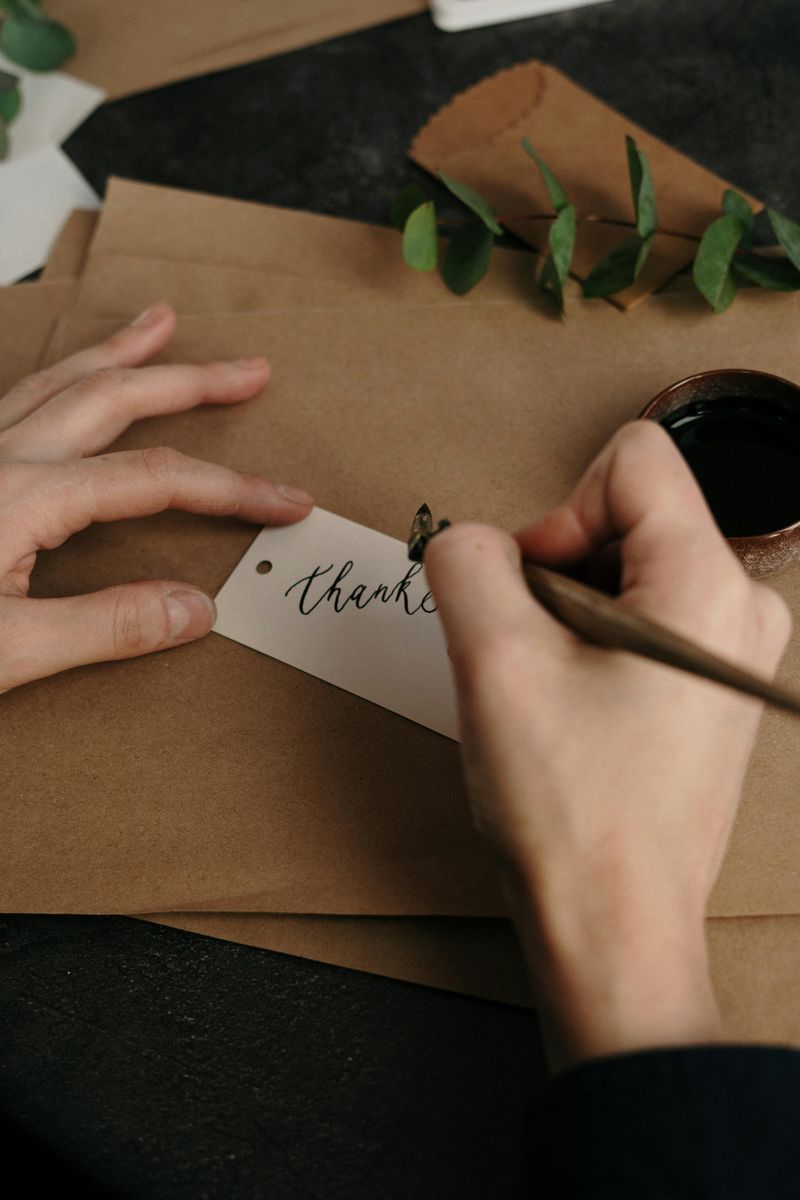
Nothing made a Boomer grandmother’s heart sing quite like receiving a handwritten thank-you note after a birthday gift.
It showed effort, thoughtfulness, and genuine appreciation — a small act that carried enormous social weight.
Writing those notes was practically a childhood rite of passage in many households.
Gen Z grew up sending thank-you texts, reaction emojis, and voice memos.
To them, a heartfelt DM is just as sincere as ink on paper — maybe more so, because it’s instant.
The idea of hunting down stamps and stationery for a note that takes three weeks to arrive feels wildly impractical in today’s world.
5. Calling Instead of Texting for Everyday Communication

Phone calls were the lifeblood of Boomer social life.
Chatting on the landline for hours was how friendships were maintained, plans were made, and news was shared.
Picking up the phone to call someone wasn’t a big deal — it was simply how people communicated.
For Gen Z, an unexpected phone call can feel genuinely alarming.
Texts allow time to think, edit, and respond on your own schedule.
Calls demand immediate attention and real-time conversation with no room to craft the perfect reply.
Many younger people would rather send a carefully worded text than stumble through an unscripted phone call any day.
6. Waiting for the Host to Take the First Bite at Dinner
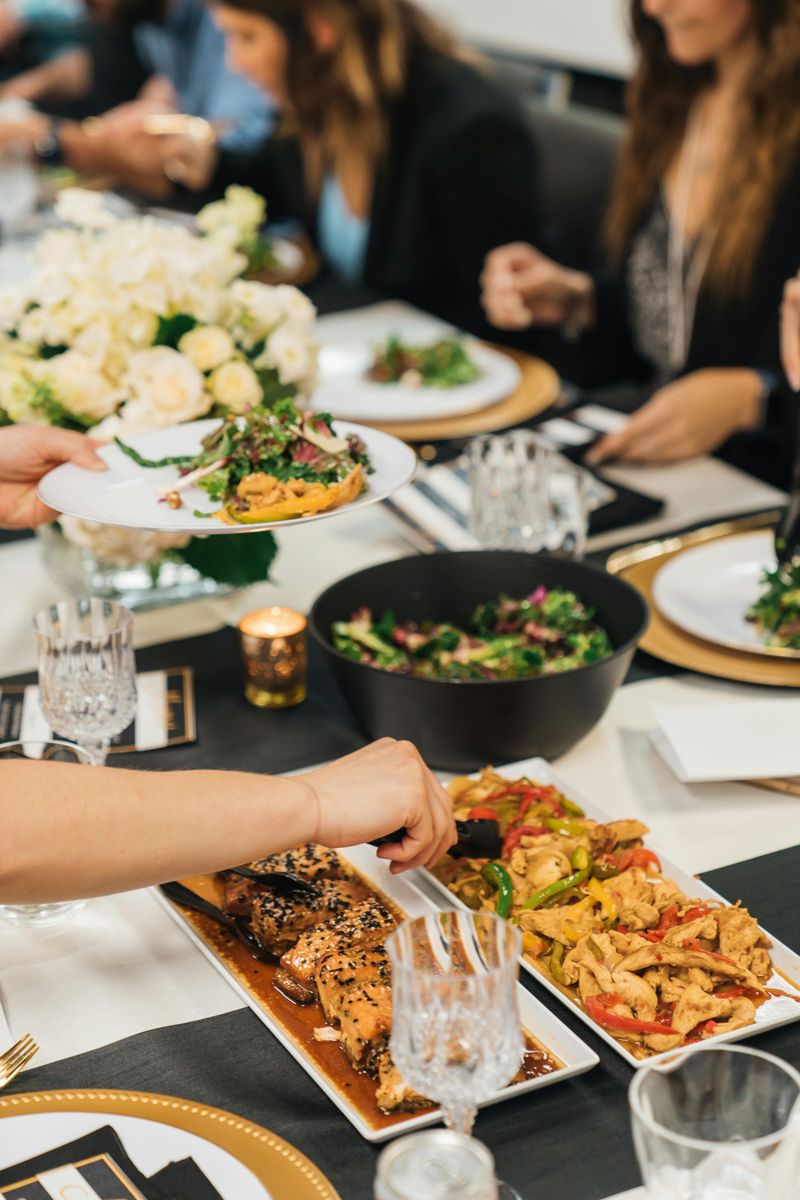
Old-school dining etiquette had a clear rule: nobody eats until the host takes the first bite.
It was a sign of deference and respect — acknowledging that someone worked hard to prepare the meal and deserved to lead the table.
Boomers followed this rule almost instinctively.
Gen Z treats mealtime with a lot more flexibility.
If the food is hot and everyone is seated, why wait?
The idea of holding a fork while perfectly good food gets cold — just for formality’s sake — feels unnecessarily rigid.
Hunger doesn’t care much about hierarchy, and neither does this generation’s approach to dinner table rules.
7. Dressing Up for Flights or Casual Travel

Back in the day, boarding a plane was an occasion.
Boomers dressed their best for flights — heels, blazers, pressed trousers — because air travel felt glamorous and special.
Looking put-together was part of the experience, a social expectation that came with the territory of going somewhere.
Gen Z has fully embraced comfort as king.
Sweatpants, oversized hoodies, and slide sandals are standard airport attire for younger travelers, and proudly so.
A long flight is a marathon, not a fashion show.
Prioritizing comfort over appearance during travel isn’t laziness — it’s a deliberate, practical choice that most Gen Z travelers would defend without hesitation.
8. Avoiding Topics Like Money, Politics, or Religion in Conversation

For Boomers, there were three topics you simply didn’t bring up in polite company: money, politics, and religion.
These subjects were considered too personal, too divisive, and too risky for casual conversation.
Keeping things light and neutral was the cornerstone of good social behavior at gatherings.
Gen Z operates with radical transparency.
Talking openly about salary, political beliefs, and spiritual identity feels authentic — even necessary.
Staying silent on issues that matter feels dishonest and performative to many younger people.
Where Boomers see tact, Gen Z often sees avoidance.
For them, real connection comes from honest conversation, not carefully curated small talk that skirts around anything meaningful.
9. Bringing a Host Gift to Every Gathering

Showing up to someone’s home with a bottle of wine, flowers, or a candle was practically law for Boomers.
The host gift was a gesture of gratitude — a way of saying “I appreciate your hospitality” before even stepping through the door.
Arriving empty-handed was considered borderline rude.
Many Gen Z guests don’t think twice about skipping the gift, especially for casual hangouts.
Bringing something feels overly formal when you’re just heading to a friend’s apartment for pizza and a movie.
They might Venmo for snacks or offer to help clean up instead.
The sentiment is there — just expressed differently than their grandparents would expect.
10. Standing Up When Someone Enters the Room

Standing when someone enters a room — especially an elder or a person of authority — was a deeply ingrained show of respect for Boomers.
It was physical acknowledgment that said, “I see you, and I honor your presence.” Staying seated when a respected adult walked in was unthinkable in many households.
For Gen Z, this gesture feels theatrical and out of place in most modern settings.
Respect is shown through attention, kindness, and genuine engagement — not by physically rising from a chair.
The ritual feels borrowed from an era of rigid social hierarchies that younger generations are actively working to flatten in everyday life.
11. Waiting Until Everyone Is Served Before Eating

“Wait for everyone” was a dinner table commandment in most Boomer households.
No fork touched food until every single plate was filled and everyone was seated.
It was about unity — eating together as a shared, synchronized act that honored the communal nature of the meal.
Gen Z tends to approach dinner with a more relaxed attitude.
If your food is in front of you and it’s getting cold, why let it suffer?
Many younger people see waiting as a courtesy only when it’s practical, not an absolute rule carved in stone.
Enjoying a meal together matters more than the synchronized first bite ritual.
12. Treating RSVPs as Strict, Formal Obligations
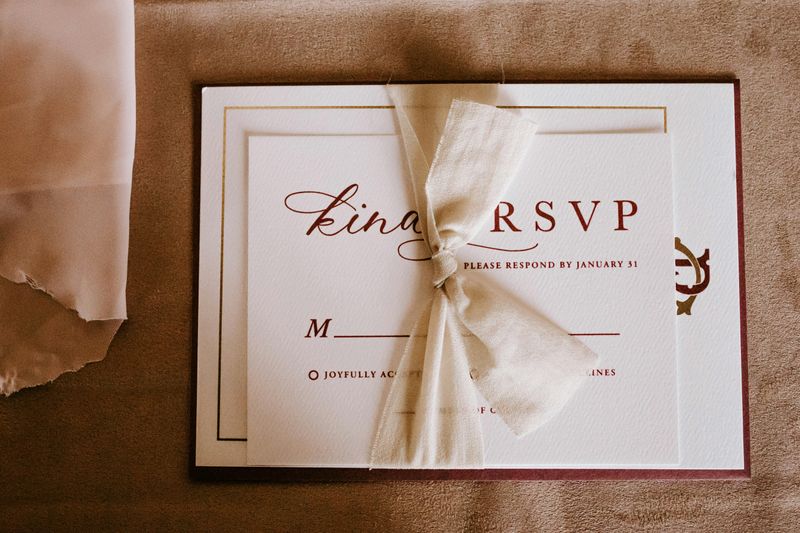
Boomers took RSVPs seriously — almost legally seriously.
If you said you were coming, you were coming.
Hosts planned food, seating, and party favors around those responses.
Backing out last minute, or worse, simply not showing up, was a social offense that could damage a relationship for months.
Gen Z treats RSVPs with far more flexibility, sometimes confirming attendance while leaving a mental back door open in case something better comes up — or anxiety kicks in.
Plans feel more fluid in a world of last-minute texts and spontaneous decisions.
Formal commitments to casual events can feel unnecessarily high-stakes for younger, more go-with-the-flow social planners.
13. Addressing Adults by Their Last Name and Title

Growing up, Boomers were taught one golden rule: you don’t call an adult by their first name unless they specifically say so.
Teachers were “Mr. Johnson,” neighbors were “Mrs. Kim,” and your friend’s parents were absolutely not “Dave” and “Susan.” It was a sign of respect, plain and simple.
Gen Z, though, tends to treat everyone on a first-name basis — bosses, professors, even doctors.
To them, rigid formality feels stiff and creates unnecessary distance.
Many Boomers see skipping titles as outright disrespectful, while Gen Z argues it actually signals warmth, equality, and genuine approachability in modern relationships.
14. Writing a Formal Apology Instead of Sending a Quick Sorry Text

Back in the day, a real apology meant sitting down, writing out your feelings carefully, and making sure the other person knew exactly how sorry you were.
Boomers were raised to own their mistakes fully — a casual “my bad” simply didn’t cut it in most situations.
For Gen Z, a heartfelt “I’m so sorry” sent via text or voice message feels completely genuine.
They see lengthy, formal apologies as performative and overdone.
Why write a letter when you can say the same thing in 30 seconds?
The medium has changed, but the sincerity, Gen Z insists, absolutely hasn’t.