 MomSkoop
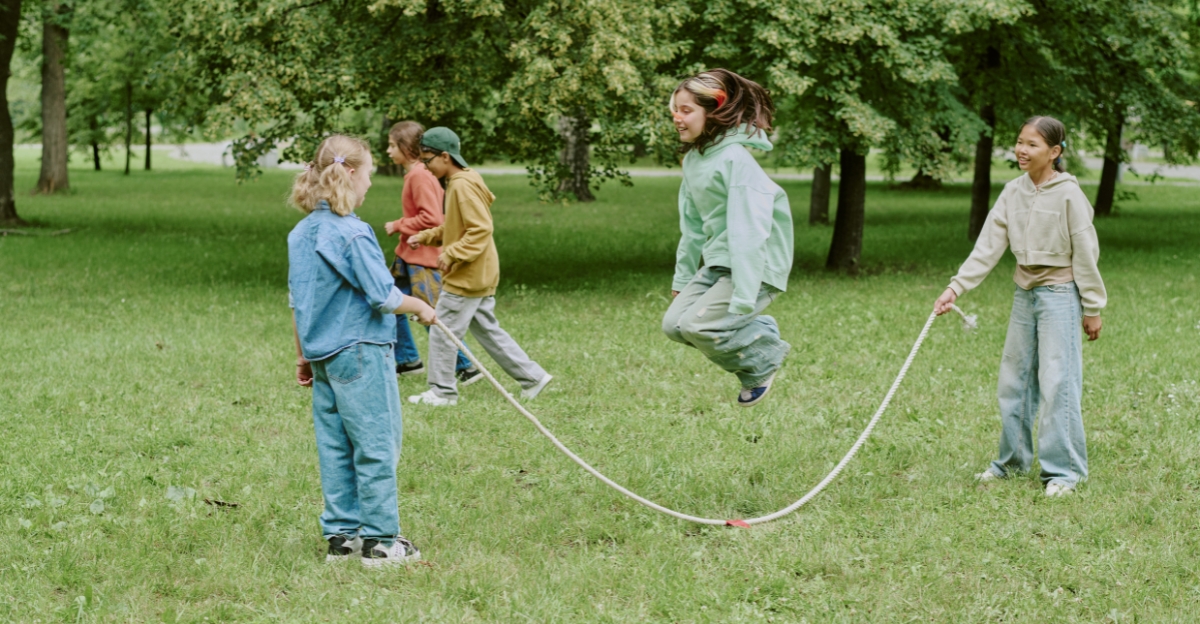
Growing up in the 1970s was a completely different experience from childhood today.
Kids roamed neighborhoods freely, entertained themselves for hours, and learned life lessons the hard way.
These experiences quietly shaped a generation with skills and habits that most people today rarely develop.
Here are 12 traits that people raised in the 1970s share, and why they stand out so much in the modern world.
1. Self-Directed Independence
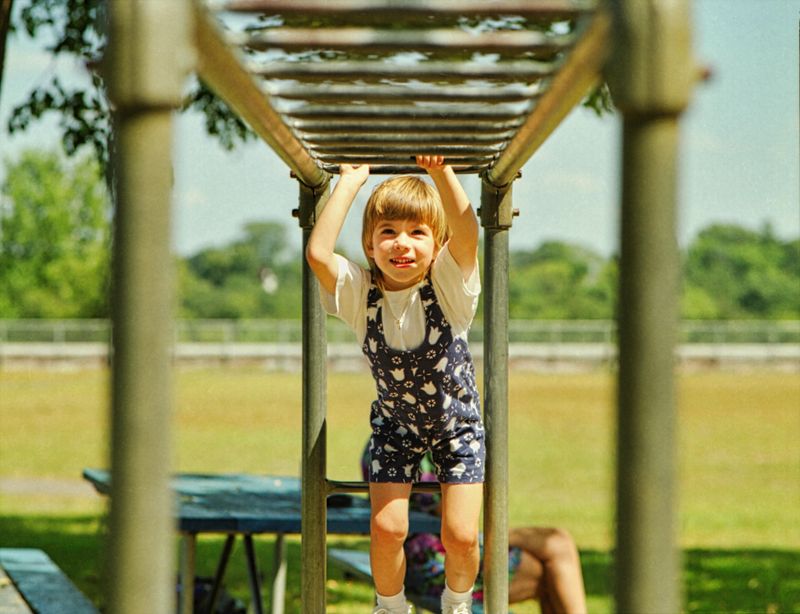
Before GPS, smartphones, and helicopter parenting, kids figured things out on their own.
A 1970s child sent on an errand across town would solve every problem without calling home.
That kind of upbringing built real confidence.
People raised this way learned early that waiting for someone to rescue you was not always an option.
They trusted their own judgment and took action.
That quiet self-reliance is genuinely rare in a world where answers are one search away.
Many adults today struggle when instructions disappear.
Kids from the 70s?
They barely noticed.
2. High Boredom Tolerance

Saturday mornings in the 70s could stretch out for what felt like forever.
No streaming queue, no endless scroll, no notifications.
Just time, wide and unstructured, waiting to be filled with something.
Rather than melting down, kids invented games, built forts, or simply daydreamed.
That ability to sit with emptiness and turn it into something became a quiet superpower.
Psychologists now link high boredom tolerance with stronger creativity and emotional regulation.
In a world engineered to eliminate every dull moment, people comfortable with stillness have a surprisingly powerful edge.
3. Strong Face-to-Face Social Instincts
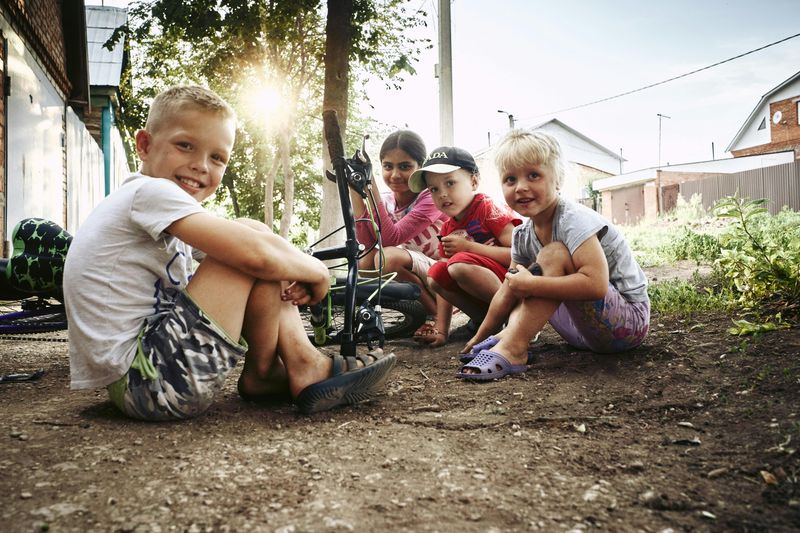
Every friendship in the 1970s was built in person.
You learned to read a friend’s mood from their posture, tone, or the look on their face.
There was no emoji to spell it out for you.
That constant real-world practice sharpened social instincts in ways digital communication simply cannot replicate.
People raised this way tend to notice subtle cues that others completely miss, like a slight hesitation before an answer or tension in someone’s shoulders.
Body language fluency is becoming increasingly rare.
For 70s kids, it was just Tuesday afternoon in the neighborhood.
4. Delayed Gratification Mindset
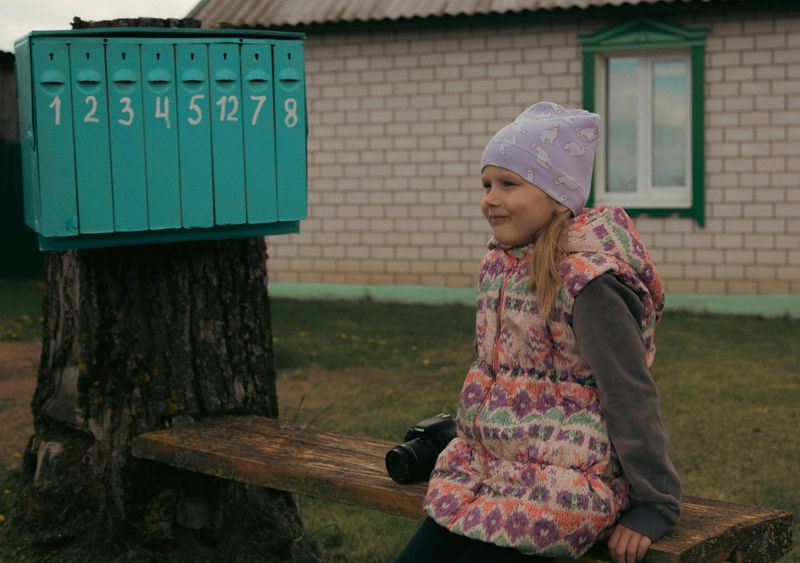
Wanting something in the 70s meant waiting.
You saved up allowance for weeks.
You waited for your favorite show to air.
You mailed away for something and then checked the mailbox every single day.
That rhythm of wanting, waiting, and finally receiving built a deeply wired patience that instant delivery culture has largely erased.
Research consistently shows that people who can delay gratification tend to make better long-term decisions in finances, health, and relationships.
Growing up with waiting baked into everyday life was not a disadvantage.
Turns out, it was excellent training for adulthood.
5. Practical Problem-Solving
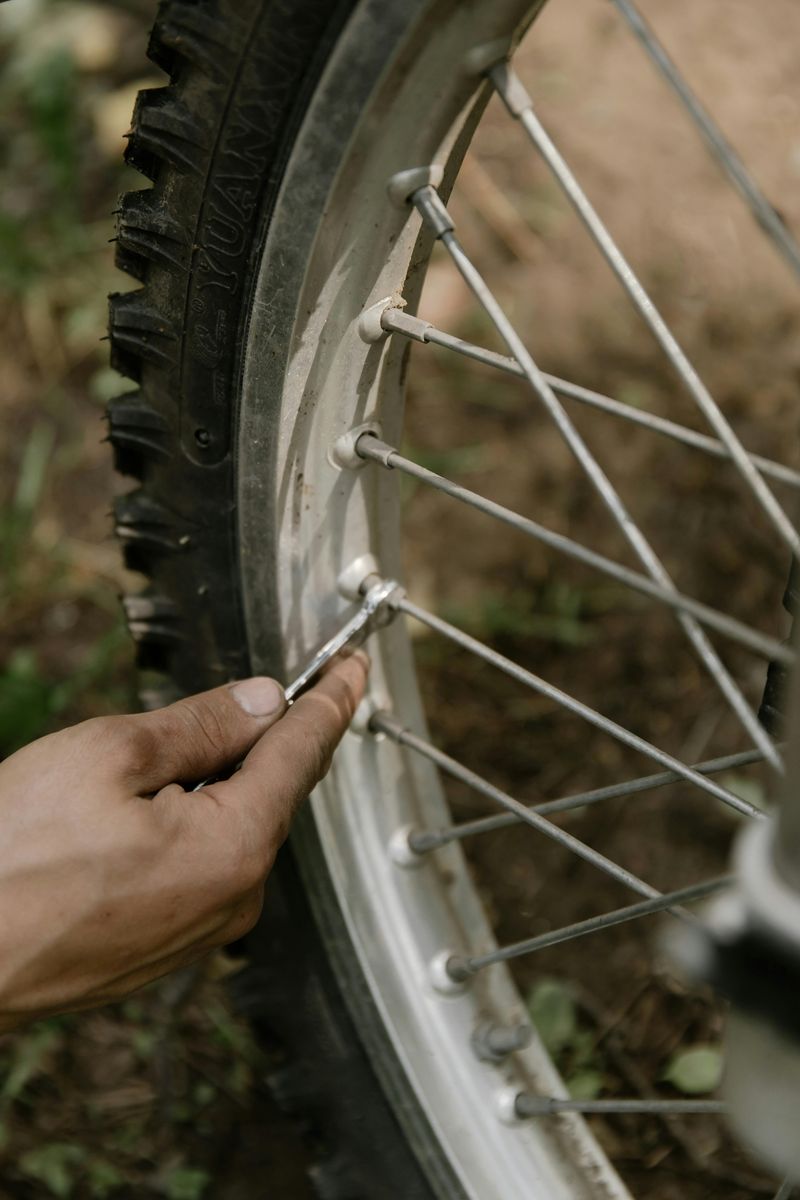
Something broke in the 70s?
You fixed it.
Throwing things away and buying new ones was not the default response it often is today.
Kids watched adults tinker, patch, and improvise, and they absorbed that mindset naturally.
Whether it was a bicycle chain, a leaky faucet, or a malfunctioning radio, the instinct was always to figure it out rather than replace it.
That hands-on approach built real mechanical confidence and creative thinking.
Today, many people cannot change a tire or hang a shelf without a tutorial.
For 70s kids, improvising was just part of daily life.
6. Analog Attention Span

Before notifications existed, concentration was not a battle.
A 70s kid could spend three hours reading a book, assembling a model, or working through a puzzle without a single interruption pulling them away.
That kind of sustained focus is increasingly rare in an age of constant pings and micro-content.
Neuroscientists are raising alarms about shrinking attention spans across younger generations.
People who grew up in analog environments developed a natural ability to stay locked in on one thing.
Deep focus is now considered a professional superpower.
For people raised in the 70s, it was just how you spent an afternoon.
7. Street-Level Resilience

Scraped knees, playground arguments, and neighborhood conflicts were handled without calling an adult.
You worked it out, toughened up, or walked away.
Nobody filed a formal complaint with a teacher over a dodgeball disagreement.
That constant low-level friction built genuine emotional resilience.
Kids learned that discomfort was temporary, conflict was manageable, and setbacks were not catastrophes.
Those lessons stuck well into adulthood.
Today, many young adults struggle with minor frustrations that previous generations would have shrugged off by lunchtime.
Street-level resilience is not toughness for its own sake.
It is the quiet confidence that you can handle what comes.
8. Resourceful Creativity
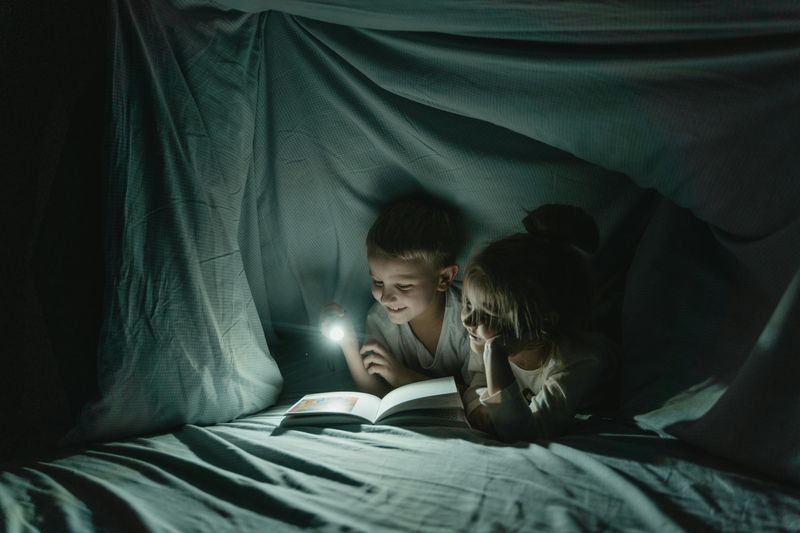
A cardboard box was a spaceship.
A stick was a sword.
A backyard hill was a mountain range worth conquering.
Kids in the 70s did not wait for entertainment to arrive packaged and ready.
They built it from whatever was lying around.
That habit of making something from nothing produced genuinely creative thinkers.
Resourcefulness is not just a fun childhood trait.
It directly translates into adult problem-solving, entrepreneurship, and adaptability in unpredictable situations.
When the world hands you limited materials, you either sit and complain or you build something remarkable.
Most 70s kids chose to build.
9. Neighborhood-Based Social Identity
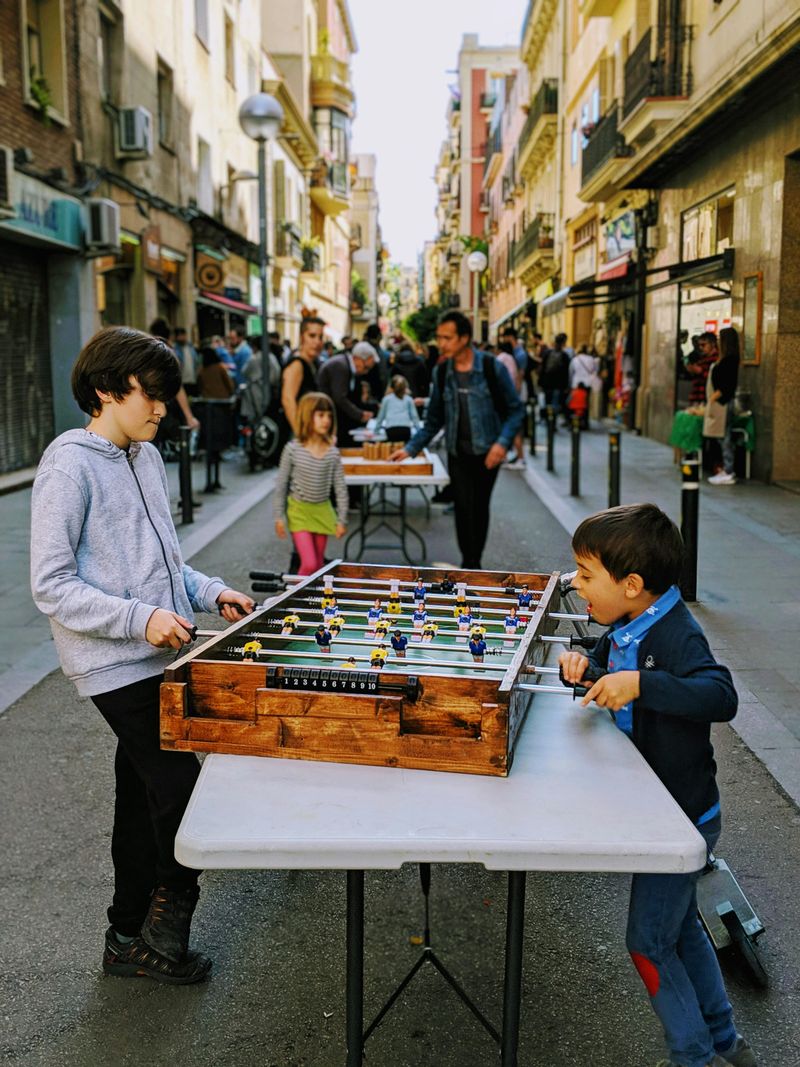
Your block was your world.
You knew your neighbors by name, recognized their cars, and understood the unspoken rules of your specific street.
That physical community gave kids a real sense of belonging that went beyond any screen.
Sociologists note that hyper-local community identity has declined sharply as online social groups have replaced neighborhood bonds.
People raised in the 70s often feel an instinctive pull toward local involvement, volunteering, and knowing the people around them.
There is something grounding about belonging to a real place with real people.
That feeling shaped an entire generation in ways that are hard to replicate digitally.
10. Privacy by Instinct
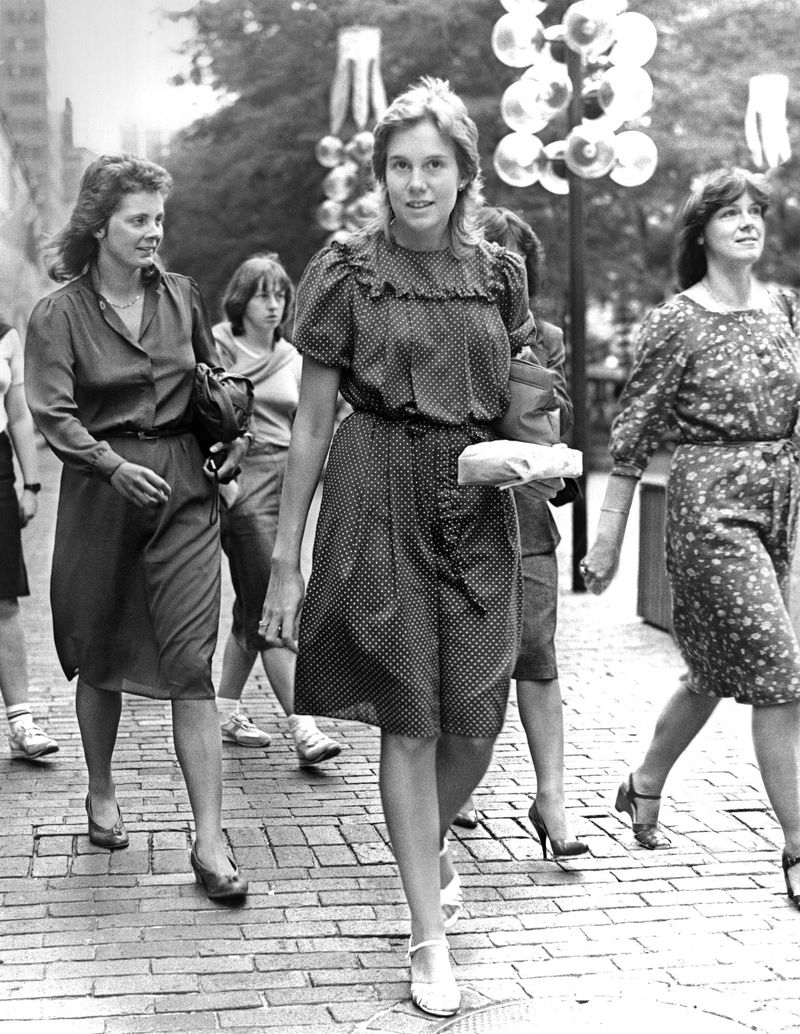
Sharing your personal life publicly was simply not something people did in the 70s.
Your opinions, arguments, and private moments stayed within your home or your closest circle.
Oversharing was considered odd, not relatable.
People raised with that norm tend to keep a natural boundary between their inner world and public display.
They think carefully before speaking, and they rarely feel the urge to broadcast every emotion or opinion online.
In an era of constant public self-expression, that instinctive privacy feels almost radical.
But for many people raised in the 70s, it is simply how things were always supposed to be.
11. Media Skepticism

Growing up with only three TV channels and a local newspaper meant information was scarce.
That scarcity taught kids to question what they heard rather than accept it automatically.
You learned early that sources could be wrong, biased, or incomplete.
That habit of healthy skepticism became a defining trait.
People raised this way tend to ask who is telling the story and why before accepting a headline as fact.
In a modern world flooded with misinformation, that instinct is genuinely valuable.
Media literacy is now taught as a formal skill.
For kids who grew up in the 70s, it came naturally from necessity.
12. Comfort with Real-World Risk and Exploration
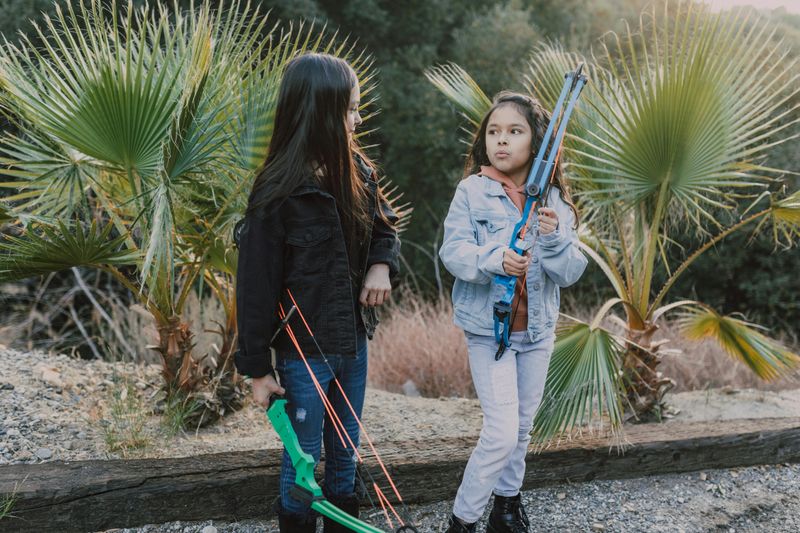
Climbing trees, exploring empty lots, and wandering far from home were completely normal parts of growing up in the 70s.
Parents trusted kids to come back by dinnertime and handle whatever happened in between.
That freedom to explore built a genuine comfort with uncertainty and physical risk.
Adults raised this way tend to travel more independently, try unfamiliar experiences without obsessing over every detail, and adapt quickly when plans fall apart.
Risk tolerance is not recklessness.
It is the quiet confidence that comes from years of navigating the world on your own two feet, without a safety net hovering overhead.