 MomSkoop
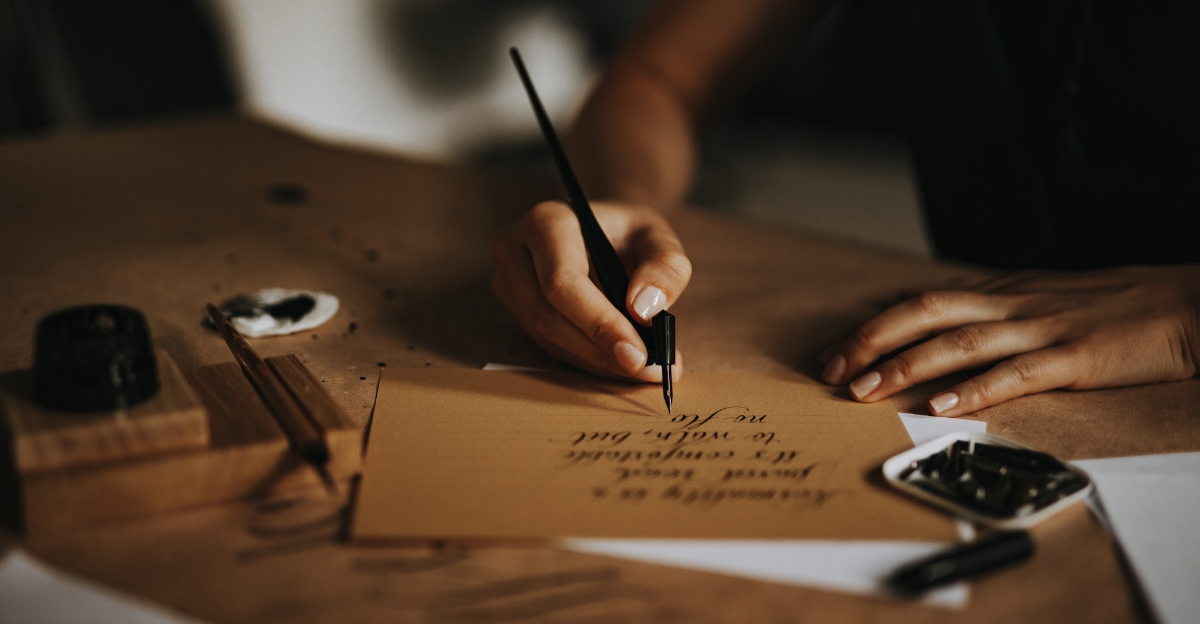
There was a time when life moved a little slower, neighbors knew your name, and the biggest decision of your evening was which TV channel to watch.
For Baby Boomers, those decades hold a special kind of warmth that today’s world rarely matches.
From vinyl records to unlocked front doors, the past had a rhythm that felt deeply human.
These 11 things capture what so many Boomers quietly miss about the way life used to be.
1. True Privacy and Anonymity in Daily Life
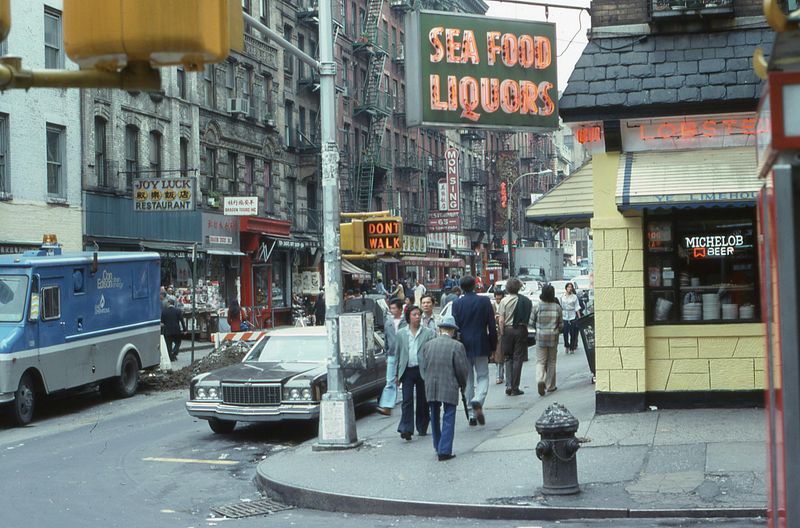
Before the internet existed, running an errand or taking a walk left absolutely no digital footprint behind.
Nobody tracked your location, stored your preferences, or sold your habits to advertisers.
Life felt genuinely private in a way that seems almost unimaginable today.
Every phone call wasn’t logged, every purchase wasn’t profiled, and every conversation wasn’t monitored by an algorithm.
People moved through the world with a quiet freedom that many now realize they took for granted.
Today’s growing conversations around data rights and privacy laws show just how much people still crave that same sense of personal anonymity.
2. Waiting Together for Shared Media Moments
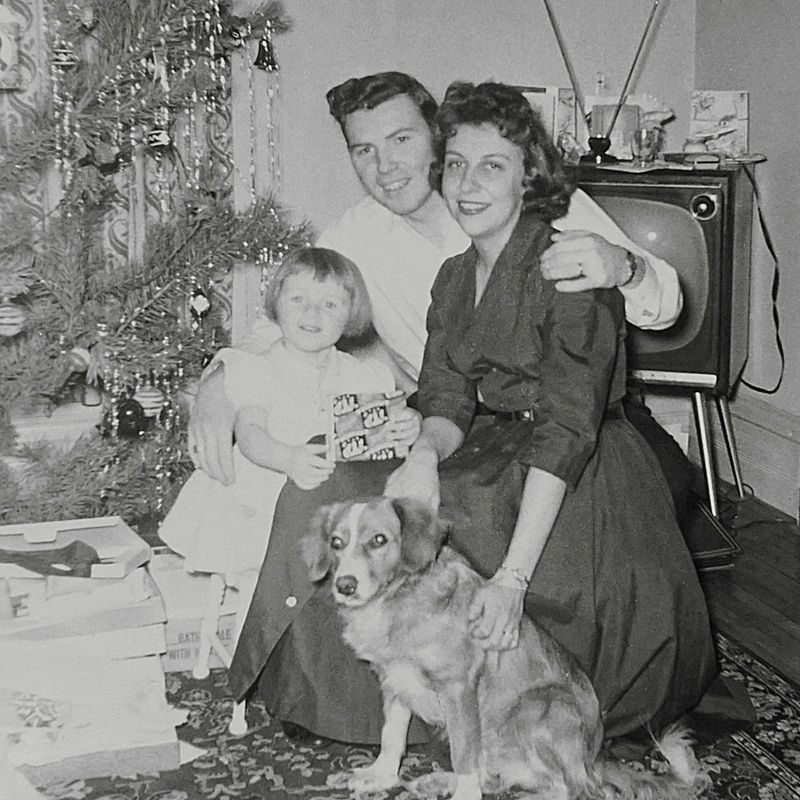
Saturday morning cartoons, the evening news at six, and the season finale everyone talked about on Monday — these were cultural events, not just content.
Millions of people tuned in at the exact same moment, sharing an experience without even being in the same room.
That collective anticipation created something streaming platforms simply cannot manufacture.
You couldn’t skip ahead, pause, or binge.
You waited, and the waiting made it matter more.
Ask any Boomer about the night a favorite show aired its finale, and watch their eyes light up.
Those shared moments built a kind of cultural glue that held communities together.
3. Local Community as the Heart of Social Life
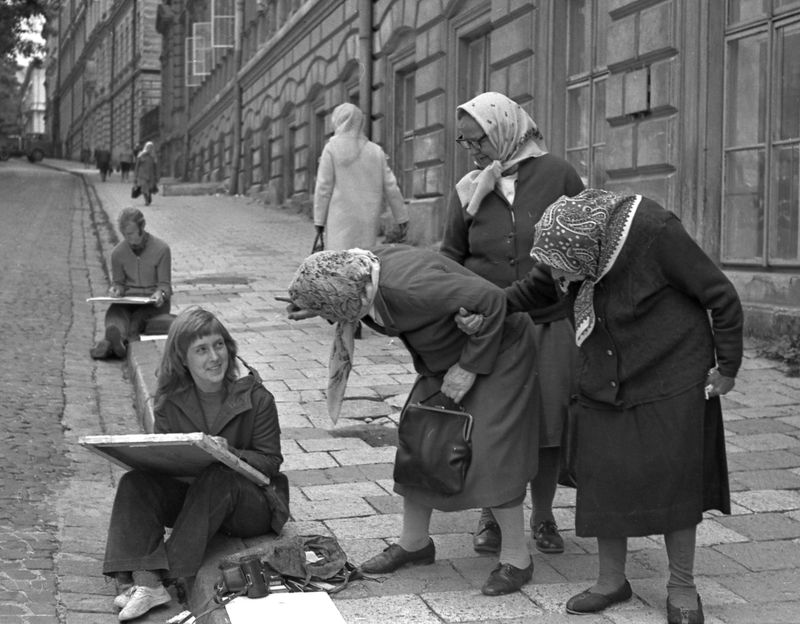
Your neighborhood wasn’t just where you slept — it was where you belonged.
Church potlucks, bowling leagues, block parties, and town hall meetings gave people a built-in social world within walking distance.
Neighbors borrowed cups of sugar and meant it.
They watched each other’s kids, checked in after storms, and showed up when things got hard.
Trust wasn’t built through follower counts; it was earned face-to-face over years.
Many people today are rediscovering just how much they need that kind of rooted connection.
Local community groups and neighborhood apps are trying hard to bring back what once came naturally.
4. The Slower, More Deliberate Art of Communication
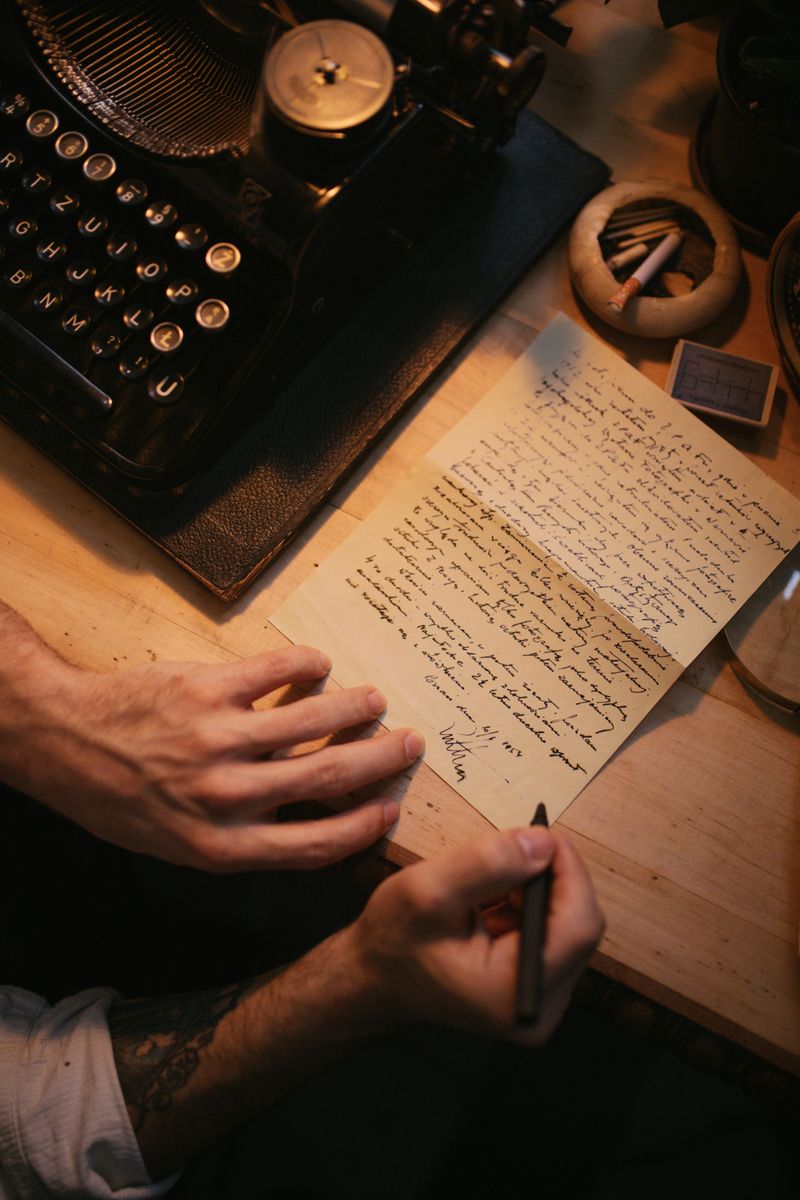
Writing a letter took thought.
You chose your words carefully because rewriting cost time and postage.
By the time your message arrived, both sender and reader had space to reflect — and that space changed the tone of everything.
Phone calls were events, not interruptions.
People set aside time to talk, listened without multitasking, and hung up feeling genuinely connected.
There was no pressure to reply instantly because instant wasn’t even possible.
Today’s constant pinging and read-receipt anxiety shows how much we’ve lost that breathing room.
Slower communication wasn’t a limitation — for many, it was actually a gift worth remembering.
5. Fixing Things Instead of Throwing Them Away
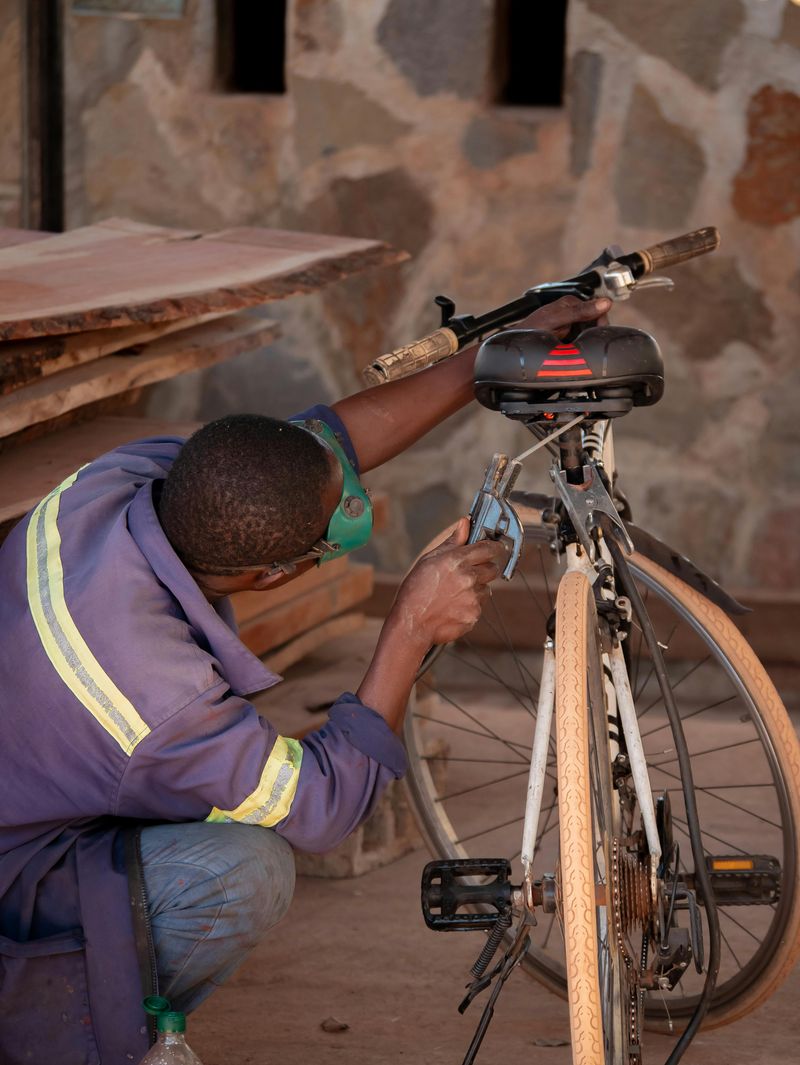
A toaster that broke didn’t go in the trash — it went to the repair shop, or Dad took it apart on the kitchen table.
Appliances were built with the assumption that someone would eventually fix them, and manuals actually helped you do that.
Furniture was sanded and refinished.
Shoes were resoled.
Clothing was mended.
This wasn’t just thriftiness; it reflected a genuine respect for craftsmanship and resources that today’s throwaway culture has largely abandoned.
Interestingly, the modern sustainability movement is circling back to this exact mindset.
Right-to-repair legislation and thrift culture are quietly honoring what Boomers simply called common sense.
6. Kids Roaming Free in an Unscripted Childhood
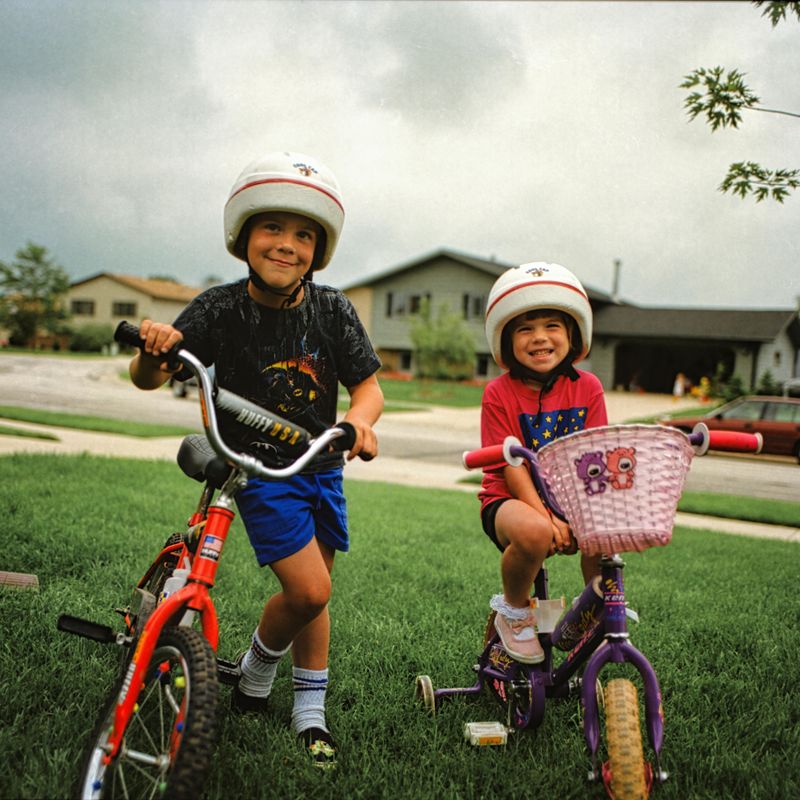
Summer meant leaving after breakfast and not coming home until the streetlights flickered on.
No scheduled playdates, no GPS tracking, no helicopter parents hovering nearby.
Kids built forts, settled arguments, got scraped knees, and figured things out on their own.
That kind of unstructured freedom taught resilience in ways that no app or enrichment program can fully replicate.
Children learned to negotiate, take risks, and bounce back from failure because they had to.
Child development researchers today point to this era as a model for building independence.
Screen-free outdoor time is now practically prescribed as essential medicine for healthy growing minds.
7. Record Stores and the Joy of Discovering Music
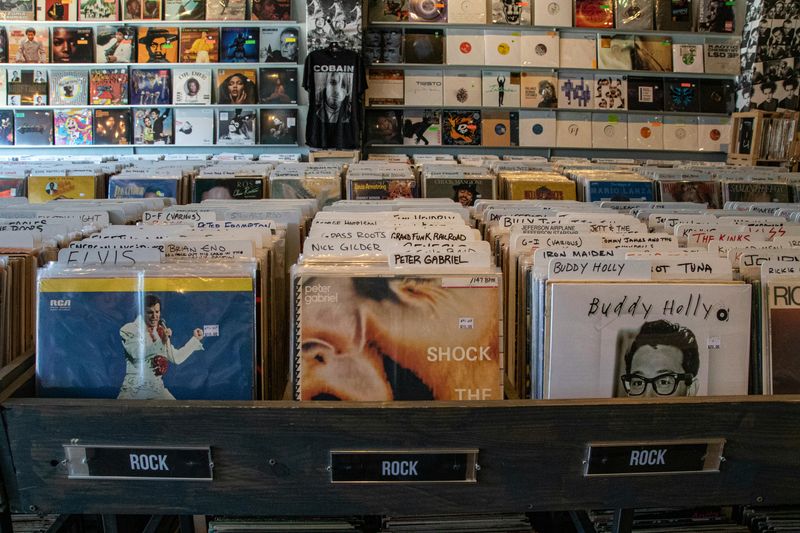
Flipping through vinyl bins was its own kind of treasure hunt.
You judged albums by their artwork, asked the guy behind the counter what was worth buying, and sometimes walked out with something completely unexpected that changed your life.
Music discovery was tactile, social, and wonderfully unpredictable.
There was no algorithm deciding what you’d probably like based on your listening history.
Surprise was built right into the process.
Streaming has made access nearly infinite, but something real was lost when the record store disappeared from most downtowns.
The vinyl revival happening today suggests plenty of people quietly agree that physical music still has a soul algorithms can’t replicate.
8. Department Stores That Felt Like Town Squares
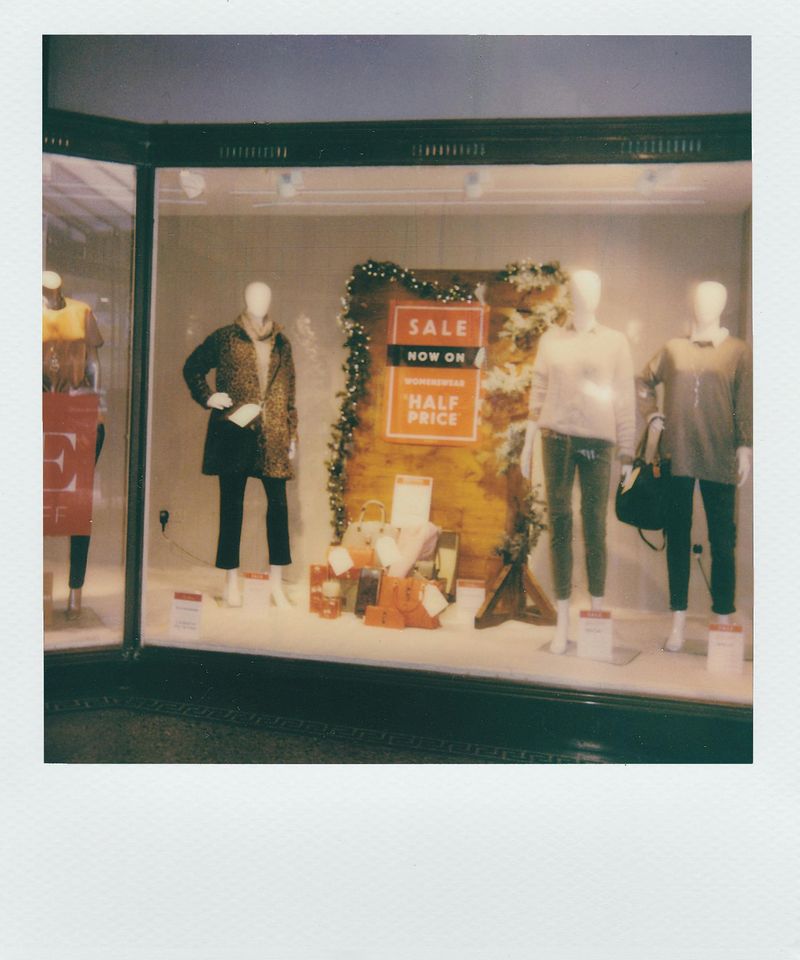
Going downtown to shop was genuinely an event.
You dressed up a little, maybe had lunch at the store’s café, and ran into half the people you knew along the way.
Department stores weren’t just retail — they were gathering places with a pulse.
The perfume counters, the toy floors at Christmas, the patient salespeople who actually knew their merchandise — all of it created an atmosphere that online carts and two-day shipping simply cannot touch.
Their decline reshaped entire downtowns and stripped away a kind of everyday elegance.
Many cities are now wrestling with what to put in those empty spaces, still searching for something that feels as alive.
9. Affordable Roads to a Middle-Class Life
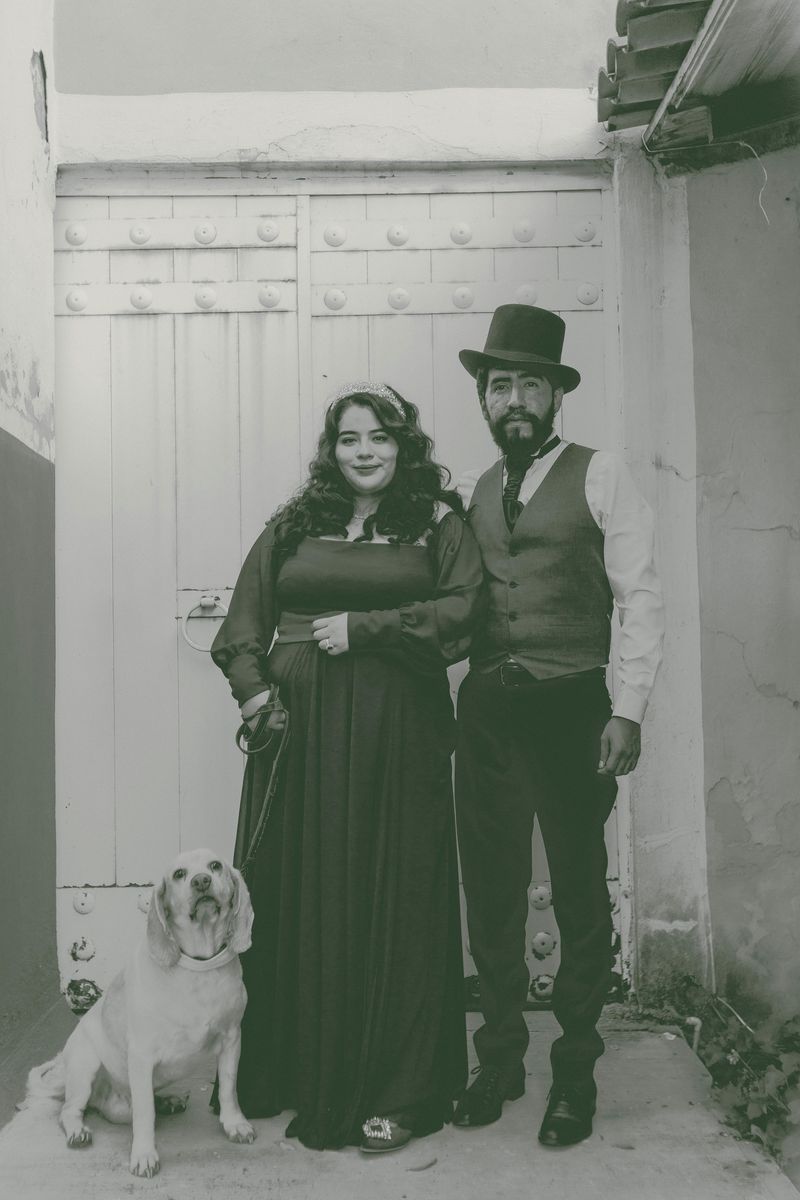
A factory job, a modest house, one car, and a family vacation each summer — for millions of Americans in the mid-20th century, that formula actually worked.
Wages kept pace with costs, college was affordable, and buying a home didn’t require two professional incomes.
Boomers didn’t necessarily feel wealthy, but stability was within reach in a way that feels almost fictional to younger generations today.
The math simply made sense in a way it no longer does.
Understanding that gap isn’t about blame — it’s about context.
Many of today’s heated economic debates make a lot more sense when you understand just how different the financial landscape once was.
10. News You Could Actually Agree On

Walter Cronkite signed off, and most of America more or less accepted what had just been reported.
There were only a handful of major news sources, and while that system had real flaws, it also created something increasingly rare: a shared understanding of basic facts.
Disagreements happened, but they usually started from the same set of events.
Today’s fragmented media landscape makes even agreeing on what happened a complicated task before any real conversation can begin.
Many media scholars argue that rebuilding a trusted information commons is one of the most important challenges modern democracy faces.
Boomers who remember Cronkite understand exactly why that matters so deeply.
11. Evenings That Actually Belonged to You
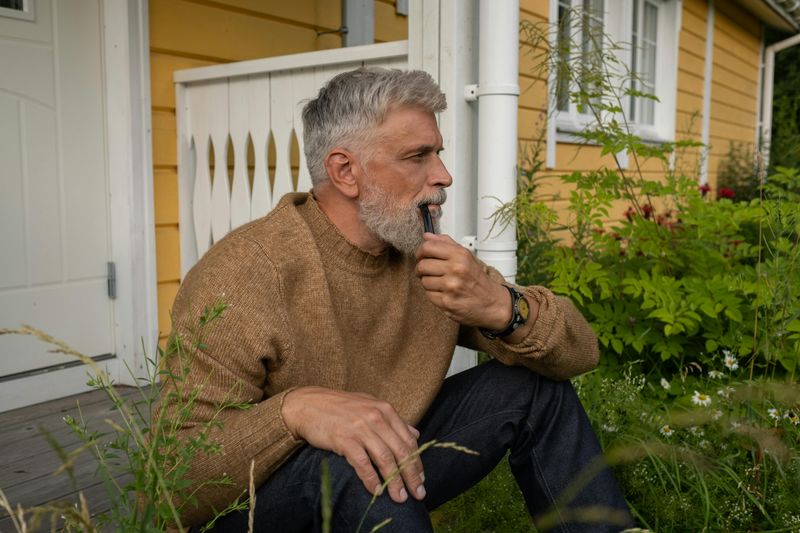
When the workday ended, it ended.
Nobody expected a reply to an after-hours email because after-hours email didn’t exist.
The evening was yours — for dinner, for the front porch, for bad television, for absolutely nothing at all if that’s what you needed.
That boundary between work and personal life wasn’t negotiated or protected through special apps.
It was simply the natural shape of the day, built into the structure of how communication worked.
Burnout, which is now practically an epidemic, was far less common when people had genuine downtime baked into every single evening.
Many Boomers look back at those quiet hours and recognize them now as something genuinely precious.