 MomSkoop

Some of the best life lessons don’t come from the latest apps or social media trends — they come from the generation that built their lives without smartphones. Baby boomers developed habits rooted in patience, responsibility, and real human connection.
Many of these old-school practices have quietly faded away, but they’re more valuable today than ever. Taking a closer look at how boomers lived might just inspire some helpful changes in your own daily routine.
1. Writing Things Down on Paper

There’s something almost magical about putting a pen to paper.
Long before reminders and digital calendars took over, boomers kept track of everything in notebooks, planners, and handwritten lists — and it worked remarkably well.
Studies show that writing things down by hand actually helps your brain remember information better than typing.
It slows you down just enough to process what you’re recording.
Keeping a paper to-do list also means fewer distractions.
You won’t accidentally scroll through social media while checking your schedule.
Try keeping a small notebook nearby for one week and notice how much more focused and organized you feel.
2. Talking on the Phone Instead of Endless Texting

Back in the day, if you needed to sort something out, you picked up the phone and called.
No waiting 45 minutes for a text reply, no misread tones, no confusing emoji chains — just a real conversation.
A two-minute phone call can accomplish what a 30-message text thread never quite manages.
Tone of voice adds meaning that words on a screen simply can’t deliver.
Calling someone also feels more personal.
It tells the other person that their time and feelings actually matter to you.
Next time something feels complicated over text, try calling instead — you might be surprised how quickly things get resolved.
3. Fixing Things Instead of Replacing Them

Boomers grew up in a world where you fixed what was broken — you didn’t just toss it and order a new one.
A torn jacket got sewn.
A leaky faucet got repaired.
A wobbly chair leg got glued back together.
That mindset saved serious money and produced far less waste.
Today, the average American throws away enough perfectly fixable items to fill a small landfill each year.
Learning basic repair skills — sewing a button, patching a screen, or tightening a loose hinge — is surprisingly empowering.
It builds confidence and saves cash.
Plus, there’s real satisfaction in using something you brought back to life with your own hands.
4. Cooking Meals at Home

Ask most boomers and they’ll tell you that dinner meant something.
It meant a kitchen full of smells, a table set with care, and everyone sitting down together to share food that someone actually made from scratch.
Home cooking is almost always healthier than takeout or fast food — less sodium, less sugar, and way more nutritional value.
It’s also dramatically cheaper when you do the math over a full month.
Beyond nutrition and cost, cooking at home creates connection.
Families talk more, laugh more, and bond more when they share a meal around the same table.
Even cooking simple recipes a few nights a week can genuinely change how a household feels.
5. Keeping a Regular Daily Routine

Boomers weren’t big fans of chaos.
Most of them woke up at the same time, ate meals at consistent hours, and went to bed without much variation — and their bodies thanked them for it.
Science backs this up completely.
A stable daily routine regulates your body’s internal clock, improves sleep quality, lowers cortisol levels, and even sharpens mental focus throughout the day.
Routines also reduce decision fatigue.
When you already know what time you’re eating or exercising, you don’t waste mental energy figuring it out.
Start small — pick consistent wake-up and bedtimes for one week.
The ripple effect on your mood and energy will likely surprise you.
6. Sending Thank-You Notes
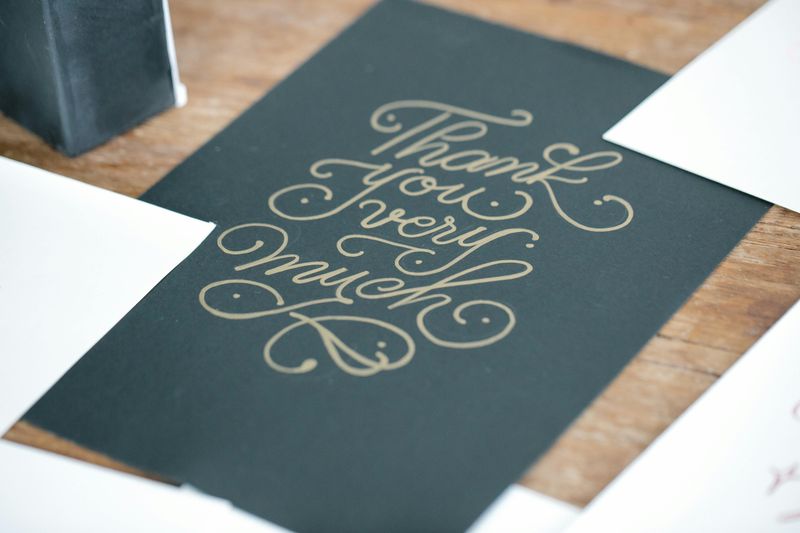
Getting a handwritten thank-you note in the mail feels different from receiving a quick “thx” text.
It feels intentional.
It feels like someone actually stopped, sat down, and thought about you long enough to write something real.
Boomers understood this.
Thank-you notes were a standard part of life — after gifts, job interviews, dinner parties, or any act of kindness worth acknowledging.
That simple habit built stronger, warmer relationships over time.
Research in psychology confirms that expressing gratitude in writing boosts happiness for both the writer and the receiver.
Keeping a small stack of cards at home makes it easy to send one whenever the moment calls for it.
It’s a small gesture with a surprisingly big impact.
7. Saving Before Spending

Before credit cards became a way of life, boomers largely operated on a straightforward principle: if you don’t have the money yet, you wait until you do.
Saving up for something made it feel earned — and that feeling mattered.
Financial experts consistently point out that consumer debt is one of the biggest sources of stress in modern adult life.
Living beyond your means might feel fine in the short term, but the pressure builds fast.
Building even a small savings habit — setting aside 10% of every paycheck before spending anything — creates a financial cushion that changes how secure you feel day to day.
That peace of mind is genuinely priceless.
8. Getting to Places Early

Showing up early used to be the norm.
Boomers treated punctuality like a form of respect — arriving five or ten minutes ahead of schedule wasn’t overachieving, it was just basic courtesy.
Getting there early eliminates the frantic rush that tanks your mood before an important meeting, interview, or appointment even begins.
You get a moment to breathe, collect your thoughts, and walk in feeling composed rather than flustered.
There’s also a trust factor at play.
People who consistently arrive on time — or early — are seen as reliable, respectful, and professional.
That reputation quietly opens doors.
Leaving just ten minutes earlier than you think you need to is one of the easiest habits to start today.
9. Spending Time Offline

Long before anyone had a streaming queue or a social media feed to check, boomers filled their free time with gardening, reading actual books, taking walks, or simply sitting outside and watching the world go by.
Screens weren’t competing for every spare second, and that made a real difference.
Mental health professionals today widely agree that too much screen time contributes to anxiety, poor sleep, and shortened attention spans across all age groups.
Carving out even 30 minutes of offline time each day — a walk around the block, a chapter of a book, or tending to a few plants — can meaningfully reset your mental state.
Your brain needs rest from the noise just as much as your body needs sleep.