 MomSkoop

Most women have smiled through something they absolutely did not enjoy, just to keep the peace or fit in.
From painful shoes to pointless meetings, the list is longer than you might think.
Society often expects women to look happy, stay agreeable, and keep things running smoothly, even when they are quietly exhausted.
Here are 15 things women commonly pretend to enjoy, and why it is totally okay to finally admit the truth.
1. Uncomfortable Fashion: Heels, Tight Outfits, and Beauty Over Comfort

High heels were invented by men for horse riding, not dancing, yet somehow they became a symbol of femininity.
Women squeeze into stilettos, tight dresses, and shapewear that restricts breathing, all in the name of looking polished.
The pain is real, but the smile is practiced.
Many women admit they count down the minutes until they can kick off their heels.
Comfort should never be sacrificed just to meet someone else’s idea of attractive.
Choosing cozy flats or loose-fitting outfits is not laziness; it is self-respect.
Fashion should feel good, not just look good from the outside.
2. Laughing at Jokes That Simply Are Not Funny

Picture this: someone tells a joke that lands with a thud, and every head turns to see the reaction.
Women often feel social pressure to laugh anyway, softening the awkward silence and protecting the joke-teller’s ego.
It is exhausting, honestly.
Forced laughter is a survival skill many women develop early.
Keeping the mood light sometimes feels more important than being authentic.
But pretending everything is hilarious slowly chips away at genuine connection.
Real humor brings people together naturally, without anyone needing to perform joy they do not feel.
It is okay to let a bad joke simply be bad.
3. Endless Small Talk When Real Conversations Are Craved
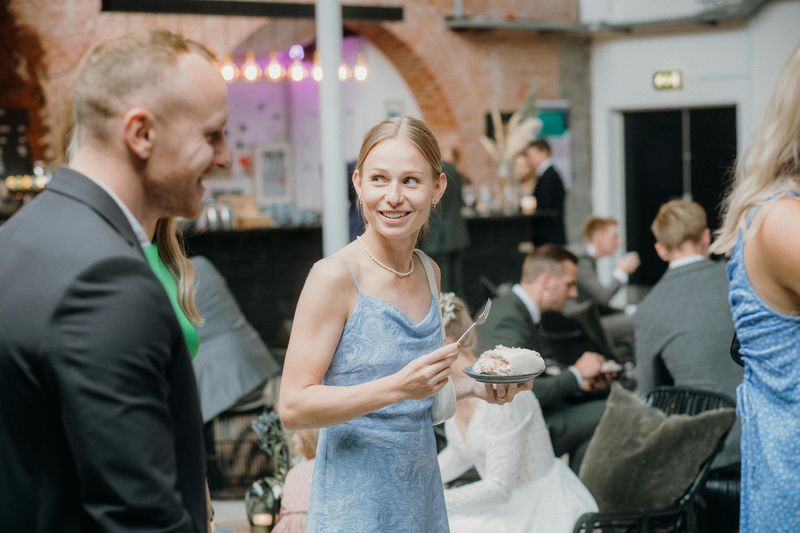
Small talk feels like eating plain crackers when you are craving a full meal.
Women are often expected to cheerfully chat about the weather, weekend plans, and vague pleasantries at every social event they attend.
Meanwhile, many would rather skip straight to the meaningful stuff.
Research actually shows women tend to prefer deeper, more emotionally rich conversations over surface-level chatter.
Pretending to enjoy small talk takes real mental energy.
There is nothing wrong with steering a conversation toward something that actually matters to you.
A simple question like “What has been making you happy lately?” can change everything instantly.
4. Low-Effort Dates Where She Did All the Work

There is a particular kind of exhaustion that comes from planning a date, getting dressed up, handling reservations, and then being told it was a “chill, low-key hangout.” Many women have been there more than once.
The effort gap in dating is very real.
Pretending to enjoy an unplanned or thoughtless date is practically an Olympic sport for some.
Women often smile through disappointment to avoid seeming high-maintenance.
But effort is not about money; it is about showing someone their time matters to you.
A thoughtful picnic beats a last-minute fast food run every single time, no contest.
5. Beauty Routines That Take Hours but Must Look Effortless

The phrase “effortless beauty” is one of the great myths of modern life.
Behind that natural, glowing look is often an hour of skincare, thirty minutes of makeup, and a whole lot of dry shampoo.
Women are expected to look put-together without appearing to try too hard.
Many women genuinely enjoy parts of their beauty routine, but the pressure to maintain it daily is a different story.
The constant upkeep can feel like a second job nobody hired you for.
Giving yourself permission to skip a step, or the whole routine entirely, is not giving up.
Sometimes a bare face is the most powerful thing you can wear.
6. Pretending to Love a Gift They Will Never Use

The art of the gracious gift face deserves its own category at the Academy Awards.
Women have mastered the wide eyes, the surprised gasp, and the heartfelt “Oh, I love it!” even when the gift is a scented candle they are allergic to.
Gratitude is real, but enthusiasm is sometimes borrowed.
Nobody wants to hurt a gift-giver’s feelings, and that is genuinely kind.
But the mental gymnastics of storing, regifting, or quietly donating unwanted items adds up over time.
A wish list shared ahead of time is not greedy; it is efficient.
Honesty about preferences, when done gently, actually deepens relationships.
7. Being Told to Smile More

Few phrases irritate women more reliably than “You should smile more.” It is almost always said by strangers, almost always directed at women, and almost always completely unwanted.
A neutral face is not a problem that needs fixing by someone passing by.
Women are socially conditioned to appear warm, approachable, and pleasant at all times, even when tired, focused, or simply existing.
Pretending to appreciate this unsolicited command takes patience most people do not have.
Your face is yours to arrange however you choose.
Resting, thinking, or just being present without performing happiness is a perfectly reasonable way to move through the world every day.
8. Group Photos That Require Forty Attempts for One Good Shot

Nobody talks about the hidden cardio involved in group photo sessions.
There is the gathering of people, the choosing of the angle, the retakes because someone blinked, and then the twenty-minute deliberation over which shot to post.
It sounds fun in theory.
Many women genuinely enjoy capturing memories, but the perfectionism that surrounds group photos can drain the joy out of a moment faster than anything.
By the fifteenth retake, most people are smiling through gritted teeth.
Some of the best photos are the candid, imperfect ones anyway.
A blurry, laughing shot often captures the real feeling of a night far better.
9. Workplace Meetings That Could Have Been an Email

Studies suggest the average worker loses around 31 hours per month to unproductive meetings.
Women, who often serve as the emotional anchors of workplace teams, frequently feel obligated to appear engaged even when the meeting has clearly run off the rails.
Nodding along, offering encouraging comments, and keeping group energy positive during a pointless hour-long meeting is invisible labor.
Pretending to find it valuable adds another layer of exhaustion to an already full workday.
Advocating for shorter, more focused meetings is not complaining; it is smart time management.
Your attention is a resource, and it deserves to be spent on things that actually move the work forward.
10. Carrying the Weight of Everyone’s Emotional Needs

Emotional labor is the unpaid, often invisible work of managing feelings, keeping relationships smooth, and making sure everyone around you is okay.
Women are typically expected to perform this role automatically, as if it requires no effort or energy at all.
Remembering birthdays, checking in on friends during hard times, mediating family conflicts, and sensing when someone is upset are all real work.
Pretending it comes naturally and never feels draining is one of the biggest performances women give daily.
Setting boundaries around emotional availability is healthy, not selfish.
You cannot pour endlessly from an empty cup, and that truth applies to every person, not just some.
11. Chasing Fashion and Skincare Trends That Never Stop Changing
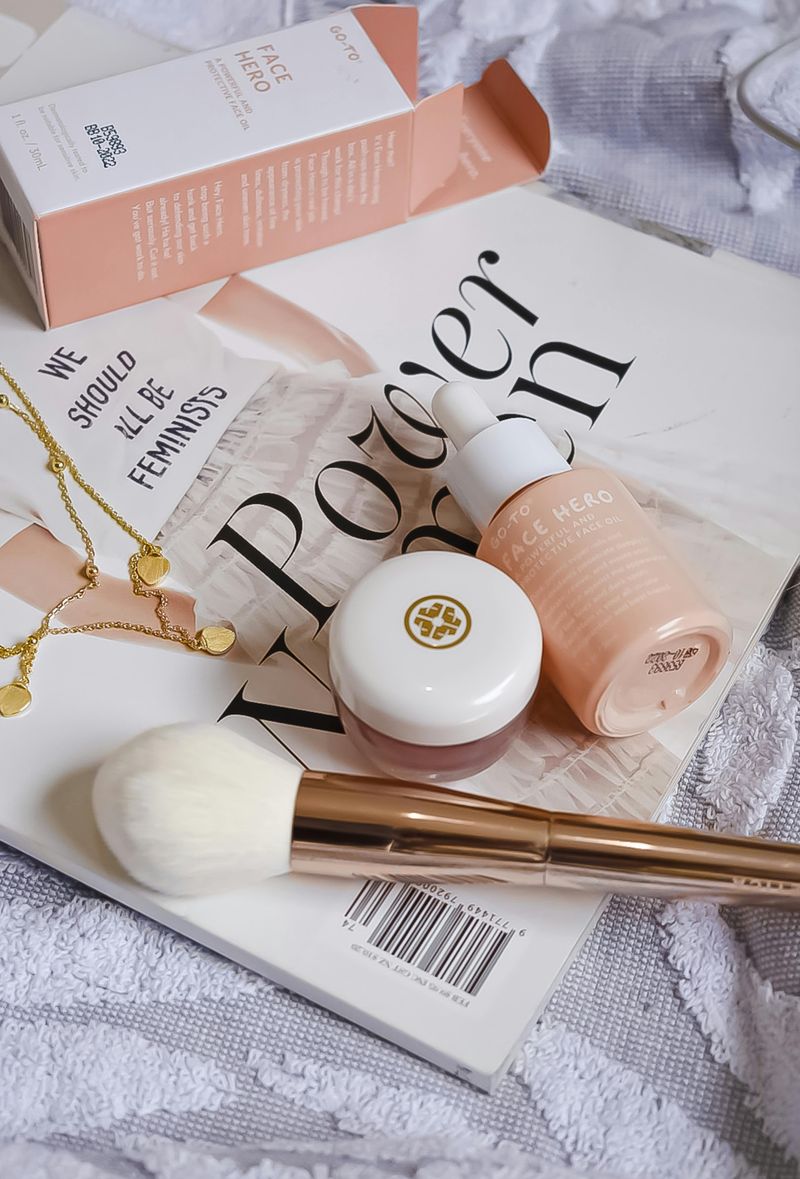
One season it is glass skin, the next it is glazed donut skin, and somewhere in between you have spent three hundred dollars on serums that may or may not do anything visible.
The beauty and fashion industries are built on the idea that what you have is never quite enough.
Many women feel quiet pressure to stay current, even when the trends feel meaningless or financially draining.
Pretending to love the cycle of constant reinvention can feel like running on a treadmill that only speeds up.
Finding a simple routine that works for your actual skin and style is genuinely freeing.
Trends come and go, but knowing what suits you personally never goes out of style.
12. Reality TV Shows Everyone Insists You Have to Watch

At some point, someone decided that not watching a particular reality show meant you were missing out on a shared cultural experience.
Women especially feel this pressure in friend groups, where not keeping up with the latest drama can make you feel oddly left out of conversations.
Sitting through hours of manufactured conflict and scripted outrage just to have something to say at brunch is a very specific kind of social tax.
There is no shame in quietly admitting a show is not for you.
Genuine enthusiasm for what you actually enjoy watching is far more interesting than performing excitement for something that bores you completely to tears.
13. Being the Default Planner for Every Trip and Gathering

Somehow, in many friend groups and families, one person ends up handling all the logistics.
Booking the reservations, creating the group chat, following up on RSVPs, and managing dietary restrictions for twelve people while everyone else just shows up and has a great time.
That person is very often a woman, and she is usually pretending she does not mind.
The truth is that planning is genuinely exhausting, even when the event turns out beautifully.
Sharing the responsibility is not asking too much.
Next time someone says “just tell me what to do,” take them up on it fully.
Delegation is not bossy; it is fair and completely reasonable.
14. Overly Crowded Clubs and Bars Where Talking Is Impossible

Nothing quite matches the experience of spending an hour getting ready, paying a cover charge, and then standing in a room so loud that full sentences become impossible.
Communication turns into a combination of lip reading, shoulder shrugging, and nodding at things you definitely did not hear clearly.
Many women go along with the club plan because it is what the group wants, quietly wishing they were somewhere they could actually hear themselves think.
There is zero shame in preferring a quieter bar, a rooftop, or a cozy house gathering instead.
Knowing what kind of social environment genuinely recharges you is a form of self-awareness worth protecting fiercely.
15. Acting Like Unsolicited Advice About Life or Appearance Is Welcome

“Have you tried cutting out dairy?” “You would look so much better with shorter hair.” “When are you having kids?” Women collect unsolicited opinions the way others collect stamps, except far less enjoyably.
Smiling through commentary nobody asked for is practically a daily exercise.
Pretending that uninvited feedback is helpful, thoughtful, or welcome takes a tremendous amount of grace most people do not realize they are receiving.
It is okay to gently redirect, change the subject, or simply say you did not ask.
Your body, your choices, and your timeline belong entirely to you.
Polite does not have to mean silent, and boundaries are always allowed to exist.