 MomSkoop
Some movies feel completely different the second time around — especially when you watch them as a grown-up. What seemed like a fun cartoon or silly comedy as a kid turns out to carry real emotional weight, deep life lessons, and surprisingly mature themes.
Growing up changes the way you see everything, including the stories you loved most. These 15 movies are proof that great films have layers only life experience can unlock.
1. The Lion King (1994)
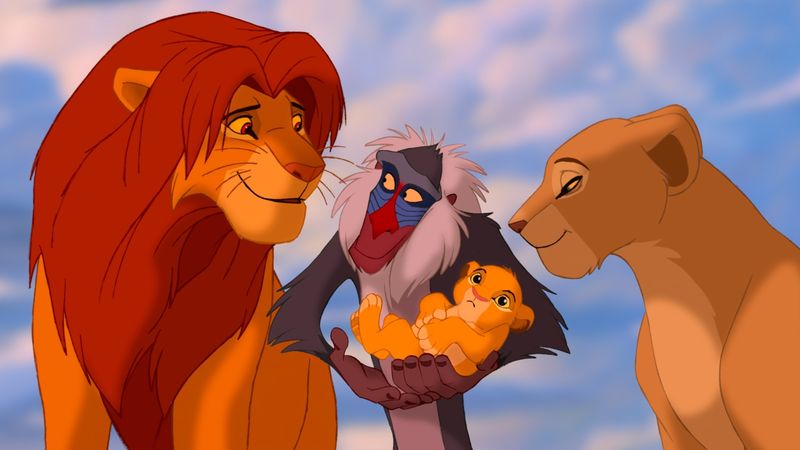
Few animated films carry as much emotional weight as this one.
When you were young, the colorful animals and catchy songs were the main attraction.
Scar was just a villain, and Simba was just a brave lion cub.
But watch it again as an adult, and everything shifts.
Mufasa’s death stops feeling like a plot point and starts feeling like a gut punch.
The grief Simba carries — the guilt, the running away, the struggle to face his past — mirrors real emotions many adults understand deeply.
Responsibility, loss, and the courage to return home are themes that grow heavier with age.
This movie hits harder every time.
2. Toy Story (1995)
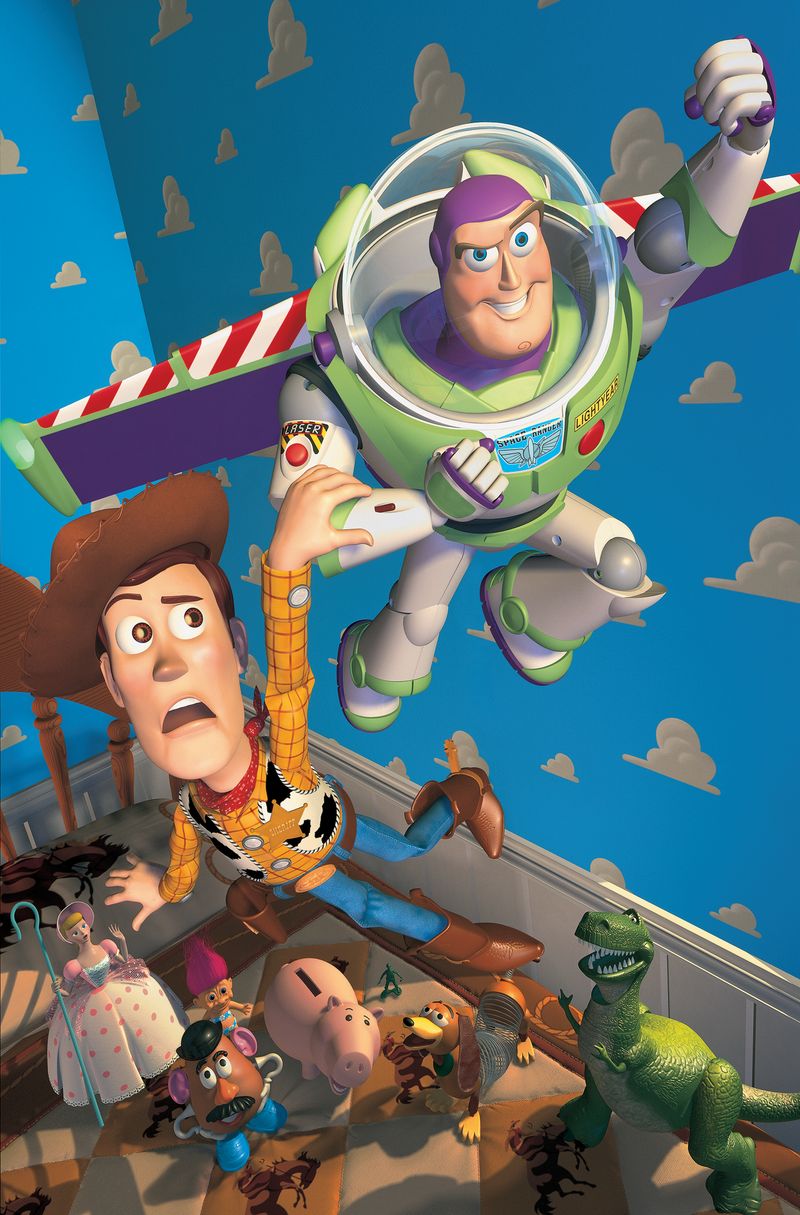
On the surface, it’s a story about toys coming to life when no one is watching.
As a kid, that idea was pure magic — who wouldn’t want their action figures to be real friends?
Watching it as an adult, though, the emotional core becomes impossible to ignore.
Woody’s fear of being replaced, of becoming irrelevant, hits surprisingly close to home.
It’s not just about jealousy over a new toy — it’s about identity, purpose, and the quiet fear of being left behind.
Andy growing up in later films only deepens that feeling.
Toy Story planted seeds of existential thought in children who had absolutely no idea at the time.
3. Mrs. Doubtfire (1993)
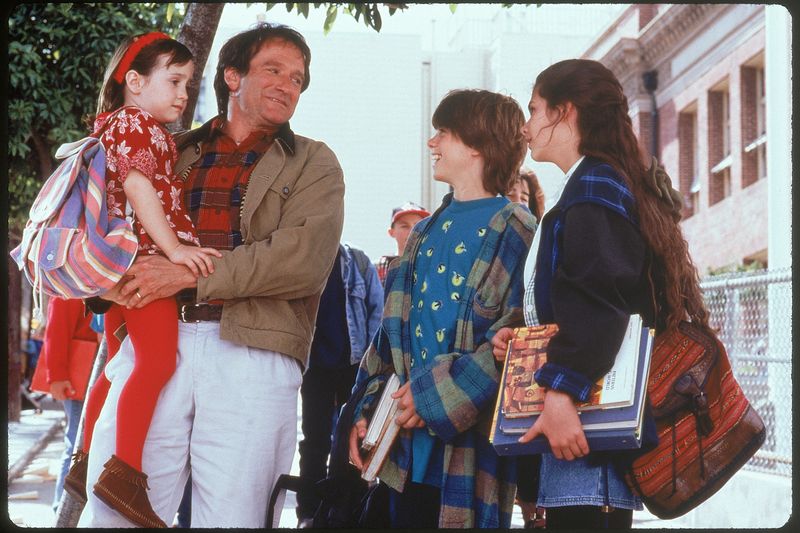
Kids who watched this movie were too busy laughing at the disguise to notice what was really going on.
Robin Williams in a wig and fake teeth is genuinely hilarious — no question about that.
But adults watching it see something far more painful.
A father so desperate to stay in his children’s lives that he transforms himself entirely just to be near them.
The divorce scenes, the custody battles, the loneliness — none of that registers as a child, but it lands hard when you’re older.
Williams brings real heartbreak to the role beneath all the comedy.
It’s less a funny movie and more a love letter from a parent who refuses to disappear.
4. Finding Nemo (2003)
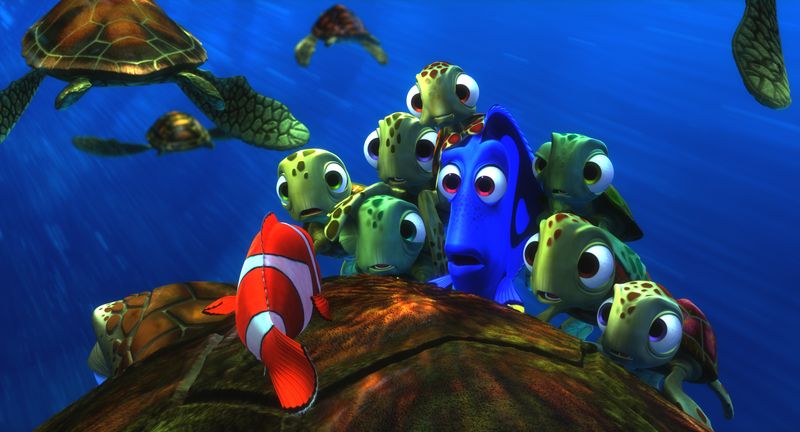
Bright colors, silly fish jokes, and a memorable adventure across the ocean — that’s what kids took away from this Pixar classic.
Nemo was the hero, and Marlin was just the dad trying to catch up.
Once you become a parent yourself, or even just grow old enough to understand anxiety, the whole film reframes itself.
Marlin’s overprotectiveness isn’t just a quirky character flaw — it’s rooted in genuine trauma and the paralyzing fear of losing someone you love.
Letting children grow up, make mistakes, and find their own way is one of the hardest things a parent faces.
Finding Nemo captures that struggle with more honesty than most live-action dramas ever manage.
5. The Incredibles (2004)
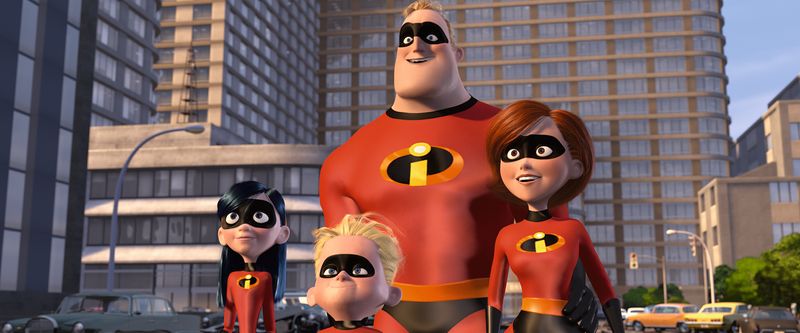
Superhero action, cool gadgets, and a villain with an awesome lair — that’s the version kids remember.
Bob Parr is basically the coolest dad ever when you’re eight years old watching him punch robots.
Rewatch it at 30, and suddenly Bob’s storyline feels painfully familiar.
He’s stuck in a soul-crushing desk job, reminiscing about his glory days, and struggling to connect with his family.
That’s not a kids’ plot — that’s a midlife crisis wrapped in spandex.
Helen’s frustration, Violet’s teenage awkwardness, and the pressure to hide who you truly are all speak to adult experiences.
The Incredibles quietly understood grown-up life better than most films made specifically for adults.
6. Ratatouille (2007)
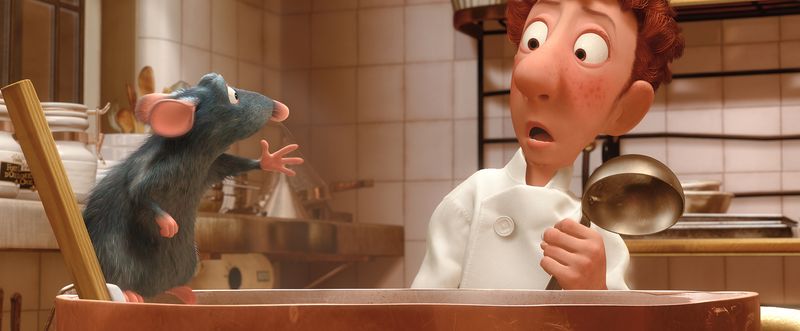
A rat who wants to cook in Paris sounds like pure silliness — and for younger viewers, it absolutely is.
Remy’s adventure through the kitchens of a fancy restaurant is charming, funny, and full of great food visuals.
Grown-ups, though, connect with something much deeper.
Remy represents anyone who has ever had a dream that the world told them was impossible.
His struggle to be taken seriously, to prove his worth in a world that constantly underestimates him, resonates with anyone who has navigated a competitive career.
Anton Ego’s review speech near the end is one of cinema’s most beautiful reflections on creativity and criticism.
That scene alone is worth the rewatch.
7. A Bug’s Life (1998)
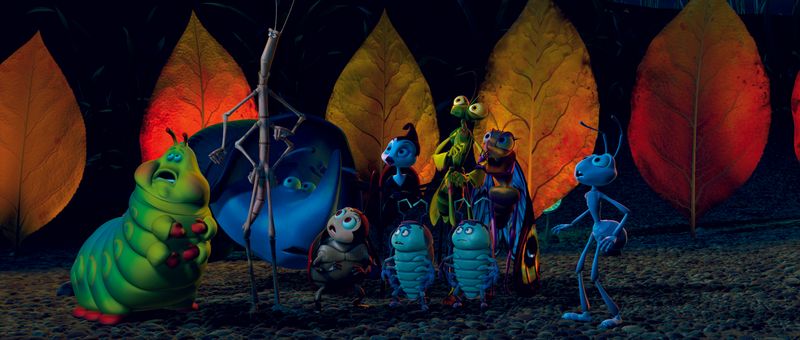
Talking bugs on a big adventure — that was the whole appeal for most kids who watched this one in theaters.
The grasshoppers were scary, Flik was lovable, and the circus bugs were hilarious.
Simple enough.
Adults who revisit it start to notice something uncomfortable underneath the fun.
The grasshoppers don’t just want food — they want control.
They keep the ants afraid, overworked, and convinced they can’t survive without their oppressors.
That’s a pretty clear picture of exploitation and power imbalance.
Flik’s arc becomes less about bravery and more about a working class finally refusing to accept its conditions.
A Bug’s Life was sneaking serious social commentary past children the entire time.
8. Shrek (2001)
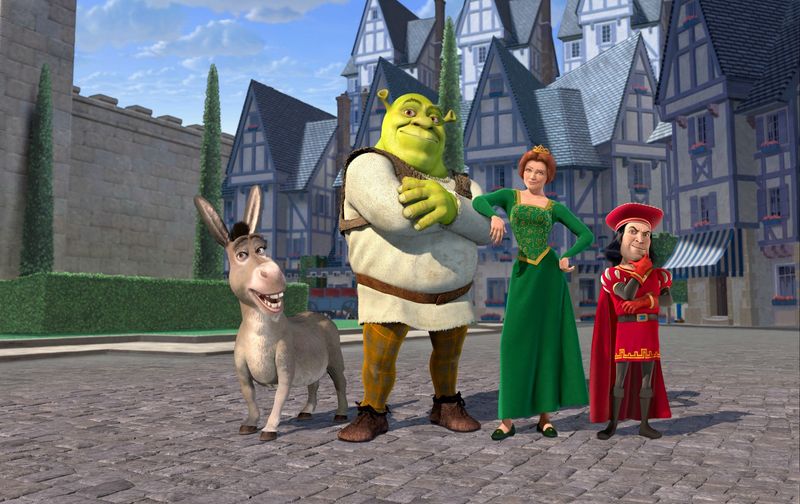
Nothing about Shrek seemed deep when you were a kid.
It was loud, gross, packed with pop culture jokes, and endlessly quotable.
Donkey was the funniest character alive, and that was basically the whole experience.
Watching it now, the satire practically jumps off the screen.
Shrek is a takedown of fairy tale beauty standards, societal expectations, and the pressure to be what others want you to be.
Lord Farquaad’s obsession with perfection and appearances reads very differently once you’ve encountered real-world vanity and status-chasing.
Fiona’s story, too, carries far more nuance about self-acceptance than most kids would catch.
Shrek was genuinely smart, and most of its audience was too young to fully notice.
9. Coraline (2009)
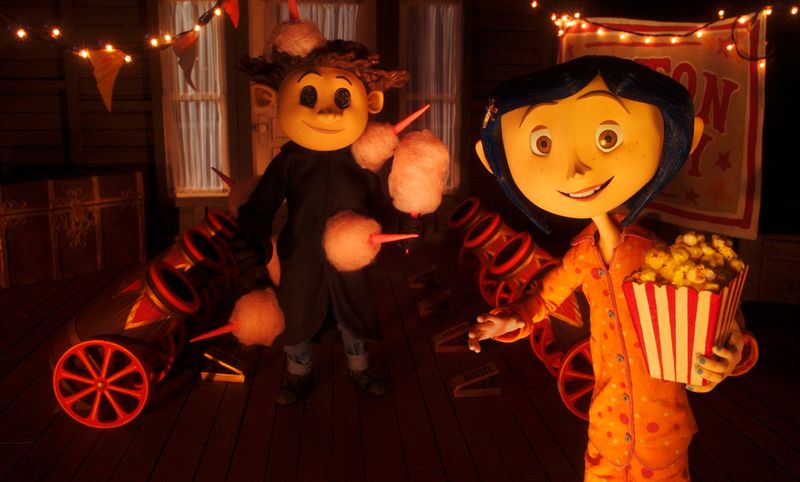
Coraline scared a lot of kids — button eyes tend to do that.
But most young viewers saw it as a creepy adventure with a brave girl at the center.
The Other Mother was just a monster to defeat.
Adults pick up on something far more disturbing.
The Other Mother offers Coraline everything she feels she’s missing at home: attention, affection, and a parent who seems to truly see her.
That’s not just horror — that’s manipulation, and it mirrors real tactics used by abusive or controlling figures in real life.
The film’s message about recognizing what’s real versus what’s too good to be true hits with a completely different weight once you’ve experienced the world a little longer.
10. Home Alone (1990)
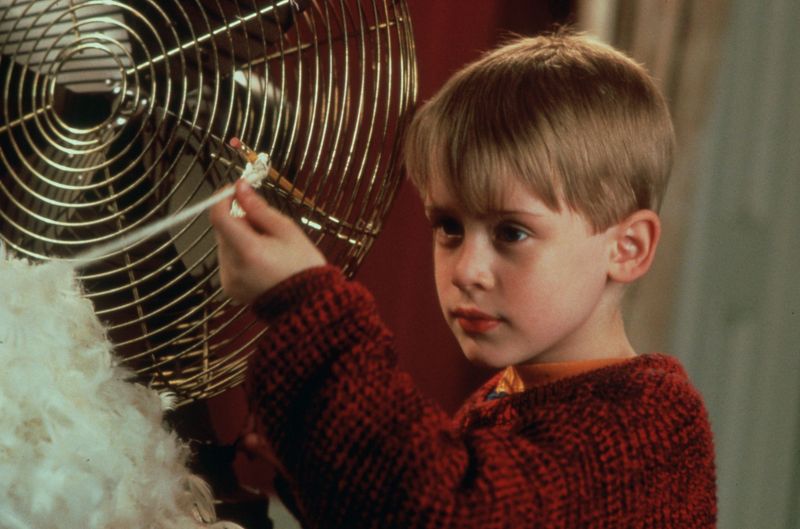
Every kid who watched Home Alone immediately started mentally designing their own booby traps.
Kevin McCallister was a hero — resourceful, funny, and somehow cooler than every adult in the movie combined.
Adults watching it now spend the entire film horrified for completely different reasons.
How did an eight-year-old get left behind not once but twice?
How did no one notice until the plane was already in the air?
The sheer number of parental failures stacks up quickly once you’re old enough to think critically about it.
Kevin’s parents aren’t villains, but they’re definitely not winning any awards either.
What felt like a fun setup as a kid now reads as a masterclass in chaotic, overwhelmed parenting.
11. The Parent Trap (1998)
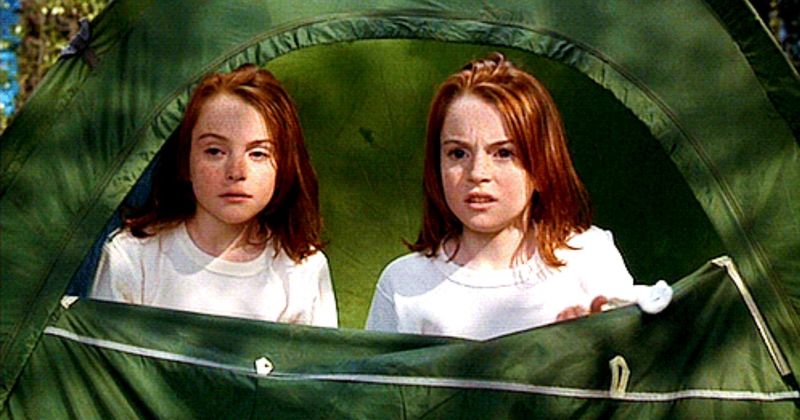
Twin girls switching lives to reunite their divorced parents?
As a kid, that’s the ultimate fantasy adventure.
The summer camp rivalry, the pranks, the makeovers — it’s all delightful and easy to get swept up in.
Adults watching it recognize a much sadder story underneath.
Two parents who loved each other once, a split that separated siblings who never even knew the other existed, and children who had to scheme just to get their family back in the same room.
That’s not a fun premise — that’s a family fractured by pride and poor communication.
The movie never fully addresses how strange and painful that separation must have been for both girls growing up apart.
12. Stand by Me (1986)
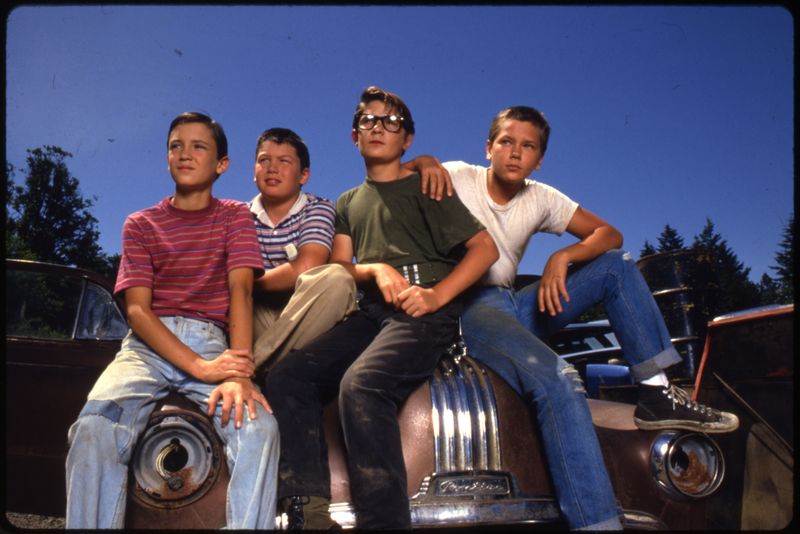
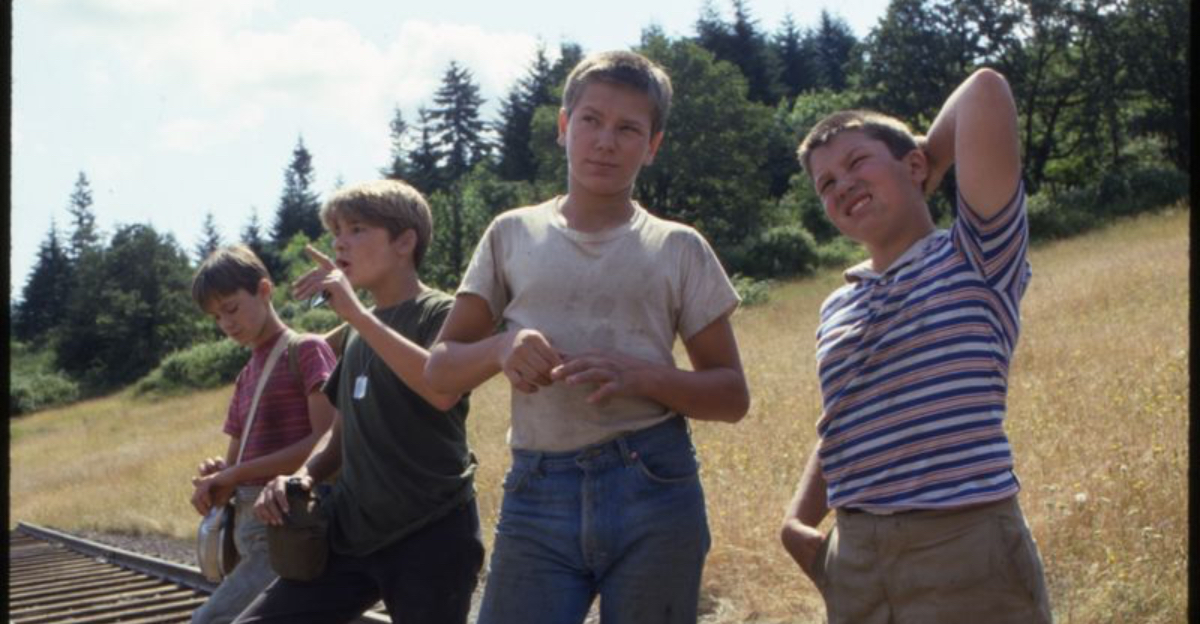
Based on a Stephen King story, Stand by Me follows four boys on a journey to find a dead body.
As a kid, that sounds like the greatest adventure imaginable — forbidden, exciting, and just scary enough to be thrilling.
Older viewers feel something completely different.
The friendships in this film carry a weight that only makes sense once you’ve lost touch with people who once felt like your entire world.
Gordie’s narration from adulthood adds a layer of quiet grief that children simply can’t process the same way.
Growing up means leaving things behind — innocence, friendships, versions of yourself.
Stand by Me captures that bittersweet truth more honestly than almost any coming-of-age film before or since.
13. Inside Out (2015)
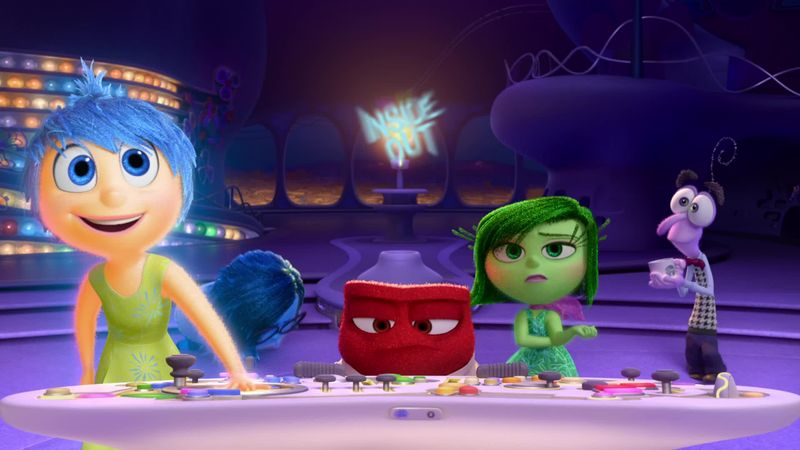
Joy, Sadness, Anger, Fear, and Disgust bouncing around inside an eleven-year-old’s head is an immediately appealing concept for younger viewers.
The colorful characters and imaginative world of the mind make it endlessly watchable for kids.
Adults, especially those who have experienced depression, anxiety, or major life transitions, see something much richer.
The film’s central message — that sadness is not the enemy and that all emotions serve a purpose — is genuinely therapeutic.
Watching Joy slowly learn to make room for Sadness is a surprisingly powerful emotional journey.
Psychologists have praised Inside Out for its surprisingly accurate portrayal of emotional complexity.
Few movies have ever explained mental health to children, and their parents, with such warmth and clarity.
14. Who Framed Roger Rabbit (1988)
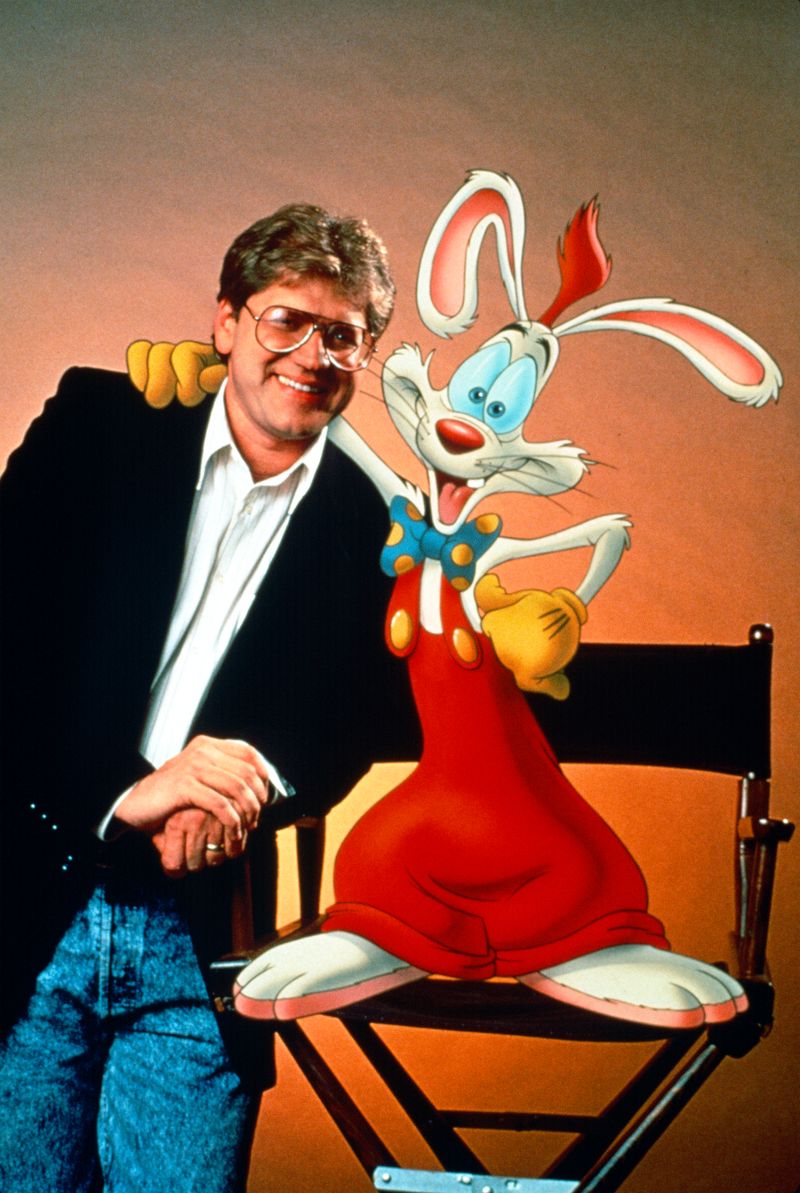
Cartoons and real people existing in the same world?
Young audiences were completely mesmerized by the technical achievement alone.
Roger Rabbit was funny, chaotic, and unlike anything most kids had ever seen on screen.
Rewatch it as an adult and the noir underpinnings become impossible to miss.
The mystery is genuinely dark, the villain’s plan involves systemic destruction of a community for profit, and many of the jokes are clearly aimed at a much older audience.
Some of the humor would raise serious eyebrows today.
The film is also a surprisingly sharp commentary on segregation and marginalization, with Toontown serving as a not-so-subtle metaphor.
Who Framed Roger Rabbit was always playing a far more complex game than it let on.
15. Lilo & Stitch (2002)
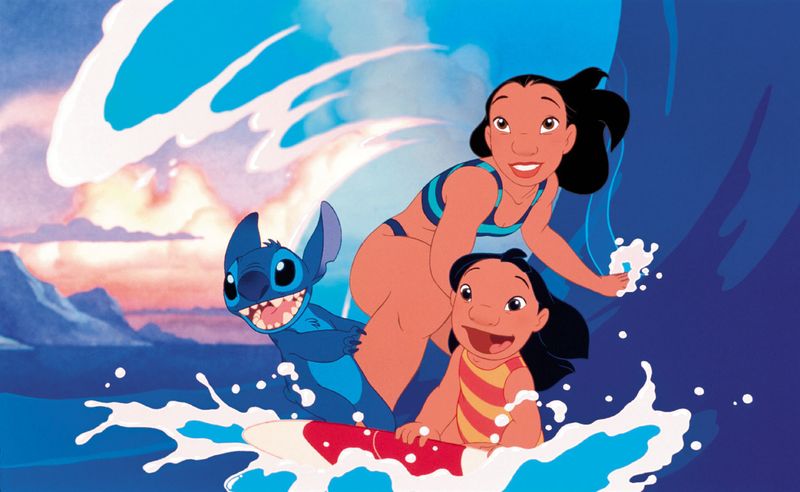
Stitch crashing into Lilo’s life is objectively one of the funniest animated entrances ever.
For kids, the whole movie is about a chaotic alien learning to behave, with lots of laughs and great Elvis music along the way.
Adults notice the emotional foundation holding everything together.
Lilo is grieving.
She’s isolated, misunderstood, and being raised by an older sister who is barely keeping it together financially and emotionally.
Nani’s struggle to keep their family intact while facing social services is genuinely stressful to watch as a grown-up.
The film’s core theme — that family means nobody gets left behind or forgotten — carries real weight when you understand what both sisters stand to lose.
It’s quietly one of Pixar’s most emotionally honest films.