 MomSkoop
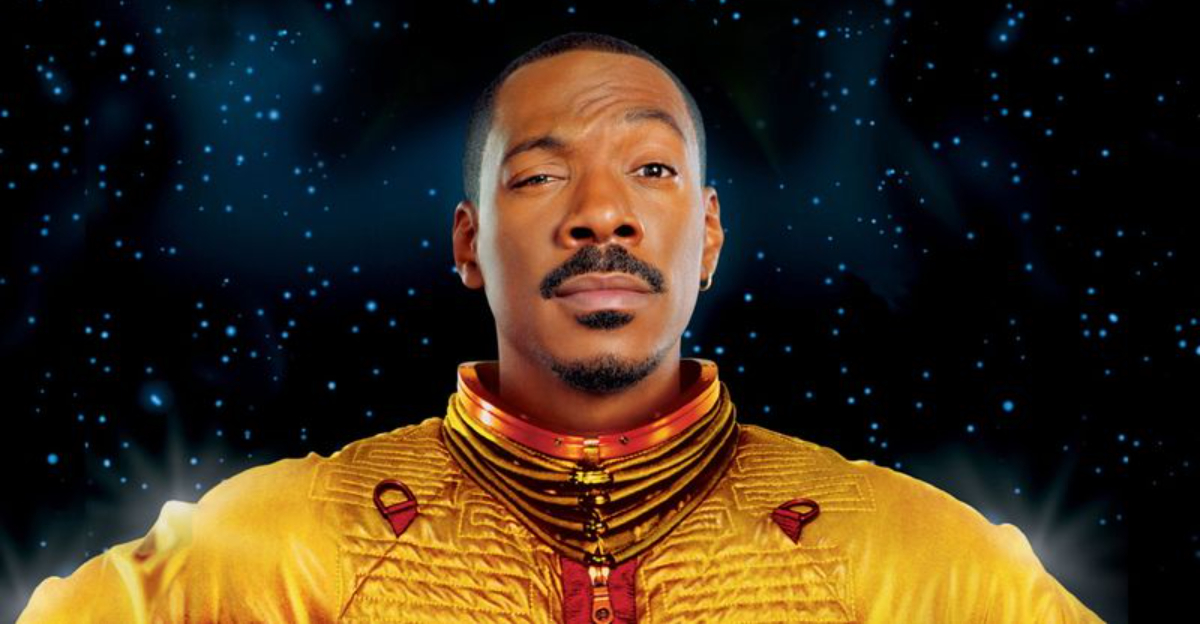
Hollywood is a high-stakes game where studios bet hundreds of millions of dollars hoping for a massive hit.
But sometimes, even with big stars, flashy effects, and massive marketing campaigns, a movie crashes and burns at the box office.
The losses can be staggering — wiping out profits, killing franchises, and even threatening entire studios.
Here are 20 movies that turned into some of the most expensive financial disasters in Hollywood history.
1. John Carter (2012)
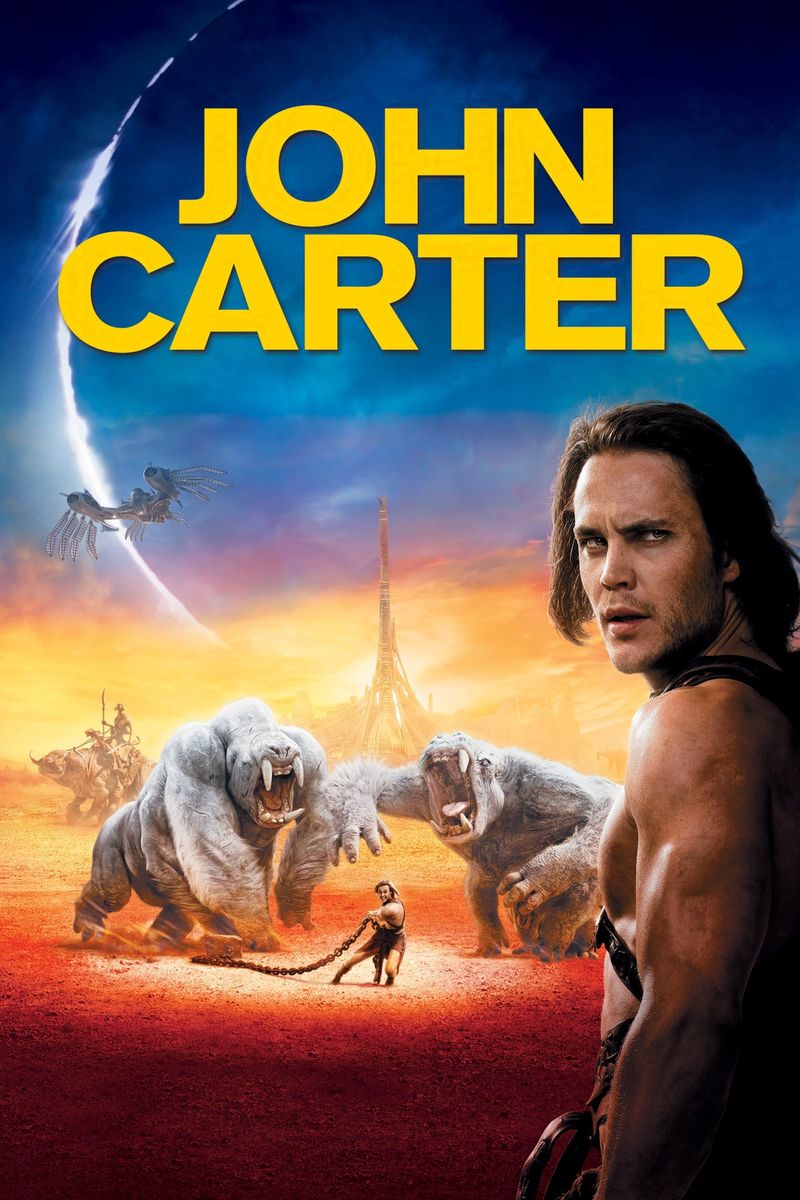
Disney bet big on John Carter, spending over $250 million to bring Edgar Rice Burroughs’ classic sci-fi hero to the big screen.
The result?
A box office catastrophe that lost the studio roughly $200 million.
The film earned only $73 million domestically against its enormous budget.
What went wrong?
Many blamed confusing marketing that failed to explain what the movie was even about.
Audiences stayed away in droves, and the planned franchise never got off the ground.
The film’s director, Andrew Stanton, had previously made Wall-E — so the failure came as a real shock to Hollywood insiders.
2. The Lone Ranger (2013)
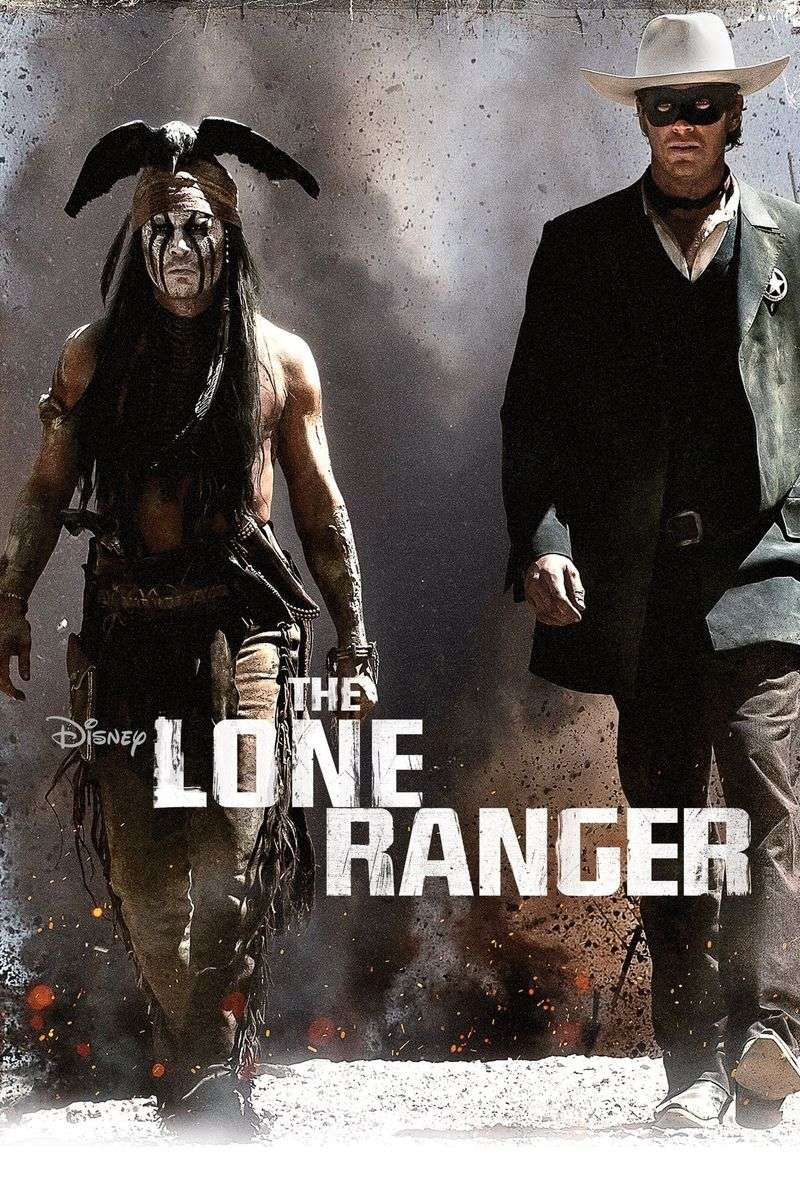
Johnny Depp and Armie Hammer teamed up for this big-budget Western, and Disney hoped it would be the next Pirates of the Caribbean.
Instead, it became one of the biggest flops of 2013, losing an estimated $150 million after its $225 million production budget was factored in.
Critics tore the film apart for its bloated runtime and uneven tone, and audiences simply didn’t show up.
Depp’s quirky take on Tonto sparked controversy, adding to the film’s troubled reputation.
The Lone Ranger was supposed to launch a new franchise — that dream died fast.
3. Mars Needs Moms (2011)
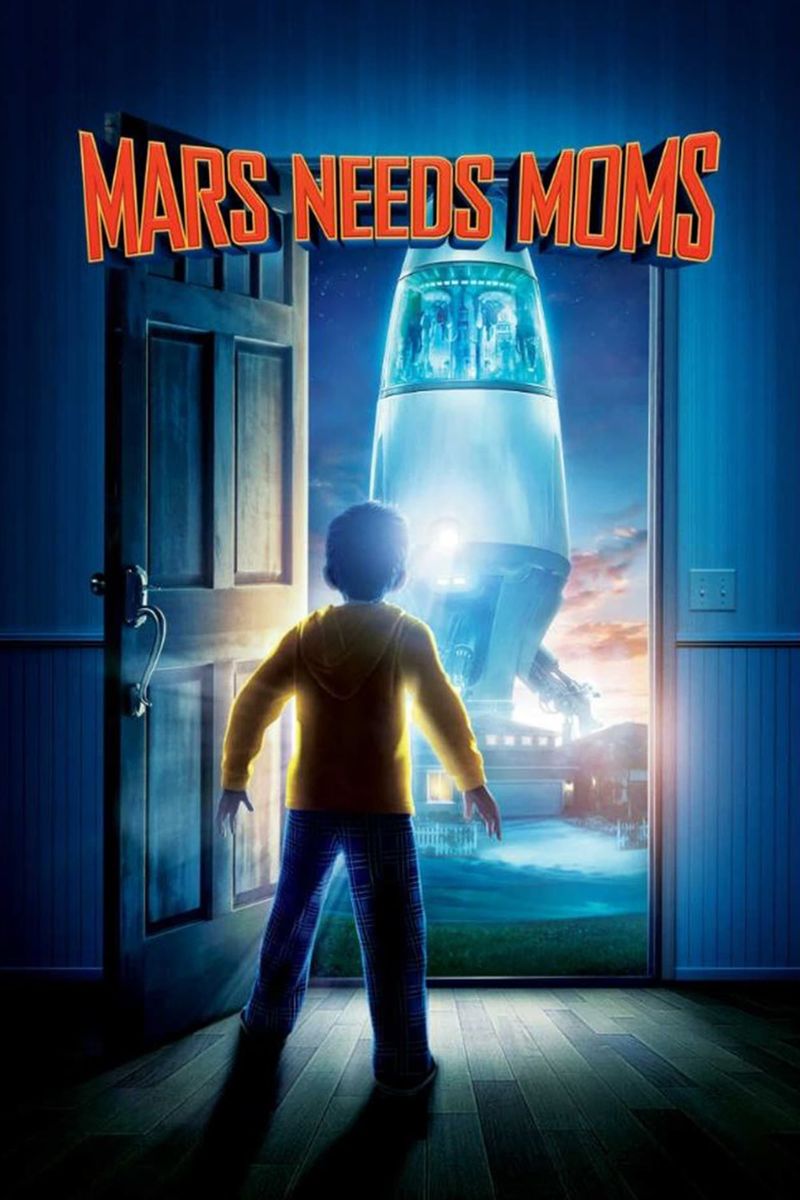
Made using the same motion-capture technology as The Polar Express, Mars Needs Moms cost Disney $150 million to produce.
It earned a jaw-dropping low of just $6.9 million on its opening weekend — one of the worst openings ever for a major animated film.
The movie’s creepy visual style, often called “uncanny valley,” made characters look unsettling rather than charming.
Parents and kids alike stayed away.
Total worldwide earnings barely hit $39 million, making it a historic disaster.
The failure led to the shutdown of ImageMovers Digital, the studio behind the film, shortly after its release.
4. Strange World (2022)
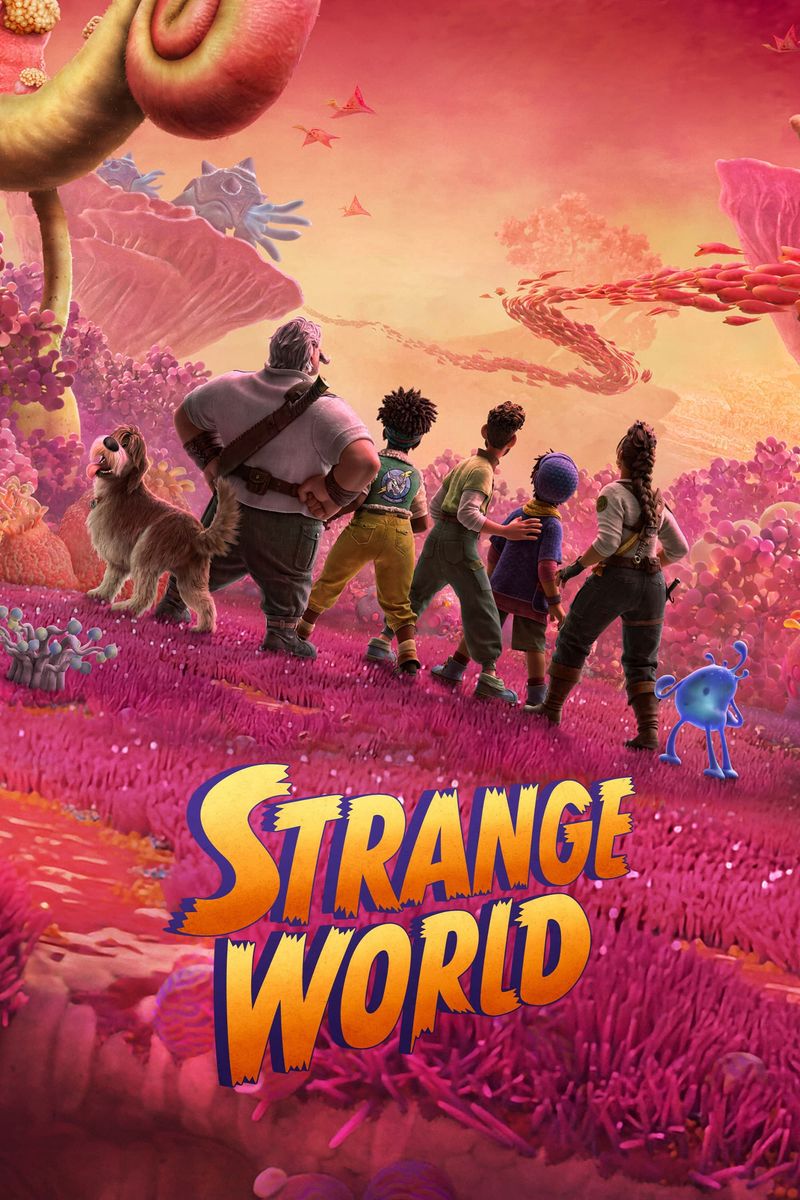
Disney’s Strange World arrived during the Thanksgiving holiday season of 2022 with high hopes but crashed almost immediately.
With a production budget estimated at $180 million, the film earned only $11.9 million in its opening weekend — a truly dismal performance for a major animated release.
Many analysts blamed the film’s limited theatrical release strategy and a lack of strong marketing.
Some viewers also felt the story felt too unfamiliar compared to Disney’s beloved classics.
The total worldwide gross barely topped $73 million, making Strange World one of the most expensive animated flops in Disney’s history.
5. Lightyear (2022)
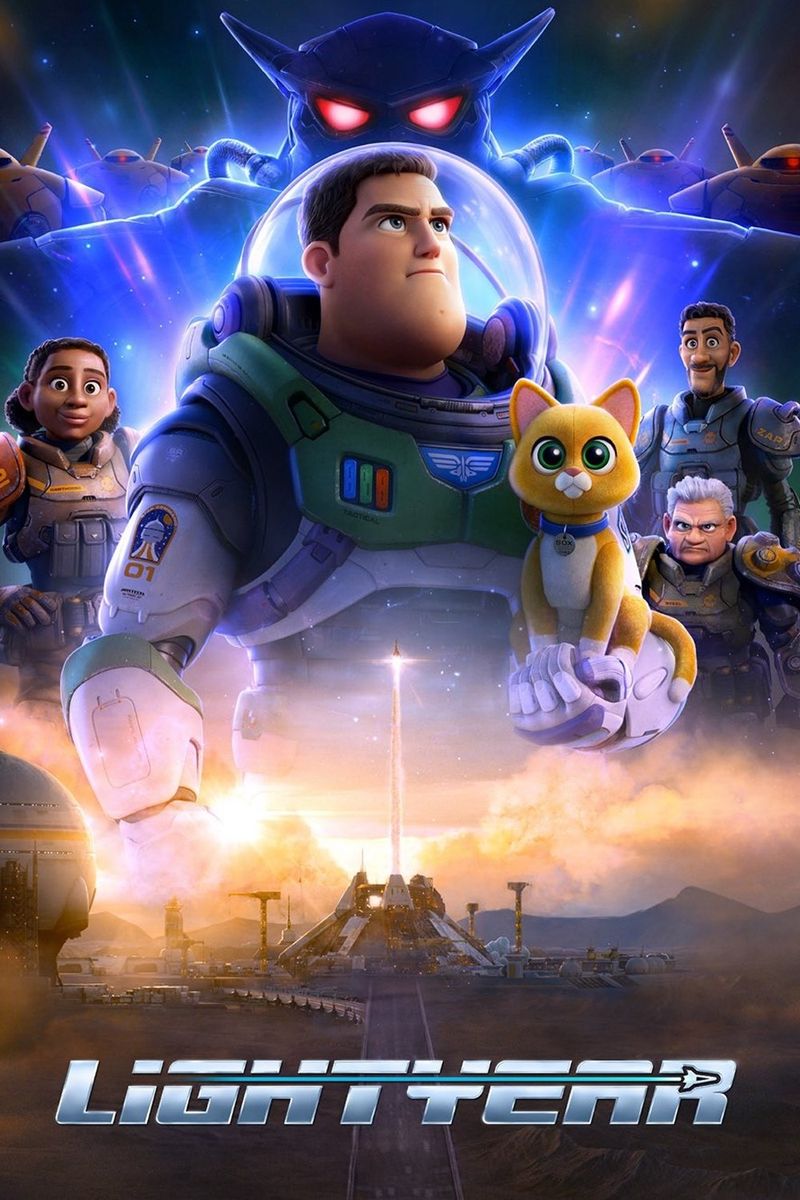
Pixar’s Lightyear was supposed to be the in-universe movie that inspired the beloved Buzz Lightyear toy from Toy Story.
Instead, it underperformed significantly, earning $51 million domestically in its opening weekend — below expectations for a Pixar film of its scale and $200 million budget.
Part of the problem was audience confusion: many fans expected a Toy Story sequel, not a standalone origin story.
Several countries also banned the film over a same-sex kiss scene, cutting into international revenue.
Final worldwide earnings landed around $226 million — not nearly enough to turn a profit after marketing costs.
6. The 13th Warrior (1999)
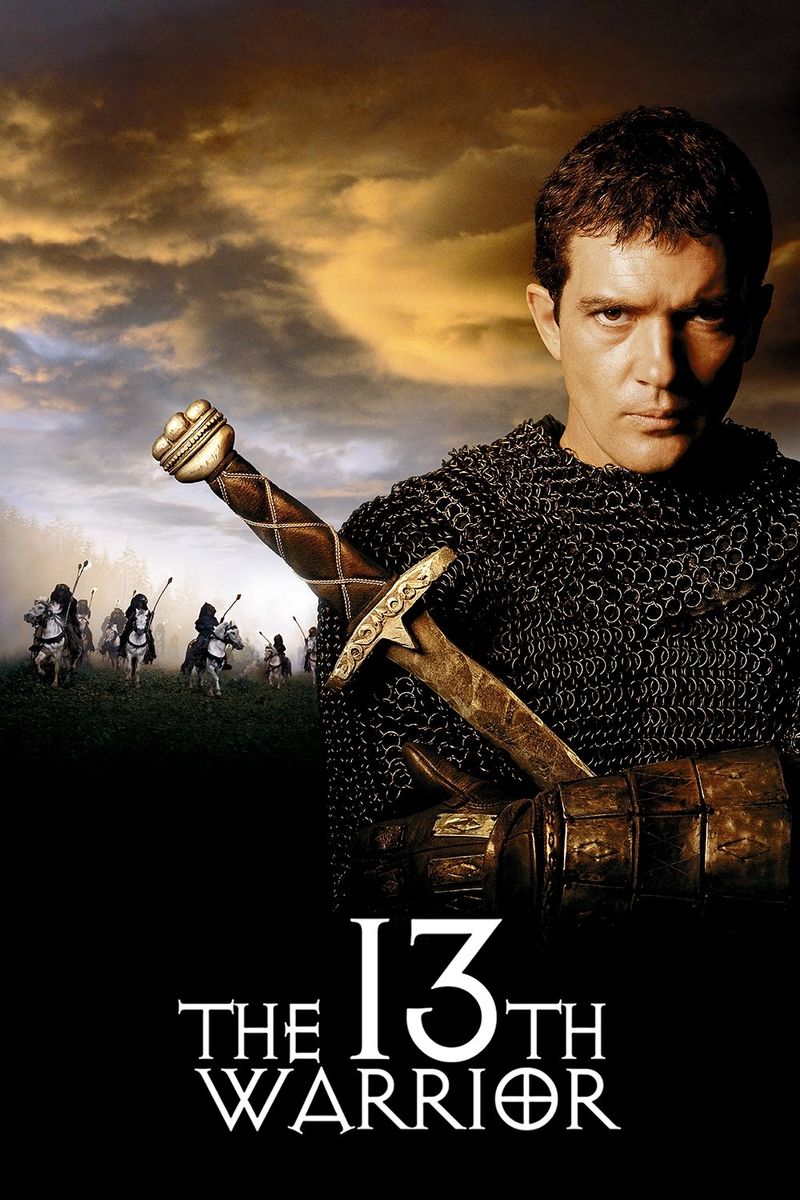
Based on Michael Crichton’s novel Eaters of the Dead, The 13th Warrior had a production budget that ballooned to around $160 million — extraordinary for 1999.
The film pulled in only $61 million worldwide, making it a massive financial disaster for Touchstone Pictures.
Behind the scenes, the production was a mess.
Director John McTiernan was replaced mid-shoot by Crichton himself, and extensive reshoots pushed costs sky-high.
Antonio Banderas starred as the fish-out-of-water Arabian scholar thrown into Viking adventures.
Despite a cult following today, the film was a textbook example of how studio interference and runaway budgets can sink a movie.
7. Cutthroat Island (1995)

For years, Cutthroat Island held the Guinness World Record for the biggest box office flop of all time.
The pirate adventure starring Geena Davis cost about $98 million to make and earned a pitiful $10 million domestically.
The total worldwide gross barely reached $18 million.
The failure was so severe it bankrupted Carolco Pictures, one of Hollywood’s most ambitious independent studios.
Ironically, the disaster also killed the pirate genre for nearly a decade — until Pirates of the Caribbean proved everyone wrong in 2003.
Cutthroat Island remains a cautionary tale about mismanaged budgets and studio overconfidence.
8. Mortal Engines (2018)
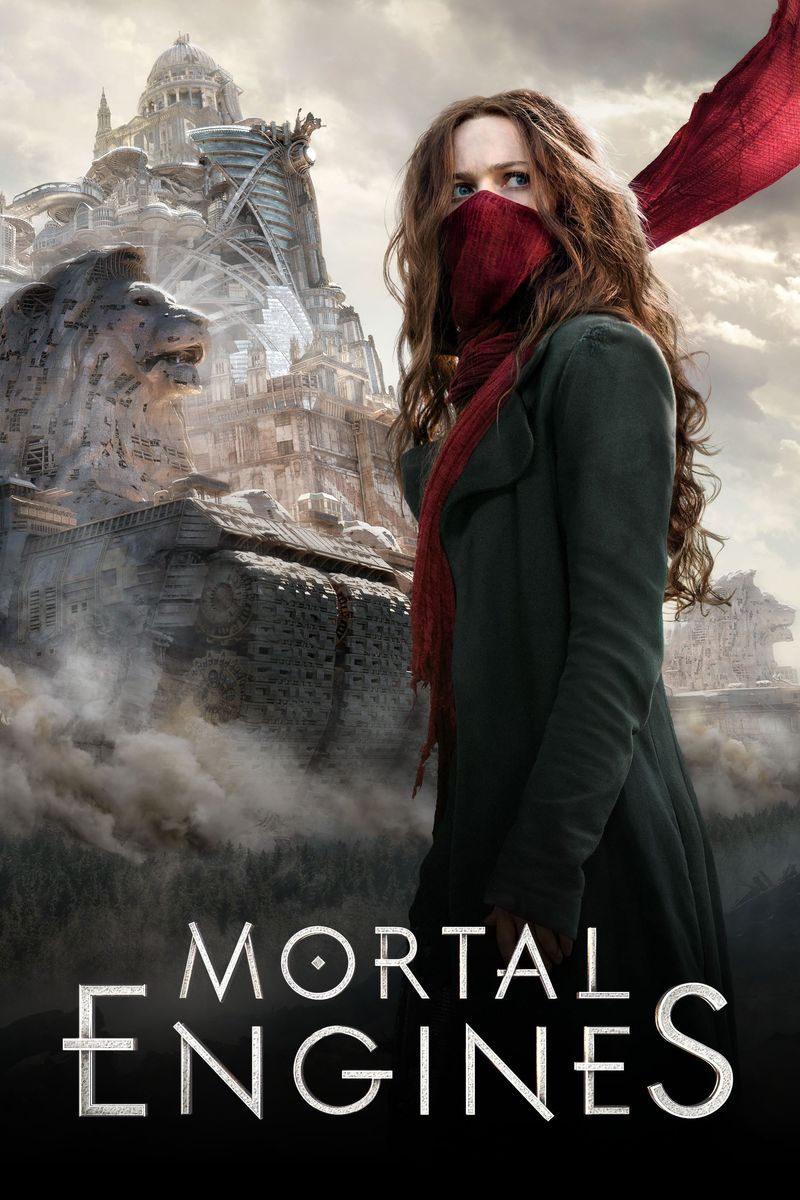
Peter Jackson produced this ambitious adaptation of Philip Reeve’s steampunk novel, hoping to launch a new fantasy franchise.
Universal Pictures spent around $100 million on production, but the film earned a disastrous $7.5 million on its opening weekend in North America.
Final worldwide earnings barely topped $83 million — far short of what was needed to break even after marketing.
Critics described the film as visually stunning but emotionally hollow, with characters audiences just couldn’t connect with.
The planned sequels were immediately shelved.
Mortal Engines proved that jaw-dropping visuals alone can’t save a movie from flopping spectacularly.
9. King Arthur: Legend of the Sword (2017)

Guy Ritchie’s hyper-stylized take on the Arthurian legend was bold, loud, and completely rejected by audiences.
With a $175 million production budget, Warner Bros. expected a franchise-starter.
Instead, the film opened to just $15 million domestically — a catastrophic result.
Worldwide earnings settled around $148 million, not nearly enough to cover production and marketing costs.
Critics were split, with some enjoying Ritchie’s kinetic style while others found it exhausting.
The planned six-film King Arthur series was immediately abandoned.
Hollywood learned once again that audiences don’t automatically show up just because a studio wants to build a franchise.
10. Final Fantasy: The Spirits Within (2001)

Square Pictures spent $137 million creating Final Fantasy: The Spirits Within, a groundbreaking attempt at fully photorealistic CGI animation.
The results were technically astonishing — but audiences didn’t care.
The film earned just $32 million in North America and $85 million worldwide.
The story felt disconnected from the beloved video game series, confusing fans who expected something familiar.
The film’s cold, hyper-realistic characters also triggered the uncanny valley effect, making viewers uncomfortable.
The financial disaster bankrupted Square Pictures entirely.
Despite that, the film’s technical achievements influenced countless animated and visual effects projects that came after it.
11. The Adventures of Pluto Nash (2002)

Eddie Murphy was one of Hollywood’s biggest stars in the 1980s and 90s, but The Adventures of Pluto Nash nearly ended his career.
The sci-fi comedy cost $100 million to produce and sat on a shelf for two years before Warner Bros. quietly released it.
The opening weekend?
A jaw-dropping $2.1 million.
Total worldwide gross barely reached $7.1 million — one of the worst returns on investment in Hollywood history.
Critics destroyed the film, calling it unfunny and lifeless.
Murphy later called it one of the biggest mistakes of his career.
It remains a legendary Hollywood disaster story.
12. Solo: A Star Wars Story (2018)

Star Wars movies were supposed to be guaranteed money-makers, but Solo: A Star Wars Story shattered that assumption.
Despite a $275 million production budget, the film earned $393 million worldwide — which sounds decent until you factor in marketing costs pushing the break-even point closer to $500 million.
Disney reportedly lost around $80 million on the film.
Behind the scenes, the production was chaotic: original directors Phil Lord and Christopher Miller were fired and replaced by Ron Howard.
Audience fatigue after The Last Jedi also hurt ticket sales.
Solo effectively ended Disney’s plans for standalone Star Wars anthology films.
13. The Flash (2023)

Few movies have had as troubled a journey to theaters as The Flash.
Despite mostly positive early reviews and a $200 million budget, the film opened to $55 million domestically — well below Warner Bros.’ projections.
Off-screen scandals involving lead actor Ezra Miller damaged audience enthusiasm significantly.
Worldwide earnings totaled around $268 million, far short of what was needed to profit.
The film had been hyped for years as a game-changing DC event movie.
Instead, it became a symbol of DC’s struggles to build a cohesive cinematic universe.
The losses contributed to a major restructuring of DC Films under new leadership.
14. Terminator: Dark Fate (2019)

Terminator: Dark Fate was supposed to be the franchise’s comeback.
With James Cameron back as producer and Linda Hamilton returning as Sarah Connor, Paramount invested around $185 million in production.
Opening weekend brought in just $29 million domestically — a devastating result.
Worldwide earnings landed at $261 million, generating losses estimated between $100 and $130 million after marketing.
Fans were divided over the film’s decision to ignore previous sequels and retcon major story elements.
Franchise fatigue had clearly set in.
Dark Fate effectively killed the Terminator franchise’s big-screen future for the foreseeable future, despite its genuinely solid action sequences.
15. Battleship (2012)

Universal Pictures turned the classic Hasbro board game into a $209 million sci-fi blockbuster, and the results were painful.
Battleship sank at the domestic box office, earning just $65 million in North America.
Strong overseas numbers pushed global earnings to $303 million, but that still wasn’t enough to break even.
Critics mocked the film mercilessly, and audiences who saw it weren’t exactly spreading the word.
Taylor Kitsch starred as the lead, and the film’s failure — coming the same year as John Carter — effectively derailed his career as a leading man.
Battleship became shorthand for Hollywood excess and empty spectacle.
16. Tomorrowland (2015)

Director Brad Bird and producer Damon Lindelof created Tomorrowland as an original, optimistic sci-fi adventure — a refreshing change from sequels and reboots.
Disney spent $190 million making it.
The film opened to just $33 million domestically, sending alarm bells ringing through the studio.
Final worldwide gross came in at $209 million — a significant loss when marketing costs are included.
Some critics praised the film’s ambition and heart, but general audiences found the story confusing and slow to develop.
George Clooney starred as a jaded inventor.
Tomorrowland’s failure made studios even more reluctant to greenlight expensive original films.
17. Jack the Giant Slayer (2013)

Warner Bros. spent $195 million reimagining the classic Jack and the Beanstalk fairy tale as an epic fantasy adventure.
The result was a film that earned just $65 million domestically and $197 million worldwide — not nearly enough to cover its enormous costs.
The film arrived during a crowded period for fairy-tale blockbusters, competing with Snow White and the Huntsman and Hansel and Gretel: Witch Hunters for the same audience.
Critics found it entertaining but forgettable.
Estimated losses ranged between $100 and $140 million.
Jack the Giant Slayer is a textbook example of studios misjudging audience appetite for a trend.
18. Pan (2015)

Warner Bros. tried once more with another fairy-tale reimagining — this time giving Peter Pan an origin story.
Pan cost $150 million to produce and opened to a meager $15.3 million domestically.
The film’s total worldwide gross of $128 million left the studio nursing enormous losses.
Casting Hugh Jackman as Blackbeard was inspired, but the film’s cluttered story and strange tonal choices confused audiences.
Whitewashing controversy also surrounded the casting of Rooney Mara as Tiger Lily.
Critics were largely unkind.
Pan joined a growing list of failed fairy-tale blockbusters that proved audiences weren’t automatically drawn to beloved childhood stories retold with big budgets.
19. The Alamo (2004)

Touchstone Pictures spent around $107 million recreating the legendary 1836 Battle of the Alamo with historical authenticity.
The film opened to a humiliating $9.2 million domestically and never recovered, finishing with just $22 million worldwide.
It was considered one of the biggest flops of 2004.
The production itself was troubled from the start — original director Ron Howard left the project, and the final cut was significantly shorter than intended, reportedly losing important context.
Billy Bob Thornton’s portrayal of Davy Crockett earned praise, but it wasn’t enough.
The Alamo stands as proof that patriotic subject matter alone can’t guarantee box office success.
20. R.I.P.D. (2013)

Universal Pictures spent $130 million adapting the comic book R.I.P.D., pairing Ryan Reynolds and Jeff Bridges as undead cops policing the afterlife.
The comparisons to Men in Black were immediate — and brutal.
Opening weekend brought in just $12.8 million, a devastating result for a summer blockbuster.
Worldwide earnings barely scraped $78 million, resulting in losses estimated at over $100 million.
Critics found the film derivative and joyless despite its talented cast.
Reynolds himself has joked about the film’s failure in interviews since.
R.I.P.D. is often cited alongside other 2013 flops as evidence that audiences can smell a cynical cash-grab from miles away.