 MomSkoop
Great music has a way of defying time. While many albums are tied to a specific era, a select few seem to grow richer, deeper, and more impressive with every passing year. Whether it’s groundbreaking songwriting, timeless production, or performances that still feel fresh decades later, these records continue to captivate new generations of listeners.
They don’t just survive changing musical trends—they transcend them. Here are 27 legendary albums that somehow sound even better today than when they were first released.
1. The Beatles — Abbey Road (1969)
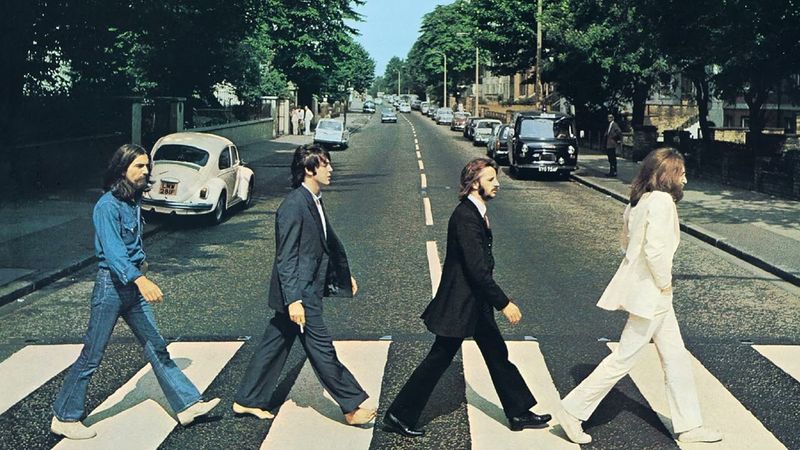
Flip the record to Side Two and something almost magical happens.
Abbey Road closes with a medley of unfinished songs stitched together so perfectly that it feels like one long, beautiful dream.
Even today, that sequence gives first-time listeners goosebumps.
Recorded as the band was falling apart, the album somehow radiates warmth and creativity. “Here Comes the Sun” alone could melt the coldest mood.
Every instrument, every harmony feels intentional and alive.
Abbey Road proves that even endings can be breathtaking masterpieces worth revisiting again and again.
2. The Beatles — Sgt. Pepper’s Lonely Hearts Club Band (1967)
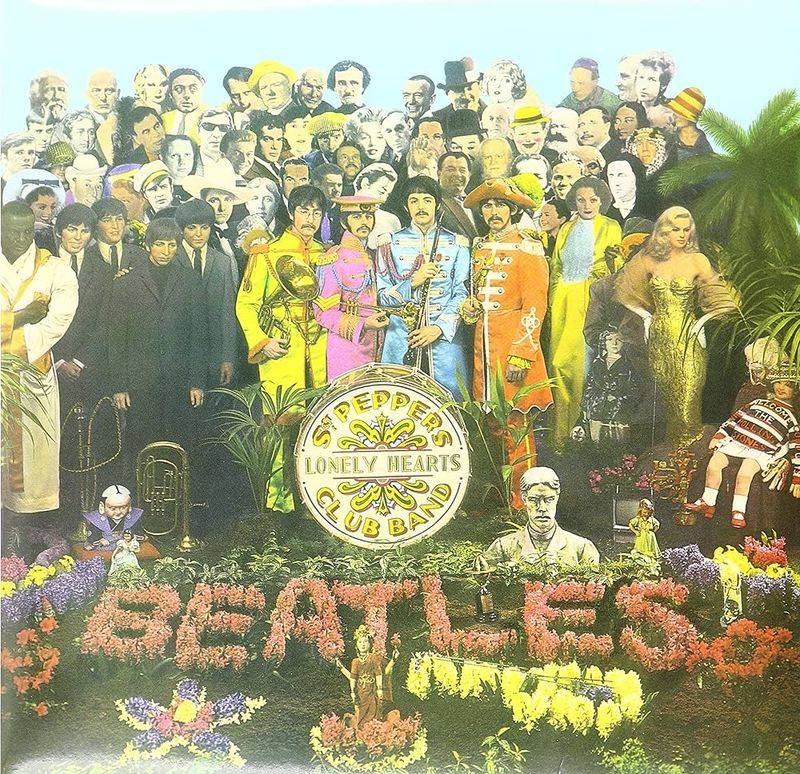
Before this album existed, pop music played by certain rules.
Then The Beatles ripped up the rulebook entirely.
Sgt.
Pepper introduced the idea that an album could be a full artistic experience, not just a collection of songs.
Sound effects, orchestras, Indian instruments, and layered vocals blend into something unlike anything before it.
Each track feels like entering a different room in a very strange, wonderful house.
More than five decades later, music students still study it.
Casual listeners still enjoy it.
That balance of accessibility and depth is incredibly rare and worth celebrating every time you press play.
3. The Beach Boys — Pet Sounds (1966)
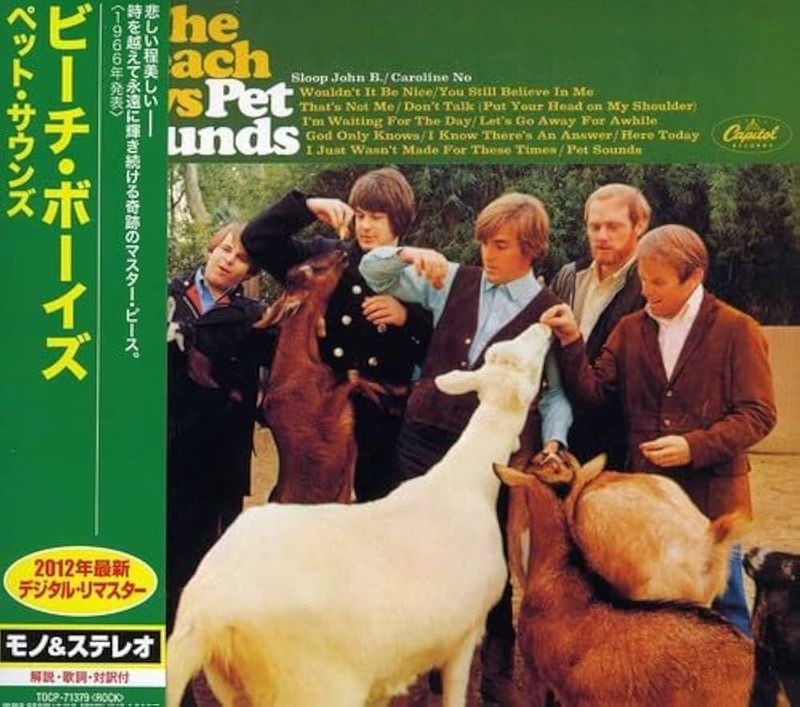
Brian Wilson was only 23 when he made this album, and he was trying to top The Beatles.
What came out instead was something entirely his own — heartbreakingly beautiful and unlike anything else in pop music.
Pet Sounds layers instruments most people had never heard on a pop record: bicycle bells, barking dogs, Coca-Cola cans.
Underneath all that invention is pure emotional honesty about loneliness and longing. “God Only Knows” is still considered one of the greatest songs ever written.
Every listen uncovers a new detail hiding in the mix, making it feel endlessly fresh and rewarding.
4. Pink Floyd — The Dark Side of the Moon (1973)
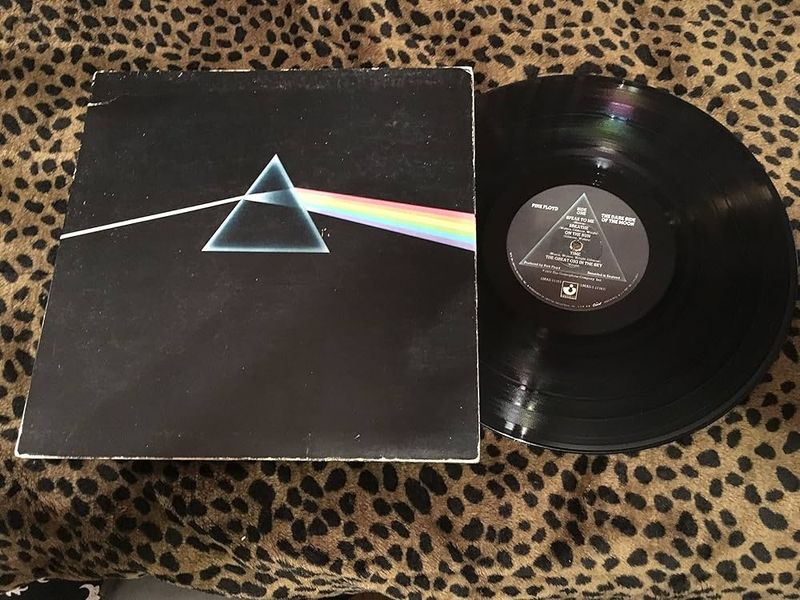
Few albums have spent more time on the Billboard charts — over 900 weeks in total.
But chart positions only tell part of the story.
The Dark Side of the Moon is a full journey through the human experience: time, greed, madness, and mortality.
Heartbeats open the record and close it, creating a loop that feels intentional and cosmic.
The production is so crisp and layered that audiophiles still use it to test high-end speakers.
Whether you are 14 or 40, this album speaks to something deep and universal.
It rewards patience and repeated listening more than almost any other record.
5. Fleetwood Mac — Rumours (1977)
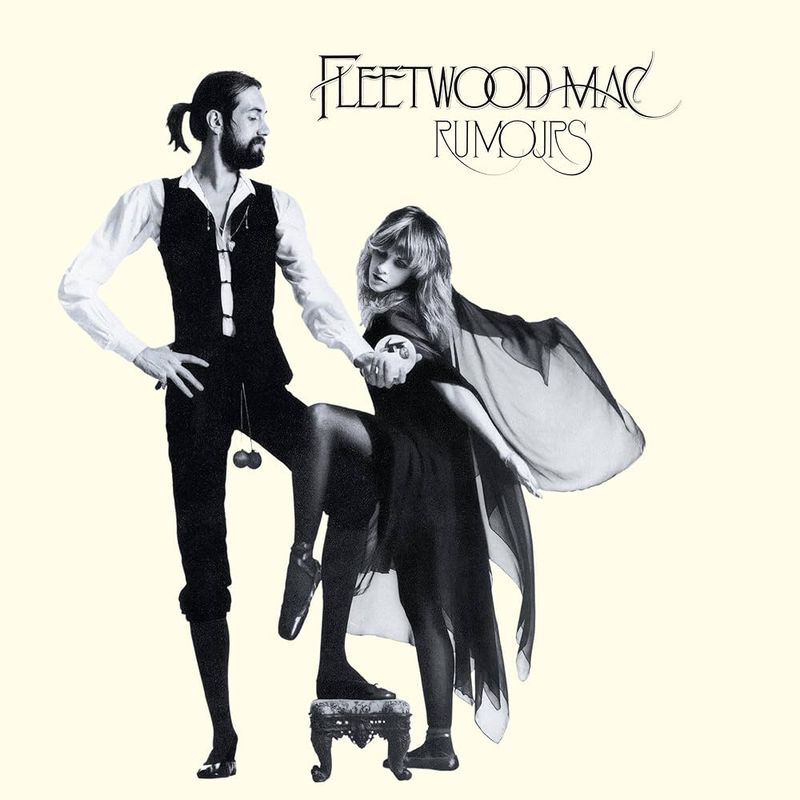
Making this album, two couples in the band were simultaneously breaking up.
The heartbreak is right there in every track — raw, real, and impossible to fake.
Somehow, Fleetwood Mac turned personal chaos into polished pop perfection.
Songs like “Go Your Own Way” and “The Chain” hit harder when you know the backstory.
But even without context, the melodies are irresistible.
Rumours sold over 40 million copies and still sounds like it was recorded yesterday.
The production is clean, the harmonies are stunning, and the emotion never fades.
It is proof that great pain can produce extraordinary art.
6. Stevie Wonder — Songs in the Key of Life (1976)
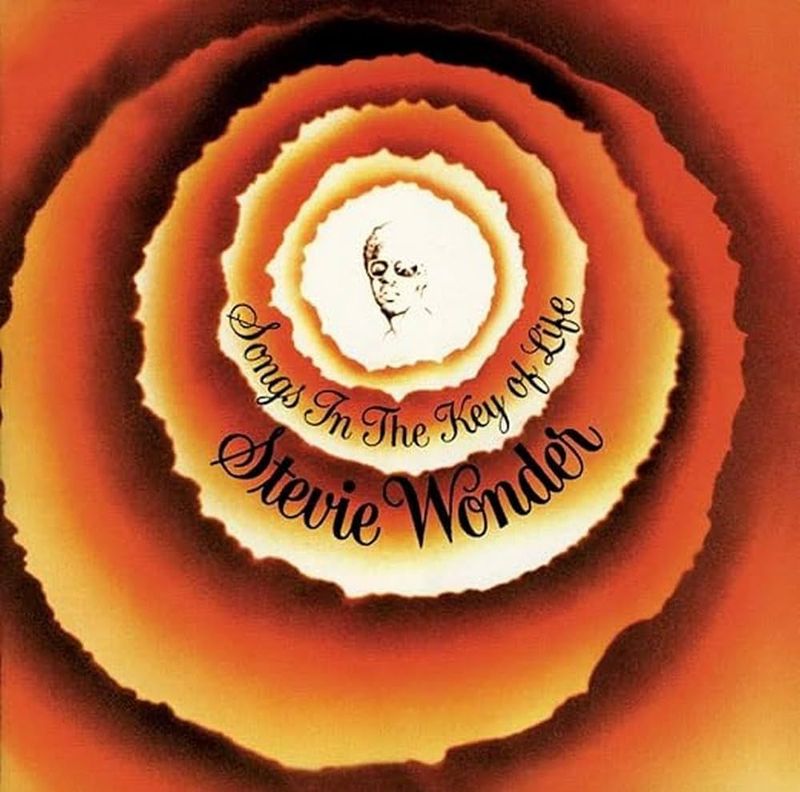
Stevie Wonder had already released four classic albums in a row before this one.
Then he made Songs in the Key of Life and somehow raised the bar even higher.
It is a double album packed with jazz, funk, soul, pop, and classical influences all woven together.
“Isn’t She Lovely” was written for his newborn daughter. “Sir Duke” celebrates jazz legends with pure joy.
The album tackles race, love, spirituality, and childhood with equal depth and beauty.
Running nearly 100 minutes, it never overstays its welcome.
This is one of those rare records where ambition and execution match perfectly every single time.
7. Michael Jackson — Thriller (1982)
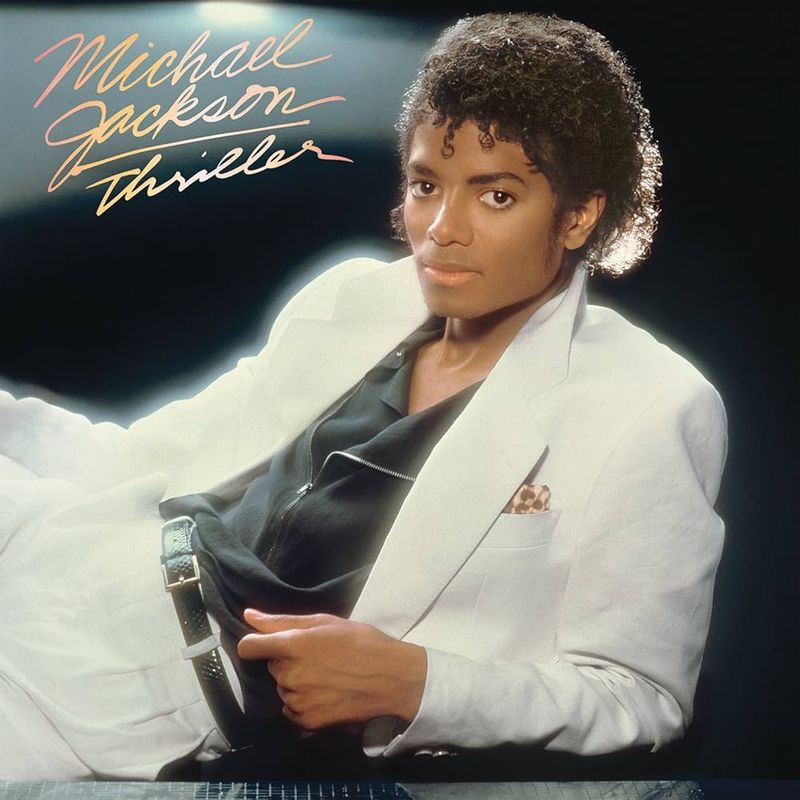
Seven singles from one album all became Top Ten hits.
That had never happened before, and it has barely happened since.
Thriller did not just sell records — it rewrote what pop music could look like, sound like, and feel like.
The title track’s horror-movie vibe sits comfortably next to the smooth R&B of “Human Nature” and the rock crunch of “Beat It.” Eddie Van Halen played that guitar solo as a favor, for free.
Every song on this album is memorable on its own, but together they form something unstoppable.
Thriller remains the best-selling album in history for good reason.
8. Prince and the Revolution — Purple Rain (1984)
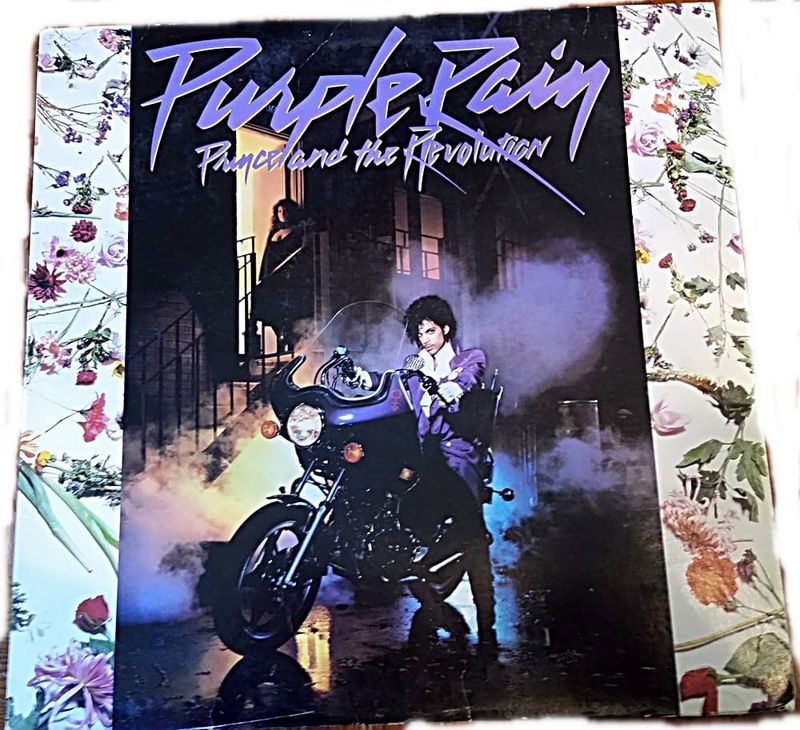
Prince wrote, produced, and performed nearly everything on this album.
He was 26 years old.
The title track alone — a soaring, emotional guitar epic — is enough to cement his legacy forever.
But Purple Rain is so much more than one song.
“When Doves Cry” has no bass line, which was almost unheard of in pop music. “Let’s Go Crazy” opens like a preacher’s sermon before exploding into funk-rock.
The album blends rock, soul, R&B, and pop so naturally that genre labels feel pointless.
Years after his passing, Prince’s genius on this record still feels impossible to fully explain or replicate.
9. David Bowie — Low (1977)
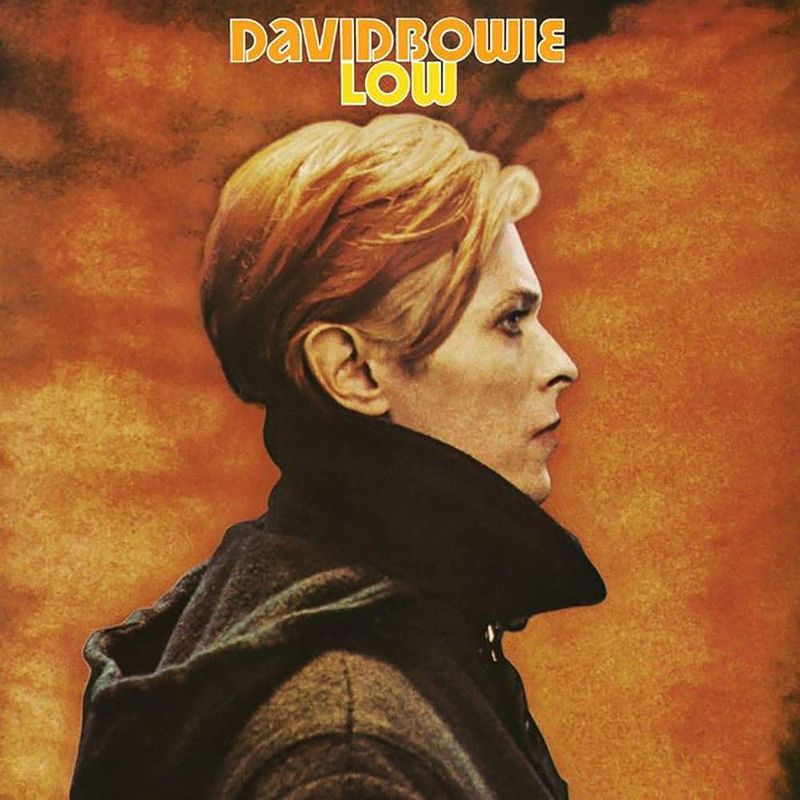
After years of glam rock and soul, David Bowie moved to Berlin and made something completely unexpected.
Low is split in two: one side of short, fragmented pop songs and another side of long, mostly instrumental ambient pieces.
Neither half sounds like anything he had done before.
Recorded with Brian Eno using experimental studio techniques, the album sounds almost futuristic even today.
Songs like “Sound and Vision” feel minimal yet deeply emotional.
The second side, with tracks like “Warszawa,” creates an atmosphere that is haunting and beautiful at once.
Low marked a turning point not just for Bowie, but for music itself.
10. The Velvet Underground & Nico — The Velvet Underground & Nico (1967)
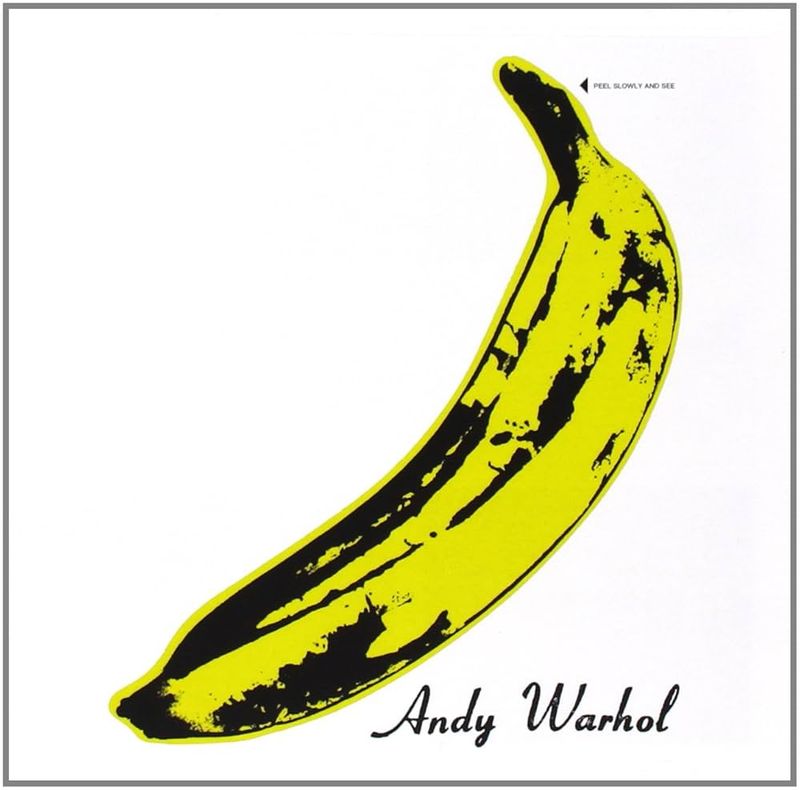
Andy Warhol produced this album and designed its iconic banana cover.
But the real shock is the music inside — dark, strange, and completely unlike anything else on radio in 1967.
Lou Reed wrote about heroin, sadomasochism, and street life while The Beatles sang about love and peace.
It barely sold when it was released.
But legend has it that everyone who bought a copy started a band.
The album’s influence on punk, indie rock, and alternative music is almost impossible to overstate.
Listening now, it still sounds dangerous and alive.
Some records are ahead of their time by decades, and this is one of them.
11. Led Zeppelin — Led Zeppelin IV (1971)
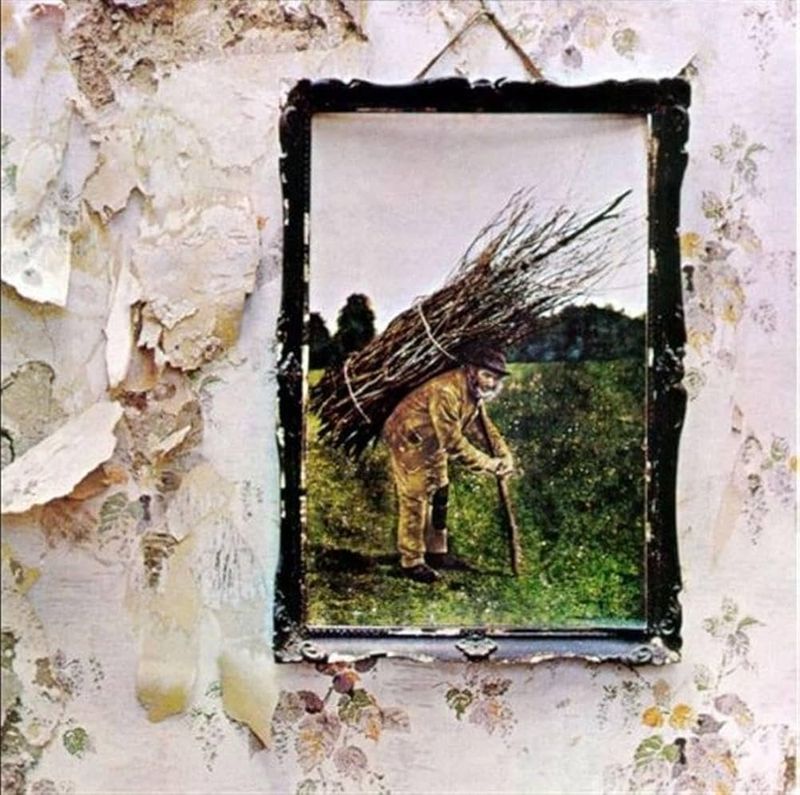
This album has no official title, no band name on the cover, and no record label information printed anywhere.
Led Zeppelin wanted the music to speak entirely for itself.
It worked.
Led Zeppelin IV contains “Stairway to Heaven,” one of the most-played songs in rock radio history.
But the album is more than that one track. “Black Dog” is a riff monster. “When the Levee Breaks” sounds like it was recorded inside a thunderstorm.
John Bonham’s drumming is so powerful it still rattles speakers decades later.
Every generation of rock fans discovers this album fresh and comes away absolutely floored.
12. Joni Mitchell — Blue (1971)
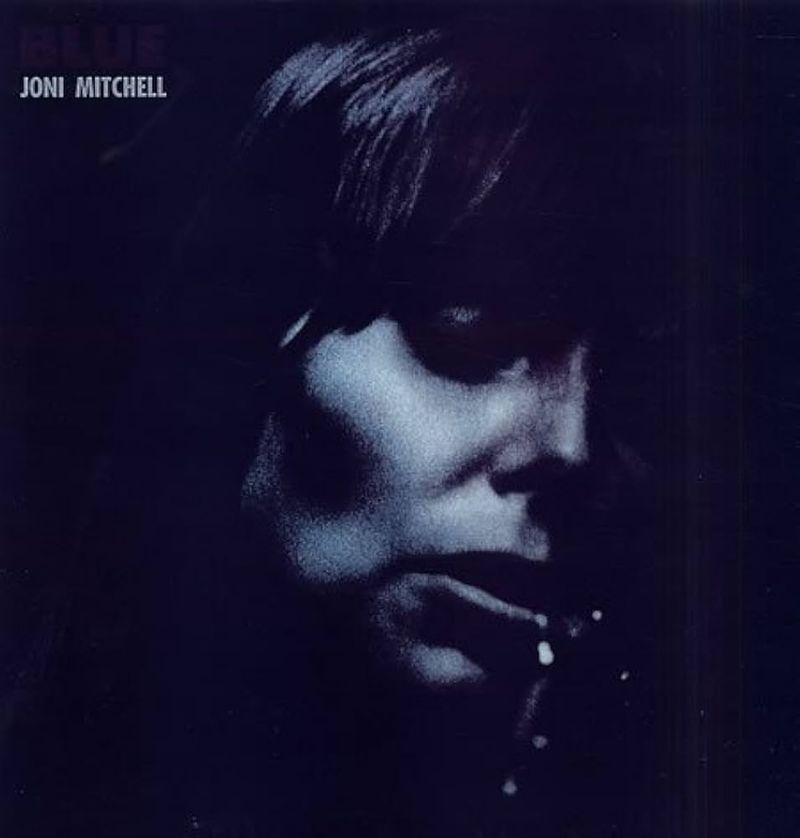
Joni Mitchell said she had no defenses when she made this record.
Every song feels like reading someone’s most private diary — and somehow that vulnerability makes it universal.
Blue is about love, loss, travel, and the ache of feeling too much all at once.
“A Case of You” is so intimate it almost feels wrong to listen to. “River” turns a Christmas setting into something achingly lonely.
Mitchell plays guitar, piano, dulcimer, and autoharp across the album, shifting tone with each instrument.
Decades later, artists from Taylor Swift to Billie Eilish have named Blue as a defining influence on how they write songs.
13. Marvin Gaye — What’s Going On (1971)
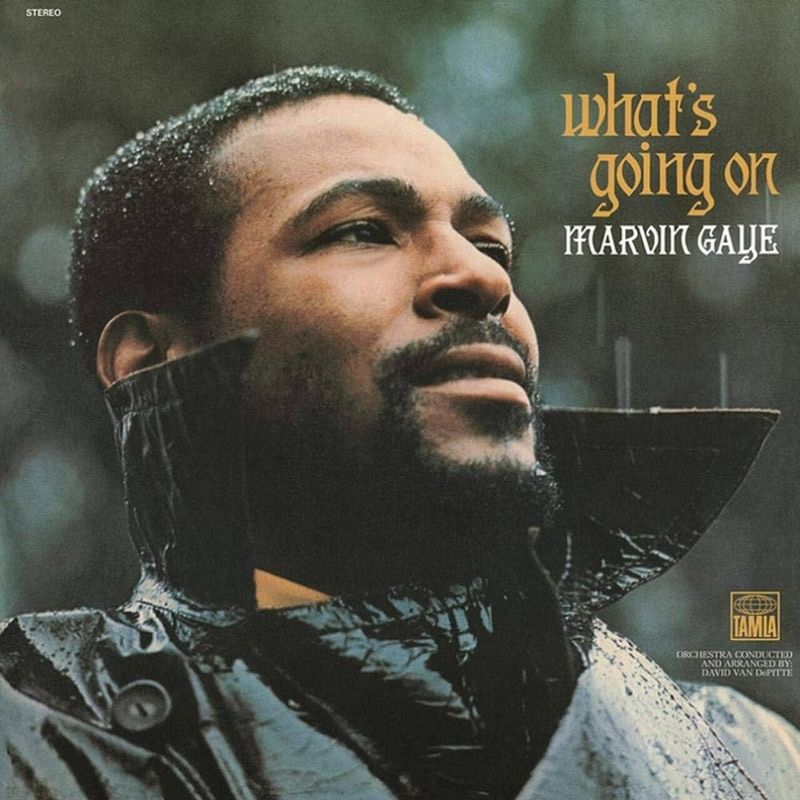
Motown executives did not want to release this album.
They thought it was too political, too different from the hits Marvin Gaye had already made.
He threatened to never record for them again.
They released it, and it became one of the greatest albums ever made.
What’s Going On addresses the Vietnam War, police brutality, poverty, and environmental destruction — all in 1971.
The music is lush and orchestral, full of overlapping vocals and jazz-influenced arrangements.
Gaye sings with a tenderness that makes every social message feel personal rather than preachy.
Listening now, the questions he asked still feel urgent, relevant, and painfully unanswered.
14. Talking Heads — Remain in Light (1980)
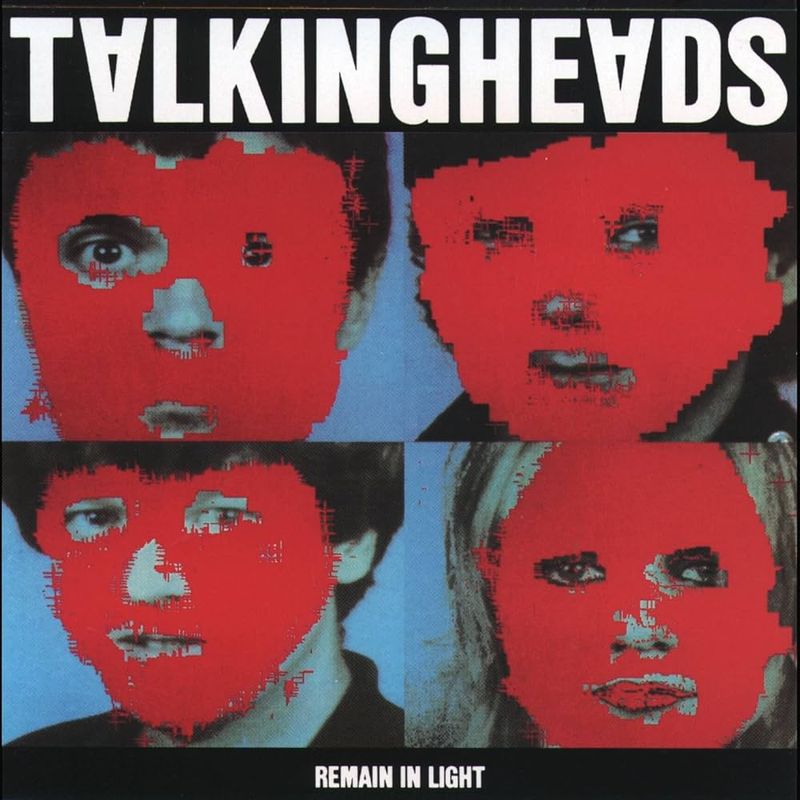
Brian Eno co-produced this album, and together with Talking Heads, he helped create something that sounded like nothing else in rock history.
Remain in Light pulls from West African polyrhythmic music, funk, and art rock, layering them into dense, hypnotic grooves.
“Once in a Lifetime” features David Byrne delivering lyrics like a man waking up in someone else’s life — bewildered, searching, oddly funny.
The music never quite settles, always shifting and surprising.
Decades on, Remain in Light still sounds futuristic.
It influenced everything from indie rock to electronic music to hip-hop, yet it still belongs to its own impossible-to-copy category entirely.
15. Joy Division — Unknown Pleasures (1979)
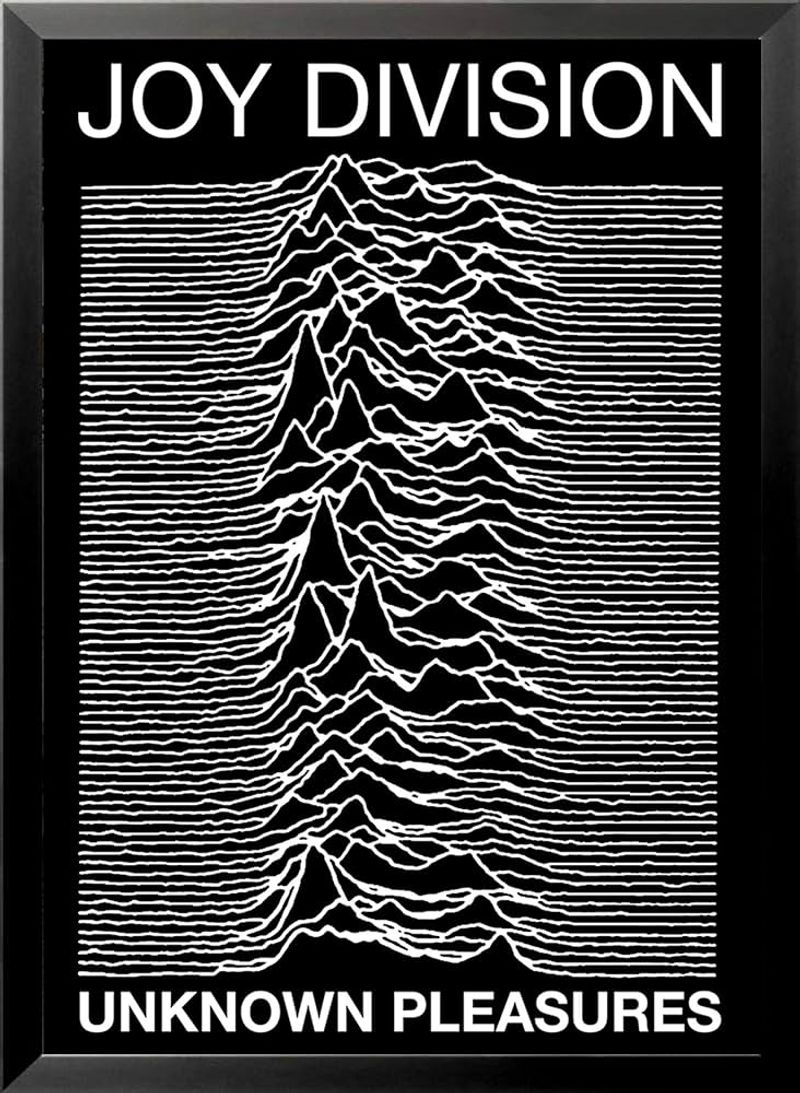
That cover image — white lines on black, representing radio waves from a pulsar star — became one of the most iconic graphics in music history.
But the sound inside is just as striking.
Unknown Pleasures is cold, sparse, and deeply emotional in a way that is hard to describe but impossible to forget.
Ian Curtis’s baritone voice carries a weight that feels almost unbearable on songs like “She’s Lost Control” and “Disorder.” Producer Martin Hannett recorded the album with unconventional techniques, creating space and echo that made the music feel enormous.
Joy Division only made two albums.
This one alone secured their permanent place in music history.
16. The Clash — London Calling (1979)
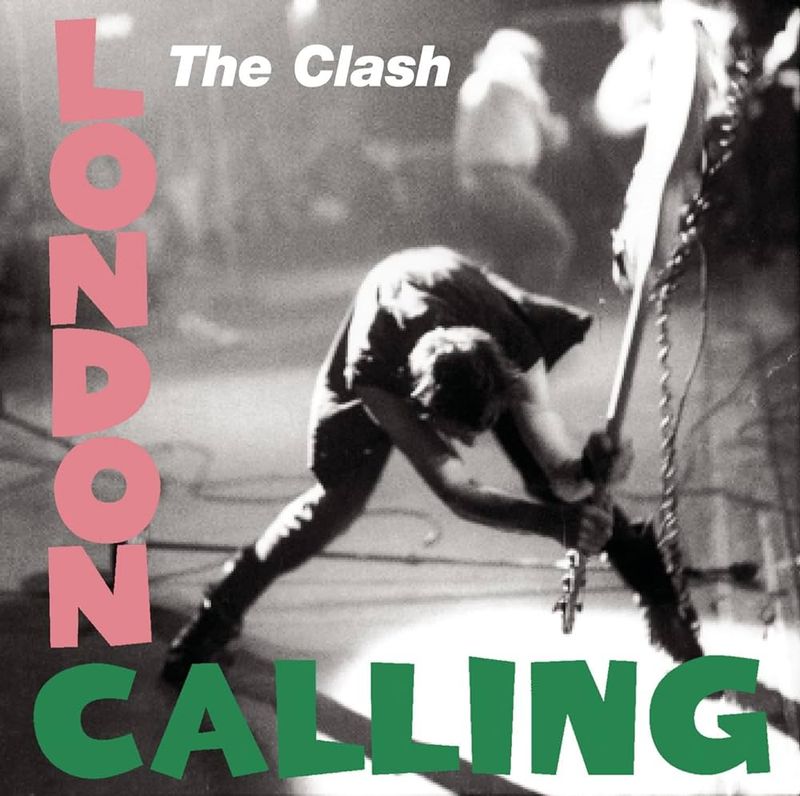
The cover photo shows bassist Paul Simonon smashing his guitar on stage at New York’s Palladium.
That image perfectly captures the album’s energy — explosive, confrontational, and impossible to ignore.
London Calling was a double album sold at the price of a single one, because The Clash refused to rip off their fans.
Musically, it explodes beyond punk into reggae, rockabilly, jazz, and ska.
The title track warns about nuclear error and environmental collapse, yet it grooves irresistibly.
Rolling Stone named it the eighth greatest album of all time.
Every generation of teenagers discovers it and feels the same electric charge of rebellion and possibility.
17. Nirvana — Nevermind (1991)
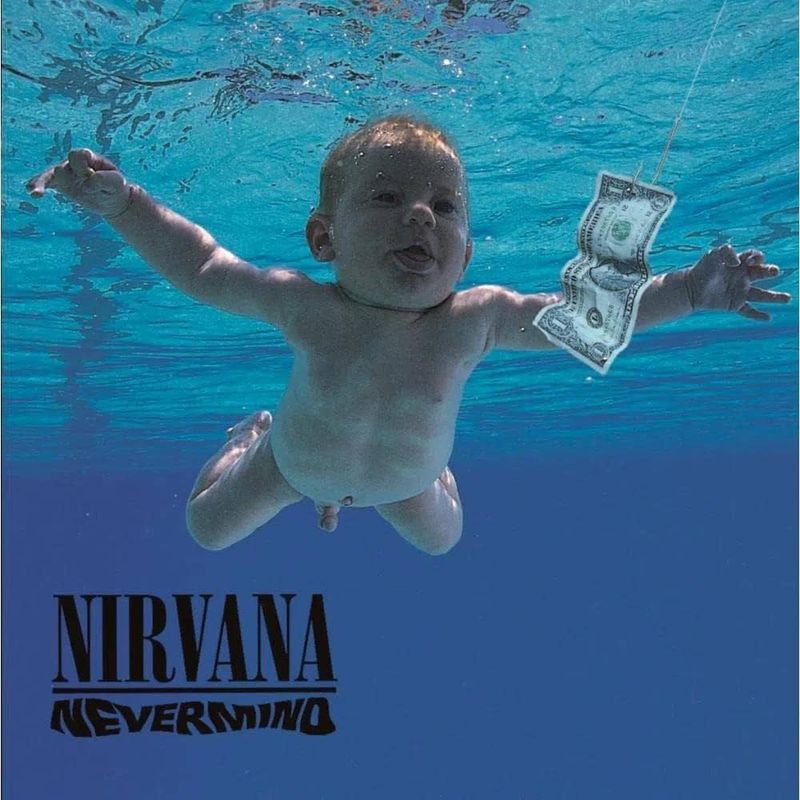
Nobody at Geffen Records expected this album to sell more than 250,000 copies.
Within a year, it had sold ten million.
Nevermind did not just launch Nirvana — it ended the dominance of hair metal and changed what mainstream rock music looked like overnight.
Kurt Cobain’s songwriting mixed pop melody with punk aggression in a way that felt totally natural. “Smells Like Teen Spirit” is still one of the most recognizable opening riffs in history.
But deeper cuts like “Lithium” and “Come as You Are” show just how versatile and emotionally complex the album really is.
Thirty-plus years later, teenagers still find it and feel seen.
18. Radiohead — OK Computer (1997)
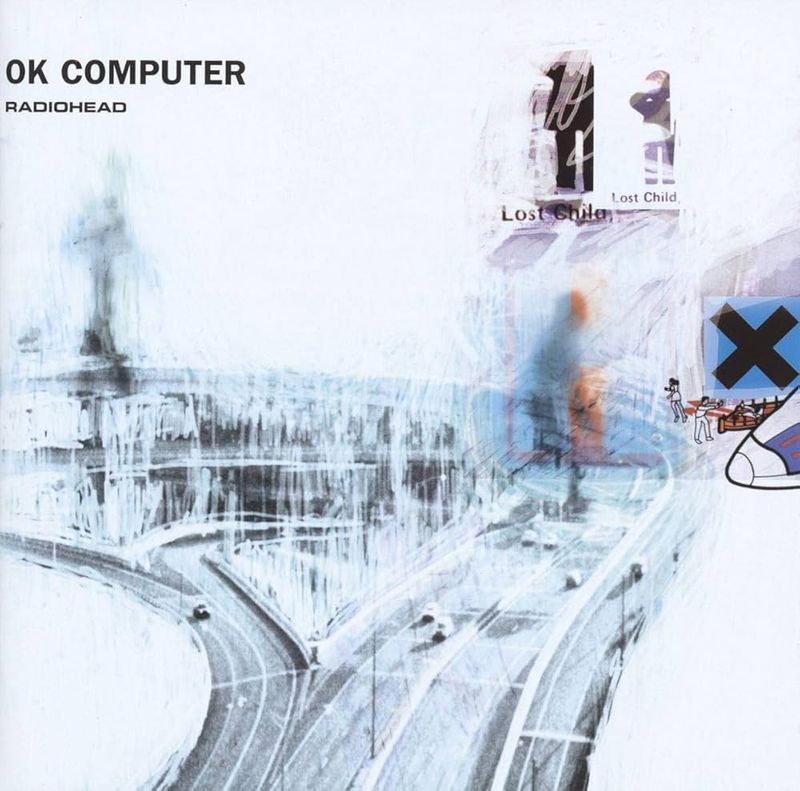
Released just as the internet was becoming part of everyday life, OK Computer predicted a world of information overload, corporate emptiness, and emotional disconnection.
It felt prophetic in 1997.
In the age of smartphones and social media, it feels almost eerily accurate.
Thom Yorke’s voice spirals between whispers and wails, perfectly matched by Jonny Greenwood’s sprawling guitar arrangements. “Paranoid Android” changes tempo and mood three times in six minutes. “No Surprises” is lullaby-gentle but lyrically devastating.
OK Computer rewards careful listening with layers of detail that reveal themselves slowly.
It remains one of the most ambitious and fully realized albums of the past 30 years.
19. Lauryn Hill — The Miseducation of Lauryn Hill (1998)
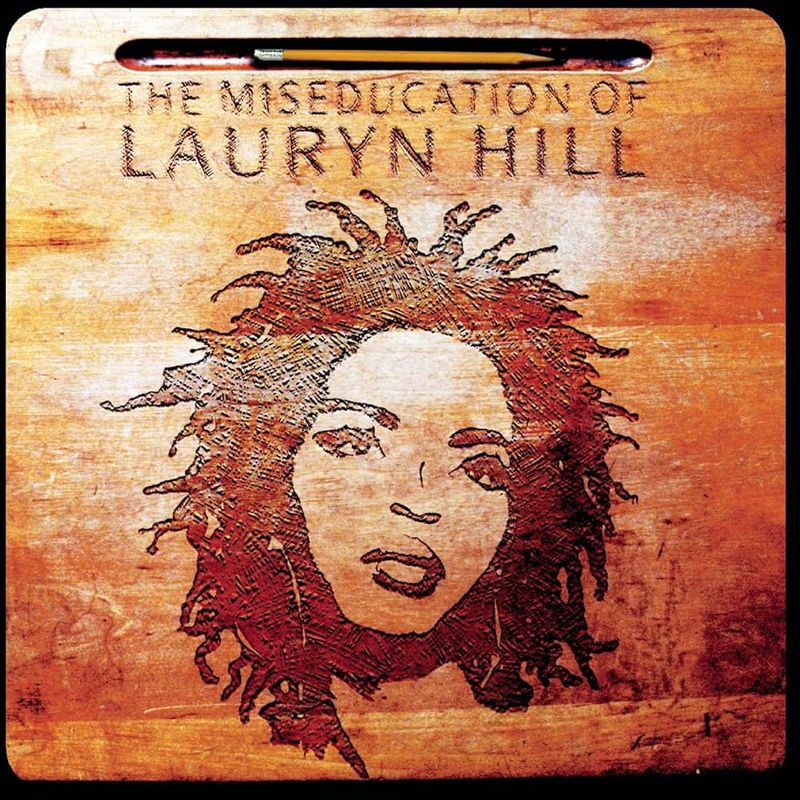
Lauryn Hill was 23 years old when she recorded this album almost entirely by herself.
She wrote, produced, and arranged most of it while pregnant.
The result was something so personal and so musically rich that it swept five Grammy Awards, including Album of the Year.
The Miseducation blends neo-soul, hip-hop, reggae, and R&B in ways that still feel groundbreaking. “Ex-Factor” is one of the most emotionally precise breakup songs ever written. “Doo Wop (That Thing)” is an irresistibly catchy social commentary.
Hill’s voice is effortlessly powerful throughout.
Even now, no one has quite made another album that sounds like this one, and that says everything.
20. Nas — Illmatic (1994)
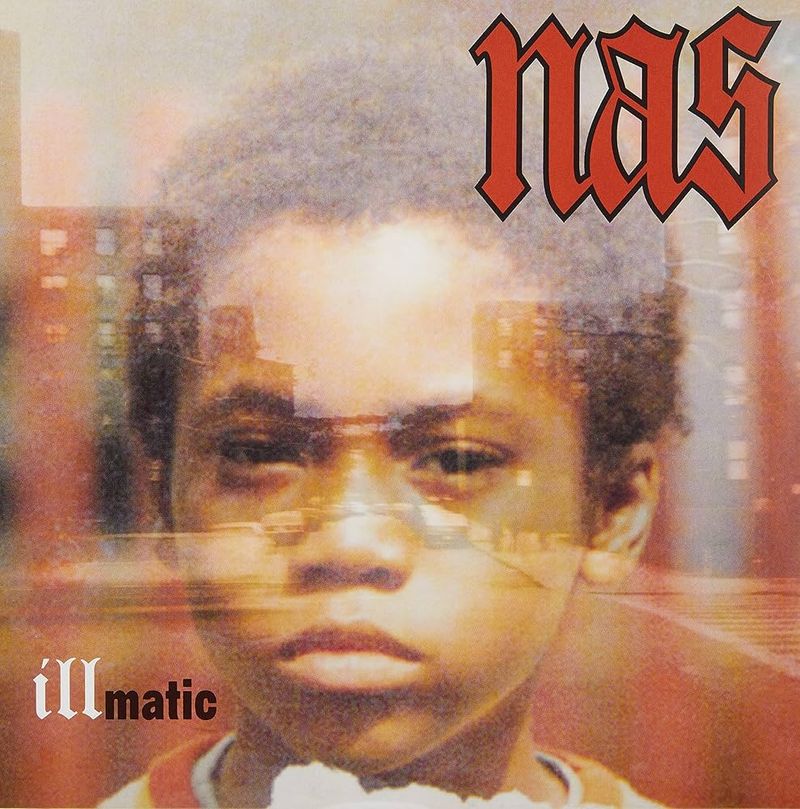
At just ten tracks and barely 40 minutes long, Illmatic is a masterclass in saying everything with nothing wasted.
Nas was 20 years old, rapping about life in Queensbridge, New York, with the detail and clarity of a novelist.
Every line feels lived-in and real.
Producers like DJ Premier and Pete Rock created jazz-infused beats that feel like the soundtrack of city streets at 3 a.m.
Nas’s voice is calm and authoritative, never shouting but always commanding attention.
Illmatic set the standard for East Coast hip-hop lyricism and still does.
New listeners discover it constantly and wonder how someone so young made something so fully formed and timeless.
21. Public Enemy — It Takes a Nation of Millions to Hold Us Back (1988)
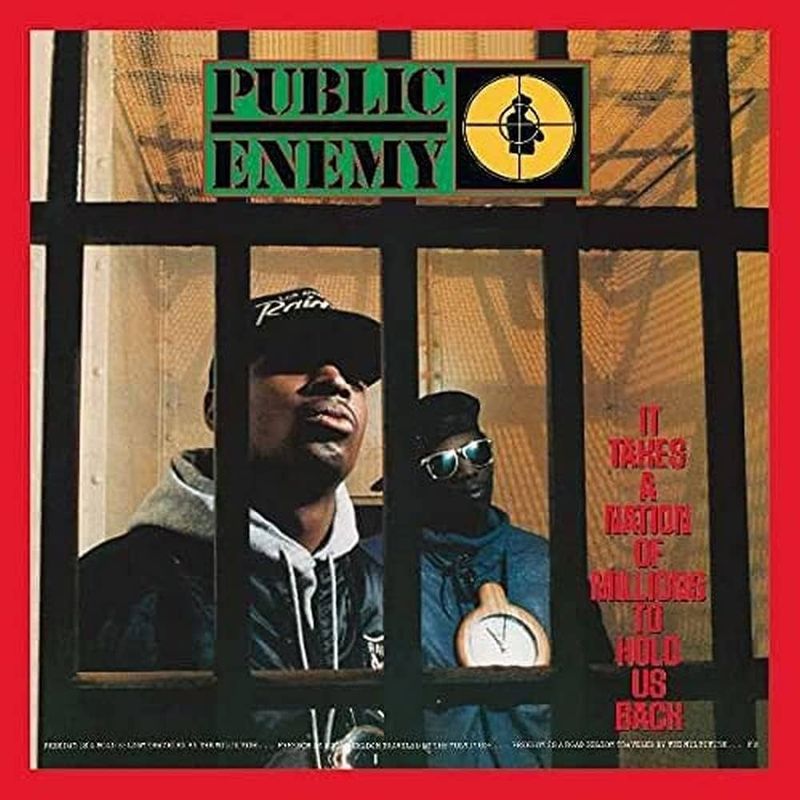
Chuck D once called rap music the Black CNN.
This album is the proof.
Released in 1988, It Takes a Nation of Millions to Hold Us Back hit like a freight train — politically charged, sonically overwhelming, and impossible to dismiss.
Nothing on radio sounded remotely like it.
The Bomb Squad’s production layers sirens, samples, and noise into a wall of sound that feels urgent and chaotic in the best way.
Chuck D’s voice is a force of nature, while Flavor Flav provides wild comic contrast.
Decades later, its anger still resonates.
Public Enemy made hip-hop undeniable as both art and activism, and this album remains their peak.
22. Miles Davis — Kind of Blue (1959)
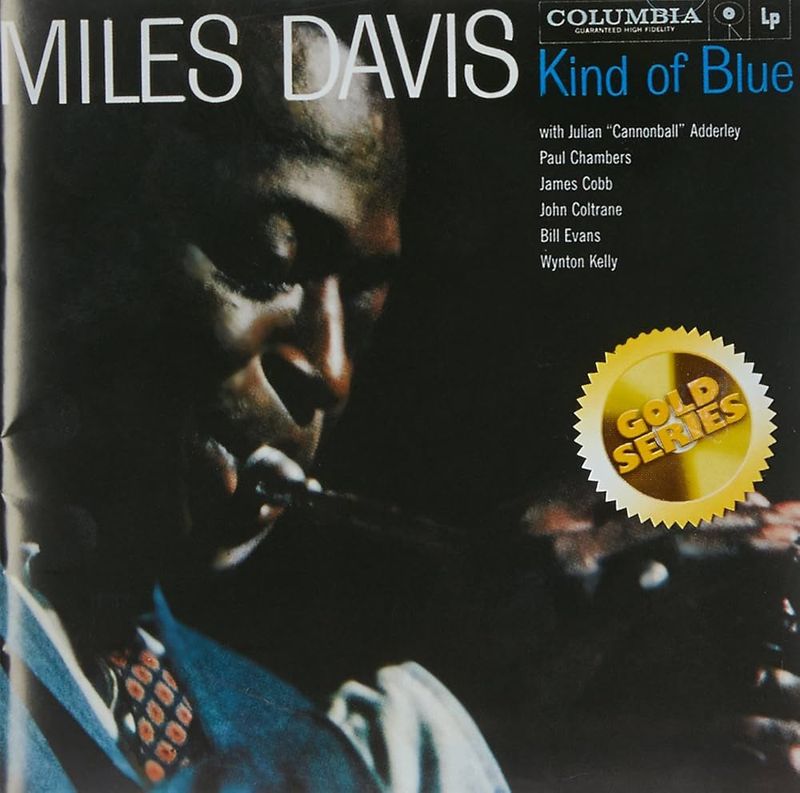
Kind of Blue was recorded in two sessions, with musicians given minimal notes and told to improvise.
The result sounds effortless and inevitable, like the music was always there waiting to be discovered.
Miles Davis had that rare gift of making complexity feel simple.
John Coltrane and Bill Evans are among the players here, each at the height of their powers.
The album introduced modal jazz to a wide audience and changed how musicians thought about improvisation.
Nearly 65 years later, it remains the best-selling jazz album of all time.
Put it on in any room and the temperature somehow drops five degrees in the best possible way.
23. Bob Dylan — Highway 61 Revisited (1965)
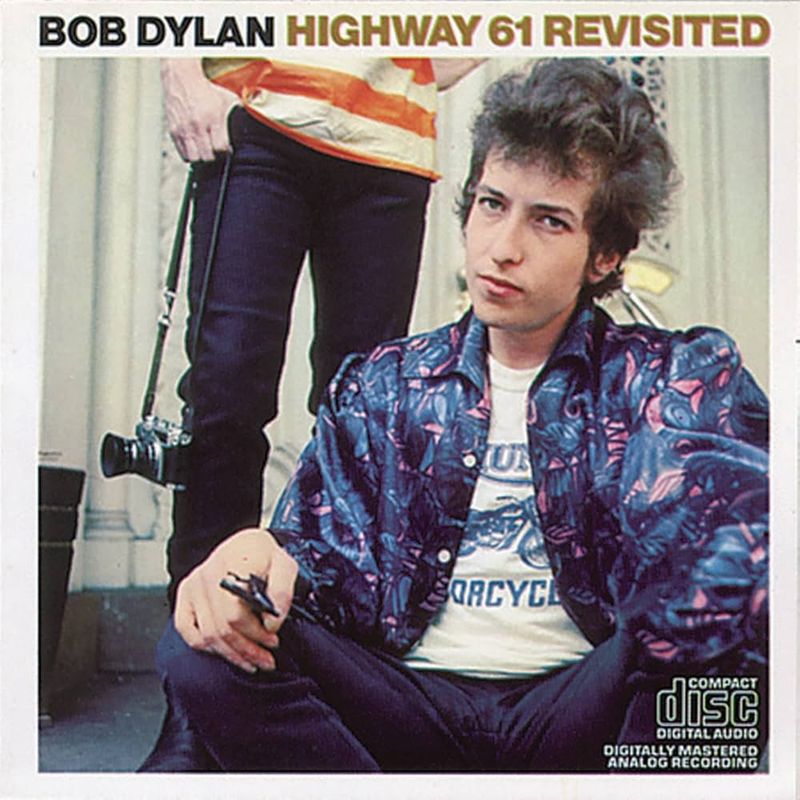
When Bob Dylan plugged in an electric guitar at the Newport Folk Festival in 1965, the crowd booed.
Then he released Highway 61 Revisited and permanently changed what a song could be. “Like a Rolling Stone” runs over six minutes and sounds like controlled chaos — and it became a massive hit anyway.
Dylan’s lyrics on this album read like surrealist poetry set to a blues-rock band playing at full volume. “Ballad of a Thin Man” drips with contempt. “Desolation Row” is an 11-minute fever dream.
Generations of musicians have tried to capture this album’s combination of intelligence and raw rock energy.
Most come close but never quite get there.
24. Kendrick Lamar — To Pimp a Butterfly (2015)
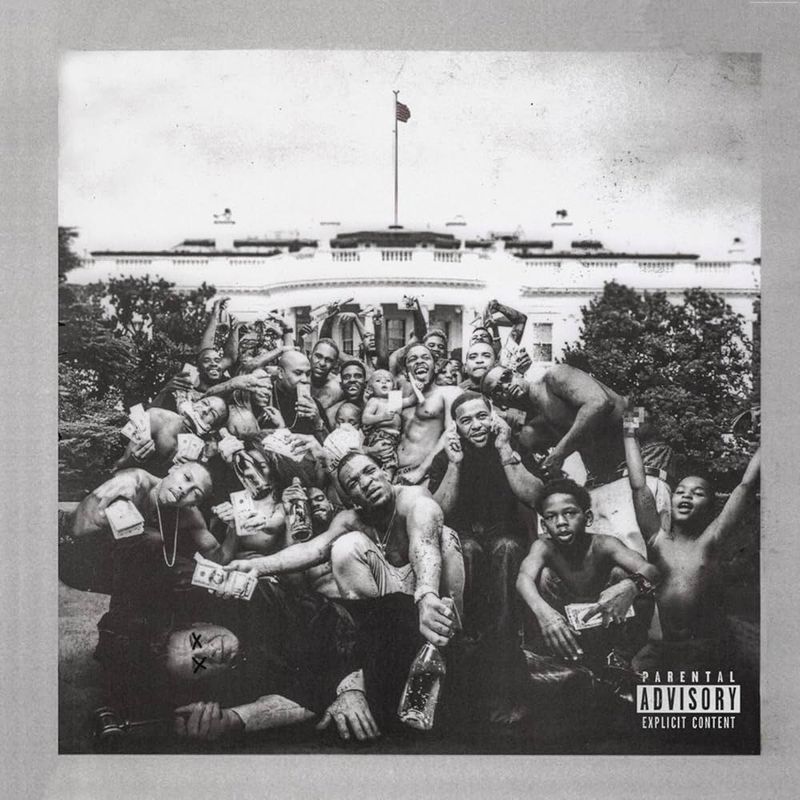
Kendrick Lamar could have followed up his breakthrough album with something safe and radio-friendly.
Instead, he made one of the most challenging, ambitious, and deeply political rap albums of the 21st century.
To Pimp a Butterfly is dense, layered, and demands your full attention.
Live instrumentation blends jazz, funk, spoken word, and soul into something that feels genuinely new. “Alright” became an anthem for the Black Lives Matter movement almost immediately.
The album tells a story that unfolds across its full runtime, rewarding listeners who stay with it from start to finish.
Every year it seems more relevant, more necessary, and more clearly the work of a generational talent at his absolute best.
25. Amy Winehouse — Back to Black (2006)
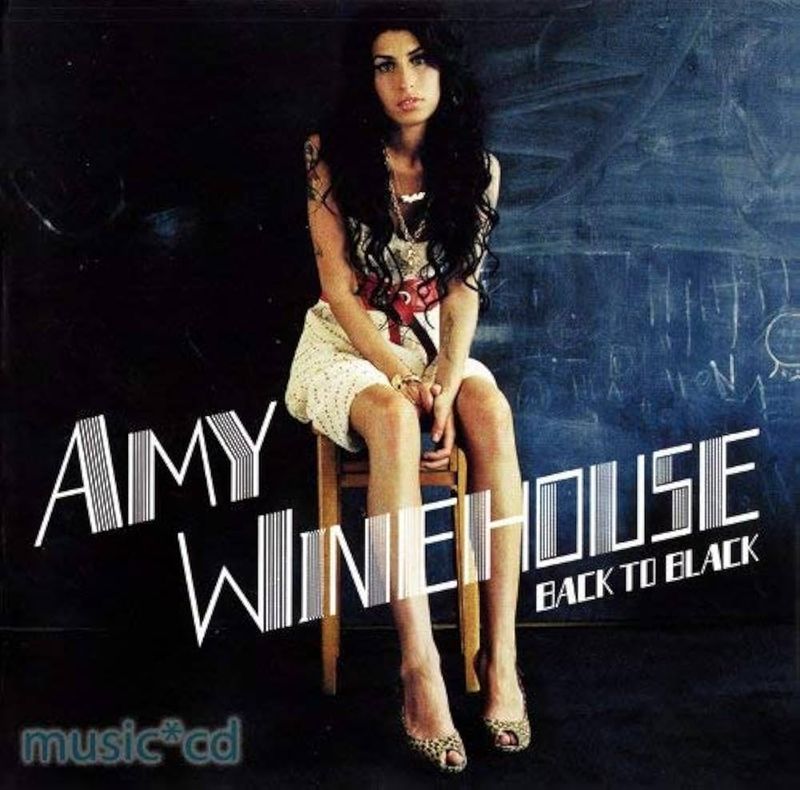
Amy Winehouse walked into the studio and made an album that sounded like it was recorded 40 years before her time.
Back to Black pulls from 1960s girl groups, classic soul, and jazz with an authenticity that no amount of production tricks could fake.
Her voice did the heavy lifting, and what a voice it was.
“Rehab” is defiant and swaggering. “Back to Black” is devastating in its simplicity.
Producer Mark Ronson and the Dap-Kings created the perfect sonic backdrop for her raw, honest writing.
Winehouse passed away in 2011 at just 27.
Every listen to this album is both a celebration of her brilliance and a reminder of how much more she had left to give.
26. Bruce Springsteen — Born to Run (1975)
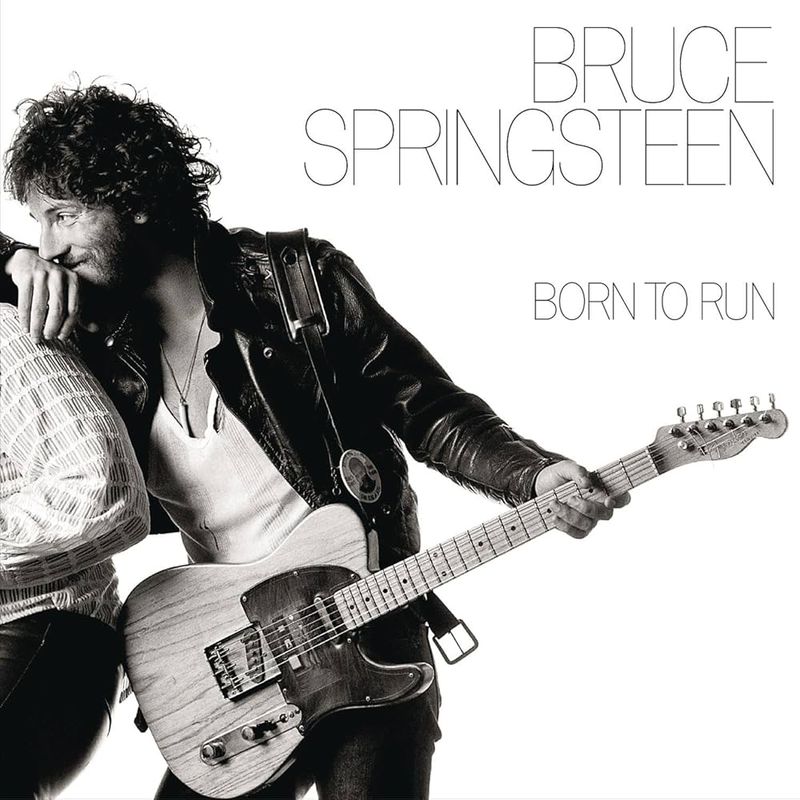
The opening piano notes of “Thunder Road” feel like the start of a road trip you never want to end.
Springsteen spent over a year crafting this album, layering sounds until every track felt like an escape plan for kids who had nothing but big dreams and a full tank of gas.
What is remarkable is how the record keeps growing with you.
At 15, it sounds like freedom.
At 35, it sounds like something you almost lost.
At 55, it sounds like a promise that still matters.
Few albums have ever aged alongside their listeners quite this honestly or beautifully.
27. Van Morrison — Astral Weeks (1968)
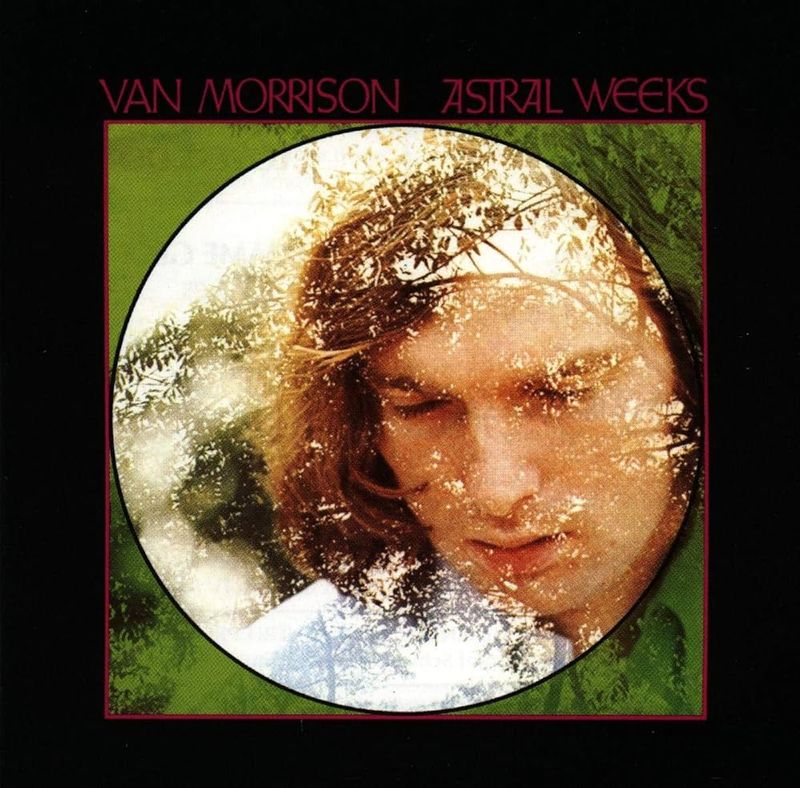
Van Morrison recorded this entire album in just two days, barely speaking to the session musicians — yet what emerged sounds like a fever dream you would happily never wake from.
The acoustic guitar, flute, and double bass weave together into something that feels less like a rock record and more like a living, breathing poem.
Decades later, critics still struggle to explain exactly what Astral Weeks truly is.
That mystery is a huge part of its magic.
Every listen pulls something new from the grooves, whether it is grief, quiet joy, or a feeling you simply cannot name.
Time has only deepened its hypnotic pull.
28. Patti Smith — Horses (1975)
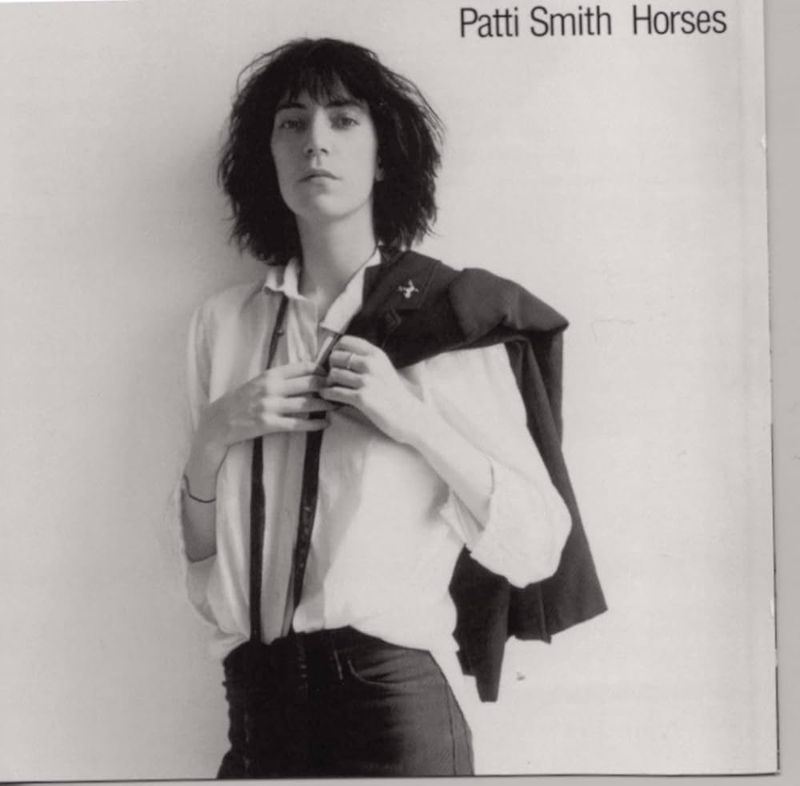
When Patti Smith opened her debut album with ‘Jesus died for somebody’s sins but not mine,’ the rock world stopped and listened.
Robert Mapplethorpe’s stark black-and-white cover photo set the tone perfectly — raw, uncompromising, and completely unlike anything else on store shelves in 1975.
Horses blurs the line between poetry and punk in a way no album before or since has managed quite as fearlessly.
Returning listeners keep catching new layers in Smith’s breathless stream-of-consciousness vocals every single time.
It remains one of the most vibrantly alive-sounding records ever made, electric with urgency, recklessness, and a restless, searching joy.