 MomSkoop
Some TV deaths hit so hard that they change everything — the story, the characters, and even how we watch the show. When a beloved character dies unexpectedly, the whole world of the series shifts in ways that can never be undone.
These moments stick with us long after the credits roll. Here are 14 television deaths that genuinely rewrote the rules of their shows.
1. Ned Stark — Game of Thrones
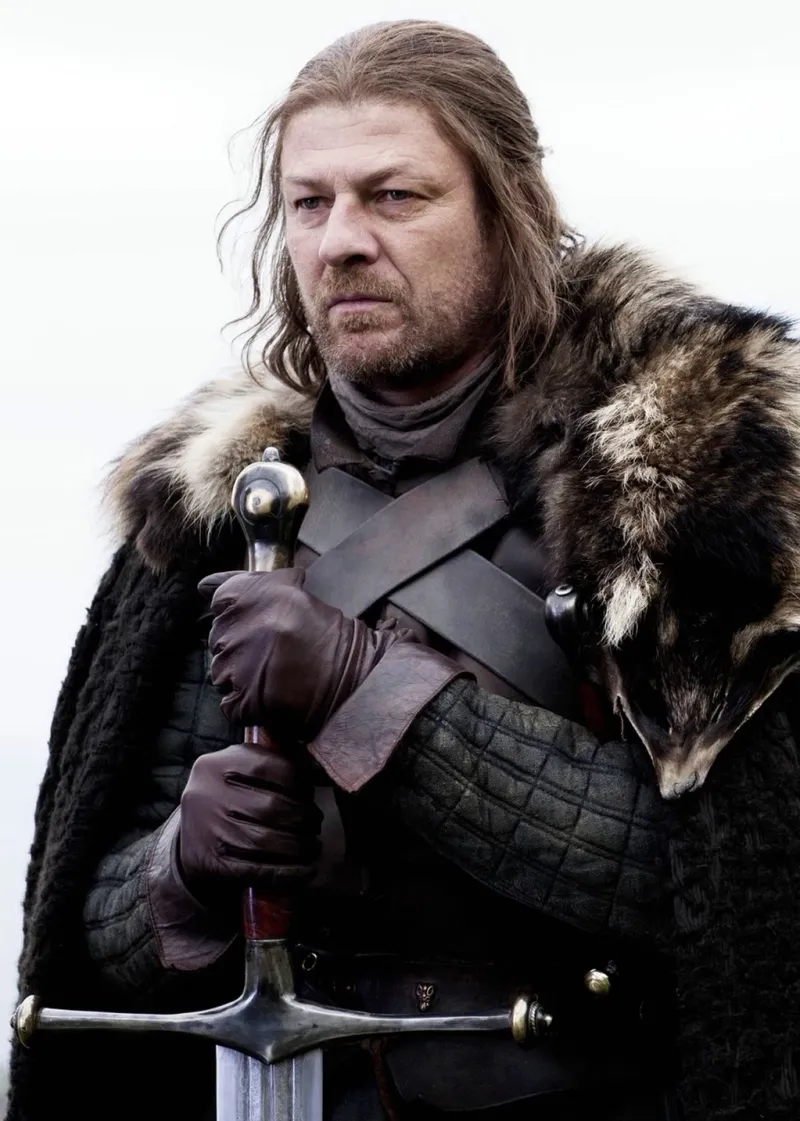
Nobody expected the hero to lose his head — but that is exactly what Game of Thrones did in its very first season.
Ned Stark was supposed to be the moral backbone of the entire story, the kind of righteous leader audiences naturally root for.
His execution was not foreshadowed with dramatic music or slow buildup.
It just happened, cold and final.
That single moment rewired how viewers watched the show from that point forward.
Trust was gone.
Safety was gone.
Every episode after felt like a ticking clock where anyone could die at any moment.
Game of Thrones became appointment television largely because of what Ned’s death proved was possible.
2. Glenn Rhee — The Walking Dead
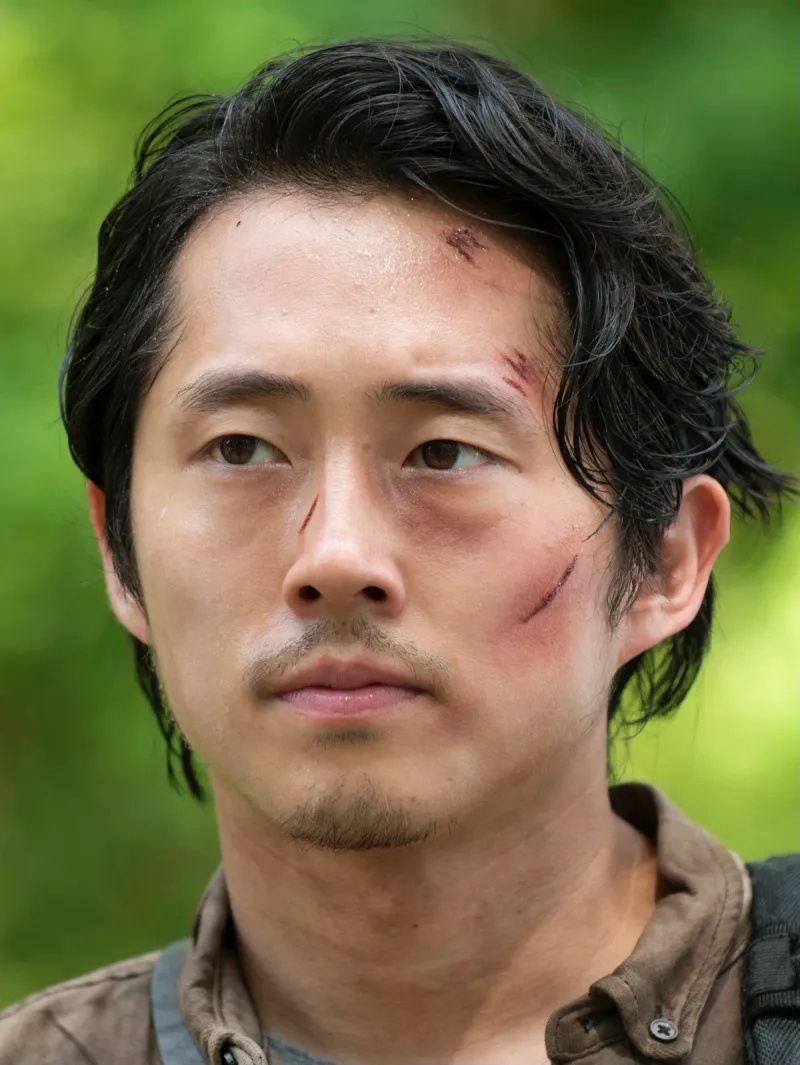
From the very first season, Glenn was the heart of The Walking Dead.
He was resourceful, loyal, and deeply human in a world that kept trying to strip all of that away.
Losing him to Negan’s barbed-wire bat was not just brutal — it was emotionally shattering in a way that lingered for seasons.
Glenn had represented something rare in that universe: the idea that good people could survive without losing themselves.
His death erased that hope completely.
Characters like Maggie and Daryl hardened noticeably afterward, and the show’s emotional register shifted from cautious optimism to something much darker and more vengeful.
The group was never quite the same family again.
3. Opie Winston — Sons of Anarchy
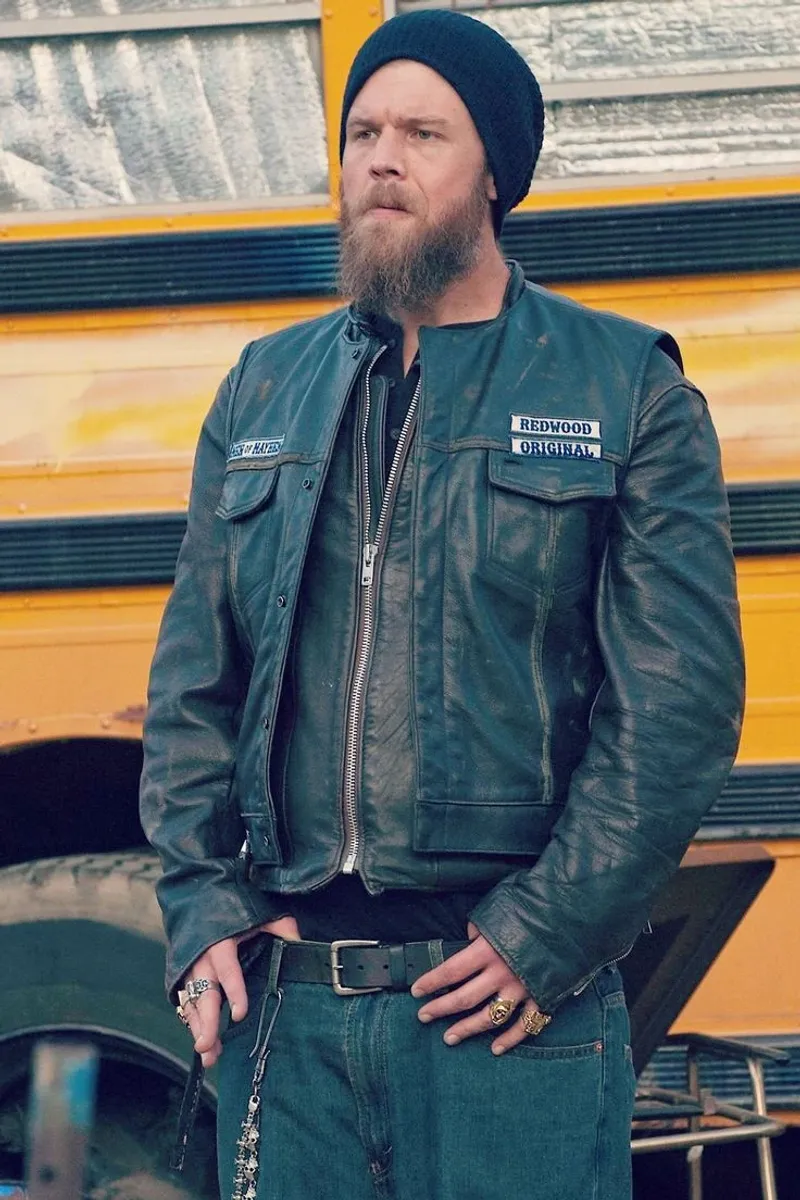
Opie Winston did not go out with glory — he went out with sacrifice, choosing to take a beating meant for Jax so his brother would survive.
That act of love in a filthy prison cell became one of the most gut-wrenching scenes Sons of Anarchy ever produced.
It was the moment the show stopped pretending redemption was coming.
Opie had been Jax’s oldest and most trusted friend, the one person who kept him tethered to something real.
Without that anchor, Jax began unraveling in ways that felt inevitable and tragic.
The series spiraled deeper into violence, betrayal, and self-destruction, charting a course toward a finale that mirrored ancient Greek tragedy more than biker drama.
4. Rita Morgan — Dexter
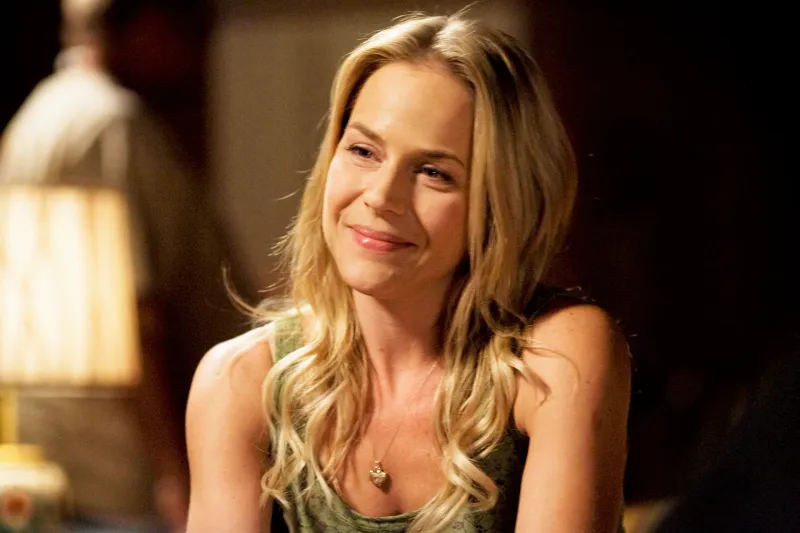
For four seasons, Rita was Dexter’s cover story — the suburban wife and mother who made him look normal.
But she was also genuinely kind, and audiences grew to care about her on her own terms.
Finding her murdered in a bathtub, with baby Harrison on the floor, was one of the most horrifying images the show ever created.
Her death collapsed the careful double life Dexter had been building.
Gone was any pretense that he could balance family and darkness.
The seasons that followed pushed him into deeper isolation, grief, and recklessness.
Rita’s absence made the show feel lonelier and more morally hollow — which was probably exactly the point the writers were going for.
5. Henry Blake — M*A*S*H
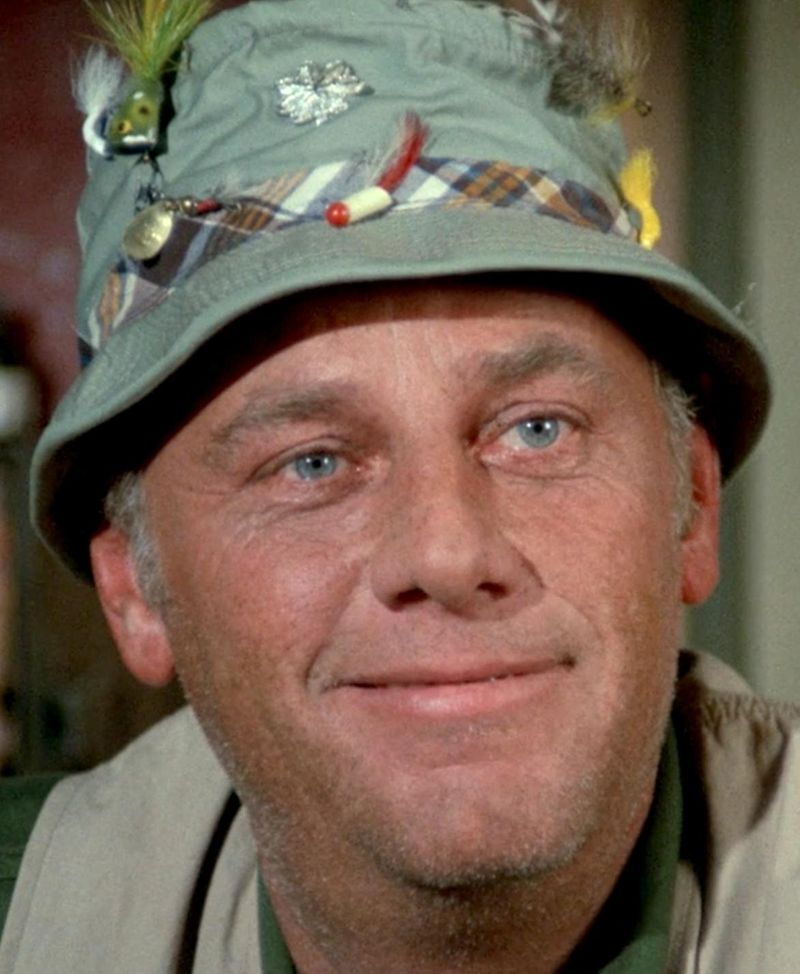
M*A*S*H was a comedy — or at least that is what audiences thought they were watching.
Colonel Henry Blake was bumbling, warm, and beloved.
When he finally got his discharge and headed home, the camp cheered.
Then Radar walked into the operating room and read a message aloud: Henry’s plane had been shot down over the Sea of Japan.
There were no survivors.
The silence that followed that announcement is still one of television’s most powerful moments.
Nobody laughed.
Nobody was supposed to.
The creative team wanted to remind viewers that this was a war, and wars do not spare the lovable ones.
M*A*S*H was never just a comedy again after that scene aired.
6. Tara Maclay — Buffy the Vampire Slayer

Tara’s death came without warning — a stray bullet, a moment of happiness shattered in an instant.
What made it so devastating was the timing: she and Willow had just reconciled, and for one brief scene, everything felt right.
Then everything fell apart in the most irreversible way imaginable.
Willow’s response transformed her into one of the most frightening villains the show had ever produced.
Dark Willow was grief weaponized, and it pushed Buffy into emotional territory far heavier than any monster-of-the-week episode could reach.
Tara’s death also sparked lasting conversations about representation in television storytelling.
Her loss meant something beyond the plot — it changed what the show was willing to say about love and consequence.
7. Will Gardner — The Good Wife
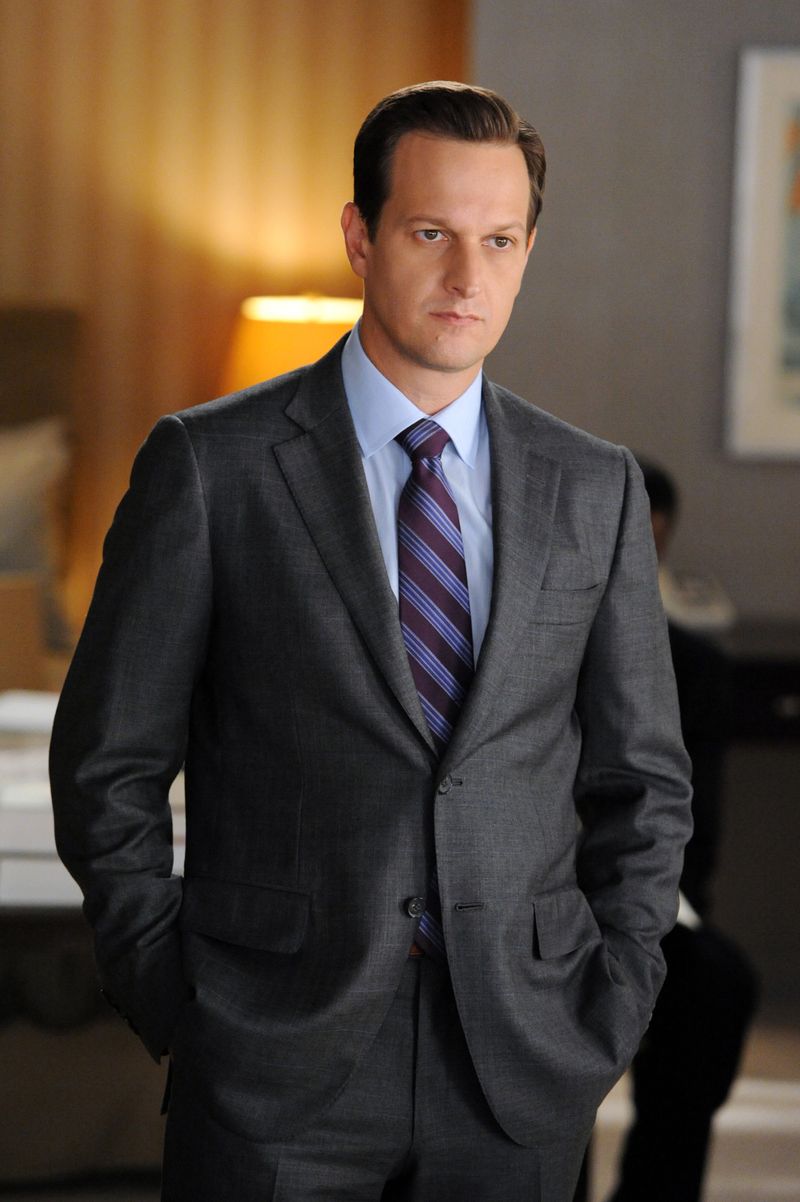
Will Gardner was shot in a courtroom during what seemed like a routine episode — no dramatic buildup, no farewell scene, no closure.
The Good Wife delivered his death with the same cold randomness that real tragedy carries, and it left viewers completely stunned.
He was not just a character; he was the emotional engine of the entire series.
Alicia had spent years caught between her marriage and her complicated feelings for Will.
His death removed that tension permanently and forced the show to reinvent itself around grief and reinvention instead of longing and possibility.
The Good Wife became a different series afterward — sharper, lonelier, and more focused on who Alicia was becoming rather than who she might have been.
8. Logan Echolls — Veronica Mars
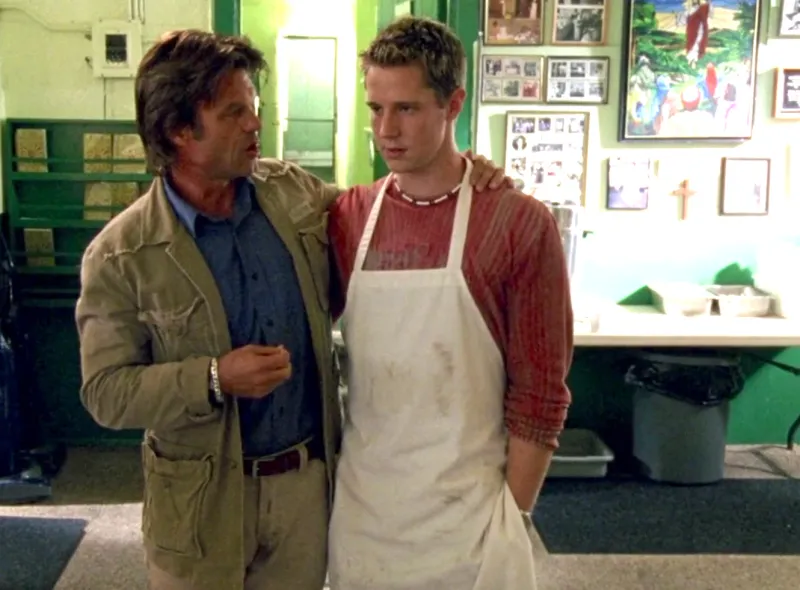
After years of on-and-off tension, Logan and Veronica finally got married in the revival season.
For fans who had followed their complicated relationship since high school, it felt like a long-overdue reward.
Then, just days after the wedding, Logan was killed in a car bomb explosion — and the finale became something else entirely.
The decision was deeply controversial.
Many viewers felt robbed of the happiness the show had been building toward.
But it also made a stark statement about Veronica as a character: her world is defined by loss, and stability may simply not be her story.
Whether that was meaningful or just painful depends entirely on who you ask, but it undeniably changed the show’s legacy.
9. Marissa Cooper — The O.C.

Marissa Cooper was messy, dramatic, and magnetic — everything that made The O.C. appointment television for its devoted fanbase.
Her death in Ryan’s arms at the end of season three, set to Imogen Heap’s haunting music, was genuinely cinematic.
It was also the moment the show began losing its identity.
The fourth season tried to move forward, but the energy was visibly different.
Marissa had been the emotional center around which most of the drama orbited, and her absence left a gap the new characters could not fill.
Ratings dropped sharply.
The series was cancelled after that season.
Her death did not just change the show — for many fans, it effectively ended it early.
10. Poussey Washington — Orange Is the New Black
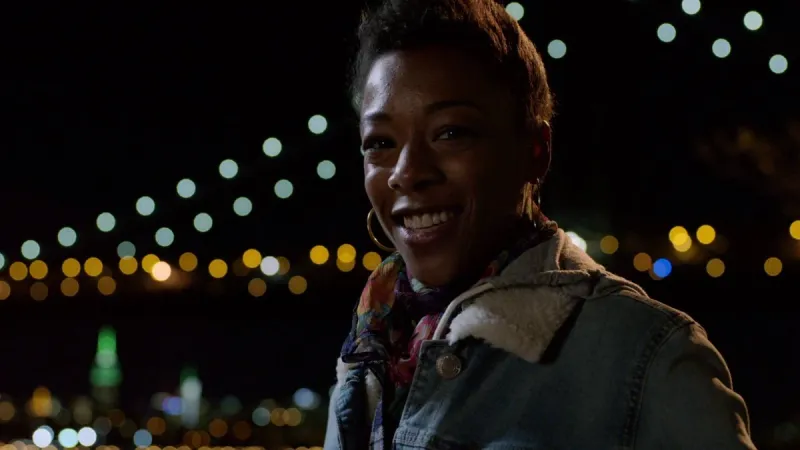
Poussey Washington was the character viewers most wanted to see make it out okay.
She was funny, deeply loving, and full of quiet dignity even inside a broken system.
Her death — pinned down by an inexperienced guard during a peaceful protest — felt like a gut punch designed to make audiences feel the weight of real injustice.
The show did not shy away from the political statement it was making.
Her death echoed real-world events in ways that were impossible to ignore.
It galvanized the other inmates and sent the series into its most overtly political storyline.
Orange Is the New Black became a sharper, angrier show after Poussey died, and many viewers argue it was also its most important chapter.
11. Charlie Pace — Lost
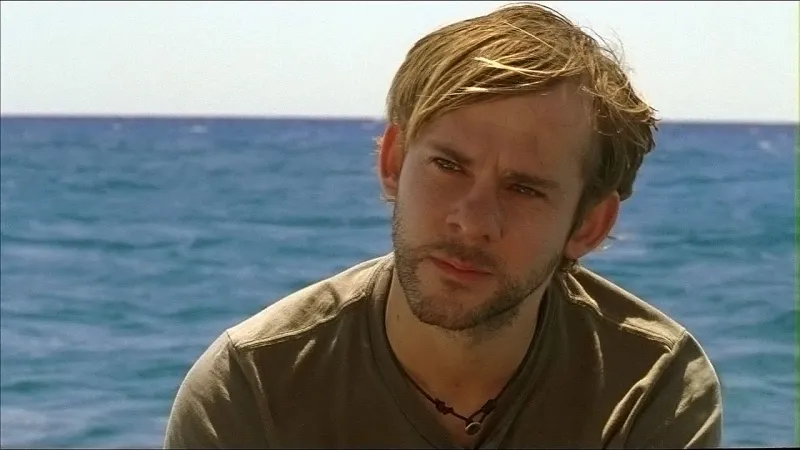
“Not Penny’s Boat.” Three words written on a hand, pressed against glass underwater, became one of Lost’s most iconic images.
Charlie Pace had started the series as a washed-up rock star with a drug problem, and he ended it as someone willing to drown so his friends could find rescue.
That arc was one of the most complete in the show’s run.
His death hit hard because it felt earned rather than random.
Every selfish choice, every moment of growth, every small act of courage had been building toward that final sacrifice.
It also raised the emotional stakes of the rescue mission considerably.
Lost had always been about transformation, and Charlie’s ending was its clearest proof that transformation was real.
12. Adriana La Cerva — The Sopranos
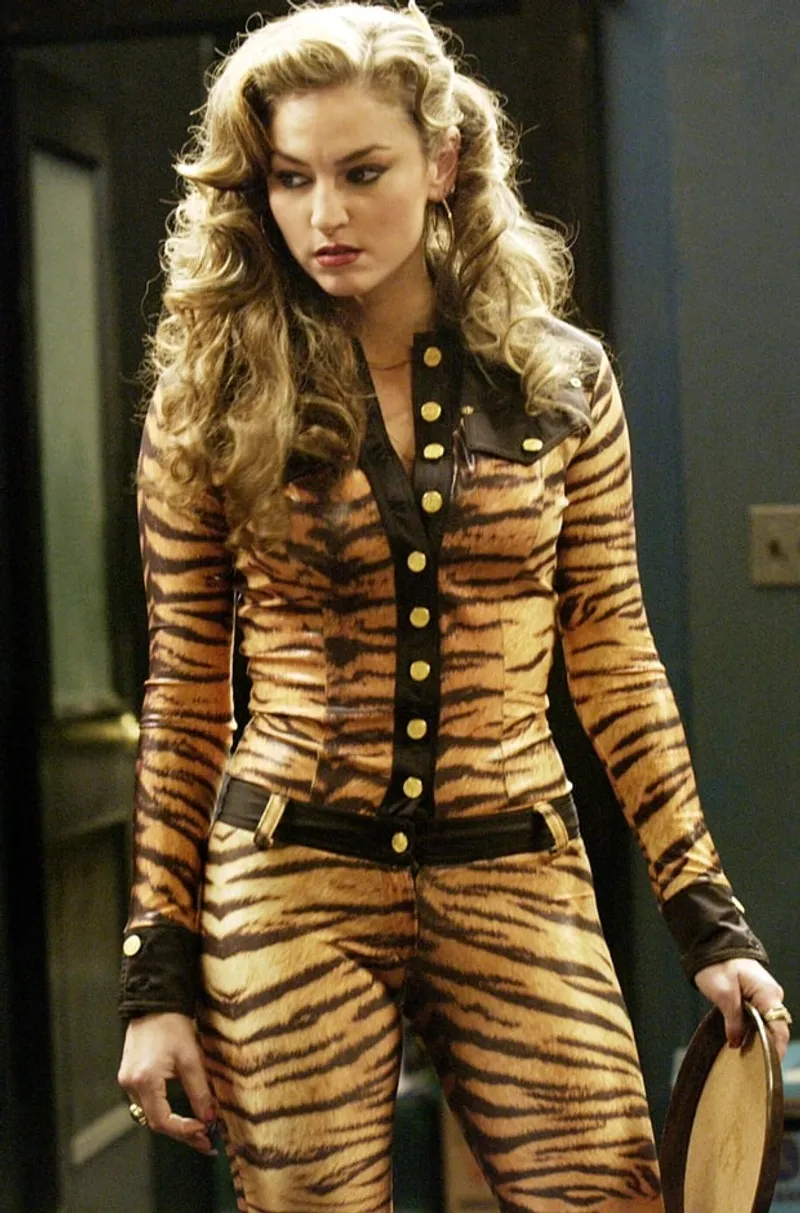
Adriana spent years trapped between the man she loved and the FBI agents who had turned her into an informant.
She was not a killer or a schemer — she was someone who had drifted into the wrong world and could not find the exit.
When Christopher told Tony what she had done, her fate was sealed almost immediately.
Her death scene, dragged through the woods on her hands and knees, remains one of the most harrowing in Sopranos history.
It was cruel precisely because she had hoped so hard for escape.
Her murder stripped away whatever romantic illusions viewers still held about mob life.
The show became even more morally suffocating afterward, which felt entirely intentional.
13. Derek Shepherd — Grey’s Anatomy
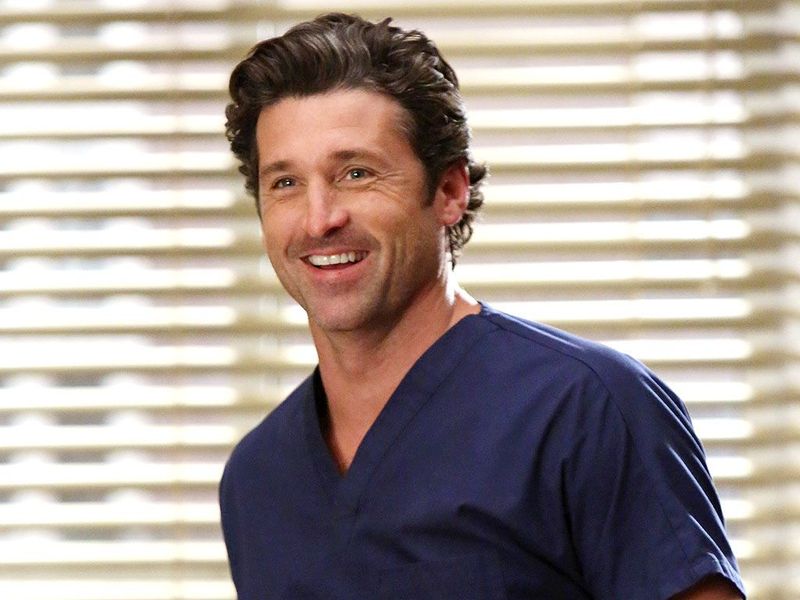
McDreamy was not supposed to die — at least, that is how millions of Grey’s Anatomy fans felt when Derek Shepherd was killed in a car accident in season eleven.
He and Meredith had been the show’s central love story since the very first episode.
Losing him was not just a plot development; it was the end of an era.
Meredith’s grief reshaped the entire series going forward.
She became a widow, a single mother, and eventually a character defined more by her own strength than by her relationship.
Grey’s Anatomy survived and even thrived after Derek’s death, but it became a meaningfully different show — one built around resilience rather than romance as its emotional foundation.
14. Shane Walsh — The Walking Dead
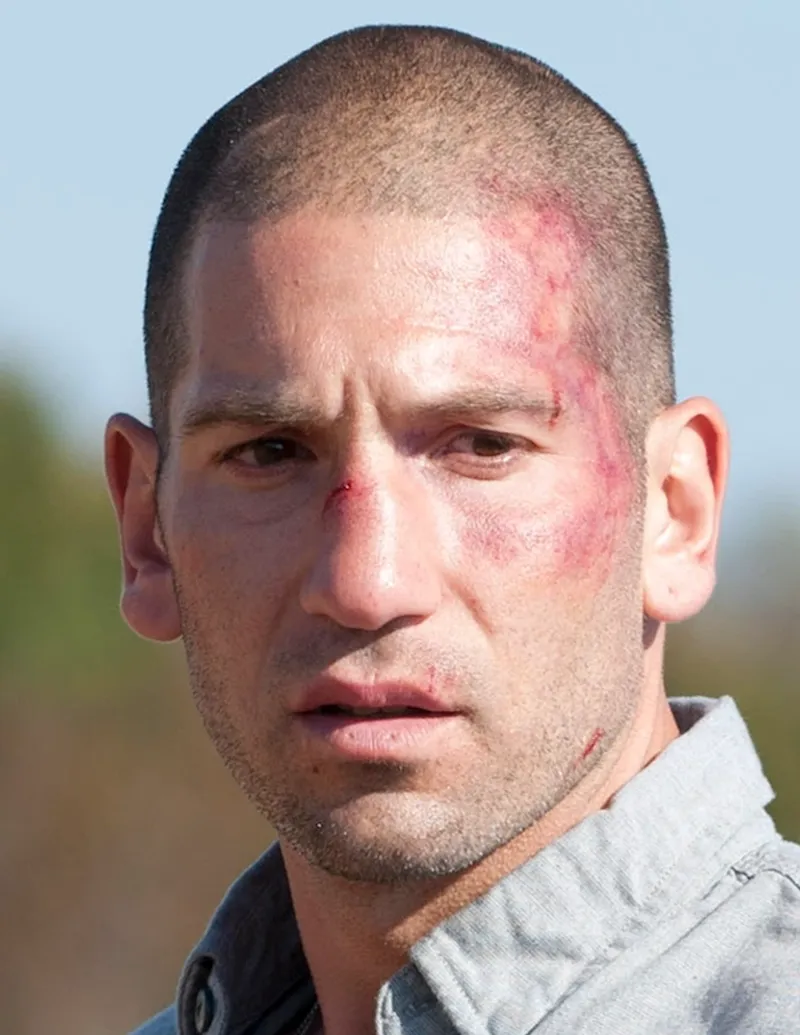
Shane and Rick had been best friends before the world ended — partners, brothers in every way that mattered.
Their slow-burning conflict over survival philosophy, loyalty, and Lori became the dramatic backbone of the show’s early seasons.
Shane believed ruthlessness was the only honest response to the apocalypse.
Rick kept insisting morality still mattered.
When Rick killed Shane, it was not a clean victory.
It was devastating and complicated, and it marked a turning point in Rick’s character arc.
He had crossed a line he could never fully uncross.
Losing Shane also meant losing the last person who remembered who Rick was before everything collapsed.
The leader who emerged afterward was harder, colder, and far more capable of difficult choices.