 MomSkoop

It might seem like Boomers and Gen Z live on totally different planets.
One grew up with rotary phones, the other with TikTok.
But when you look past the surface-level differences, these two generations actually agree on more than you’d think.
Here are 12 surprising things that bring them closer together than the headlines suggest.
1. Family Still Matters to Both Generations

Ask almost anyone what matters most in life, and “family” lands near the top of the list — no matter the birth year.
Boomers built their identities around family structures, and Gen Z, despite being labeled as independent and digital-first, consistently ranks close family bonds as a top priority in surveys.
Both generations show up for loved ones during tough times, celebrate milestones together, and feel the weight of family responsibility.
The way they show love might look different, but the core feeling is the same.
Strong family ties remain one of the most powerful bridges between these two generations.
2. Owning a Home Is Still a Major Life Goal
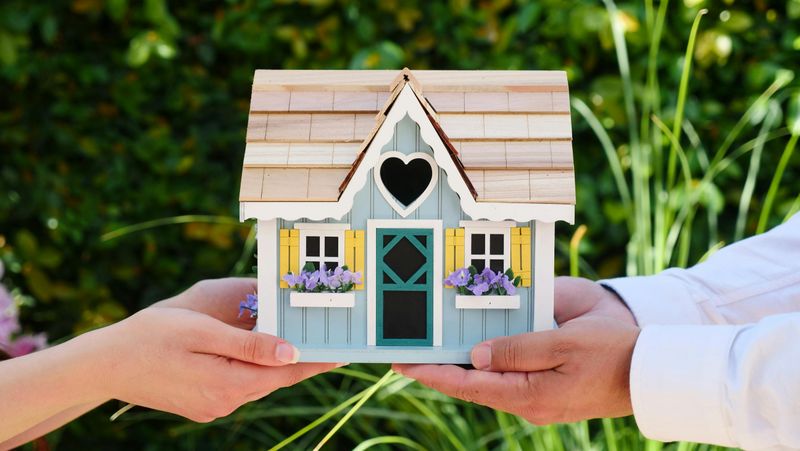
Homeownership has long been the cornerstone of the American Dream for Boomers — a sign of stability, success, and putting down roots.
Surprisingly, Gen Z feels the same pull.
Recent surveys show that younger adults increasingly list owning a home as one of their biggest life goals, even while facing sky-high prices and student debt.
The path looks harder for Gen Z, but the destination is the same.
Both generations see a home as more than just four walls — it represents security, independence, and a place to build a future.
That shared aspiration is more powerful than any generational divide.
3. Pets Make Everyday Life So Much Better

Few things in life spark as much universal joy as a wagging tail or a purring cat curled up in your lap.
Boomers have long kept pets as loyal companions and household members.
Gen Z?
They’ve taken it further, calling their animals “fur babies” and celebrating them on social media with their own accounts.
The terminology might be different, but the love is identical.
Studies consistently show that pet ownership improves mental health, reduces stress, and increases feelings of connection across all age groups.
Whether it is a golden retriever or a rescue cat, both generations agree — life is simply better with animals around.
4. Hard Work Is Worth It — Both Generations Believe This

Boomers are often celebrated as the gold standard of work ethic — clock in early, stay late, and earn your way up.
Gen Z gets labeled as entitled or lazy, but that reputation is not exactly fair.
Research shows that younger workers deeply value meaningful careers, financial stability, and the sense of pride that comes from doing good work.
The difference lies more in the “how” than the “why.” Gen Z may push for better work-life balance and remote options, but the drive to succeed and build something real?
That ambition runs just as strong.
Hard work, it turns out, never goes out of style.
5. Financial Security Is a Shared Obsession

Money stress does not discriminate by age.
Boomers spent decades building savings, investing in retirement accounts, and avoiding unnecessary debt.
Gen Z entered adulthood during economic uncertainty, rising costs, and a post-pandemic world — and they are paying close attention to their finances because of it.
Both generations share a deep desire to avoid financial chaos and build long-term stability.
Gen Z is actually one of the most financially aware younger generations in recent history, with many starting to save and invest earlier than Millennials did.
The tools look different, but the goal — security and peace of mind — is exactly the same.
6. Education Should Actually Prepare You for Real Life

Here is something both generations quietly agree on: spending years in school should actually lead somewhere.
Boomers valued education as a direct path to a stable career, and many still hold that belief firmly.
Gen Z, meanwhile, is increasingly vocal about wanting education that translates into real-world skills, job opportunities, and practical knowledge.
While opinions on the value of a four-year college degree have shifted, the core expectation remains unchanged — education should prepare people for life, not just fill seats.
Both generations are skeptical of systems that cost a lot and deliver little.
That shared frustration is a conversation worth having.
7. Being Authentic Beats Keeping Up Appearances

Long before “be yourself” became a social media caption, Boomers were pushing back against the stiff, image-obsessed culture of their parents’ era.
They valued authenticity, straight talk, and cutting through the noise.
Gen Z has carried that same energy forward — loudly.
This generation is known for calling out fake personas, rejecting airbrushed perfection, and demanding honesty from brands, leaders, and each other.
At their core, both groups are drawn to people who say what they mean and mean what they say.
Real over polished.
Honest over perfect.
That shared value of keeping it genuine is quietly one of the strongest threads connecting these two generations.
8. Community Gives Life a Deeper Meaning
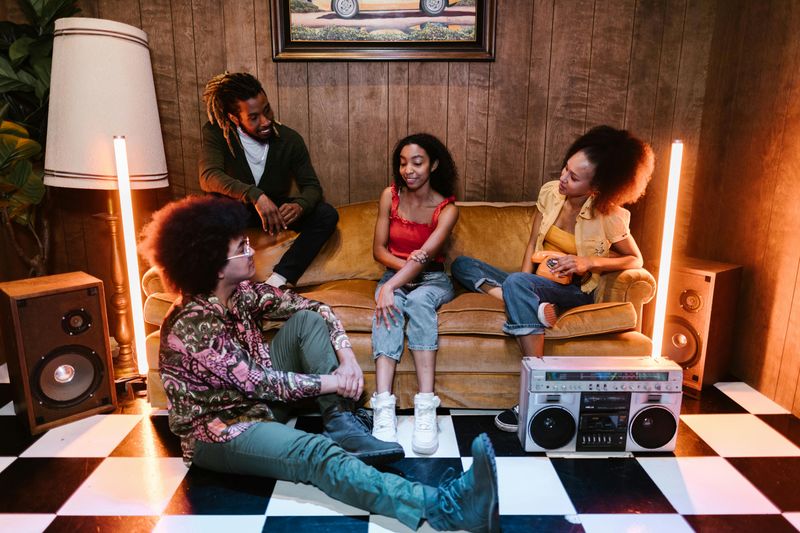
Belonging to something bigger than yourself — that feeling never gets old.
Boomers found community through neighborhoods, churches, civic groups, and local organizations.
Gen Z builds community too, just sometimes through Discord servers, online fandoms, local activism, or neighborhood initiatives.
The platform changes, but the human need stays constant.
Both generations genuinely want to feel connected, supported, and part of a group that shares their values.
Loneliness is a real issue across all ages, and both Boomers and Gen Z recognize that strong communities are part of the solution.
When people come together with purpose, age becomes just a number.
9. Big Global Problems Deserve Real Solutions
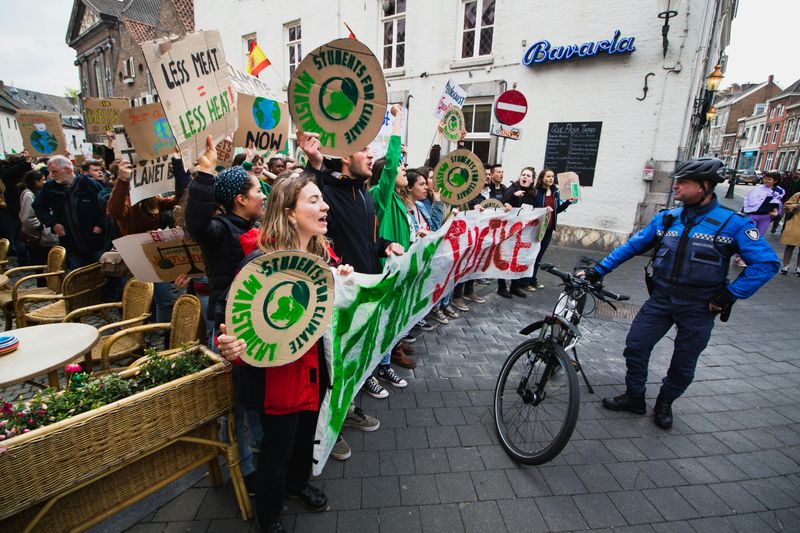
Climate change, economic inequality, rising costs, social instability — these are not just Gen Z talking points.
Boomers have watched these issues grow over decades and many feel just as urgently about them.
The generational debate often focuses on who caused the problems, but underneath that tension is a shared desire to actually fix things.
Polls consistently show that people across age groups want real action, not just speeches.
Both generations are frustrated by slow progress and political gridlock.
When the noise dies down, Boomers and Gen Z often want the same outcomes — a stable, fair, and livable world for everyone who comes next.
10. Technology Should Help Us — Not Control Us

Boomers grew up watching technology evolve from black-and-white televisions to smartphones, and many have worried about overuse for years.
What is interesting is that Gen Z — the most digitally native generation in history — is now saying the same thing.
Screen time anxiety, social media burnout, and the pressure to always be online are real struggles that younger people openly talk about.
Both generations, from very different starting points, have landed on a similar conclusion: technology is a powerful tool, but it works best when humans stay in charge of it.
Balance, it turns out, is something every generation has to figure out for itself.
11. Long-Term Relationships Are Still Worth Pursuing

Despite the rise of dating apps and the “situationship” era, Gen Z still wants lasting, committed relationships.
Research shows that younger adults hold surprisingly traditional views when it comes to long-term partnership, loyalty, and building a life with someone they trust.
Boomers, who often married young and stayed committed through decades of change, would likely nod in agreement.
The journey to finding that person looks wildly different today — swiping right instead of meeting at a dance.
But the destination most people are heading toward?
A real, meaningful, lasting connection.
That desire for something solid and true crosses every generational line without hesitation.
12. Mutual Respect Between Generations Actually Matters

Behind every meme mocking Boomers and every eye-roll at Gen Z, there is something both groups actually want — to be understood and respected.
Generational conflict makes for great headlines, but most real people, when you sit them down and talk, are not interested in constant war with the generation before or after them.
Studies show that when people across age groups actually interact — at work, in families, in communities — respect tends to grow naturally.
Shared experiences build empathy faster than any debate ever could.
Choosing curiosity over judgment is a small but powerful shift that both Boomers and Gen Z are more than capable of making.