 MomSkoop

The way we grow up often leaves lasting impressions that shape our habits, attitudes, and everyday decisions. For people who spent their childhoods in financially struggling households, certain behaviors can stick around long after their circumstances improve.
From being exceptionally resourceful to thinking twice before making even small purchases, these habits aren’t always obvious—but they can reveal a great deal about someone’s upbringing. If someone consistently does these 12 things, there’s a good chance they grew up without much money.
1. They Rarely Waste Food

Ask someone who grew up without much money how they feel about throwing away food, and you’ll likely see a visible flinch.
Wasting food isn’t just careless to them — it feels almost painful.
Leftovers get saved religiously, wilting vegetables become soup, and bread crusts never hit the trash.
Meals get stretched creatively, and portion sizes are always thoughtful.
This habit runs so deep that even a comfortable lifestyle doesn’t erase it.
For many people, a full fridge still feels like something to protect, not take for granted.
Food was once too precious to waste, and that lesson never fades.
2. They Hold Onto Things Just in Case

That drawer stuffed with rubber bands, twist ties, old containers, and mystery screws?
There’s a very good reason it exists.
People who grew up with little learned early that getting rid of something useful was a risk they couldn’t afford.
So everything got saved — just in case.
Old yogurt tubs become storage.
Plastic bags get folded neatly for reuse.
Even worn-out tools stay on the shelf because replacing them costs money.
This isn’t hoarding — it’s deeply practical thinking born from necessity.
The mindset says: hold onto what you have, because you never know when you’ll need it again.
3. Spending on Themselves Feels Uncomfortable

Buying something purely for personal enjoyment can trigger a surprising wave of guilt for people who grew up without much.
Even when they’ve worked hard and earned enough, spending on themselves feels almost selfish.
There’s a quiet voice that asks, “Do you really need this?”
New clothes, a spa day, or even a fancy coffee can feel indulgent in a way that’s hard to shake.
This discomfort isn’t about being cheap — it’s about a childhood where needs always came before wants.
Learning to treat yourself without guilt is actually one of the harder emotional hurdles that comes with this background.
4. Hunting for the Best Deal Is Second Nature

Some people browse stores for fun.
Others are on a mission.
For someone raised with tight finances, paying full price feels almost like a personal failure.
Coupons, price comparisons, clearance racks, and loyalty programs aren’t optional extras — they’re standard operating procedure.
Even with a bigger paycheck, the thrill of finding a great deal never really goes away.
Did you know that habitual deal-seekers often save significantly more over a lifetime than average spenders?
What started as survival became smart strategy.
The habit of asking “Can I get this cheaper?” is hardwired, and honestly, it’s one worth keeping forever.
5. Small Financial Security Brings Deep Relief
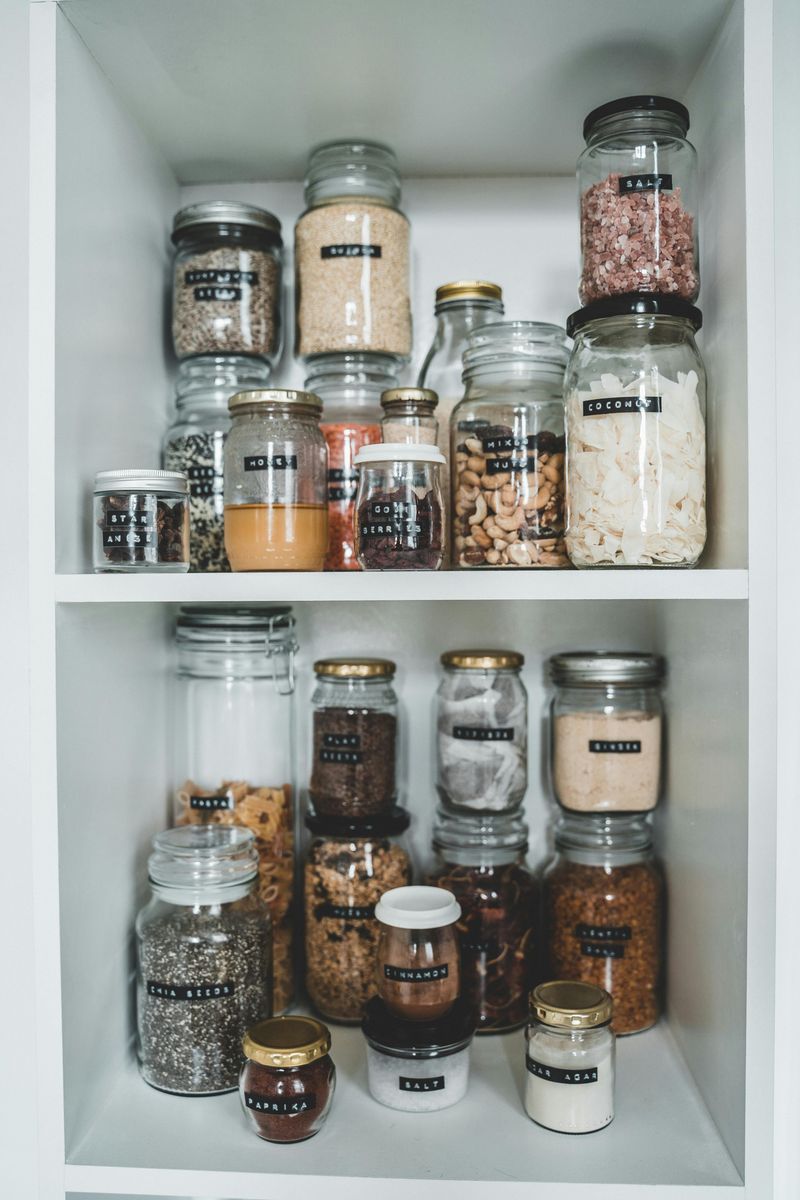
For most people, a full pantry is just convenient.
For someone who grew up without enough, it’s something much bigger — it’s safety.
Having extra canned goods, a small savings cushion, or a backup supply of essentials creates a feeling of calm that’s hard to fully explain to others.
Financial uncertainty in childhood leaves a lasting emotional imprint.
Even modest security — like knowing rent is covered two months ahead — can feel genuinely life-changing.
This appreciation for small stability isn’t anxiety; it’s wisdom.
They know exactly how fast things can shift, so every little buffer feels like a victory worth protecting.
6. Fixing Things Before Replacing Them

There’s something quietly powerful about a person who reaches for a needle and thread before heading to a store.
Growing up without much money means learning that broken doesn’t always mean done.
Clothes get patched, appliances get repaired, and furniture gets a second — or third — life.
This repair-first instinct goes against today’s throwaway culture, but it’s genuinely practical.
Fixing things saves money, reduces waste, and builds real problem-solving skills.
Many people raised this way become surprisingly resourceful adults who can troubleshoot almost anything.
The idea of tossing something just because it’s slightly broken feels almost wasteful — because it absolutely is.
7. Emergency Funds Are Always a Priority

When unexpected bills once meant real crisis, the lesson sticks hard: always have something set aside.
People who grew up with financial instability tend to prioritize emergency savings above almost everything else.
It’s not paranoia — it’s pattern recognition from lived experience.
A broken car, a medical bill, or a sudden job loss can spiral quickly without a financial cushion.
So they save consistently, often before spending on anything else.
This habit, while sometimes mistaken for being overly cautious, is actually one of the smartest financial behaviors a person can have.
That rainy-day fund isn’t just money — it’s peace of mind.
8. Flashy or Wasteful Spending Feels Wrong

Excess has never felt comfortable to someone who once counted every dollar.
Watching people spend lavishly on things that seem unnecessary can feel genuinely unsettling — even a little irresponsible.
It’s not jealousy; it’s a gut reaction shaped by years of making do with less.
Luxury for its own sake often feels hollow rather than impressive.
Someone raised without much tends to value function over flash, usefulness over status.
This perspective keeps them grounded in ways others might not fully appreciate.
While the world sometimes equates spending with success, they quietly understand that real security looks nothing like a flashy price tag.
9. Financial Independence Means Everything to Them

Relying on someone else for money — even family — can feel deeply uncomfortable for people who grew up without financial stability.
Independence isn’t just a preference; it’s almost a core identity.
Knowing they can fully support themselves brings a sense of dignity that’s hard to replace.
This drive often pushes them to work harder, save smarter, and avoid financial dependence at almost any cost.
They remember what it felt like to have no options, and they work tirelessly to ensure that feeling never returns.
Financial self-sufficiency, for them, isn’t just about money — it’s about freedom, security, and the right to choose their own path.
10. Everyday Comforts Are Never Taken for Granted

A warm home, a reliable car, a full plate of food — these things might sound ordinary, but to someone who once went without, they feel like genuine gifts.
Gratitude for the basics runs deep when you’ve experienced life without them.
Nothing about stable housing or consistent meals feels boring or unremarkable.
This grounded appreciation often makes people from humble backgrounds some of the most genuinely thankful people you’ll ever meet.
They don’t need extravagance to feel happy — they already know the real value of simple comforts.
That quiet thankfulness shapes how they live, give, and treat the people around them.
11. They Know Exactly How Much Everything Costs

Ask someone who grew up with little money what a gallon of milk costs, and they’ll tell you without missing a beat.
Growing up tight on cash means you learned early that every dollar counts — so you paid close attention.
Prices weren’t just numbers on a shelf; they were decisions.
That mental price-tracking habit sticks around long into adulthood.
Even when money is less of a worry, they still notice when something jumps in price or when a store is overcharging.
It’s not anxiety — it’s a sharp awareness that was built out of necessity and never really faded away.
12. Generic Brands Always Get a Second Look
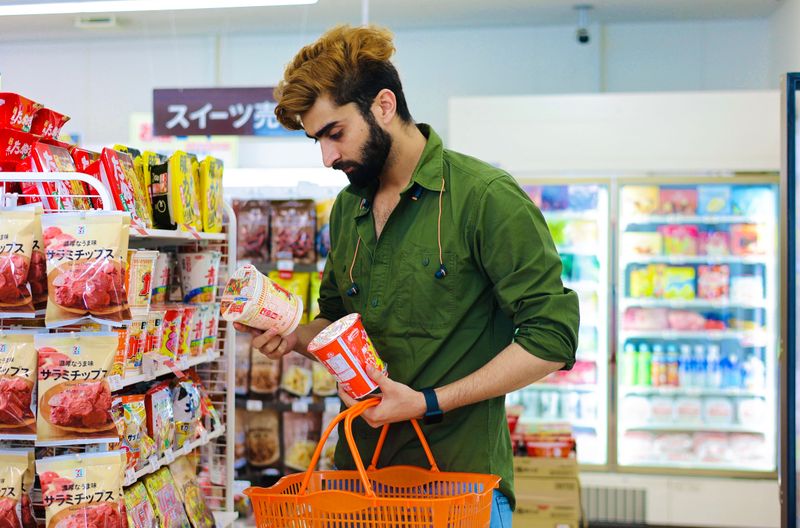
There’s something almost automatic about reaching for the store-brand version of a product.
People who grew up without much money learned early that the name on the label rarely justifies the extra cost.
Cereal is cereal.
Pain reliever works whether it costs two dollars or eight.
That habit of choosing generic over brand-name tends to stick well into adulthood.
Even with a steady paycheck, the idea of paying more just for a logo still feels unnecessary — maybe even a little foolish.
It becomes less about being cheap and more about being genuinely smart with what you have.