 MomSkoop
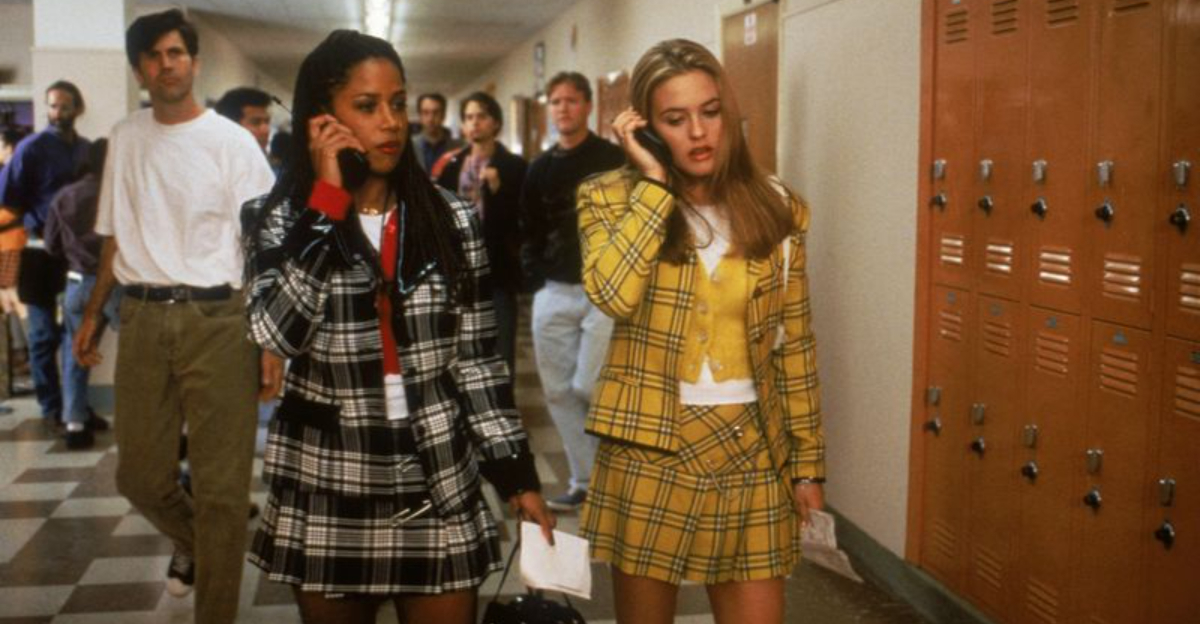
Movies do more than tell stories — they shape the way we dress. From iconic little black dresses to bold pink outfits, films have inspired countless fashion trends that people still follow today.
Some costumes became so famous that they changed what people wore on the streets, in schools, and even on runways. Get ready to explore the most stylish moments in movie history and the fashion waves they created.
1. Breakfast at Tiffany’s (1961)
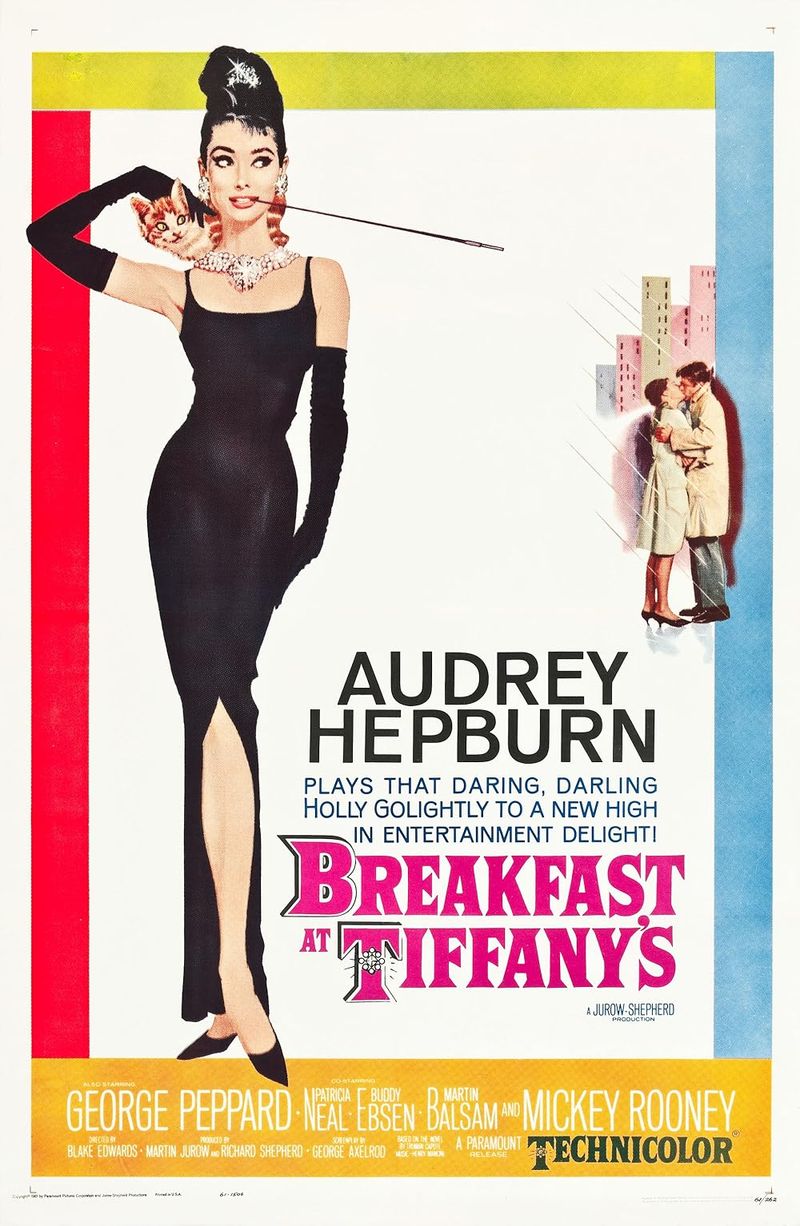
Few garments in history have carried as much power as the black dress Audrey Hepburn wore in the opening scene of Breakfast at Tiffany’s.
Designed by French couturier Hubert de Givenchy, that single outfit transformed the little black dress from a simple wardrobe staple into a global fashion symbol.
Hepburn played Holly Golightly, a quirky New York socialite whose effortless elegance made millions of women rethink their closets.
The pearl necklace, oversized sunglasses, and sleek updo completed a look that still appears on mood boards today.
That dress sold at auction in 2006 for nearly $1 million — proof of just how deeply one movie moment can echo through decades of style.
2. Bonnie and Clyde (1967)
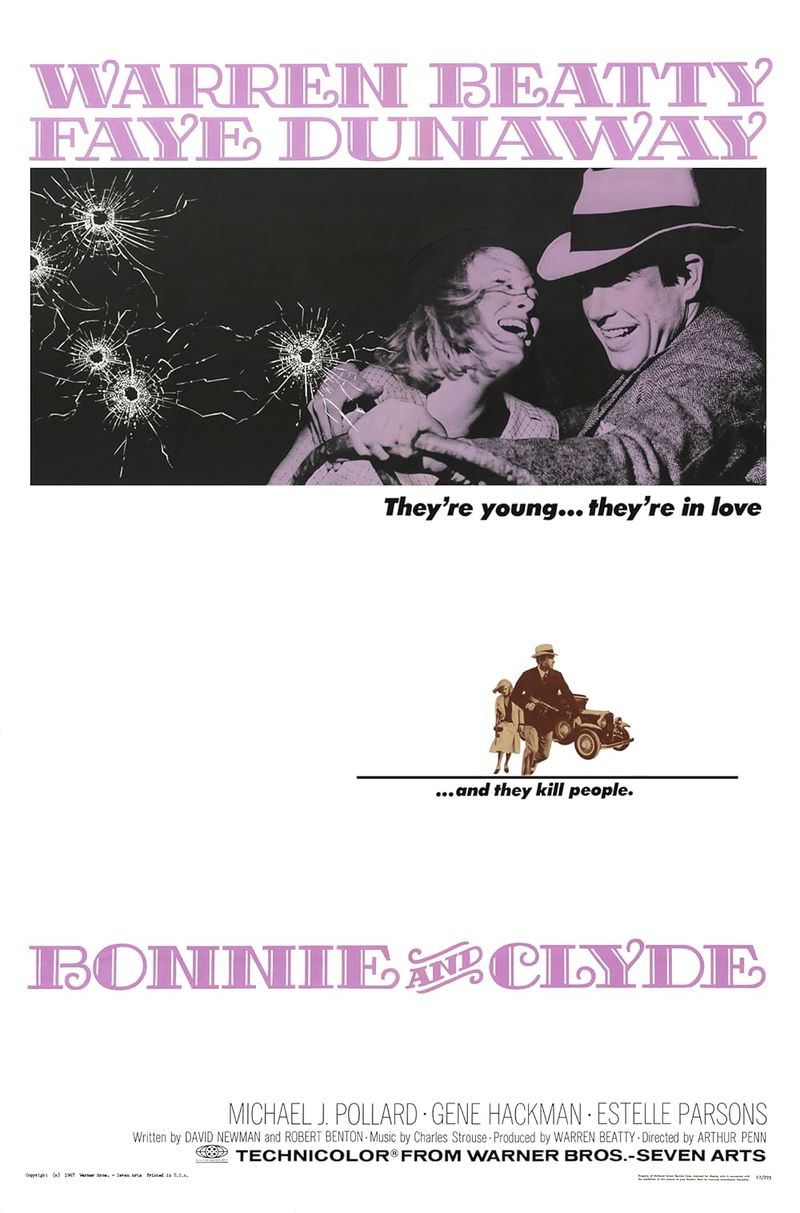
There is something undeniably magnetic about a pair of bank robbers who also happen to be incredibly well-dressed.
Bonnie and Clyde brought 1930s-inspired fashion back into the spotlight, sparking a retro trend that swept boutiques and runways across the late 1960s.
Faye Dunaway’s costumes — tailored midi skirts, fitted sweaters, and that now-legendary beret — were designed by Theadora Van Runkle, who had never designed for film before.
The result was a wardrobe that felt both historically rooted and daringly modern for 1967 audiences.
Berets sold out in stores almost immediately after the film’s release, showing how quickly a single movie can rewrite what is considered fashionable.
3. Saturday Night Fever (1977)
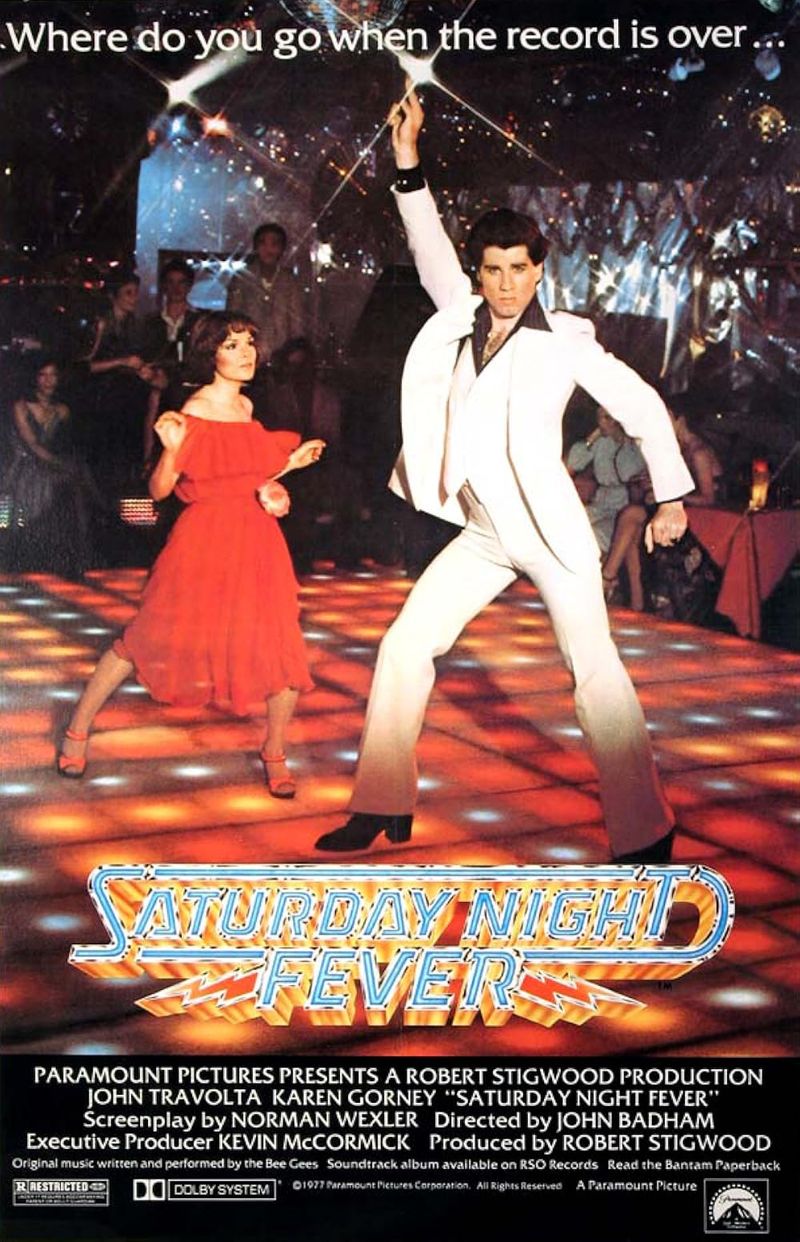
John Travolta’s white polyester suit in Saturday Night Fever did not just define disco — it became one of the most recognized outfits in cinema history.
The film captured the electric energy of 1970s Brooklyn nightlife, and the fashion reflected every bit of that boldness.
Wide lapels, flared trousers, and platform shoes flooded stores almost overnight.
Designers who had previously ignored disco culture suddenly began catering to it after the film’s massive box office success.
That original white suit was auctioned off for $145,000 in 1995, proving its legendary status.
Saturday Night Fever showed the world that men’s fashion could be just as theatrical, expressive, and unapologetically fun as any runway show.
4. Annie Hall (1977)
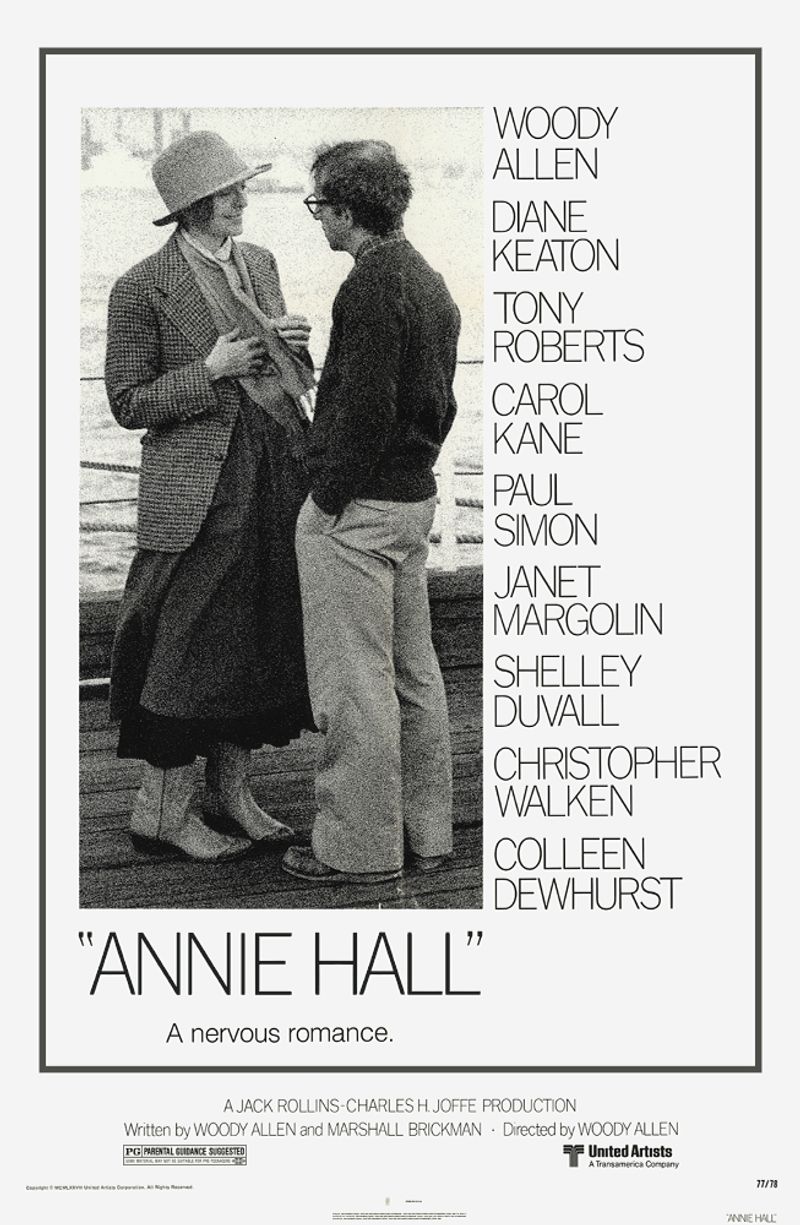
Woody Allen’s romantic comedy Annie Hall gave Diane Keaton a character whose wardrobe broke nearly every fashion rule of the time — and made it look absolutely brilliant.
Keaton worked closely with costume designer Ruth Morley to build a look that was entirely her own: oversized blazers, neckties, vests, and wide-leg trousers borrowed from the men’s department.
Almost immediately, women across America began shopping in menswear sections for inspiration.
The androgynous aesthetic felt fresh, confident, and completely different from the body-conscious styles dominating the 1970s.
Fashion historians often credit Annie Hall with launching a long-lasting trend in gender-neutral dressing that continues to influence designers today.
Sometimes breaking the rules is exactly how a new standard gets set.
5. American Gigolo (1980)
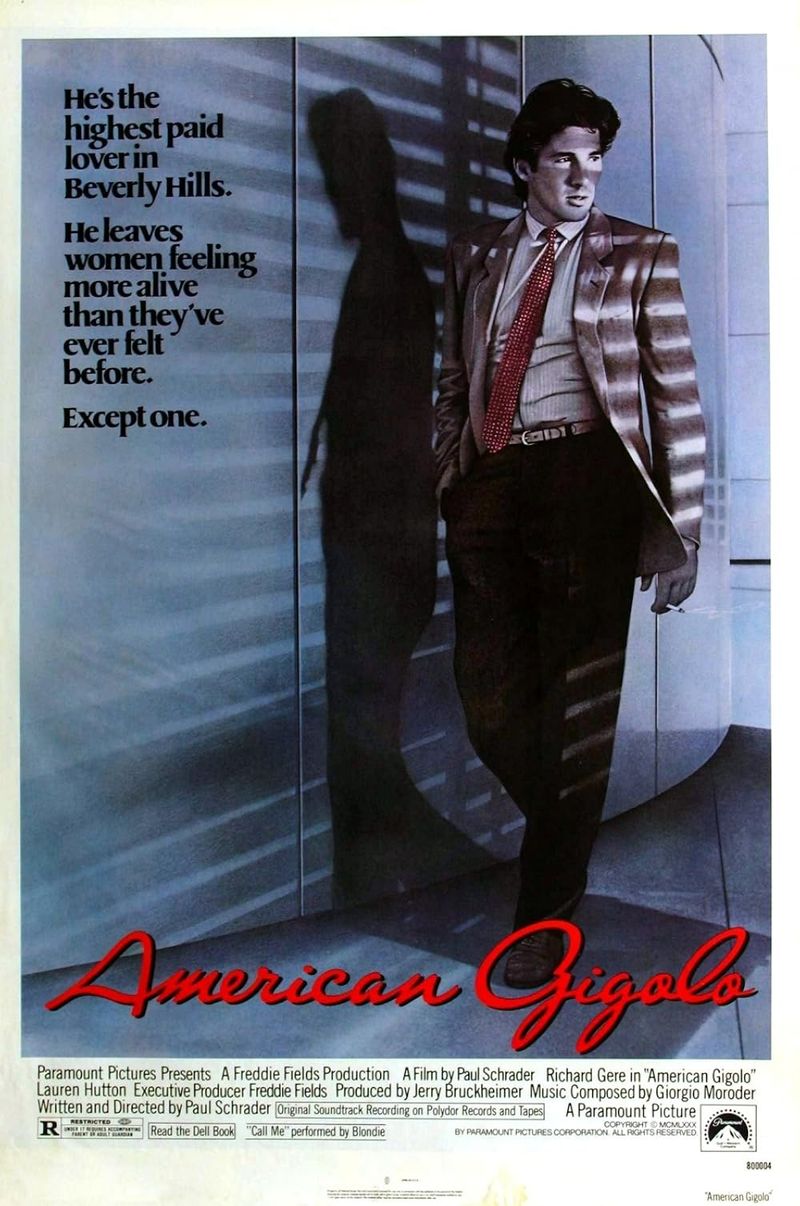
Before American Gigolo hit theaters, men’s suits were stiff, heavily structured, and almost uniform in appearance.
Then Richard Gere walked onto the screen wearing Giorgio Armani, and everything changed.
The film essentially served as a 106-minute Armani advertisement — though one of the most effective in fashion history.
Armani’s unstructured blazers, soft-shouldered jackets, and relaxed tailoring gave men permission to dress with elegance without feeling restricted.
The look was sophisticated but breathable, polished but effortless.
Sales for Armani skyrocketed after the film’s release, and the brand’s reputation in America was cemented almost overnight.
American Gigolo proved that men’s fashion could be just as aspirational and emotionally charged as women’s couture.
6. Flashdance (1983)
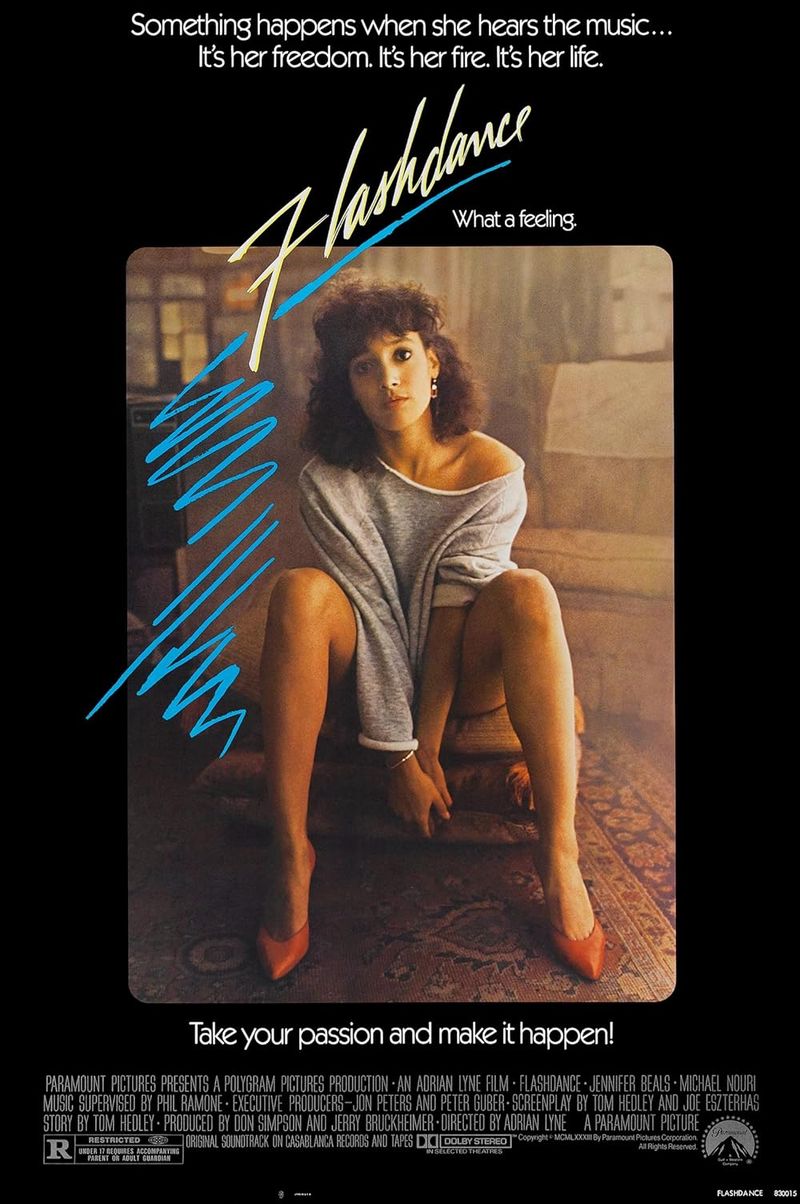
What a feeling!
Flashdance did not just inspire people to dance — it convinced an entire generation to cut the necks off their sweatshirts.
Jennifer Beals’ character Alex wore athletic, deconstructed clothing that blurred the line between dancewear and everyday fashion in a way no film had done before.
The off-the-shoulder sweatshirt, paired with leg warmers and high-cut leggings, became the unofficial uniform of the early 1980s.
Department stores could barely keep sweatshirts and leg warmers stocked during the months following the film’s release.
Costume designer Michael Kaplan created a look that felt raw and real rather than glamorous — and that authenticity is exactly what made it so contagious.
Flashdance proved that workout clothes could be runway-worthy.
7. Desperately Seeking Susan (1985)
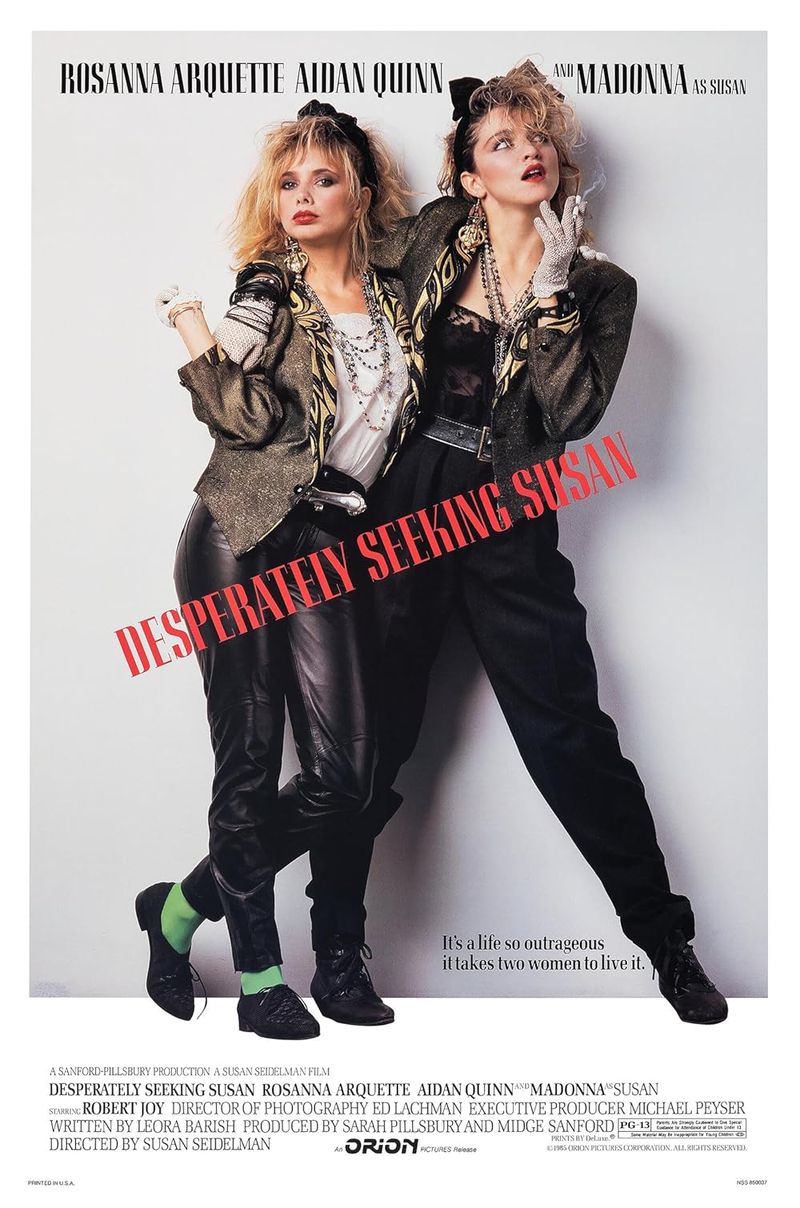
Madonna was already a pop phenomenon when Desperately Seeking Susan arrived in theaters, but the film gave her street style a global stage.
Her character Susan wore layered lace, fishnet gloves, studded belts, chunky crosses, and thrift-store finds stacked together in a way that felt simultaneously chaotic and perfectly intentional.
Teenage girls everywhere started raiding secondhand shops and accessory bins trying to recreate the look.
The film turned downtown New York edginess into a mainstream trend almost overnight.
Costume designer Santo Loquasto helped craft a wardrobe that felt completely authentic to Madonna’s real-life persona.
Desperately Seeking Susan showed that fashion does not need a luxury price tag — attitude and creativity are the real accessories.
8. Clueless (1995)
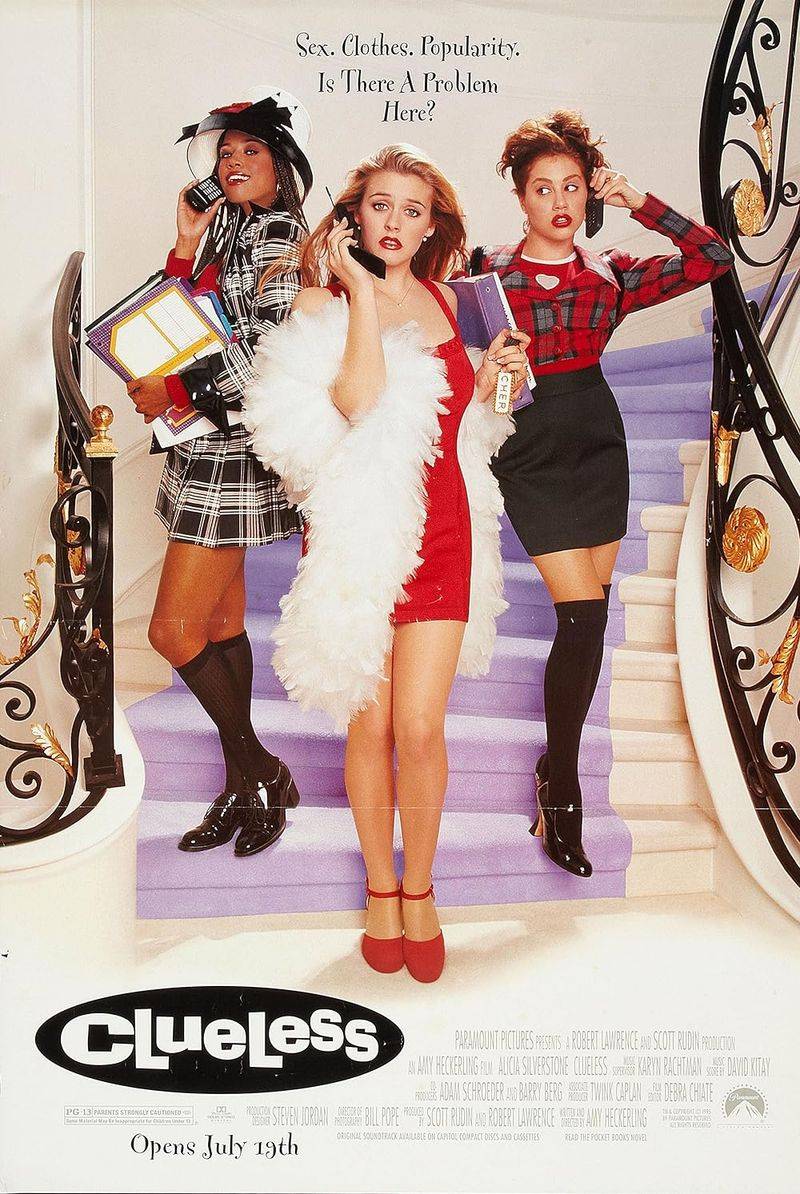
No movie captured the spirit of 1990s teen fashion quite like Clueless.
Cher Horowitz, played by Alicia Silverstone, introduced the world to coordinated plaid sets, knee-high socks, platform shoes, and a wardrobe so meticulously color-coordinated that she even had a computerized closet system to manage it.
Costume designer Mona May created over 60 outfits for Cher alone, each one more memorable than the last.
The film turned preppy chic into a full-on cultural movement that influenced mall stores, fashion magazines, and school hallways across America.
More than two decades later, those plaid co-ords and knee socks keep cycling back into trend forecasts.
Clueless remains the gold standard for how a movie can completely define a generation’s fashion vocabulary.
9. Romeo + Juliet (1996)
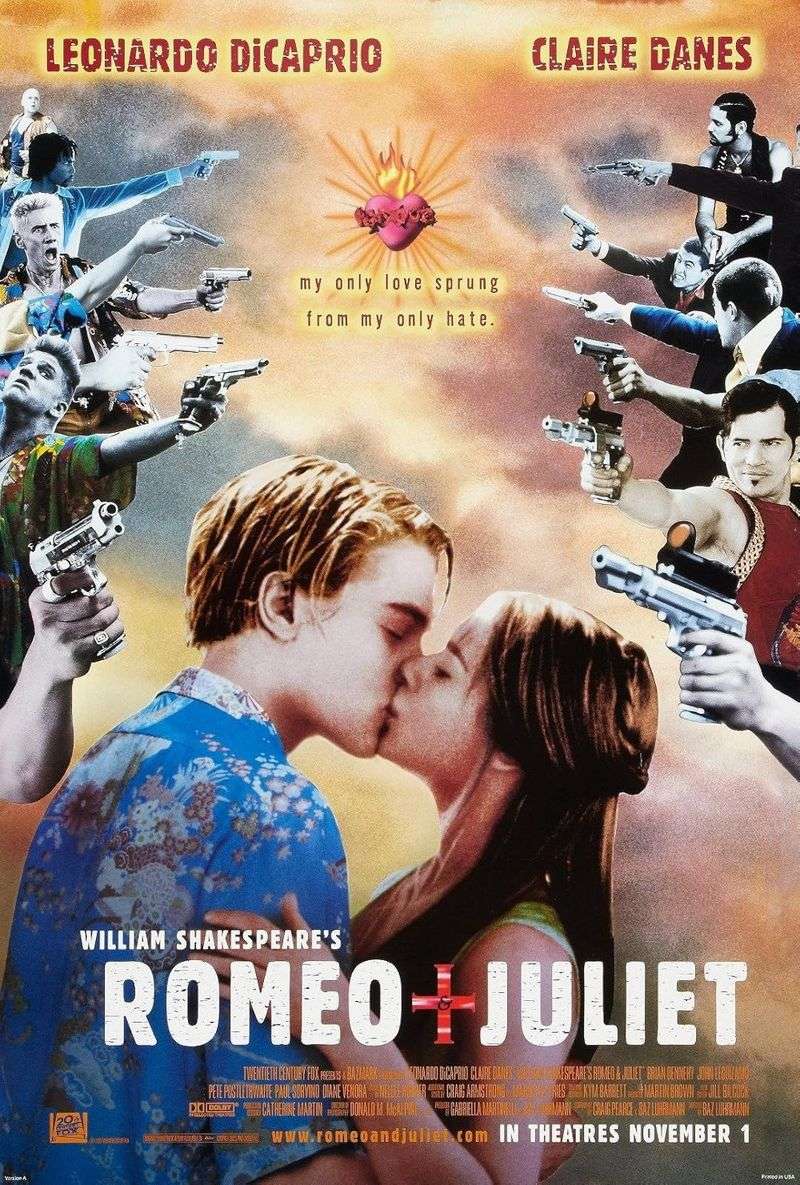
Baz Luhrmann took one of the most classic love stories ever written and dressed it in a way nobody expected.
Romeo + Juliet blended Renaissance references with 1990s streetwear in a collision of aesthetics that somehow worked brilliantly.
Hawaiian shirts, chain-mail vests, leather pants, and dramatic ball gowns all shared the same screen.
Costume designer Kym Barrett created looks that felt both timeless and urgently modern, giving the film a visual energy that matched its breakneck pacing.
Young audiences who might never have cared about Shakespeare suddenly found themselves inspired by the film’s bold wardrobe choices.
The romantic-meets-street aesthetic influenced fashion editorials and music video styling well into the early 2000s, proving that genre-blending fashion has serious staying power.
10. The Matrix (1999)
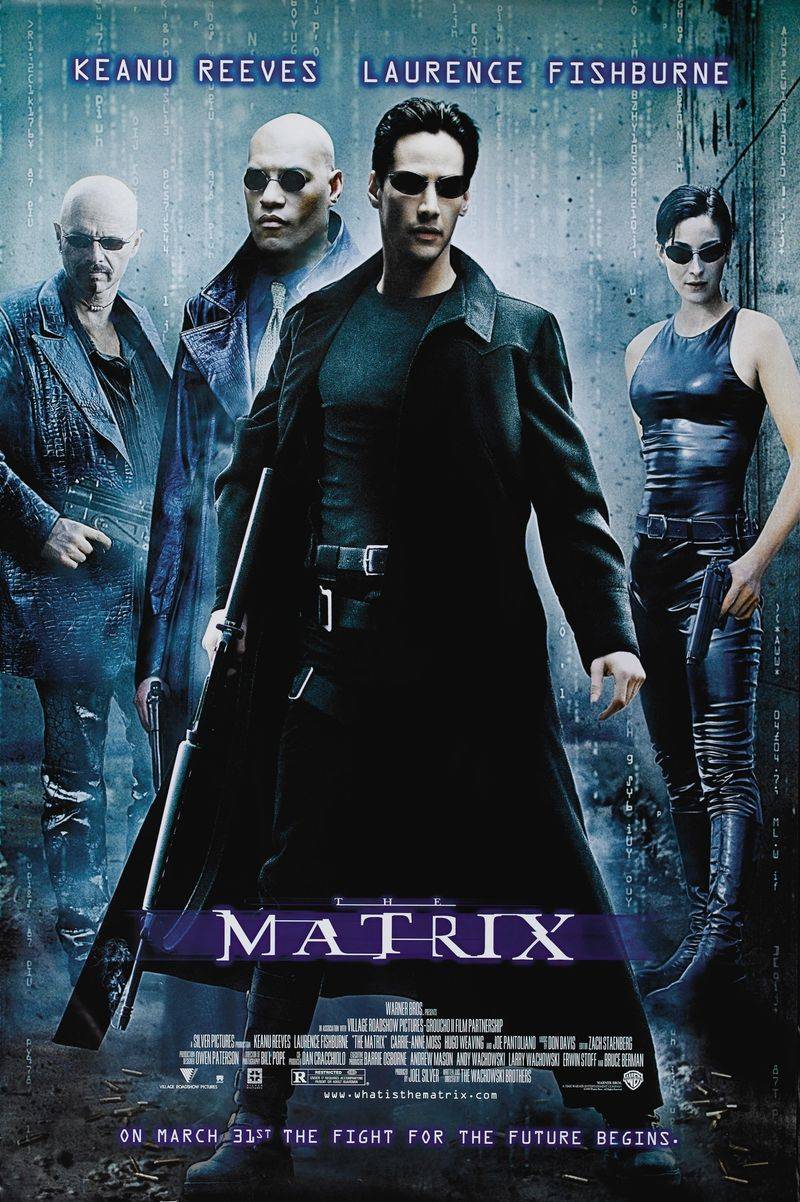
When The Matrix arrived in 1999, it did not just change action movies — it rewired what cool looked like.
Neo, Trinity, and Morpheus wore head-to-toe black leather, floor-length trench coats, and sleek sunglasses that felt like a vision of the future filtered through underground fashion sensibility.
Costume designer Kym Barrett drew from goth subculture, cyberpunk aesthetics, and high-concept minimalism to build a wardrobe that felt unlike anything mainstream audiences had seen before.
Almost immediately, black leather coats flew off retail racks and became a staple of early 2000s fashion.
The Matrix proved that science fiction could be one of fashion’s most powerful incubators, turning dystopian dressing into something genuinely desirable and endlessly referenced on runways worldwide.
11. Moulin Rouge! (2001)
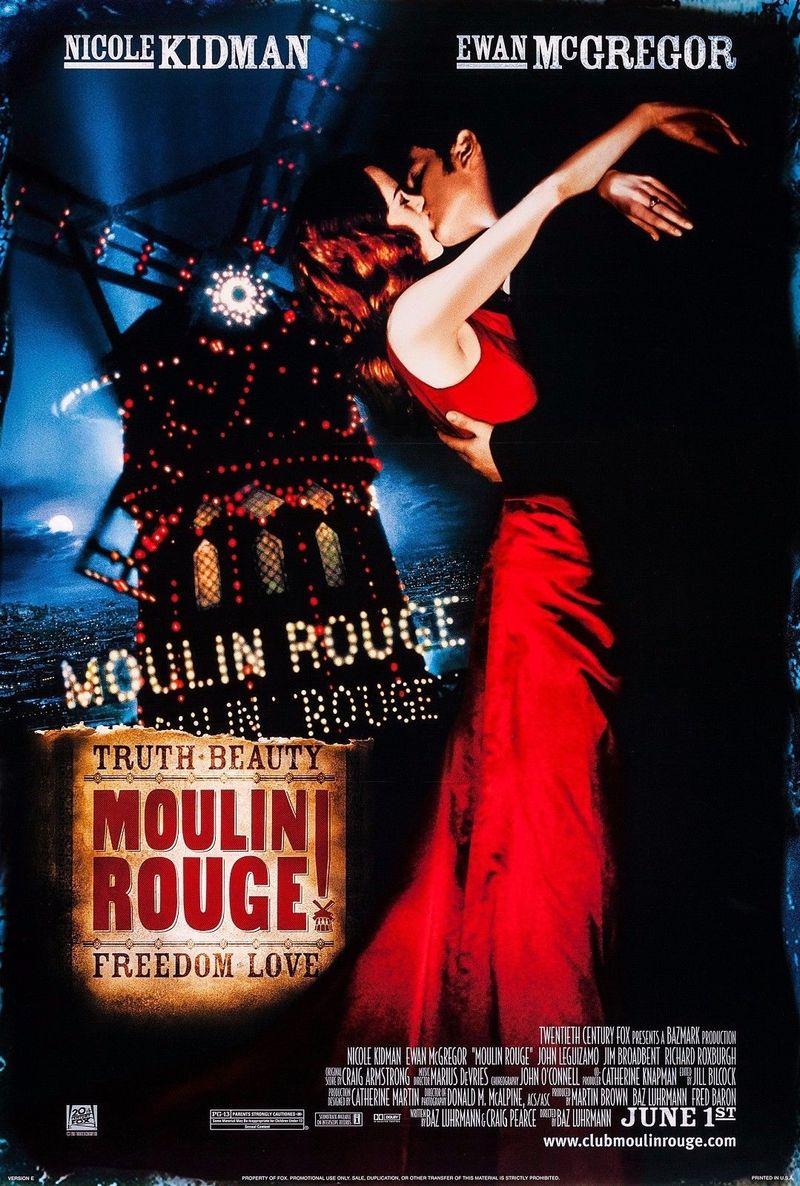
Moulin Rouge! arrived like a glittering explosion of color, fabric, and sheer theatrical excess.
Baz Luhrmann and costume designer Catherine Martin created a world where Victorian corsetry collided with contemporary glamour, producing a visual feast that left audiences breathless and fashion designers scrambling for inspiration.
Corsets, which had largely disappeared from mainstream fashion, experienced a dramatic comeback following the film’s release.
Feathered accessories, velvet fabrics, and richly embellished tops flooded boutiques as the film’s romantic maximalism seeped into everyday style.
Catherine Martin won the Academy Award for Best Costume Design, and the influence of those costumes stretched far beyond the ceremony.
Moulin Rouge! reminded the fashion world that more is sometimes gloriously, unapologetically more.
12. Mean Girls (2004)
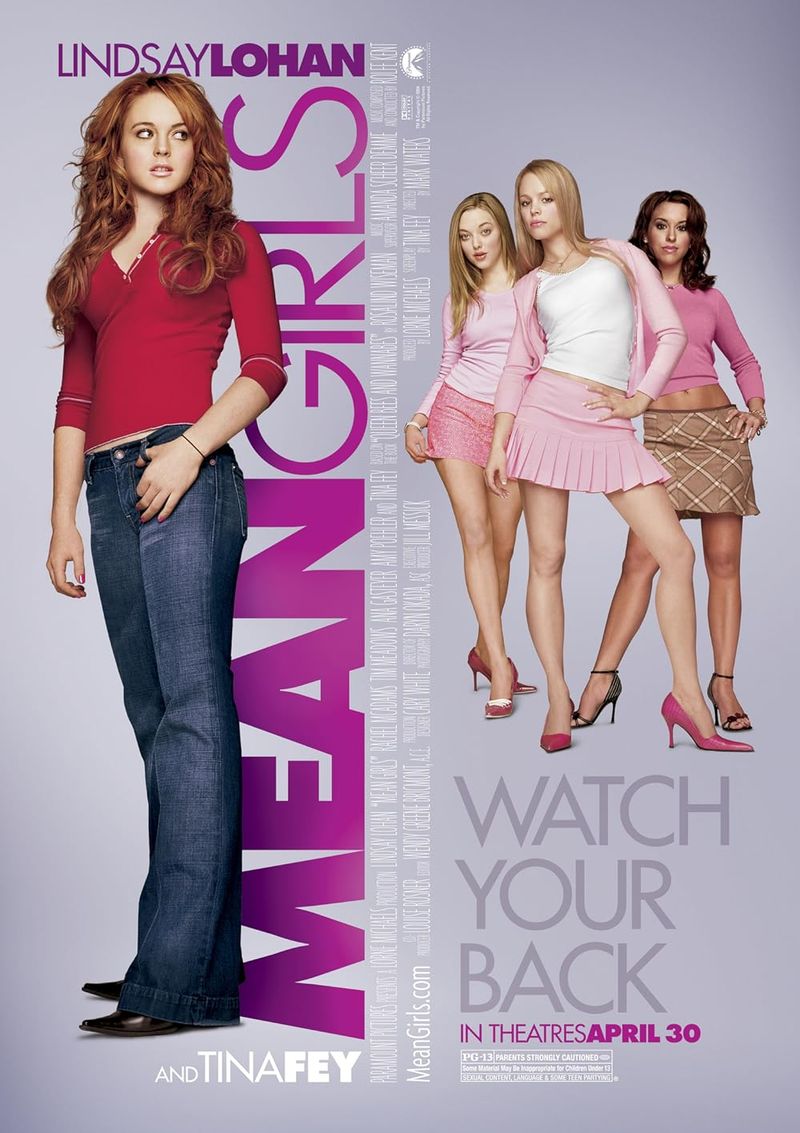
On Wednesdays, they wear pink — and so did millions of fans after Mean Girls hit theaters in 2004.
The Plastics, led by Regina George, wore a very specific brand of early 2000s femininity: mini skirts, crop tops, velour tracksuits, and coordinated outfits that made looking effortless seem like a full-time job.
Costume designer Mary Jane Fort captured the social hierarchy of high school through clothing with remarkable precision.
What characters wore communicated everything about their status, desires, and insecurities without a single line of dialogue.
The film’s influence on early 2000s fashion is still being felt today, with Y2K revival trends borrowing heavily from the Plastics’ playbook.
Mean Girls turned high school hallways into runways — and made pink a statement color all over again.
13. The Devil Wears Prada (2006)
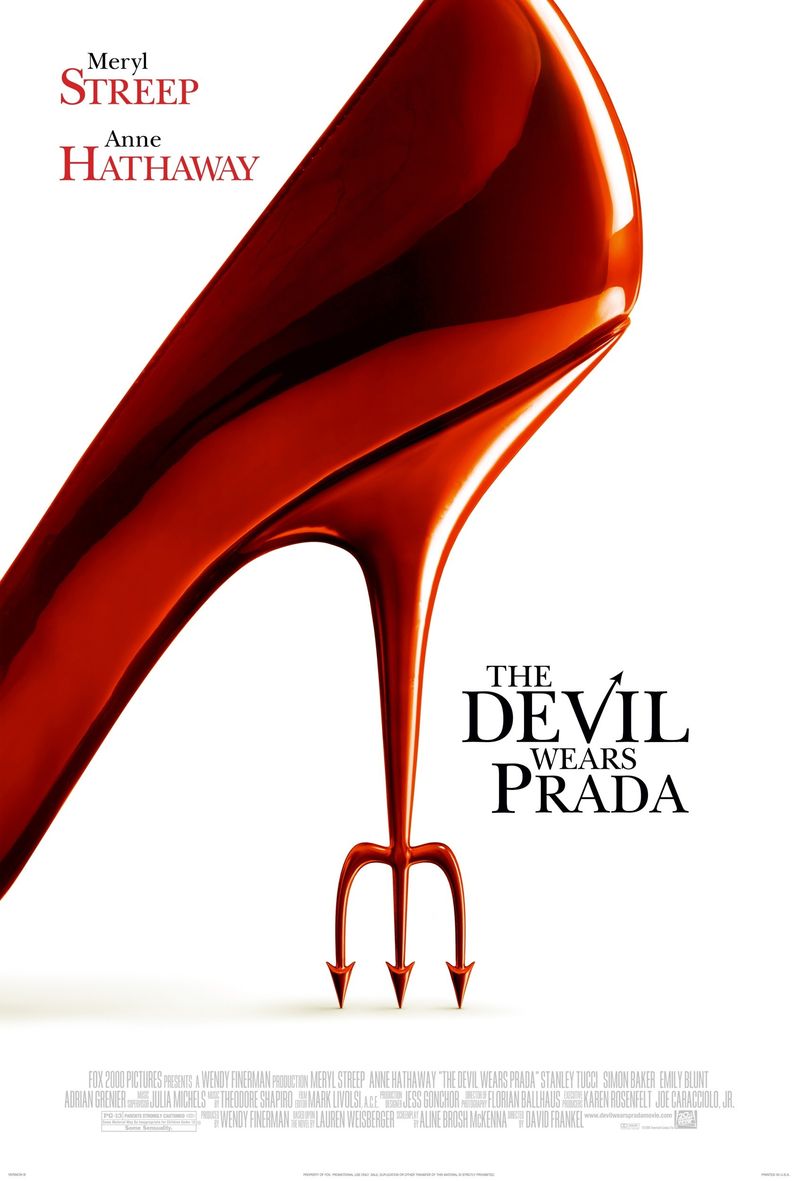
Before The Devil Wears Prada, many people outside the fashion industry viewed haute couture as distant and untouchable.
Then Miranda Priestly walked onto the screen, and suddenly everyone wanted to understand the difference between cerulean and navy blue.
The film cracked open the sealed world of high fashion and invited audiences inside.
Meryl Streep and Anne Hathaway wore pieces by Chanel, Prada, Valentino, and Dolce and Gabbana throughout the film, turning each scene into an editorial spread.
Designer handbags and luxury accessories saw measurable sales increases following the film’s release.
More importantly, The Devil Wears Prada sparked widespread public interest in fashion journalism and editorial styling as legitimate careers.
It made the industry feel simultaneously intimidating and irresistibly exciting.
14. Sex and the City (2008)
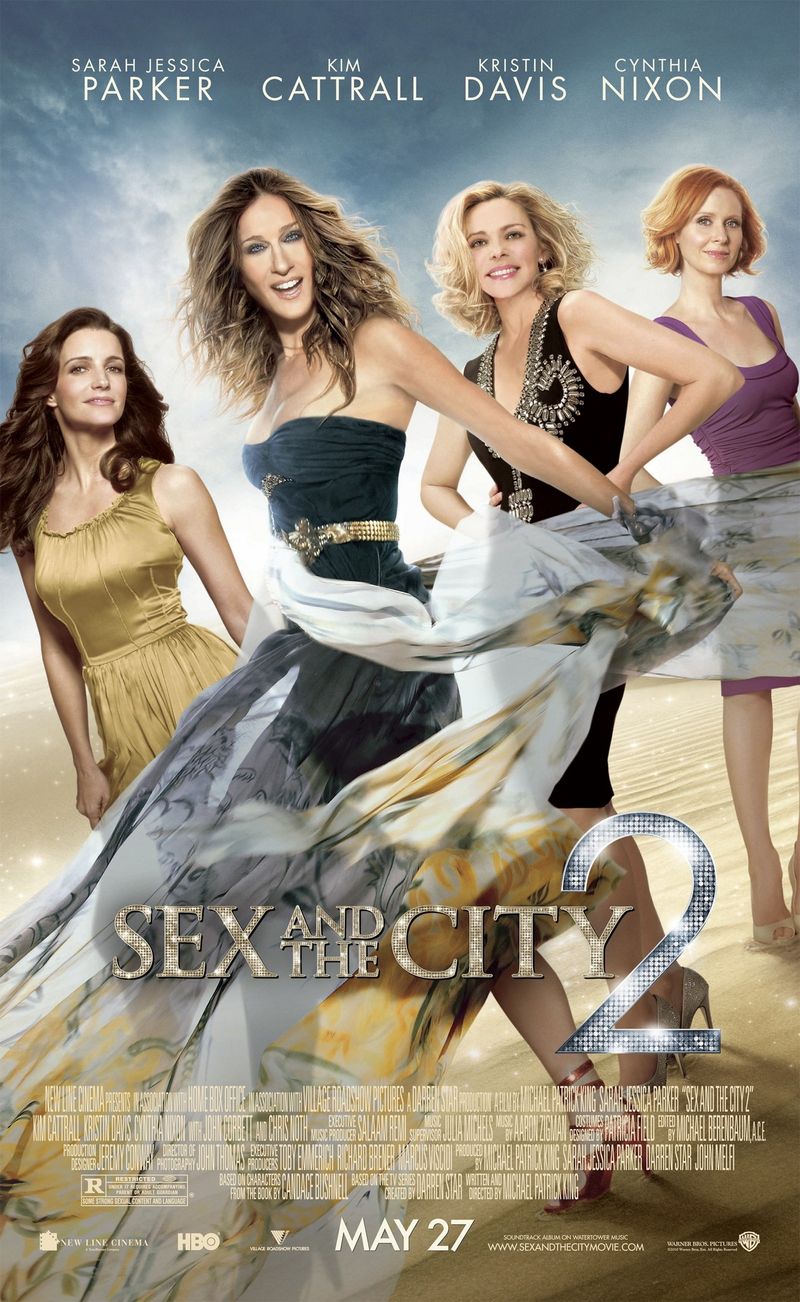
Carrie Bradshaw had been influencing fashion on television since 1998, but when Sex and the City arrived as a feature film in 2008, the stakes — and the wardrobes — went to an entirely new level.
Patricia Field, the legendary costume designer behind both the series and the film, assembled looks that treated fashion as pure self-expression.
Mixing vintage Dior with contemporary streetwear, luxury heels with thrift-store finds, and bold prints with clashing patterns, the film demonstrated that personal style has no rulebook.
Viewers started paying closer attention to accessorizing, mixing designers, and building wardrobes with personality rather than practicality.
Sex and the City made luxury fashion aspirational for everyday women and helped normalize the idea that getting dressed is its own form of creative storytelling.
15. Black Panther (2018)
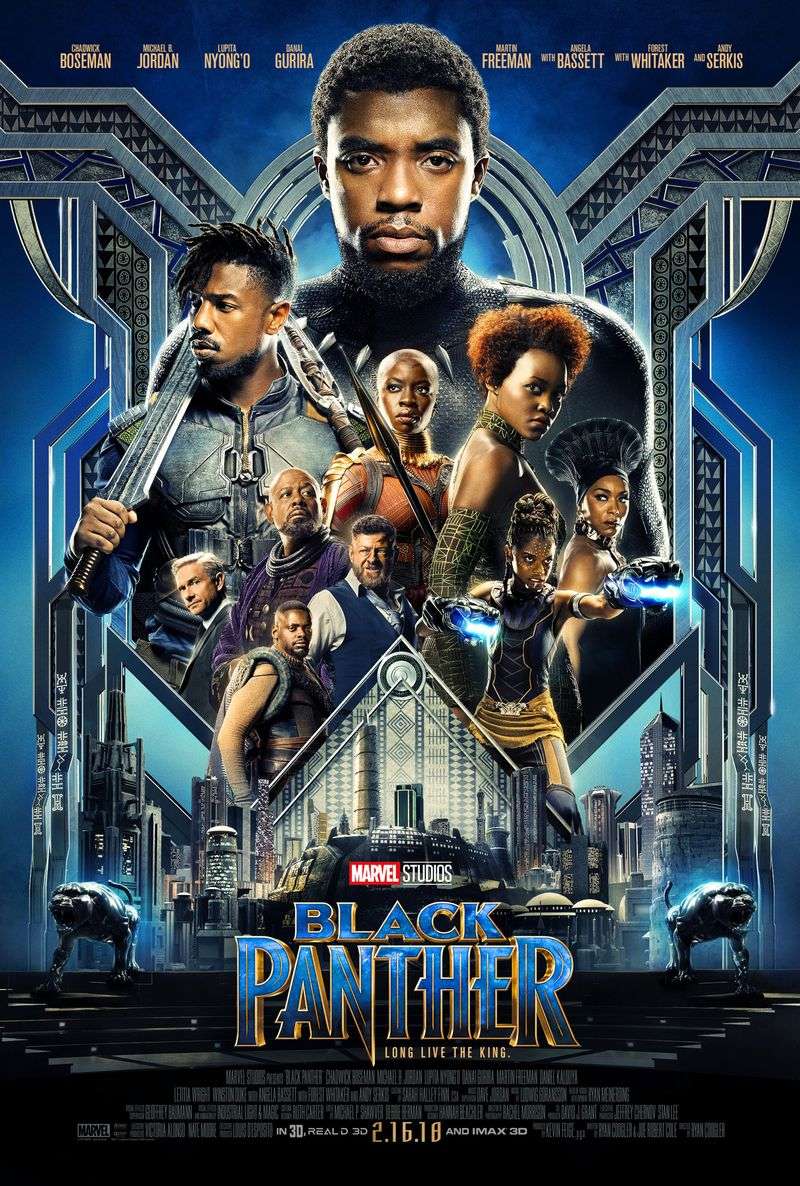
Black Panther did something no superhero film had done before — it placed African cultural identity, craftsmanship, and aesthetics at the center of a global blockbuster.
Ruth E.
Carter’s costume design drew from Zulu, Maasai, Himba, and Sotho traditions, weaving real cultural heritage into a vision of the future that felt both ancient and radically forward-thinking.
The film sparked a worldwide celebration of African fashion, inspiring people of African descent to wear traditional prints, fabrics, and silhouettes with renewed pride.
Designers across the continent reported increased international interest following the film’s release.
Ruth E.
Carter became the first Black woman to win the Academy Award for Best Costume Design for this film.
Black Panther proved that representation in fashion storytelling carries real, measurable power far beyond the screen.
16. Barbie (2023)
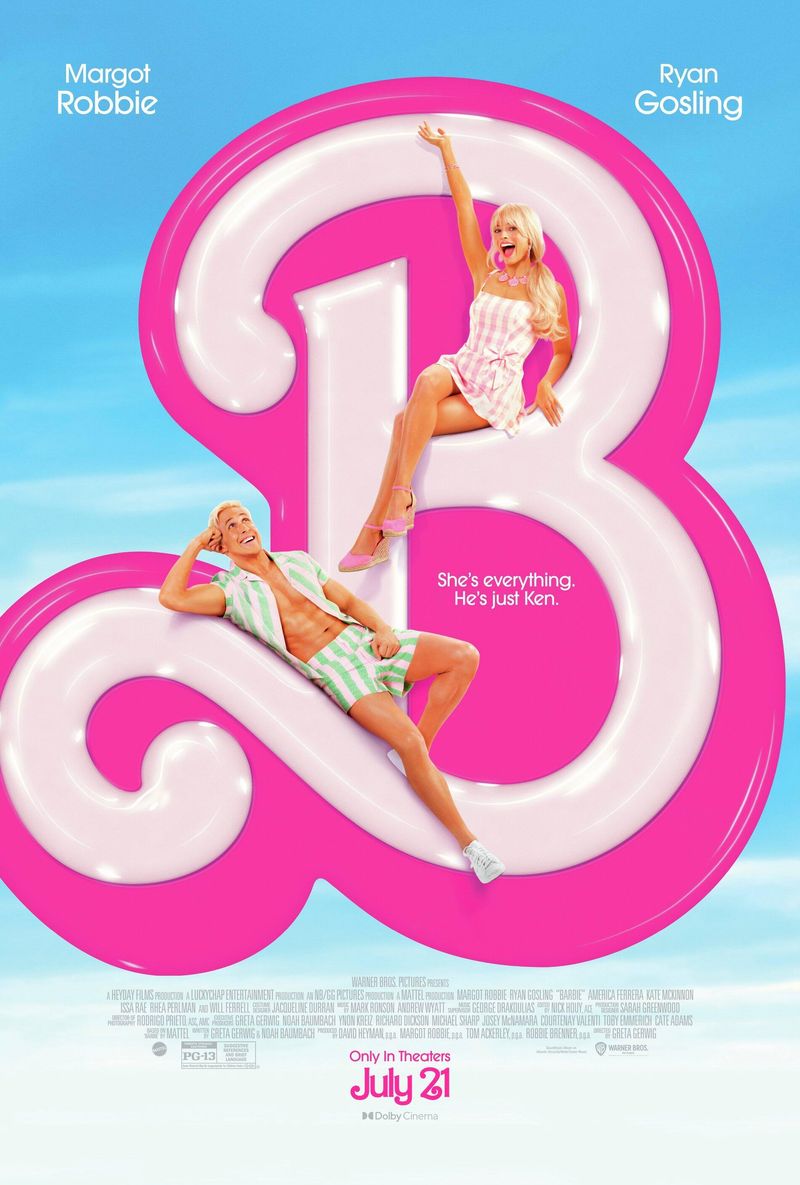
Nobody was prepared for just how thoroughly Barbie would take over the world in the summer of 2023.
Even before the film opened, the marketing campaign had flooded social media with so much pink that fashion brands began releasing hot pink collections at record speed.
The Barbiecore aesthetic had officially gone supernova.
Costume designer Jacqueline Durran created over 100 distinct outfits for the film, pulling from Barbie’s entire 64-year fashion history to build looks that ranged from vintage Western to futuristic disco.
Margot Robbie wore each one with the kind of committed enthusiasm that made every outfit feel like a celebration.
Pink clothing sales surged globally during the film’s theatrical run.
Barbie reminded the fashion world that joy, playfulness, and unapologetic femininity are always worth celebrating.