 MomSkoop
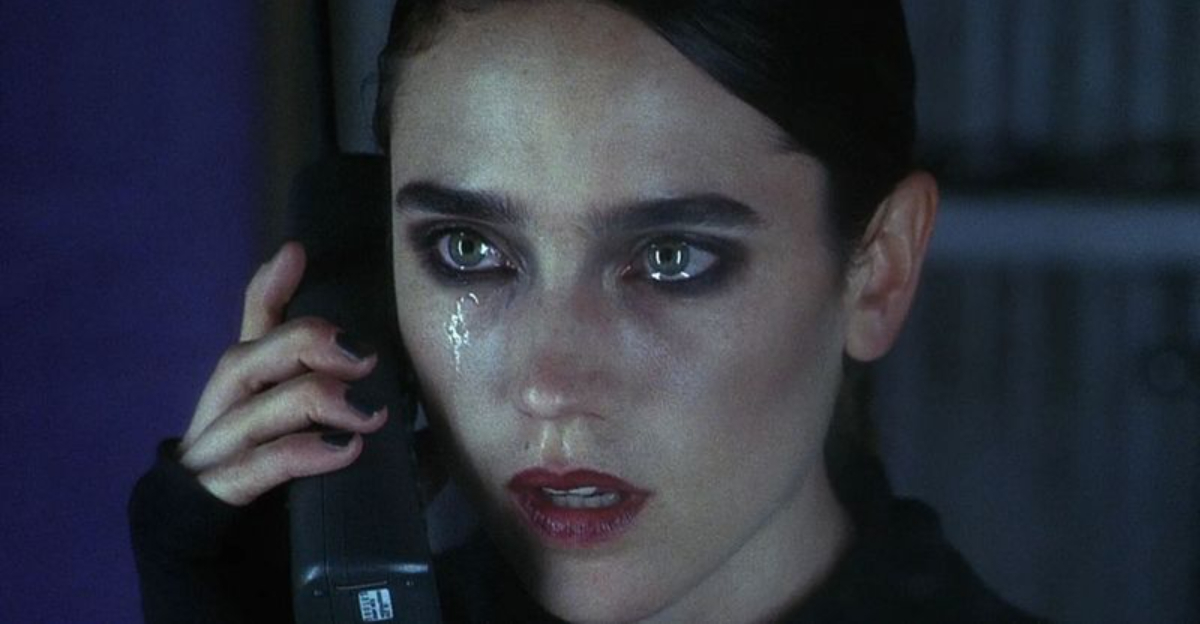
Some movies are made to entertain, but a rare few are built to unsettle you deep in your bones. These films push boundaries, explore the darkest corners of human experience, and leave images burned into your memory long after the screen goes dark.
Whether through psychological horror, brutal realism, or surreal nightmare fuel, each of these movies challenges what cinema can do. If you think you can handle it, read on.
1. Requiem for a Dream (2000)
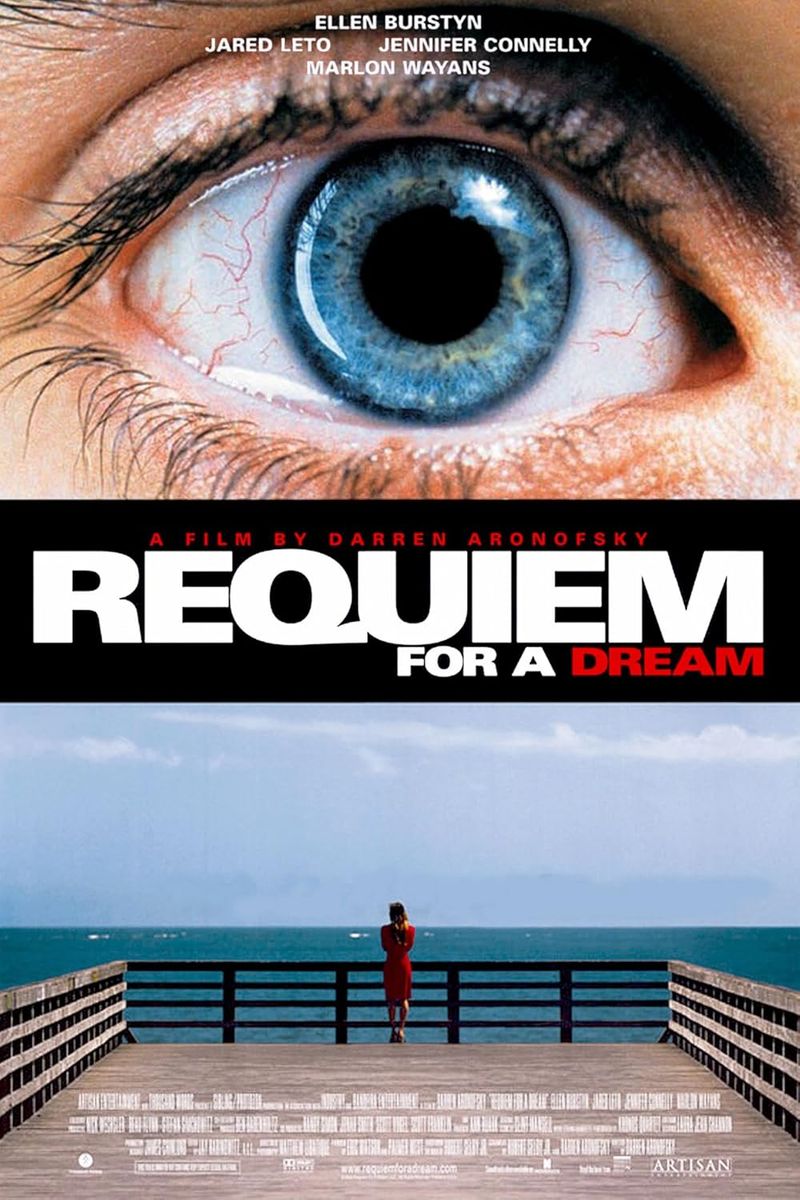
Addiction has never looked this terrifying on screen.
Darren Aronofsky’s Requiem for a Dream follows four people whose dreams slowly collapse under the weight of their obsessions.
The film’s rapid-fire editing and pulsing score mirror the frantic highs and crushing lows of substance dependency.
What makes it so hard to shake is how real it feels.
These aren’t cartoon villains — they’re ordinary people who just wanted to feel better.
By the film’s final act, every character is broken in a different, heartbreaking way.
It’s not a fun watch, but it might be one of the most important films ever made about the true cost of addiction.
2. We Need to Talk About Kevin (2011)
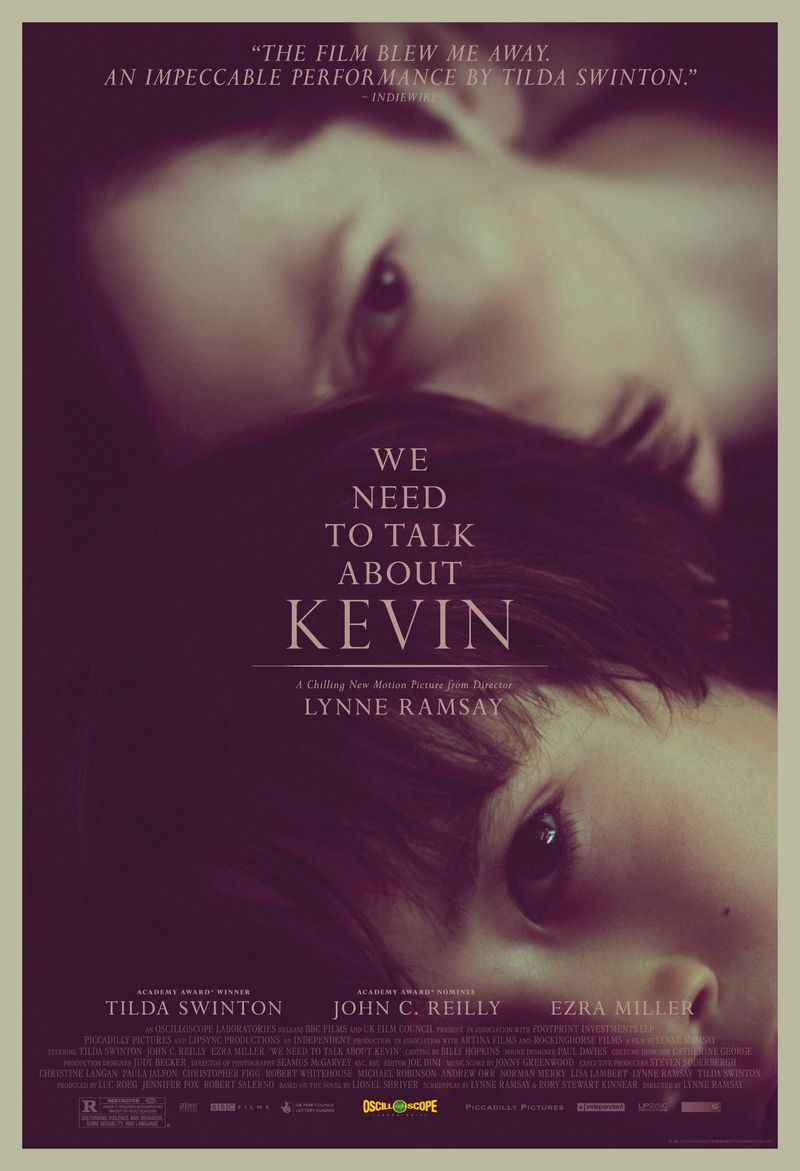
What if you raised a child and never truly connected with him?
We Need to Talk About Kevin asks one of the most uncomfortable questions a film has ever posed to a parent.
Tilda Swinton delivers a career-defining performance as a mother piecing together the years leading up to her son’s unthinkable act.
Director Lynne Ramsay uses color, silence, and memory to build a suffocating sense of dread.
There are no jump scares here — just slow, creeping horror rooted in emotional truth.
The film doesn’t explain Kevin or excuse him.
That ambiguity is exactly what makes it so deeply, lastingly disturbing.
3. Martyrs (2008)
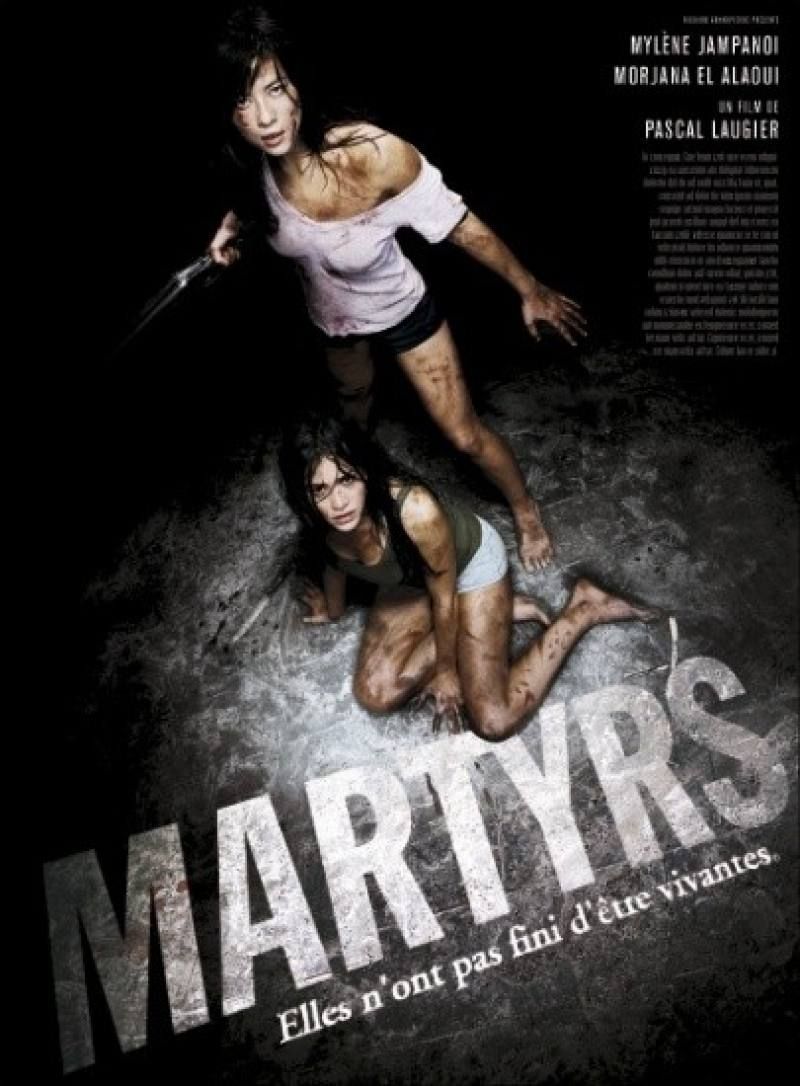
French horror has a reputation for going further than most, and Martyrs is the film that cemented that reputation.
It opens as a revenge thriller before transforming into something far more disturbing — a brutal meditation on suffering, belief, and what lies beyond human endurance.
Director Pascal Laugier doesn’t rely on cheap tricks.
The violence here feels purposeful, almost philosophical.
By the final act, the film has dragged you somewhere most horror movies never dare to go.
Viewers often describe feeling genuinely shaken for days afterward.
It’s not a film you enjoy — it’s a film that happens to you, leaving questions that have no comfortable answers.
4. Irreversible (2002)
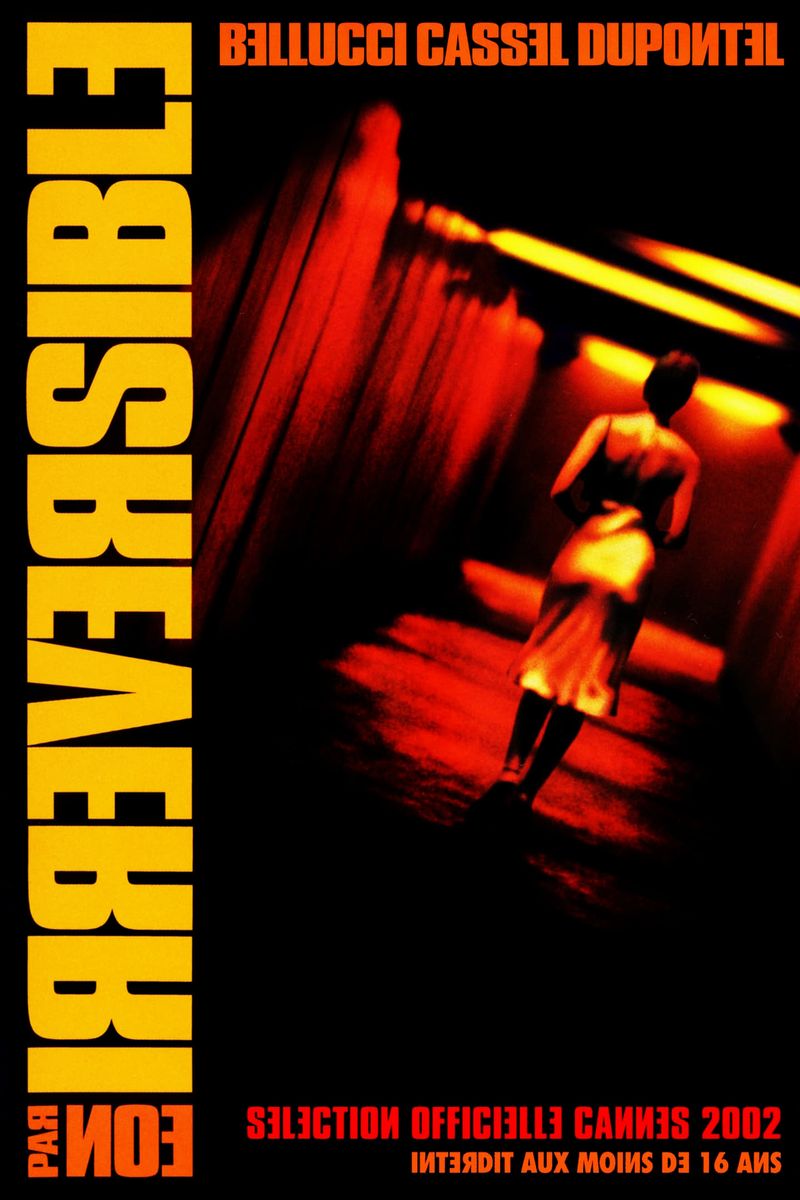
Gaspar Noé made a film that literally feels wrong from the opening frame.
Irreversible tells its story in reverse chronological order, which means you watch tragedy unfold knowing exactly where it started.
That structural choice transforms the movie into an exercise in pure dread.
The film’s most infamous sequences are genuinely difficult to sit through.
Noé uses long, unbroken takes that force the viewer to stay present with the horror rather than cutting away.
Knowing the outcome from the beginning and still watching events spiral toward it creates an unbearable sense of helplessness.
Few films have weaponized time and narrative structure as devastatingly as this one does.
5. Come and See (1985)
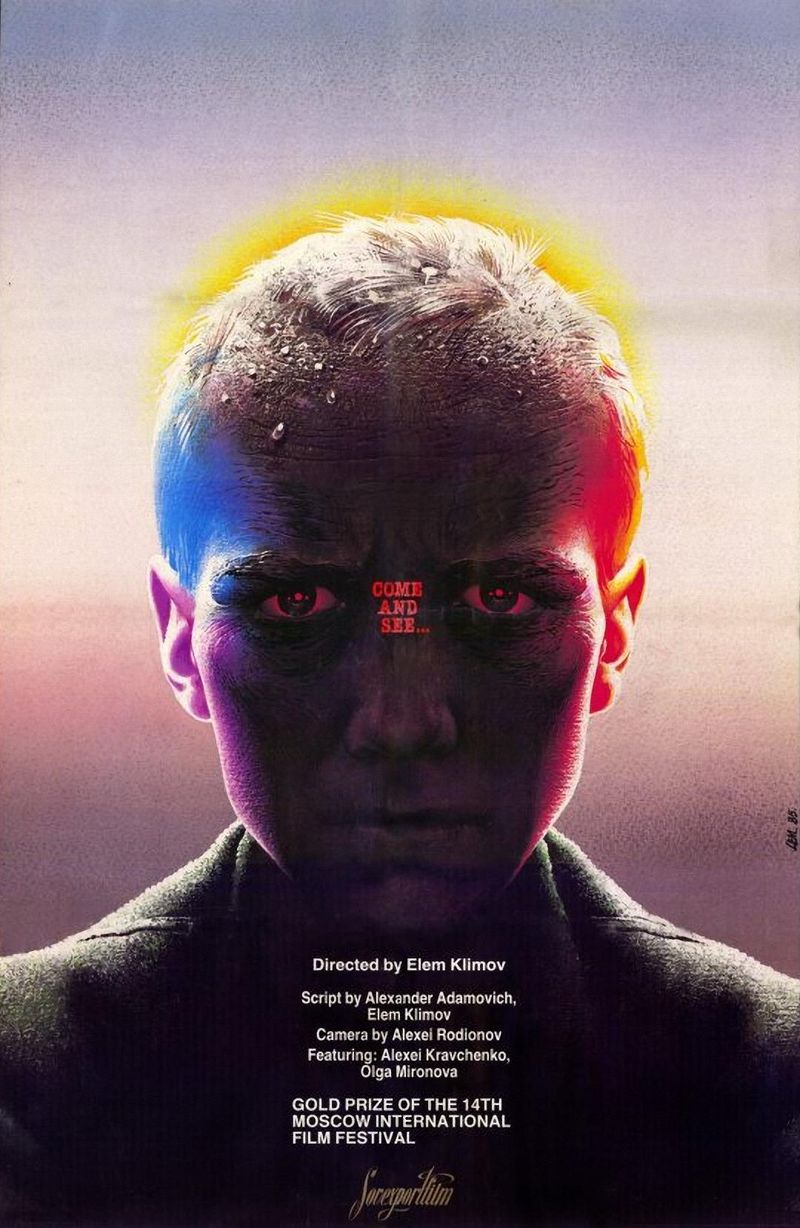
War movies often glorify battle.
Come and See does the exact opposite.
This Soviet masterpiece follows a teenage boy through the Nazi occupation of Belarus, and it ages him — visibly, terrifyingly — before your eyes.
Director Elem Klimov refused to look away from what war actually does to human beings.
The film was so emotionally exhausting to make that the lead actor reportedly needed psychological support during production.
Watching it carries a similar weight.
Scenes of burning villages and mass atrocity are presented with a surreal, almost dreamlike quality that makes them more disturbing, not less.
Many historians and filmmakers consider it the most honest anti-war film ever committed to celluloid.
6. Hereditary (2018)
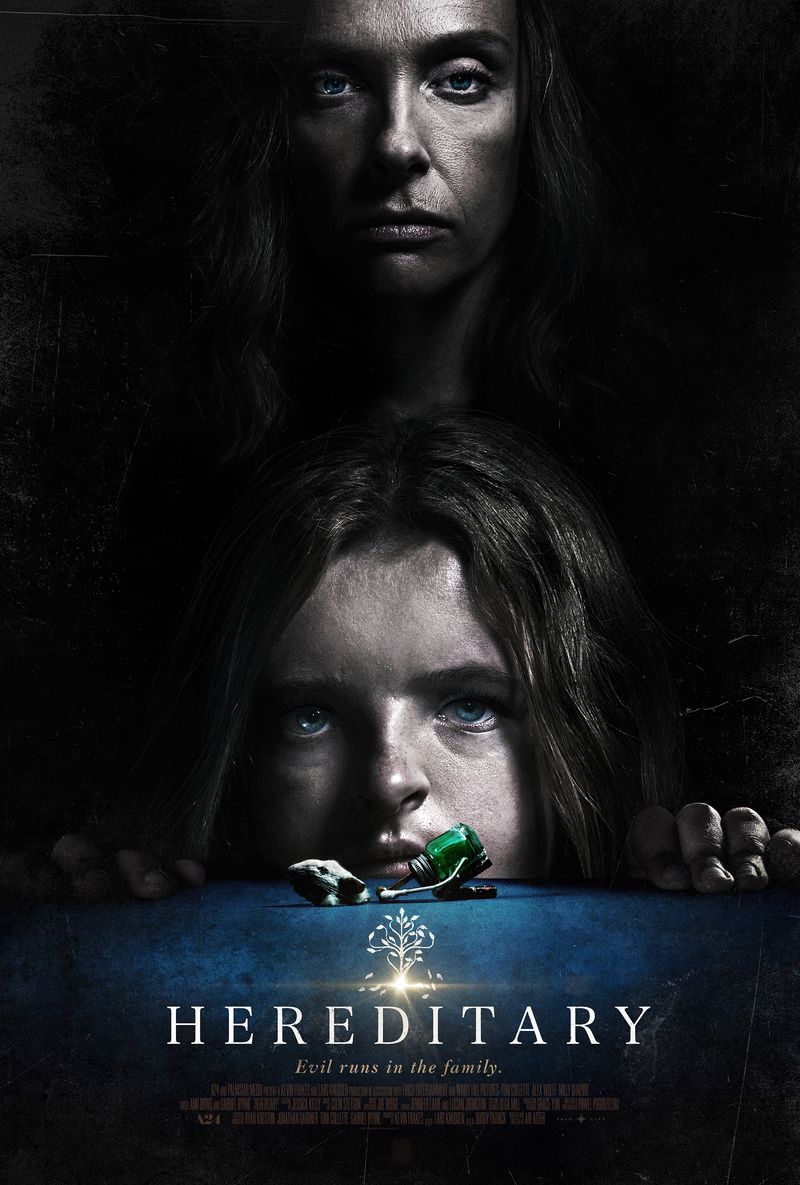
Ari Aster announced himself to the horror world with a film that feels less like a haunted house movie and more like a family being slowly torn apart from the inside.
Hereditary opens with a funeral and never really lets you breathe after that.
Toni Collette’s performance alone is enough to keep you awake at night.
What separates this film from typical horror is how grounded the grief feels.
The supernatural elements creep in gradually, making the audience question what’s real and what’s a manifestation of trauma.
One particular scene roughly a third of the way through the film is widely considered among the most shocking single moments in modern horror history.
7. The House That Jack Built (2018)
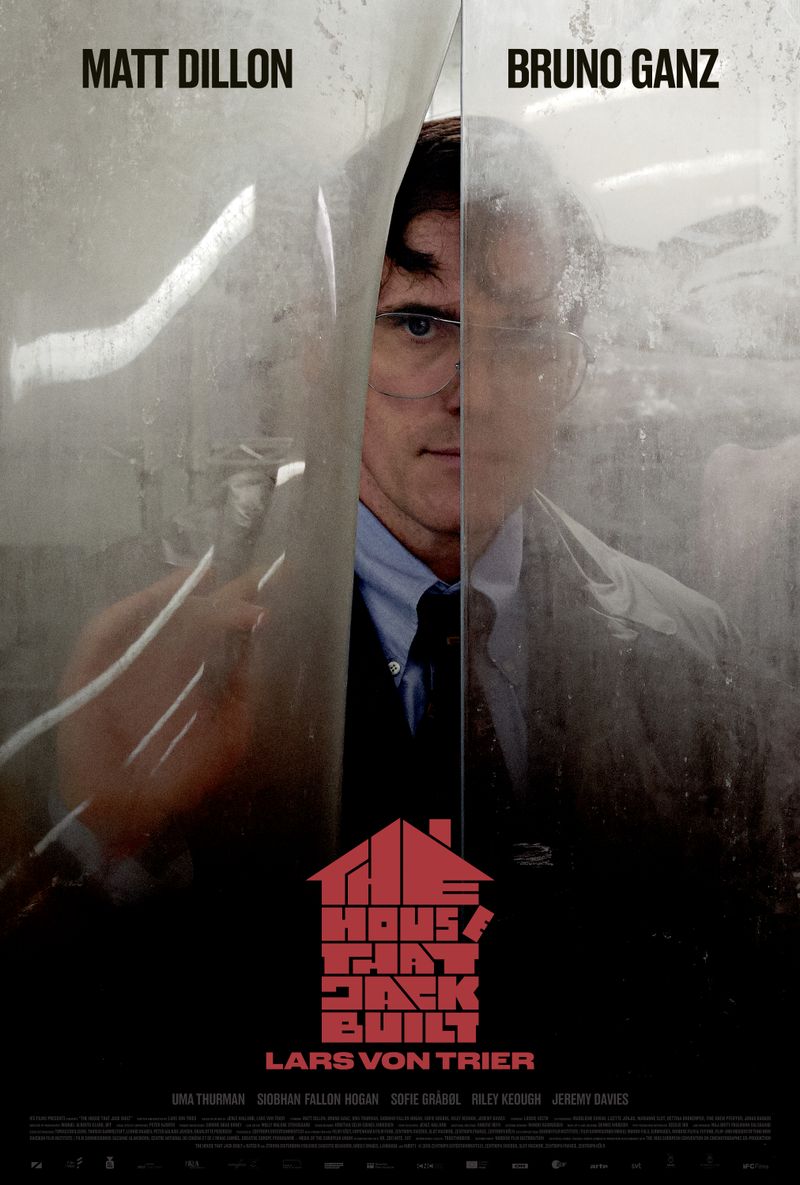
Lars von Trier has never been interested in making audiences comfortable, and The House That Jack Built might be his most provocative work yet.
The film follows a serial killer who narrates his crimes with intellectual detachment, framing each murder as an artistic achievement.
Matt Dillon’s performance is chillingly believable.
Von Trier structures the film as a series of “incidents,” each escalating in disturbing content while the killer’s monologues grow increasingly philosophical.
The film reportedly caused walkouts at Cannes.
What lingers isn’t just the graphic content — it’s the film’s uncomfortable suggestion that society has always celebrated destruction when dressed up as art.
That idea is harder to shake than any single scene.
8. Funny Games (1997)
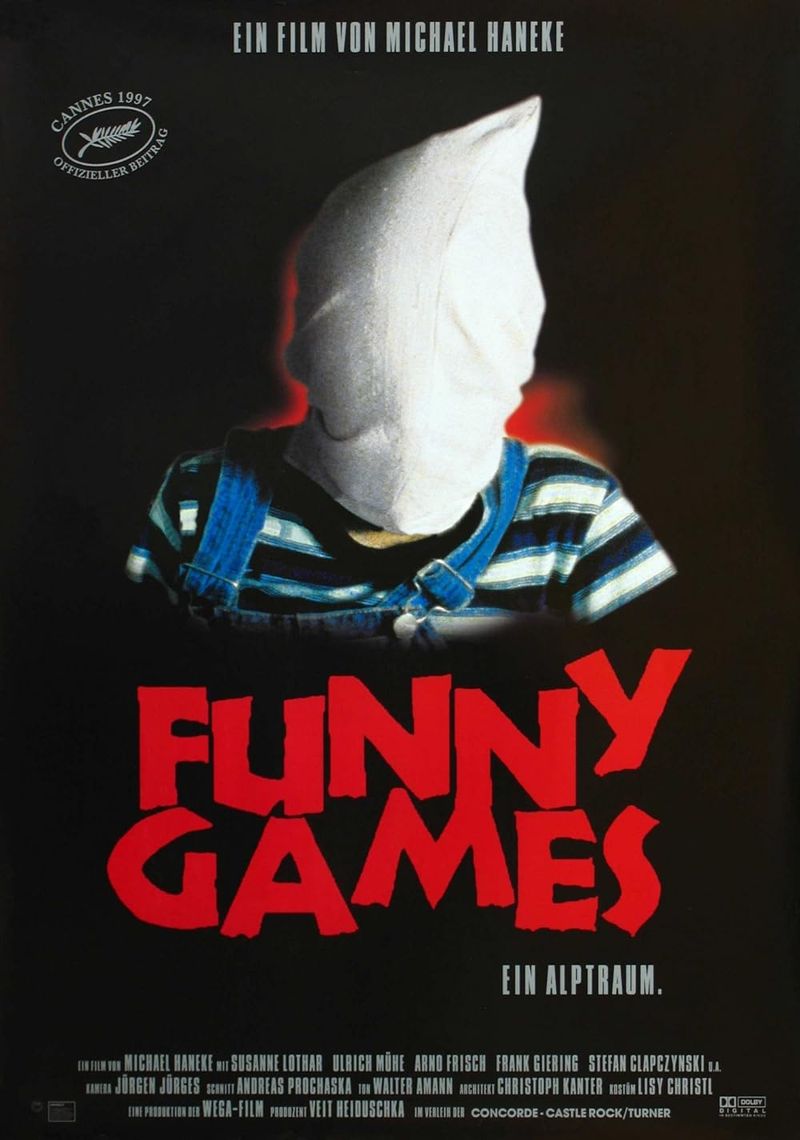
Michael Haneke made Funny Games as a direct attack on audiences who enjoy watching violence in movies.
Two polite, well-dressed young men take a family hostage and proceed to torture them — not for any dramatic motive, but because they can.
The film is deliberately uncomfortable and refuses to offer any catharsis.
At several points, one of the killers turns to the camera and winks at the viewer, implicating you directly in what you’re watching.
Haneke even includes a moment where the film literally rewinds to deny the audience a satisfying resolution.
It’s a cruel, brilliant piece of cinema that forces you to question why you sat down to watch it in the first place.
9. Antichrist (2009)
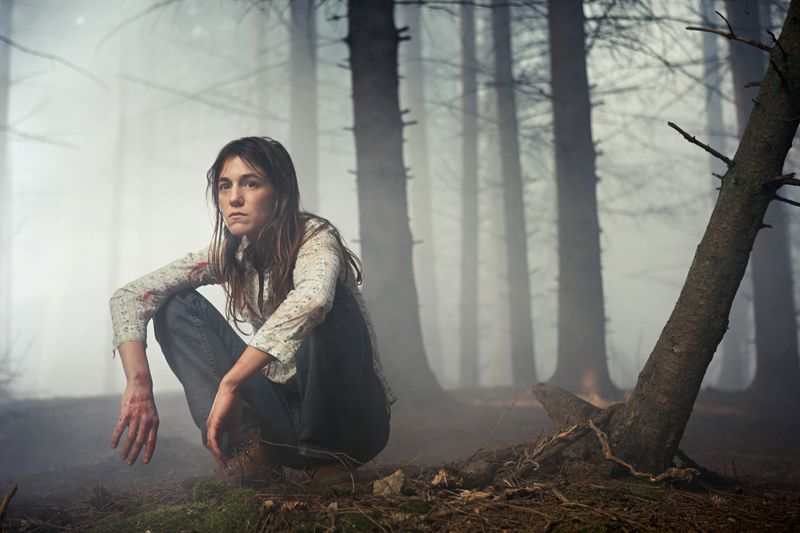
Grief can make people do unthinkable things.
Lars von Trier’s Antichrist takes that premise and pushes it into territory that most directors wouldn’t touch.
Following the accidental death of their child, a couple retreats to an isolated cabin in the woods where reality and psychological collapse begin to blur violently.
The film’s imagery is deeply symbolic and often genuinely shocking.
Von Trier reportedly made it during a period of severe depression, and that darkness saturates every frame.
Charlotte Gainsbourg and Willem Dafoe give performances of raw, terrifying commitment.
Whether you interpret it as a feminist horror, a psychological breakdown, or pure provocation, Antichrist is a film that refuses to leave your nervous system quietly.
10. The Exorcist (1973)
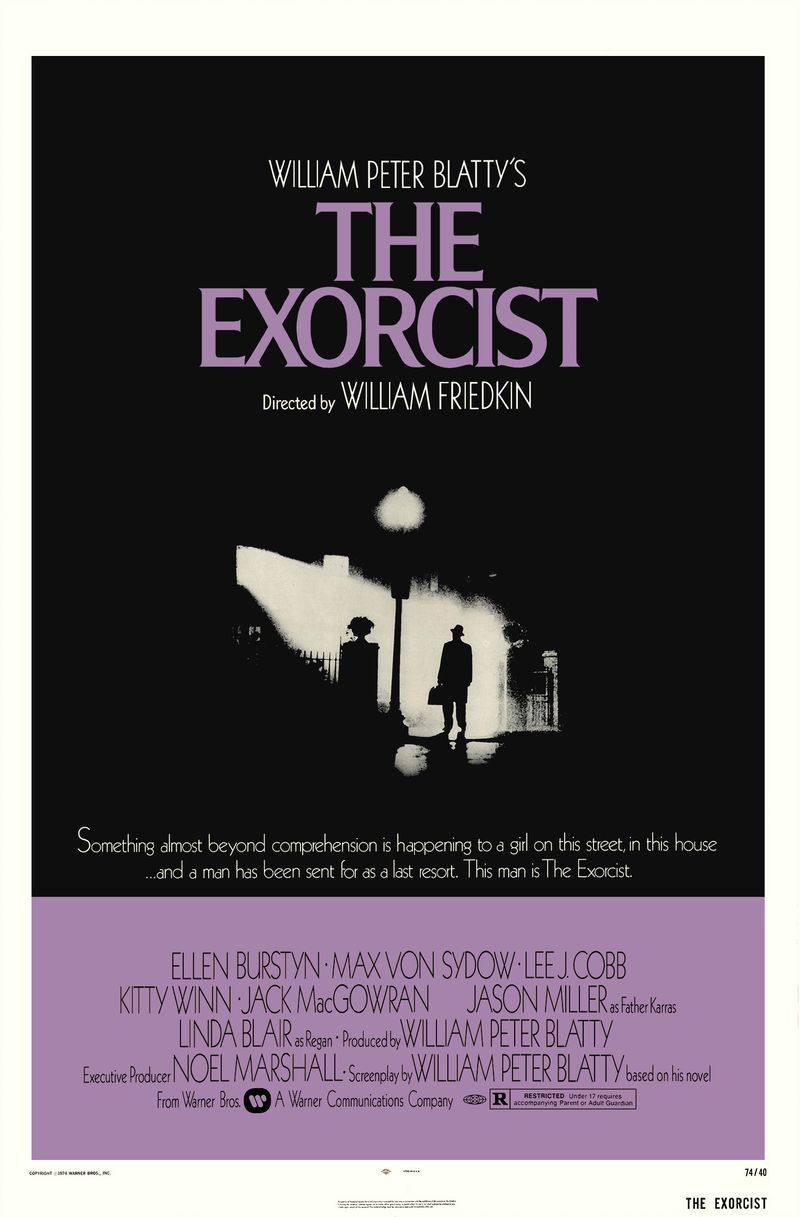
When The Exorcist opened in 1973, audiences reportedly fainted in theaters and lines wrapped around the block.
William Friedkin’s film about a young girl’s demonic possession became an instant cultural event and a genuine test of nerve.
Fifty years later, it still delivers.
What holds up most powerfully isn’t the spinning head or the pea soup — it’s the film’s emotional core.
Linda Blair’s performance is extraordinary, and the terror is rooted in a mother’s helplessness as she watches her daughter disappear.
The film raised questions about faith, evil, and the fragility of innocence that horror movies are still wrestling with today.
Some landmarks never fade.
11. Oldboy (2003)
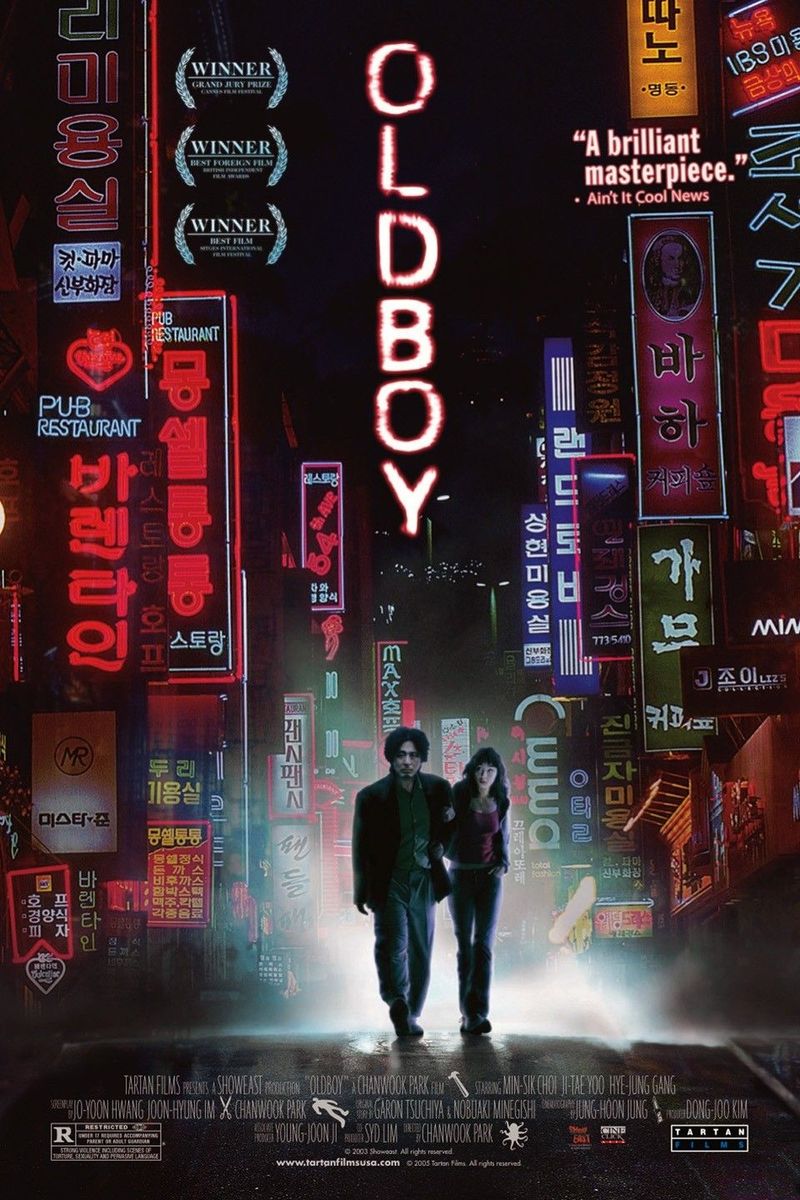
Park Chan-wook’s Oldboy is the kind of film where you spend the first hour gripped by a relentless revenge thriller, and then the last act rearranges everything you thought you understood.
A man is imprisoned for fifteen years without explanation, then suddenly released and given five days to find out why.
The famous corridor fight scene — one continuous shot, one exhausted man against a hallway full of enemies — is a masterpiece of raw filmmaking.
But the film’s true power lies in its ending, which delivers a revelation so morally devastating that many viewers describe feeling genuinely sick.
Oldboy doesn’t just disturb you — it dismantles you, piece by deliberate piece.
12. The Killing of a Sacred Deer (2017)
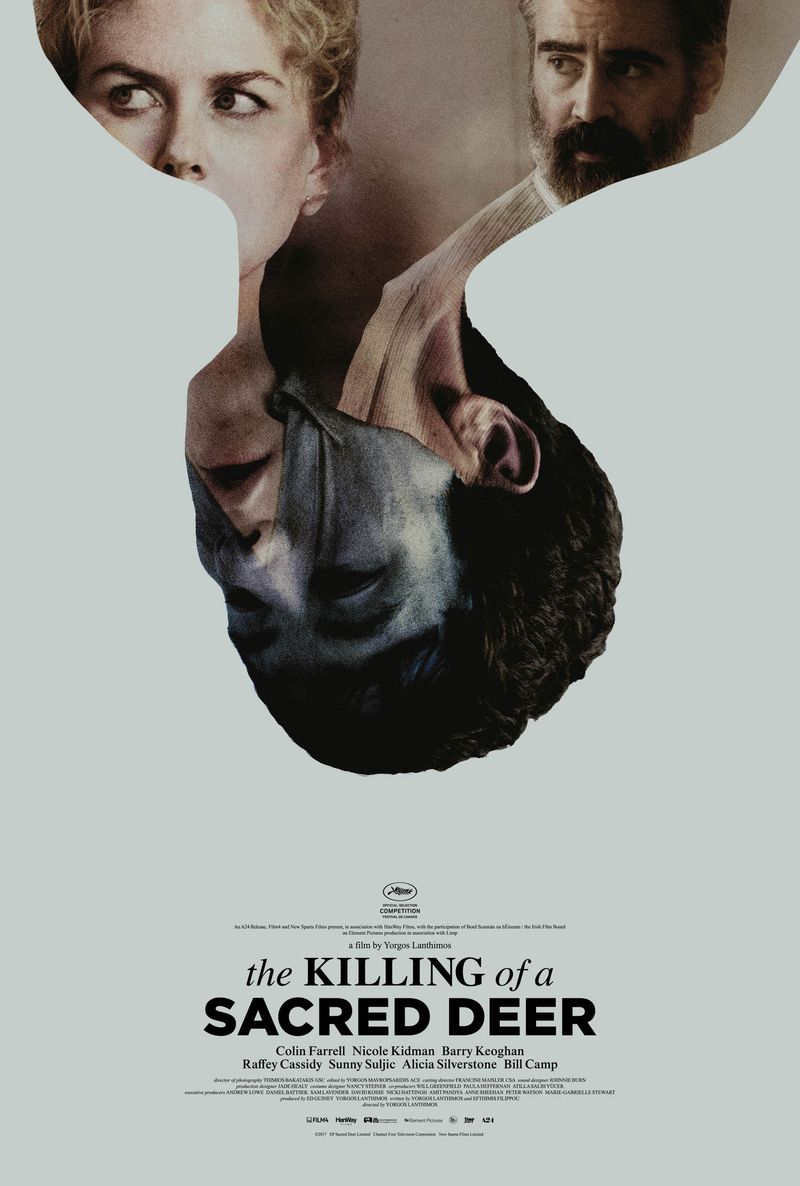
Yorgos Lanthimos makes films that feel like they exist slightly outside of normal reality, and The Killing of a Sacred Deer might be his most unsettling achievement.
A successful surgeon befriends a mysterious teenage boy, and what begins as an awkward social relationship gradually reveals itself as something far more sinister and mythological.
Every actor speaks in Lanthimos’s signature flat, affectless delivery, which creates an eerie disconnect between what characters say and what they feel.
When the film’s central moral dilemma arrives, it is so coldly, mathematically cruel that it feels almost like a fairy tale punishment.
The dread here doesn’t come from blood — it comes from the total absence of mercy.
13. Eraserhead (1977)
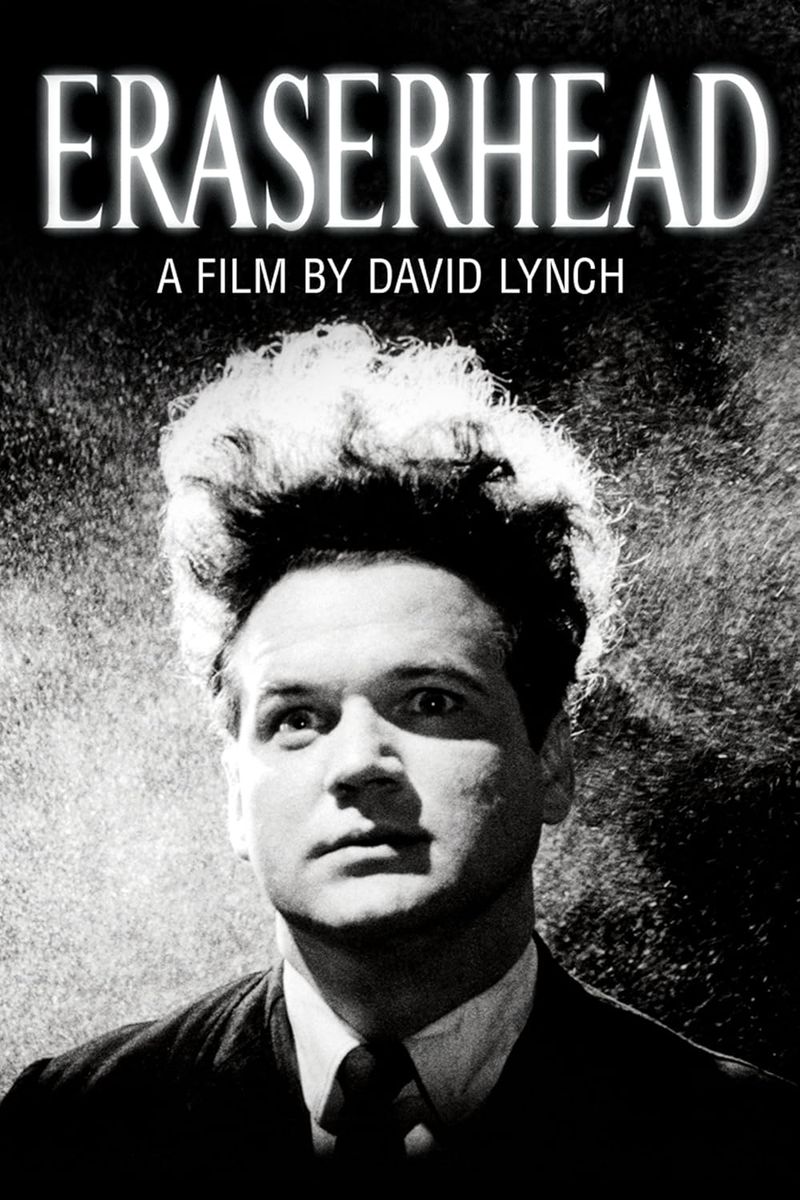
David Lynch spent five years making Eraserhead on a shoestring budget, filming mostly at night on the grounds of the American Film Institute.
The result is one of cinema’s most uniquely bizarre achievements — a black-and-white fever dream about a nervous young father caring for a deeply unsettling mutant infant.
No one fully agrees on what the film means, and Lynch has never explained it.
The sound design alone is enough to make your skin crawl — an industrial hum that never quite resolves into comfort.
Eraserhead taps into the primal anxieties of parenthood, inadequacy, and bodily horror in ways that bypass rational thought entirely.
It doesn’t scare you so much as it haunts you at a cellular level.