 MomSkoop

Some childhoods look perfectly fine from the outside but feel anything but okay on the inside. Many kids carry invisible emotional weight that nobody ever notices or talks about.
If certain feelings followed you around growing up, your childhood may have been tougher than it appeared. Recognizing these experiences is the first step toward understanding yourself better and starting to heal.
1. You Felt Like a Burden

Some kids grow up with a quiet, nagging belief that their very presence causes problems for others.
Whether it was a sigh when you asked for help, a dismissive wave when you cried, or constant reminders that you were “too much,” these moments leave marks.
Feeling like a burden as a child is not a reflection of your worth.
It usually means the adults around you were struggling and unintentionally made you feel responsible for their stress.
You were never actually too much.
You were simply a child with needs, and every child deserves to have those needs met without guilt or shame attached.
2. You Were Always Walking on Eggshells
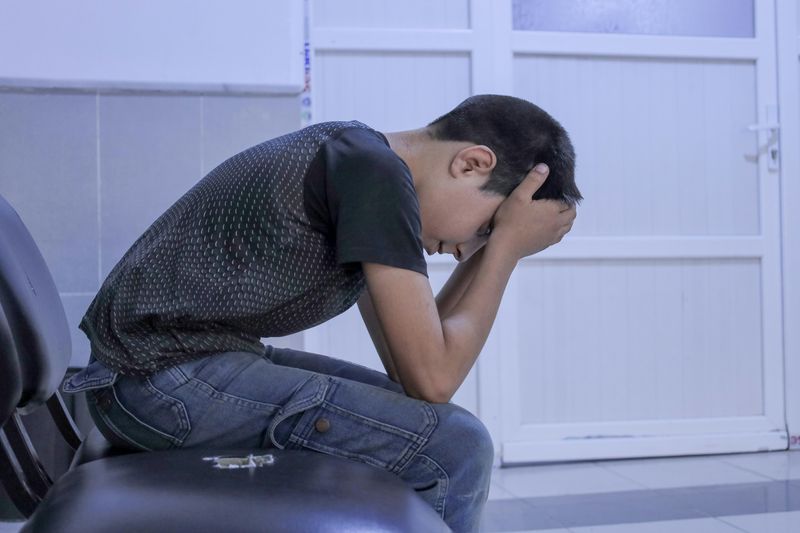
Imagine spending every day scanning a room the moment you walk in, checking someone’s face, their tone, their posture, just to figure out what kind of mood they were in.
For some kids, that was simply Tuesday.
Constantly monitoring the emotional temperature of your home is exhausting work for a young mind.
It trains your nervous system to stay on high alert, even in safe situations.
Children who grew up this way often become adults who are overly sensitive to conflict or criticism.
Recognizing this pattern is powerful.
It means you can start separating the past danger signals from the present safety you actually have now.
3. You Felt Responsible for Other People’s Emotions

No child should have to manage a parent’s happiness, calm their anger, or fix their sadness.
But for some kids, that emotional caretaking became a full-time job nobody hired them for.
Psychologists call this “parentification” — when a child takes on emotional responsibilities that belong to adults.
It might have looked like cheering up a depressed parent, staying quiet so dad wouldn’t explode, or pretending everything was fine so mom wouldn’t worry.
Over time, this creates a deep habit of putting everyone else’s feelings first.
Learning that other people’s emotions are not your job to manage is genuinely life-changing, even if it takes years to fully believe it.
4. You Struggled to Feel Safe or Relaxed at Home

Home is supposed to feel like the safest place in the world for a child.
But for some kids, the house itself carried a low hum of tension, unpredictability, or unease that never fully went away.
Even when nothing “bad” was technically happening, the body stayed braced for impact.
That constant state of readiness is actually a trauma response.
Your nervous system learned that calm could be interrupted at any moment, so it never fully powered down.
As an adult, you might notice difficulty relaxing, trouble sleeping, or feeling uneasy during peaceful moments.
Your body learned survival.
Now, slowly and gently, it can learn safety too.
5. You Often Felt Invisible or Unheard

There is a particular kind of loneliness that comes not from being alone, but from being present while nobody truly sees you.
Many kids experienced this regularly — talking but not being listened to, sharing feelings that were brushed aside, or simply existing in a house where nobody asked how they were doing.
Feeling unseen as a child can quietly shape how you see yourself in relationships as an adult.
You might downplay your opinions, assume nobody cares what you think, or struggle to speak up.
But here is the truth: your thoughts and feelings always mattered.
The people around you just lacked the capacity to recognize that, and that was their limitation, not yours.
6. You Had to Grow Up Too Fast
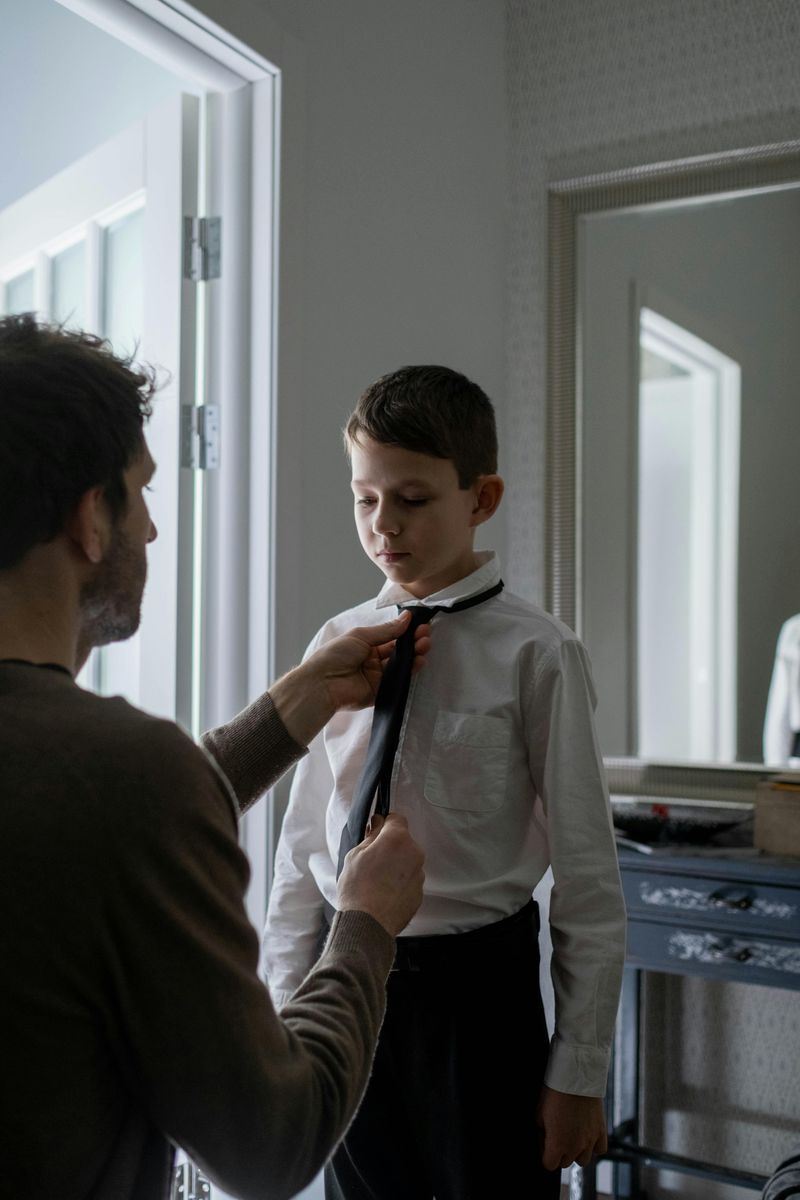
Childhood is supposed to include mess, play, mistakes, and the freedom to just be a kid.
But some children spent those years managing grocery lists, translating for parents, raising younger siblings, or emotionally supporting adults who should have been supporting them.
Growing up too fast is not a badge of honor, even though it is sometimes framed that way.
It means a child was asked to carry weight that was never theirs to carry.
The playfulness, creativity, and carefree curiosity that every child deserves got quietly traded away for responsibility.
Reclaiming some of that lightness as an adult is not childish.
It is actually a meaningful and important part of healing.
7. You Doubted Your Own Feelings or Reality

“You are too sensitive.” “That never happened.” “You are overreacting.” If phrases like these were common in your childhood home, you may have grown up learning to distrust your own inner world.
When a child’s feelings are consistently dismissed, minimized, or denied, something quietly breaks inside.
They stop trusting their own perceptions and start outsourcing their reality to whoever is loudest in the room.
This experience, sometimes called gaslighting, plants seeds of self-doubt that can last well into adulthood.
Rebuilding trust in your own feelings takes time and patience.
But your emotions were never the problem.
They were always valid signals trying to tell you something important about your experience.
8. You Craved Approval or Validation Constantly

Love should feel like a given, not a reward you have to earn by being good enough, quiet enough, or successful enough.
But some children grew up in environments where affection felt conditional, handed out only when they performed well or behaved perfectly.
That kind of upbringing plants a deep hunger for external validation that can follow a person for decades.
As an adult, you might find yourself people-pleasing, overworking to impress others, or feeling crushed by even mild criticism.
The good news is this pattern can change.
Learning that you are worthy of love simply because you exist, not because of what you do, is one of the most freeing realizations you can have.
9. You Felt Alone Even When You Were Not

Physical presence and emotional connection are two very different things.
A child can be surrounded by family members and still feel a hollow, aching loneliness that nobody around them seems to notice or understand.
Emotional isolation in childhood often happens when caregivers are physically present but emotionally unavailable, distracted by stress, addiction, mental health struggles, or simply not knowing how to connect.
That persistent sense of being alone in a crowd can shape how a person relates to others for years.
Many adults who felt this way struggle with intimacy or feel like outsiders even in close relationships.
Knowing where that feeling came from is not an excuse, but it is a genuine starting point for change.