 MomSkoop

Good manners never really go out of style, even if some people think they do. Baby boomers grew up in a time when politeness was expected everywhere, from the dinner table to the workplace.
Many of them still believe that basic etiquette is one of the most powerful tools a person can carry through life. Whether you are 15 or 50, these timeless habits can open doors, build trust, and make the world a little kinder.
1. Saying Please and Thank You

There is something quietly powerful about two small words that most of us learned before kindergarten.
Saying “please” and “thank you” signals respect, and boomers will tell you it never gets old.
Whether you are asking a cashier for change or receiving help from a coworker, these words carry real weight.
Studies in social psychology confirm that expressing gratitude strengthens relationships and increases cooperation between people.
Skipping these phrases can make you seem entitled, even when you do not mean to.
Making them a daily habit costs nothing and gains everything.
2. Writing Thank-You Notes
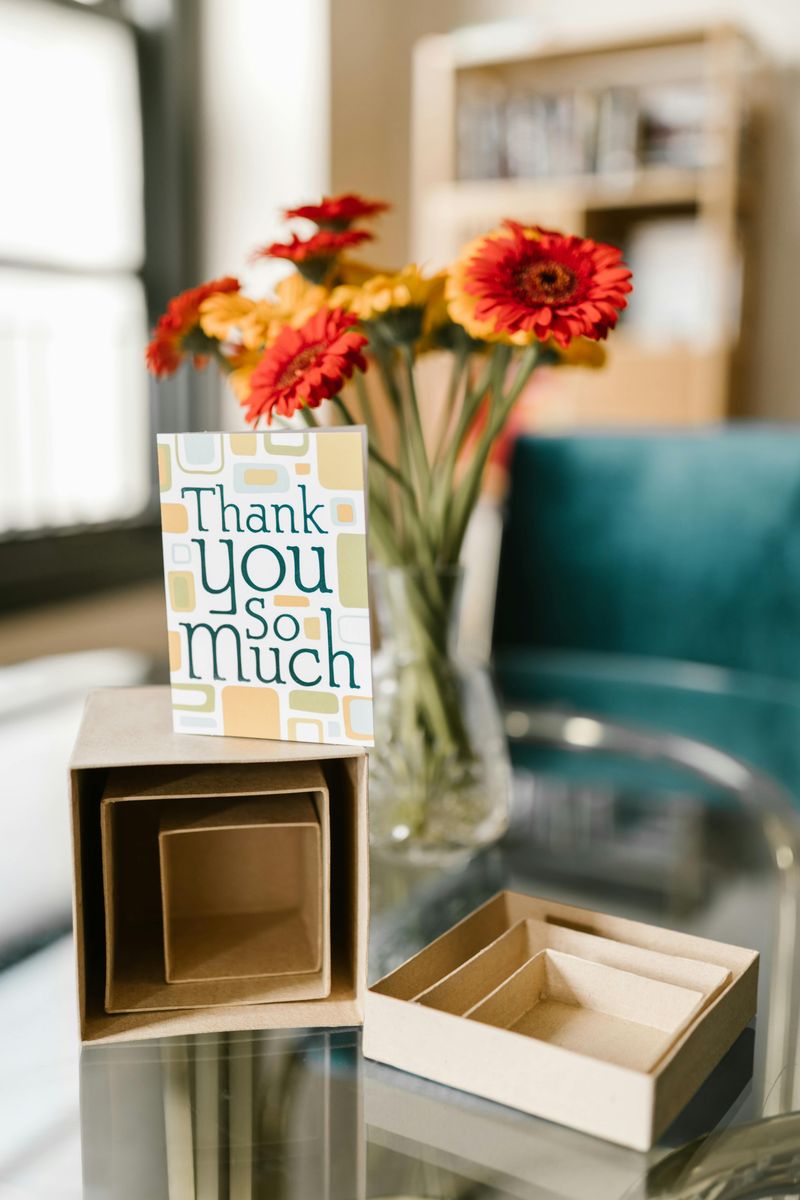
Long before texting existed, a handwritten thank-you note was the gold standard of gratitude, and boomers still swear by it.
Receiving a physical card in the mail feels personal in a way that a quick emoji never quite matches.
After job interviews, birthday gifts, or acts of kindness, a written note makes a lasting impression.
It shows that you took time out of your day specifically for that person.
Employers and older relatives especially notice and appreciate this gesture.
Keeping a small stash of cards at home makes it easy to send one whenever the moment calls.
3. Holding the Door Open
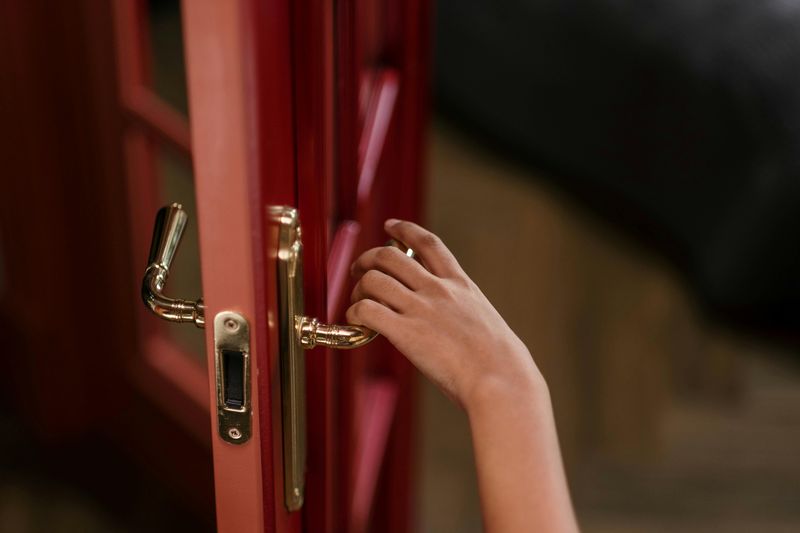
Back in the day, letting a door slam in someone’s face was considered downright rude, and honestly, that standard still holds up.
Holding the door open for the person behind you takes about three seconds and communicates genuine awareness of others.
Boomers grew up treating this as second nature, whether they were entering a grocery store or a school hallway.
The gesture is not about gender roles anymore but about basic human consideration.
When someone holds the door for you, it tends to lift your mood just a little.
Paying that forward keeps the chain of kindness going.
4. Making Eye Contact During Conversations

Phones have made it far too easy to look everywhere except at the person talking to you.
Boomers are quick to point out that eye contact was once considered the foundation of honest, respectful conversation.
When you meet someone’s gaze, it signals that you are fully present and genuinely interested in what they have to say.
Avoiding eye contact can accidentally come across as boredom, dishonesty, or disrespect, even if none of those are true.
Practicing this habit during everyday chats builds confidence over time.
Strong communicators across every generation consistently credit steady eye contact as one of their most valuable social tools.
5. Arriving on Time

“Early is on time, on time is late” is a phrase boomers practically grew up hearing at the breakfast table.
Punctuality is about more than clocks.
It is a signal that you value other people’s time as much as your own.
Consistently showing up late to meetings, dinners, or events sends a message that your schedule matters more than everyone else’s.
Employers rank reliability among the top traits they look for in employees, and timeliness is a huge part of that.
Planning ahead, setting reminders, and leaving a few minutes early can completely transform how others perceive your dependability.
6. Using Proper Table Manners
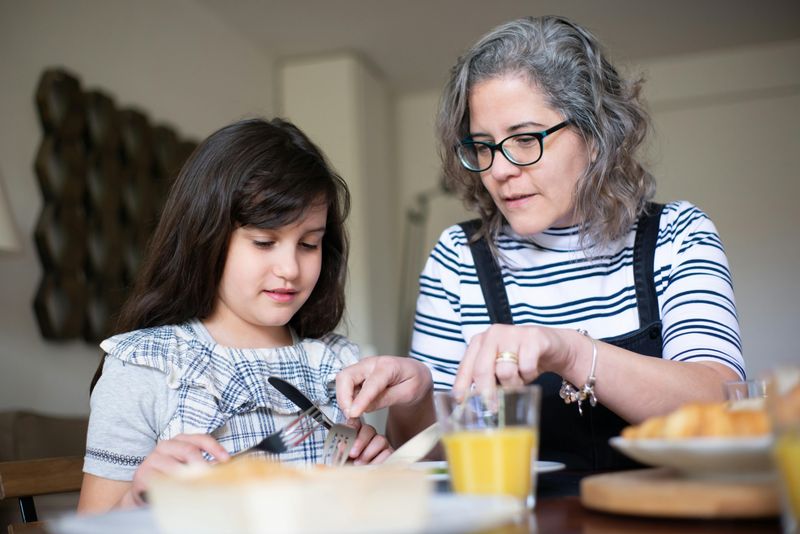
Chewing with your mouth open, reaching across someone’s plate, or scrolling your phone at dinner are habits that make boomers visibly cringe.
Table manners have been taught for centuries because shared meals are about more than food.
They are about connection and mutual respect.
Knowing which fork to use or how to pass a dish properly can matter enormously in professional or formal settings.
Even at casual family dinners, good habits at the table reinforce self-discipline and consideration for others.
Starting small, like putting your phone away during meals, builds the foundation for stronger social etiquette across every area of life.
7. Addressing Adults with Respect

Calling an adult by their first name without being invited to do so was practically unthinkable when boomers were growing up.
Using titles like Mr., Mrs., or Dr. shows that you recognize experience and position, which matters in both school and professional environments.
Even as workplaces have become more casual, many older adults still appreciate being addressed formally until they say otherwise.
This habit is not about being stiff or old-fashioned.
It is about reading the room and showing social awareness.
Young people who demonstrate this kind of respect tend to earn trust and opportunities faster than those who do not.
8. Listening Without Interrupting

Interrupting someone mid-sentence is one of those habits that feels harmless in the moment but chips away at trust over time.
Boomers were taught that waiting your turn to speak was a basic sign of maturity and self-control.
Active listening, meaning truly absorbing what someone says before forming your response, is a skill that separates good communicators from great ones.
In arguments or difficult conversations, letting someone finish speaking often defuses tension before it escalates.
The simple act of pausing before you speak shows emotional intelligence.
People who feel genuinely heard are far more likely to return that same courtesy to you.
9. Offering Your Seat to Someone in Need

There is a quiet dignity in noticing that someone else needs something before they have to ask for it.
Boomers grew up in a culture where offering your seat on a bus or in a waiting room to an elderly person, a pregnant woman, or someone injured was simply expected.
This habit reflects situational awareness and genuine compassion for the people sharing your space.
In a world where everyone is often focused on their own screens and schedules, this small act stands out dramatically.
Teaching younger generations to look up and notice those around them is one of the most meaningful gifts any adult can pass on.
10. RSVPing to Invitations

Leaving someone hanging on whether you will attend their event is a surprisingly common modern rudeness that boomers find genuinely baffling.
RSVP comes from the French phrase meaning “please respond,” and it exists for a very practical reason: hosts need to plan food, seating, and supplies.
When you ignore an invitation without responding, you create real logistical problems and signal that the event is not worth a few seconds of your attention.
Responding promptly, whether the answer is yes or no, is one of the clearest ways to show respect for someone’s effort and hospitality.
It is a small habit with an outsized impact on how others experience your character.