 MomSkoop

Have you ever noticed how some people guard their plate like it holds the last meal on Earth?
While it might seem quirky or even rude, refusing to share food is often rooted in deeper personality traits.
Understanding why someone feels this way can help you connect with them better and avoid awkward dinner-table moments.
These 12 traits reveal what’s really going on beneath the surface.
1. Strong Personal Boundaries Around Possessions
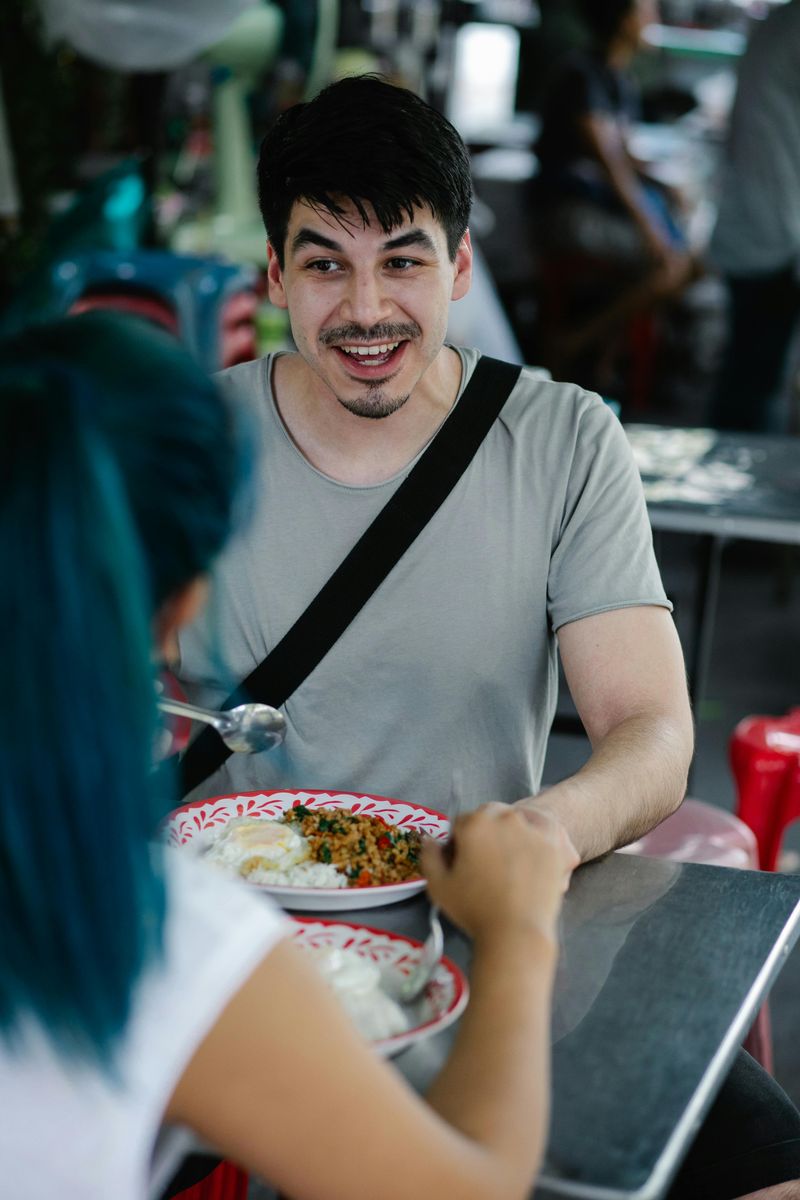
Some people treat their belongings like a fortress — and food is no exception.
For them, ownership isn’t just about stuff; it’s about feeling safe and in control.
When someone touches their things without asking, it feels like a personal violation, not just an inconvenience.
This trait often shows up in other areas too, like keeping a tidy desk or not lending out clothes.
It’s not selfishness — it’s a deeply wired need for personal space.
Respecting this boundary goes a long way in building trust with someone who holds their possessions close.
2. Heightened Awareness of Hygiene and Germs
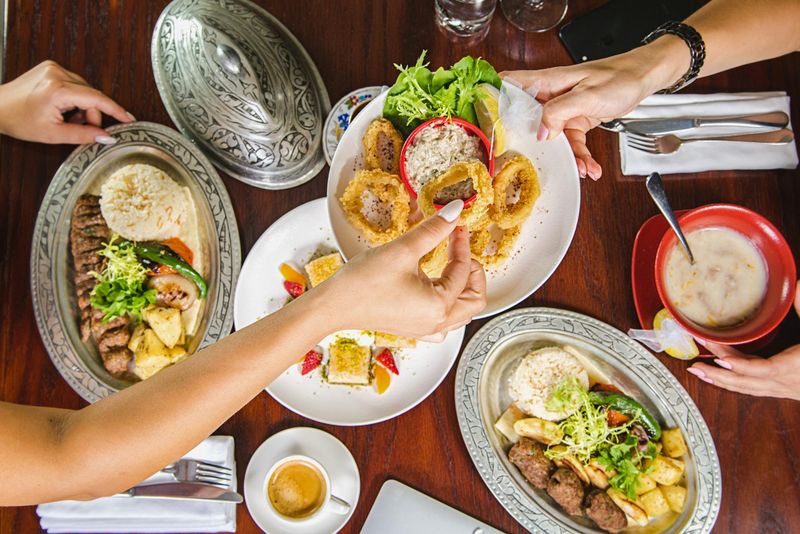
For germ-conscious people, a shared fork is basically a biological hazard.
Double-dipping, someone else’s fingers hovering over their fries — these things trigger a very real sense of discomfort.
Their awareness of germs isn’t paranoia; it’s just turned up a few notches higher than most.
Studies show that people with heightened hygiene sensitivity are more tuned in to contamination risks in everyday situations.
Sharing food means sharing bacteria, and that’s a hard pass for them.
If your friend always orders their own dish and refuses a bite of yours, this might be exactly why.
3. Clear Sense of Ownership

“Mine” is more than just a word — for some people, it’s a whole philosophy.
A clear sense of ownership means they know exactly what belongs to them and expect others to respect that line.
When it comes to food, this translates into a strong preference for keeping their meal untouched.
This trait isn’t about being greedy.
It actually reflects a healthy understanding of personal rights and fair exchange.
People like this often make great roommates and colleagues because they respect what belongs to others just as firmly.
They simply expect the same consideration in return.
4. Low Tolerance for Unexpected Interruptions

Mealtime isn’t just eating for everyone — for some, it’s a carefully carved-out moment of peace.
When someone suddenly grabs food off their plate without warning, it disrupts the entire experience.
People with low tolerance for interruptions find this especially jarring, even if it seems harmless to others.
Routine and predictability matter deeply to these individuals.
An uninvited hand reaching toward their plate breaks their mental rhythm in a surprisingly big way.
It’s less about the food itself and more about the sudden loss of control over their moment.
Asking before grabbing makes a world of difference to them.
5. Preference for Control Over Their Environment

People who like controlling their environment tend to have strong opinions about how their meals go.
From where they sit to what’s on their plate, every detail matters.
Sharing food introduces unpredictability — and unpredictability is not their comfort zone.
This isn’t about being bossy; it’s about feeling grounded.
When their surroundings match their expectations, they function better and feel more at ease.
Food sharing can feel like a small chaos dropped into a carefully organized world.
Give these folks the freedom to manage their own plate, and you’ll likely see a much more relaxed and happy version of them.
6. Discomfort With Sharing in Close-Contact Situations

Physical closeness during meals can feel overwhelming for certain personality types.
When someone is already managing their personal space, adding food sharing to the mix is simply too much.
The combination of proximity and shared eating creates a kind of sensory overload they’d rather avoid.
Interestingly, this discomfort doesn’t always mean they’re unfriendly.
Many warm, social people still prefer their own plate and their own space at the table.
It’s a physical comfort thing more than an emotional one.
Understanding this distinction helps avoid misreading their behavior as coldness when it’s really just a personal comfort preference.
7. Sensitivity to Others Altering Their Experience

Ever had someone rearrange your fries or mix your food without asking?
For most people, it’s mildly annoying.
For highly sensitive individuals, it genuinely ruins the experience.
Their relationship with food often involves specific expectations — the right texture, temperature, and presentation all play a role.
When someone alters even a small detail, it disrupts a carefully built sensory experience.
This sensitivity extends beyond food into music volume, lighting, and conversation tone.
People like this aren’t being dramatic — their senses are simply more finely tuned.
Treating their meal as their personal domain shows a level of respect they truly appreciate.
8. Highly Individual Eating Habits and Rituals
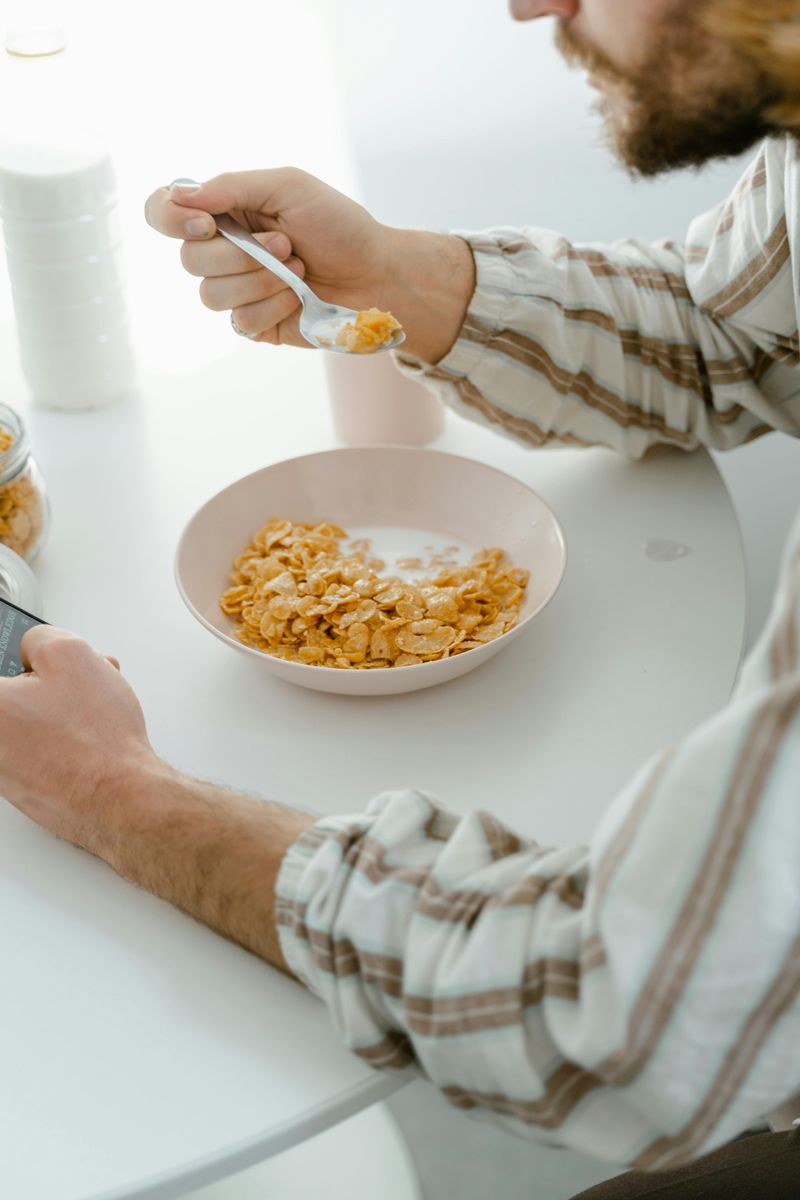
Some people eat their meals in a very specific order.
Maybe the veggies always go first, or the sauce can never touch the rice.
These aren’t random quirks — they’re personal rituals that bring a sense of comfort and order to everyday life.
Sharing food disrupts those rituals in ways that might seem trivial from the outside but feel significant on the inside.
When someone takes a piece from their plate, it can throw off the whole rhythm of the meal.
Respecting someone’s eating habits, even the unusual ones, is a small act of kindness with a surprisingly big impact.
9. Protective of Personal Space Even in Casual Settings
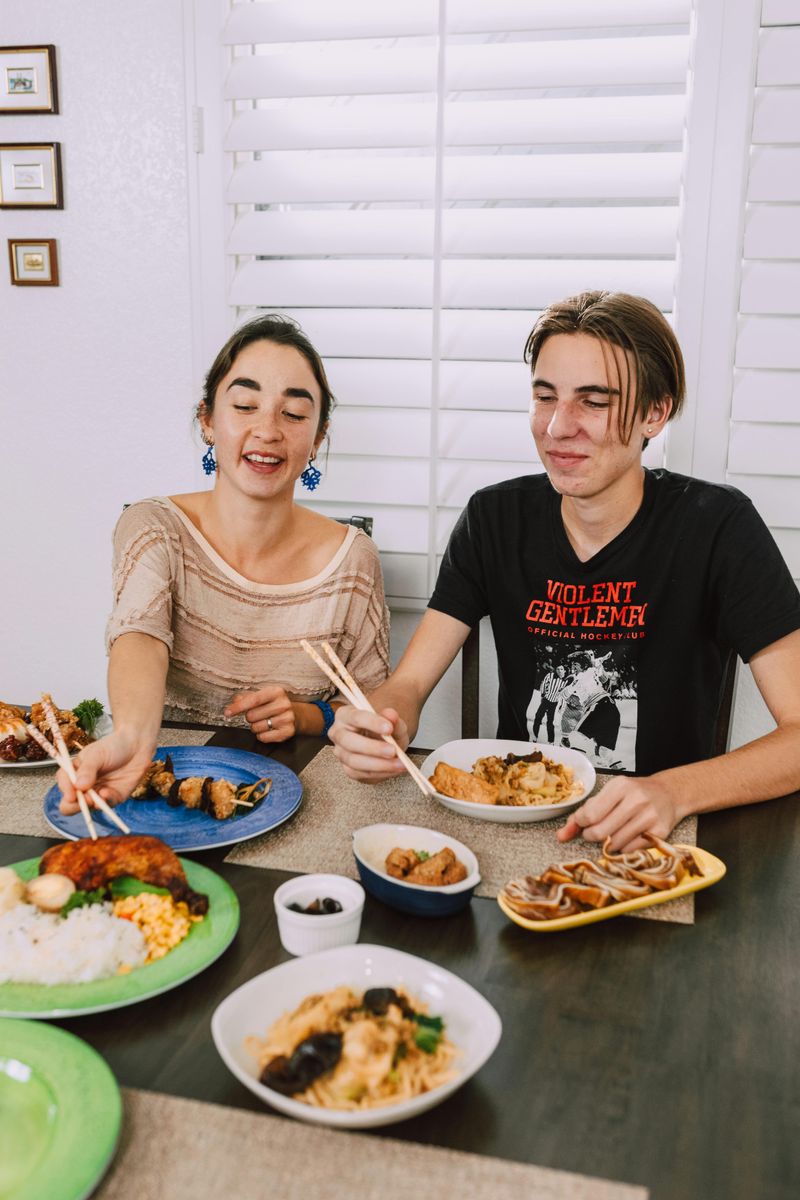
Personal space isn’t just about physical distance — it’s about emotional comfort too.
People who guard their personal space in casual settings tend to apply that same protectiveness to their food.
A backyard barbecue or a casual lunch with friends doesn’t automatically make sharing feel okay to them.
This trait is deeply connected to how they recharge and feel secure in social settings.
Their plate becomes an extension of their personal bubble.
Reaching into that bubble without an invitation — even at a laid-back gathering — can trigger real discomfort.
A simple “can I try some?” changes everything for them.
10. Quick to Notice Boundary-Crossing Behavior
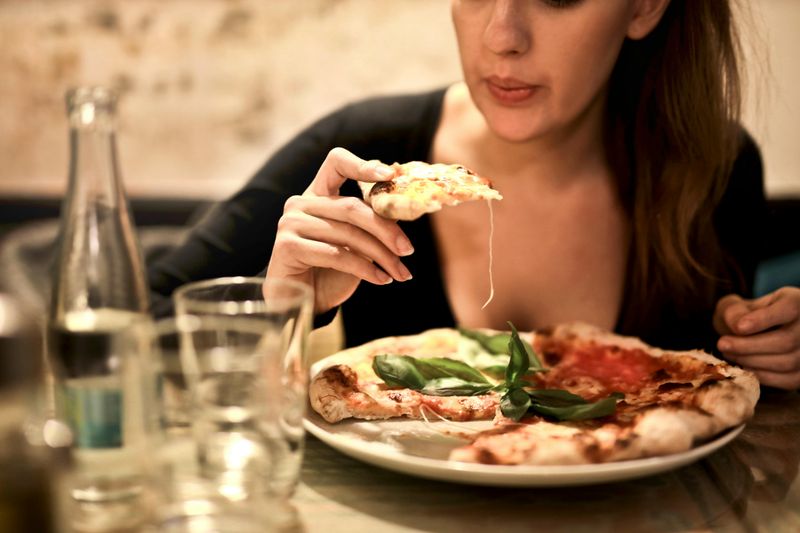
Some people have an almost radar-like ability to spot when a line is being crossed.
Whether it’s a hand creeping toward their plate or someone finishing their leftovers without asking, they notice — and they react quickly.
This isn’t hypersensitivity; it’s a well-developed awareness of social boundaries.
People with this trait often have a strong internal compass for fairness and respect.
They pick up on subtle cues that others might miss entirely.
When food boundaries are crossed, it’s not just about the meal — it signals a deeper disregard for their comfort.
They’re not overreacting; they’re just paying close attention.
11. Selective Generosity
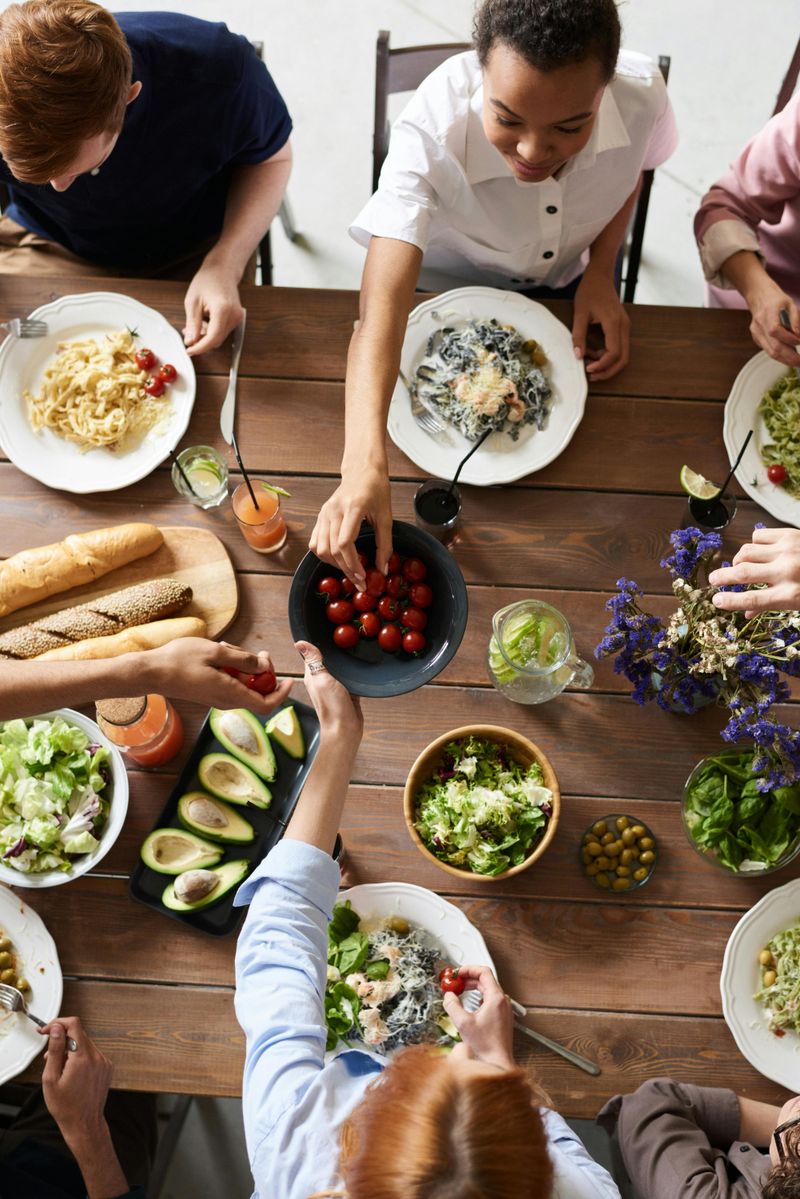
Here’s something surprising — people who hate sharing food aren’t always selfish.
Many of them are actually quite generous, just on their own terms.
They might bring homemade cookies to share with the whole office but still guard their lunch like it’s classified information.
Selective generosity means they choose when, how, and with whom they share.
It’s intentional rather than impulsive.
When they do offer something, it genuinely means something because it was a conscious choice.
Rather than seeing this as stinginess, think of it as thoughtful giving.
Their generosity is real — it just comes with intention and a clear sense of timing.
12. Value Respect and Consent in Everyday Interactions

At the heart of food-sharing reluctance is often something surprisingly mature: a strong belief in consent and mutual respect.
People who hate having their food taken without asking simply apply the same standards to everything.
They believe in asking first, whether it’s borrowing a pen or tasting someone’s pasta.
This value system makes them reliable and respectful partners in friendships and relationships.
They’re unlikely to take things that aren’t theirs and genuinely appreciate when others show the same consideration.
Food is just one small stage where this principle plays out daily.
For them, asking before taking isn’t a formality — it’s a form of genuine respect.