 MomSkoop
Music has a funny way of making certain artists feel absolutely inescapable — and then, almost overnight, they vanish from the conversation.
Some of these acts sold millions of records, packed arenas, and dominated radio stations across the world.
Yet today, many people can barely recall their names without a nudge.
Get ready for a trip down a very specific memory lane, because these 15 artists were once massive — and most of us completely forgot about them.
1. The Shaggs
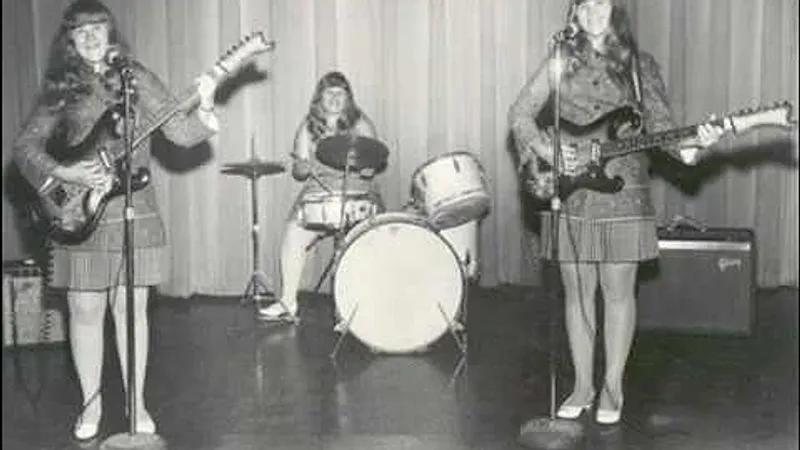
Few stories in rock history are as bizarre and oddly touching as The Shaggs.
Three sisters from New Hampshire were pulled out of school by their father, who was convinced they were destined for musical stardom — based on a palm reading.
The result was “Philosophy of the World,” an album so off-key and unusual that critics struggled to describe it.
Somehow, decades later, it became a cult classic.
Frank Zappa reportedly called them “better than the Beatles.” Whether that was praise or a joke remains delightfully unclear.
Their story is one of the strangest in all of pop music history.
2. Kajagoogoo
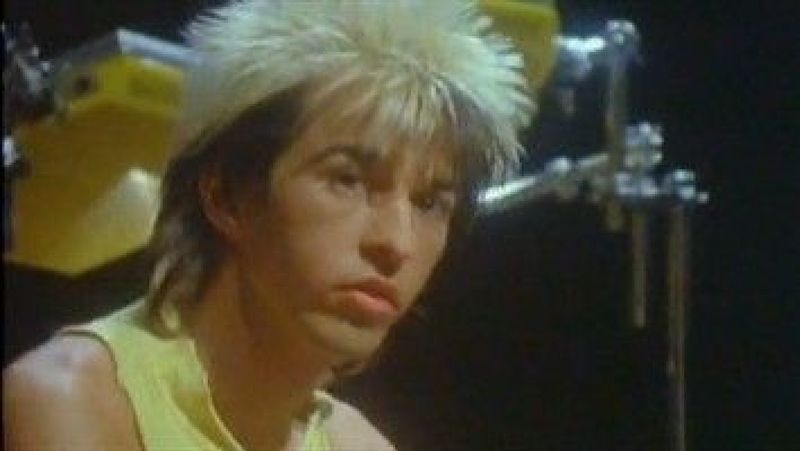
“Too Shy” hit number one in the UK in 1983, and for a brief, glorious moment, Kajagoogoo were absolutely everywhere.
Their lead singer, Limahl, had one of the most recognizable hairstyles of the entire decade — a two-tone swoop that screamed early MTV glamour.
Then things fell apart surprisingly fast.
Limahl was fired from the band not long after the hit, and neither he nor the remaining members ever recaptured that chart magic.
They reunited a few times over the years, but the mainstream never really welcomed them back.
One massive song, one wild hairstyle, and then — silence.
3. A Flock of Seagulls
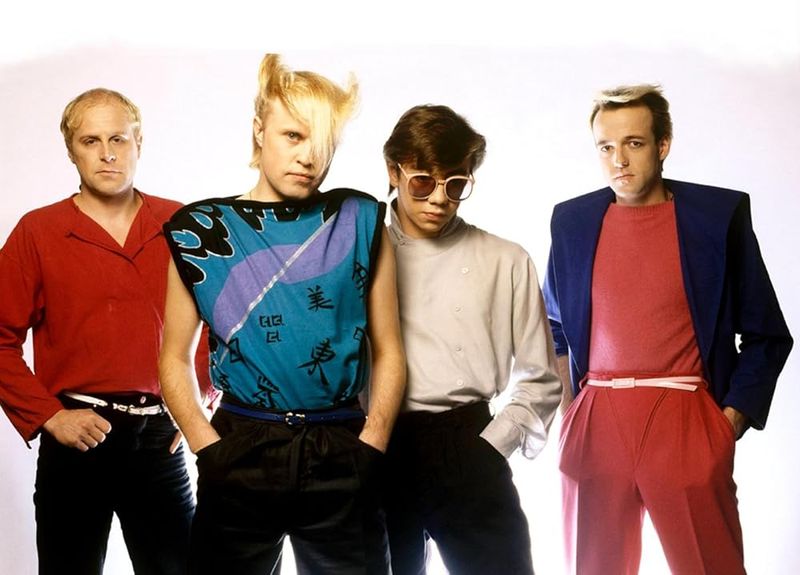
Ask anyone about A Flock of Seagulls, and there is a very good chance they will immediately mime a ridiculous hairdo before naming a single song.
That gravity-defying hairstyle worn by frontman Mike Score became one of the defining images of the entire MTV generation.
But here is the thing — they actually had real musical talent. “I Ran (So Far Away)” is a legitimately great synth-pop track that still holds up today.
Unfortunately, their image overshadowed their music so completely that most people forgot there was substance behind the style.
A cautionary tale wrapped in hairspray.
4. Swing Out Sister
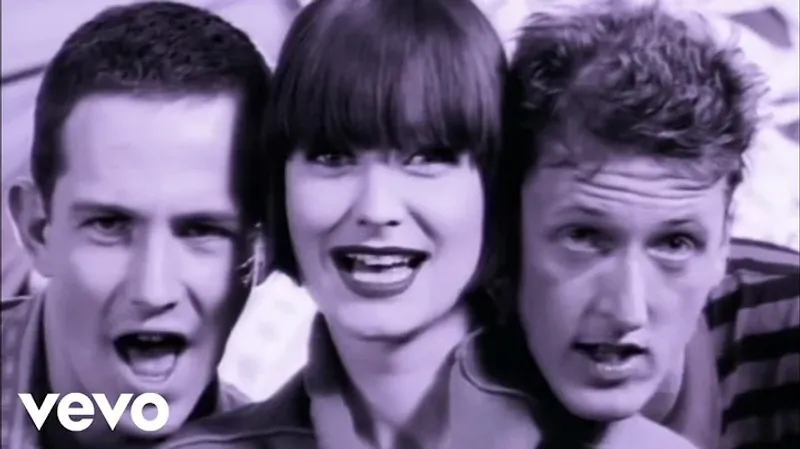
Swing Out Sister had a sound that felt like a warm cocktail party — sophisticated, breezy, and just cool enough to make you feel like you belonged somewhere fancy.
Their 1986 debut single “Breakout” climbed charts across the UK and the US, earning them a devoted following almost immediately.
Somehow, though, the mainstream moved on without them.
They kept releasing music well into the 2000s and beyond, building a loyal fan base in Japan especially.
But casual listeners largely forgot they existed after that first wave of success.
Underrated is almost too small a word for what they became.
5. Vixen
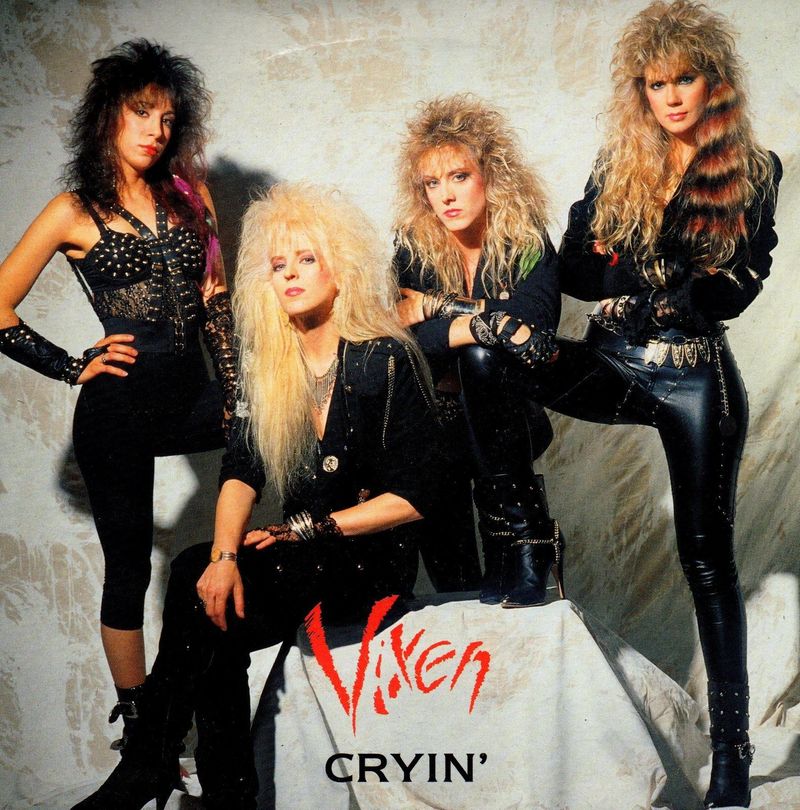
At the height of the glam metal era, Vixen were turning heads and breaking barriers.
As one of the few all-female bands to crack the mainstream hard rock scene in the late 1980s, they earned genuine respect from fans and fellow musicians alike.
Their single “Edge of a Broken Heart” is still a certified banger.
When grunge swept in and wiped the glam metal scene off the map in the early 1990s, Vixen got caught in the cultural reset along with everyone else.
They reunited multiple times, but the spotlight never fully returned.
Their legacy, however, deserves a serious second look.
6. Lipps, Inc.
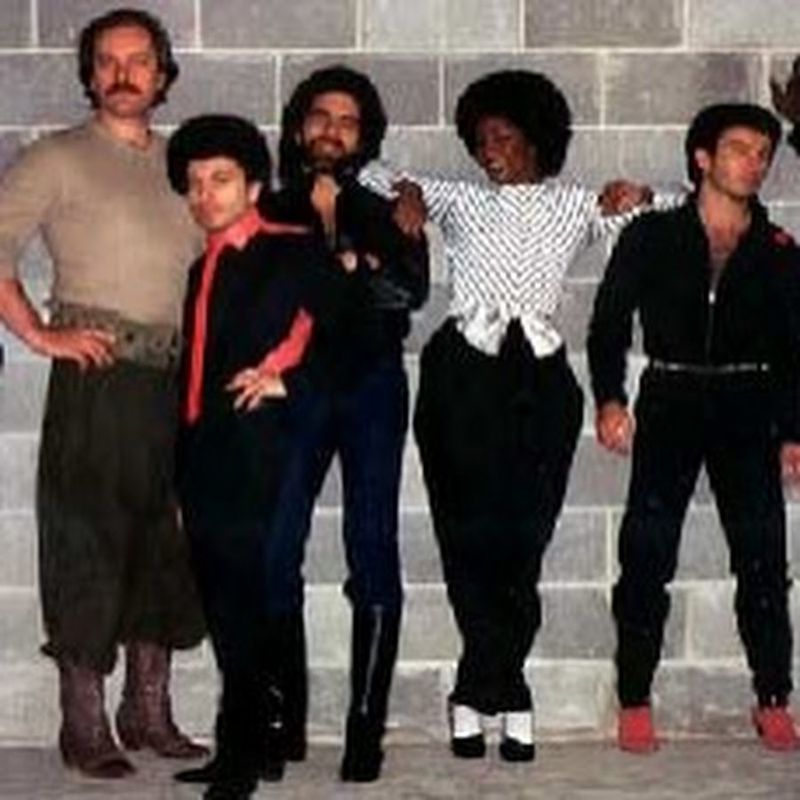
“Funkytown” is one of those songs that burrows into your brain the second you hear the opening synth riff.
Released in 1980 by the Minneapolis-based project Lipps, Inc., it became a worldwide smash, topping charts in over 28 countries.
That is an almost unbelievable level of reach for any song.
Yet somehow, most people have no idea who made it.
Vocalist Cynthia Johnson delivered one of disco’s most recognizable vocal performances, and the production was ahead of its time.
After “Funkytown,” though, the act faded with stunning speed.
The song outlived the band’s fame by about four decades and counting.
7. Club Nouveau
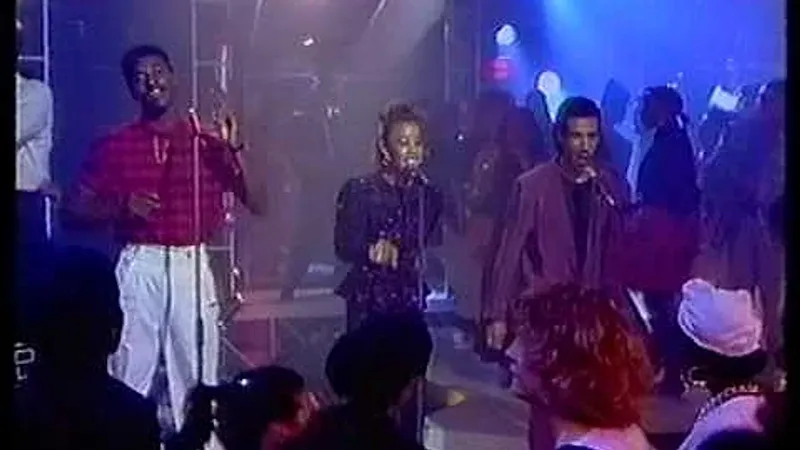
Club Nouveau won a Grammy Award in 1987 for their R&B cover of Bill Withers’ classic “Lean on Me” — a fact that surprises most people today, because almost nobody talks about them anymore.
Their version had a harder, more electronic funk edge that divided purists but clearly impressed the Recording Academy.
They had a few more charting singles before the decade ended, but nothing ever matched that Grammy moment.
By the time the 1990s arrived, they had largely disappeared from mainstream conversation.
It is genuinely strange how quickly a Grammy win can fade from public memory when the follow-up momentum stalls.
8. Autograph
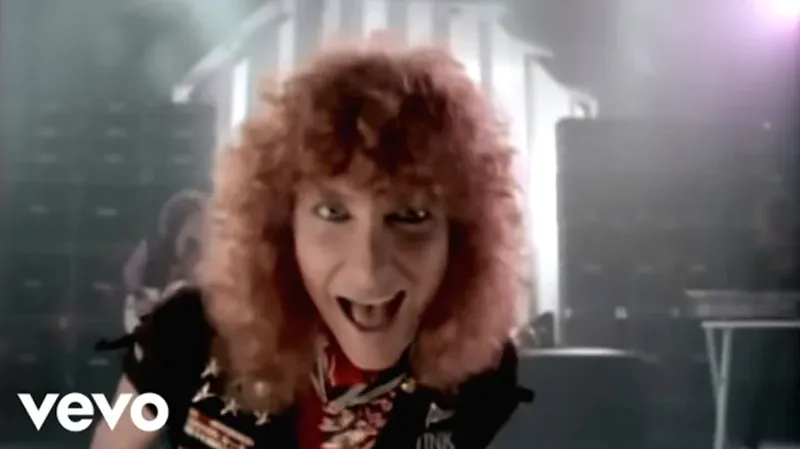
“Turn Up the Radio” had all the ingredients of a rock anthem built to last — a punchy guitar riff, a singalong chorus, and the kind of energy that made it feel like a stadium was the only appropriate venue.
When Autograph released it in 1984, it rocketed them onto rock radio and MTV playlists instantly.
But lightning refused to strike twice.
Their follow-up albums never connected the same way, and the band quietly dissolved before the decade was over.
Tragically, lead singer Steve Plunkett passed away in 2021, closing the chapter on any real reunion hopes.
A one-hit wonder that deserved a longer story.
9. Twisted Sister
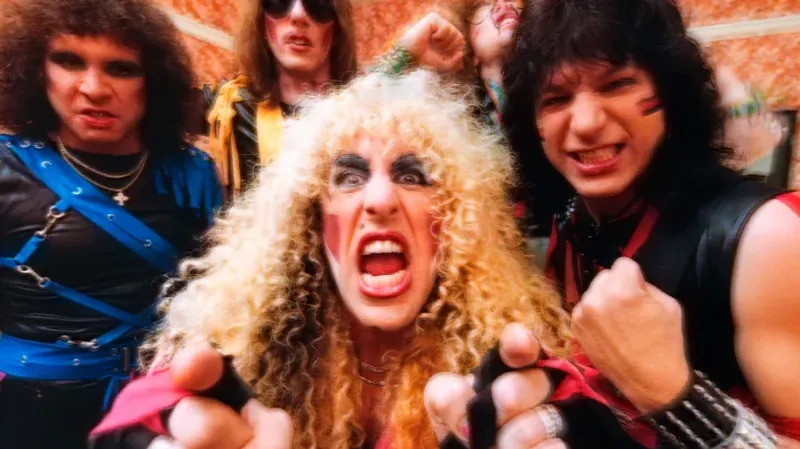
“We’re Not Gonna Take It” is still played at sporting events, political rallies, and graduation parties to this day — which is both a testament to its power and a reminder that most people have completely disconnected it from Twisted Sister.
Dee Snider’s band was a genuine phenomenon in 1984, with a rebellious image that felt genuinely dangerous to parents everywhere.
Grunge ended their commercial run, though Snider remained a recognizable public figure.
The band itself became more of a nostalgia act with each passing decade.
There is something bittersweet about a rebellion anthem becoming the soundtrack for comfortable celebration.
10. Europe
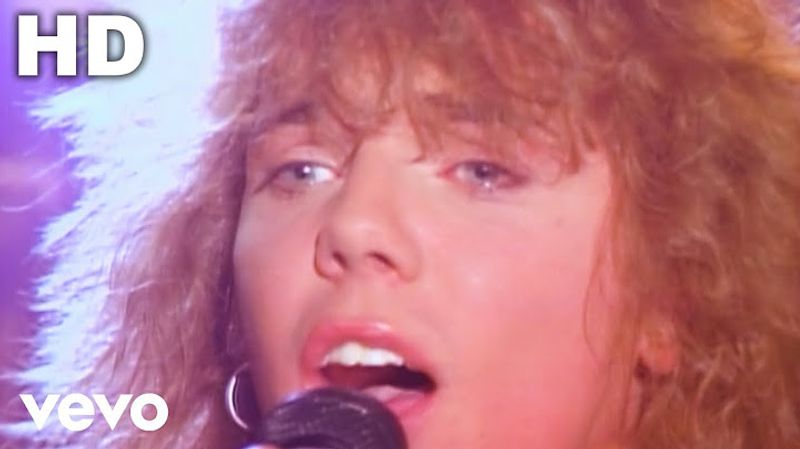
The keyboard intro to “The Final Countdown” is one of the most instantly recognizable sounds in all of rock music.
When Europe released it in 1986, it became a global anthem — the kind of song that plays in your head at moments of dramatic personal significance, whether you want it to or not.
Outside of that one track, though, Europe rarely gets mentioned in serious rock conversations today.
They kept recording and touring, building a solid following in Europe, but the mainstream spotlight in the US moved on quickly.
One song carrying an entire legacy is a heavy burden, even for a great band.
11. The Housemartins
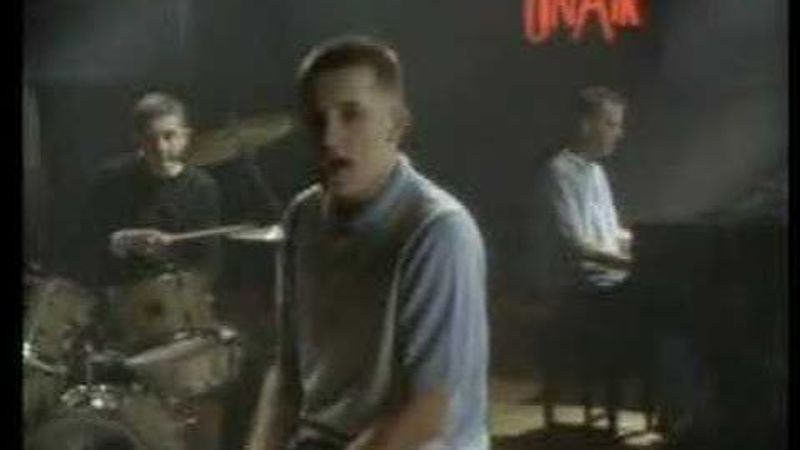
Before Norman Cook became Fatboy Slim and before Paul Heaton launched a successful solo career, both men were members of The Housemartins — a Hull-based band with sharp political lyrics and an unexpectedly joyful sound.
Their a cappella cover of “Caravan of Love” reaching number one in the UK in 1986 remains one of pop’s most charming surprises.
Outside of dedicated UK music fans and people who lived through that era, The Housemartins are barely a footnote today.
Their influence on British indie music was real and lasting, but the band themselves dissolved in 1988, leaving behind a catalog far too good to be this overlooked.
12. Catatonia
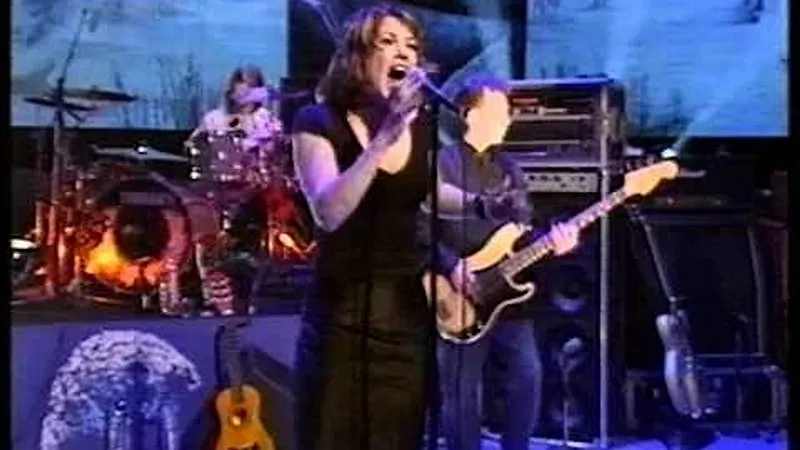
Catatonia frontwoman Cerys Matthews had one of the most distinctive voices of the entire Britpop era — warm, slightly husky, and impossible to confuse with anyone else.
The band’s 1998 album “International Velvet” was a genuine smash in the UK, producing anthems that defined the tail end of the Britpop movement with real emotional weight.
Outside of Wales and dedicated British music circles, though, Catatonia barely registered globally.
They broke up in 2001, just as the world was moving on from Britpop entirely.
Matthews went on to a successful solo and radio career, but the band itself faded from wider conversation with surprising speed.
13. Moloko

“Sing It Back” became a dancefloor staple in 1999, and Moloko’s blend of trip-hop, electronic pop, and Roisin Murphy’s theatrical vocal style felt genuinely fresh at the time.
Their album “Things to Make and Do” was critically acclaimed and commercially successful in the UK and across Europe.
Murphy later launched a well-regarded solo career, which means she at least stayed on the radar for dedicated music fans.
But Moloko as a unit drifted out of the mainstream conversation fairly quickly after their split in 2004.
For a band that influenced so much electronic pop that followed, they receive remarkably little credit today.
14. The Liverbirds
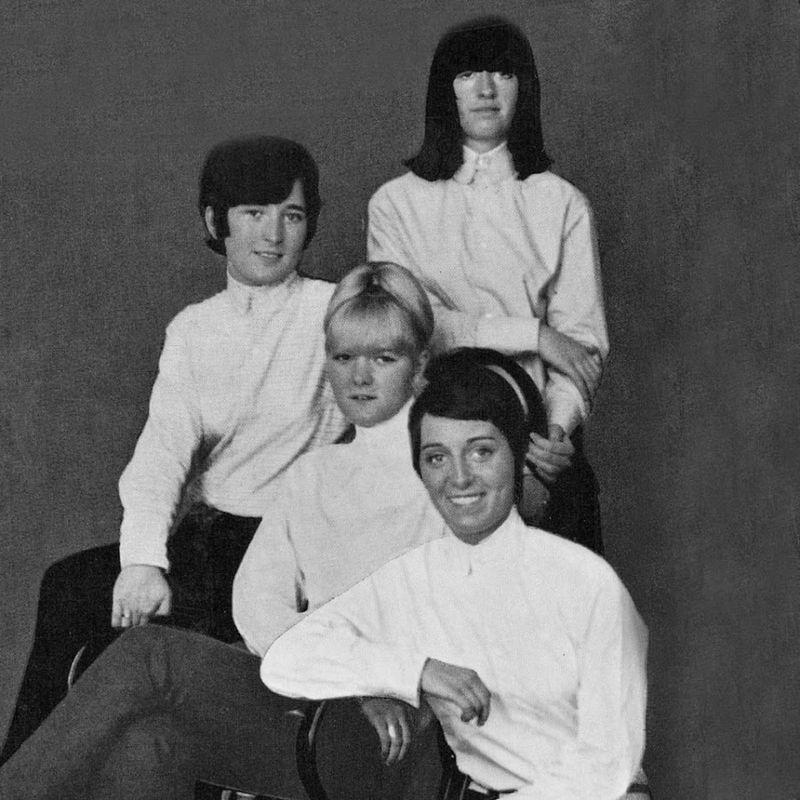
Long before riot grrrl and decades before all-female rock bands became a celebrated norm, The Liverbirds were already doing it — playing raw, loud rock and roll in the same Hamburg clubs where The Beatles cut their teeth.
Formed in Liverpool in 1962, they were pioneers in the truest sense of the word, breaking through in a scene that was almost entirely male.
Despite their historical significance, they remain largely absent from mainstream rock history books.
They deserve a place right alongside the acts that defined the 1960s British Invasion.
Their story is overdue for a serious rediscovery by music fans and historians alike.
15. Uriah Heep
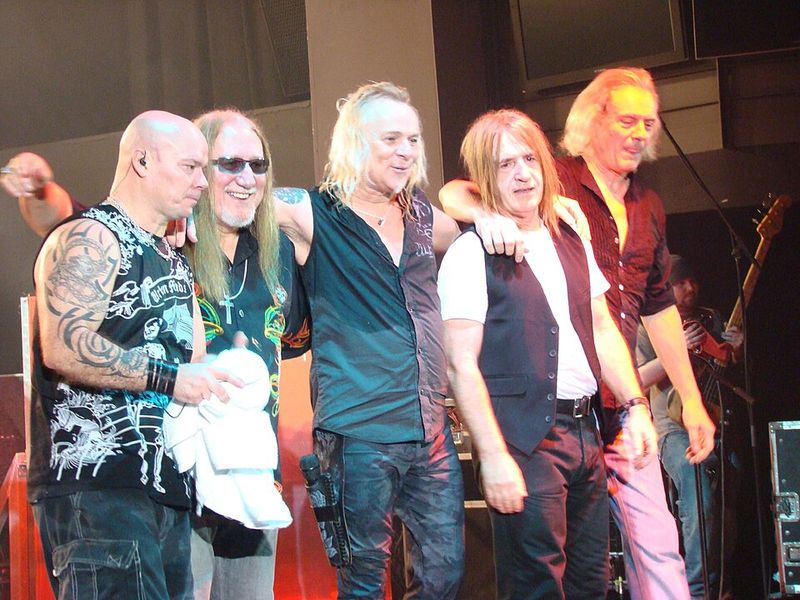
In the early 1970s, Uriah Heep were one of the biggest rock acts on the planet.
Albums like “Demons and Wizards” and “The Magician’s Birthday” were selling out and influencing a generation of musicians who would go on to define heavy metal and progressive rock for years to come.
Today, though, they live in the shadow of contemporaries like Led Zeppelin and Black Sabbath, despite having a catalog that absolutely holds its own.
They never officially broke up and still tour, which is remarkable.
But casual music fans rarely mention them unprompted — a puzzling fate for a band this genuinely accomplished and influential.