 MomSkoop
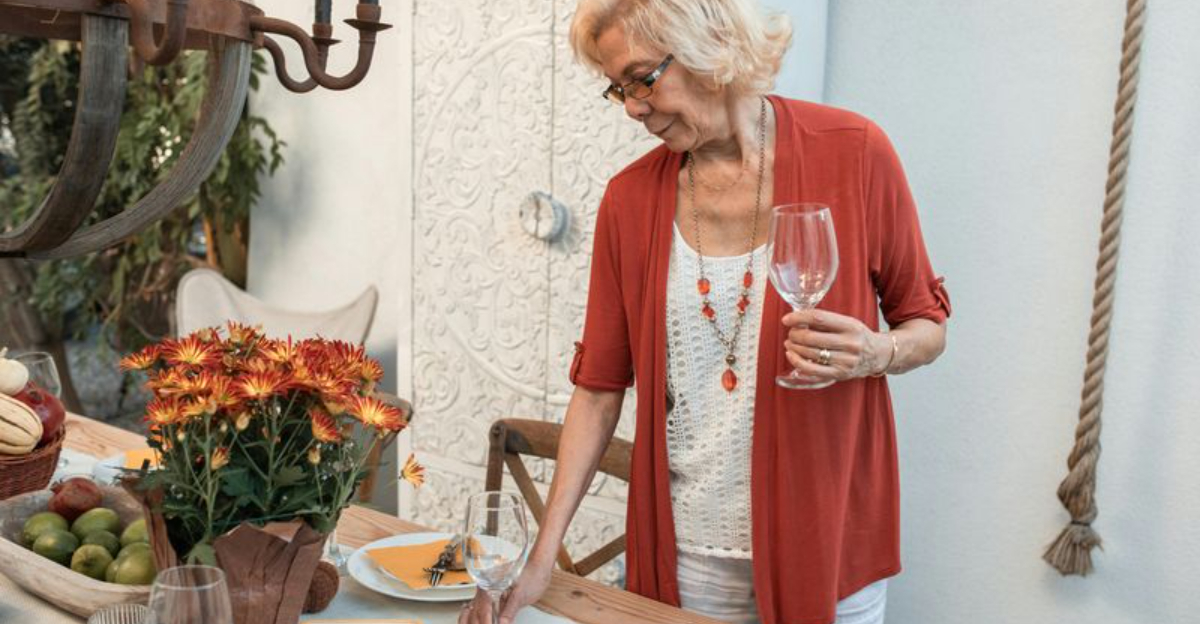
Some of the best hosting advice never goes out of style.
Long before Pinterest boards and fancy catering apps, grandmothers were running smooth, warm, and memorable gatherings with a handful of simple tricks.
These habits made guests feel genuinely welcome, and the good news is they work just as well today.
Whether you’re hosting a dinner party or a casual get-together, these time-tested tips are worth bringing back.
1. Always Have Something Ready Before Guests Arrive
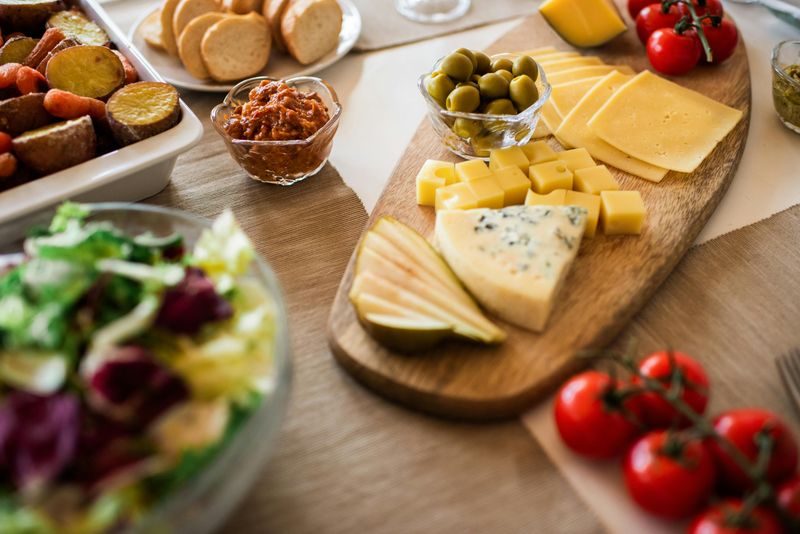
Walking into a home and immediately being handed a drink or a small snack is one of the best feelings a guest can experience.
It instantly removes that awkward moment of standing around not knowing what to do with your hands.
Even something as simple as a bowl of mixed nuts or a pitcher of iced water on the table does the job perfectly.
You don’t need a fancy appetizer spread—just something to signal that you were expected and prepared for.
Grandma always had the kettle on before the doorbell rang.
That small habit said everything about how much she cared.
2. Use Real Dishes, At Least for One Element
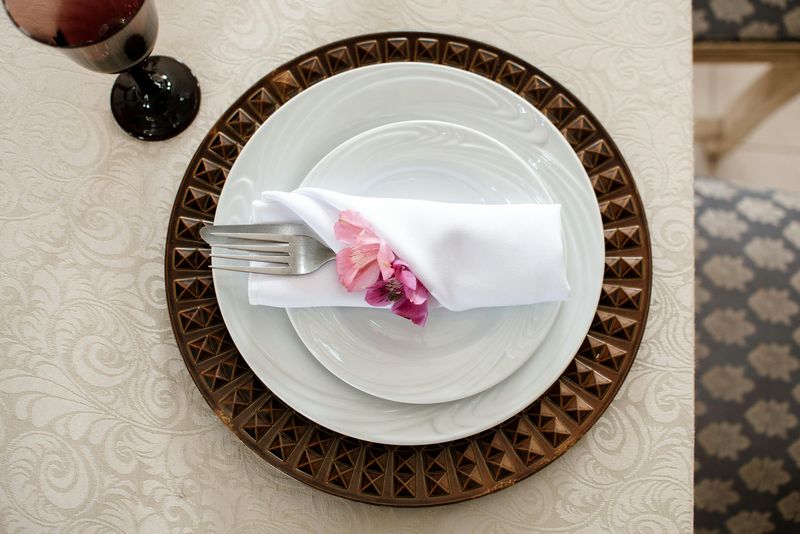
There is something undeniably special about being served on a real plate rather than a paper one.
You don’t need a full matching china set collecting dust in a cabinet—just one “real” element is enough to shift the entire energy of a meal.
Try using actual glass tumblers instead of plastic cups, or bring out a ceramic serving bowl for the salad.
These small swaps communicate effort and care without requiring a big budget or a lot of extra work.
Guests notice these details even when they don’t say so out loud.
Authenticity at the table always beats convenience.
3. Keep a Backup Dessert in the Freezer
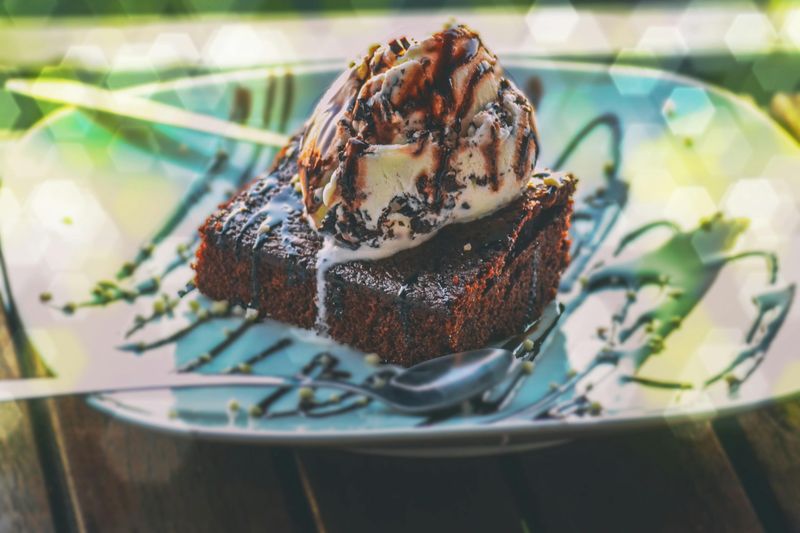
Grandma was never caught without a sweet ending to a meal—and that was no accident.
She kept her freezer stocked with at least one reliable dessert option, ready to pull out at a moment’s notice without any stress.
A tub of good ice cream, a frozen pound cake, or a box of store-bought pastries can all become impressive desserts with just a little presentation effort.
Add a drizzle of honey, some fresh berries, or a dusting of powdered sugar, and suddenly it looks intentional.
Having a backup dessert isn’t about being sneaky.
It’s about being prepared so your guests always leave on a high note.
4. Lighting Matters More Than Décor
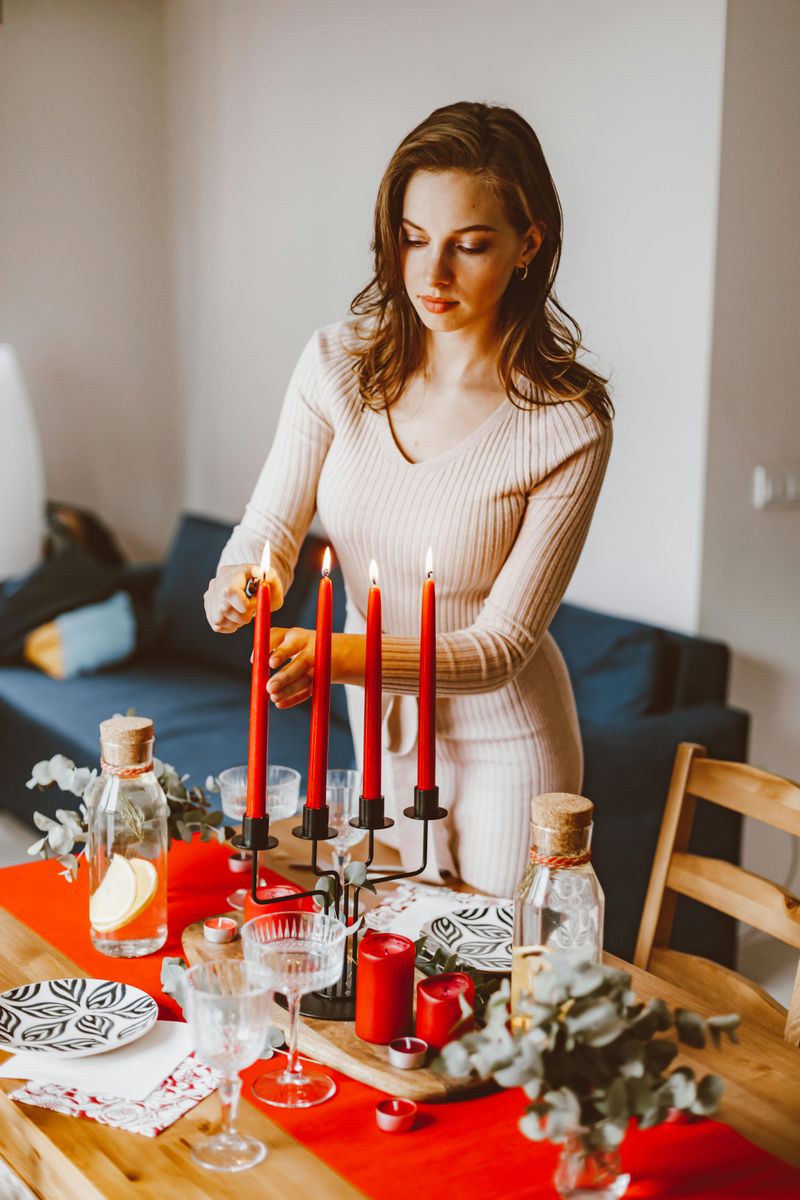
Forget spending hours rearranging furniture or buying new centerpieces—if you want your home to feel instantly warmer and more welcoming, just change the lighting.
Soft lamps and candles create a glow that no overhead fluorescent light can compete with.
Cozy beats fancy every single time.
Guests relax more when the room feels like a comfortable retreat rather than a brightly lit waiting room.
Even switching off one harsh overhead light and replacing it with a small lamp on a side table makes a huge difference.
Grandma understood this instinctively.
Her home always felt like a hug the moment you walked through the door.
5. Feed People a Little More Than They Expect
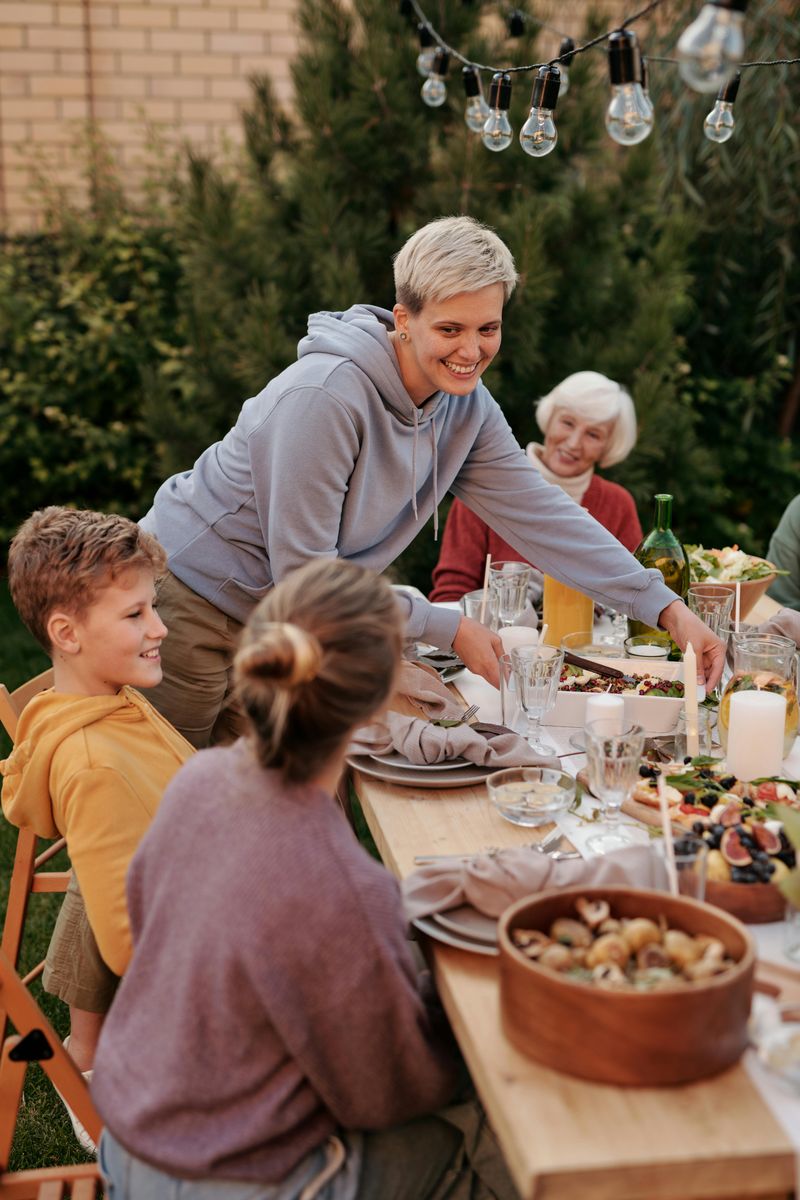
There’s a quiet kind of generosity in making sure your guests leave the table full and satisfied.
Not stuffed to the point of discomfort, but genuinely well-fed—like someone truly thought about their needs before they even arrived.
This doesn’t mean cooking five extra courses or spending a fortune on ingredients.
It means making a slightly larger batch of pasta, adding an extra side dish, or keeping some bread on the table throughout the meal.
When guests feel like there was more than enough, they feel cared for.
That sense of abundance is one of the most memorable gifts a host can offer.
6. Offer Rather Than Ask Too Many Questions
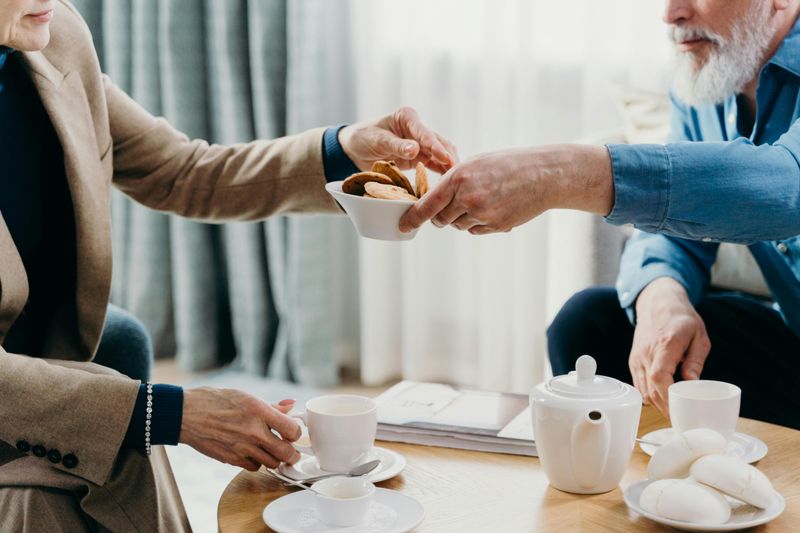
“I’ll put the kettle on” is one of the most comforting sentences in the English language.
It doesn’t ask permission—it just acts, and that simple shift makes guests feel genuinely looked after rather than like they’re placing an order at a restaurant.
When you ask a guest “Do you want something to drink?” they often feel like they might be imposing by saying yes.
But when you say “I’m making tea—do you take milk or sugar?” the decision is already made for them in the kindest way possible.
Grandma mastered this art.
She offered warmth without waiting for someone to ask for it first.
7. Set the Table Before the Food Is Ready
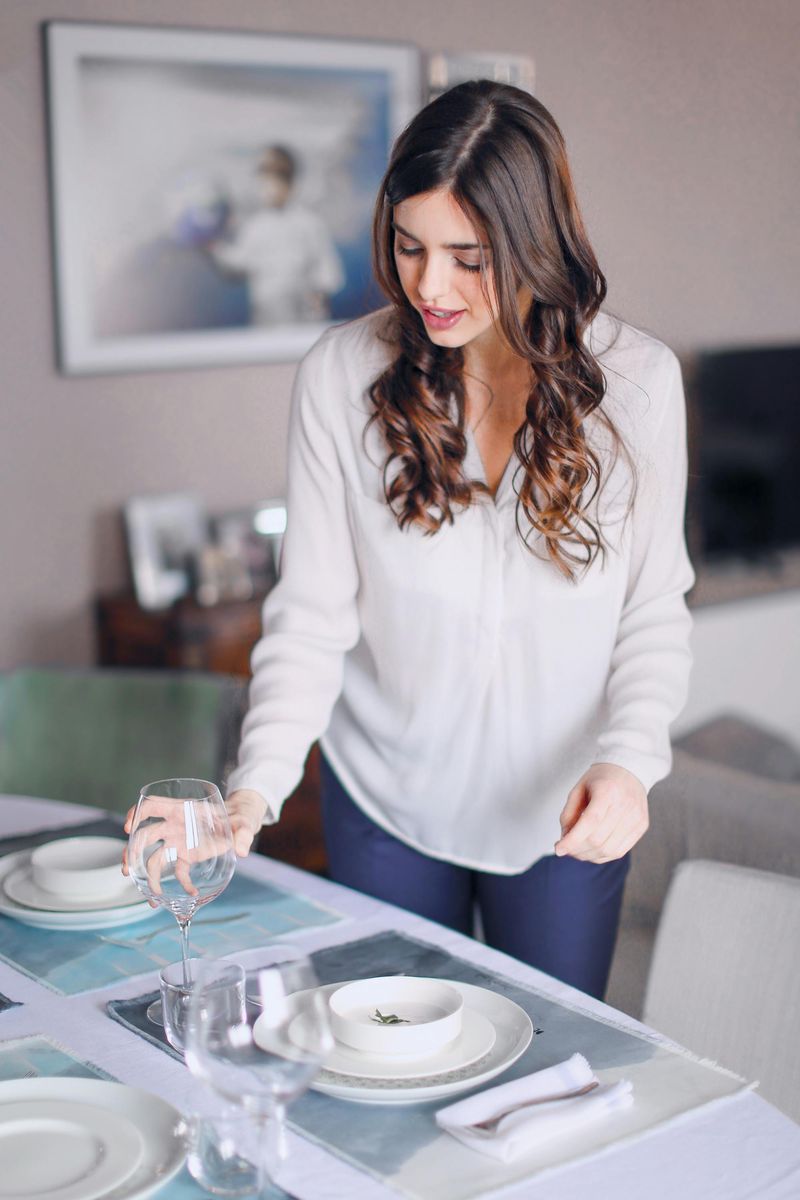
A fully set table does something almost magical—it tells guests that a real meal is coming, even before a single dish has left the kitchen.
It creates anticipation and signals that the evening has been thoughtfully organized.
Setting the table early also buys you precious time.
While you’re still stirring the pot or checking the oven, your guests can sit down, pour some water, and settle in without feeling like they’re waiting around awkwardly.
Even a simple table—plain plates, mismatched glasses, a candle in the middle—feels intentional when it’s all set up before anyone sits down.
That preparation speaks louder than you might think.
8. Develop a Signature House Thing

Every memorable host has that one thing—a specific drink they always make, a snack that’s always on the counter, or a dish that guests start requesting by name.
Consistency like this builds a kind of identity around your home that people genuinely look forward to.
Maybe it’s your grandmother’s shortbread recipe, a special spiced punch, or a particular brand of biscuits you always put out.
Whatever it is, it becomes part of the experience of visiting you—and that’s something guests talk about long after the evening ends.
Complexity fades from memory.
A signature detail sticks around forever.
9. Tidy the Bathroom Like It’s Part of the Party
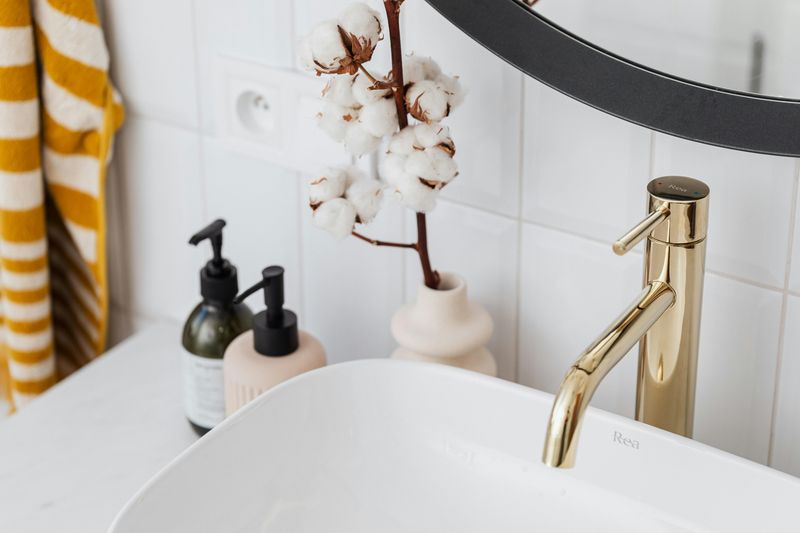
Grandma always made sure the bathroom was spotless before anyone arrived—and that was never an accident.
A clean, stocked guest bathroom is one of the quietest but most powerful signs of a truly thoughtful host.
Swap out the used hand towel for a fresh one, make sure the soap dispenser is filled, and add a subtle scent with a candle or a small diffuser.
These are tiny details that take five minutes but leave a lasting impression.
Guests notice when the bathroom feels like it was prepared for them specifically.
It shows a level of care that goes well beyond just cooking a good meal.
10. Sit Down With Your Guests
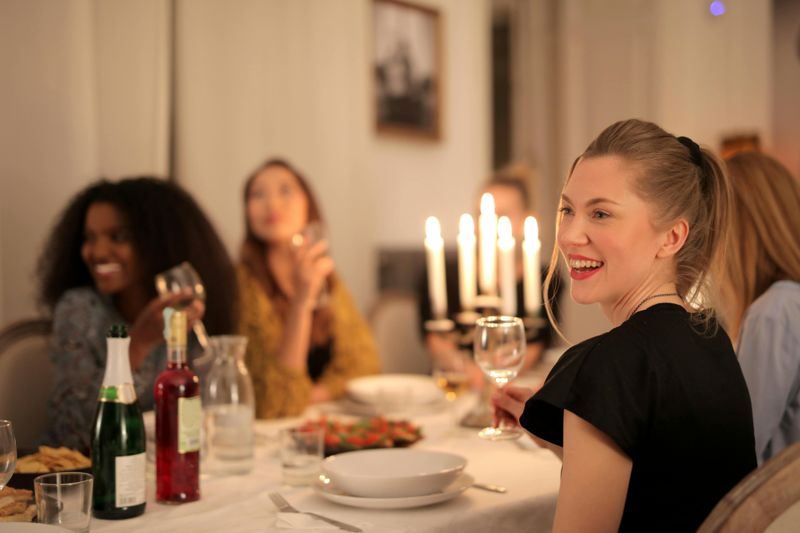
The best hosts aren’t the ones who spend the entire evening disappearing into the kitchen.
They’re the ones who actually sit down, join the conversation, and make their guests feel like the most important people in the room.
Hovering and fussing can unintentionally make guests feel like they’re causing stress rather than being enjoyed.
When you pull up a chair and genuinely engage, the whole atmosphere shifts—suddenly it’s less of a performance and more of a real gathering.
Prep ahead so you can be present.
Grandma always found a way to have the food mostly ready before anyone arrived, so she could just enjoy the company.
11. Send People Home With Something Small
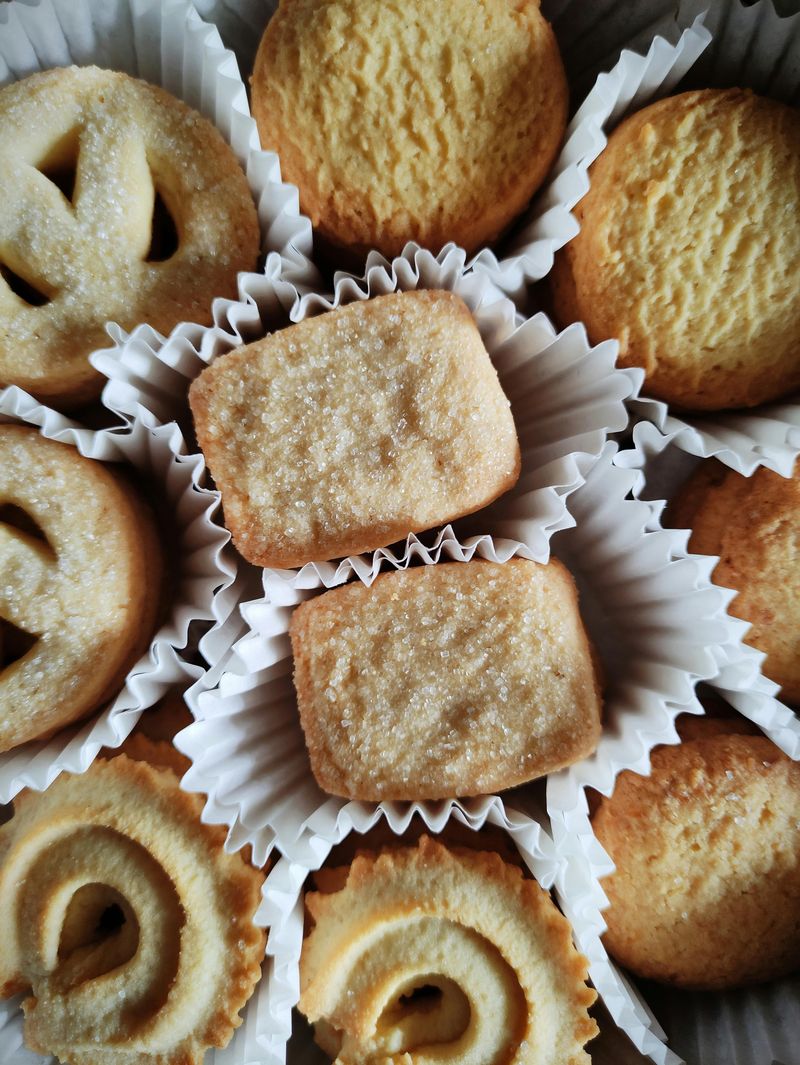
There’s something quietly wonderful about being handed a little something on your way out the door.
It doesn’t need to be elaborate—a small bag of leftover cookies, a handful of lemons from the garden, or a container of last night’s soup all carry the same message: “You mattered enough for me to think of you even as you leave.”
This habit turns a single evening into something that lingers.
The guest carries a piece of the gathering home with them, and that small token becomes a memory tied to your hospitality.
Grandma never let anyone leave empty-handed.
That tradition is worth keeping alive.
12. End the Night Gently, Not Abruptly
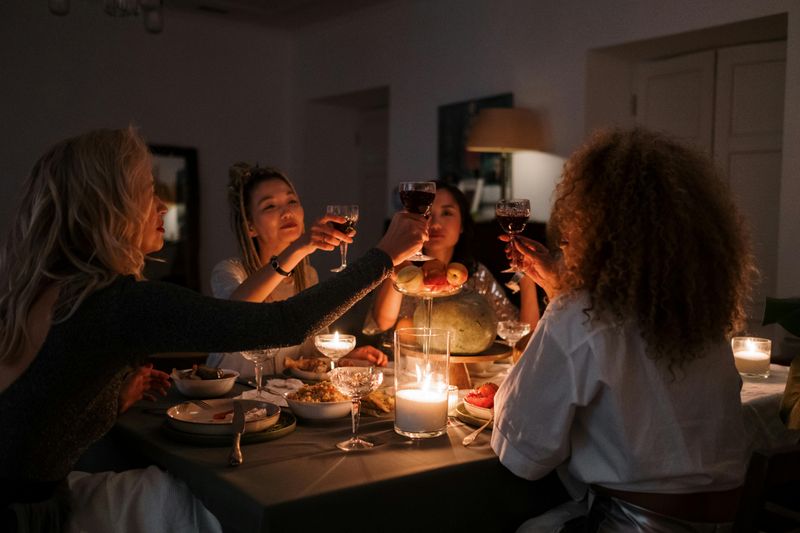
Nobody likes being rushed out the door.
The way an evening ends is just as important as how it begins, and a graceful close leaves everyone feeling warm rather than suddenly dismissed.
As the night winds down, slow things naturally—offer a final cup of tea or a small after-dinner treat, dim the lights a little more, and let the conversation settle into something quieter and more reflective.
These gentle cues signal that the evening is wrapping up without anyone feeling pushed out.
Grandma had a talent for landing the plane smoothly.
Guests left her home feeling full, content, and already looking forward to the next visit.