 MomSkoop

Growing up in the ’60s and ’70s meant living in a world where things were done face-to-face, hands-on, and with a whole lot of heart. Many of those habits never went away — and honestly, why would they?
People who grew up in those decades still swear by routines that younger generations might find old-fashioned or even a little strange. But there’s real wisdom, warmth, and even practicality behind every single one of them.
1. Writing Things Down Instead of Using Apps
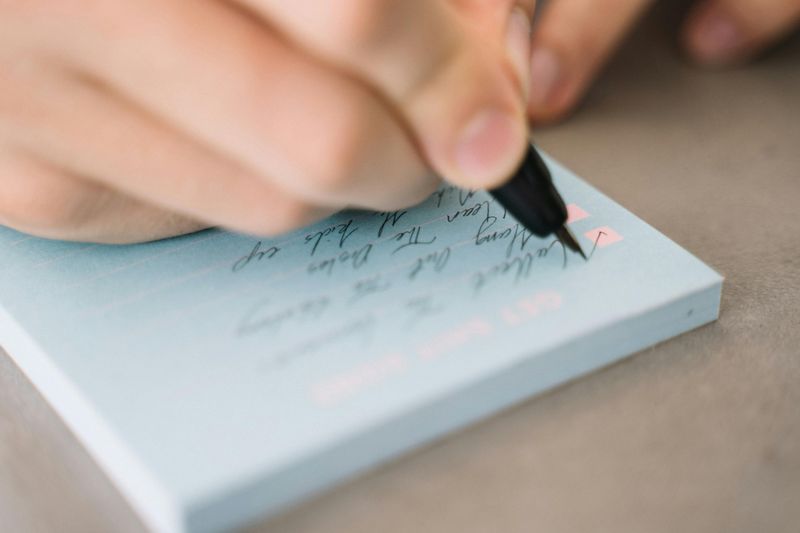
There’s something deeply satisfying about putting pen to paper that no app can replicate.
People who grew up in the ’60s and ’70s learned early that writing things down meant they actually remembered them.
That physical act of pressing ink onto a page created a mental connection that a phone notification simply cannot match.
Many still keep planners, journals, and notebooks filled with to-do lists, grocery reminders, and appointment times.
Studies actually back this up — handwriting improves memory retention better than typing.
So while younger folks swipe through apps, these folks flip through pages — and rarely forget a thing.
2. Calling Instead of Texting
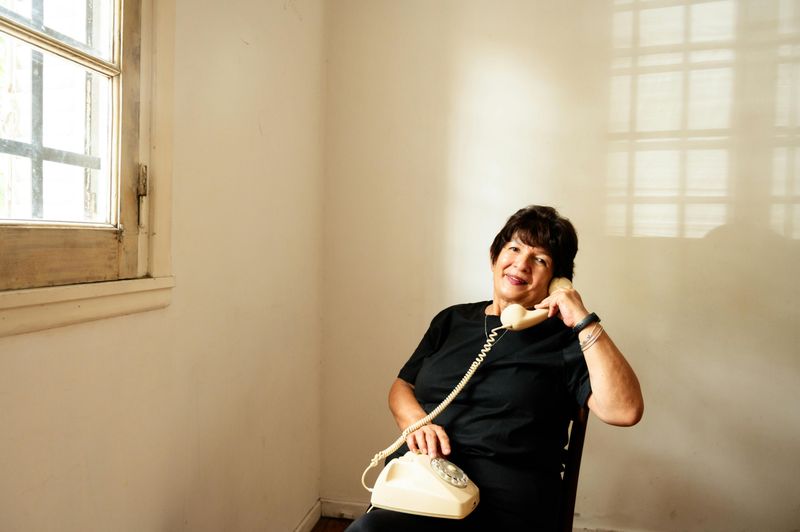
Pick up the phone — it’s a concept that feels almost radical in today’s text-heavy world.
For ’60s and ’70s kids, the telephone was the lifeline of social connection.
You called your friends, your family, your neighbors, and your doctor without a second thought.
Texting can feel cold and easy to misread.
A real voice carries emotion, humor, and sincerity that no emoji can fully express.
Many older adults say they feel far more connected after a five-minute phone call than after a dozen back-and-forth texts.
Honestly, they might be onto something the rest of us have been too distracted to notice.
3. Showing Up Unannounced
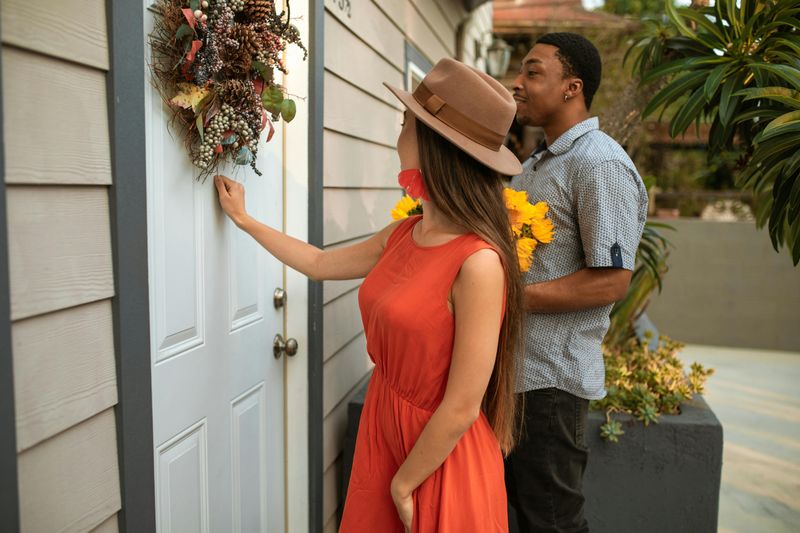
Back in the day, dropping by a friend’s house without calling first wasn’t rude — it was just Tuesday.
The culture of the ’60s and ’70s was built around open doors, neighborhood visits, and spontaneous connection.
Nobody needed a calendar invite to share a cup of coffee with a neighbor.
Today, showing up unannounced can feel bold, even boundary-crossing.
But people from that era see it differently.
It’s a sign that you matter enough to visit without ceremony.
That casual, warm drop-in carries a kind of trust and affection that a scheduled Zoom call can never quite capture.
The kettle’s always on.
4. Loyalty to One Brand for Years
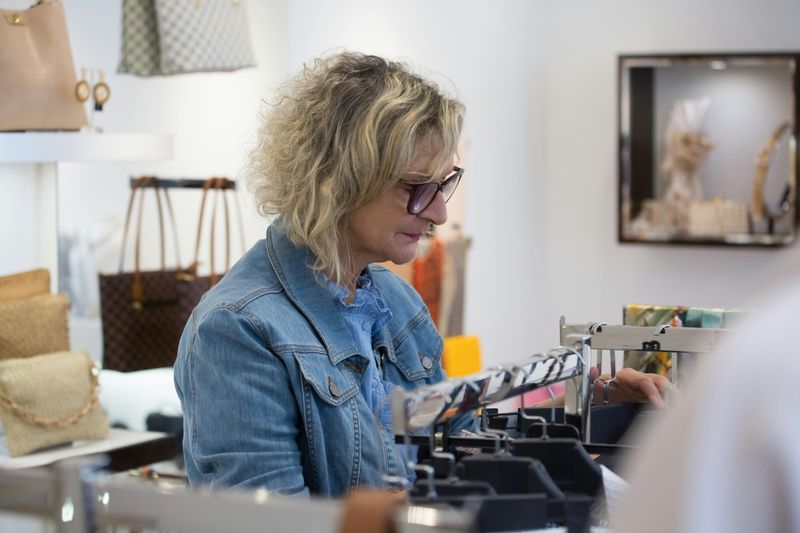
When something works, why change it?
That’s the quiet philosophy behind brand loyalty that so many ’60s and ’70s kids live by without even thinking about it.
They found a dish soap, a coffee brand, or a pair of shoes that did the job — and they stuck with it for life.
This isn’t stubbornness; it’s earned trust.
These consumers grew up before endless options flooded every store shelf.
They learned that reliability was worth more than novelty.
Interestingly, marketers today spend billions trying to build the kind of loyalty that this generation gave freely, simply because a product showed up and delivered — every single time.
5. Keeping Physical Photo Albums
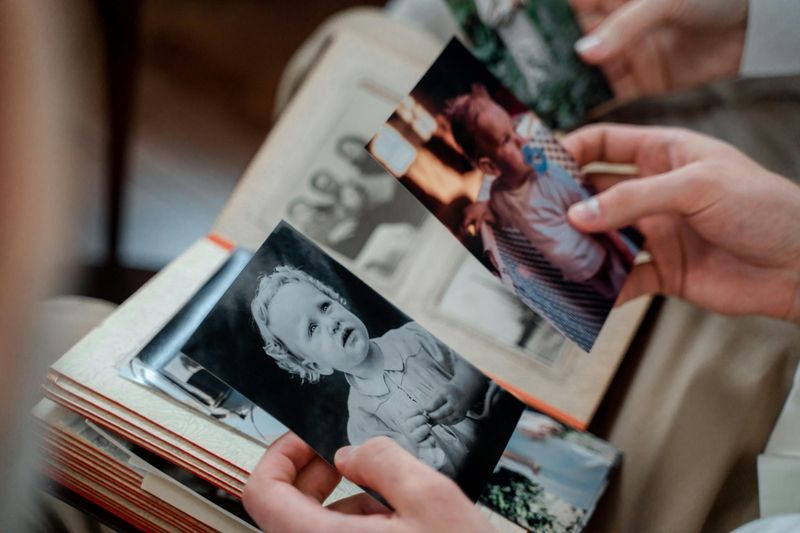
Cloud storage might hold thousands of photos, but can you flip through it on a rainy afternoon with your grandchildren?
Photo albums from the ’60s and ’70s era are more than storage — they’re storytelling objects.
Every printed picture has weight, texture, and a story tucked behind it.
People who grew up in those decades often have shelves lined with albums that chronicle weddings, vacations, school plays, and Sunday dinners.
There’s a permanence to a printed photo that a digital file just doesn’t carry.
Hard drives crash, apps change, and passwords get forgotten — but a photo album on a shelf?
That stays right where you left it.
6. Paying Bills in Person or by Mail

Auto-pay might be convenient, but for many ’60s and ’70s kids, mailing a check or walking into the utility office feels more honest.
They grew up handling money in a tangible way — cash in hand, checks in envelopes, stamps on corners.
Financial responsibility felt real because it was physical.
There’s also a practical side to this habit.
Paying in person or by mail means you’re actively reviewing every bill rather than letting charges slip through on autopilot.
Plenty of people have caught billing errors that auto-pay would have silently swallowed.
Old-school bill paying isn’t just sentimental — for some, it’s genuinely smarter money management hiding in plain sight.
7. Dressing Up for Everyday Occasions

Wearing pajamas to the airport?
Not a chance.
For people who came of age in the ’60s and ’70s, getting dressed meant actually getting dressed — collared shirts, polished shoes, ironed blouses, and matching accessories, even for a quick errand.
Appearance was considered a form of respect, both for yourself and for the people around you.
This habit hasn’t faded with age.
Many older adults still put real effort into their outfits for grocery runs, doctor visits, or lunch with a friend.
They’ll tell you it also affects how you feel — walk out looking sharp and you carry yourself differently.
Turns out, dressing well is its own quiet confidence boost.
8. Fixing Things Instead of Replacing Them
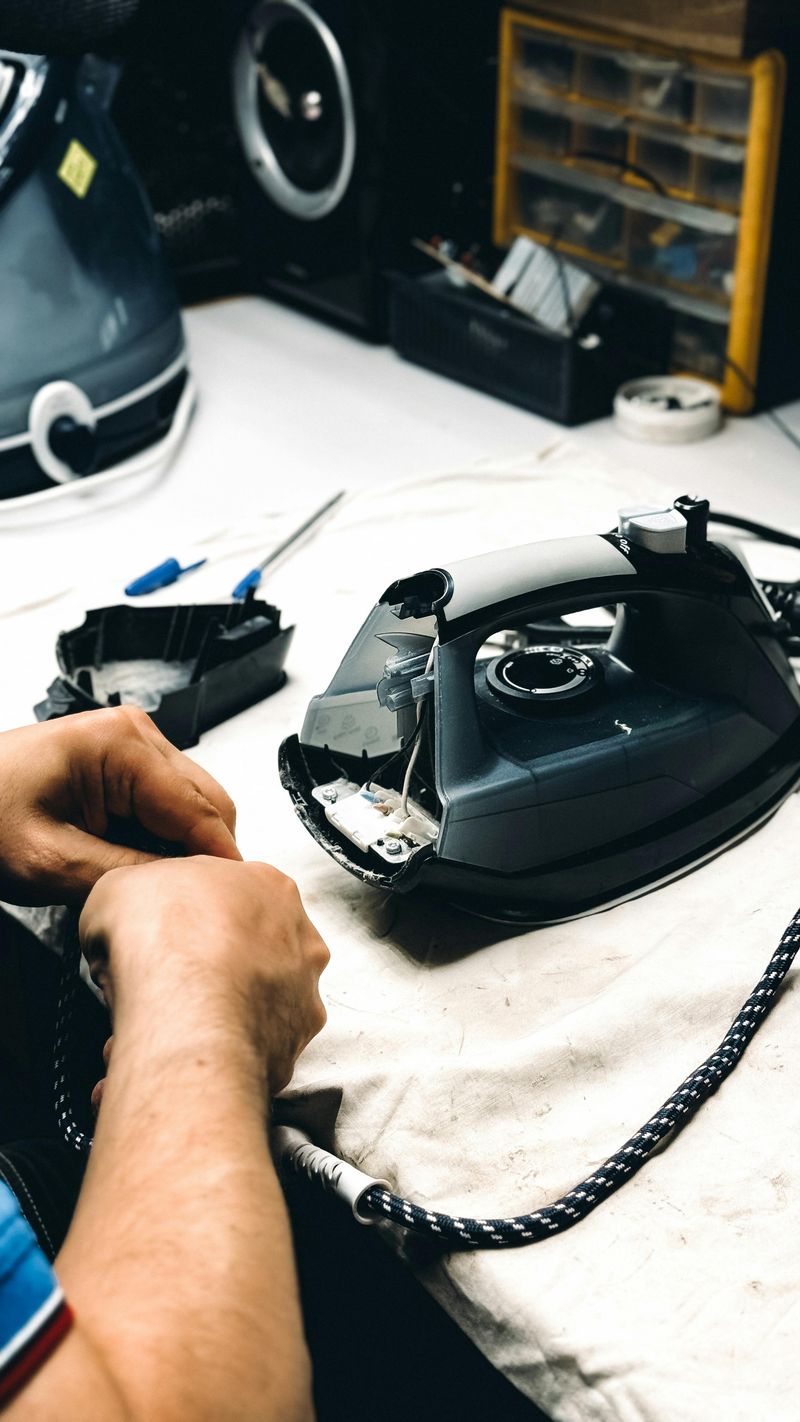
A broken toaster?
Fix it.
A torn jacket?
Patch it.
A wobbly chair leg?
Get the wood glue.
Growing up in households where money was carefully managed, ’60s and ’70s kids learned that things were meant to last — and that your job was to help them do exactly that.
Today’s throwaway culture would baffle many from that generation.
Why buy new when the old one still has life in it?
This repair-first mindset is not only thrifty but surprisingly eco-friendly.
Fewer items in landfills, less money out of pocket, and the genuine satisfaction of fixing something with your own two hands — that’s a reward no Amazon delivery can match.
9. Watching TV on a Schedule
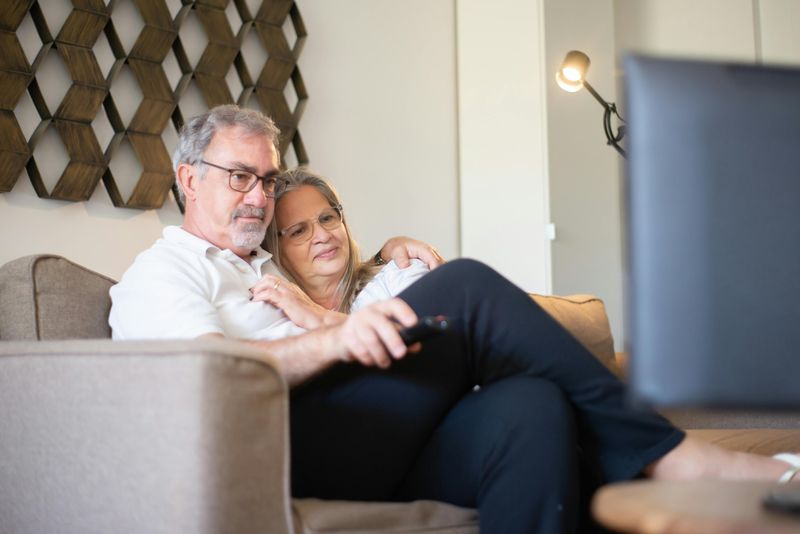
Tuesday night meant one thing: your show was on.
Before streaming gave everyone unlimited access to everything at once, television had a rhythm — and people planned their evenings around it.
For ’60s and ’70s kids, watching TV on a schedule was practically a family ritual.
Many still prefer it that way.
Some purposely avoid binge-watching and instead tune in weekly to savor the experience.
There’s something to be said for the anticipation of waiting seven days for the next episode.
It builds excitement, creates conversation, and makes each episode feel like an event rather than background noise.
The scheduled viewing habit turns out to be a surprisingly mindful way to watch.
10. Face-to-Face Conversations Over Screens
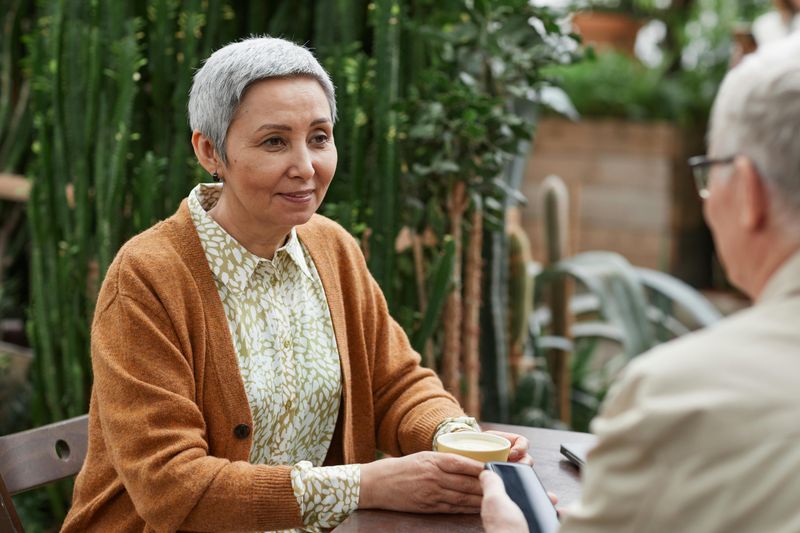
Eye contact, body language, a warm smile across the table — these things cannot be replicated on a screen, no matter how good the camera is.
People raised in the ’60s and ’70s built their relationships through in-person interaction, and many of them guard that habit fiercely even now.
Research consistently shows that face-to-face conversation reduces loneliness and improves emotional well-being far more effectively than digital communication.
This generation knew that instinctively long before any study confirmed it.
Sitting across from someone, fully present without a phone buzzing between you — that’s the kind of connection that actually fills people up.
Some habits age like fine wine.
11. Holding Onto Outdated Etiquette
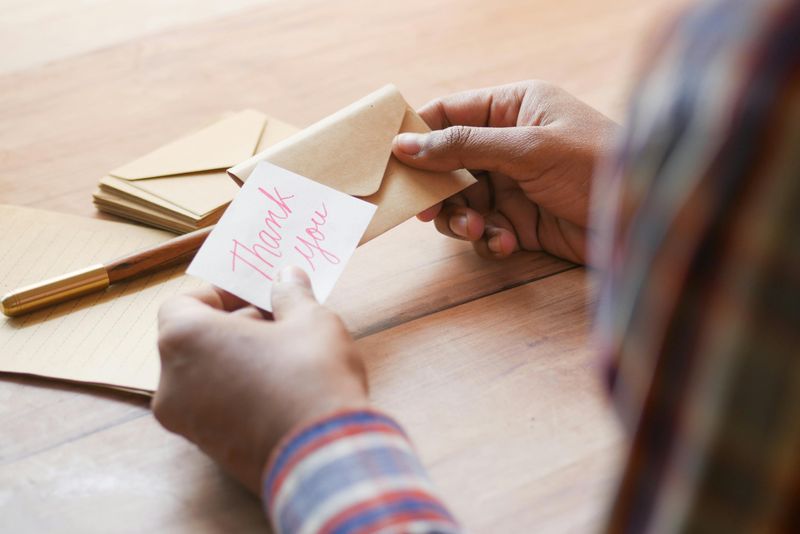
A firm handshake, a thank-you note sent through the mail, showing up exactly on time — these aren’t relics of a forgotten era for many ’60s and ’70s kids.
They’re non-negotiable standards of how decent people treat one another.
Etiquette wasn’t a formality back then; it was the language of respect.
Many younger people see these customs as stiff or unnecessary, but there’s real power in them.
A handwritten thank-you note stands out in a world of quick emails.
Punctuality signals that you value someone else’s time.
And a firm handshake still communicates confidence in any room.
Call it outdated if you want — those who practice it call it class.