 MomSkoop
Saturday mornings in the 1970s were something truly special. Kids would rush to the TV in their pajamas, cereal in hand, ready for hours of animated adventures.
From crime-solving teens to prehistoric families and caped superheroes, these cartoons shaped an entire generation. Whether you lived through it or are just discovering these gems, get ready for a nostalgic trip back to the golden age of Saturday morning cartoons.
1. Scooby-Doo, Where Are You!
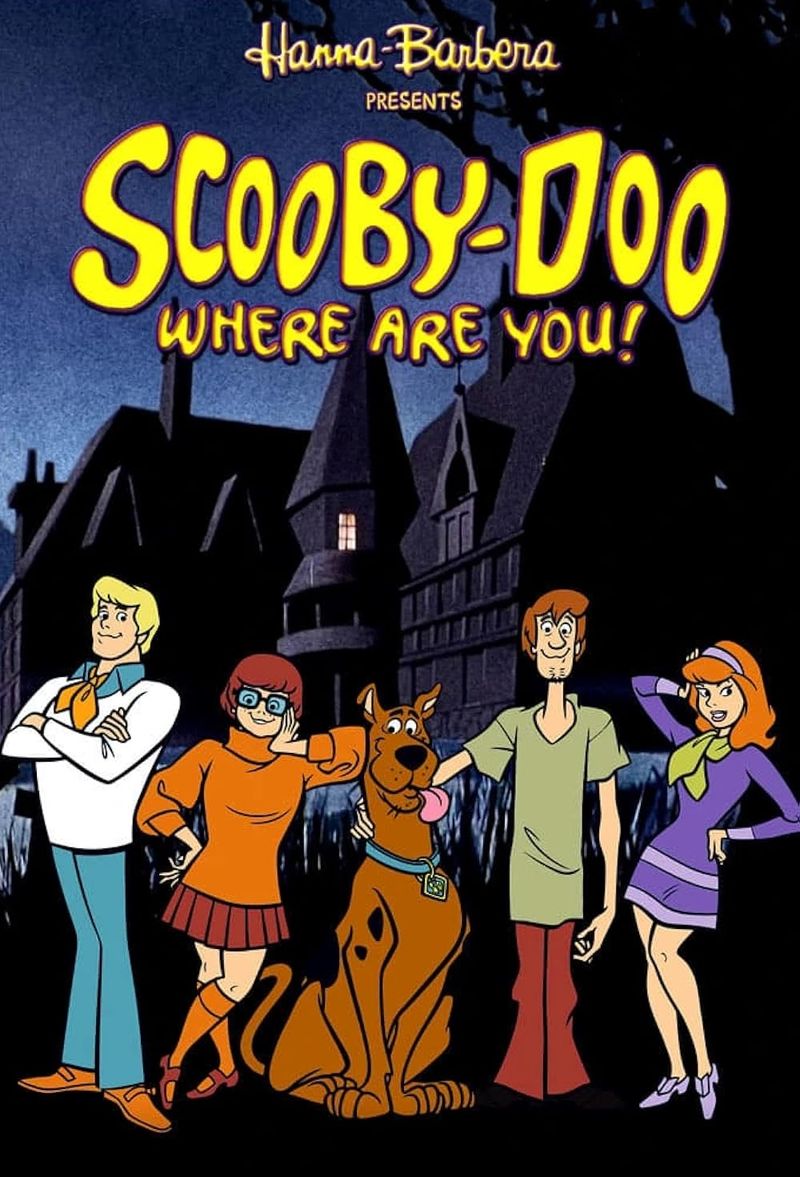
Few cartoon duos are as iconic as Shaggy and his lovable, cowardly Great Dane, Scooby-Doo.
Together with Fred, Daphne, and Velma, they cruised around in the Mystery Machine solving spooky cases that turned out to have surprisingly logical explanations.
Every episode ended with a classic unmasking scene that kids absolutely loved.
The show balanced just enough mild scares with plenty of laughs to keep younger viewers hooked without giving them nightmares.
Saturday mornings felt incomplete without it.
Even decades later, Scooby-Doo remains one of the most recognized cartoon franchises in history, proving that a good mystery never really goes out of style.
2. The Pink Panther Show
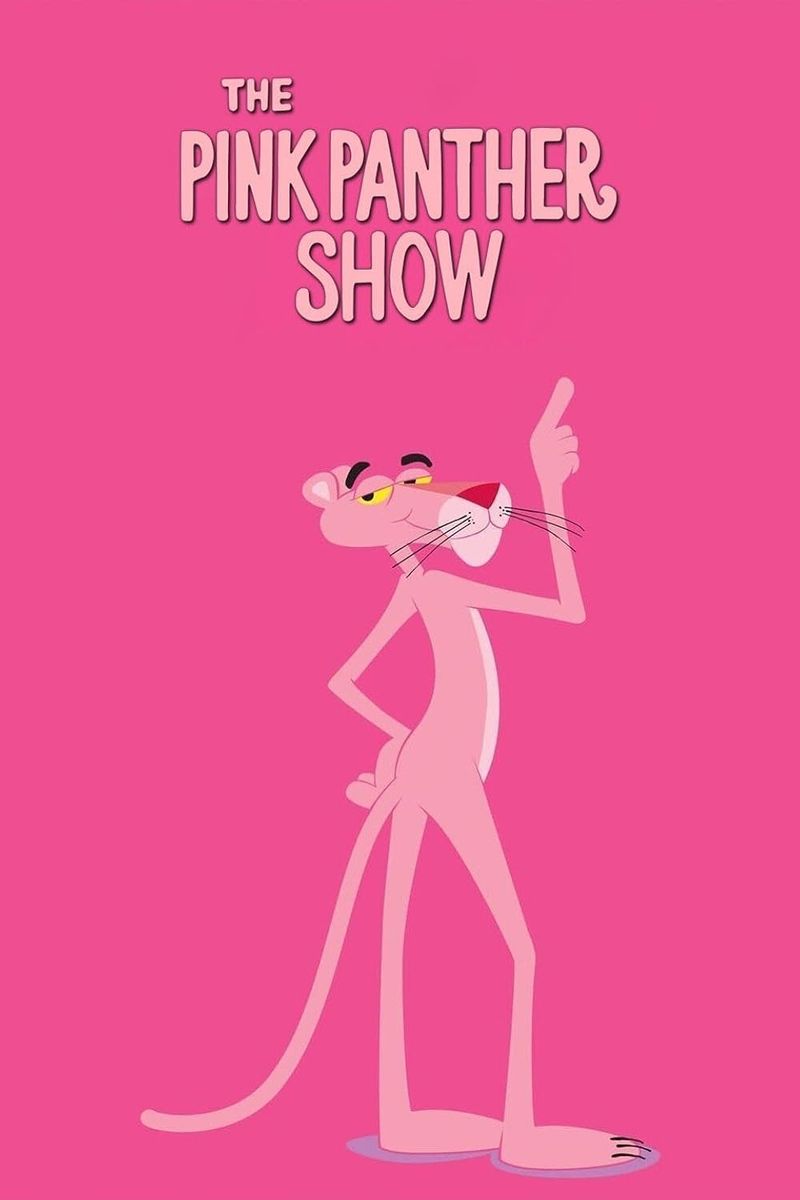
Not every cartoon needs dialogue to be brilliant.
The Pink Panther proved that timing, music, and visual storytelling could be just as powerful as any spoken punchline.
This sly, sophisticated pink feline navigated absurd situations using nothing but clever body language and perfect comedic timing.
Henry Mancini’s smooth jazz theme song became instantly recognizable to anyone who watched even a single episode.
The animation had a cool, stylish quality that felt different from anything else on Saturday morning TV.
Kids and adults alike were charmed by this wordless wonder, making it one of the most uniquely entertaining cartoons of the entire decade.
3. Josie and the Pussycats
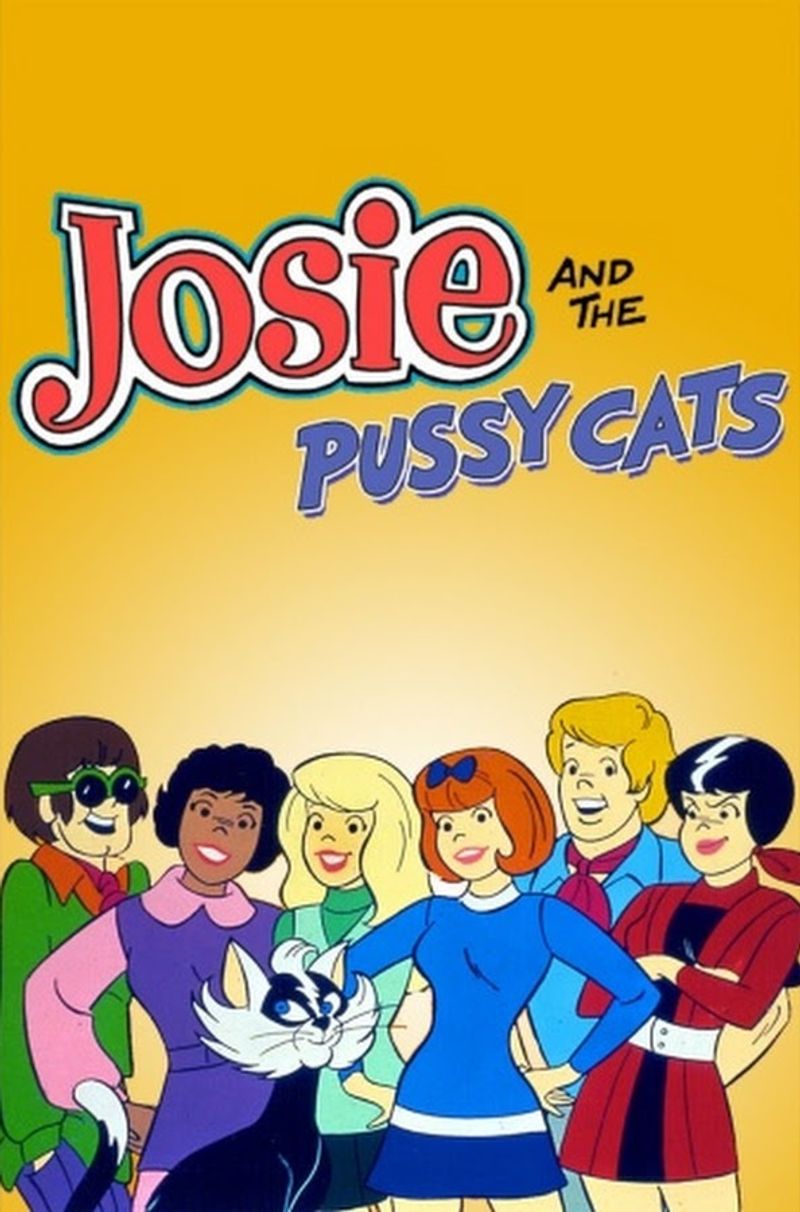
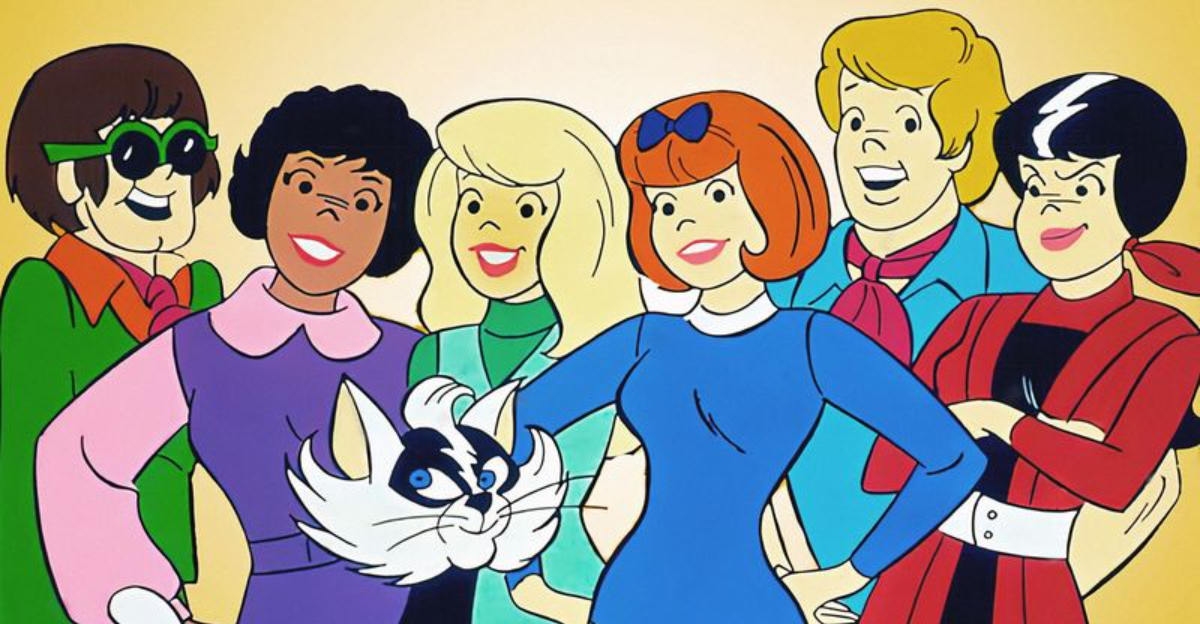
Imagine a rock band that also solves crimes between gigs.
That was the brilliant, over-the-top premise of Josie and the Pussycats, and it worked beautifully.
Josie, Melody, and Valerie were stylish, talented, and surprisingly capable detectives who somehow always managed to stop the bad guys.
The show perfectly captured the pop culture energy of the early 1970s, blending catchy original music with colorful fashion and globe-trotting adventures.
Each episode featured a new mystery wrapped around a fun musical performance.
For many young viewers, especially girls, this cartoon offered something refreshing: female leads who were smart, brave, and seriously cool without needing anyone to save them.
4. The Flintstone Comedy Hour
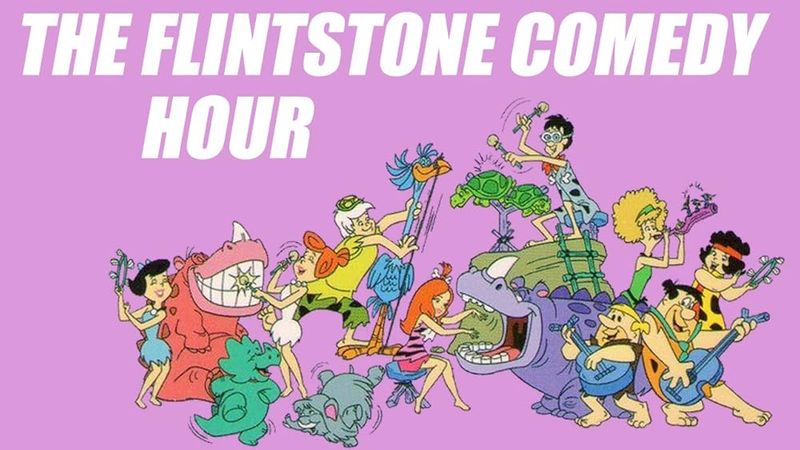
Yabba dabba doo!
The Flintstones were already beloved when this expanded revival hit Saturday mornings, giving the Stone Age family a fresh boost of energy.
New segments, additional characters, and updated storylines kept the prehistoric humor feeling alive rather than recycled.
Fred’s loud personality, Wilma’s patience, Barney’s goofiness, and Betty’s charm were all still very much intact.
Kids who had grown up watching reruns of the original series now had something new to look forward to each week.
The show reminded everyone why the Flintstones had become such a cultural institution in the first place.
Sometimes revisiting a classic is exactly what a new generation needs.
5. The Jetsons
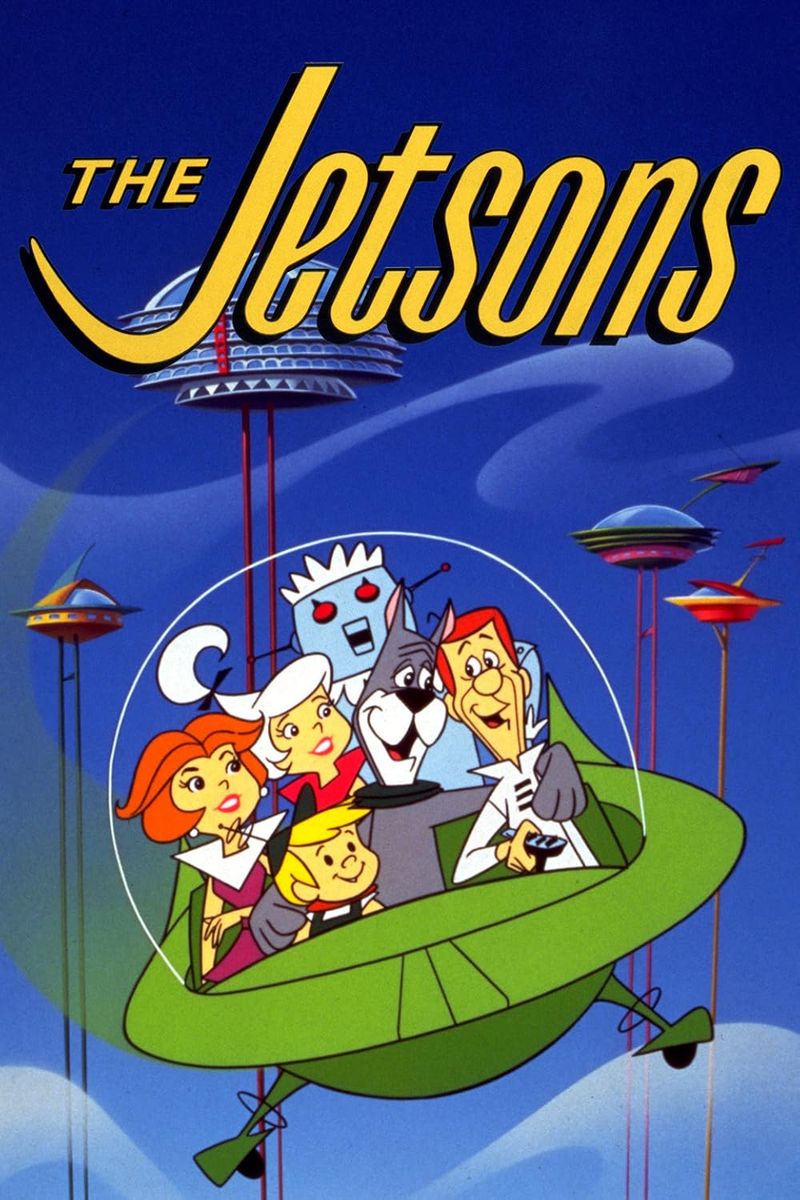
Originally launched in the early 1960s, The Jetsons found an enormous second life through reruns that dominated 1970s Saturday mornings.
George Jetson’s flying car commute to Spacely Sprockets, Rosie the robot maid, and young Elroy’s gadget-filled school life all felt wonderfully imaginative to kids growing up in that era.
The show asked a simple but exciting question: what if everyday life looked completely different in the future?
Treadmill dog walks, video phone calls, and push-button meals seemed fantastical then.
Interestingly, many of those inventions now exist in real life.
The Jetsons were accidentally predicting the future while just trying to make kids laugh every Saturday morning.
6. Schoolhouse Rock!
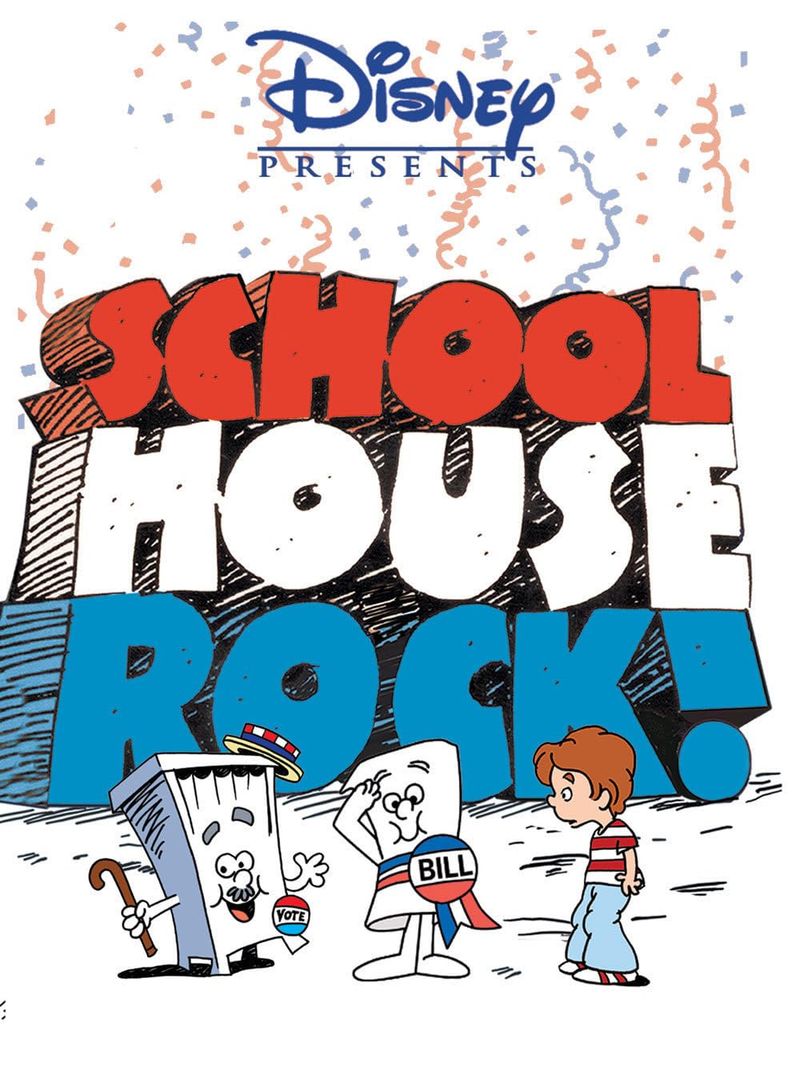
“I’m just a bill, yes I’m only a bill, and I’m sitting here on Capitol Hill…” If those words are already playing in your head, Schoolhouse Rock! did its job perfectly.
These short musical segments aired between Saturday morning cartoons and somehow made grammar, math, history, and science genuinely fun to learn.
Songs like “Conjunction Junction” and “Three Is a Magic Number” were so catchy that kids memorized them without even trying.
Teachers noticed that students who watched these clips retained information better than those who didn’t.
What started as a creative experiment became one of the most effective educational tools in television history, beloved by multiple generations.
7. Super Friends
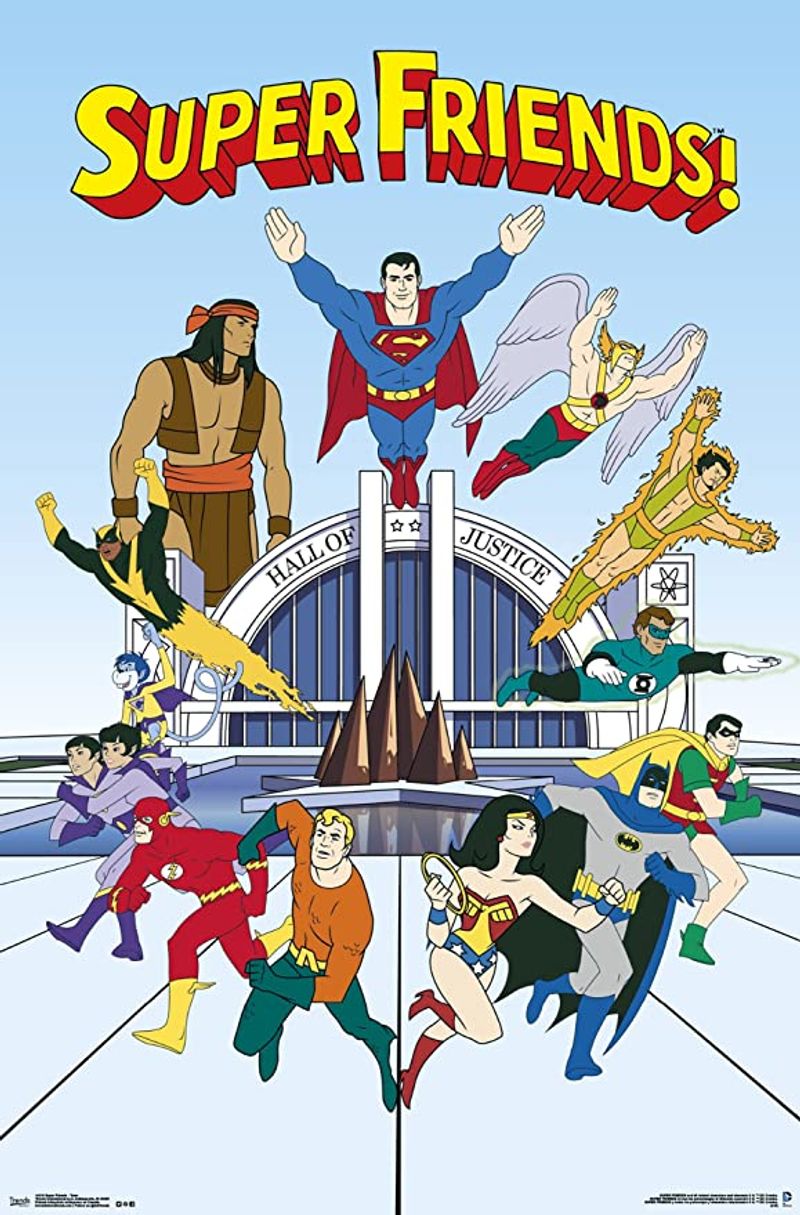
Before superhero movies dominated every summer, kids got their fix of capes and justice through Super Friends.
Superman, Batman, Wonder Woman, Aquaman, and Robin banded together at the Hall of Justice to fight villains and protect the world.
For many children, this was their very first introduction to DC Comics characters.
What made the show stand out beyond the action was its constant emphasis on teamwork, honesty, and doing the right thing.
No hero tried to be the star alone.
Every episode drove home the idea that working together accomplishes more than going solo.
Those moral lessons, delivered through animated adventures, left a surprisingly lasting impression on an entire generation of young viewers.
8. Hong Kong Phooey
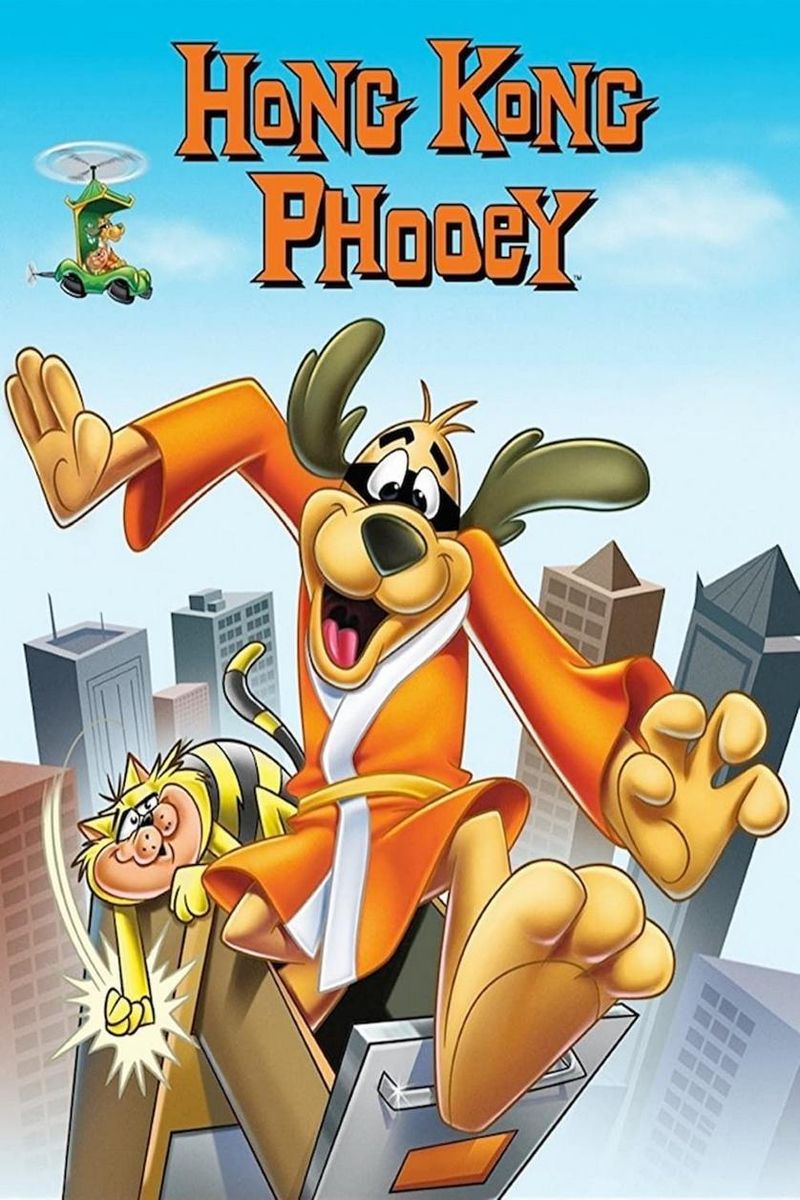
Penrod Pooch was just a mild-mannered janitor at the police station by day.
But when crime struck, he transformed into Hong Kong Phooey, the world’s greatest kung fu fighter — or so he believed.
In reality, his faithful striped cat Spot usually did most of the actual crime-fighting work while Phooey stumbled through each case hilariously.
The show was a loving parody of the massive martial arts craze sweeping pop culture in the early 1970s, thanks largely to Bruce Lee’s influence.
Its slapstick humor landed perfectly with Saturday morning audiences.
Voiced by Scatman Crothers, Hong Kong Phooey had an irresistible charm that made his bumbling adventures completely endearing rather than frustrating.
9. Devlin
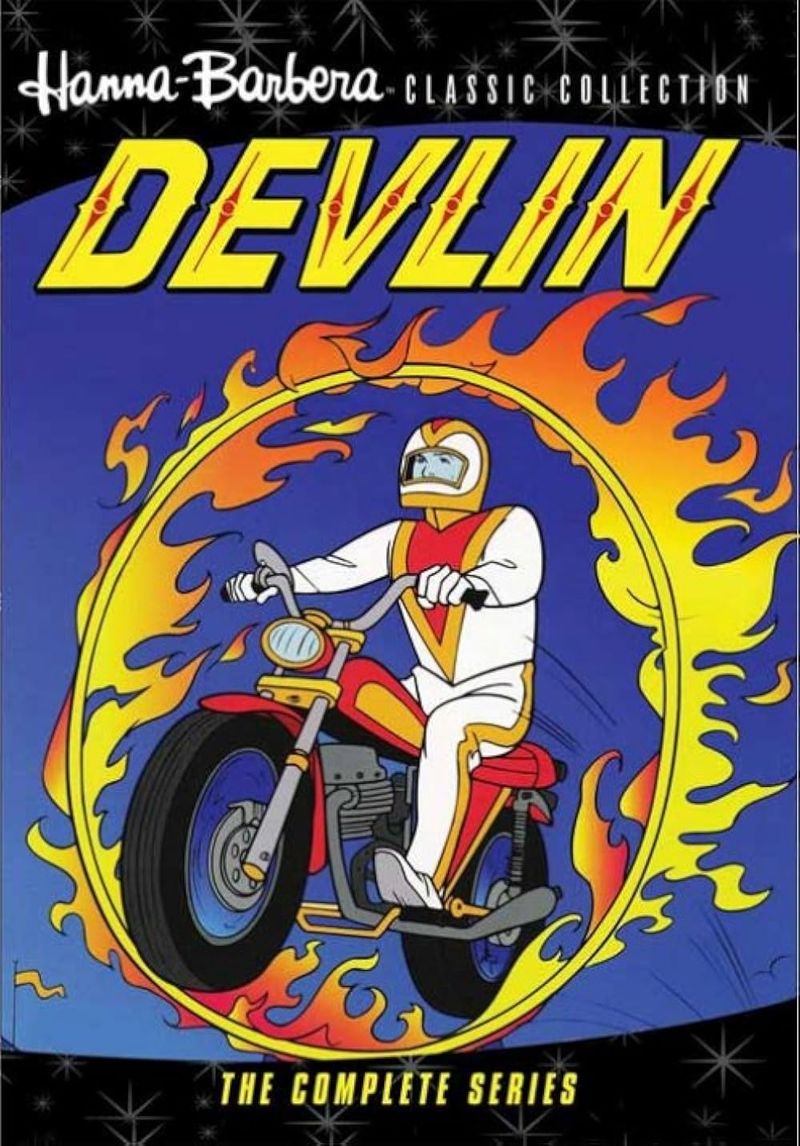
Not every 1970s cartoon relied on superheroes or talking animals to tell a good story.
Devlin followed Ernie Devlin, a teenage motorcycle stunt rider who performed in a traveling circus while looking after his younger siblings.
The setup was grounded, relatable, and surprisingly heartfelt for a Saturday morning show.
What made Devlin special was its focus on real-world responsibility rather than wild fantasy.
Ernie wasn’t fighting aliens or solving supernatural mysteries — he was just a kid doing his best to keep his family together while chasing his passion for daredevil riding.
That emotional honesty gave the show a quiet depth that set it apart from flashier, more chaotic cartoons of the same era.
10. Wheelie and the Chopper Bunch
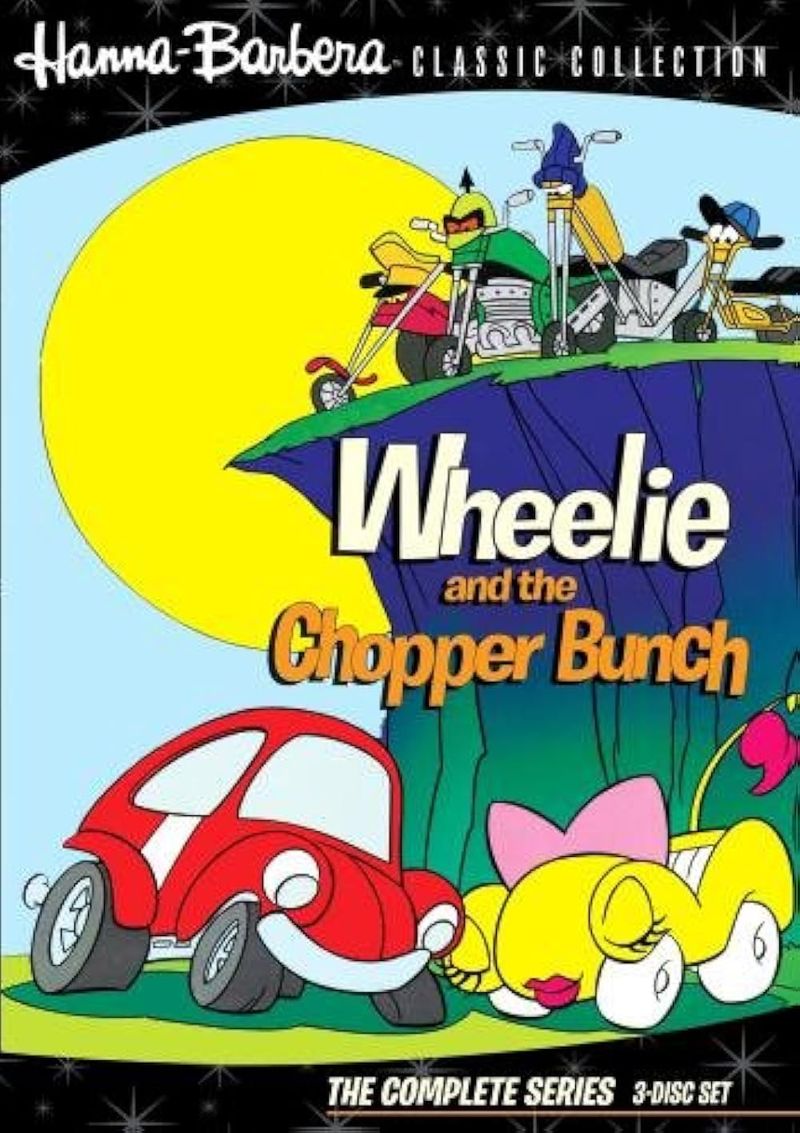
Picture a world where cars and motorcycles have personalities, rivalries, and actual feelings — that was the wonderfully weird premise of Wheelie and the Chopper Bunch.
Wheelie, a plucky Volkswagen Beetle-inspired car, constantly found himself targeted by a rowdy gang of biker vehicles led by the troublemaking Chopper.
Rather than using words, Wheelie communicated entirely through honks and revving sounds, which somehow made him even more lovable.
The show had an energetic, action-packed quality that kept young viewers glued to the screen.
It wasn’t trying to teach big lessons or reinvent animation — it was just pure, rollicking fun with a uniquely creative concept that no other cartoon had attempted before.
11. The Bugs Bunny/Road Runner Show
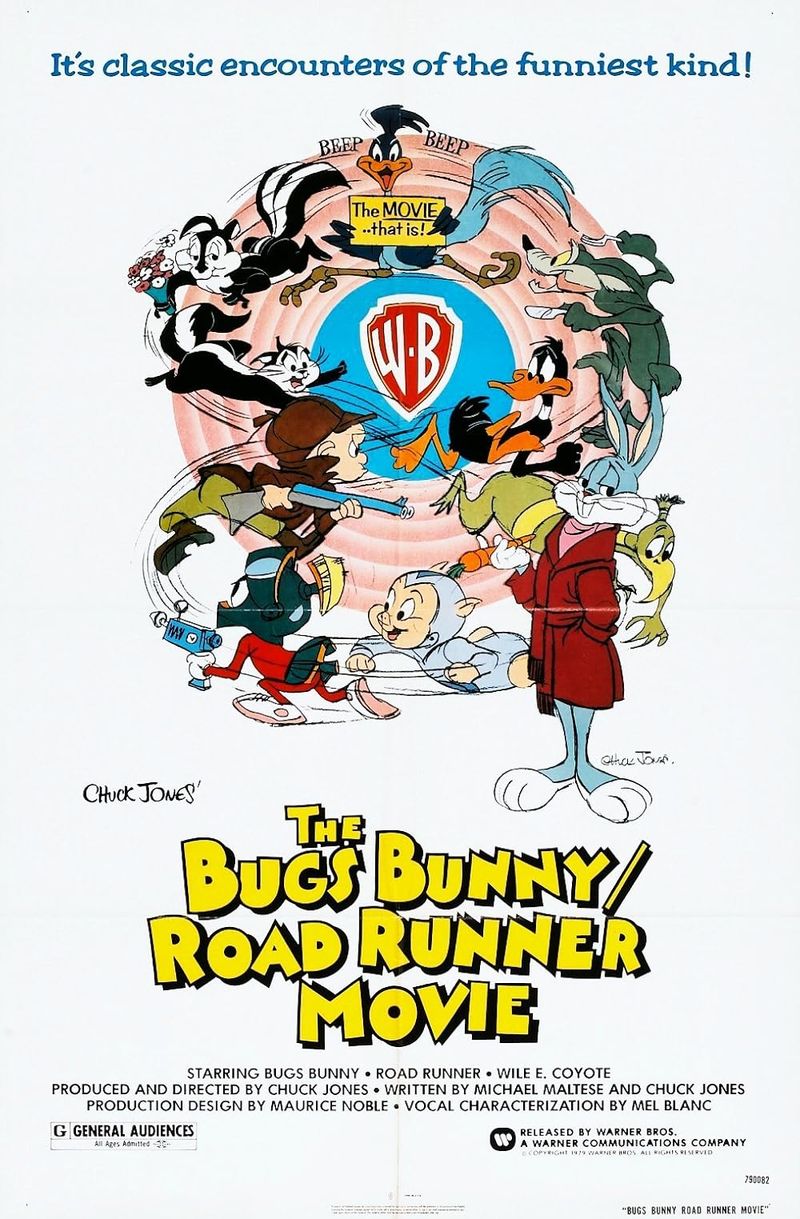
Some cartoons are timeless, and Looney Tunes is the gold standard of that idea.
The Bugs Bunny/Road Runner Show packaged classic theatrical shorts into a Saturday morning format, introducing a brand new generation to Bugs Bunny, Daffy Duck, Elmer Fudd, Tweety, Sylvester, and the unstoppable Road Runner.
The writing was sharper than most animated content aimed at children, filled with wordplay, cultural references, and comedy that worked on multiple levels.
Kids laughed at the slapstick chaos while adults quietly appreciated the wit underneath.
Watching Wile E.
Coyote fail spectacularly week after week never got old.
There’s a reason these characters are still recognized worldwide more than 80 years after their creation.
12. Fat Albert and the Cosby Kids
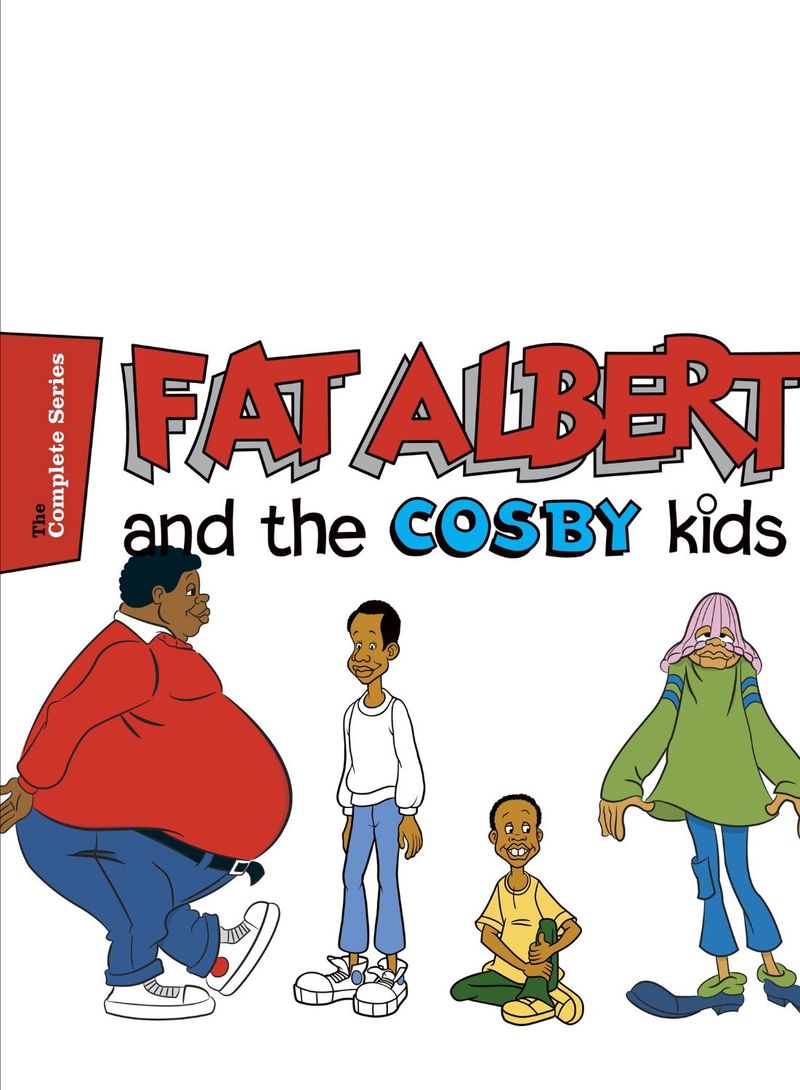
Hey hey hey!
Fat Albert and his crew from North Philadelphia weren’t just entertaining — they were genuinely important.
Set in a real-feeling urban neighborhood, the show tackled issues like peer pressure, bullying, poverty, and honesty with a warmth and humor that never felt preachy or forced.
Each episode ended with a clear but thoughtful moral lesson, making it one of the most socially conscious cartoons of its time.
The characters were diverse, funny, and deeply human in ways that many animated shows avoided entirely.
Fat Albert showed that a kids’ cartoon could reflect real life while still being a whole lot of fun to watch every single Saturday morning.
13. Star Trek: The Animated Series
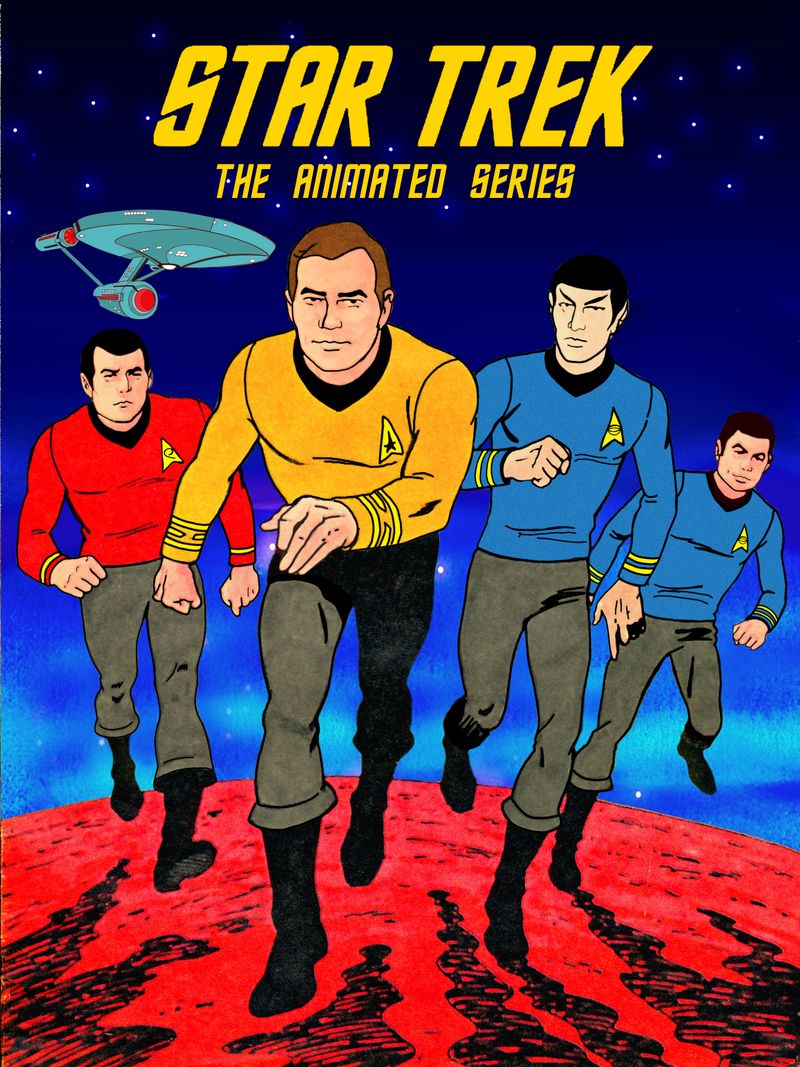
When the original Star Trek live-action series ended in 1969, fans were heartbroken.
Fortunately, an animated continuation arrived in 1973, reuniting the original voice cast including William Shatner and Leonard Nimoy to explore strange new worlds in cartoon form.
The result was surprisingly sophisticated for a Saturday morning show.
Story concepts tackled philosophical questions, alien civilizations, and moral dilemmas that most animated series would never attempt.
The format actually allowed the writers to go places that budget limitations had prevented in live action.
Many Trek fans consider certain episodes of this animated run to be genuine additions to the official Star Trek canon, which is a remarkable achievement for a Saturday morning cartoon.
14. The Tom and Jerry Show
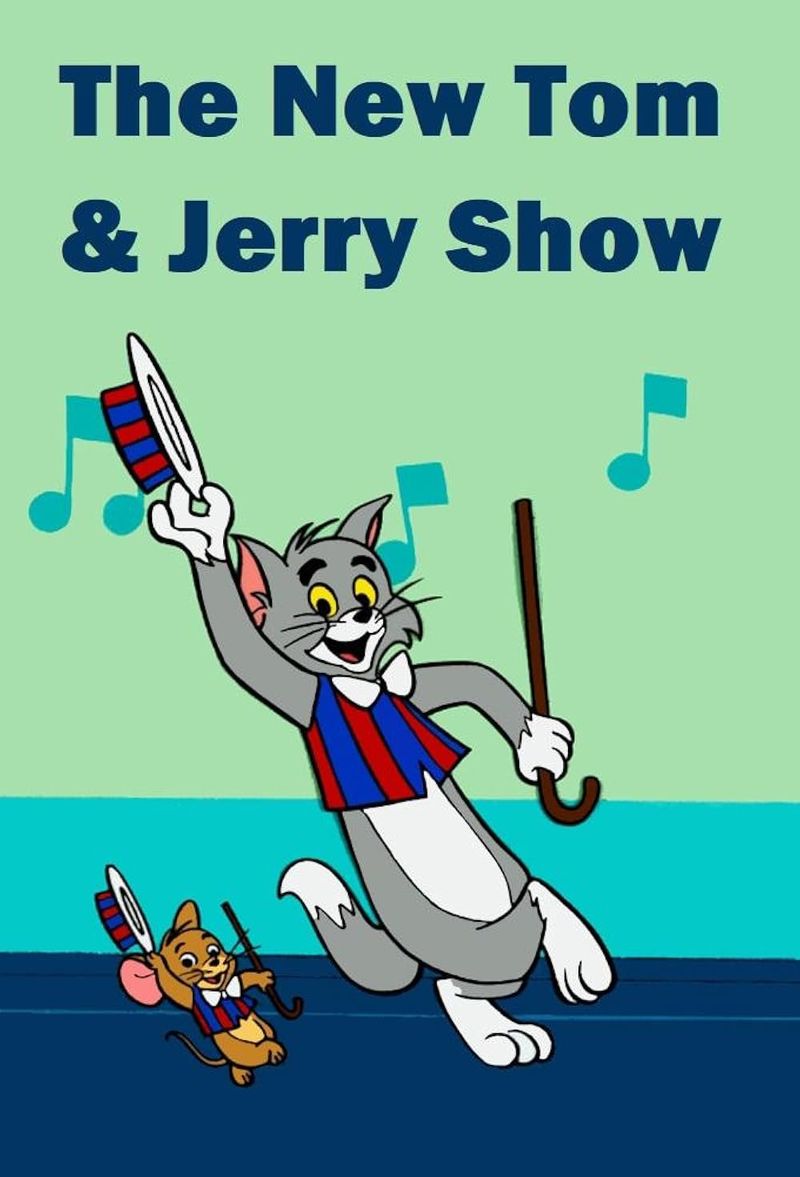
Tom and Jerry had been delighting audiences since the 1940s, and by the 1970s, Hanna-Barbera gave the classic rivalry a fresh animated update.
This version toned down some of the more intense slapstick from the original theatrical shorts, but the essential cat-and-mouse energy remained completely intact and irresistible.
Interestingly, the two frenemies were portrayed as reluctant companions in some episodes rather than pure enemies, adding a subtle new dimension to their relationship.
Kids raised on this version might have been surprised to discover how much wilder the original cartoons were.
Regardless, the charm of watching Tom’s elaborate schemes collapse spectacularly while Jerry outsmarted him every time never stopped being satisfying.
15. Captain Caveman and the Teen Angels
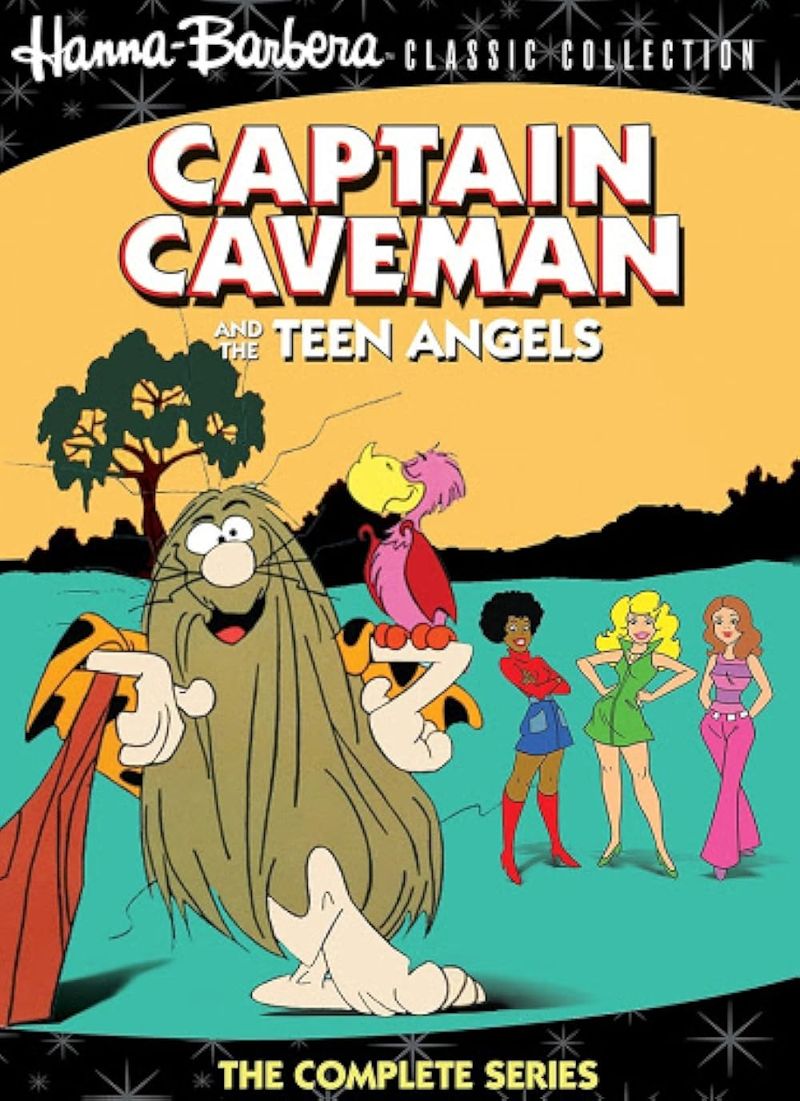
Somewhere between a superhero and a prehistoric goofball, Captain Caveman was one of the most entertainingly bizarre characters to come out of the 1970s.
Thawed from a block of ice by three teenage detectives called the Teen Angels, this wild, club-swinging caveman used his unpredictable superpowers to help solve mysteries.
His powers were gloriously random — he might pull a helicopter out of his fur one moment and a rubber duck the next.
That element of surprise made every episode genuinely unpredictable and hilarious.
Voiced by Mel Blanc, Captain Caveman had an unforgettably enthusiastic battle cry that kids shouted on playgrounds for years.
It was absurd, loud, and completely wonderful.
16. The All-New Super Friends Hour
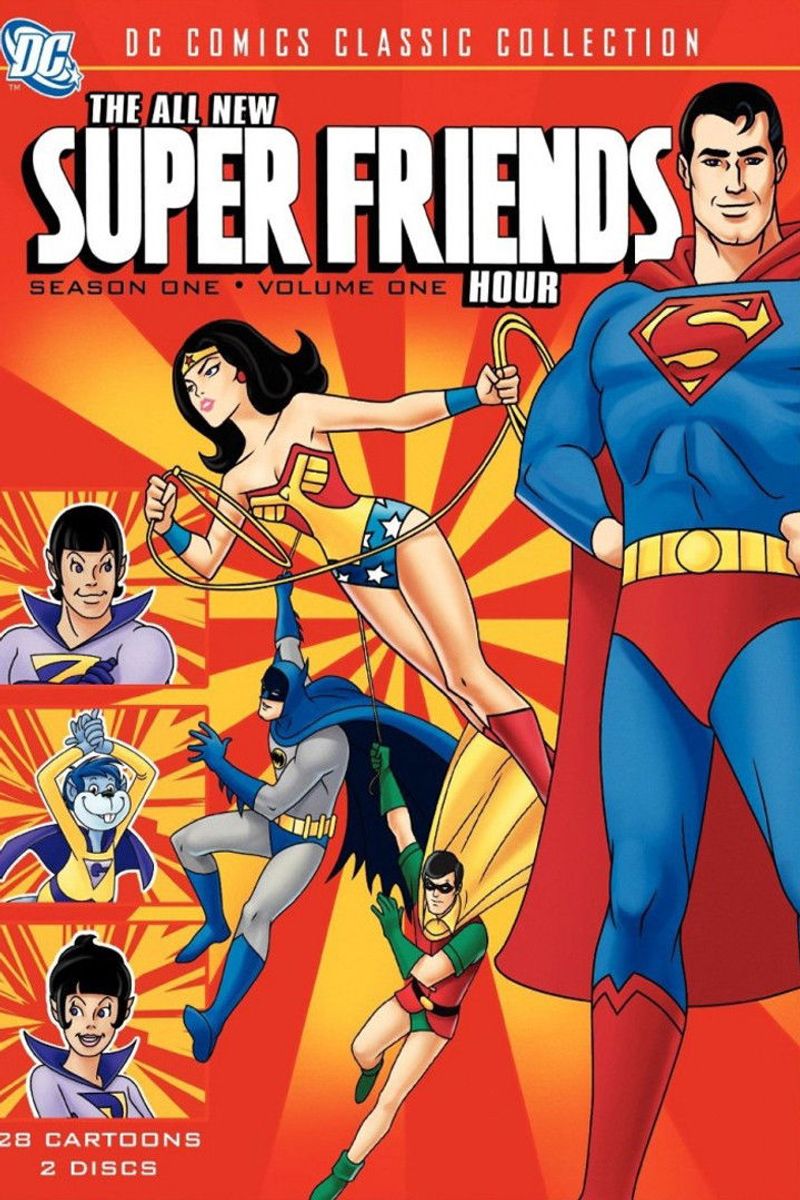
Building on the success of the original Super Friends, this expanded version brought bigger adventures, more heroes, and longer story arcs to Saturday morning television.
New characters like the Wonder Twins and their space monkey Gleek joined the roster, instantly becoming fan favorites among younger viewers.
The show leaned further into comic book mythology, giving kids a richer understanding of the DC universe than they had gotten before.
Each episode still centered on themes of courage, cooperation, and standing up for those who couldn’t defend themselves.
For a generation growing up without the internet or graphic novel collections, this animated series was the primary gateway into a world of heroes that many of them never stopped loving.