 MomSkoop

Relationships are supposed to feel like a team effort, but sometimes one person ends up doing all the heavy lifting.
If you keep wondering why everything falls on your shoulders, you’re not imagining it.
A real partnership means both people show up, contribute, and care equally.
Here are ten clear signs that you might be carrying the relationship all on your own.
1. Basic Communication – You’re Always the One Starting the Conversation

Imagine always being the first to say “hey,” always the one to clear up mix-ups, and always the one chasing answers.
That gets exhausting fast.
Good communication in a relationship should flow both ways, like a real conversation, not a one-sided speech.
When you’re constantly the one reaching out or fixing misunderstandings, your partner isn’t pulling their weight.
You shouldn’t have to beg someone to talk to you.
A partner who values you will meet you halfway without being pushed to do it.
2. Emotional Support – You’re Holding Both Your Pain and Theirs

Carrying your own emotions is already a full-time job.
Carrying someone else’s on top of that, without them ever returning the favor, is a recipe for burnout.
Emotional support should never be a one-way street.
You deserve someone who asks how you’re doing and actually listens.
When you’re always the shoulder to cry on but never have one to lean on yourself, something is seriously off.
A healthy relationship means both people hold space for each other, especially on the hard days when everything feels too heavy to carry alone.
3. Planning Time Together – You’re the Only One Making It Happen

Ever notice that if you stopped making plans, you’d never spend quality time together?
That’s a red flag worth paying attention to.
Relationships need both people to invest in shared experiences, not just one person acting as the social coordinator.
Constantly being the one who suggests outings, books reservations, or carves out time shows your partner isn’t prioritizing the relationship.
You shouldn’t have to fight for someone’s attention or schedule.
When someone genuinely wants to be with you, they make time without needing a reminder, a hint, or a guilt trip to get there.
4. Conflict Resolution – You’re Always the One Trying to Fix Things
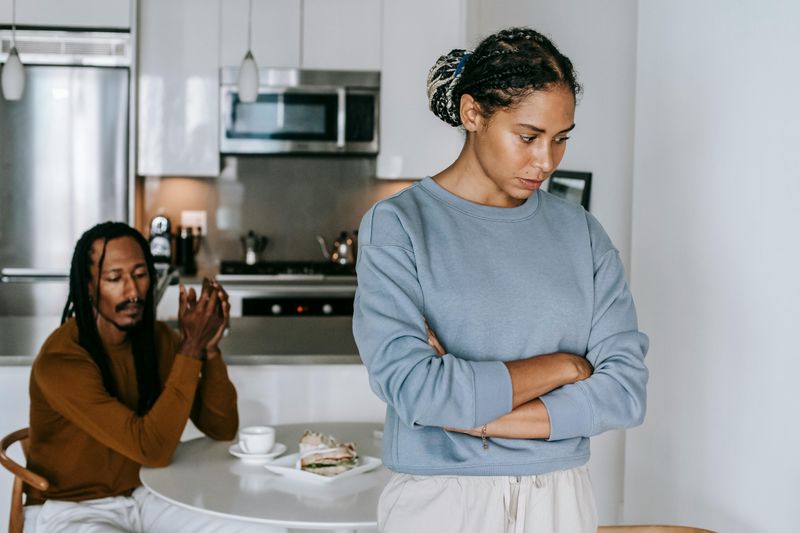
Arguments happen in every relationship, but who handles the aftermath says a lot.
If you’re always the one apologizing first, calming things down, or trying to find a solution, you’re doing the emotional heavy lifting for two people.
Constantly de-escalating conflict on your own is draining, and it often leads to unresolved issues piling up quietly.
Healthy couples work through disagreements together.
Your partner should be willing to meet you at the table, own their part, and actually try to repair things.
Being the only peacemaker isn’t noble.
It’s a sign the balance is broken.
5. Affection and Reassurance – You Give It Freely but Rarely Receive It

Affection feeds a relationship.
It’s the small moments, the hugs, the kind words, the “I’m thinking of you” texts, that keep two people connected.
But when only one person is giving those things, it starts to feel hollow.
Constantly showering someone with love while receiving little in return chips away at your confidence over time.
You might start wondering if you’re asking for too much, but you’re not.
Needing warmth and reassurance from your partner is completely reasonable.
Love isn’t a performance you put on for someone who stays in the audience.
It’s supposed to be mutual.
6. Accountability – You Keep Taking Blame That Isn’t Fully Yours
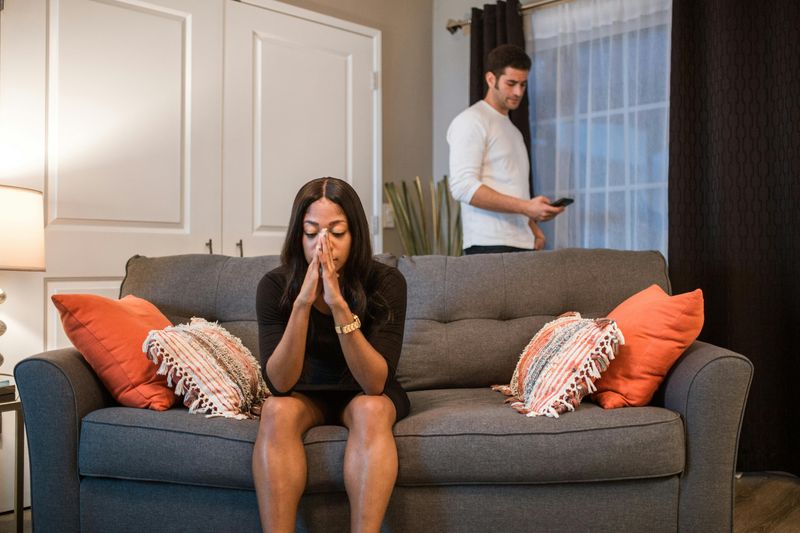
Taking responsibility when you mess up is a sign of maturity.
But taking responsibility for things that aren’t your fault is a sign that something unhealthy is happening.
There’s a big difference between owning your mistakes and absorbing someone else’s.
When a partner never admits fault and you’re always the one saying sorry, the dynamic has become unfair.
Over time, this can make you feel like you’re the problem in the relationship, even when you’re not.
Real accountability means both people are honest about their role in what goes wrong, without deflecting, blaming, or playing the victim.
7. Keeping the Connection Alive – You’re the Only One Nurturing It

Relationships don’t stay close on their own.
They need regular effort, check-ins, shared laughs, and moments that remind you why you chose each other.
When only one person is doing that work, the connection slowly fades.
If you’re always the one sending memes to make them smile, suggesting deep conversations, or trying to bring back the spark, ask yourself: what would happen if you stopped?
A partner who values the relationship will put in effort without being prompted.
Closeness isn’t a gift one person gives.
It’s something two people build together, day by day, choice by choice.
8. Respecting Boundaries – Yours Get Bent While Theirs Stay Firm

Boundaries exist to protect your peace, your values, and your sense of self.
In a balanced relationship, both people’s limits are respected equally.
But when you’re always the one bending your rules while your partner’s stay untouched, that’s not compromise.
That’s control.
Maybe you’ve slowly given up things that mattered to you just to avoid conflict or keep the peace.
That gradual erosion is dangerous.
You deserve a partner who honors what you’ve said is important to you, not one who tests your limits or acts like your boundaries are inconvenient obstacles rather than reasonable personal standards.
9. Consistency and Reliability – You Show Up While They Run Hot and Cold

You can set a clock by your effort.
You show up when you say you will, follow through on promises, and stay steady even when things get hard.
But your partner?
They’re unpredictable, warm one day and distant the next.
That kind of inconsistency keeps you anxious and off-balance, always wondering which version of them you’ll get today.
Consistency is one of the clearest ways someone shows you they’re serious about you.
Love isn’t just a feeling.
It’s a daily decision.
When someone keeps choosing you only sometimes, that inconsistency speaks louder than any sweet words ever could.
10. Self-Worth Validation – You’re Working to Earn Love Instead of Feeling Secure in It

Love should feel like a safe place, not a competition you’re always trying to win.
When you find yourself constantly performing, proving, or shrinking just to feel accepted, that’s not love.
That’s anxiety dressed up in a relationship.
You shouldn’t have to earn your place next to someone.
A real partner makes you feel valued for who you are, not for how perfectly you behave or how much you give.
Chasing someone’s approval every day slowly hollows you out.
You deserve love that feels steady and secure, not love that keeps moving the finish line just out of reach.