 MomSkoop

When the last child moves out, many couples expect to feel relieved, free, and closer than ever. Instead, some find themselves sitting across from a stranger at the dinner table.
The house is quiet, the schedule is wide open, and suddenly the relationship feels more like a shared lease than a love story. Understanding why this happens is the first step toward changing it.
1. Parenting Became the Primary Bond

For many couples, raising kids becomes the glue that holds everything together.
Every conversation, every weekend plan, every dinner topic revolves around the children.
It feels purposeful and connected — but it is not the same as being connected to each other.
Once the kids leave, that shared mission disappears almost overnight.
Suddenly, there is no soccer practice to coordinate or school event to plan.
Without that common project, couples can feel surprisingly lost around each other.
Rebuilding a bond that goes beyond parenting takes real effort.
Start by asking each other questions that have nothing to do with the kids — rediscover who you each are as individuals first.
2. Emotional Intimacy Was Neglected

Somewhere between school pickups and bedtime routines, deep conversations got replaced by logistics. “Did you pay the electric bill?” slowly replaced “How are you really feeling?” It happens gradually, and most couples do not even notice until the noise of family life fades away.
Emotional intimacy is the feeling of being truly known and understood by your partner.
Without it, two people can share a home and still feel completely alone.
Kids often serve as an unintentional distraction from that growing gap.
Rebuilding emotional closeness starts small.
Try sharing one honest feeling each day — not a complaint, but something real.
Over time, those moments stack up and reconnect you.
3. Habitual Roles Became Rigid
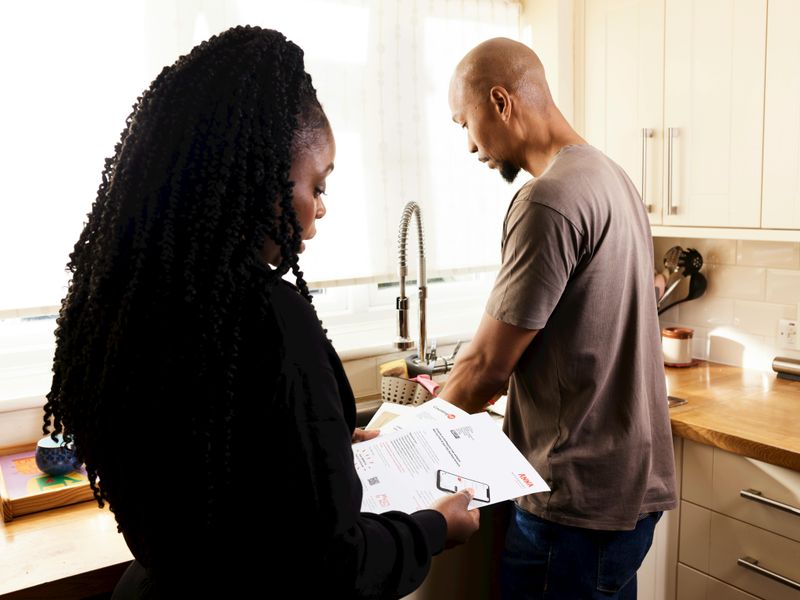
Over the years, most couples naturally divide responsibilities.
One handles the finances, the other manages the household.
These roles feel efficient — and they are — but efficiency is not the same as emotional connection.
Roles become habits, and habits can turn into walls.
When the kids leave, those functional roles do not disappear.
You might still be “the budget person” while your partner is still “the cook.” But without shared parenting tasks to bridge the gap, those separate lanes can feel more like separate lives.
Shake things up intentionally.
Try switching roles occasionally, or take on a brand-new project together.
Shared novelty can crack open the routine and remind you both that you are a team.
4. Different Personal Evolutions

People change.
That is not a flaw — it is just life.
Over two decades of raising a family, each partner quietly evolves.
New interests develop, values shift, and personal goals begin pointing in different directions.
Most of the time, this happens so slowly that neither person notices.
Then the kids leave, and there is suddenly space to see each other clearly again.
What you find might surprise you.
The person across the table may share your last name but feel like someone you are just getting to know.
Growth does not have to mean growing apart.
Talk openly about who you have each become.
Curiosity about your partner’s new self can be the beginning of a whole new chapter together.
5. Communication Became Transactional

“Can you grab milk on the way home?” “The car needs an oil change.” “Your mom called.” Sound familiar?
For many couples, conversation slowly narrows down to a running to-do list.
It keeps the household running, but it does not keep the relationship alive.
Transactional communication is useful — but it is not connection.
When the daily structure of raising kids disappears, couples may find they have forgotten how to talk about anything else.
The silence that follows can feel awkward or even lonely.
Reclaiming real conversation takes practice.
Start with open-ended questions like “What made you smile today?” or “Is there something you have been wanting to try?” Small shifts in how you talk can make a surprisingly big difference.
6. Unresolved Conflicts Resurface

Kids have a funny way of keeping the peace — not because they solve problems, but because they keep parents too busy to deal with them.
Many couples quietly shelve old arguments, telling themselves they will handle it “when things calm down.” Years pass.
Things never quite calm down.
Then the house empties, and those buried issues start crawling back out.
Old resentments, unspoken disappointments, and long-avoided conversations suddenly have nowhere to hide.
The silence creates space — but not always the comfortable kind.
Facing old conflicts is uncomfortable, but avoiding them only makes the distance grow.
Consider working with a couples therapist to sort through what has been left unsaid.
Clearing the air is one of the most loving things you can do for your relationship.
7. Loss of Shared Routine and Structure
Kids create rhythm.
Wake-up times, school schedules, after-school activities, family dinners — all of it gives the household a steady, predictable beat.
It can feel exhausting in the moment, but that structure also keeps couples moving in sync without much effort.
When the kids leave, so does the rhythm.
Suddenly, evenings are wide open and weekends feel shapeless.
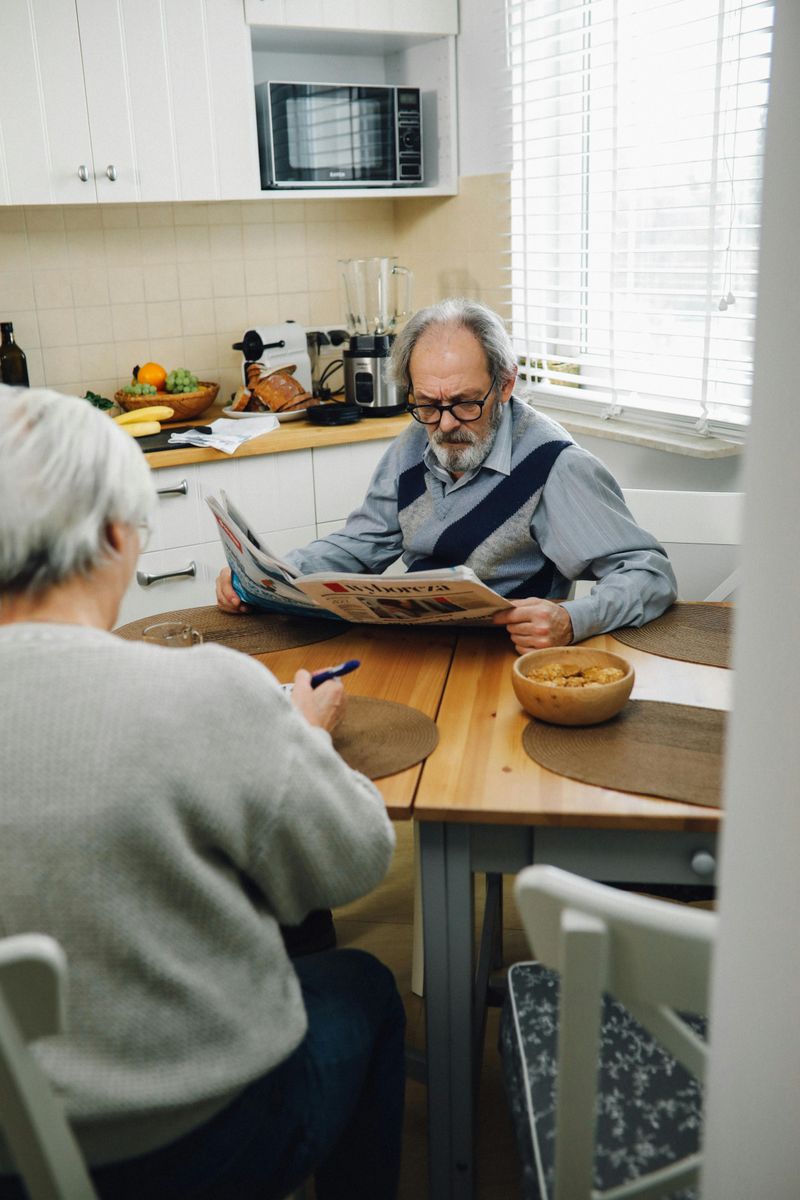
Without a shared schedule to follow, couples can drift into separate routines — one watches TV in the bedroom while the other reads in the den.
Parallel lives form quietly.
Creating new shared rituals does not have to be complicated.
A weekly dinner out, a Sunday morning walk, or even a shared TV show can anchor you together.
Routine, when chosen intentionally, becomes connection.
8. Physical Intimacy Declined Over Time

Physical intimacy does not usually vanish dramatically — it fades quietly, one skipped moment at a time.
A busy schedule here, exhaustion there, and before long, physical closeness feels like a distant memory rather than a daily reality.
With kids in the house, it is easy to blame the interruptions.
But when the kids leave and the interruptions disappear, the absence of physical connection becomes harder to ignore.
The excuses run out, and what remains is the honest reality of how far apart two people have drifted in that area of their relationship.
Rebuilding physical intimacy starts with non-sexual affection — holding hands, a long hug, a gentle touch.
Small gestures rebuild warmth and signal to your partner that you still choose them, every single day.
9. Identity Shift and Empty Nest Syndrome

For many parents — especially primary caregivers — being “Mom” or “Dad” becomes a core identity.
It shapes your schedule, your purpose, and your sense of self-worth.
So when that role steps back, it can feel like a piece of who you are just walked out the front door with the moving boxes.
This emotional shift, often called Empty Nest Syndrome, can lead to withdrawal, low mood, or irritability.
A partner experiencing this may pull inward at exactly the moment connection is most needed.
The other partner may feel confused or rejected without understanding why.
Recognizing this shift — in yourself or your partner — is powerful.
Compassion goes a long way.
Encourage each other to explore new interests, and be patient as you both figure out who you are in this new season of life.
10. Lack of Intentional Reinvestment in the Relationship

Here is the quiet trap many couples fall into: assuming love will maintain itself.
After years together, it can feel like the relationship should just keep running on its own — like a car that never needs gas.
But relationships do not work that way.
They need regular, deliberate attention.
When the kids leave and nothing changes in how you invest in each other, the relationship defaults to cohabitation.
You share a space, split the bills, and go to bed at the same time — but that is not a partnership.
It is just an arrangement.
The good news?
Intentional effort does not require grand gestures.
Date nights, honest check-ins, and simply asking “How can I show up better for you?” can completely shift the dynamic over time.