 MomSkoop
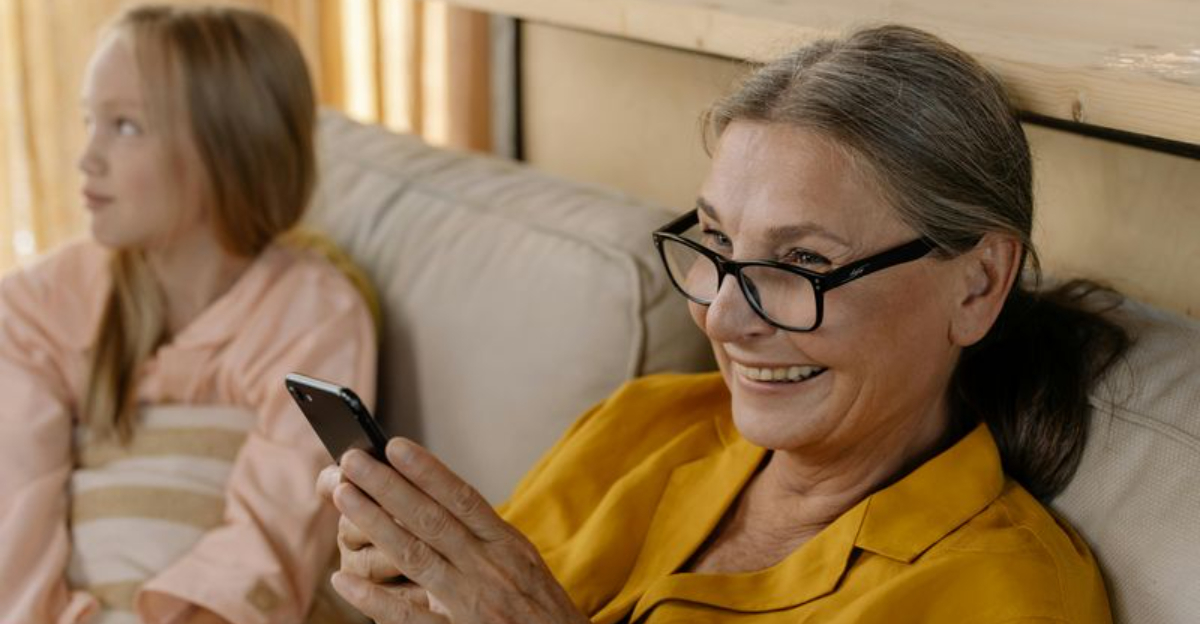
Getting older sneaks up on you, especially when the world around you keeps changing faster than you can keep up.
For Baby Boomers, it’s not the big milestones that sting the most — it’s the small, everyday moments that make you pause and think, “When did everything change?”
From disappearing cash to slang that sounds like a foreign language, these little things add up.
Here are 12 everyday experiences that quietly remind Boomers just how much the world has shifted.
1. When a Phone Is Rarely Used for Actual Calls
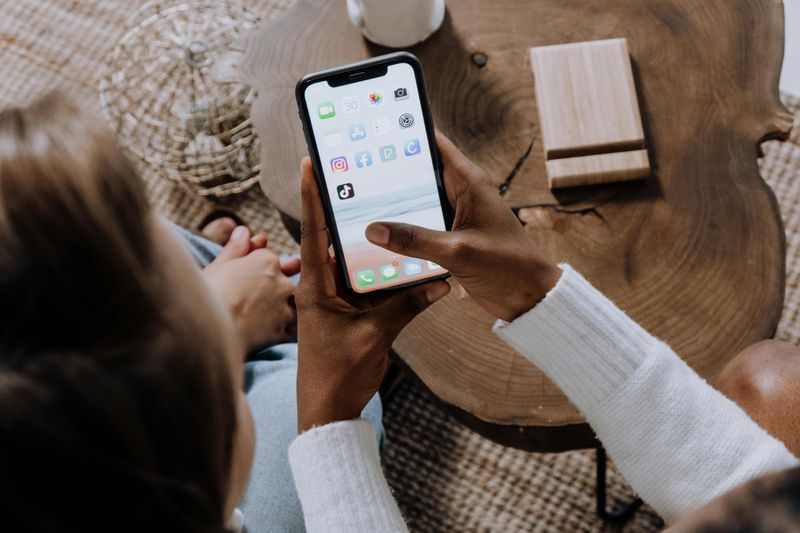
Remember when a phone call was just… a phone call?
Today, that little device in your pocket is a camera, a bank, a TV, a map, and a social hub — and making an actual voice call feels almost old-fashioned.
Most younger people text, DM, or send voice memos instead of calling.
Boomers grew up treating the phone as a lifeline for real conversations.
Now, picking up to dial someone can feel oddly out of place.
The shift is subtle but real.
That rectangle in your hand has become everything except the thing it was named for.
2. QR Codes Replacing Paper Menus
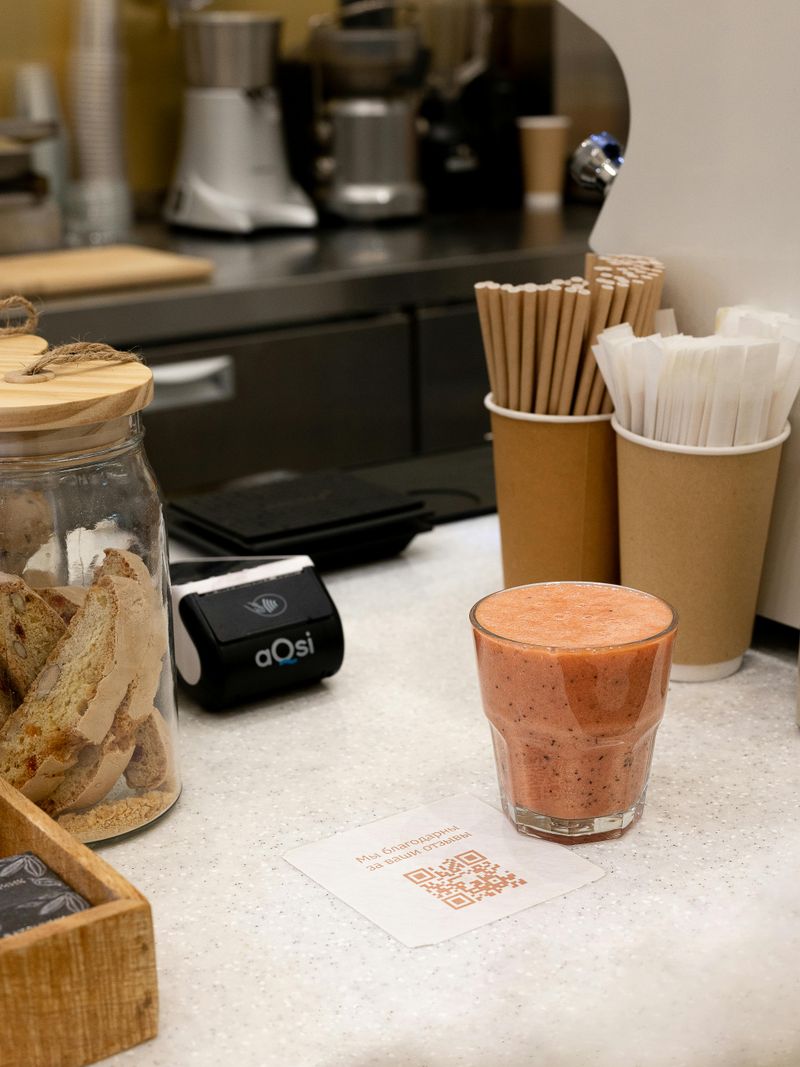
You sit down at a restaurant, ready to flip through a menu, and instead you find a tiny black-and-white square staring back at you.
Scan this, it says.
Simple enough — unless your phone camera is slow, the lighting is bad, or you just wanted to hold something in your hands.
For Boomers who grew up with laminated menus and daily specials written on chalkboards, this swap feels impersonal.
There’s something comforting about a real menu you can browse at your own pace.
QR codes work fine once you know how — but that learning curve?
Quietly humbling.
3. Passwords and Apps for Absolutely Everything

It used to be simple: you walked in, asked for what you needed, and left.
Now, nearly every task — paying a bill, checking a doctor’s appointment, even unlocking a hotel room — demands an account, a password, and probably a two-step verification code sent to your phone.
Boomers lived through a world that ran on handshakes and paper forms.
This layer of digital gatekeeping can feel exhausting rather than helpful.
Password managers exist, sure.
But figuring those out requires yet another account.
At some point, the system designed to make life easier starts feeling like a full-time job.
4. Kids Typing Blindingly Fast on Glass Screens

Watch any teenager text for thirty seconds, and it’s almost dizzying.
Both thumbs flying, no looking down, autocorrect handled in a blink — they’re done before you’ve found the first letter.
Boomers learned to type on actual keyboards, where the keys had weight and clicking feedback.
Many became genuinely fast typists.
But glass?
That smooth, flat surface feels slippery and unforgiving, especially for fingers that expect something to push back.
It’s not about intelligence — it’s about what your hands grew up doing.
Watching a 14-year-old outtype you on a phone is one of those quietly humbling generational moments.
5. Job Titles That Didn’t Exist Five Years Ago

Content creator.
Prompt engineer.
Influencer.
Chief Metaverse Officer.
These aren’t made-up words from a sci-fi novel — they’re real jobs people hold today, some paying six figures.
For Boomers who built careers in fields with clear, established titles, this new job landscape can feel completely foreign.
The rules of “get a degree, find a stable job” don’t quite apply the same way anymore.
It’s not that these careers aren’t legitimate — many are genuinely impressive.
But hearing your grandkid say they want to be a “streamer” and mean it as a serious career path?
That takes some mental adjusting.
6. Facebook Being Labeled the “Old People” Platform

Facebook launched in 2004, and for a long time it felt cutting-edge.
Boomers joined in droves, sharing family photos, reconnecting with old classmates, and keeping up with local news.
It felt modern and exciting.
Fast forward to now, and younger generations openly joke that Facebook is where their grandparents hang out.
TikTok, Instagram, and Snapchat have taken over youth culture, leaving Facebook feeling like the digital equivalent of a community bulletin board.
There’s nothing wrong with using Facebook — millions do.
But realizing the platform you adopted as new technology is now considered retro?
That’s a strange feeling to sit with.
7. Cash Disappearing as Tap-to-Pay Takes Over
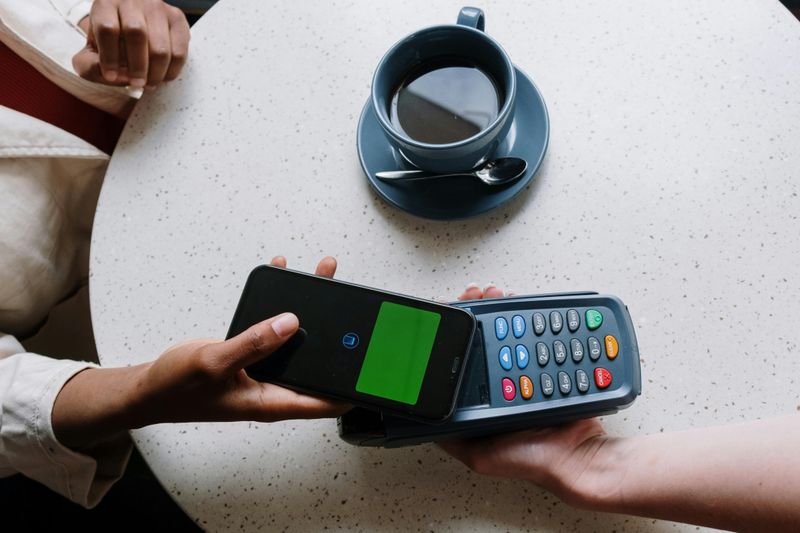
There was a time when having cash in your wallet meant you were prepared for anything.
Gas station, diner, parking meter — cash handled it all cleanly and quickly.
No network required, no battery needed.
Now, more stores are going cashless or at least strongly nudging customers toward tap-to-pay cards and phone wallets.
Some younger cashiers look genuinely surprised when someone pulls out actual bills.
For Boomers who grew up balancing checkbooks and counting change, this shift feels like losing a trusted old friend.
Cash was tangible, reliable, and private.
Watching it fade quietly stings more than expected.
8. Being Told to “Just Update the App”

Tech support’s favorite phrase these days is “just update the app” — spoken with the casual confidence of someone for whom that process takes ten seconds flat.
For many Boomers, it’s rarely that simple.
Which app store?
Do you have enough storage?
Is your operating system compatible?
Why is it asking for permission to access your contacts?
The chain of questions multiplies fast, and suddenly a simple fix has turned into a 45-minute adventure.
Younger generations grew up alongside these systems and absorbed the logic naturally.
Boomers are learning a language mid-life — and being told it’s easy doesn’t help.
9. Streaming Replacing the TV Schedule Ritual

Friday nights used to have a rhythm.
You knew which shows came on, what time, and on which channel.
Planning your evening around the TV schedule was part of the routine — even a small, comforting ritual.
Streaming changed all of that.
Now there’s no schedule, no shared national moment when everyone watches the same thing simultaneously.
There are thousands of choices, and half the time you spend more energy deciding what to watch than actually watching anything.
Boomers didn’t just lose a TV format — they lost a cultural experience.
Watching appointment television with the whole country felt like belonging to something together.
10. Slang That Changes Overnight Like a New Language
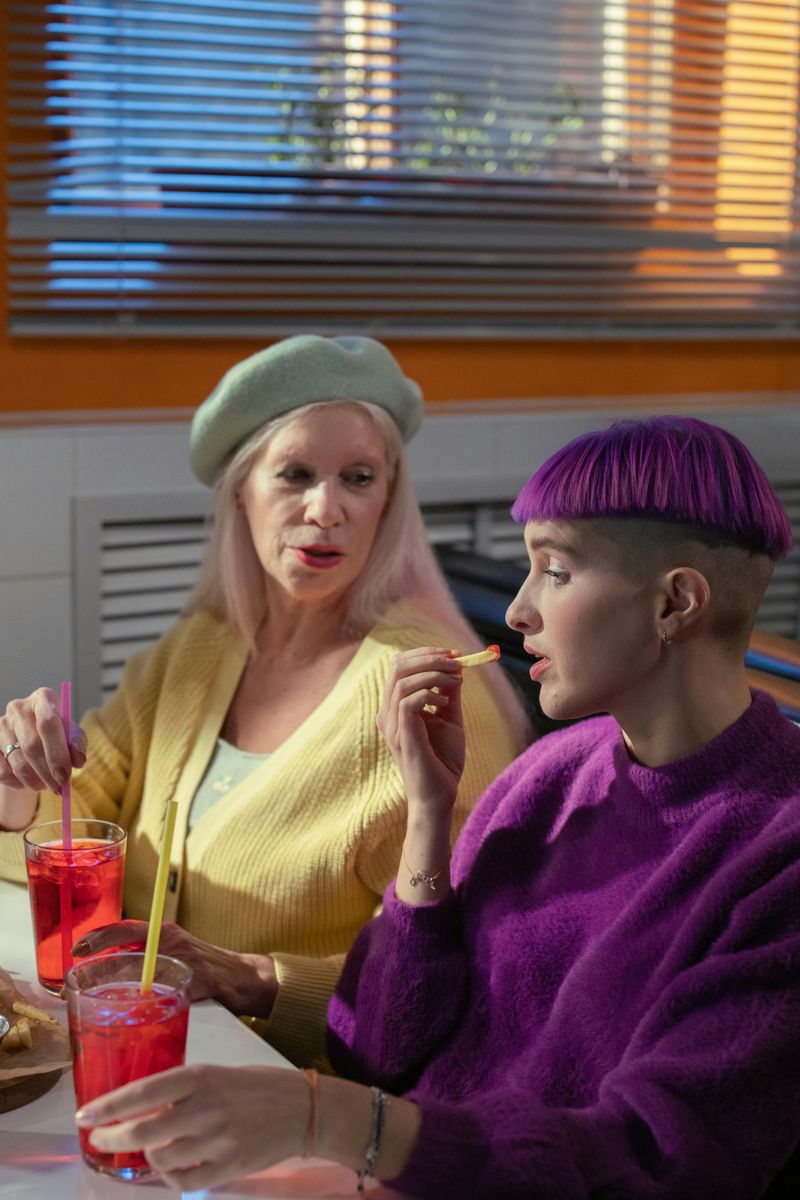
“No cap.”
“Slay.”
“That’s bussin.”
“Understood the assignment.”
If these phrases made you pause even slightly, welcome to the club.
Modern slang evolves at a pace that feels almost engineered to leave older generations behind.
Boomers adapted to language changes before — slang has always shifted between generations.
But social media accelerates everything, meaning a phrase can go from cool to cringe within weeks.
The real sting comes when you use a term confidently, only for a teenager to wince.
Language is how people signal belonging, and feeling like an outsider in a conversation — especially with family — quietly adds up.
11. Family Photos Living in the Cloud, Not Albums
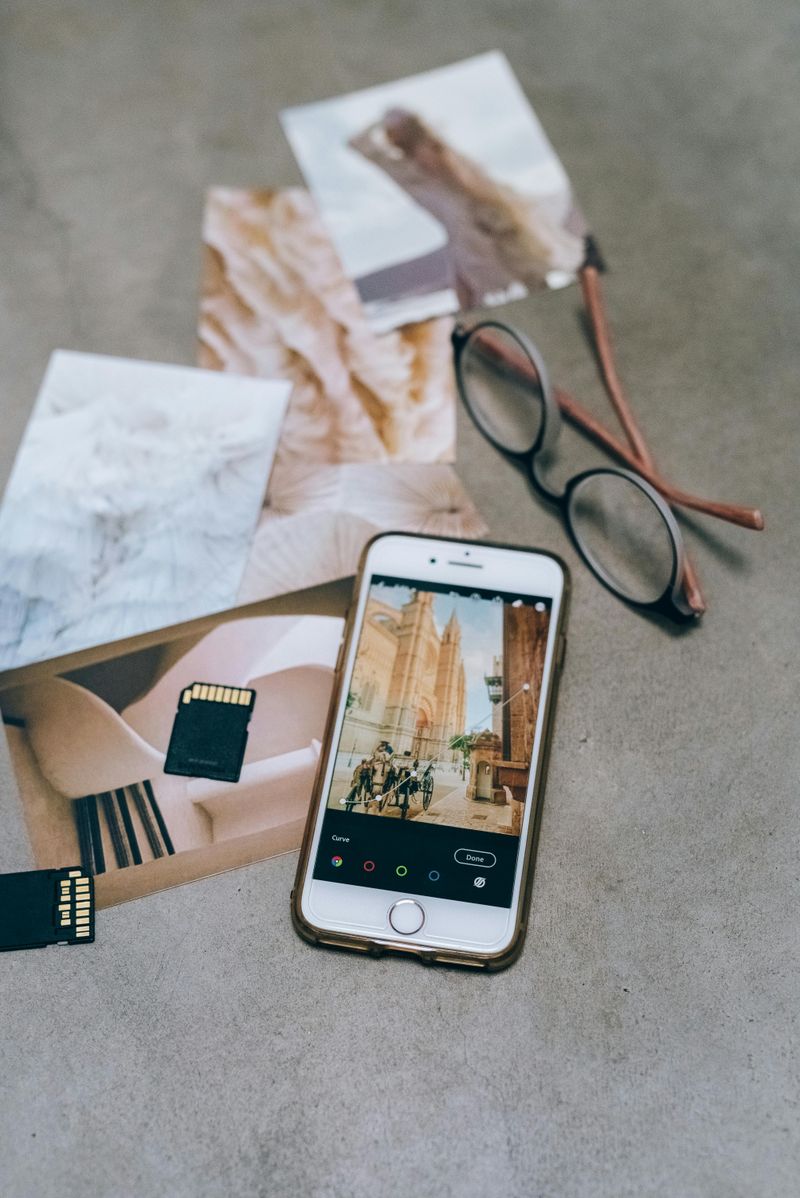
Flip through any Boomer’s home and you’ll likely find shelves of photo albums — thick ones, lovingly organized, with handwritten dates on the backs of prints.
Those albums were physical proof that life happened, that people were loved and remembered.
Today, photos live in iCloud, Google Photos, or on a phone camera roll that nobody ever actually looks at.
There are more photos being taken than ever before, yet somehow they feel less permanent.
When the hard drive crashes or the subscription lapses, those memories can vanish.
Physical albums never needed a Wi-Fi connection.
That quiet vulnerability of digital memory is something Boomers feel deeply.
12. Becoming the One Who Says “Back in My Day”
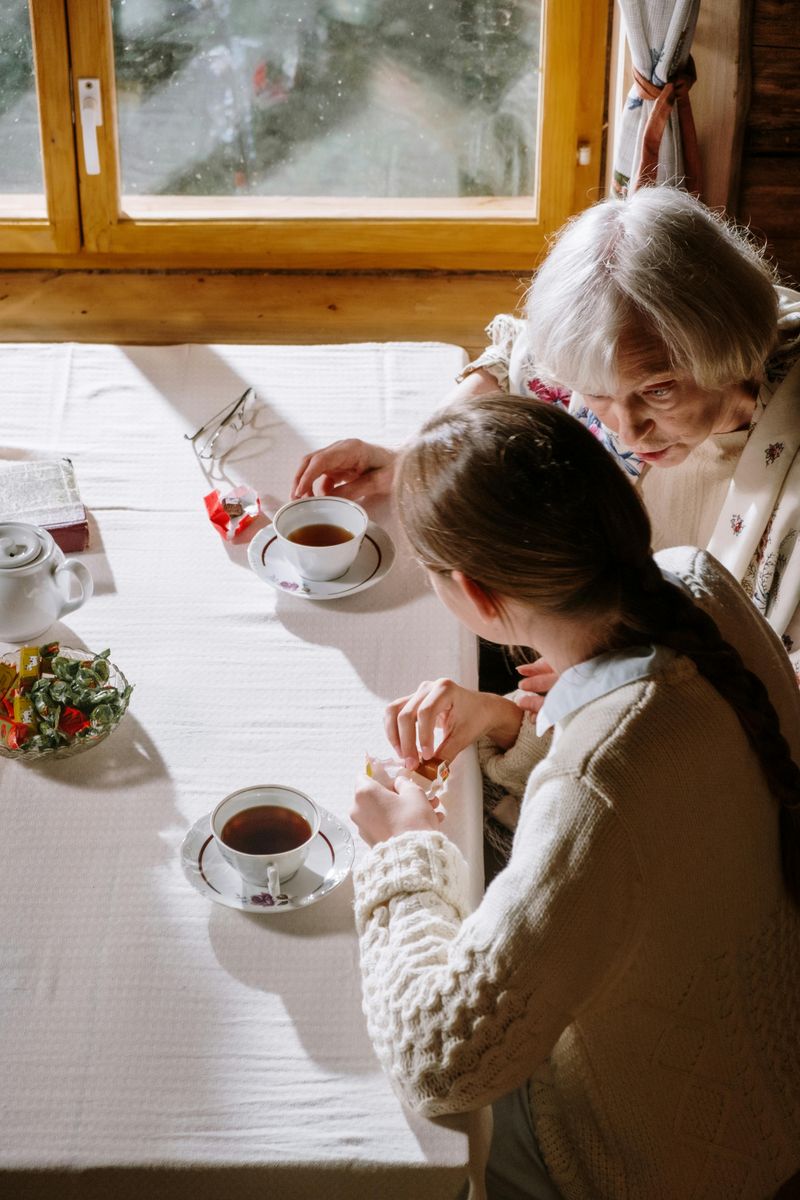
At some point, without planning it, you become the person in the room who starts sentences with “back in my day.”
It happens gradually, then all at once — and the first time you catch yourself saying it, there’s a moment of genuine surprise.
Boomers watched their own parents say those words and probably rolled their eyes a little.
Now the torch has passed, and the stories being told are about rotary phones, three TV channels, and playing outside until the streetlights came on.
It’s not a bad thing — those stories carry real value.
But the role reversal is one of life’s quieter, more poignant surprises.