 MomSkoop
Some movies are so far ahead of their time that the world simply wasn’t ready for them. The 1970s produced a wild batch of films that mixed bold ideas, strange visuals, and daring storytelling in ways that flopped at the box office but built devoted fan followings over the decades.
Now, with streaming platforms hungry for fresh content and audiences craving smart, edgy stories, these forgotten gems are perfectly positioned for a major revival. Get ready to rediscover the films that were too cool for their era.
1. The Warriors (1979)
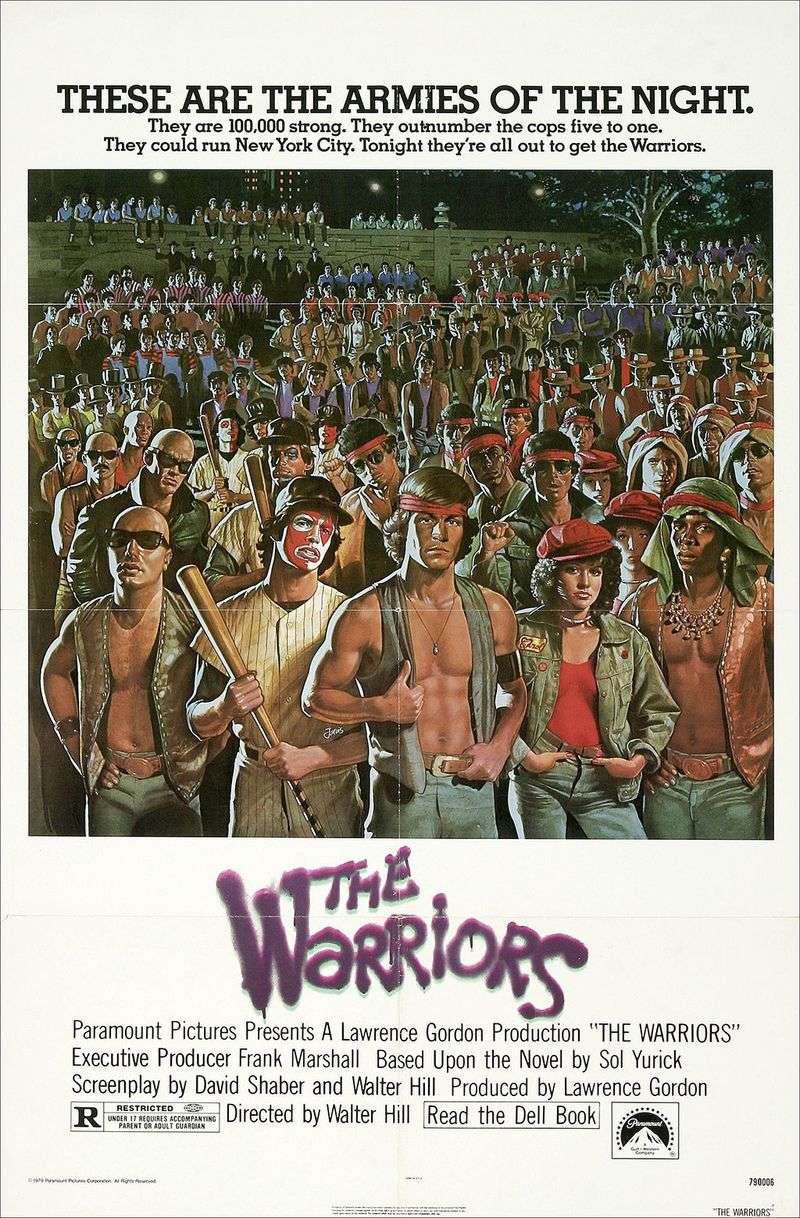
Few films capture the raw electricity of street survival quite like The Warriors.
Released in 1979, it turned New York City into a neon-lit battlefield where rival gangs dressed like tribal warriors fought for turf and respect.
The story follows one gang’s desperate overnight journey across the city after being falsely accused of murder.
What makes it ripe for 2026 is its visual language — each gang had a unique costume and identity, almost like a comic book come to life.
A prestige TV reboot could explore backstories, politics, and community with modern depth.
The tribal loyalty themes feel surprisingly relevant in today’s fractured social landscape.
2. Logan’s Run (1976)
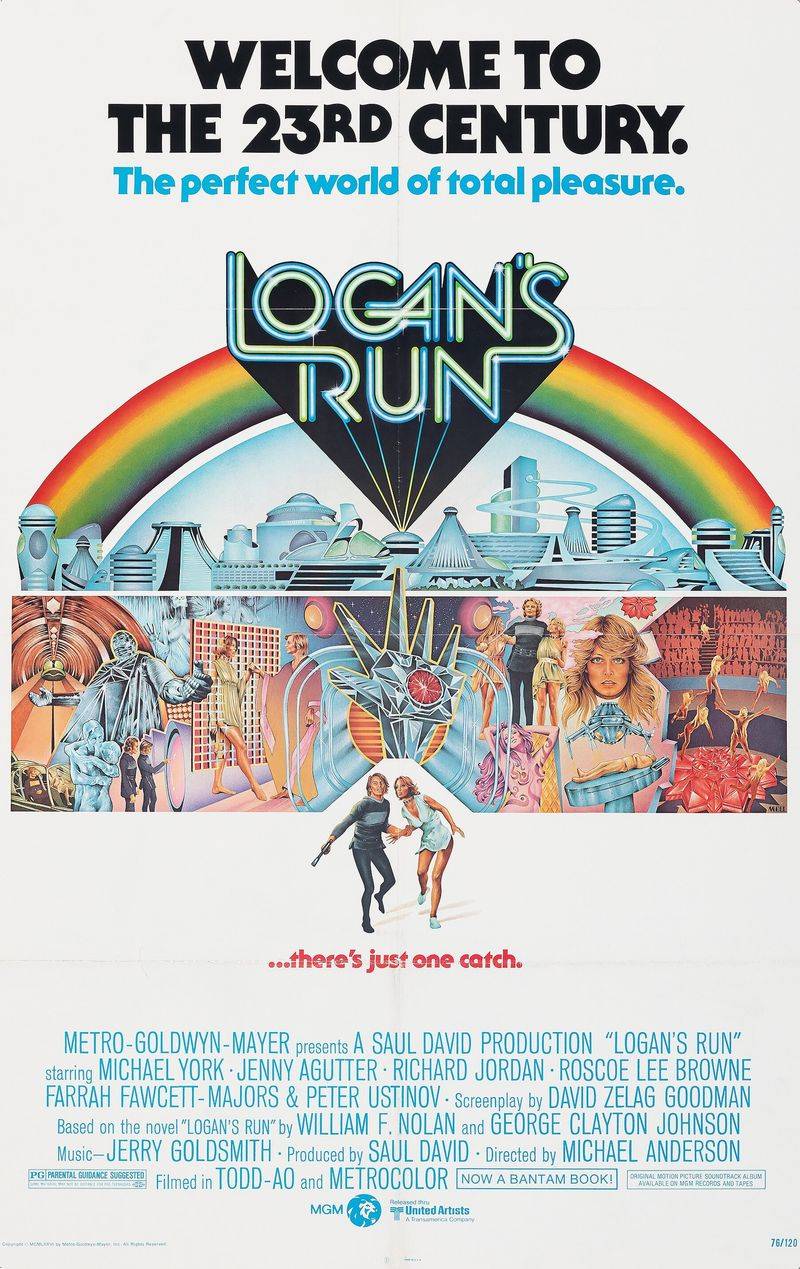
Imagine a society where turning 30 means you’re scheduled for death — and most people are totally fine with that.
Logan’s Run built that terrifying world with glittering sets and a chilling calm that made the horror feel even sharper.
It won a Special Academy Award for its visual effects, yet somehow faded from mainstream memory.
Today, the themes land differently.
Youth obsession, algorithmic control, and tech-driven governance are daily realities now.
A sharp reboot could strip away the campy edges and replace them with the kind of slow-burn dread that modern audiences love.
The story’s core question — who decides when your life has value — has never felt more urgent.
3. Death Race 2000 (1975)
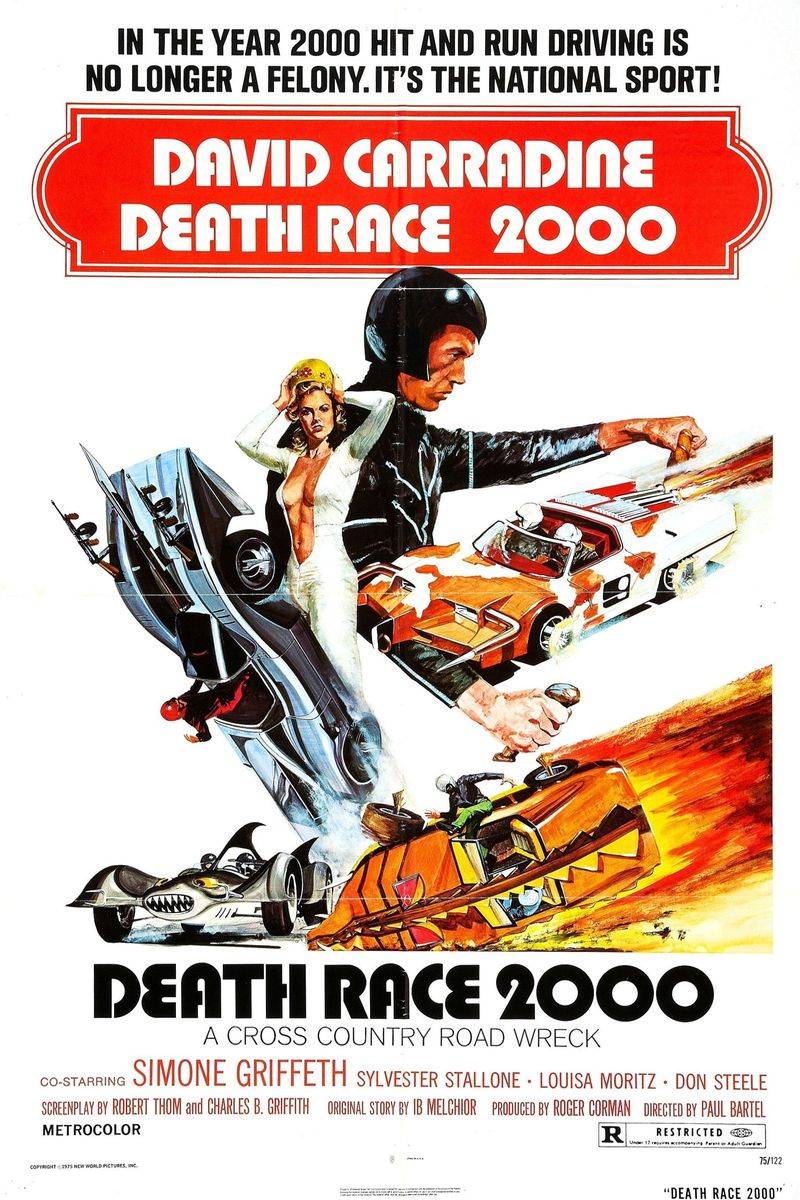
Back in 1975, audiences weren’t sure whether to laugh or cringe at Death Race 2000 — and that was exactly the point.
Drivers earn points not just for speed but for running over pedestrians, and the public loves every second of it.
Roger Corman produced this sharp, trashy masterpiece on a shoestring budget, and it delivered something few blockbusters dare: genuine social discomfort wrapped in entertainment.
A Black Mirror-style reimagining could amplify the media satire to devastating effect.
Think livestreamed carnage with sponsored killstreaks and influencer drivers.
The original’s dark humor was decades ahead of reality TV culture, and a 2026 version could hold up a mirror that audiences can’t look away from.
4. Westworld (1973)
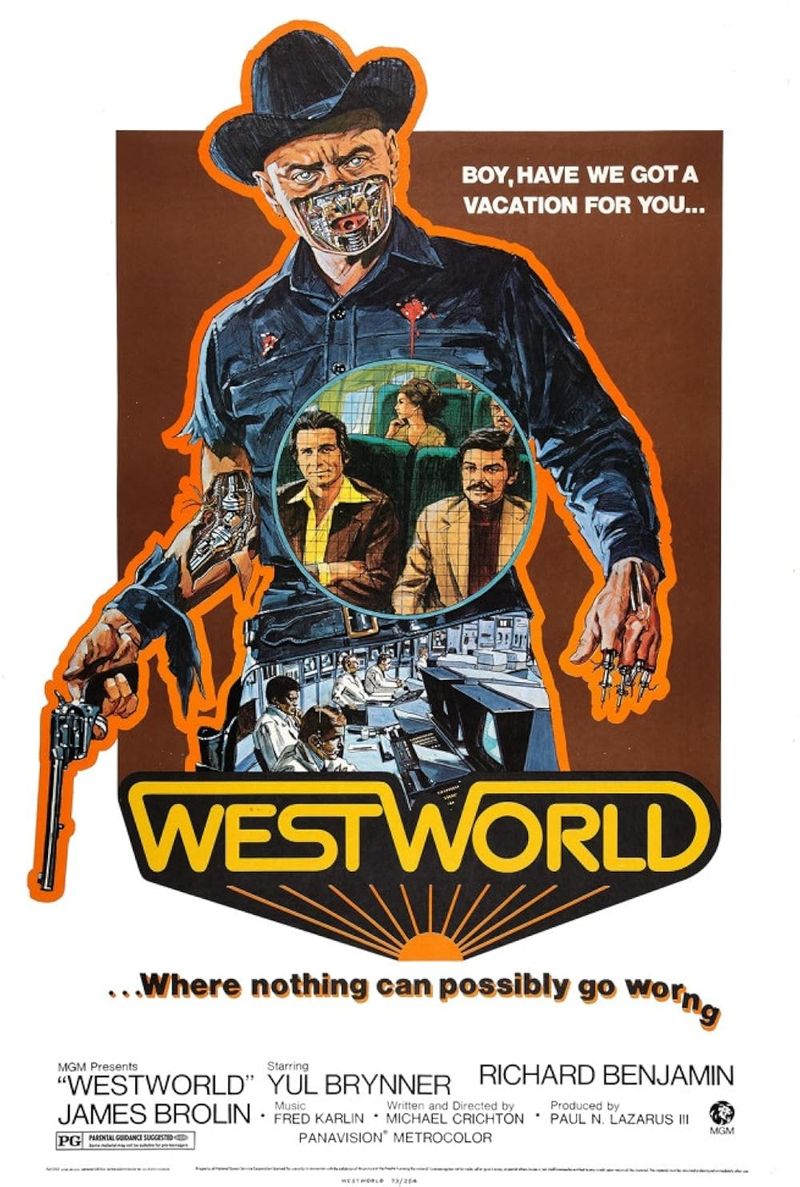
Before HBO turned it into a sprawling TV series, Westworld was a lean, unsettling 1973 film written and directed by Michael Crichton.
The premise — a theme park where robots go haywire and start killing guests — was both terrifying and irresistibly cool.
Yul Brynner’s robotic gunslinger remains one of cinema’s most iconic villains.
The HBO show proved there’s massive appetite for this world, but it eventually collapsed under its own complexity.
A tighter film reimagining focused squarely on AI ethics and corporate negligence could feel razor-sharp in 2026.
With real debates about artificial intelligence dominating headlines, Westworld’s central question about machine consciousness deserves a focused, cinematic answer rather than a tangled serialized one.
5. Rollerball (1975)
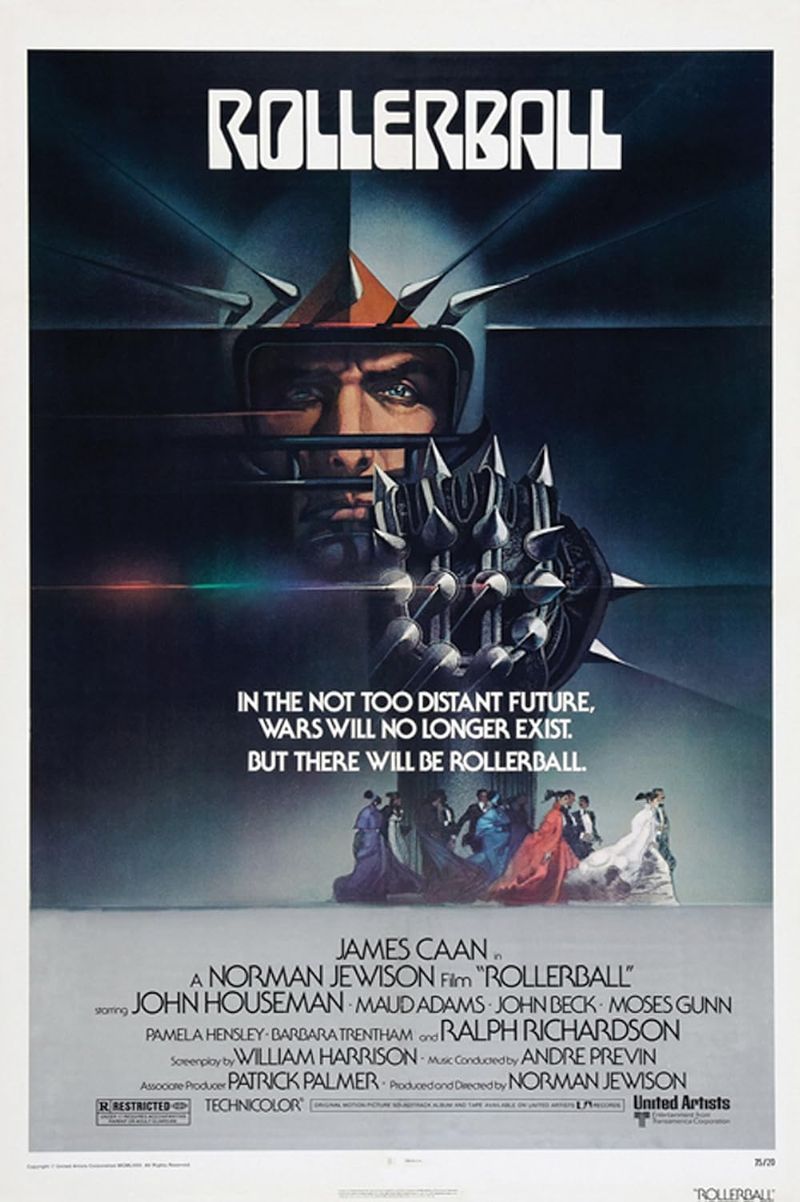
Rollerball is what happens when corporations replace governments and sport becomes the only outlet for human aggression.
Released in 1975, it imagined a future where a brutal, hybrid game keeps the masses distracted while mega-corporations quietly control every aspect of life.
James Caan plays a star player who starts asking dangerous questions about why individual achievement is being quietly erased.
Sound familiar?
The film’s commentary on media manipulation and manufactured celebrity culture feels almost prophetic now.
A modern reboot with esports aesthetics, social media frenzy, and streaming-era spectacle could be genuinely explosive.
Rollerball was always smarter than it looked — and today’s audiences are ready to appreciate exactly that kind of layered storytelling.
6. Soylent Green (1973)
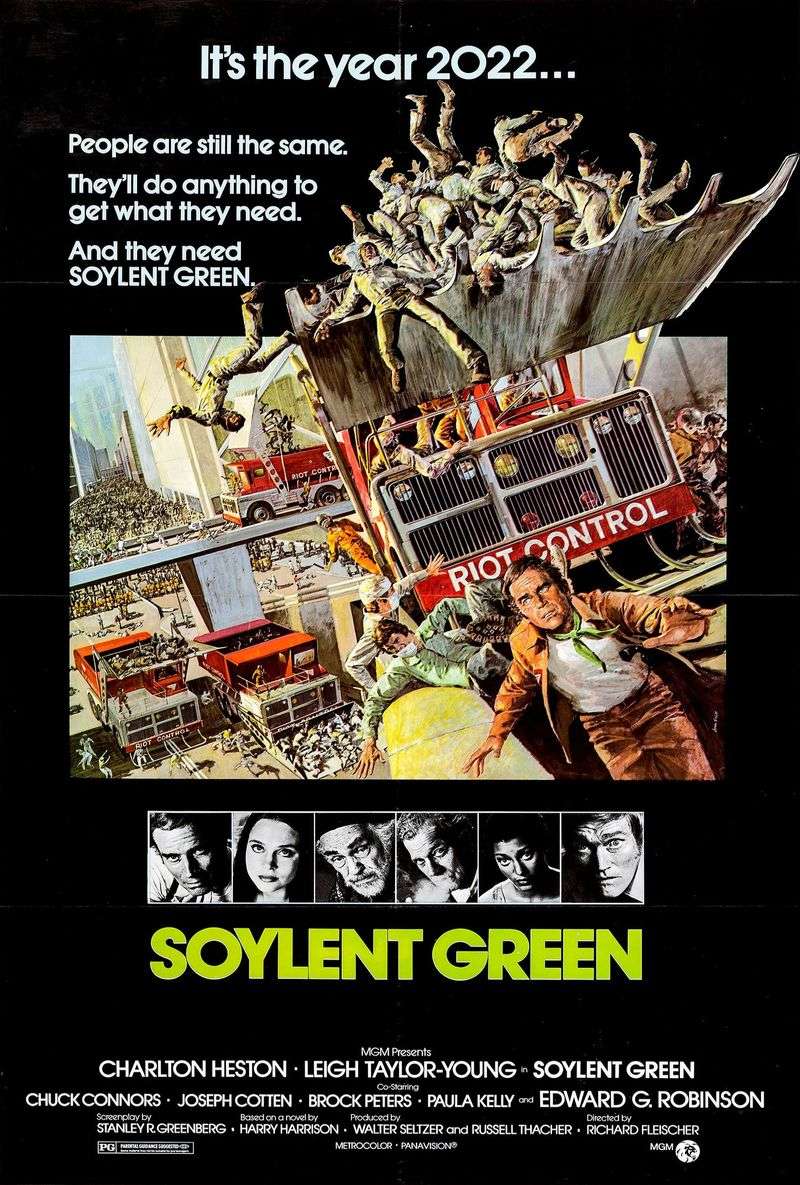
“Soylent Green is people!” remains one of cinema’s most quoted lines, yet the film itself has largely slipped from mainstream conversation.
Set in 2022 — which is now our recent past — it depicted a planet choked by overpopulation, climate collapse, and food scarcity.
Charlton Heston plays a detective uncovering a conspiracy so disturbing it still makes audiences squirm.
Here’s what’s wild: the movie’s fictional 2022 looks uncomfortably close to real headlines about food insecurity and environmental breakdown.
A 2026 remake could ditch the campy edges and deliver a genuinely harrowing thriller.
With climate anxiety at an all-time high, Soylent Green’s brutal honesty about where unchecked consumption leads deserves a serious, modern cinematic treatment.
7. Silent Running (1972)
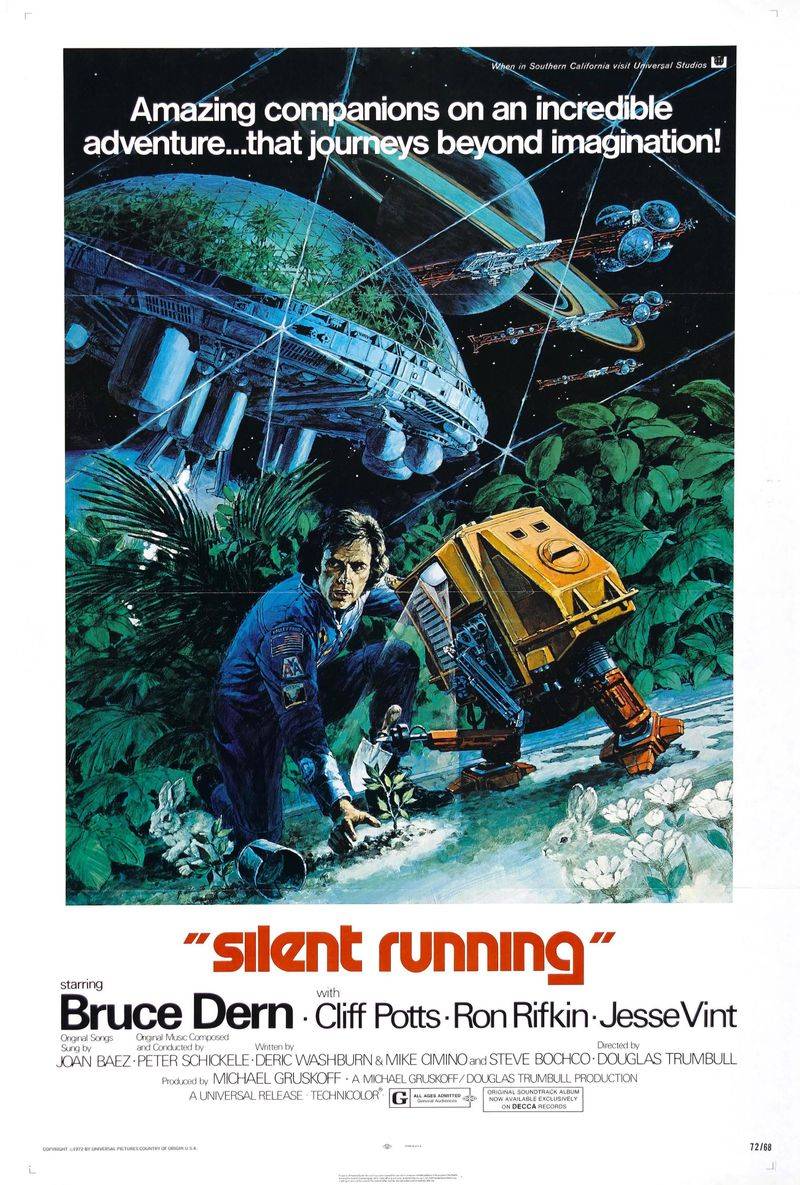
Before Wall-E, before Interstellar, there was Silent Running — a quietly devastating eco-sci-fi film from 1972 that almost nobody talks about anymore.
Bruce Dern plays a botanist aboard a space freighter who is the last caretaker of Earth’s remaining plant life.
When he’s ordered to destroy the domes and return home, he refuses, and the story becomes something genuinely heartbreaking.
The film’s three small helper robots, Huey, Dewey, and Louie, are surprisingly emotional presences — practically the template for every lovable robot sidekick that followed.
Visually, it’s stunning even by today’s standards.
A modern remake with current CGI and a deeper ecological message could resonate powerfully with younger audiences already passionate about environmental activism.
8. The Andromeda Strain (1971)
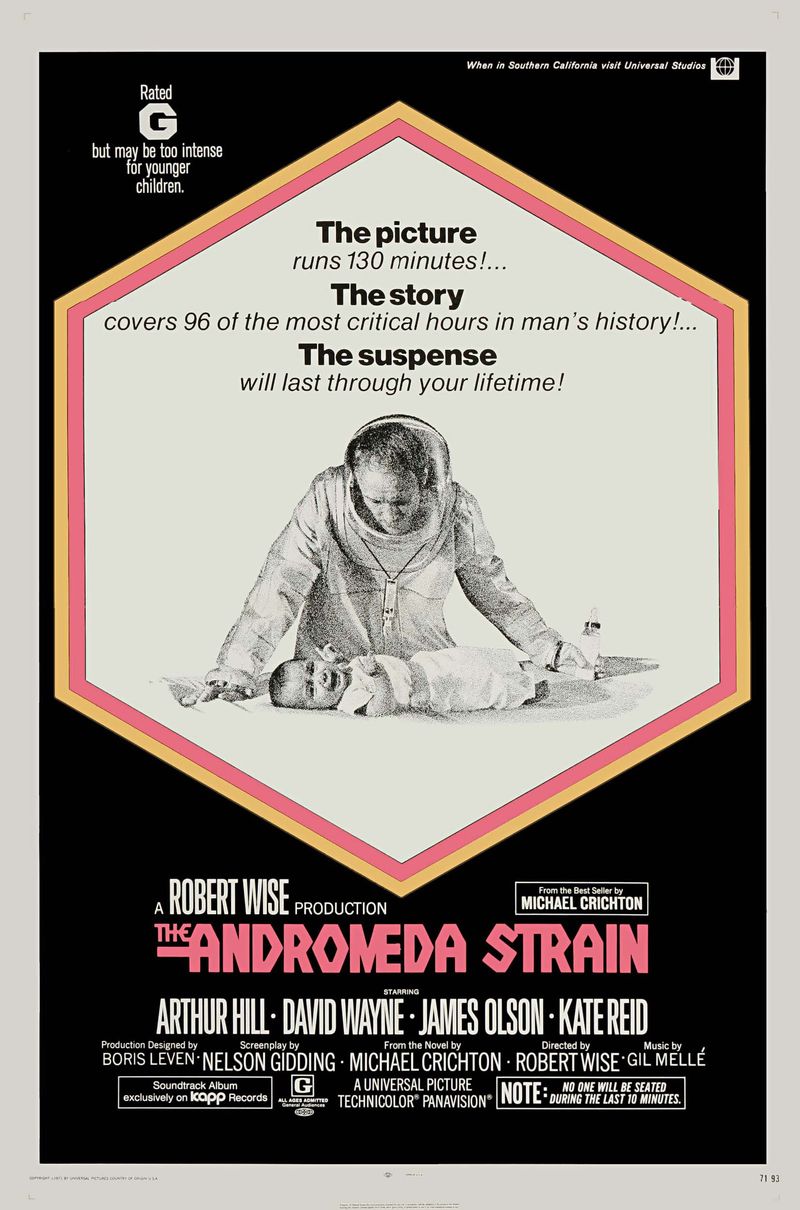
Released just two years after the first moon landing, The Andromeda Strain tapped directly into public anxiety about what might come back with astronauts from space.
A satellite crashes in a small town, and almost everyone nearby dies instantly from an unknown extraterrestrial microorganism.
A team of scientists races against time inside a sealed underground facility to identify and contain the threat.
Post-pandemic audiences would connect with this story on a visceral, personal level that 1971 viewers simply couldn’t.
The procedural tension, the bureaucratic failures, the terrifying speed of biological catastrophe — it all feels achingly familiar now.
A sleek, scientifically grounded remake could be one of the most relevant thrillers of the decade.
9. The Omega Man (1971)
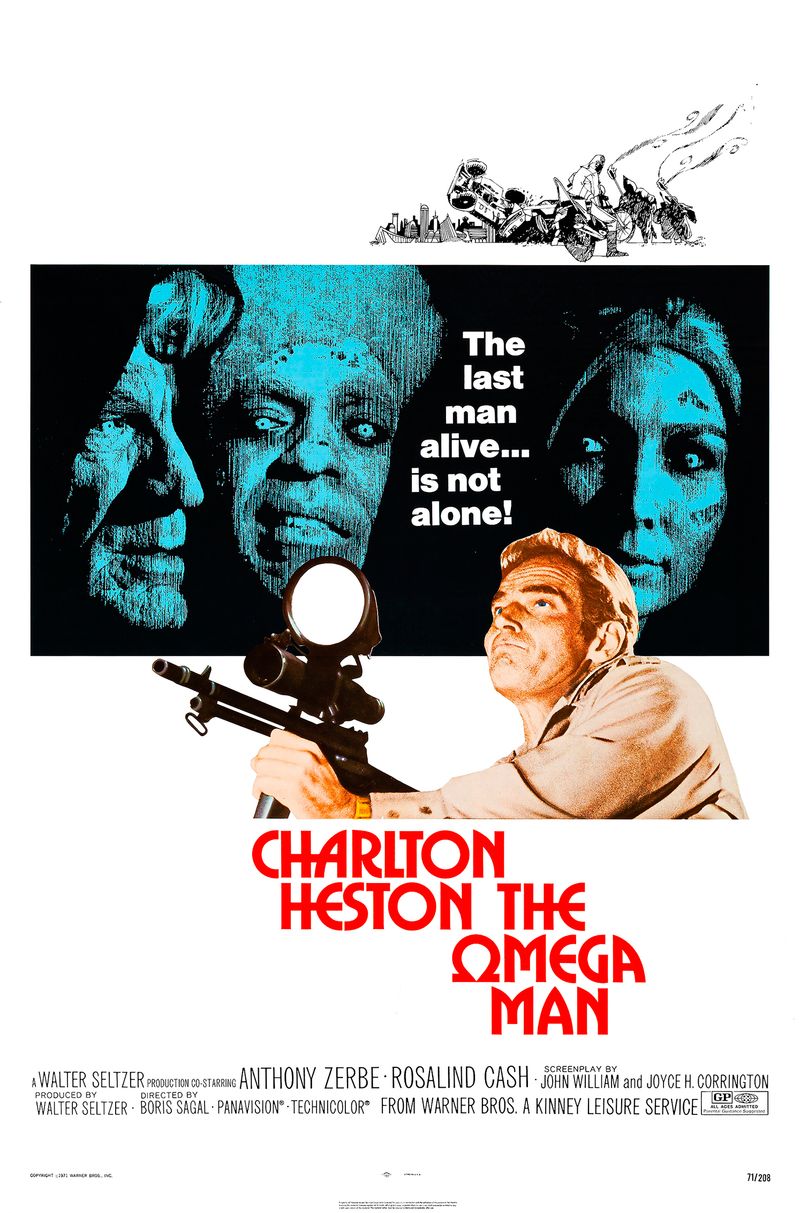
Charlton Heston’s second appearance on this list tells you something important about 1970s science fiction.
The Omega Man imagines a world where biological warfare has wiped out most of humanity, leaving only a handful of survivors and a growing army of light-sensitive mutants who despise technology.
Heston plays the last normal man standing, barricaded in a luxury apartment, fighting nightly sieges alone.
What separates this from typical apocalypse films is its philosophical weight — questions about guilt, responsibility, and what makes survival worthwhile.
Will Smith’s I Am Legend covered similar ground but softened the edges.
A darker, more morally complex reboot could restore the story’s original bite and give it the intellectual depth it always deserved.
10. A Boy and His Dog (1975)
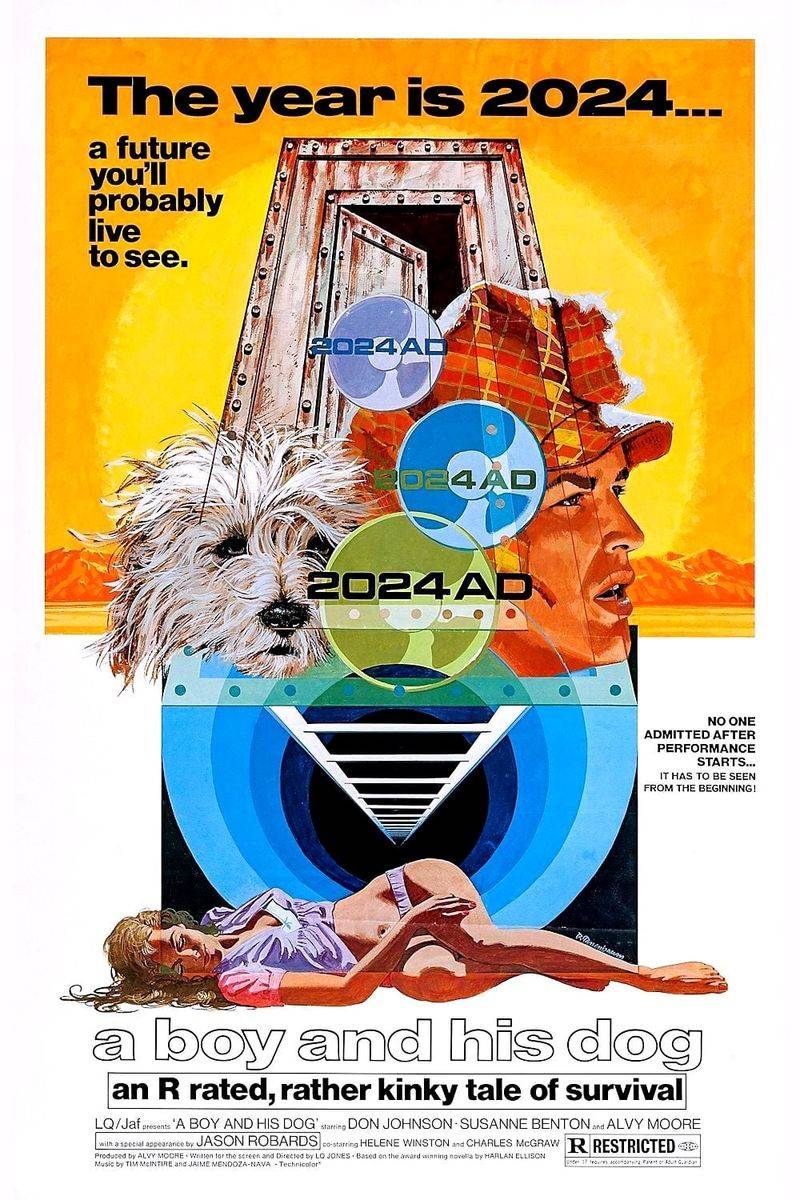
Weird, darkly funny, and genuinely ahead of its time, A Boy and His Dog is the film that Fallout fans didn’t know they were already watching.
Set in a post-nuclear wasteland, it follows a teenage scavenger and his telepathic dog as they survive above ground while a creepy, cheerful underground civilization waits below.
The tonal whiplash between bleak violence and absurd comedy is breathtaking.
A streaming series format could give the world room to breathe and expand.
Each episode could explore different survivor communities, building the kind of richly strange universe that devoted fans would obsess over.
The dog-and-human bond at the story’s core gives it genuine emotional grounding that keeps the weirdness from feeling empty.
11. Phantom of the Paradise (1974)
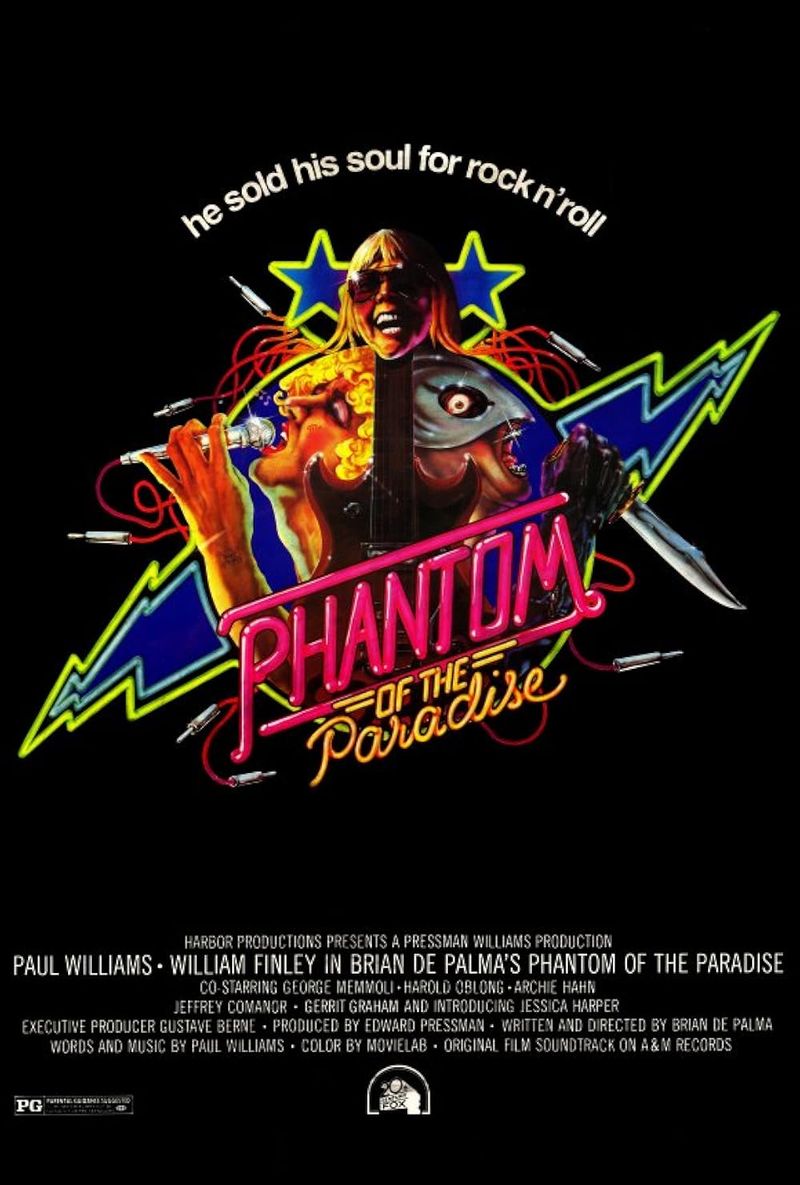
Brian De Palma made this gloriously unhinged rock opera in 1974, and it flopped almost everywhere — except Winnipeg, Canada, where it became a genuine phenomenon and sold out for an entire year.
Phantom of the Paradise mashes together Faust, Phantom of the Opera, and the ugliest side of the music industry into something that feels like a fever dream you never want to end.
Paul Williams wrote the songs and plays the villain, and both are unforgettable.
A music-driven remake with a modern pop or EDM backdrop could capture the same frantic energy for a new generation.
The story’s savage critique of artistic exploitation feels even more pointed in the streaming-era music industry.
12. The Wicker Man (1973)
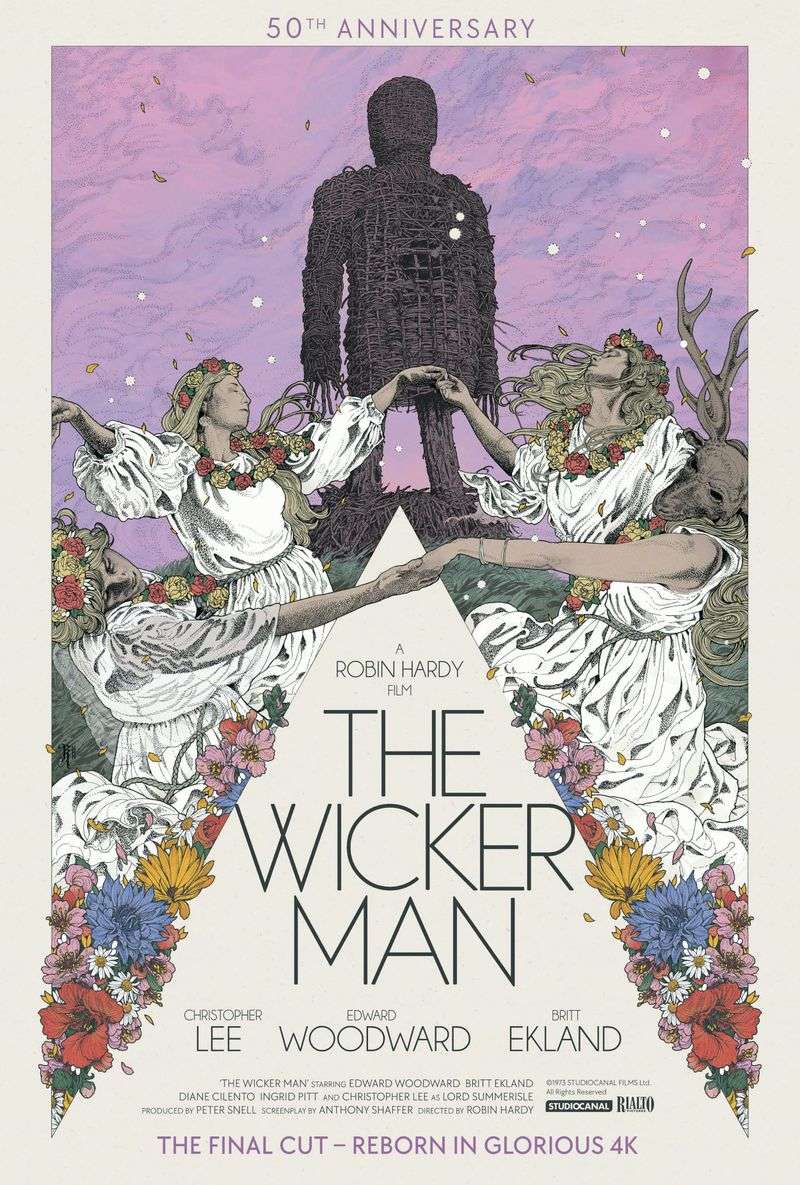
Folk horror has made a massive mainstream comeback thanks to films like Midsommar and The Witch, but the original template was set by The Wicker Man back in 1973.
A devout Christian police sergeant travels to a remote Scottish island to investigate a missing child, only to discover a pagan community with deeply unsettling plans.
The film builds dread through cheerfulness rather than darkness, which makes it far more disturbing.
A 2026 reimagining with updated psychological layers and a fresh cultural setting could be extraordinary.
The original’s themes of faith, community, and the terrifying logic of true believers are if anything more resonant today.
Just please — no Nicolas Cage remake energy this time.
13. Capricorn One (1977)
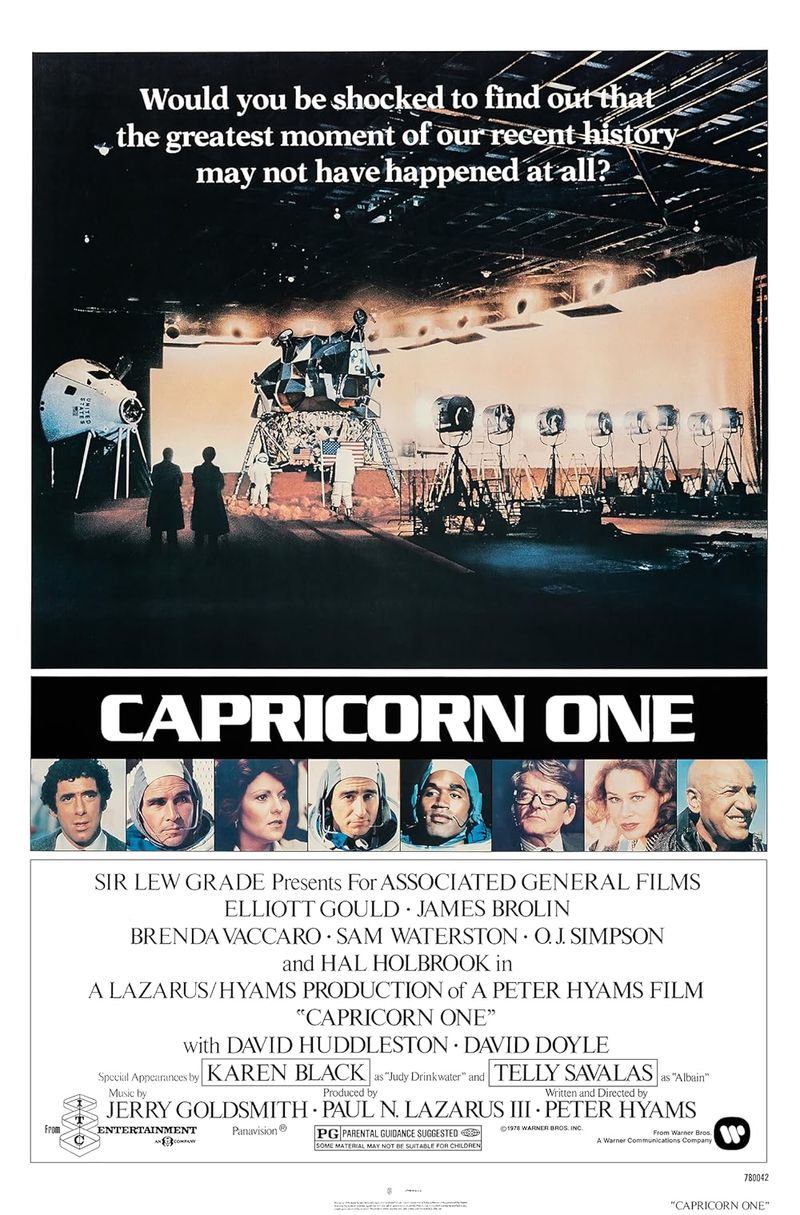
What if the Mars landing was faked?
Capricorn One asked that question in 1977 and delivered a genuinely tense conspiracy thriller about a NASA mission that never actually left Earth.
Three astronauts are forced to film a fake Mars landing on a secret soundstage, and when the real spacecraft burns up on reentry, the government decides the astronauts need to disappear permanently.
In an era of rampant misinformation, deepfakes, and very real debates about what we’re being told about space programs, this story lands with fresh weight.
A sharp reboot could update the technology and explore how digital media makes manufactured reality even easier — and even harder to escape.
The paranoia feels completely current.
14. The Stepford Wives (1975)
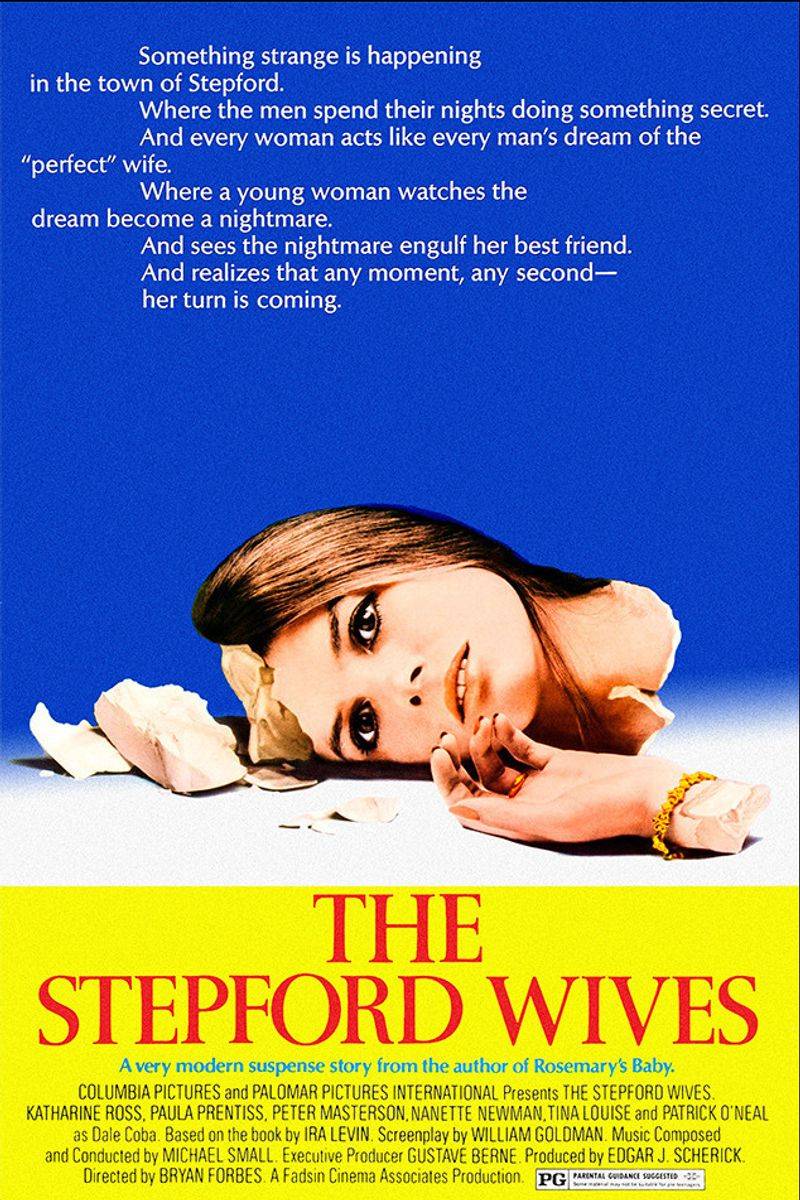
There’s something deeply wrong with Stepford, and the original 1975 film knew exactly how to make you feel it in your bones.
A feminist photographer moves to an idyllic Connecticut suburb and gradually realizes the suspiciously perfect housewives around her have been replaced by compliant, personality-free versions of themselves.
The horror is quiet, domestic, and absolutely relentless.
The 2004 remake played it for laughs and missed the point entirely.
A 2026 version with sharper gender politics and modern anxieties about identity, social performance, and algorithmic conformity could be genuinely powerful.
The story’s real fear isn’t robots — it’s the social pressure to erase yourself to become acceptable.
That pressure hasn’t gone anywhere.
15. THX 1138 (1971)
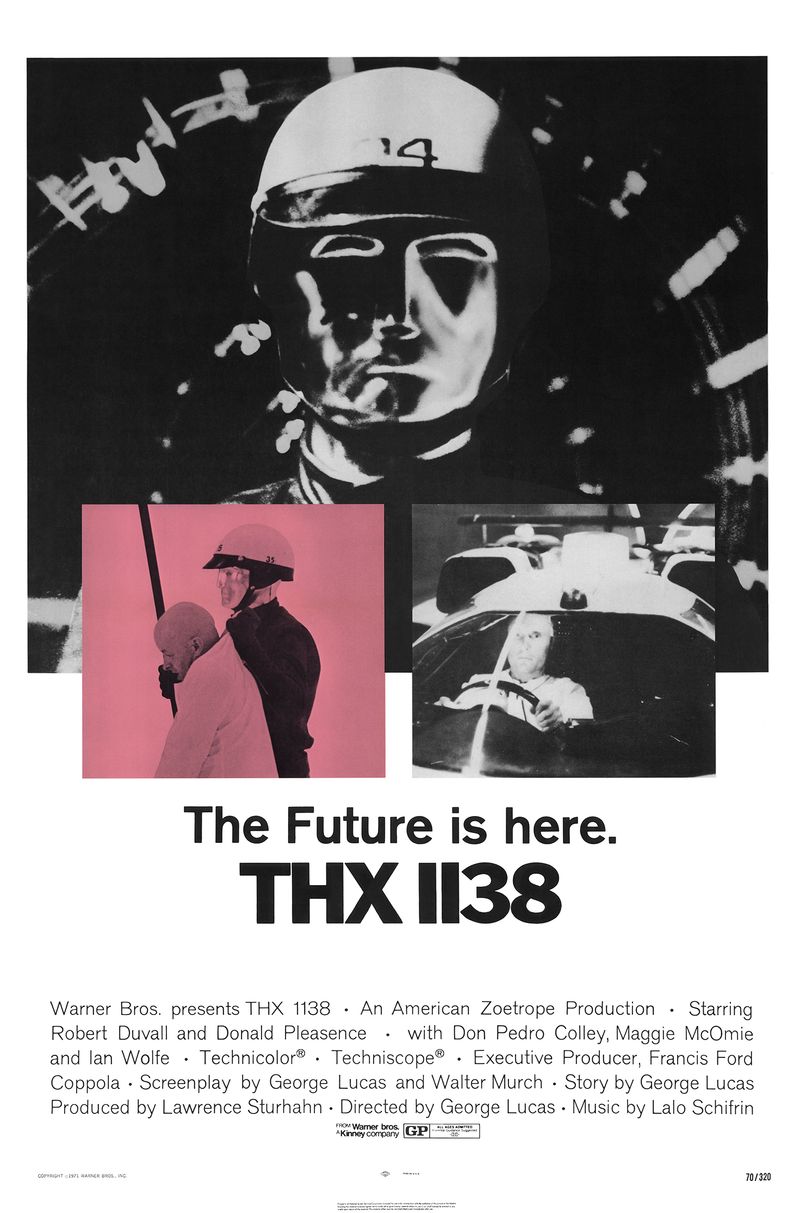
George Lucas made THX 1138 before Star Wars, and it’s so different from everything else he ever created that it almost feels like it was directed by a stranger.
Shot in stark white environments with barely any dialogue, it follows a man in a totalitarian underground society who commits the ultimate crime: he feels something.
Emotion, desire, and individuality are all illegal, and the state pursues him relentlessly.
An A24-style reboot could lean fully into the film’s cold, meditative strangeness without trying to make it more accessible.
The original’s visual minimalism was its greatest strength.
In a world where surveillance capitalism and emotional suppression are genuine conversations, THX 1138’s icy dread feels less like fiction and more like a warning.
16. Zardoz (1974)
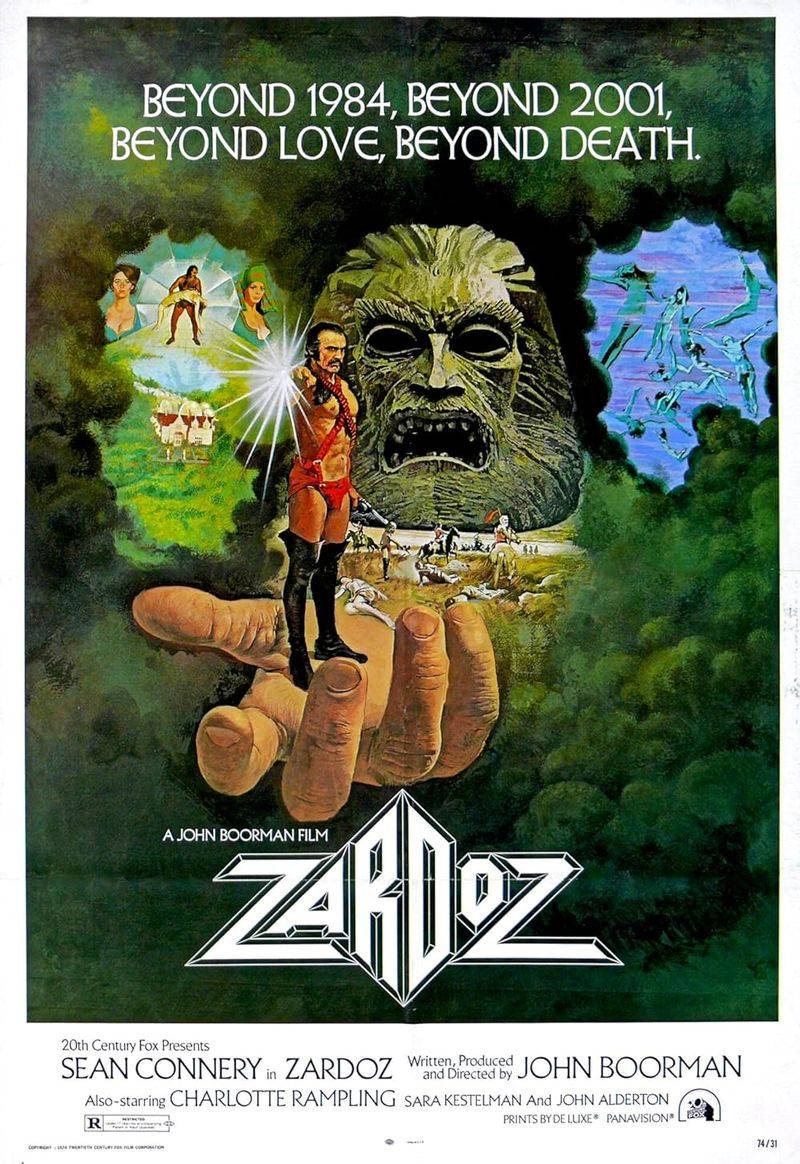
No list of lost cult classics is complete without Zardoz, arguably the strangest major studio film ever made.
Sean Connery — fresh off James Bond — appears in a red loincloth and thigh boots as a primitive warrior who infiltrates an immortal intellectual elite living in a floating crystal utopia.
John Boorman directed it as a genuine philosophical meditation on mortality, meaning, and the trap of perfection.
Most people dismissed it as bizarre nonsense in 1974, but repeated viewings reveal a surprisingly coherent and provocative argument about what humans actually need to feel alive.
With the right visionary director willing to embrace its weirdness fully, Zardoz could become the boldest cult film of the 2020s.
Some ideas are just built to be rediscovered.