 MomSkoop
Some TV shows leave such a lasting mark that even twenty years later, people still talk about them like they aired yesterday. The year 2026 marks a huge milestone for a remarkable group of series that all premiered back in 2006.
From gripping crime dramas to animated masterpieces and laugh-out-loud comedies, these shows shaped pop culture in ways that still echo today. Get ready to take a nostalgic trip back to the golden age of television.
1. Dexter (2006)
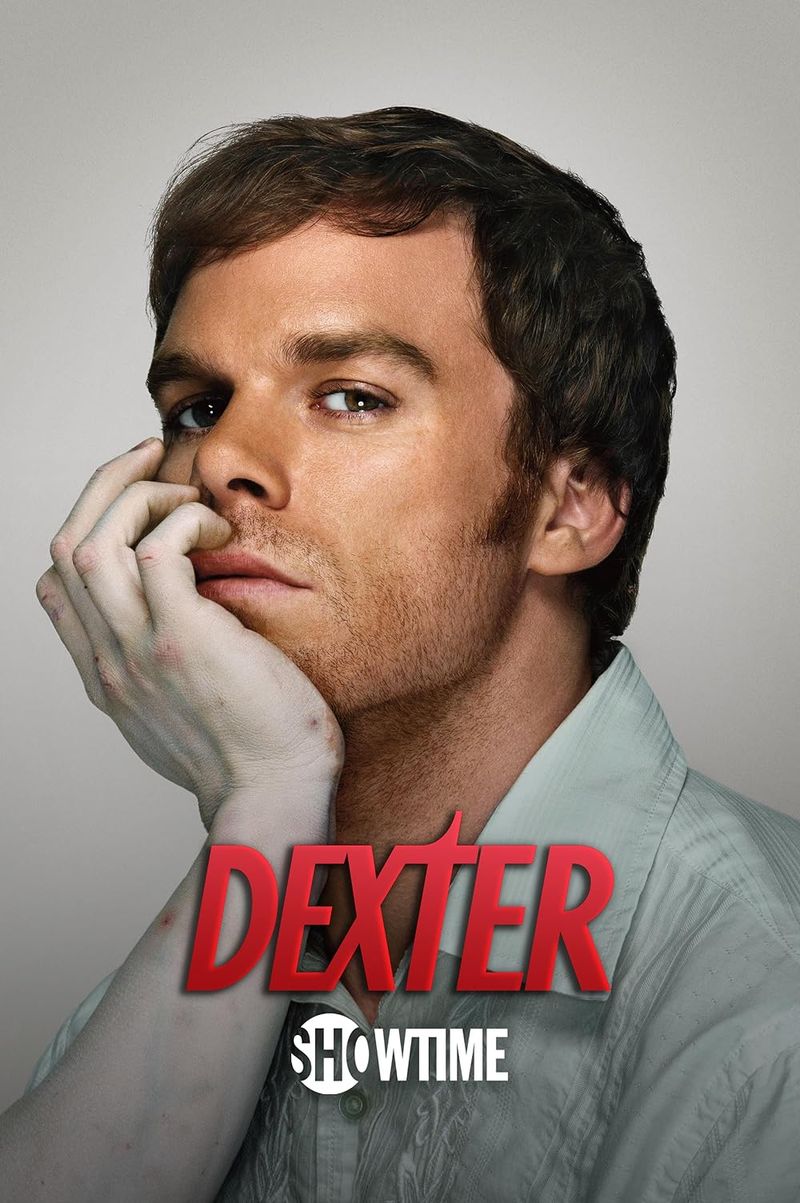
What happens when the person hunting killers is one himself?
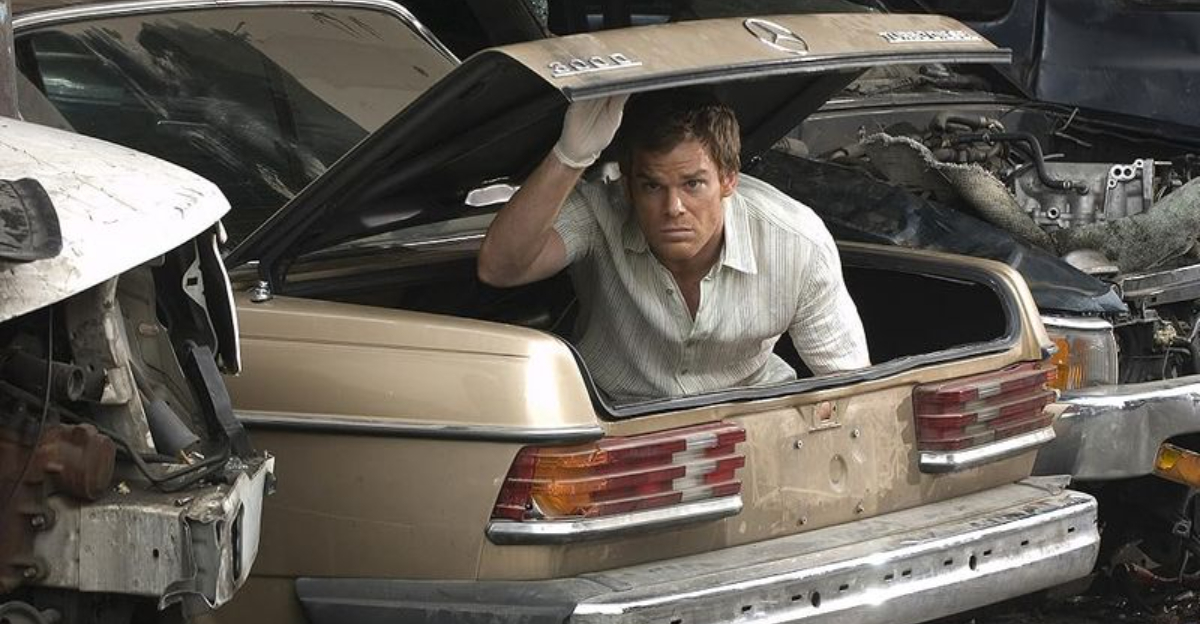
Dexter Morgan worked as a blood spatter analyst for the Miami Police Department by day, but after dark, he lived a completely different and terrifying life.
His character was unlike anything audiences had seen before on cable television.
The show ran for eight seasons and became one of Showtime’s biggest hits.
Viewers were constantly pulled between rooting for Dexter and feeling disturbed by his actions.
That moral tension is what made it so addictive.
A revival series, Dexter: New Blood, even arrived in 2021, proving the character still had serious pull with fans worldwide.
2. 30 Rock (2006)
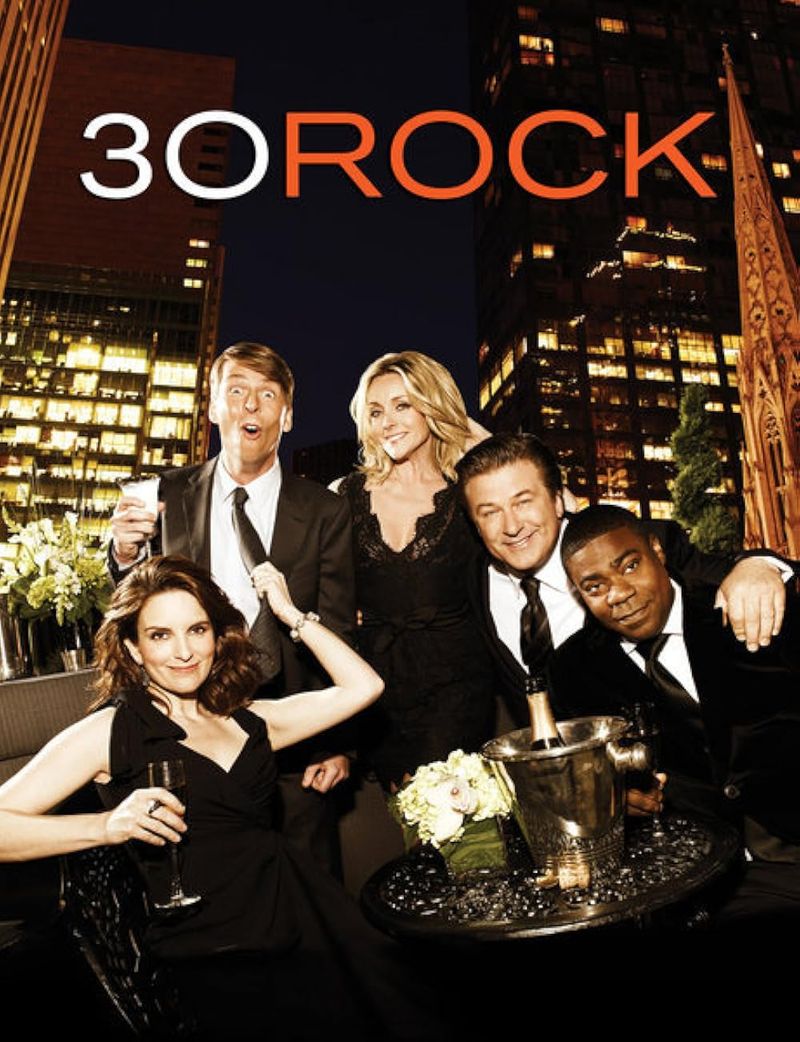
Tina Fey created something truly special when she brought 30 Rock to NBC in the fall of 2006.
The show followed Liz Lemon, a head writer for a chaotic sketch comedy series, as she tried to manage eccentric stars and an equally bizarre boss.
It was basically a love letter to the madness of live TV.
30 Rock won the Emmy Award for Outstanding Comedy Series three years in a row, which says a lot about how much critics adored it.
Alec Baldwin and Tracy Morgan added incredible comedic energy alongside Fey.
Its rapid-fire jokes and pop culture references made rewatching episodes feel like discovering new jokes every single time.
3. Friday Night Lights (2006)
Clear eyes, full hearts, can’t lose.
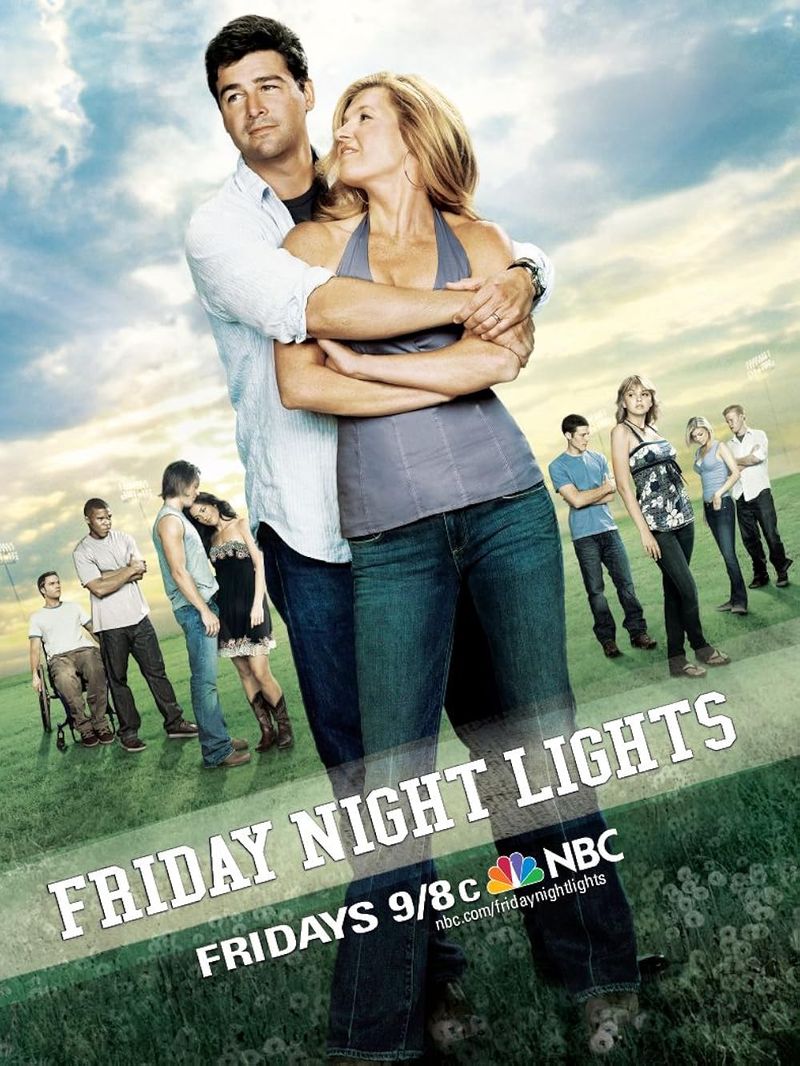
That motto from Friday Night Lights became more than just a football chant; it became a rallying cry for an entire generation of viewers who fell in love with the town of Dillon, Texas.
The show was based on a 2004 film and a nonfiction book by Buzz Bissinger.
What made this series extraordinary was that it wasn’t really about football at all.
It explored poverty, race, ambition, and what it means to belong somewhere.
Kyle Chandler’s portrayal of Coach Eric Taylor earned widespread praise for its quiet strength and authenticity.
Many fans consider it one of the most emotionally honest dramas ever made for American television.
4. Heroes (2006)
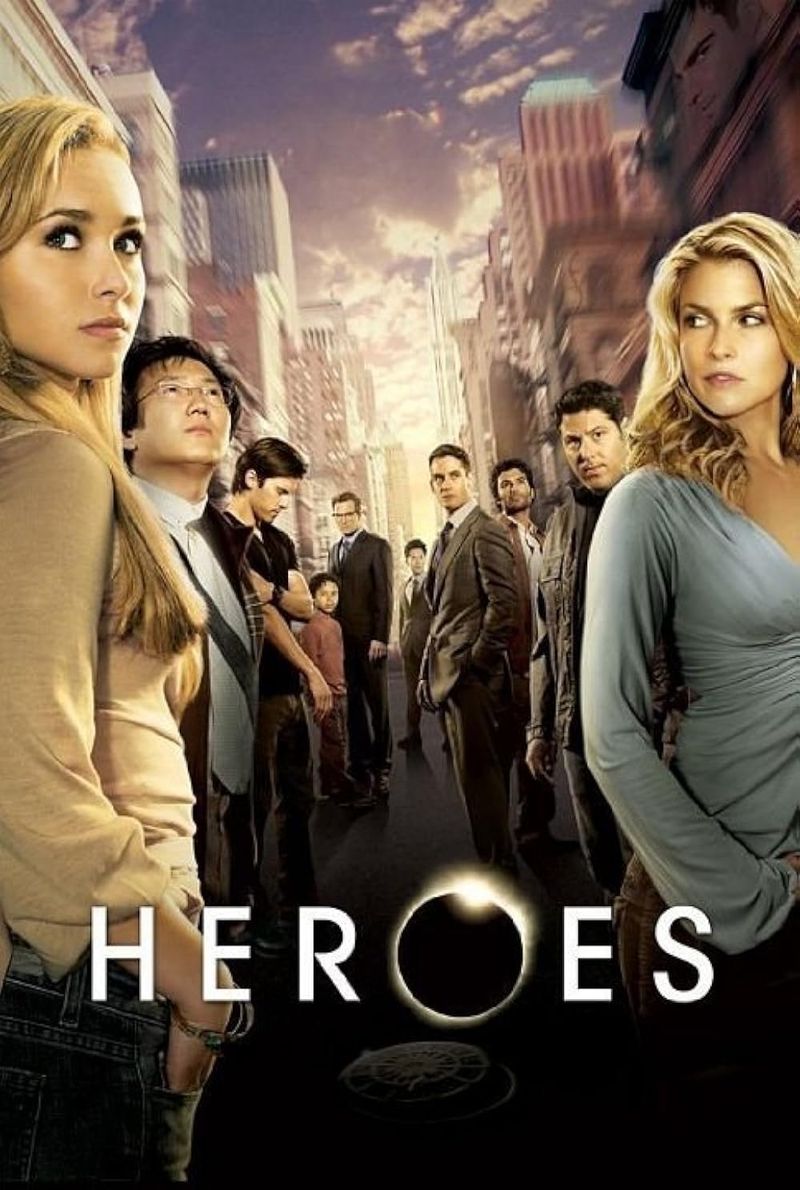
Before superhero fatigue became a real thing, Heroes arrived on NBC and completely blew audiences away.
The first season followed ordinary people across the globe who suddenly discovered they could fly, read minds, stop time, or regenerate.
The tagline “Save the cheerleader, save the world” became one of the most quoted phrases on TV that year.
Creator Tim Kring built a show that felt like a live-action comic book in the best possible way.
Fans obsessively traded theories online about which character would show up next.
Though later seasons struggled to match the magic of season one, that debut run remains a landmark moment in serialized superhero storytelling on network television.
5. Ugly Betty (2006)
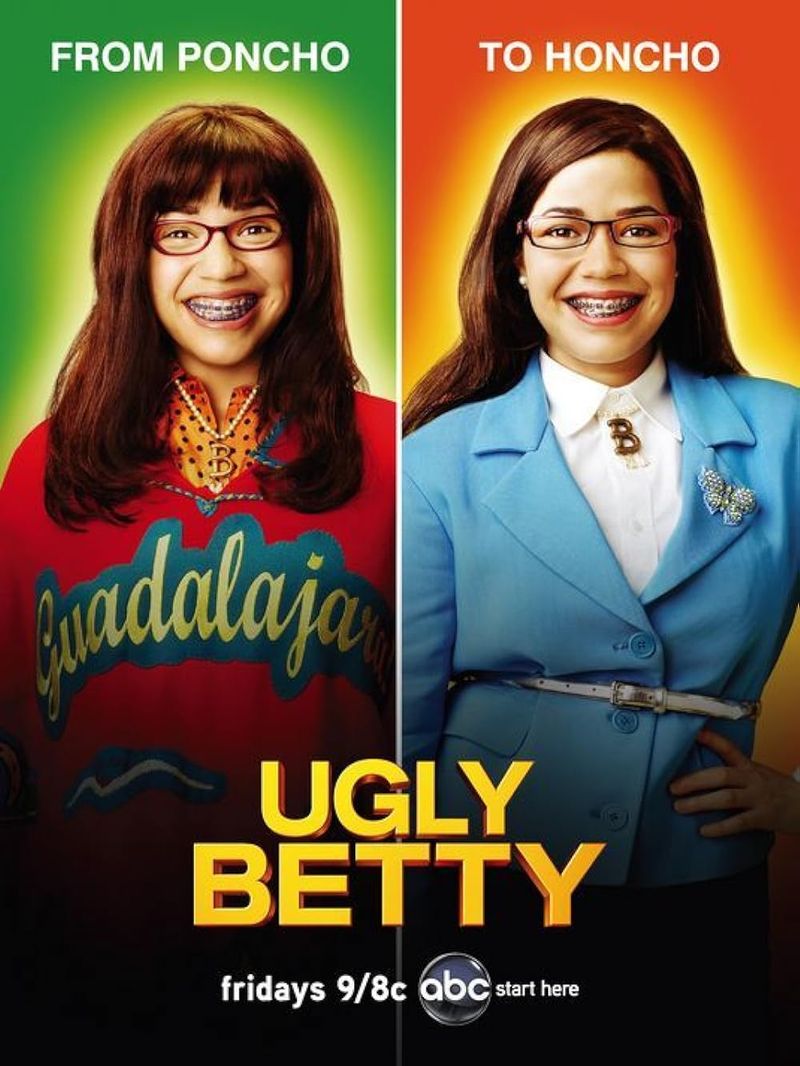
Betty Suarez walked into the world of high fashion wearing a poncho and braces, and she absolutely owned it.
Based on a Colombian telenovela called Yo soy Betty, la fea, Ugly Betty brought warmth, humor, and genuine heart to ABC’s Thursday night lineup.
America Ferrera won a Golden Globe for her performance in the lead role.
The show tackled body image, identity, and workplace sexism with a colorful and comedic touch that never felt preachy.
It also featured one of television’s most memorable villains in Wilhelmina Slater, played brilliantly by Vanessa Williams.
For many young viewers, especially those who ever felt like outsiders, Betty Suarez was the hero they desperately needed.
6. Hannah Montana (2006)
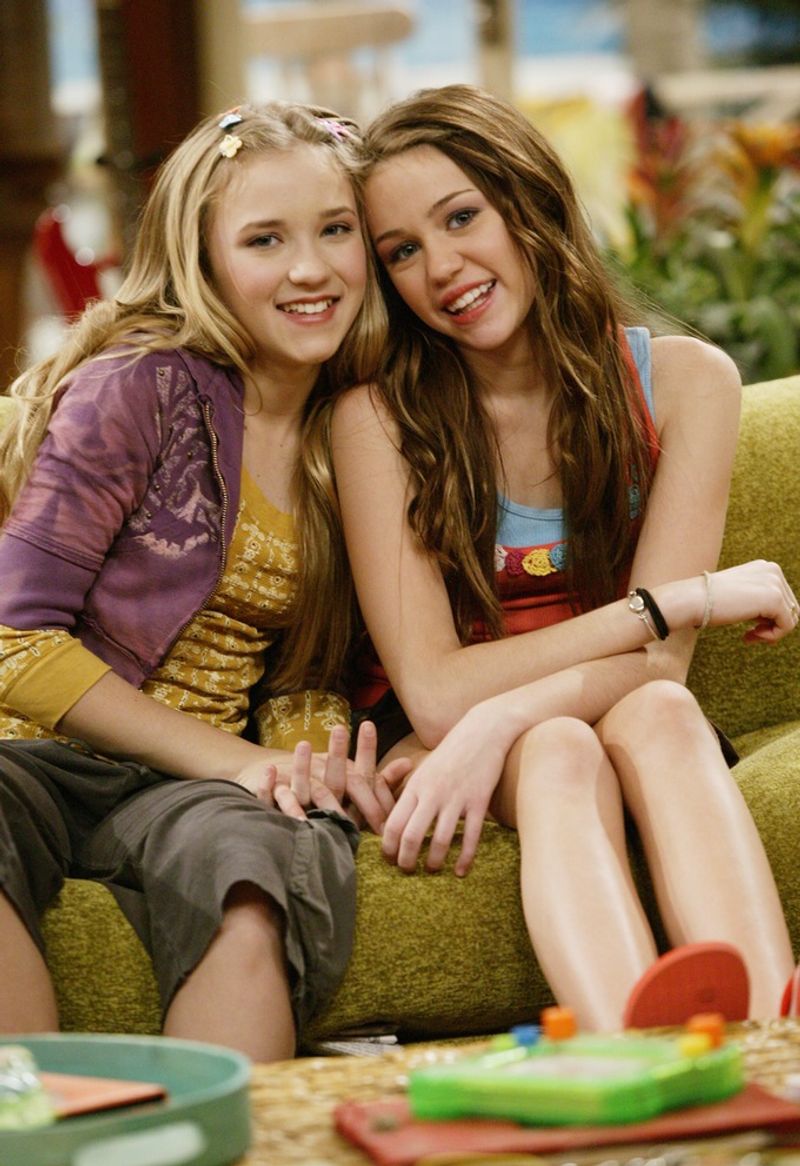
Few Disney Channel shows have ever hit as hard as Hannah Montana.
Miley Cyrus was just 13 years old when the show premiered, and almost overnight she became one of the biggest names in entertainment.
The premise was simple but irresistible: a normal girl named Miley Stewart secretly moonlights as a world-famous pop star.
The show ran for four seasons and spawned a concert film, a feature movie, and a mountain of merchandise that flew off shelves globally.
Songs like “The Best of Both Worlds” became instant anthems for a whole generation of kids.
Even today, people who grew up watching it feel a strong wave of nostalgia whenever they hear that iconic theme song play.
7. Psych (2006)
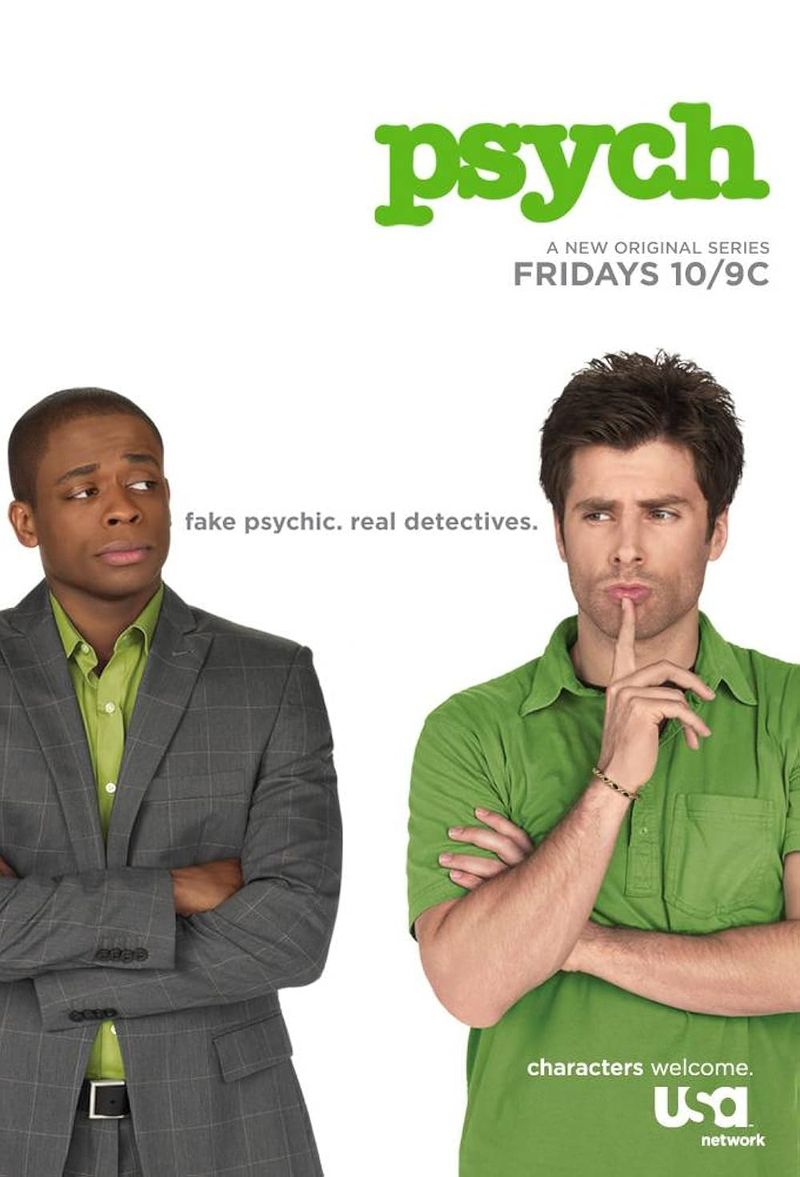
Shawn Spencer never actually claimed to be psychic because he wanted to deceive people; he did it because nobody would believe a civilian could notice what he noticed.
Psych debuted on USA Network in the summer of 2006 and quickly built one of the most enthusiastic fan communities on cable television.
James Roday Rodriguez and Dulé Hill had the kind of chemistry that made every scene feel effortless.
The show blended comedy and mystery in a way that felt genuinely fresh.
Each episode included a pineapple hidden somewhere in the frame, which fans turned into a beloved running Easter egg hunt.
Psych proved that procedural dramas didn’t have to be dark and gritty to be seriously entertaining and deeply rewatchable.
8. The IT Crowd (2006)
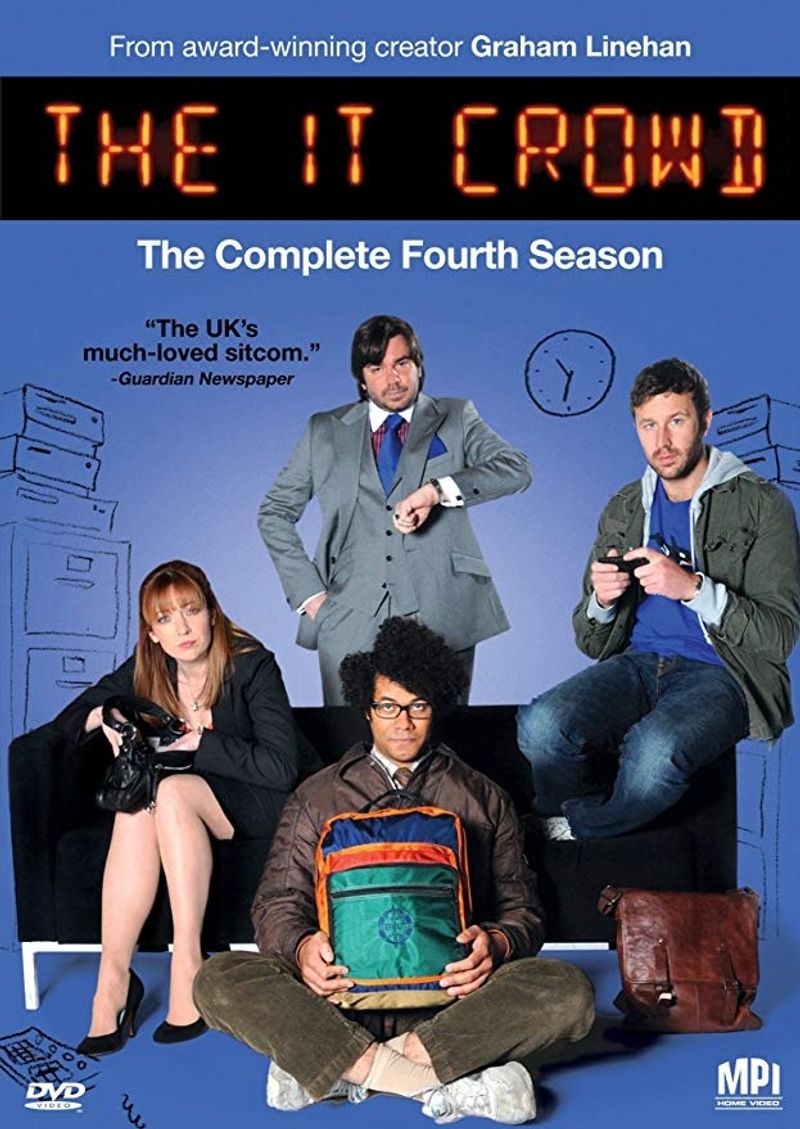
Have you tried turning it off and on again?
That phrase, delivered deadpan by Roy Trenneman, became one of the most quoted lines in British comedy history.
The IT Crowd aired on Channel 4 and introduced viewers to the socially hopeless but utterly lovable residents of Reynholm Industries’ basement IT department.
Graham Linehan created a show that celebrated nerd culture before it was truly mainstream.
Chris O’Dowd, Richard Ayoade, and Katherine Parkinson formed a trio with extraordinary comedic timing and genuine warmth beneath all the absurdity.
Though it only ran for four series, its cult following has never faded.
Fans still reference episodes constantly, proving great comedy doesn’t need a massive episode count to leave a massive legacy.
9. Torchwood (2006)
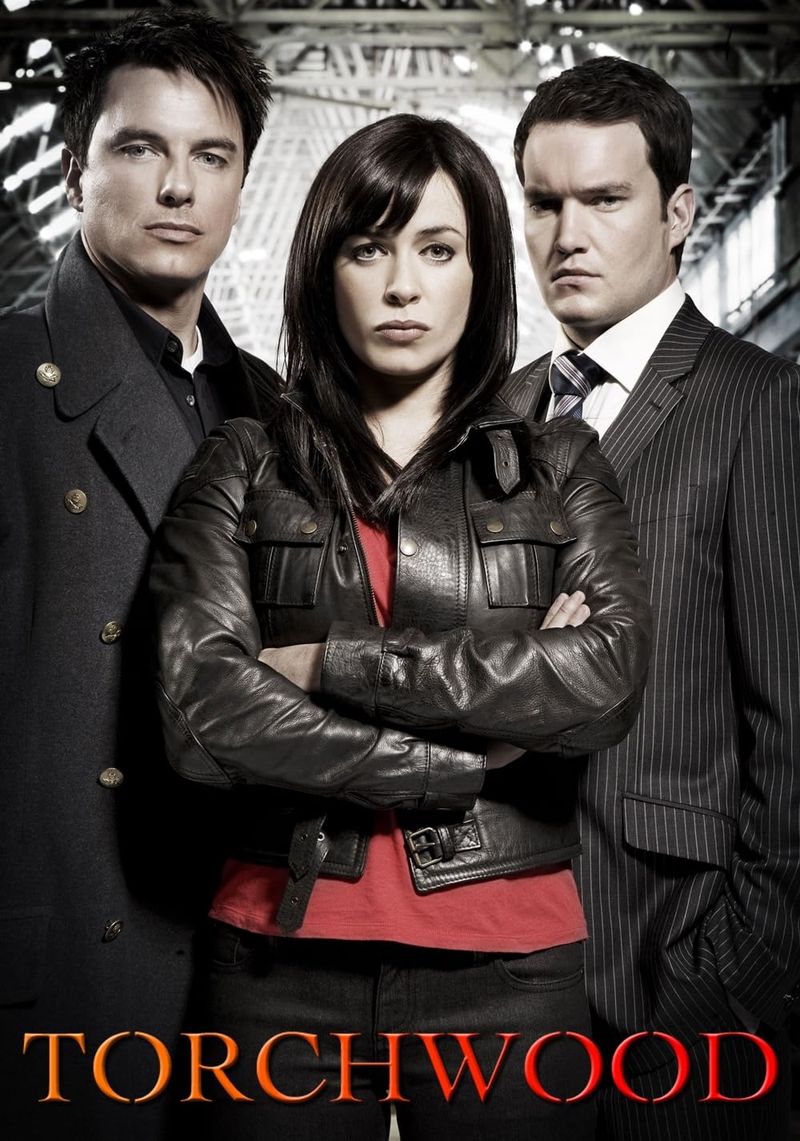
Torchwood was Doctor Who’s edgier, more grown-up cousin, and it wasn’t shy about that distinction at all.
The BBC Wales series followed Captain Jack Harkness and his team at Torchwood Institute, a secret organization protecting Earth from alien threats that Torchwood Three operated out of Cardiff.
John Barrowman brought enormous charisma and emotional depth to the role.
The show tackled themes like mortality, identity, and sacrifice in ways that the parent show rarely explored at such intensity.
Series three, Children of Earth, is widely regarded as one of the finest pieces of British science fiction ever produced for television.
Torchwood proved that spin-offs can sometimes match or even surpass the storytelling ambition of the original series that inspired them.
10. Big Love (2006)
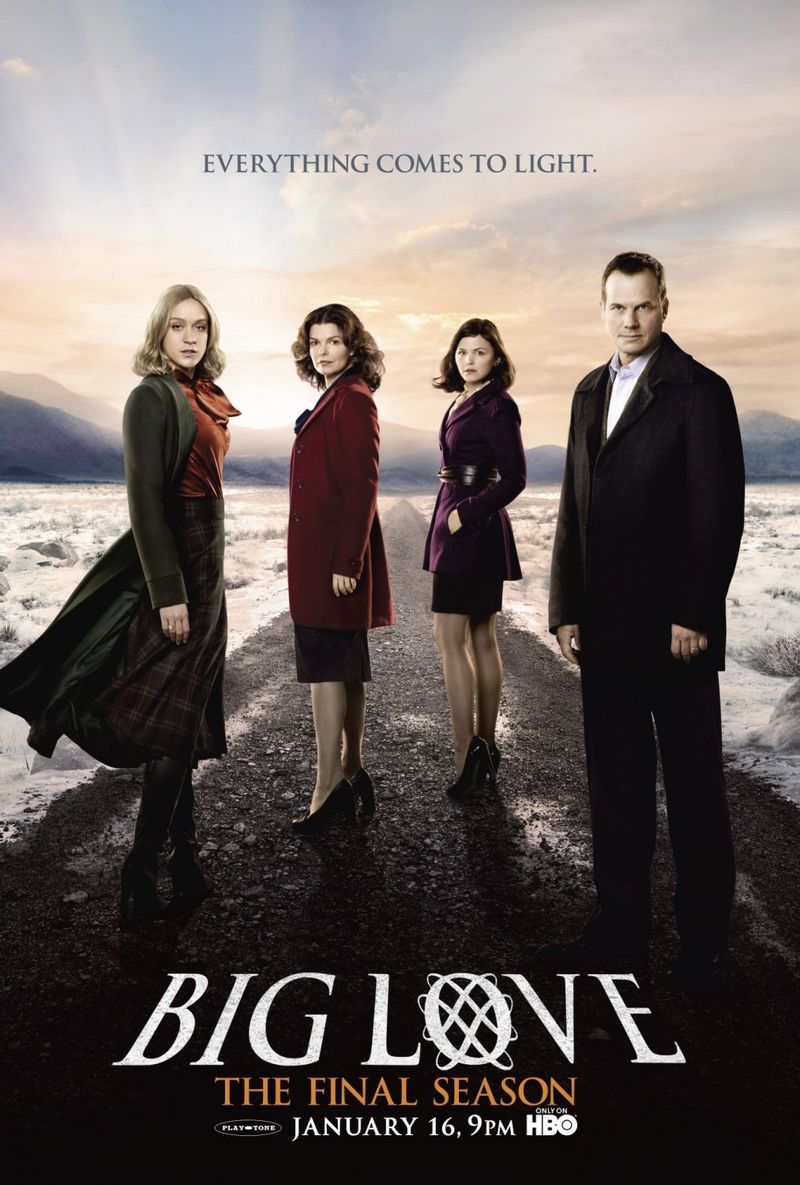
HBO has never been afraid of complicated family stories, and Big Love was one of its most daring.
The drama followed Bill Henrickson, a hardware store owner in suburban Utah who practiced polygamy with three wives across three neighboring houses.
Bill Paxton led an exceptional ensemble cast that included Jeanne Tripplehorn, Chloë Sevigny, and Ginnifer Goodwin.
The show explored how deeply religion, secrecy, and loyalty shape the way families function and fracture.
It treated its characters with empathy rather than judgment, which made viewers genuinely care about people living a lifestyle far outside mainstream experience.
Big Love ran for five seasons and sparked real national conversations about religious freedom, family law, and what modern marriage can actually mean.
11. Top Chef (2006)
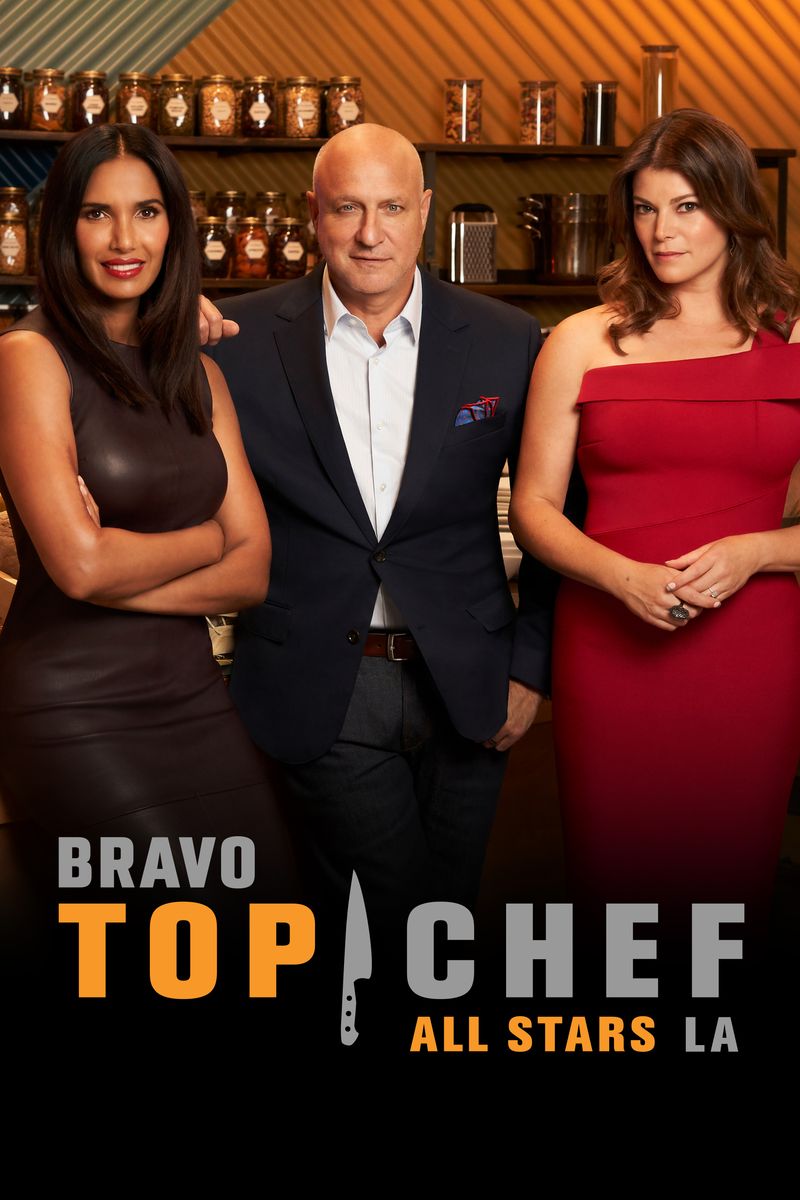
Before Top Chef, cooking competition shows were often more spectacle than substance.
Bravo’s flagship culinary series changed that by putting real professional chefs through genuinely demanding challenges that tested classical technique, creativity, and composure under pressure.
Host Padma Lakshmi and judge Tom Colicchio became household names in the food world almost immediately.
The show launched the careers of chefs like Stephanie Izard and Kristen Kish, who went on to run acclaimed restaurants across the country.
Its Quickfire and Elimination Challenge format became a template that countless other cooking shows borrowed.
Nearly twenty seasons in, Top Chef still feels essential.
Few reality competition series have maintained such a consistently high standard across such a long run.
12. Death Note (2006)
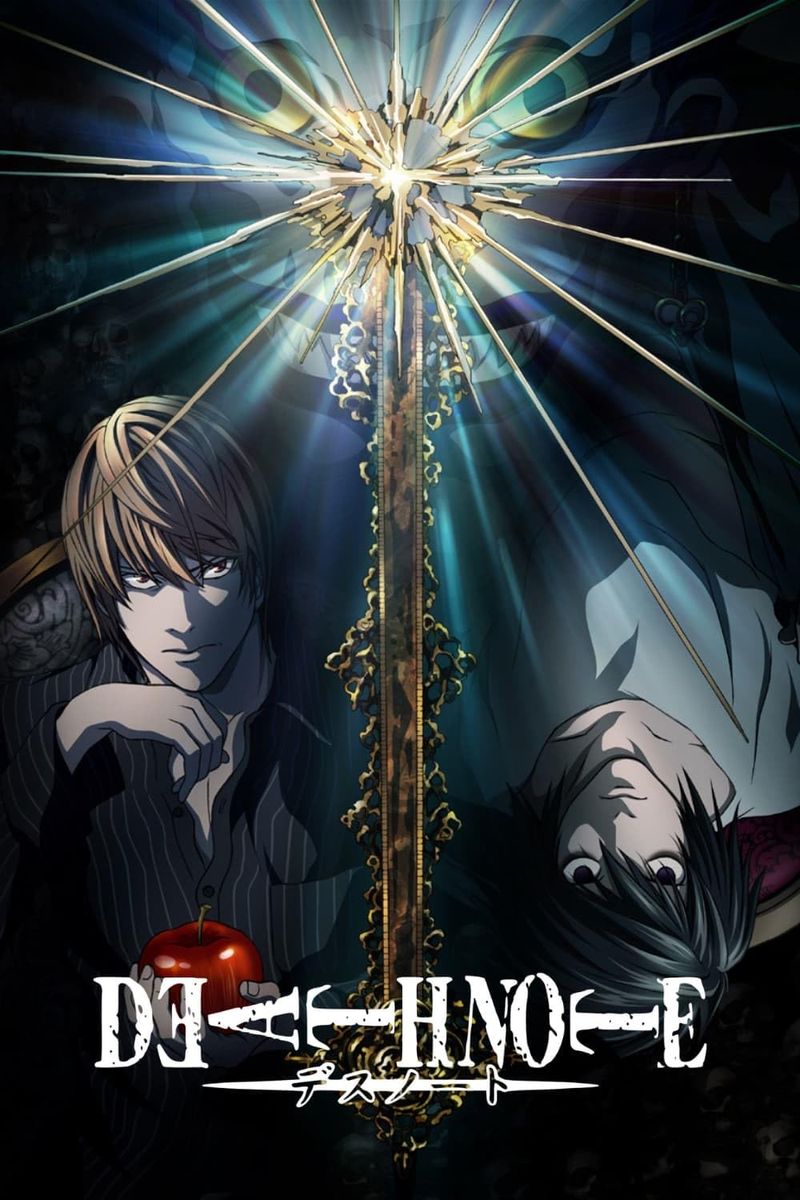
What would you do with a notebook that could kill anyone whose name you wrote inside it?
That chilling question sits at the center of Death Note, the anime adaptation of Tsugumi Ohba and Takeshi Obata’s manga series.
Light Yagami’s transformation from honor student to self-appointed god of justice is one of anime’s most gripping character arcs ever written.
The cat-and-mouse battle between Light and the brilliant detective known only as L kept fans glued to every episode.
Death Note introduced countless Western viewers to anime as a serious storytelling medium rather than just a niche hobby.
Its psychological tension and moral complexity earned it a devoted global fanbase that has only continued growing in the two decades since its debut.