 MomSkoop
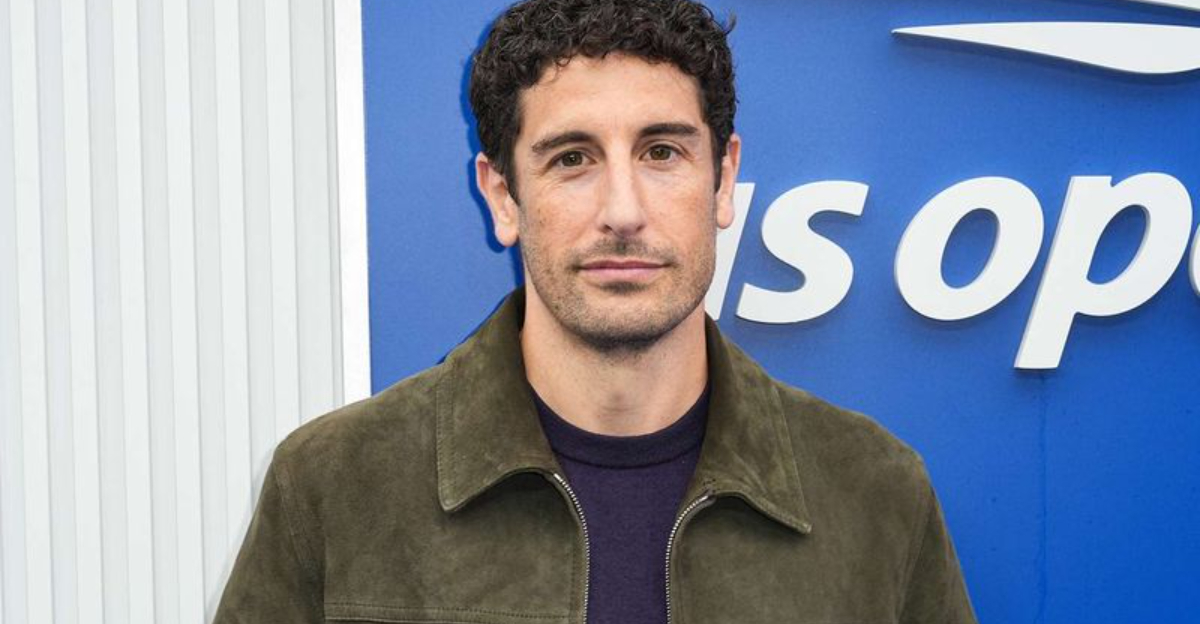
Some of the most recognized people in the world have faced battles that no amount of fame or money could fix. Addiction does not discriminate, and many celebrities have learned that the hard way.
What makes their stories powerful is not just the struggle, but the courage it took to speak up and choose a different path. Their honesty has helped millions of fans feel less alone and more hopeful about recovery.
1. Bradley Cooper
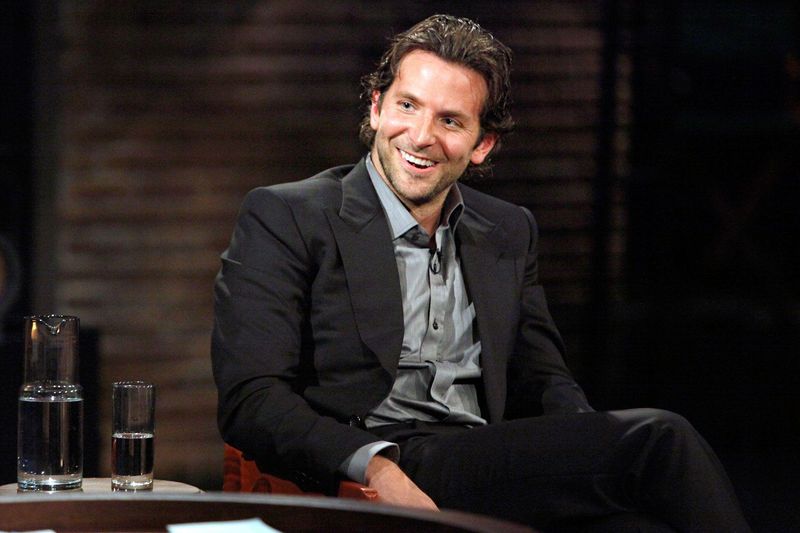
Crediting it with saving his career and his life, Bradley Cooper has been open about his decision to get sober at age 29.
He has spoken in interviews about how alcohol and drug use were holding him back from becoming the person and professional he wanted to be.
Cooper once said that getting sober was one of the best things he ever did.
His journey is proof that choosing sobriety can open doors instead of closing them.
Today, he channels that discipline into his craft, earning Oscar nominations and producing meaningful films that reflect real human depth and vulnerability.
2. Ashlyn Harris
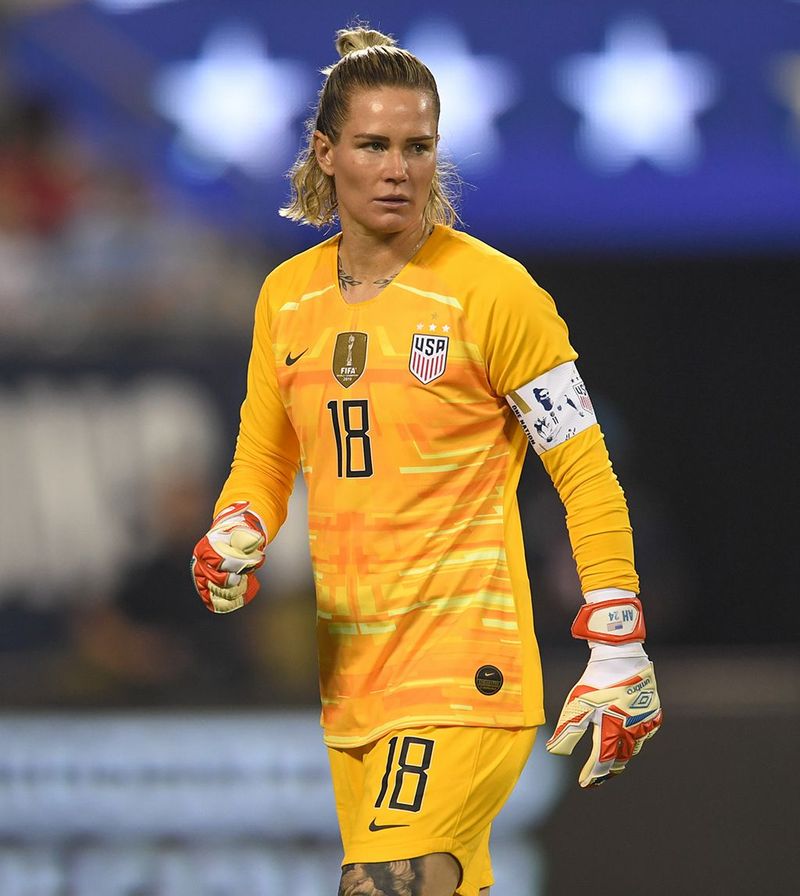
Ashlyn Harris, the celebrated U.S.
Women’s National Soccer Team goalkeeper, has spoken publicly about her relationship with alcohol and her decision to embrace sobriety.
She shared that drinking had become a way to cope with stress, pressure, and the emotional weight of being in the spotlight.
Recognizing that pattern took real self-awareness and bravery.
Harris has used her platform to encourage others, especially young athletes, to prioritize mental and physical health over social habits that can spiral out of control.
Her story resonates with fans who admire her not just for her skills on the field, but for her honesty off of it.
3. Anthony Hopkins
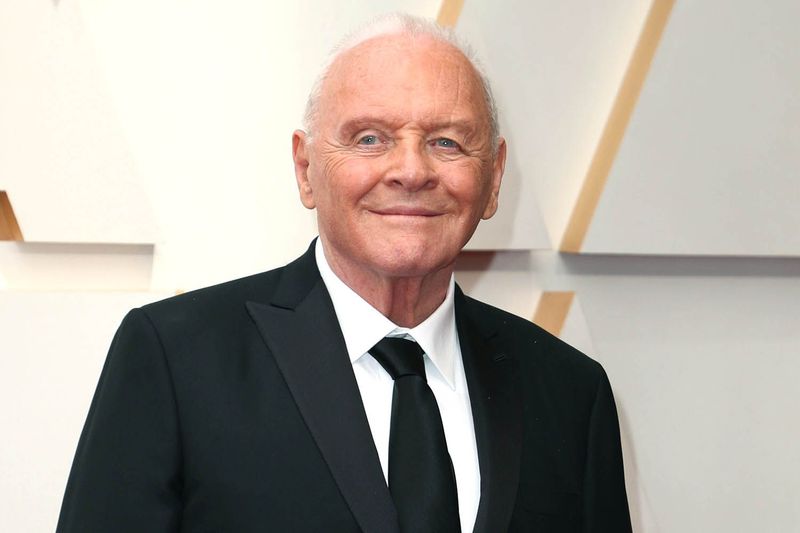
Sir Anthony Hopkins has been sober for over 45 years, making him one of Hollywood’s longest-standing recovery success stories.
He hit rock bottom in the 1970s when alcohol nearly destroyed his career and relationships.
A stranger helped him find support, and he never looked back.
Hopkins has spoken about how sobriety gave him clarity, purpose, and the ability to fully commit to his craft.
He went on to win multiple Academy Awards and become one of the most respected actors alive.
His journey reminds us that no matter how far down a person falls, recovery is always possible with the right support and mindset.
4. Jason Biggs
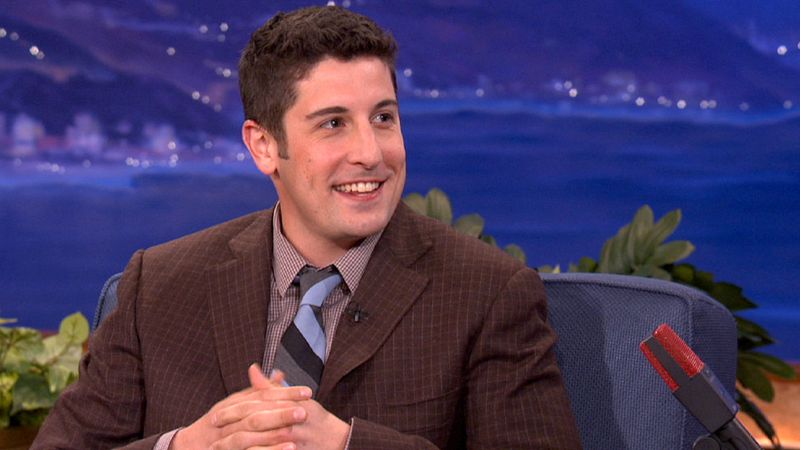
Best known for his role in the American Pie franchise, Jason Biggs has been candid about his past struggles with drug and alcohol addiction during his younger years.
He has described how substance use crept into his life gradually, which is a pattern many people in recovery can relate to.
Biggs sought help and committed to sobriety, which he credits with helping him build a stable and fulfilling personal life.
He married actress Jenny Mollen and became a father, milestones he values deeply.
His willingness to talk openly about addiction helps chip away at the shame that often keeps people from seeking help in the first place.
5. Eminem
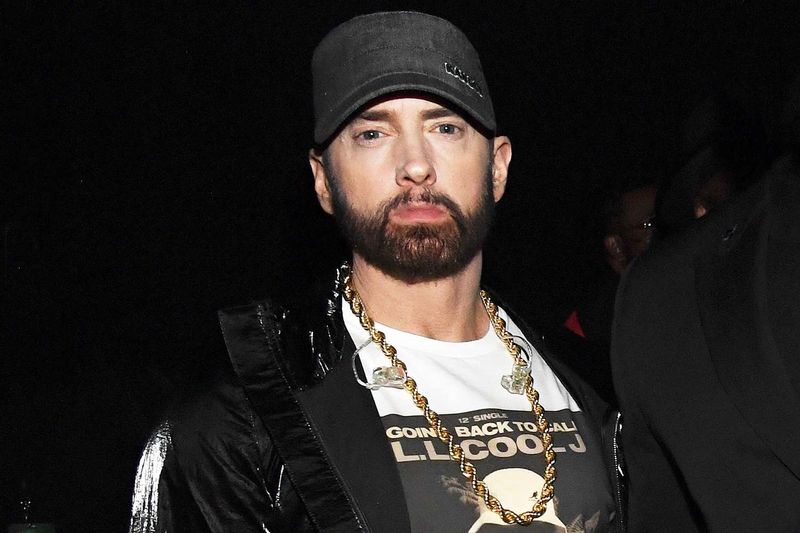
Eminem’s battle with addiction is one of the most well-documented in music history.
He nearly died from a drug overdose in 2007, which became the turning point in his recovery journey.
The rapper has rapped honestly about his dependence on prescription pills, including Vicodin and Valium, in songs like “Deja Vu” and “Beautiful.”
His music became his therapy.
After getting sober, Eminem threw himself into running as a way to manage anxiety and fill the time once taken up by substance use.
He has spoken about how sobriety rebuilt his life and reignited his passion for music.
His story is raw, real, and deeply human.
6. Anne Hathaway
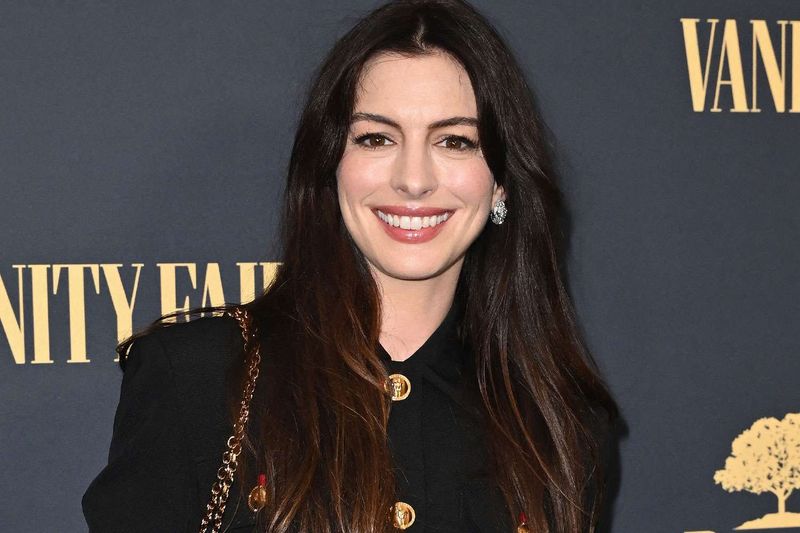
Anne Hathaway made a personal decision to give up alcohol, particularly after becoming a mother.
She has talked about how drinking no longer aligned with the life she wanted to live.
In interviews, she shared that she stopped drinking because she wanted to be fully present for her children.
That kind of intentional, values-driven decision is something many parents quietly relate to.
Hathaway has not labeled herself as an addict, but her choice to speak openly about stepping away from alcohol helps normalize conversations about mindful drinking and sobriety.
Her honesty encourages people to evaluate their own habits without waiting for a crisis to make a change.
7. Offset
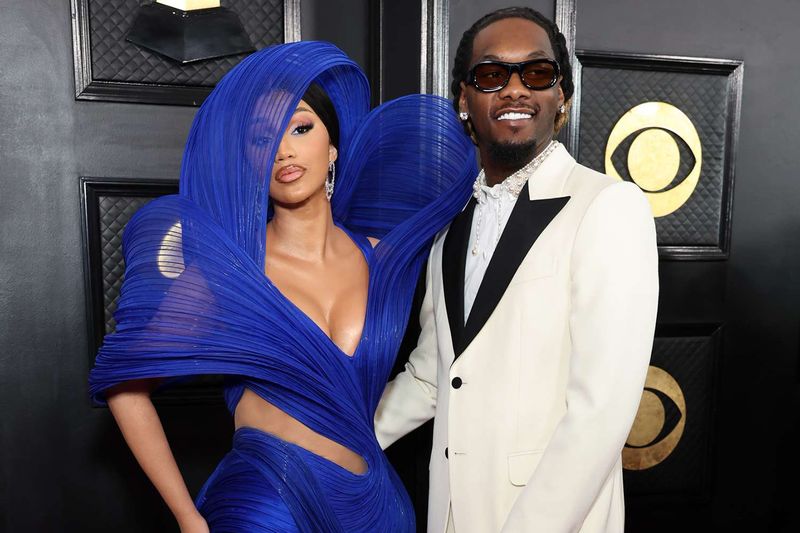
One-third of the rap group Migos, Offset has opened up about his decision to get sober after recognizing how substance use was affecting his life and relationships.
He shared that lean, also known as purple drank, had become a regular habit that he knew was harmful.
Choosing to walk away from it took real discipline in an industry where substance use is often normalized.
Offset has spoken about how sobriety improved his mental clarity and helped him be more present for his family and his music.
His story speaks to younger fans who may feel pressure to use substances to fit in.
Real strength, he shows, looks like choosing yourself.
8. Demi Moore
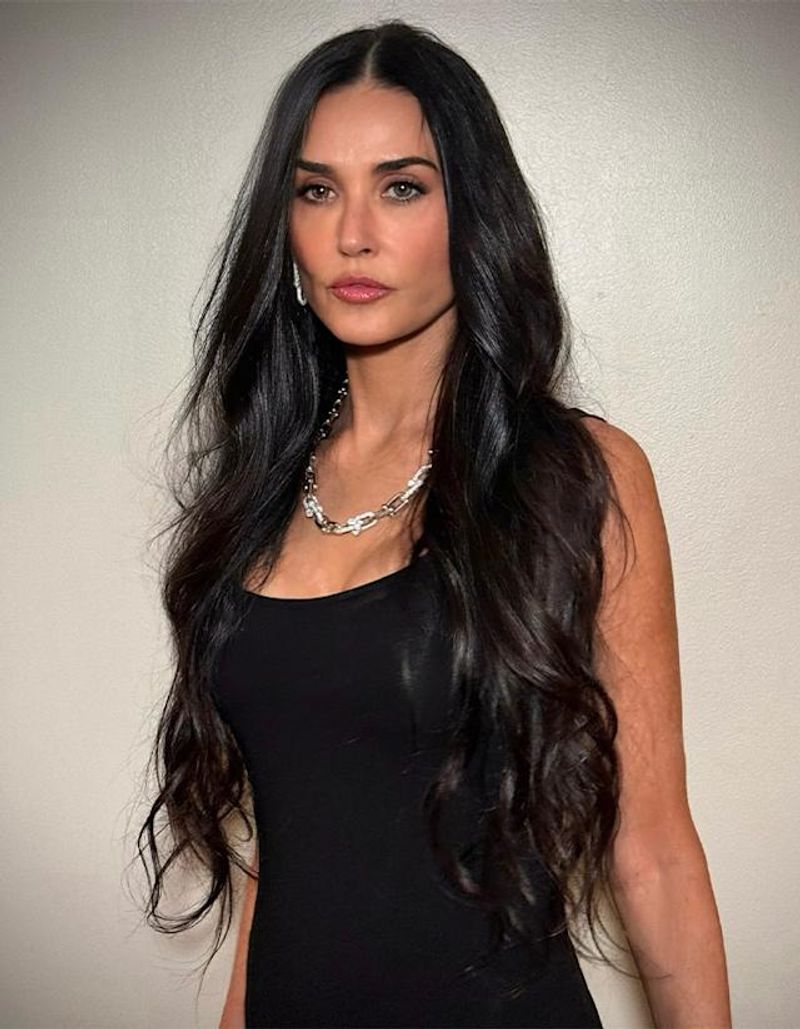
Demi Moore laid her struggles bare in her 2019 memoir, Inside Out, where she wrote honestly about her battles with alcohol and drug addiction throughout her life.
She described using substances to cope with trauma, insecurity, and the pressures of Hollywood fame.
Her honesty was striking because she did not sugarcoat the damage addiction caused in her relationships and career.
Moore’s recovery journey has been marked by setbacks and restarts, which makes her story especially relatable.
She reminds readers that sobriety is not always a straight line.
Her courage to put it all on paper gave countless readers permission to be honest about their own complicated relationships with substances.
9. Jax Taylor
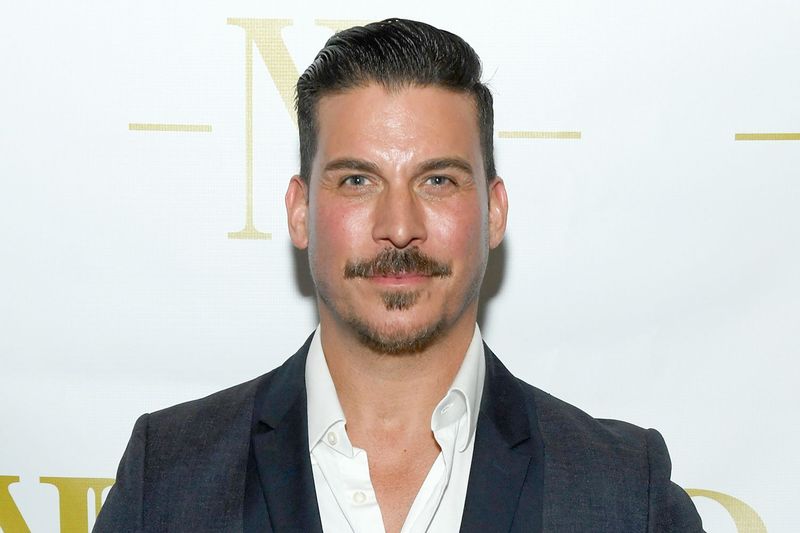
Known from the reality series Vanderpump Rules, Jax Taylor has been open about his history with cocaine use and his ongoing commitment to sobriety.
He has spoken on podcasts and in interviews about how substance use fueled some of his most erratic and damaging behavior on and off screen.
Owning that publicly was no small thing.
Taylor has shared that therapy and personal accountability have been key parts of his recovery.
He encourages fans to seek help without embarrassment, reminding them that asking for support is a sign of strength.
His transparency on a very public platform has sparked meaningful conversations about addiction in reality television culture.
10. Dax Shepard
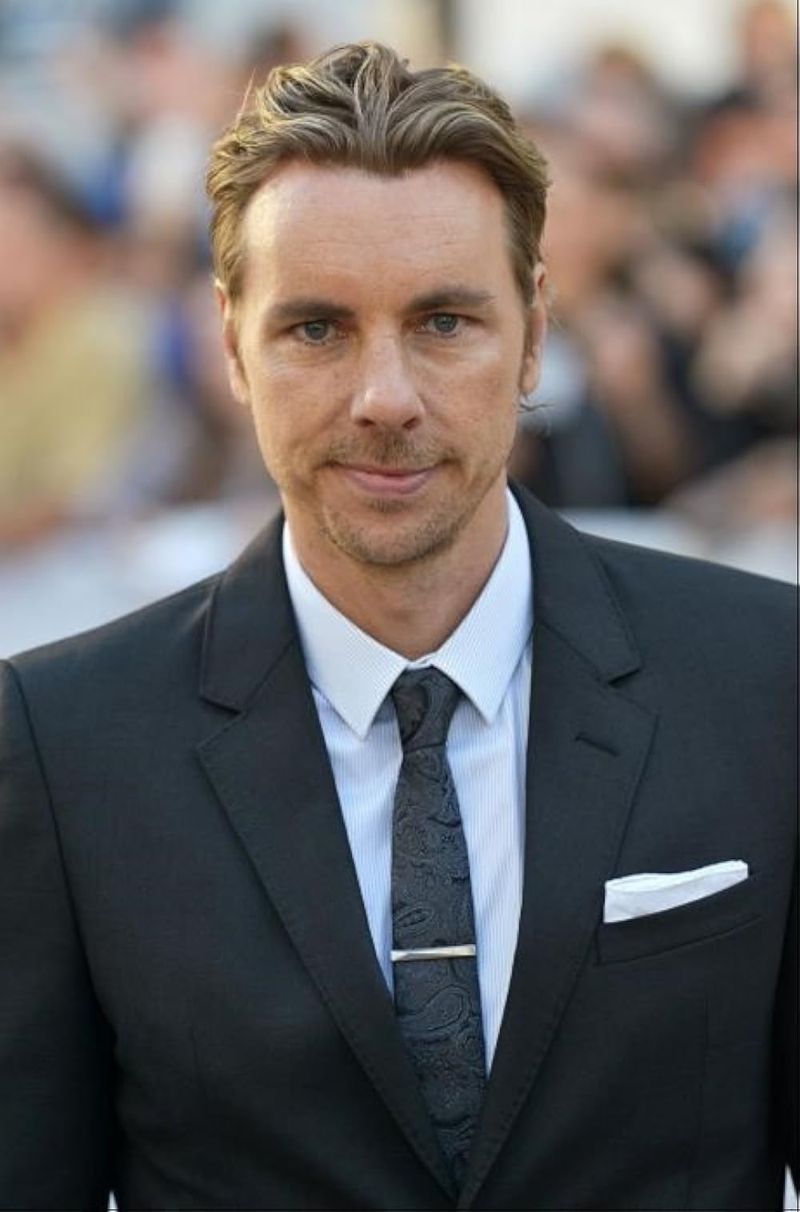
Dax Shepard has been one of the most transparent celebrities when it comes to addiction and recovery.
He got sober from alcohol and drugs in 2004 and built his life around that foundation.
In 2020, he publicly admitted to relapsing on prescription opioids after years of sobriety, sharing the news on his own podcast, Armchair Expert.
That level of honesty stunned and moved many listeners.
Shepard believes that honesty is the most powerful tool in recovery.
He talks openly about attending twelve-step meetings and how community support has been essential to his sobriety.
His willingness to be imperfect in public helps others feel safe doing the same.
11. Tom Holland

Beloved for his role as Spider-Man, Tom Holland surprised fans when he announced he was taking a break from alcohol after completing a sober January challenge.
He shared that the experience changed his relationship with drinking entirely, describing how his mental health improved significantly when he stopped.
That kind of self-reflection is rare, especially for someone so young and famous.
Holland has spoken about how alcohol was affecting his mood and overall sense of well-being.
His decision to go alcohol-free was not born out of rock bottom, but out of a growing awareness that he felt better without it.
His story encourages young fans to listen to what their bodies are telling them.
12. Noah Cyrus
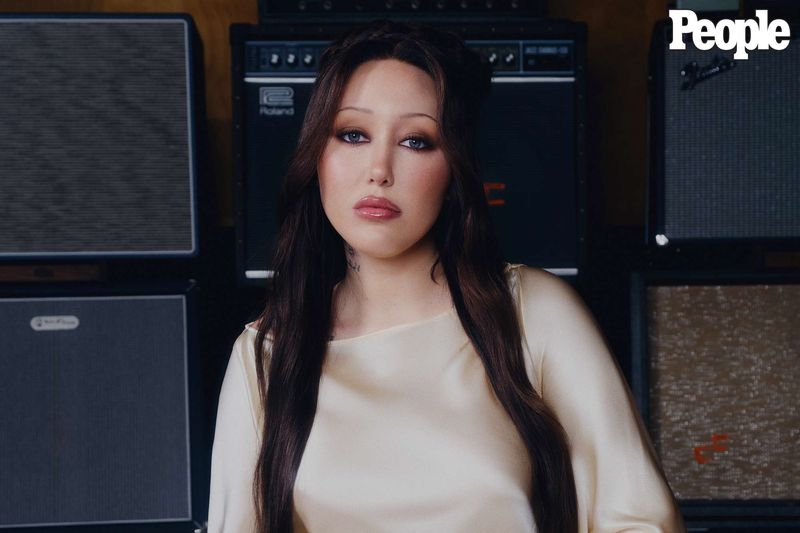
Noah Cyrus has spoken candidly about her struggles with anxiety, depression, and her dependence on benzodiazepines, a class of prescription medication that can be highly addictive.
She shared that the pills became a crutch, and that getting off them was one of the hardest things she had ever done.
Her honesty about prescription drug misuse is particularly valuable because it is often overlooked compared to illegal substances.
Cyrus has used her music and social media to raise awareness about mental health and the dangers of self-medicating.
Her vulnerability has connected her deeply with fans who are fighting their own quiet battles.
Her story proves that healing is possible, even when it is painful.
13. Alec Baldwin
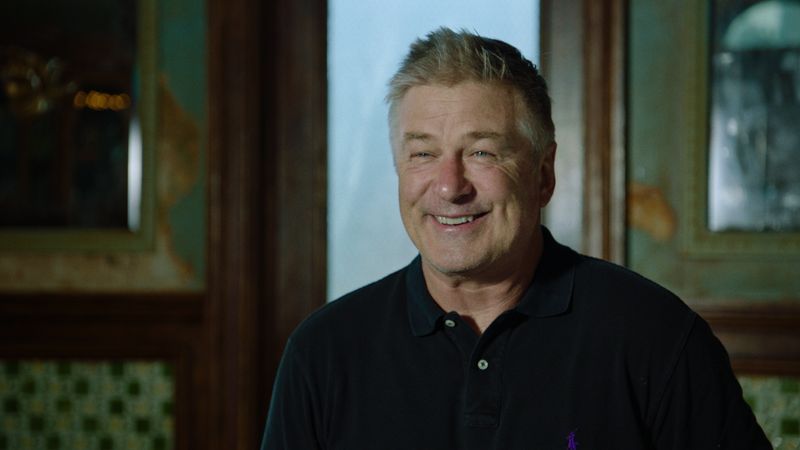
Alec Baldwin has spoken about his past struggles with alcohol and how getting sober transformed his approach to life, work, and family.
He got sober decades ago and has credited that decision with helping him become a more present father and a more grounded person overall.
Baldwin has described sobriety as something he is grateful for every day.
In interviews, he has also spoken about the emotional and psychological work that goes alongside physical sobriety, including therapy and honest self-examination.
His story is a reminder that addiction can affect anyone regardless of talent, wealth, or status, and that choosing recovery is always worth it no matter when you start.
14. Jamie Lee Curtis
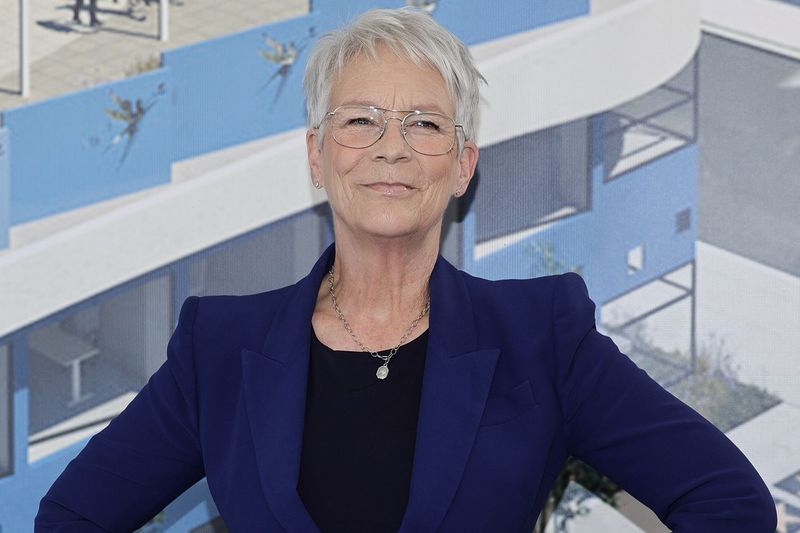
Jamie Lee Curtis has been remarkably open about her decade-long secret addiction to prescription painkillers, which began after a cosmetic surgery procedure in the late 1980s.
She hid her dependence for years, functioning publicly while privately struggling, a reality that many people with addiction know all too well.
She finally got sober in 1999 and has never looked back.
Curtis has spoken about how she felt she had a perfect life on the outside while falling apart on the inside.
That contrast is something many high-functioning people with addiction experience.
Her advocacy work and openness have made her one of the most respected voices in the conversation around recovery and second chances.
15. Brad Pitt
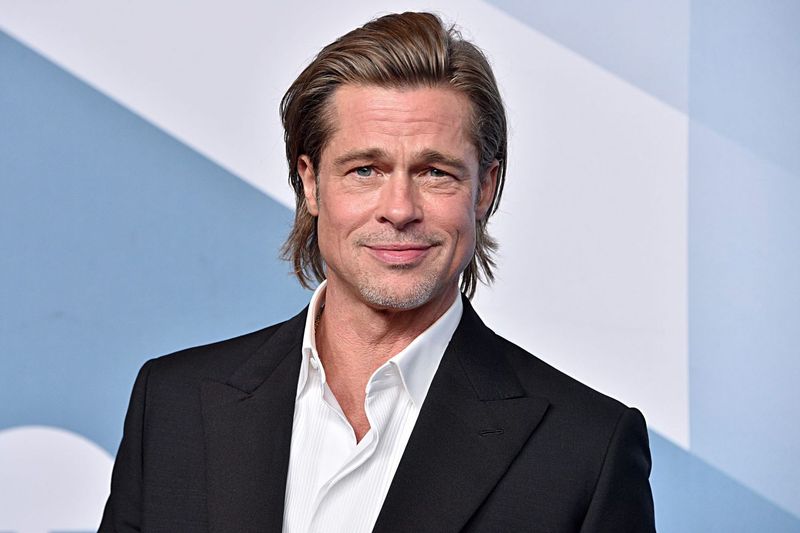
Admitting that substances became a way to avoid dealing with deeper emotional issues during difficult periods of his life, Brad Pitt has talked about his struggles with alcohol and marijuana use.
He attended Alcoholics Anonymous meetings after separating from Angelina Jolie, and he has spoken about the powerful experience of sitting in a room with people who were completely honest about their pain.
Pitt described those meetings as one of the most grounding experiences of his life.
Hearing real stories from everyday people helped him cut through the isolation that fame can create.
His journey shows that even the most seemingly invincible people need community, honesty, and healing.
16. Drew Barrymore
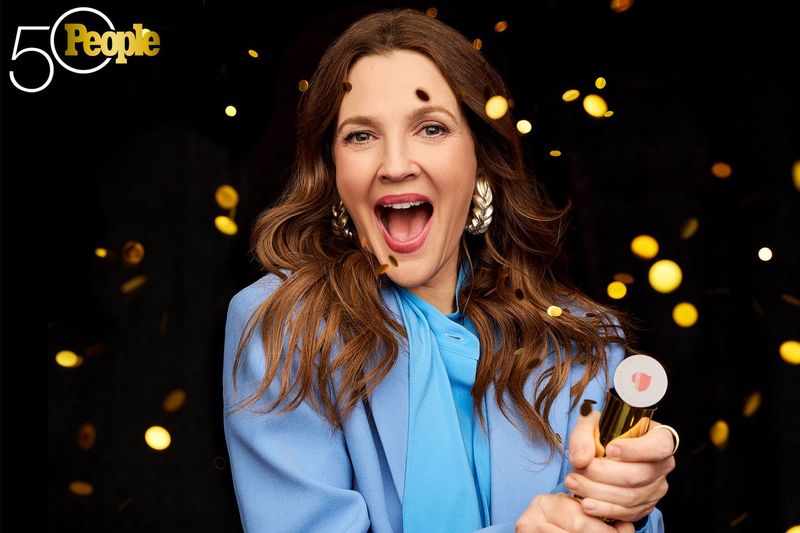
Drew Barrymore’s story with addiction is one of the most well-known in Hollywood, largely because it began so early.
She was drinking at age nine and in rehab by age thirteen.
Growing up in the spotlight while battling substance use made her journey uniquely challenging.
Yet she turned that experience into fuel for a remarkable comeback and a deeply empathetic public persona.
Barrymore has spoken about sobriety with warmth and humor, never letting it become something heavy or shameful in conversation.
She approaches the topic with the same openness she brings to everything.
Her resilience is a testament to what can happen when someone refuses to let their hardest chapters define their whole story.
17. Dennis Quaid
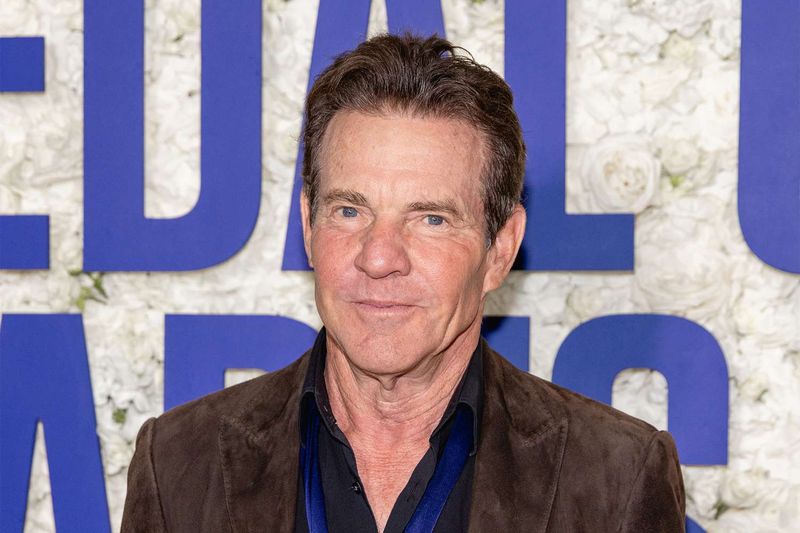
Dennis Quaid has been sober since 1990, after recognizing that his cocaine use had reached a level that was threatening everything he cared about, including his career and his health.
He has spoken about how cocaine was deeply embedded in the Hollywood culture of the 1980s, making it easy to fall into without realizing how serious it had become.
Quaid sought treatment and committed to a sober lifestyle that he has maintained for over three decades.
He speaks about recovery with pride and without shame.
His story is a powerful reminder that getting help is not a weakness, and that a long, fulfilling life is absolutely possible on the other side of addiction.
18. Demi Lovato
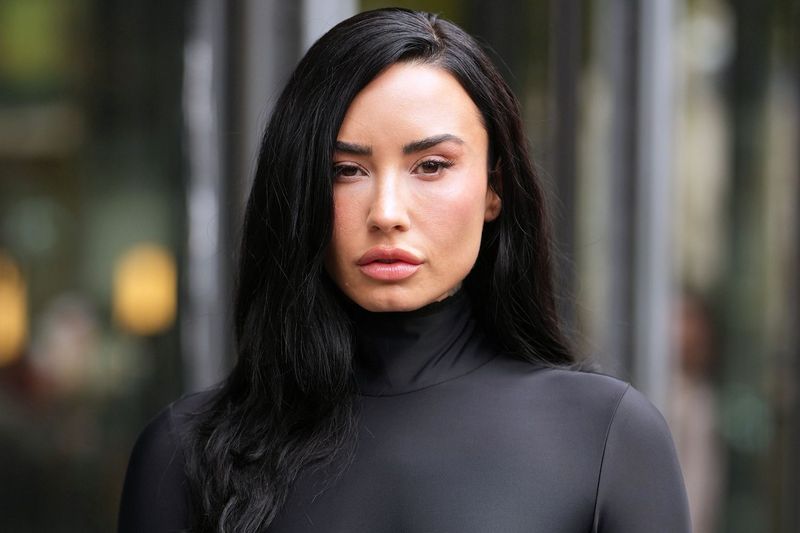
Demi Lovato has become one of the most vocal advocates for mental health and addiction recovery among their generation.
Their journey has been painfully public, from early treatment at eighteen to a near-fatal overdose in 2018.
Lovato has spoken and sung about bipolar disorder, eating disorders, and substance use, refusing to keep any of it hidden.
That kind of radical honesty has saved lives by making others feel seen and less alone.
They have explored what sobriety means to them personally, sharing that the definition has evolved over time.
Lovato’s ongoing story, with all its complexity, teaches fans that recovery is not a destination but a continuous, evolving commitment to oneself.
19. AJ McLean
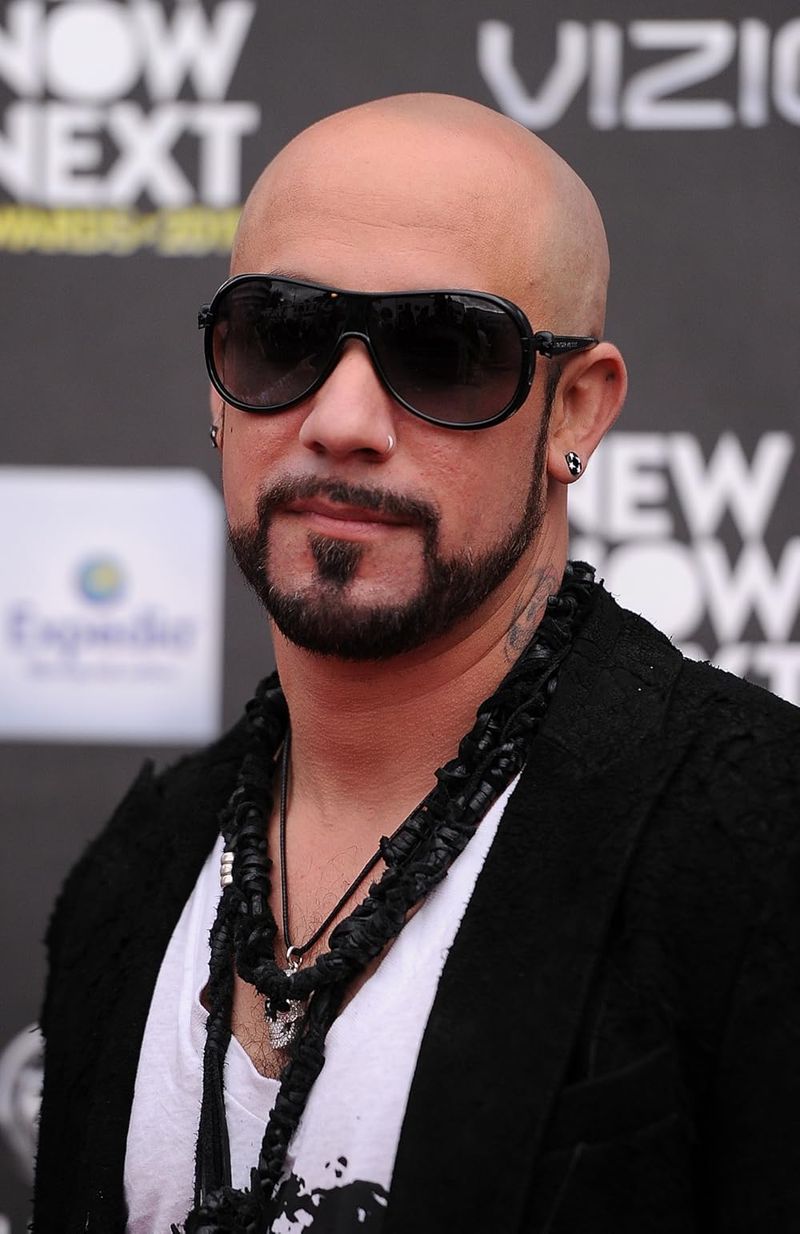
AJ McLean of the Backstreet Boys has been one of the most consistent voices in celebrity recovery conversations, having gone to rehab multiple times over the years for alcohol and drug addiction.
He first sought treatment in 2001 and has been open about the ongoing nature of his recovery, including setbacks along the way.
His honesty about relapse humanizes a process that many people assume should be linear.
McLean has spoken about how his bandmates and fans supported him through his darkest moments, and how that community kept him going.
He continues to share his story because he knows firsthand how much hearing someone else’s truth can matter when you are struggling alone.
20. Jada Pinkett Smith
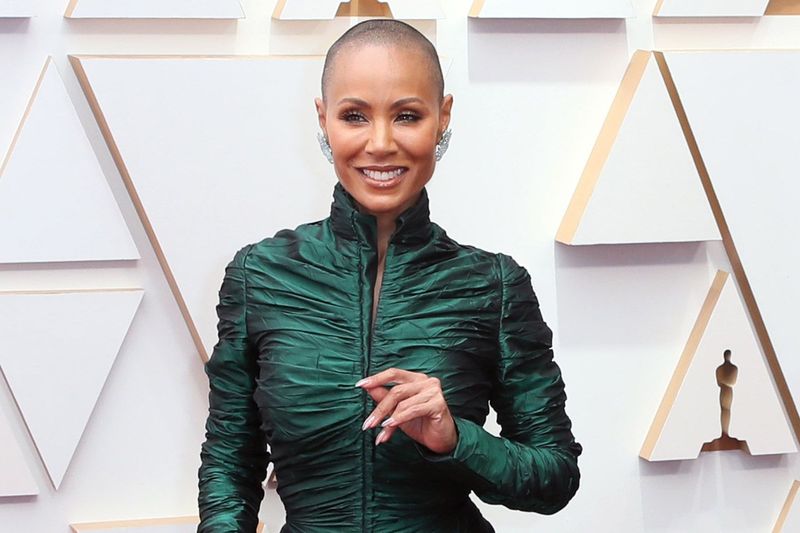
Jada Pinkett Smith revealed in her memoir that she battled an addiction to alcohol and marijuana that she kept hidden for years, even while hosting her own talk show, Red Table Talk.
She described waking up one morning and realizing she could not go a day without substances, which was a wake-up call she could not ignore.
Recognizing the problem while appearing put-together publicly took enormous self-honesty.
Pinkett Smith chose to get sober and has spoken about how the process required deep inner work and a willingness to face painful truths about herself.
Her story encourages people to look beyond appearances and take their own inner struggles seriously before they grow harder to manage.