 MomSkoop
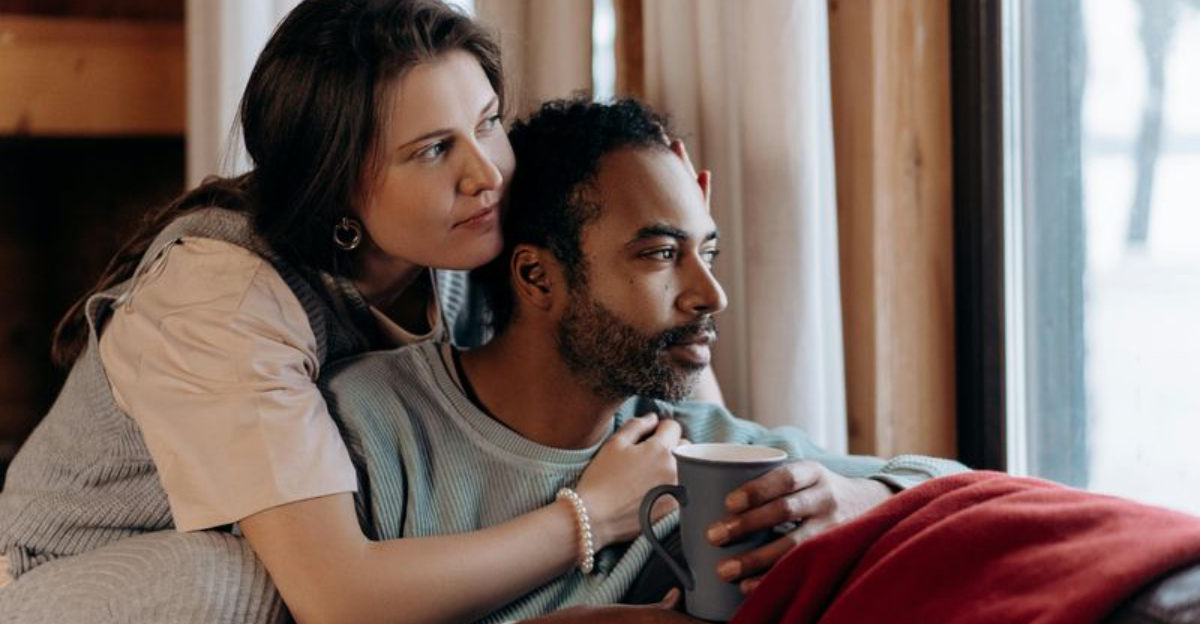
Have you ever felt like you couldn’t function without your partner, or that their happiness mattered more than your own? Codependency is a pattern where one person becomes so emotionally tied to another that they lose sight of their own needs, feelings, and identity.
It often sneaks up quietly, disguised as love or loyalty. Recognizing the signs early can help you build healthier, more balanced connections.
1. Always Putting Their Needs Before Your Own
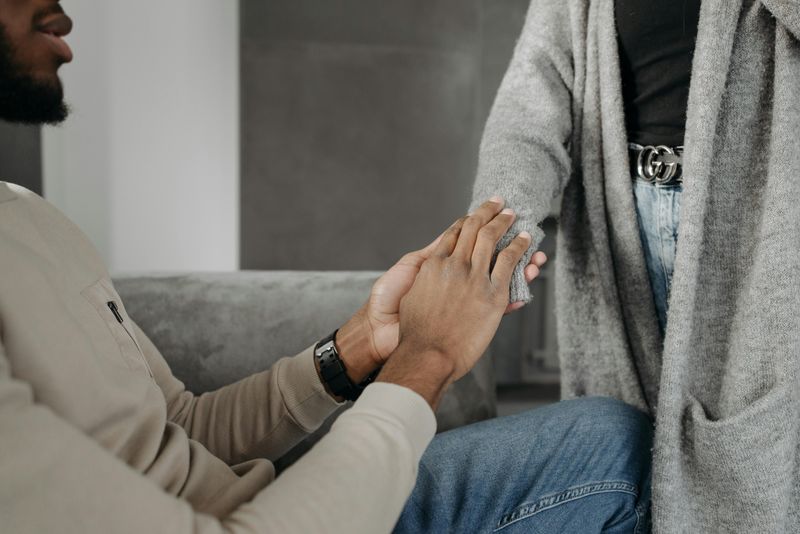
Some people give so much of themselves that there is almost nothing left for their own wellbeing.
Always placing your partner’s needs, wants, and comfort above your own is one of the clearest signs of codependency.
You might skip meals, cancel doctor’s appointments, or stay up late helping them while you are running on empty.
Over time, this constant self-sacrifice builds quiet resentment.
Healthy relationships involve balance, where both people look out for each other.
Learning to honor your own needs is not selfish — it is actually one of the most loving things you can do for yourself and your relationship.
2. Needing Constant Approval to Feel Worthy
Imagine feeling worthless the moment your partner seems slightly unhappy with you.
For someone who is codependent, their entire sense of self-worth is tied to whether the other person approves of them.
Every compliment feels like a lifeline, and every bit of criticism feels devastating.
This emotional rollercoaster is exhausting and unstable.
Your value as a person does not come from someone else’s opinion of you.
Building self-confidence from within — through your own achievements, values, and choices — is what creates real emotional security.
No one should hold the key to your sense of worth except you.
3. Struggling to Set Boundaries or Say No
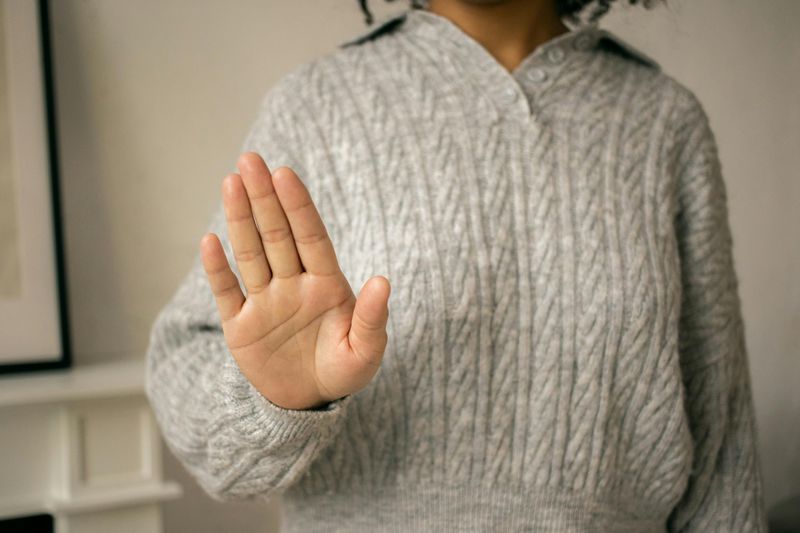
Saying “no” sounds simple, but for someone caught in a codependent relationship, it can feel almost impossible.
There is a deep fear that refusing a request will lead to anger, rejection, or the end of the relationship altogether.
So instead of speaking up, you agree to things that drain you, make you uncomfortable, or even hurt you.
Boundaries are not walls — they are healthy fences that protect your emotional and physical space.
Practicing small boundaries, like saying “I need some time alone tonight,” can gradually build the confidence to protect your needs in bigger, more meaningful ways over time.
4. Excusing or Minimizing Your Partner’s Harmful Behavior
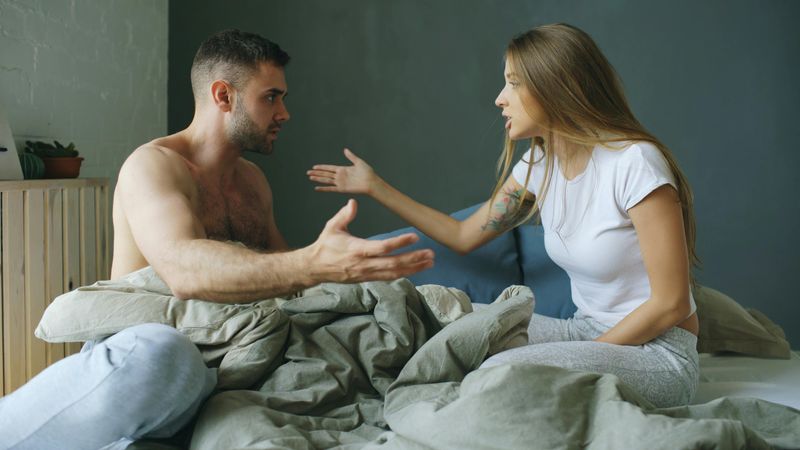
“They didn’t mean it.” “They’re just stressed.” Sound familiar?
Making excuses for a partner’s hurtful actions is a major red flag in codependent relationships.
Over time, minimizing bad behavior becomes second nature.
You might convince yourself that their outbursts, put-downs, or dishonesty are not really that bad — or that you somehow caused them.
Justifying harmful patterns protects neither you nor your partner.
In fact, it often allows the behavior to grow worse.
Recognizing that you deserve respectful, kind treatment — no matter what your partner is going through — is a powerful first step toward breaking this unhealthy cycle.
5. Staying Despite Persistent Pain and Unhappiness

Statistics show that many people stay in unhealthy relationships for years, even decades, because leaving feels more frightening than staying.
Codependency often locks people in place with invisible chains made of fear, guilt, and emotional dependency.
Even when the relationship brings more tears than smiles, walking away feels unbearable.
Choosing to stay is sometimes a sign of deep love — but staying while consistently suffering is a sign that something needs to change.
Whether that means seeking therapy, having an honest conversation, or finding the courage to leave, you deserve a relationship that brings peace, not constant pain.
6. Pulling Away From Friends and Family

Healthy relationships add to your life — they don’t shrink it.
One quiet but serious sign of codependency is gradually withdrawing from the friends and family who once made you feel supported and loved.
It might start small: skipping a family dinner here, canceling plans with a friend there.
Before long, your entire social world revolves around one person.
Isolation makes codependency stronger because it removes outside perspectives and support systems.
Keeping your friendships and family relationships alive is not a betrayal of your partner — it is a vital part of maintaining your emotional health and personal identity outside the relationship.
7. Overreacting to Criticism From Your Partner
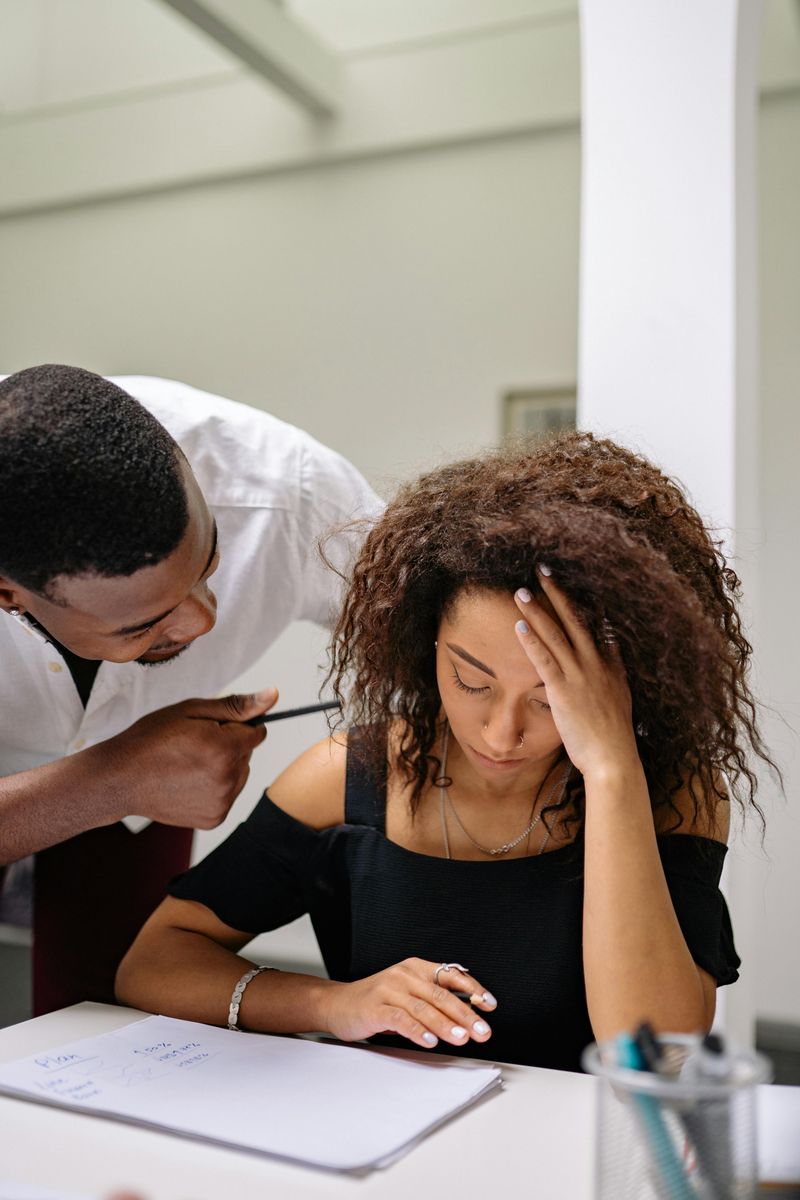
A small remark about how you loaded the dishwasher should not feel like an attack on your entire character — yet for someone in a codependent relationship, it often does.
Hypersensitivity to a partner’s criticism is deeply connected to low self-esteem and emotional enmeshment.
When your identity is wrapped up in the relationship, any criticism feels like a threat to your whole sense of self.
Learning to separate feedback from personal attack takes practice and self-awareness.
Building a stronger internal foundation — one that does not crumble under mild disapproval — helps you respond to criticism with calm and confidence rather than emotional collapse.
8. Obsessing Over Controlling Your Partner’s Choices
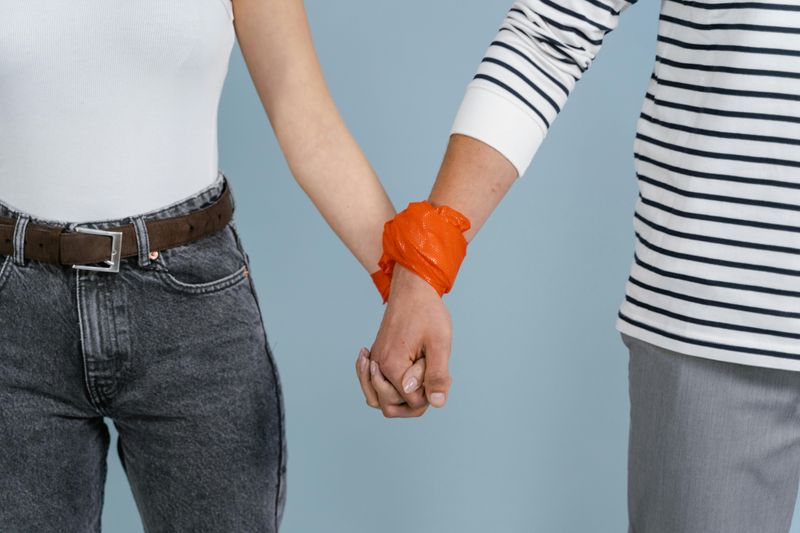
Trying to manage every decision your partner makes — who they talk to, where they go, what they eat — might feel like love, but it is often rooted in anxiety and fear of losing control.
Codependent individuals frequently believe that if they can just control enough variables, they can prevent abandonment or pain.
But control is an illusion, and it pushes people away rather than keeping them close.
Trust is the real glue in a healthy relationship.
Releasing the need to micromanage your partner’s life is scary but freeing — for both of you.
Real security comes from trust, not surveillance or constant interference.
9. Panicking at the Thought of Being Alone

For most people, solitude is refreshing.
For someone in a codependent relationship, the idea of being alone — even for a few hours — can trigger full-blown panic.
Their partner has become their emotional oxygen, and without them nearby, breathing feels difficult.
This fear of solitude often pushes people to tolerate mistreatment just to avoid being by themselves.
Learning to enjoy your own company is one of the most empowering skills a person can develop.
Spending time alone helps you reconnect with your thoughts, values, and dreams.
Solitude is not loneliness — it is an opportunity to rediscover the person you were before the relationship began.
10. Losing Touch With What Is Real

Gaslighting and emotional manipulation in codependent relationships can slowly erode your grip on reality.
You begin to question your own memories, feelings, and perceptions.
Did that really happen?
Was I overreacting?
Am I the problem?
This gradual loss of a sense of reality is one of the most damaging effects of codependency.
Journaling your experiences, talking to a trusted friend, or working with a therapist can help you rebuild clarity and trust in your own perceptions.
Your feelings are valid.
Your experiences are real.
No relationship should make you feel like your mind cannot be trusted to tell you the truth.
11. Using Guilt or Manipulation to Keep Your Partner Close

Playing the victim, guilt-tripping, or using emotional manipulation to keep a partner from leaving is a painful — and often unconscious — behavior in codependent relationships.
When someone is terrified of abandonment, they may resort to tactics that feel controlling or unfair to their partner.
Phrases like “If you really loved me, you wouldn’t go” are classic examples of this pattern.
Manipulation might temporarily keep someone close, but it destroys genuine trust and connection over time.
Honest, open communication — even when it is scary — builds far stronger bonds than guilt ever could.
Real love stays willingly, not because it feels trapped or obligated.
12. Abandoning Hobbies and Personal Goals

Remember when you used to paint on Sunday mornings, or train for that 5K, or write in your journal every night?
Codependency has a sneaky way of making those personal passions disappear.
Little by little, your interests get replaced by your partner’s preferences and schedules.
You stop doing the things that once made you feel alive and whole.
Reclaiming your hobbies is not about being selfish — it is about staying connected to who you are as an individual.
A relationship should support your growth, not swallow it.
Keeping your passions alive makes you a happier, more fulfilled partner and a stronger person overall.
13. Feeling Responsible for Your Partner’s Emotions

Walking on eggshells all day, constantly monitoring your partner’s mood and adjusting your behavior to keep them calm — that is an exhausting way to live.
Codependent individuals often feel deeply responsible for their partner’s emotional state, as though it is their job to manage every feeling the other person has.
If their partner is sad, they feel guilty.
If their partner is angry, they feel like they caused it.
Each person is ultimately responsible for their own emotions.
You can be supportive without becoming someone’s emotional caretaker.
Releasing that heavy burden allows both partners to develop genuine emotional resilience and a much healthier, more equal relationship dynamic.