 MomSkoop
Some songs get trashed the moment they drop, written off as annoying, stupid, or just plain bad. But music history has a funny way of proving the critics wrong.
Many tracks that got buried under mountains of hate turned out to be genuinely clever, influential, or just really well-made. Here are 15 songs that everyone loved to hate — and why they deserve a second listen.
1. “Friday” – Rebecca Black

Back in 2011, the internet practically declared war on a 13-year-old girl just for releasing a song about the weekend.
“Friday” by Rebecca Black became a viral punching bag almost overnight, racking up millions of dislikes and endless mockery.
But here is the thing — people could not stop listening to it.
That sticky, repetitive hook was doing exactly what a pop song is supposed to do.
It burrowed into your brain and refused to leave.
“Friday” was one of the first true viral music moments of the social media age, and its oddly minimalist production gave it a weird, almost hypnotic charm that still holds up today.
2. “Baby” – Justin Bieber
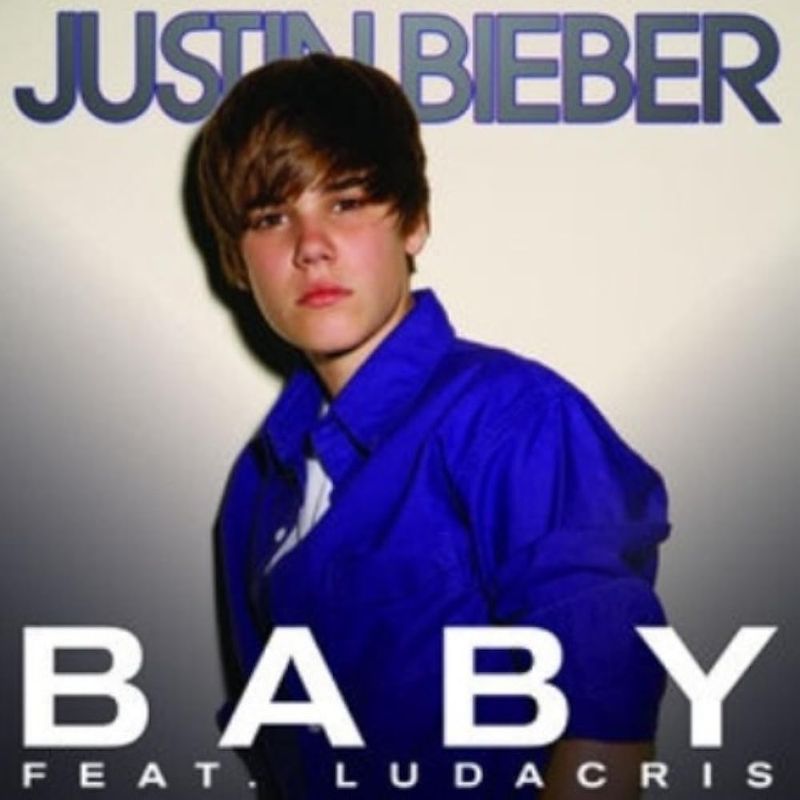
Few songs have collected as many dislikes as “Baby” by Justin Bieber.
For years, it held the record for most disliked video on YouTube, and it became a symbol of everything people claimed to hate about mainstream pop.
But strip away the backlash, and you find something surprisingly solid.
The song is undeniably catchy, the production is clean, and Ludacris’s rap verse adds a fun, unexpected layer.
“Baby” defined an entire era of pop music for a generation of kids growing up in the early 2010s.
Love it or hate it, its cultural footprint is enormous — and that does not happen by accident.
3. “Call Me Maybe” – Carly Rae Jepsen
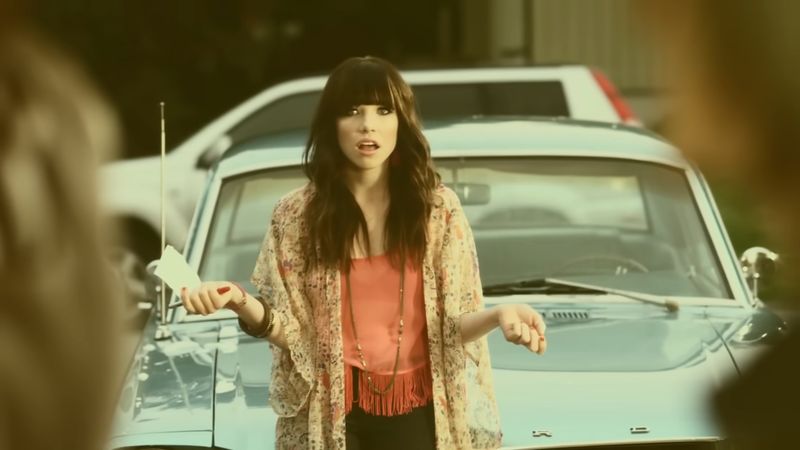
When “Call Me Maybe” exploded in 2012, a lot of people rolled their eyes.
Critics called it lightweight, disposable bubblegum pop with zero substance.
Even some fans of Carly Rae Jepsen quietly cringed at how relentlessly cheerful it was.
But music scholars and pop critics have since revisited the track and found something remarkable — near-perfect pop songwriting hiding behind that sunny exterior.
The chord progression builds tension brilliantly, the bridge hits at exactly the right moment, and the chorus releases like a pressure valve.
Songwriters study tracks like this in music school. “Call Me Maybe” is not just catchy; it is structurally brilliant in ways most listeners never noticed.
4. “MMMBop” – Hanson
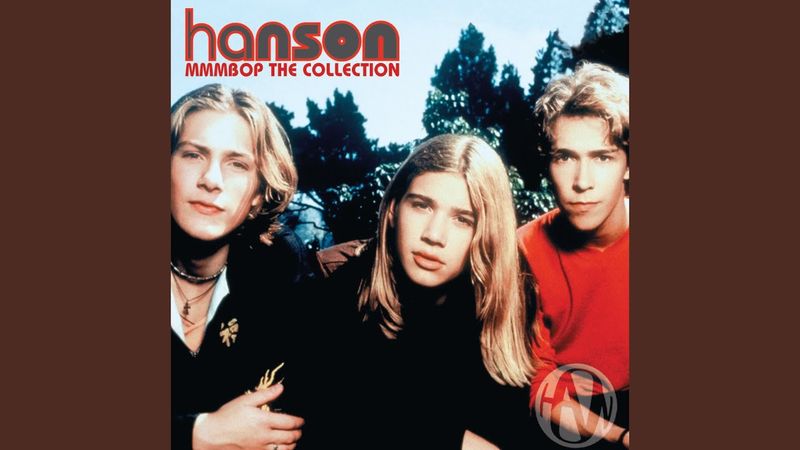
Three brothers with long blond hair singing a word that sounds like gibberish — it was an easy target.
“MMMBop” got laughed off by plenty of music fans in 1997 as a throwaway kids’ song.
Most people assumed Hanson were just a cute gimmick manufactured by some record label.
Surprise: the brothers wrote and performed nearly everything themselves.
The lyrics, buried beneath that bouncy melody, actually wrestle with the painful reality of growing up and watching friendships fade.
Musically, the song blends gospel, pop, and soul in a way that most adults could not pull off.
“MMMBop” aged like fine wine once people actually paid attention.
5. “Blurred Lines” – Robin Thicke
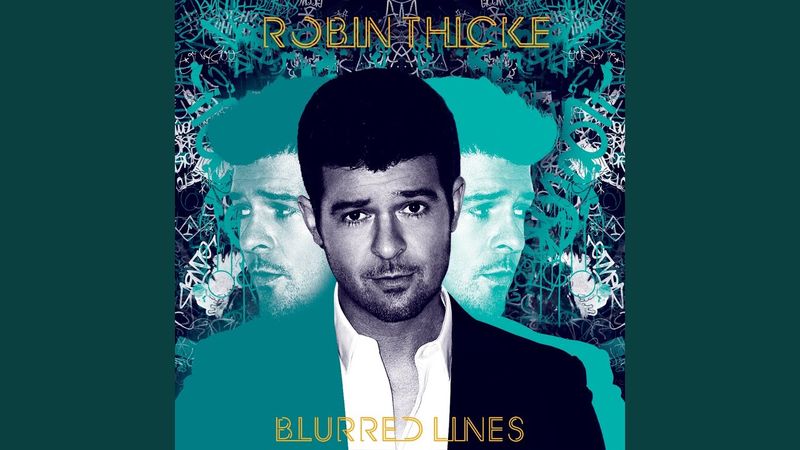
“Blurred Lines” arrived in 2013 surrounded by serious controversy, and the criticism was not entirely unwarranted.
The song sparked heated debates about its lyrics and messaging that are still worth having.
But separating the controversy from the music itself reveals something genuinely interesting.
Producer Pharrell Williams built the track on an almost uncomfortably sparse groove, stripping modern pop production down to its bare bones in a way that felt bold and unusual.
That minimalist approach influenced a wave of pop and R&B production that followed.
Whether you love or loathe the song, its impact on how producers approached rhythm and space in pop music is hard to argue with.
6. “Gangnam Style” – PSY
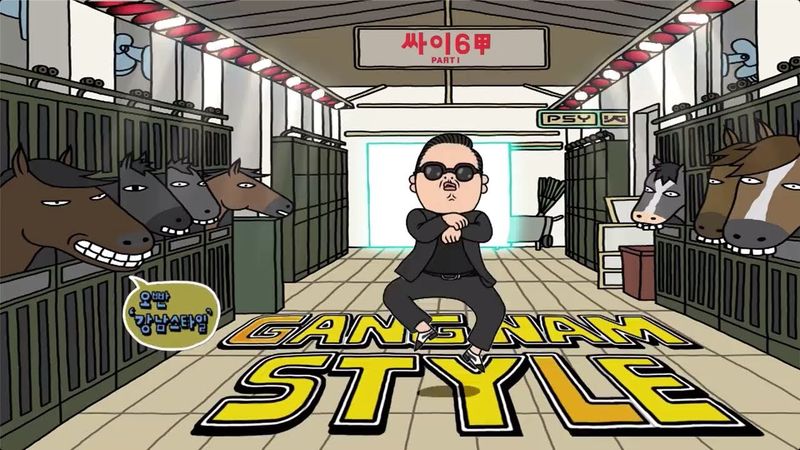
When “Gangnam Style” hit the world in 2012, most Western audiences laughed along without understanding a single word.
It was easy to write off as a goofy foreign novelty act with a silly dance.
But that reading completely missed the point PSY was making.
The song is a sharp, biting satire of the ultra-wealthy Gangnam district in Seoul, mocking the shallow obsession with status and luxury.
PSY was not just goofing around — he was crafting social commentary wrapped in an irresistible beat.
The fact that it became the first YouTube video to hit one billion views says everything about how infectious and layered the production truly was.
7. “Barbie Girl” – Aqua
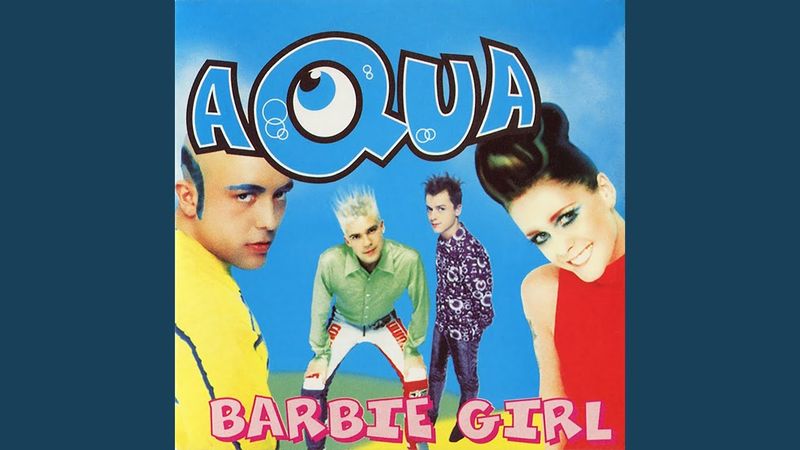
Nobody in 1997 wanted to admit they liked “Barbie Girl.”
It was aggressively pink, cartoonishly over-the-top, and seemed designed to drive adults absolutely crazy.
Mattel even sued Aqua over it, which tells you how seriously some people took this supposedly silly song.
But the genius of “Barbie Girl” is that it was always winking at the audience.
The lyrics poke fun at plastic perfection and shallow beauty standards in a way that is genuinely clever once you tune in.
The campy exaggeration was entirely intentional.
Aqua built a satirical pop anthem dressed up as a toy commercial, and most people were too busy being annoyed to notice.
8. “We Built This City” – Starship
Rolling Stone once ranked “We Built This City” as the worst song ever recorded, and that label stuck hard.
For decades, it has been the go-to punching bag for music critics who want to sum up everything excessive and shallow about 1980s pop-rock.
The mockery became almost a sport.
But here is what the haters miss — the song is a perfectly engineered piece of arena pop.
Every element, from the pounding synths to the anthemic chorus, is polished to a high shine.
It captures the bombastic, unapologetic spirit of 80s excess better than almost anything else from that era.
Sometimes a song does exactly what it sets out to do, and that takes real skill.
9. “My Humps” – The Black Eyed Peas
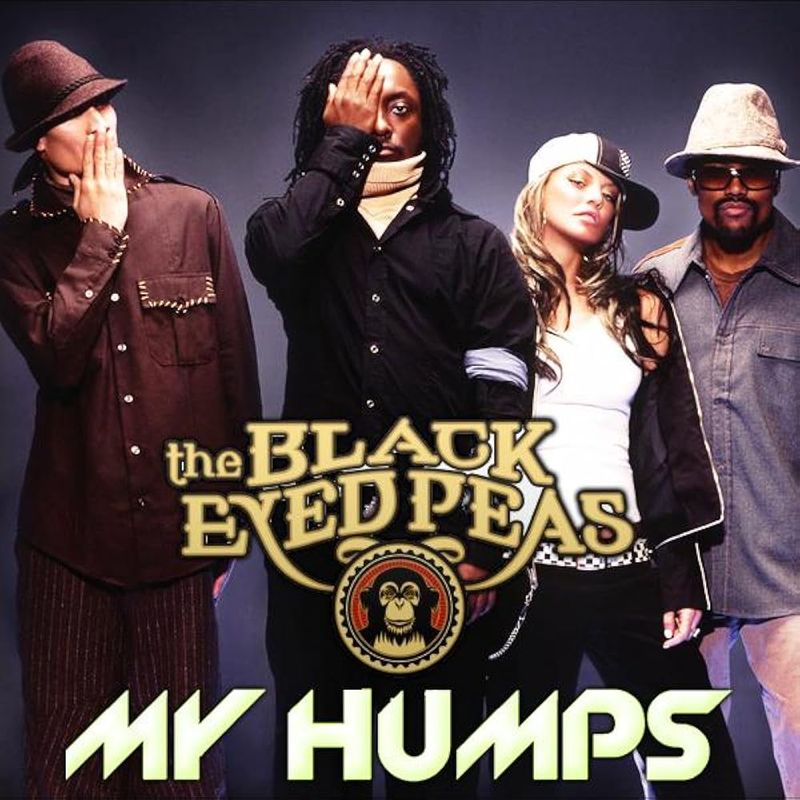
Music critics practically tripped over themselves rushing to slam “My Humps” when it dropped in 2005.
The lyrics were called everything from embarrassing to genuinely offensive, and the song became shorthand for everything wrong with mindless pop music.
Alanis Morissette even recorded a deadpan cover specifically to mock it.
Ironically, that cover revealed something true — the song has an almost absurdist, avant-garde quality when you strip away the production.
The hook is so blunt, so relentlessly repetitive, that it crosses into something almost experimental.
Whether intentional or not, “My Humps” operates on a frequency that is hard to shake, and its cultural staying power proves it landed somewhere people remember.
10. “Friday I’m in Love” – The Cure
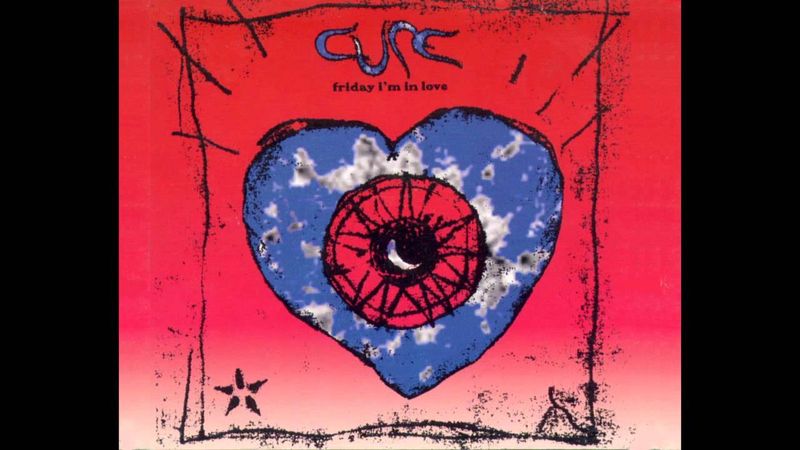
When The Cure released “Friday I’m in Love” in 1992, a chunk of their devoted fanbase felt genuinely betrayed.
Here was a band known for gothic, emotionally heavy music suddenly releasing something… happy?
Upbeat?
Almost cheerful?
Longtime fans called it a sellout and dismissed it as too mainstream.
But step back and appreciate what Robert Smith actually made here.
The song builds through the days of the week with a playful structure that mirrors the anticipation of the weekend.
It is joyful without being shallow, catchy without being brainless.
Today, it consistently ranks among The Cure’s most beloved tracks — proof that even devoted fans can be wrong about brilliance when they first hear it.
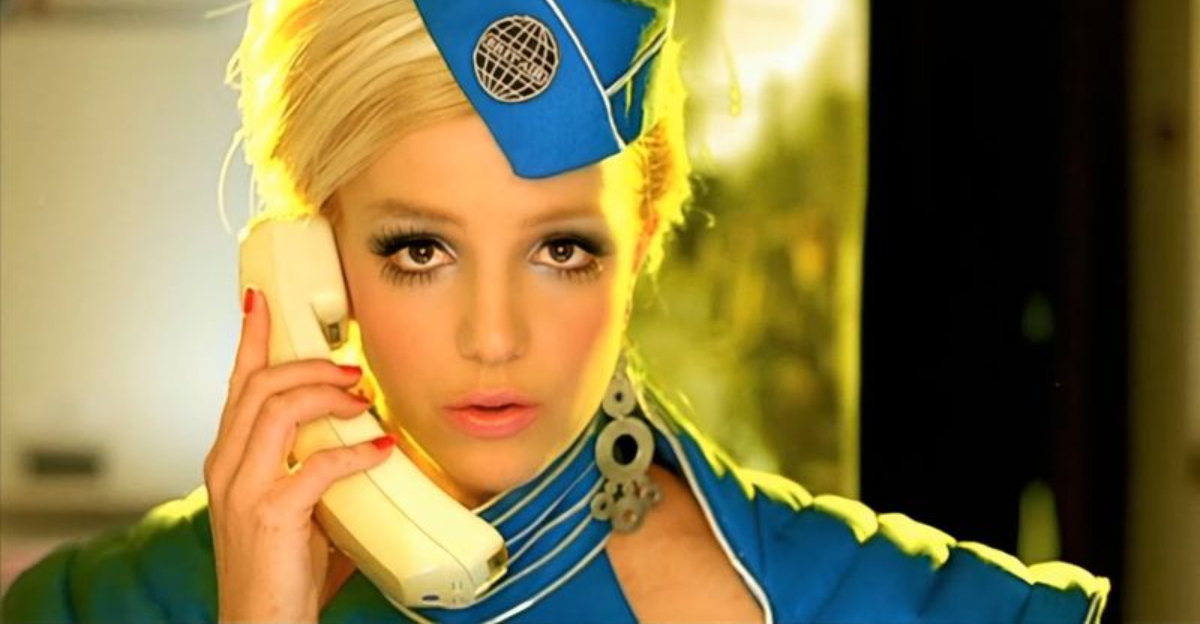
11. “Toxic” – Britney Spears
Hard to believe now, but “Toxic” had its share of skeptics when it arrived in 2004.
Some critics found it too strange and eclectic, while others simply wrote it off as another Britney Spears pop product.
The spy-themed video was flashy, but the song underneath was doing something genuinely unusual.
Producer Bloodshy and Avant layered Bollywood-inspired strings over a pulsing electronic groove, creating a sonic mashup that nobody had really tried in mainstream pop before.
That bold combination gave the track a timeless, genre-bending quality.
Music producers and critics have since called it one of the most innovative pop productions of the 2000s, and it still sounds fresh today.
12. “All About That Bass” – Meghan Trainor
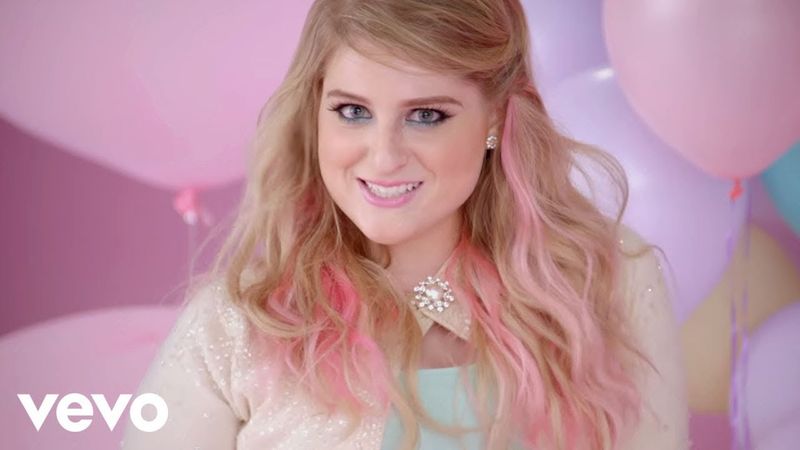
“All About That Bass” caught serious heat in 2014, and some of the criticism was fair.
The messaging around body image was muddled, and certain lyrics drew justified pushback.
Music blogs tore it apart, and it became trendy to dislike it before the song even had a chance to settle.
But zoom in on the actual craft, and Meghan Trainor delivered something genuinely impressive for a debut single.
The doo-wop influenced production felt fresh against the EDM-heavy pop landscape of the time.
The bass-driven groove and the call-and-response structure are textbook examples of effective pop songwriting.
It charted globally, stayed on radio for months, and launched a career — that does not happen without real musical instincts at work.
13. “Macarena” – Los Del Río
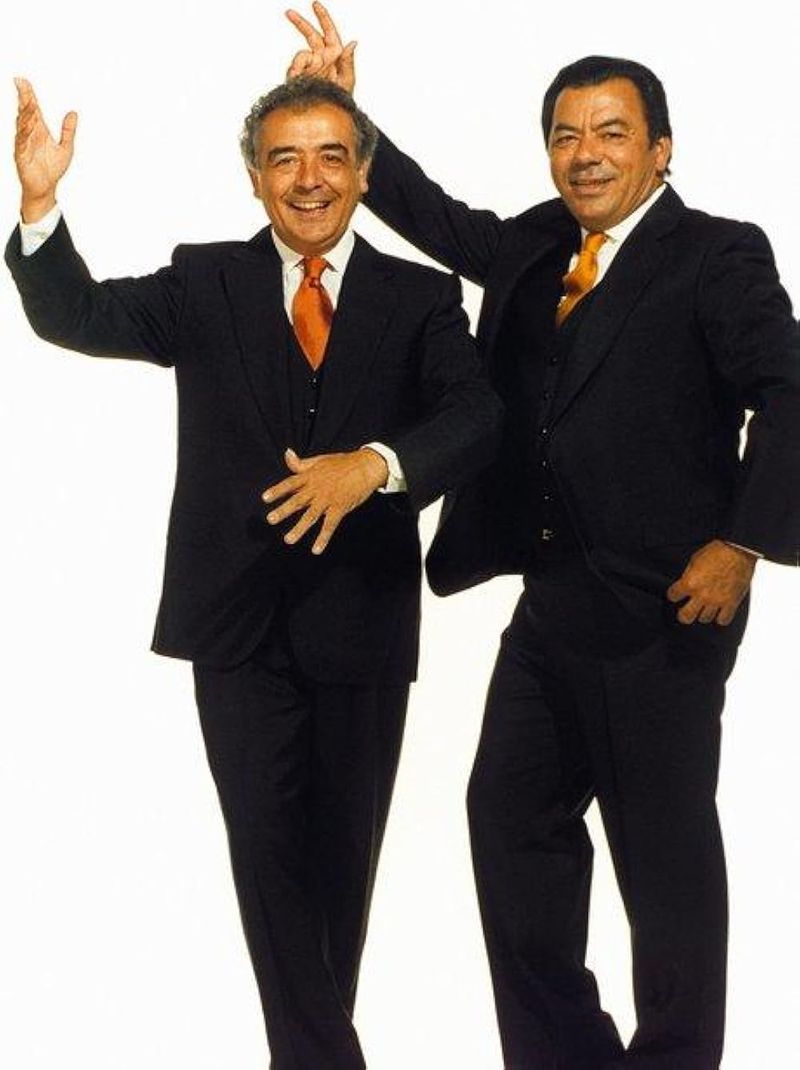
For a lot of people, “Macarena” exists purely as a wedding reception joke — the song you groan at when the DJ plays it, then secretly do the dance anyway.
Los Del Río have been treated like a novelty act for three decades, their one massive hit reduced to a punchline at parties.
But think about what this song actually achieved.
Released in 1993 and hitting global peak popularity in 1996, it crossed language barriers, age gaps, and cultural divides in a way very few songs ever manage.
The rhythm is rooted in flamenco pop with genuine musical heritage behind it.
Songs that teach the whole planet a synchronized dance do not happen by accident.
14. “Ice Ice Baby” – Vanilla Ice
Vanilla Ice spent years as hip-hop’s most reliable joke, and “Ice Ice Baby” took most of the blame.
Critics called it a shallow imitation of real rap culture, and the famous Queen and David Bowie bass line sample controversy did not help his reputation at all.
The mockery followed him for decades.
Here is what those critics glossed over — “Ice Ice Baby” was one of the first hip-hop songs to crack the mainstream pop charts in a serious way.
It opened doors for rap music to reach audiences that had never heard the genre before.
Whatever you think of Vanilla Ice personally, that kind of cultural bridge-building carries real historical weight in music history.
15. “Never Gonna Give You Up” – Rick Astley
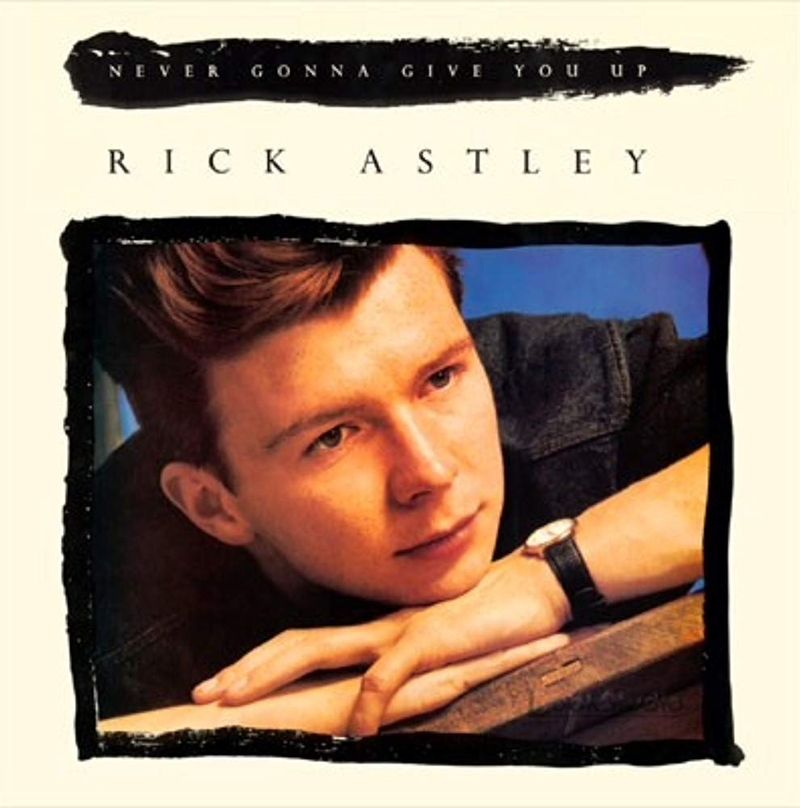
Thanks to the Rickroll meme, most people under 30 have heard “Never Gonna Give You Up” dozens of times without ever choosing to listen to it.
The song became the internet’s most famous prank, which buried its actual musical identity under layers of irony and eye-rolling.
Poor Rick Astley never quite got a fair shake.
Listen without the meme goggles and you find a genuinely polished 1980s pop production.
The warm bassline, the punchy horns, and Rick’s unexpectedly deep baritone voice all combine beautifully.
Stock Aitken Waterman produced it with real craft and intention.
“Never Gonna Give You Up” was a legitimate chart-topper in multiple countries — and honestly, it still sounds great.