 MomSkoop

By the time many people reach 70, they find themselves looking back on decades of choices—some they’re proud of, and others that quietly sting. Regret has a funny way of sneaking up on you, often pointing to the things that mattered most.
The good news is that understanding what others wish they had done differently can help you make smarter choices today. These ten regrets are among the most common ones people carry into their later years—and each one carries a powerful lesson.
1. Not Living True to Themselves

Somewhere along the way, a lot of people traded their own dreams for someone else’s expectations.
Whether it was a career chosen to please parents or a life path shaped by what society called “normal,” the result was often the same—a quiet, persistent feeling of having missed out on something real.
Living by other people’s rules can slowly drain the joy from everyday life.
At 70, many people wish they had trusted their own voice earlier.
Your values, your passions, and your instincts exist for a reason.
Honoring them isn’t selfish—it’s how you build a life that actually feels like yours.
2. Working Too Much

Ask almost any retiree what they regret most, and “I wish I had worked more” is rarely on the list.
For decades, many people poured their best energy into jobs, overtime, and career climbing—only to realize the promotions didn’t fill the space left by missed birthdays and skipped vacations.
Work has real value, but it was never meant to be the whole story.
The relationships you nurture, the experiences you collect, and the moments you show up for—those are what people remember on their deathbeds.
A paycheck can’t replace the years you didn’t spend with the people who needed you most.
3. Not Expressing Feelings Openly

“I love you.” “I’m proud of you.” “I’m sorry.” Three phrases that cost nothing to say—yet so many people go years, even decades, without saying them enough.
Fear of vulnerability, pride, or simply not knowing how can keep important words locked away until it’s too late.
Unexpressed feelings don’t disappear.
They sit quietly in the background, growing heavier over time.
People who reach 70 often grieve the conversations they never had—the thank-yous left unsaid, the apologies never given, the love never fully shown.
Emotional honesty takes courage, but it also builds the kind of deep connections that make life feel truly worthwhile.
4. Letting Relationships Fade

Life gets busy, and friendships are often the first thing to slip.
A few missed calls turn into months of silence, and before you know it, years have passed without a real conversation.
At 70, many people look around and realize the circle of close friends has grown surprisingly small.
Relationships need tending, just like a garden.
They don’t survive on good intentions alone—they need time, attention, and genuine effort.
Research consistently shows that strong social connections are one of the biggest predictors of happiness and health in older age.
Reaching out, even after a long gap, is almost always worth it.
Friendships rarely go bad—they just go quiet.
5. Avoiding Risks Out of Fear

Playing it safe feels smart in the moment.
But at 70, many people don’t look back on their bold moves with regret—they look back on the ones they never made.
The business they didn’t start, the trip they kept postponing, the relationship they walked away from because it felt too uncertain.
Fear is a natural response to the unknown, but it’s a terrible life planner.
Growth almost always lives just outside the comfort zone.
Taking a calculated risk doesn’t guarantee success, but it guarantees a story worth telling.
And honestly, most people fear regret far more than they fear failure—they just don’t realize it until much later.
6. Neglecting Health

The body keeps score—and it’s remarkably patient.
For years, it absorbs poor sleep, skipped exercise, stress, and unhealthy habits without much complaint.
Then, somewhere around middle age, the bill starts to arrive.
By 70, many people wish they had treated their bodies with more care when they had the chance.
Health isn’t just about living longer—it’s about living better.
Staying active, eating well, and managing stress aren’t just doctor’s orders; they’re investments in your future self.
Mental health matters just as much as physical health, too.
The good news?
Small, consistent habits started at any age can make a real difference.
Your future self will be genuinely grateful you started sooner.
7. Chasing Money Over Meaning

There’s nothing wrong with financial security—it matters.
But when the pursuit of money becomes the main purpose of life, something essential gets lost.
Many people spend their most energetic years grinding for a bigger salary, only to arrive at retirement wondering what it was all actually for.
Meaning isn’t found in a bank account.
It’s found in work that challenges you, in relationships that sustain you, and in contributions that outlast you.
Studies on happiness consistently show that beyond a comfortable income, more money adds very little to life satisfaction.
Choosing purpose over pure profit doesn’t mean being broke—it means building a life rich in ways that actually matter when you’re counting your years.
8. Holding Onto Resentment
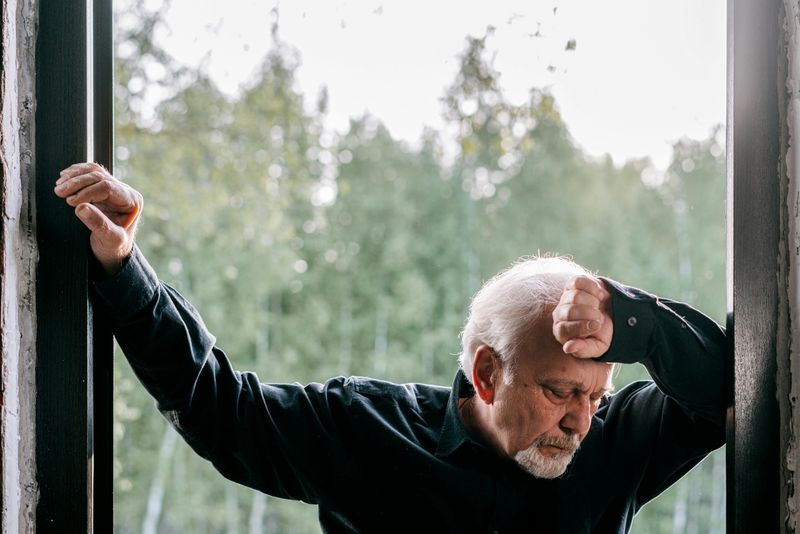
Resentment is one of the heaviest things a person can carry.
It starts as a wound—something unfair happened, trust was broken, or someone caused real pain.
But when that wound is never addressed, it hardens into a burden that the person carrying it ends up paying for far longer than whoever caused it.
Forgiveness isn’t about excusing what happened.
It’s about freeing yourself from the weight of it.
People who reach 70 still clutching old grudges often describe a deep exhaustion—years spent being angry at someone who may have long moved on.
Letting go doesn’t mean forgetting; it means choosing your own peace over someone else’s debt.
9. Not Making Time for What They Love

“I’ll do it when things slow down.” Sound familiar?
For many people, the hobbies, passions, and creative pursuits they loved got quietly shelved in favor of more “practical” priorities.
At 70, those shelved dreams have a way of resurfacing—not with excitement, but with a quiet ache.
Joy isn’t a reward for finishing everything else on the list.
It’s a necessary part of a well-lived life.
Whether it’s painting, playing music, gardening, or writing, the things that light you up deserve actual time on your calendar—not just a vague someday.
Life rarely slows down on its own.
You have to carve out the space yourself, starting now, not later.
10. Waiting for the Right Time

Here’s the truth about the “right time”: it almost never arrives on its own.
People wait for more money, more stability, more confidence, more clarity—and before they know it, decades have passed and the thing they were waiting to do is still waiting.
At 70, this is one of the most quietly painful regrets of all.
The right time is usually right now, imperfect as it may feel.
Big life changes—moving, starting over, saying yes to something scary—rarely happen under ideal conditions.
Waiting for certainty is often just fear in a more reasonable-sounding costume.
Starting messy, starting small, or starting scared is still starting.
And starting is everything.