 MomSkoop
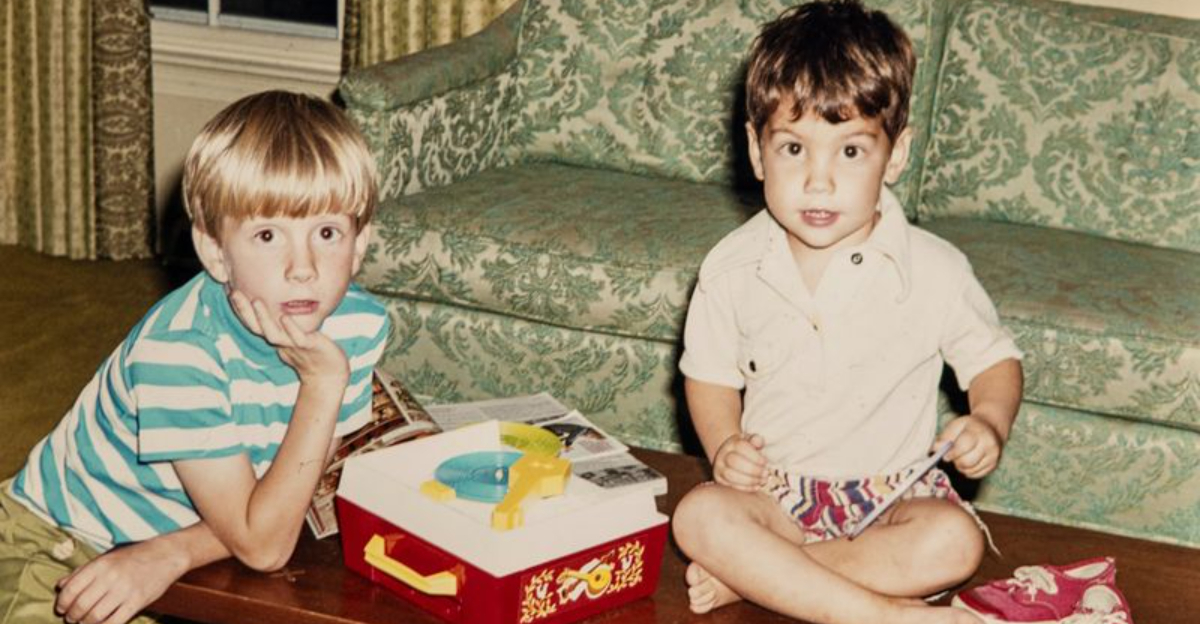
Growing up in the ’90s was something truly special — a time before smartphones, social media, and instant everything. Kids roamed freely, used their imaginations, and figured out the world without a screen guiding every step.
It was messy, fun, and surprisingly freeing. If you lived it, you already know there was nothing quite like it.
1. No Smartphones — You Actually Disappeared All Day
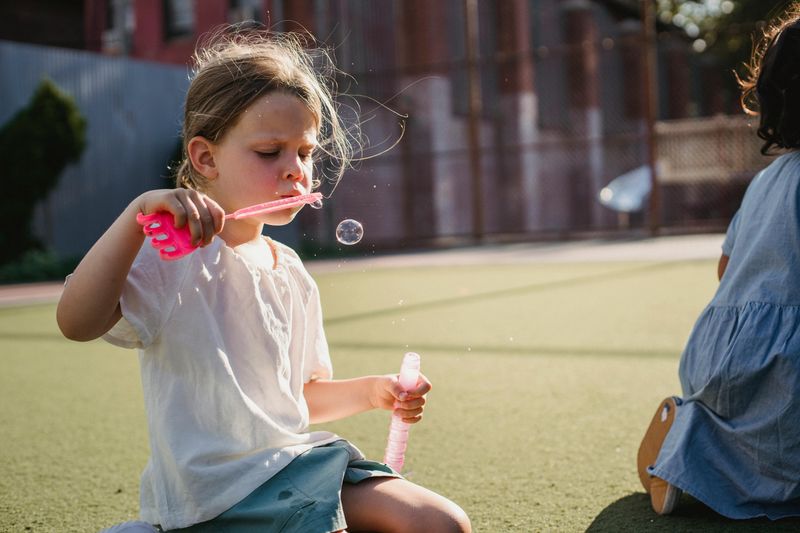
You walked out the front door, and that was it — gone until dinner.
Your parents had zero way to reach you, and honestly, nobody really worried that much. “Be home before dark” was the universal rule, and somehow it worked.
There was something wildly freeing about being completely unreachable.
You made decisions on your own, solved problems with your friends, and learned how to handle situations without calling home every five minutes.
That kind of independence built real confidence.
Kids today are always just a text away from a parent, which is convenient — but it’s a completely different kind of childhood.
2. Internet Was Slow (and Optional)
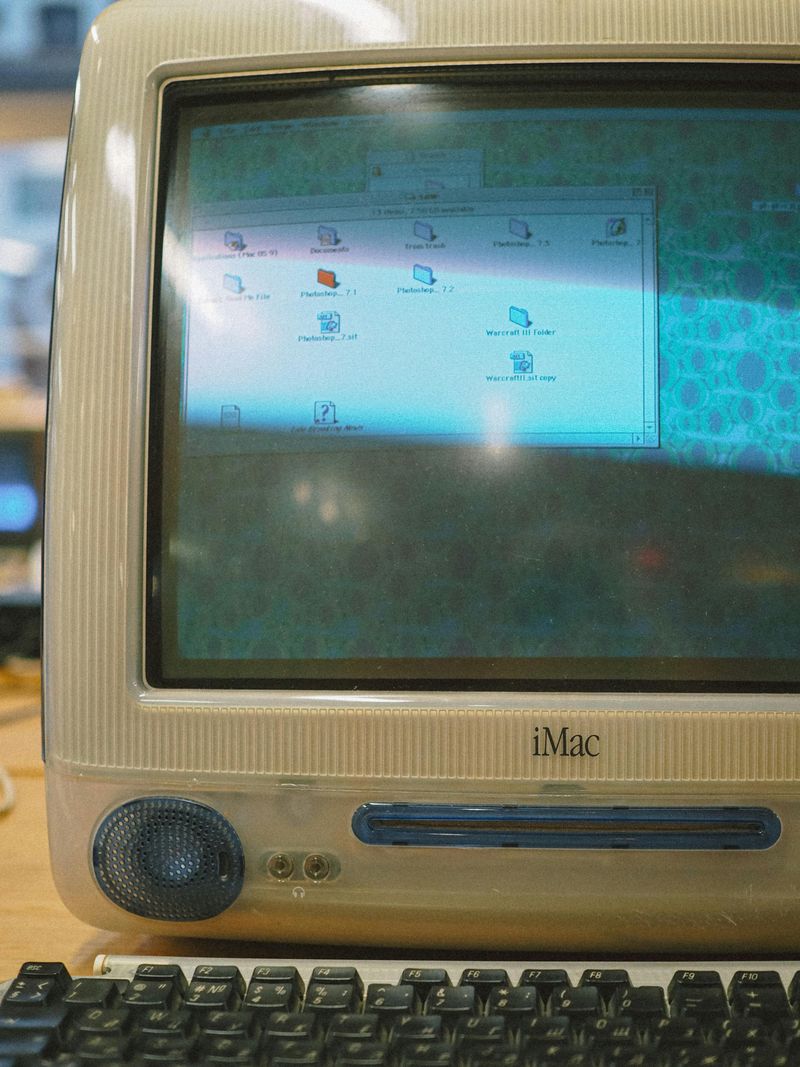
That screeching dial-up sound was both exciting and painful.
Getting online in the ’90s felt like an event — you planned for it, waited for it, and hoped nobody picked up the phone and killed your connection mid-download.
Streaming, cloud storage, and instant video?
Completely unimaginable.
Downloading one song could take 45 minutes, and you were thrilled when it actually worked.
Plus, the whole family shared one phone line, so going online meant everyone else was cut off.
Looking back, it’s kind of amazing how patient everyone was.
Today, a two-second loading delay feels unbearable — but back then, waiting was just part of the deal.
3. You Had to Memorize Phone Numbers
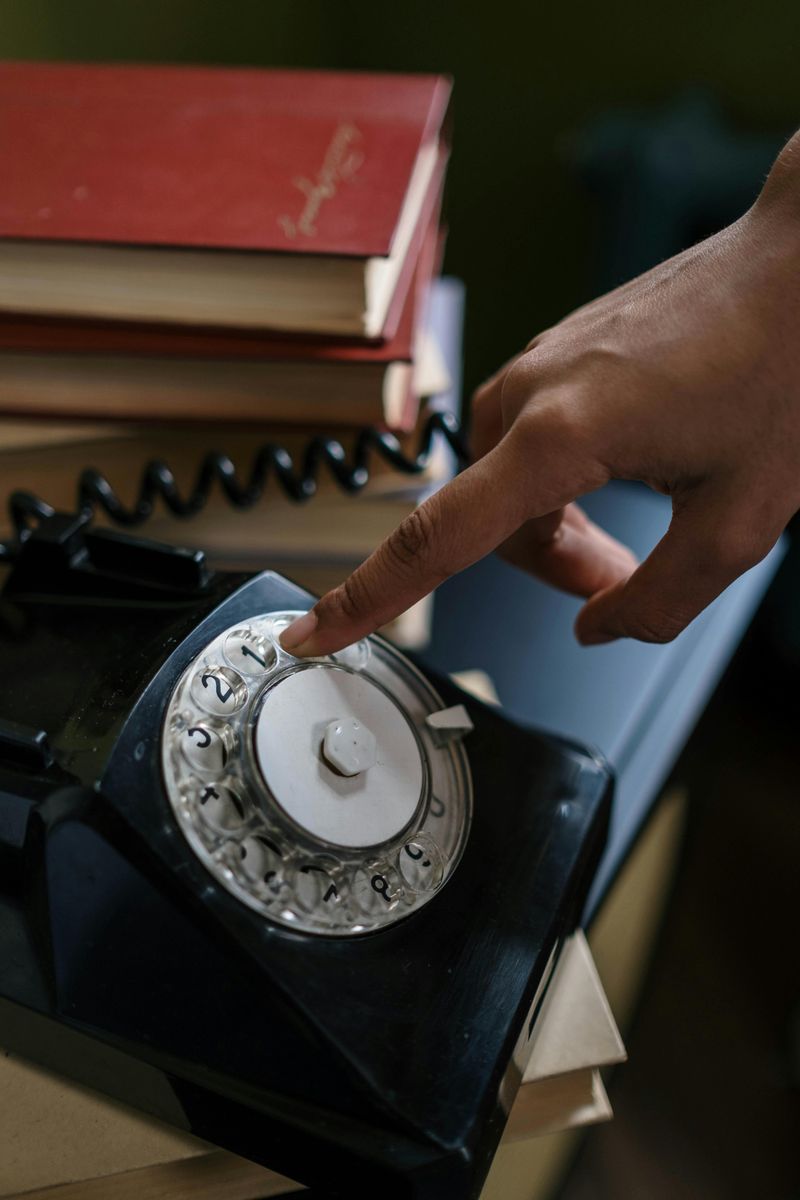
Before smartphones stored every contact automatically, your brain had to do the work.
You memorized your best friend’s number, your grandma’s number, and maybe even a few backups — because if you forgot, you simply weren’t making that call.
Rotary phones, push-button landlines, and the occasional phone book were your only tools.
There was no autocomplete, no voice assistant, no shortcut.
You either knew the number or you didn’t.
Funny enough, most ’90s kids can still rattle off a childhood friend’s home number from memory today.
That kind of mental exercise quietly sharpened focus and recall in ways that felt completely normal at the time.
4. Saturday Morning Cartoons Were Sacred
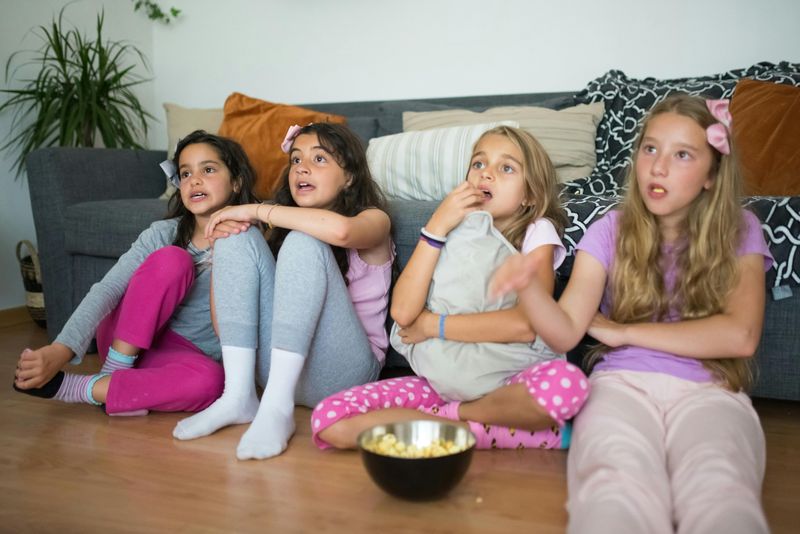
There was absolutely nothing like waking up early on a Saturday — not because you had to, but because you wanted to.
The lineup was everything: Animaniacs, Rugrats, X-Men, and more packed into a few glorious hours of pure cartoon magic.
Miss an episode?
Tough luck.
No DVR, no streaming, no “watch again” button.
You waited seven whole days for another chance, which made each episode feel like a real event worth protecting.
That weekly ritual also meant something socially — Monday at school, everyone talked about what happened on Saturday morning.
Cartoons became shared experiences, mini cultural moments that bonded entire generations of kids in the best possible way.
5. Playing Outside Was the Default
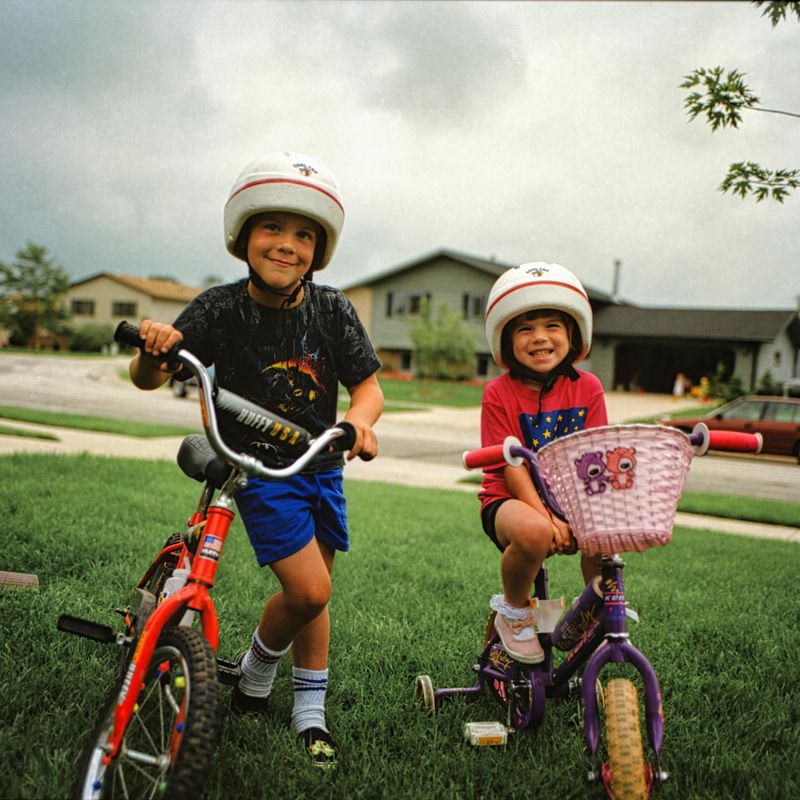
Screen time wasn’t a parenting concern — it barely existed.
If the weather was halfway decent, you were outside.
Full stop.
Bikes, roller blades, made-up games, and long afternoons doing absolutely nothing specific were the norm.
Neighborhoods felt alive back then.
You’d knock on doors, round up whoever was home, and figure out something to do together.
There were no scheduled playdates, no organized activities — just kids being resourceful and creative in real time.
Scraped knees, sunburns, and getting completely filthy were just part of the experience.
Nobody tracked your steps or worried about unstructured time.
You played hard, came home tired, and did it all again the next day.
6. Music Required Effort
Spotify didn’t exist.
Neither did playlists you could build in seconds.
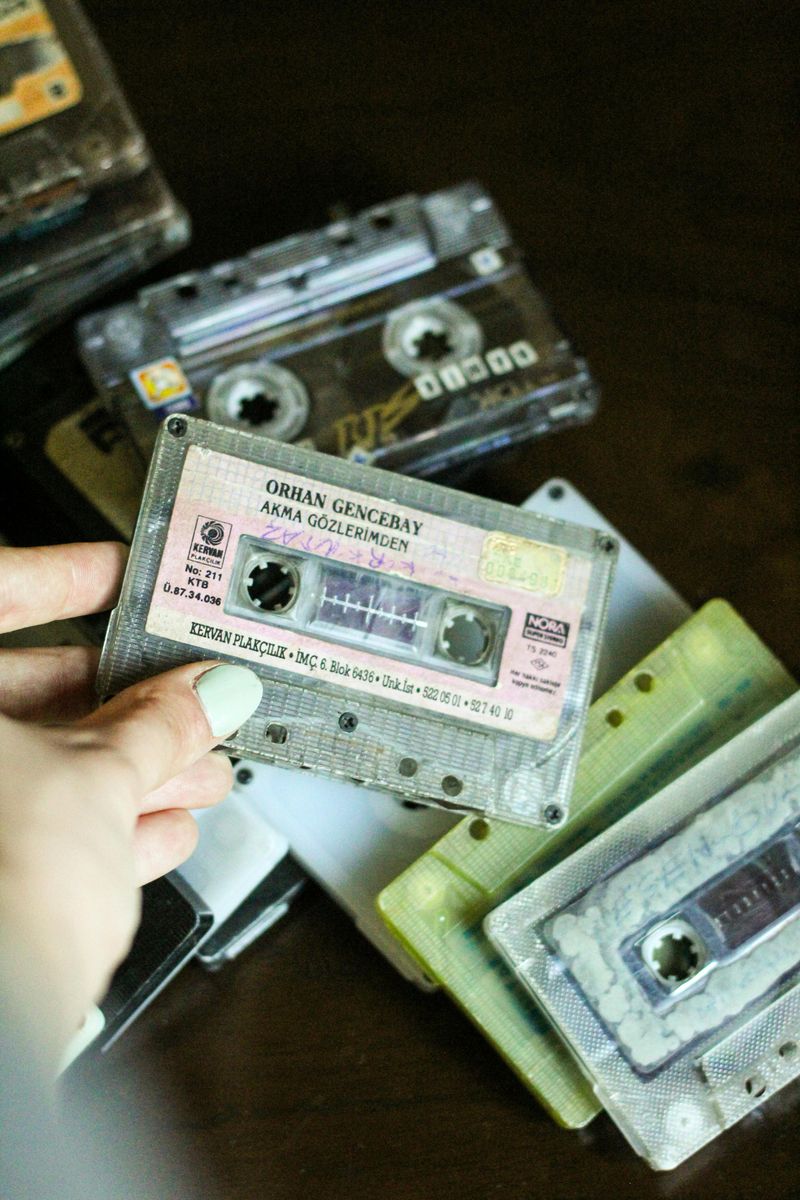
Getting the music you loved meant sitting next to a radio with a blank cassette tape, finger hovering over the record button, waiting for your song to come on.
And when it finally did — sometimes the DJ talked right over the intro.
Infuriating, but you kept trying.
Mixtapes were a labor of love, and giving one to someone meant you’d actually put in real time and thought.
That effort made music feel personal and precious.
You didn’t skip songs.
You listened to whole albums because rewinding and fast-forwarding was its own annoying process.
Music had weight because it cost you something to get it.
7. Video Games Were Social, Not Online
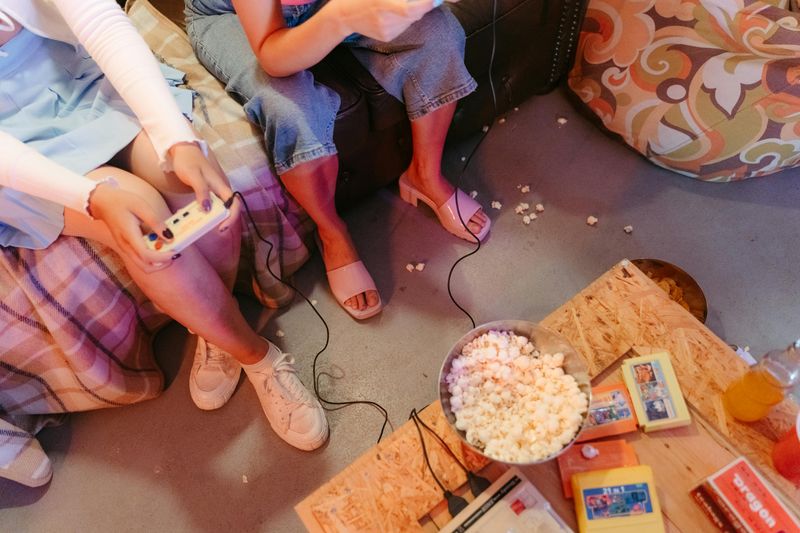
Multiplayer gaming in the ’90s meant one thing: someone was sitting right next to you.
You shared controllers, argued over whose turn it was, and celebrated wins together in the same room.
Online gaming wasn’t even a concept for most of the decade.
Games like GoldenEye 007, Street Fighter, and Mario Kart were built for that kind of face-to-face chaos.
Trash talk was delivered in person, reactions were real, and the energy in the room was electric in a way no headset can replicate.
Gaming back then was genuinely communal.
It brought people together physically, not virtually.
There’s something irreplaceable about that — the shoulder bumps, the controller grabs, and the pure unfiltered joy of beating your best friend in person.
8. You Learned Patience the Hard Way
Waiting wasn’t optional — it was built into everything.
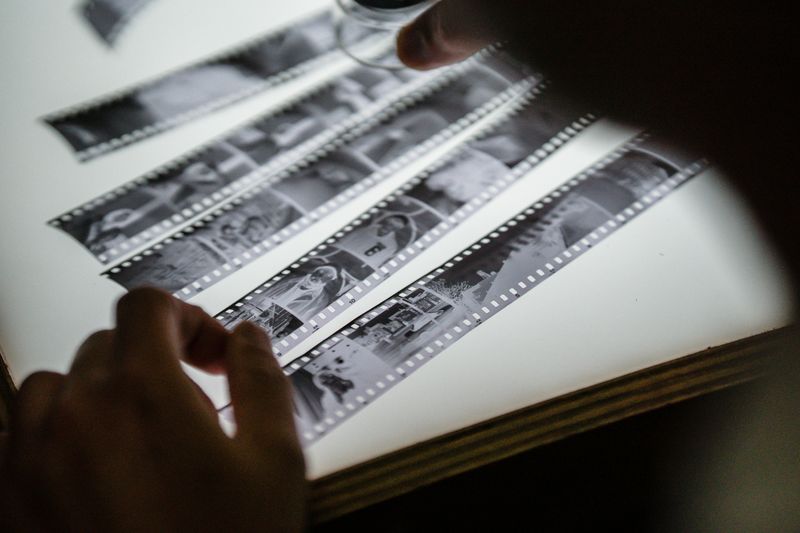
You took photos on a disposable camera and waited days to find out if any of them turned out.
You started a download and left the computer running overnight, hoping it would finish by morning.
TV schedules were non-negotiable.
Miss the start of your show?
You missed it.
Want to watch a movie?
Hope the video store had a copy available.
Every small reward required some form of waiting, and you just accepted it.
That constant practice with delayed gratification quietly built resilience.
You learned that good things took time and effort, a lesson that shaped how ’90s kids approached challenges throughout their entire lives.
9. Encyclopedias Were Google

Before search engines, homework meant cracking open the encyclopedia — those heavy, matching volumes that lined a shelf in almost every home.
You’d flip to the right letter, scan the page, and hope the information you needed was actually in there.
Sometimes it wasn’t.
Or it was outdated.
Or the family’s encyclopedia set was missing volume M.
Research was genuinely challenging, and writing a report meant synthesizing what you found rather than copying a summary from the first result.
Libraries were packed with kids on weeknights for a reason.
That hands-on process of hunting for information built real critical thinking skills.
You couldn’t just ask a device — you had to actually look, read, and figure it out yourself.
10. Fashion Trends Spread Without Social Media
Nobody had an algorithm pushing the latest looks at them 24/7.
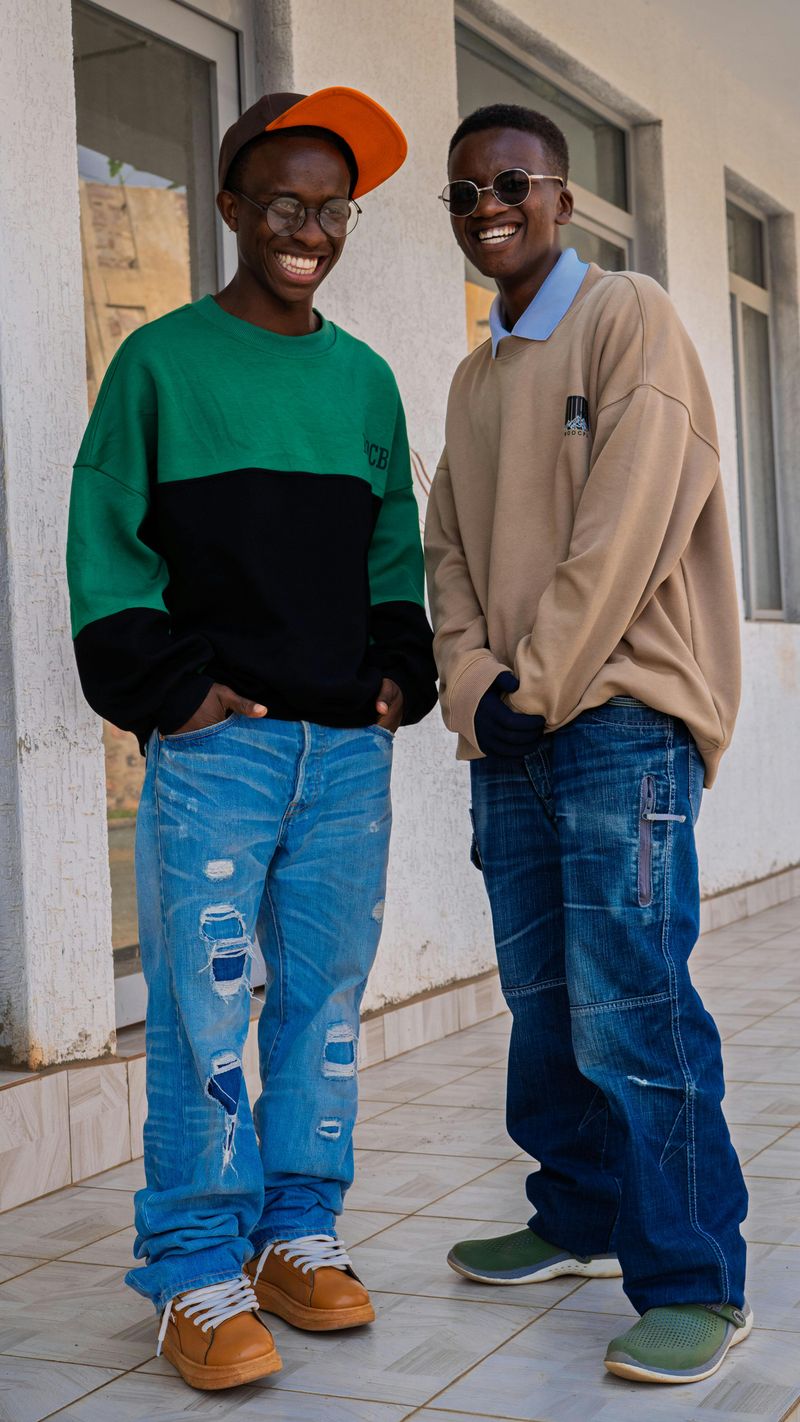
Trends spread slowly, organically, and in the most wonderfully human ways — through TV shows, music videos, magazines like Seventeen, and whatever the cool kid at school showed up wearing on Monday.
Overalls, JNCO jeans, scrunchies, Doc Martens, and frosted tips all had their moment.
And because trends moved slower, styles actually lasted long enough to feel like part of your identity rather than something disposable.
Getting dressed in the ’90s was genuinely creative.
You mixed pieces, made it your own, and learned what you liked without an influencer telling you what to buy.
Personal style actually meant something personal back then.
11. Freedom Came with Fewer Rules (and More Risk)
Parents in the ’90s weren’t hovering.
Kids wandered into the woods, built forts in empty lots, and navigated social situations without an adult stepping in to mediate.
You figured things out — sometimes the hard way, but you figured them out.
Falls, fights, bad decisions, and embarrassing moments all happened without a camera rolling or a parent nearby to intervene.
That space to fail, recover, and try again was genuinely formative in ways that are hard to fully explain.
It wasn’t always safe, and not every risk paid off.
But that level of raw, unsupervised independence gave ’90s kids a toughness and self-reliance that quietly became one of the defining traits of the generation.