 MomSkoop
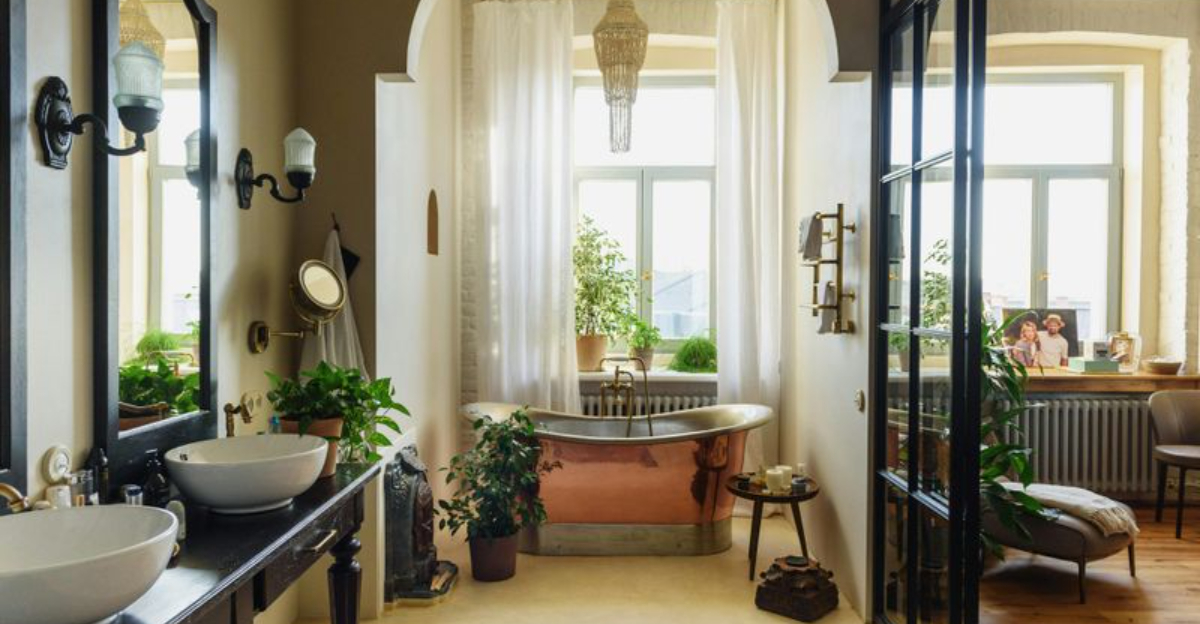
Old-school design styles have a funny way of coming back around, and honestly, that’s what makes them so special. From bold patterns to handcrafted details, vintage trends carry a warmth and character that modern design sometimes misses.
Designers today are looking back at the past to find fresh ideas that feel timeless and meaningful. Whether you’re redecorating a room or just curious about design history, these classic trends are worth knowing about.
1. Hand-painted Murals
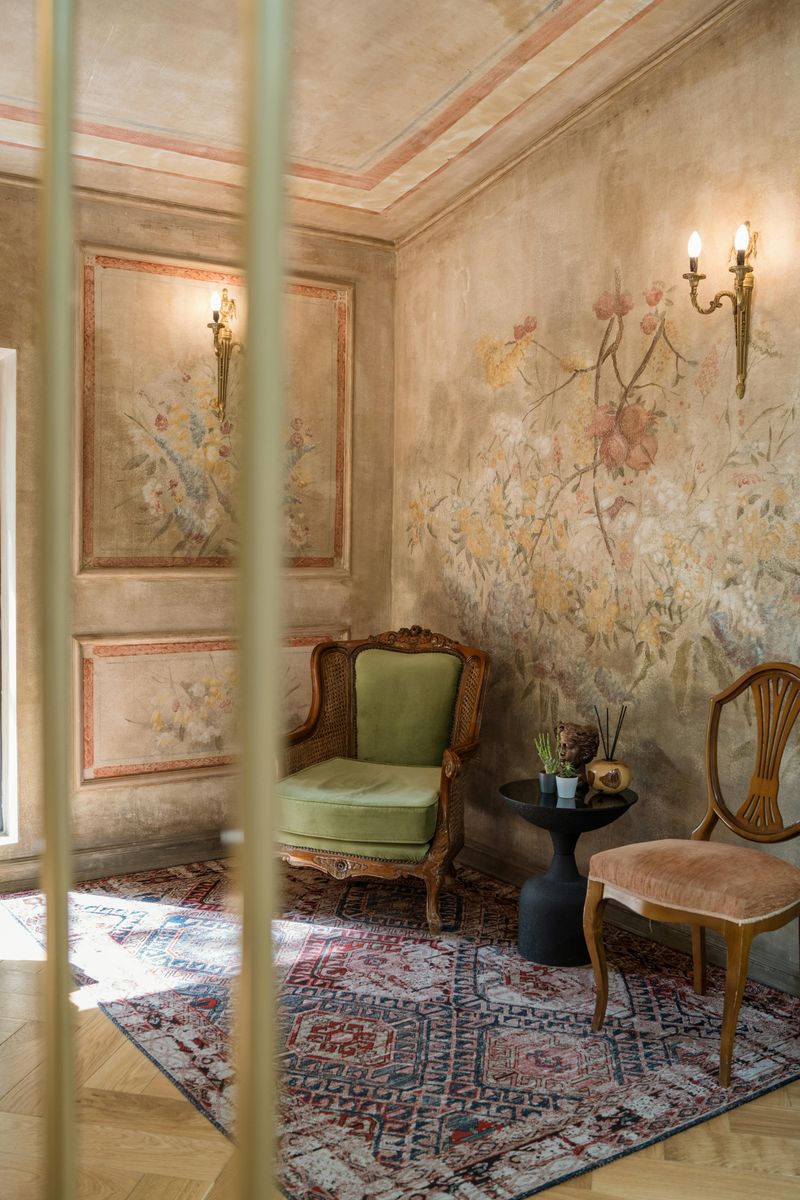
Before wallpaper rolls took over, artists painted directly onto walls to tell stories and set a mood.
Hand-painted murals were a signature of elegant homes for centuries, turning plain walls into breathtaking works of art.
Today, designers are bringing this tradition back in a big way.
From sweeping landscapes to abstract botanicals, murals add a one-of-a-kind personality to any space that no printed material can replicate.
Every brushstroke makes a room feel personal and alive.
Hiring a mural artist or even trying it yourself can transform a boring wall into the most talked-about feature in your home.
2. Brown Antique Furniture
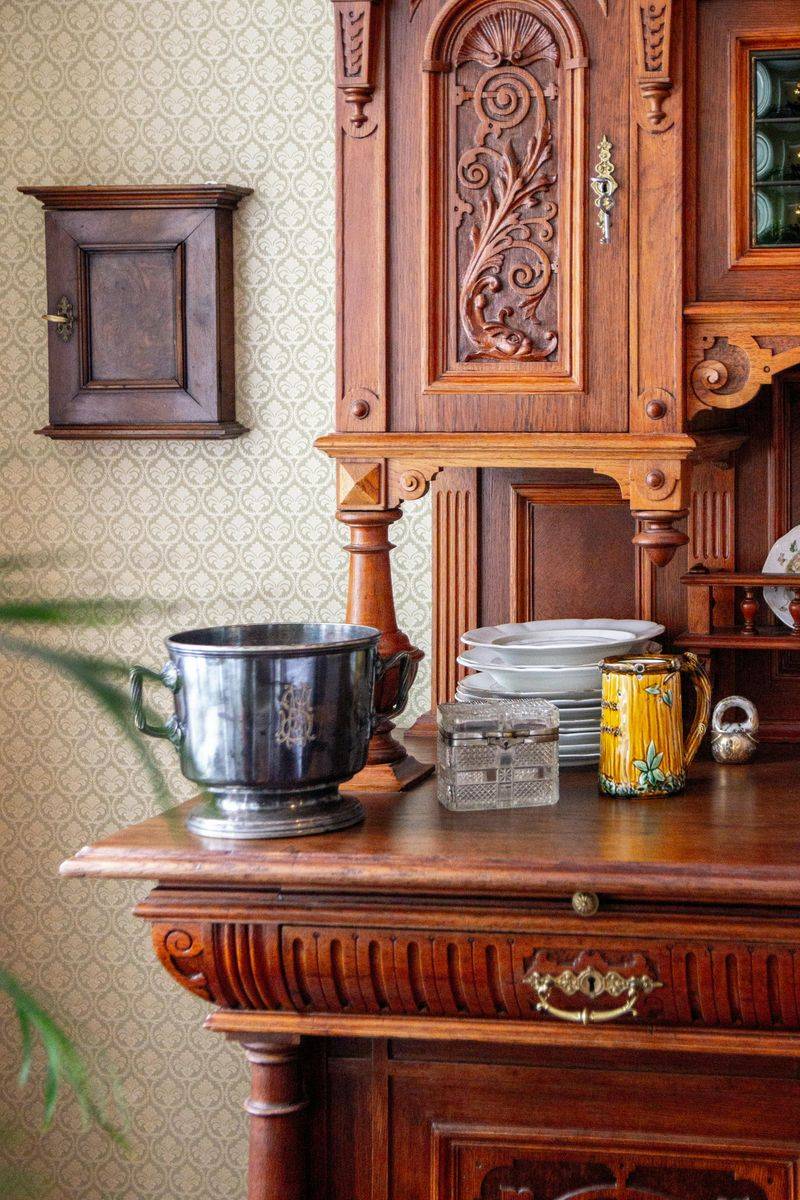
There was a time when every living room had at least one piece of dark, carved wooden furniture — and for good reason.
Brown antique pieces carry a sense of history and craftsmanship that flat-pack furniture simply cannot match.
Designers are rediscovering these heirloom-quality items as statement pieces that anchor a room with depth and character.
A single antique side table or chest of drawers can completely change the energy of a modern space.
Thrift stores, estate sales, and antique markets are treasure troves for finding these gems.
With a little polish, they look stunning in both traditional and contemporary interiors.
3. Fancy or Vintage China
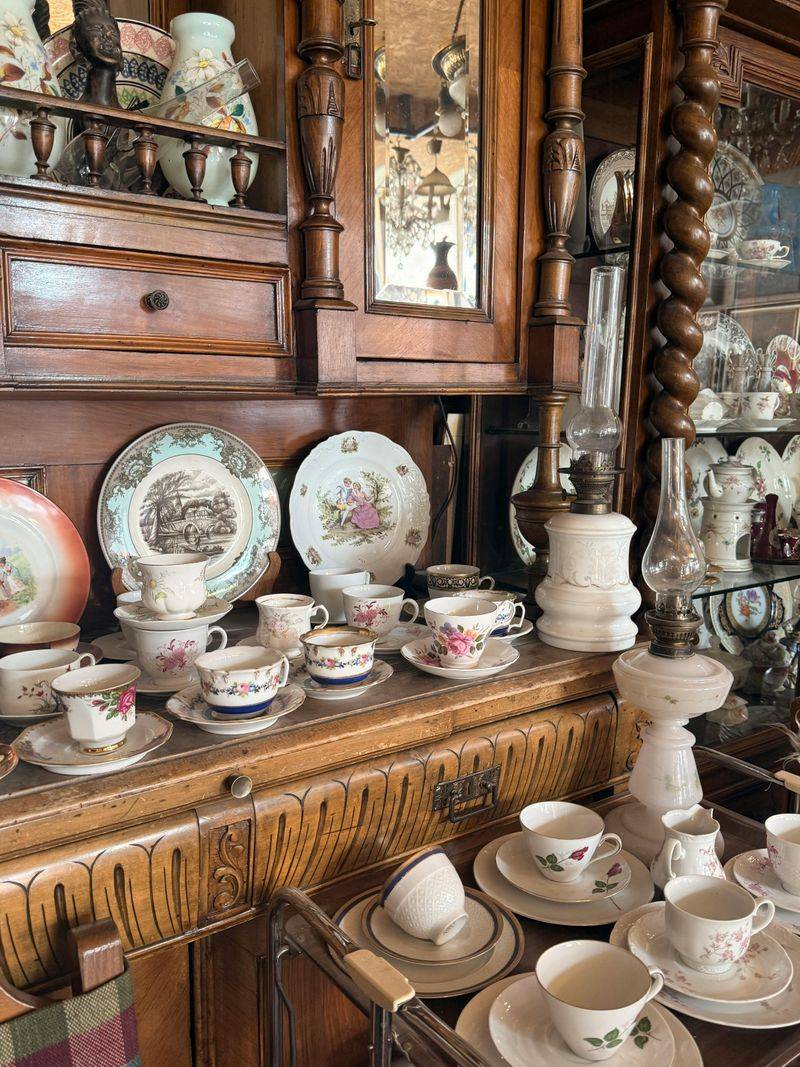
Grandma’s china cabinet was never just storage — it was a display of pride, heritage, and beauty.
Vintage china sets with delicate floral patterns and gold trim were once the crown jewel of any dining room.
Now, designers and home enthusiasts are pulling these pieces out of storage and putting them to use again.
Mixing vintage china patterns has become a popular styling trend, creating a collected, layered look that feels both elegant and relaxed.
You don’t need a formal dinner party as an excuse to use beautiful dishes.
Even displaying them on open shelves adds instant charm and a touch of old-world sophistication to your kitchen.
4. Wall-to-Wall Carpet
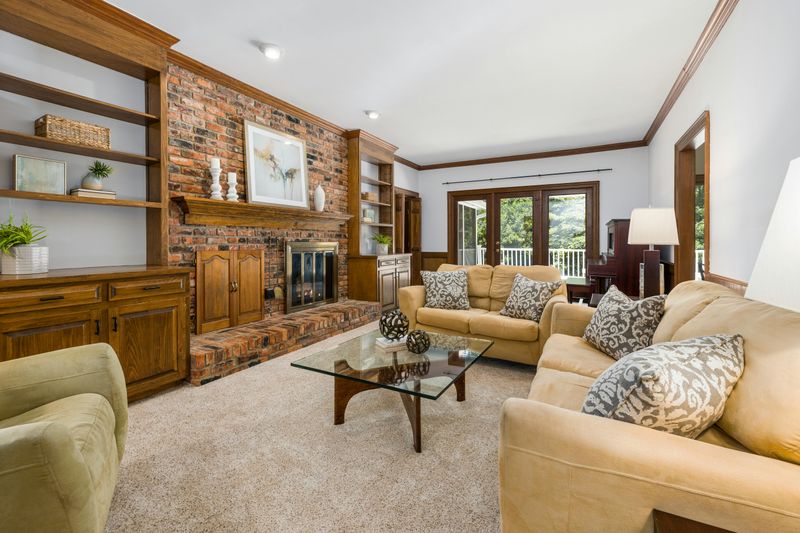
Hardwood floors may be everywhere right now, but wall-to-wall carpet was once the ultimate symbol of comfort and luxury.
Stepping onto a plush carpet on a cold morning felt like a small daily indulgence.
Designers are starting to revisit this trend, especially in bedrooms and reading nooks where warmth and softness matter most.
Choosing a bold color or a subtle texture can make carpeting feel intentional and stylish rather than outdated.
Carpet also absorbs sound, which makes rooms feel quieter and more intimate.
When chosen thoughtfully, it adds a layer of coziness that rugs alone can’t always achieve in a large open space.
5. Armoires
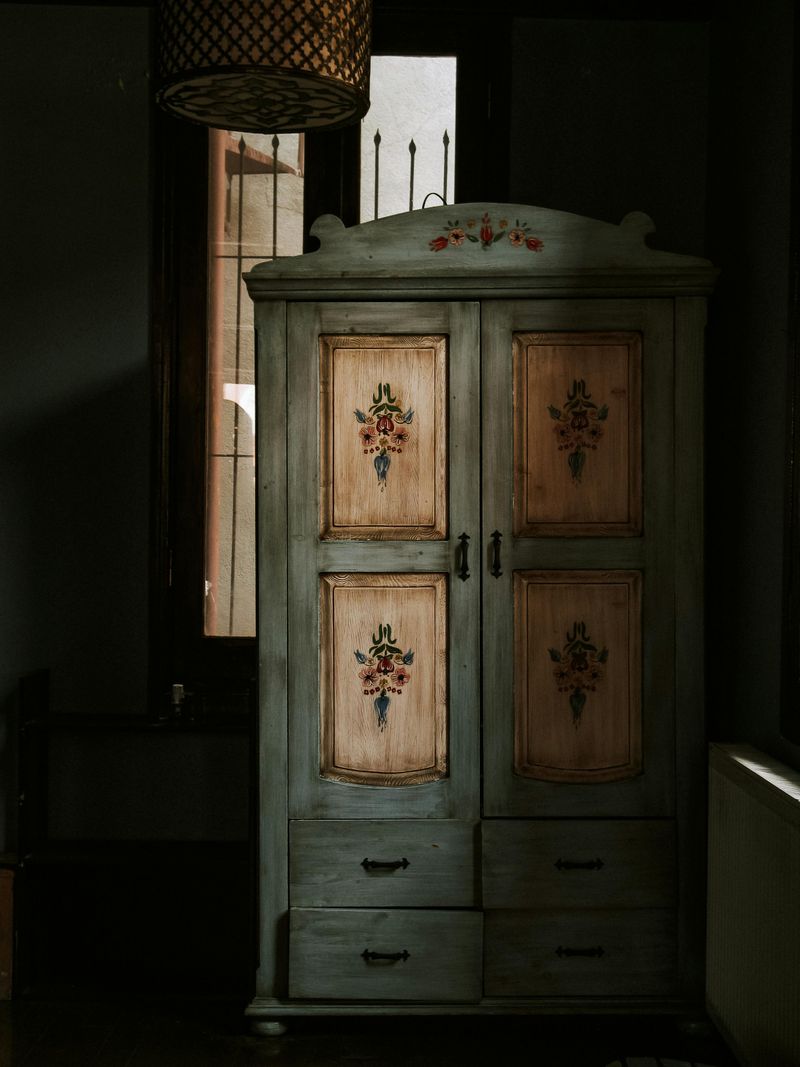
Long before built-in closets became standard, the armoire was the wardrobe solution — and a gorgeous one at that.
These tall, freestanding cabinets were crafted with incredible detail, often featuring carved panels, mirrored doors, and elegant hardware.
Armoires are making a quiet comeback in modern interiors, used not just for clothing but for storing linens, books, or even hiding a television.
Their imposing size makes them natural focal points in any bedroom or living room.
Finding a vintage armoire at an antique shop can be an exciting hunt.
A good refinish or a fresh coat of paint can modernize one without erasing its old-soul charm and structural beauty.
6. Minimalism
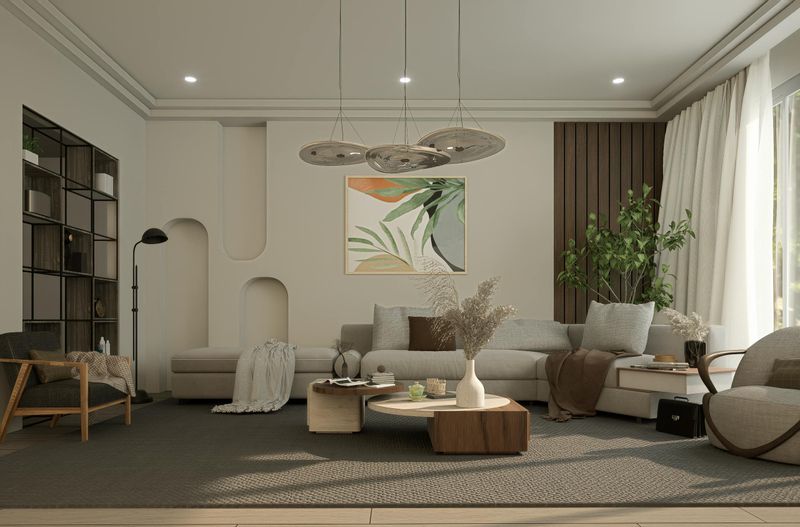
Minimalism might sound modern, but its roots stretch back to early 20th-century design movements like Bauhaus and Japanese wabi-sabi philosophy.
The idea was simple: strip everything down to what truly matters and let quality speak louder than quantity.
Designers keep returning to minimalism because it never really goes out of style.
A room with fewer, better-chosen pieces feels calm, intentional, and surprisingly luxurious compared to cluttered spaces.
Starting small is the best approach — clear a surface, remove one unnecessary item, and notice how the room breathes differently.
Minimalism isn’t about emptiness; it’s about making every single object in a space earn its place.
7. Canopy Beds
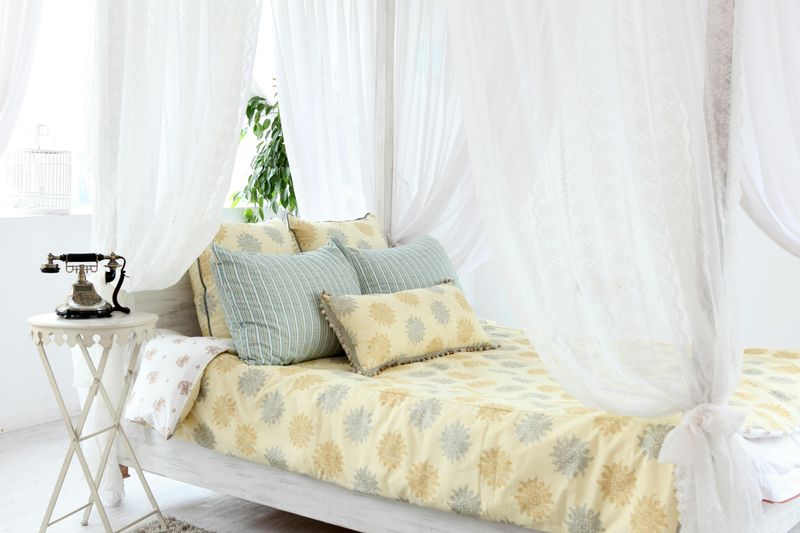
Few pieces of furniture feel as dramatic and romantic as a canopy bed.
Originally designed to keep out drafts and insects in medieval castles, these four-poster frames draped with flowing fabric became symbols of royalty and refined taste.
Modern designers love canopy beds because they instantly transform a plain bedroom into something that feels theatrical and intentional.
Even a simple metal frame with sheer curtains can create that same sense of dreamy enclosure.
You don’t need a mansion-sized room to pull it off, either.
A canopy bed in a smaller space actually makes the room feel more defined and cozy, adding vertical interest without overwhelming the floor plan.
8. Standout Molding
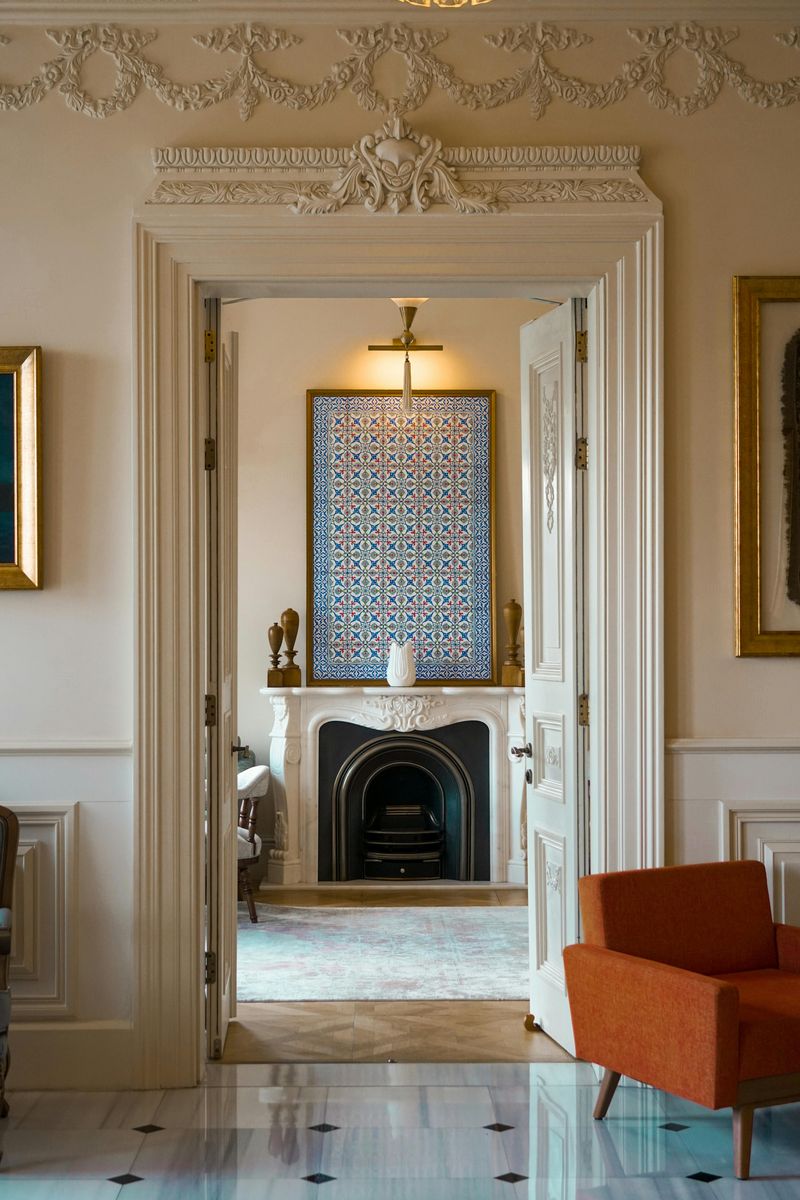
Crown molding, wainscoting, coffered ceilings — these architectural details were once considered essential in any well-designed home.
Craftsmen spent hours perfecting these decorative touches, and the results were nothing short of stunning.
Standout molding is one of those vintage details that instantly elevates a room from ordinary to polished.
Even in a modern or minimalist space, a bold crown molding or paneled wall adds a sense of structure and sophistication that paint alone cannot achieve.
Many homeowners are installing peel-and-stick or lightweight foam molding as an affordable update.
The effect is surprisingly convincing and gives any room that old-house character that so many people are actively searching for today.
9. Art Deco Style
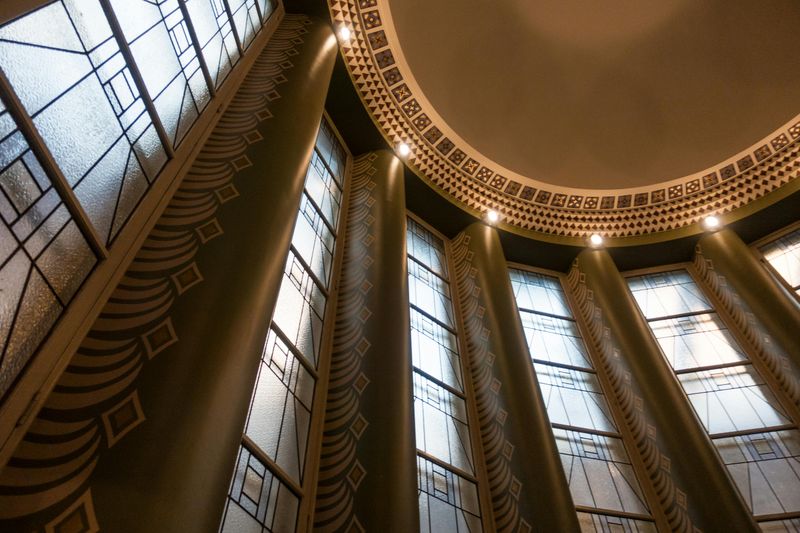
Born in the roaring 1920s, Art Deco was all about glamour, geometry, and going big.
Think bold zigzags, sunburst patterns, mirrored surfaces, and rich jewel tones that practically demanded attention the moment you walked into a room.
Designers still draw from Art Deco because it offers something rare — a style that feels simultaneously luxurious and structured.
A single Art Deco-inspired mirror or light fixture can anchor an entire room’s aesthetic without requiring a full renovation.
Mixing Art Deco elements with contemporary furniture creates a look that’s exciting and fresh.
Gold hardware, velvet upholstery, and geometric rugs are easy entry points for anyone wanting to channel that iconic 1920s energy.
10. Silver Servingware
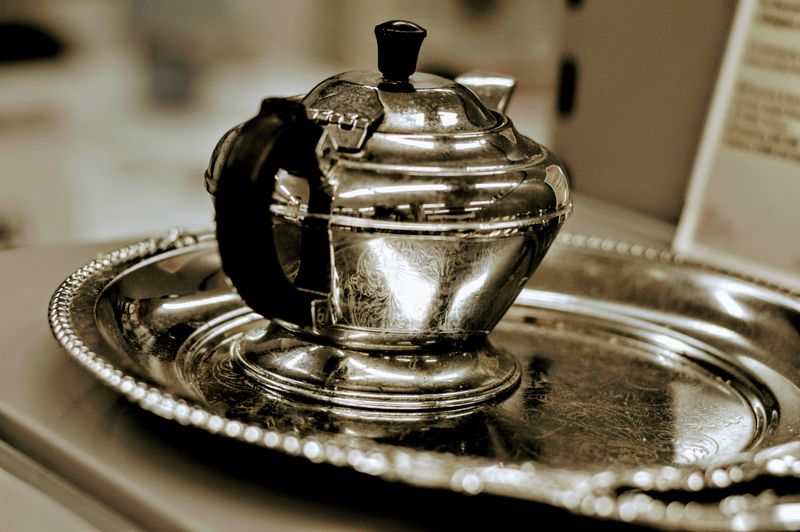
Silver servingware was once a staple at every formal dining table, gleaming under candlelight and signaling that the hosts took hospitality seriously.
Passed down through generations, these pieces carried stories along with their shine.
Designers and stylists are bringing silver back — not just for formal occasions but as everyday decor.
A polished silver tray on a console table or a vintage tea set displayed on open shelves adds an undeniable layer of elegance to any room.
Tarnished pieces shouldn’t be tossed aside; a little silver polish goes a long way.
Mixing old silver with modern elements creates a curated, collected look that feels both timeless and effortlessly chic in any home.