 MomSkoop
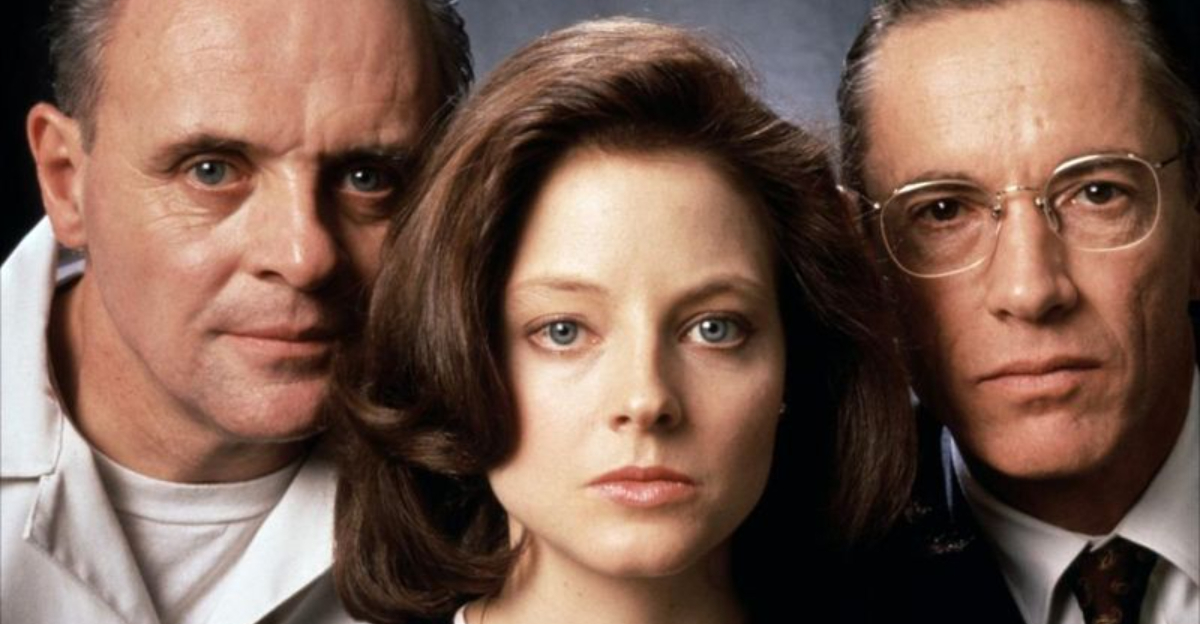
The 1990s gave us some of the most powerful, creative, and emotionally gripping movies ever made.
From jaw-dropping action to heartbreaking drama, filmmakers pushed boundaries and told stories that still resonate today.
Many of these films were bold experiments that audiences and critics weren’t sure about at first, yet they went on to become beloved classics.
If you haven’t seen these movies, you’re in for a real treat.
1. Pulp Fiction (1994)
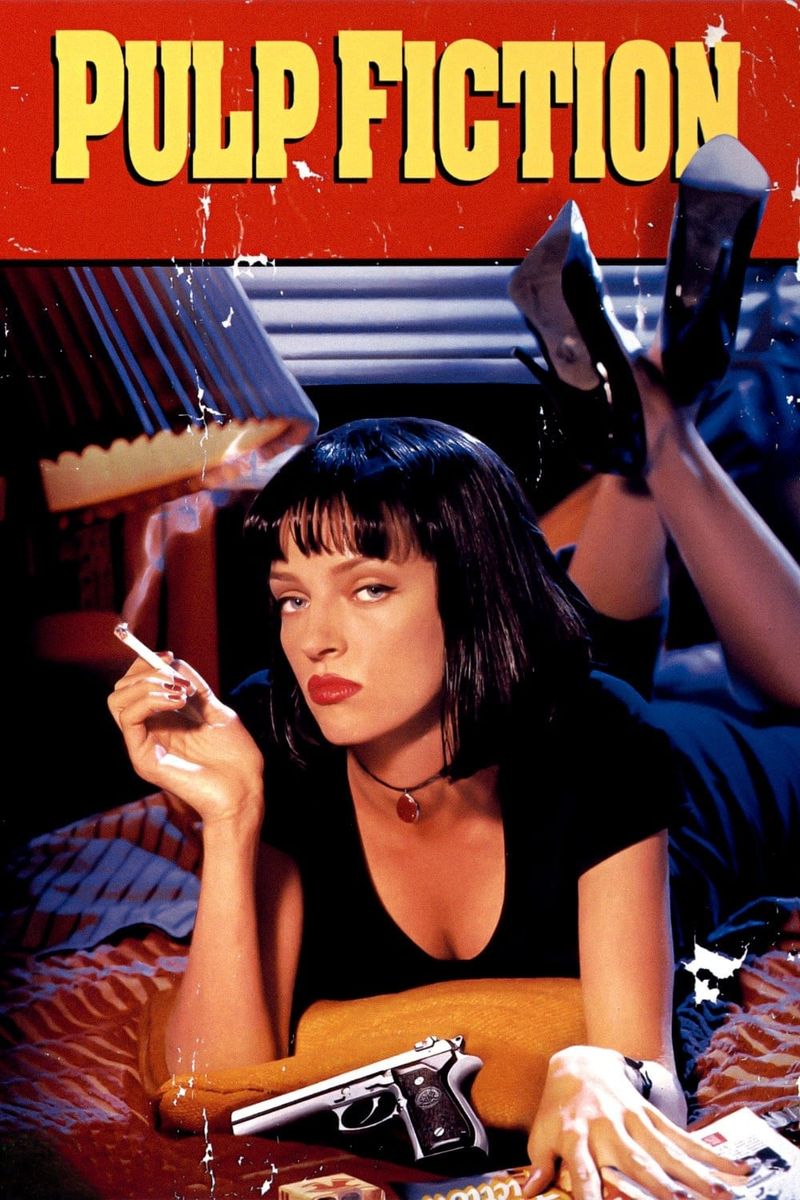
Few movies shook Hollywood quite like Pulp Fiction did when it hit theaters in 1994.
Quentin Tarantino wove together three separate crime stories in a way that felt completely new and electric.
The non-linear storytelling kept audiences on the edge of their seats, never quite sure what would happen next.
John Travolta and Samuel L. Jackson delivered performances that became instantly iconic.
The sharp, witty dialogue felt unlike anything moviegoers had heard before.
Lines from this film are still quoted at dinner tables and in classrooms decades later.
Pulp Fiction redefined what a crime movie could be.
2. The Shawshank Redemption (1994)
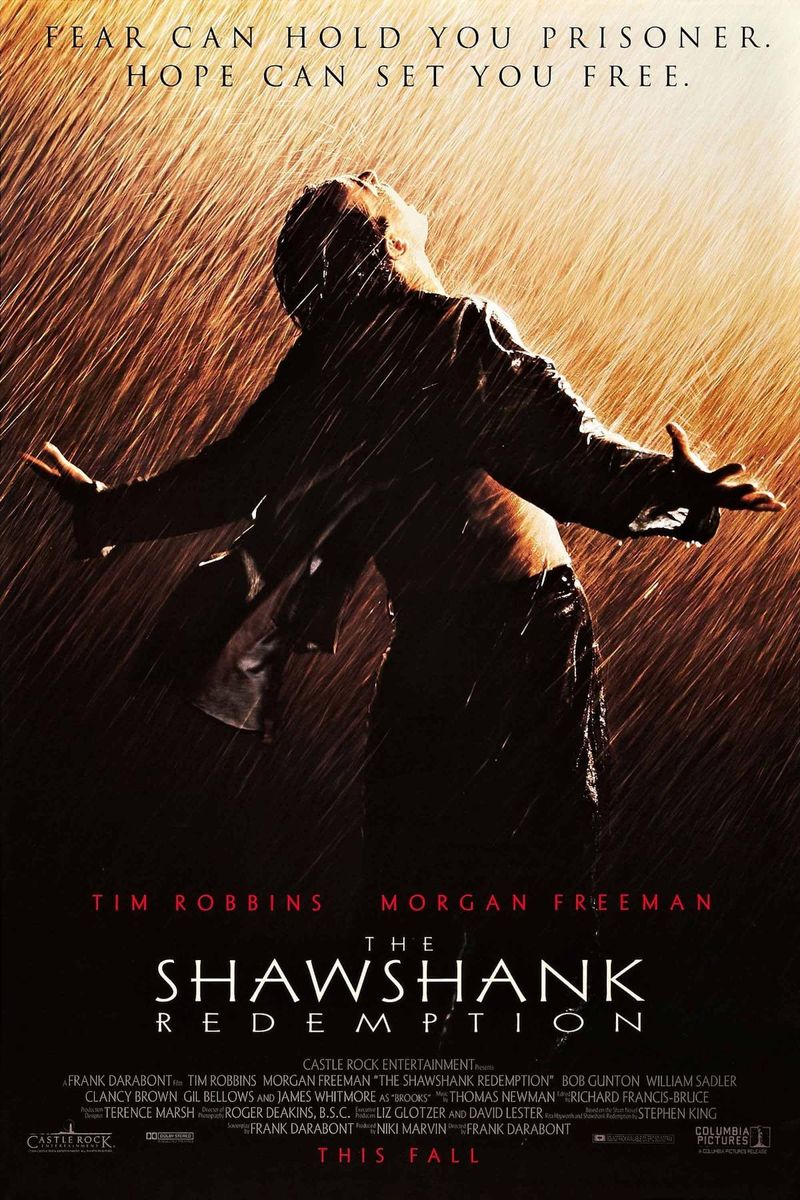
Based on a Stephen King story, The Shawshank Redemption is one of the most emotionally powerful films ever made.
Tim Robbins plays Andy Dufresne, a man wrongly convicted of murder who refuses to lose hope inside a brutal prison.
His quiet determination and friendship with Red, played by Morgan Freeman, form the beating heart of the story.
Surprisingly, the film underperformed at the box office when it first released.
Over time, it climbed to the top of nearly every greatest movies list ever published.
Hope, perseverance, and human dignity are themes that never go out of style.
3. Schindler’s List (1993)
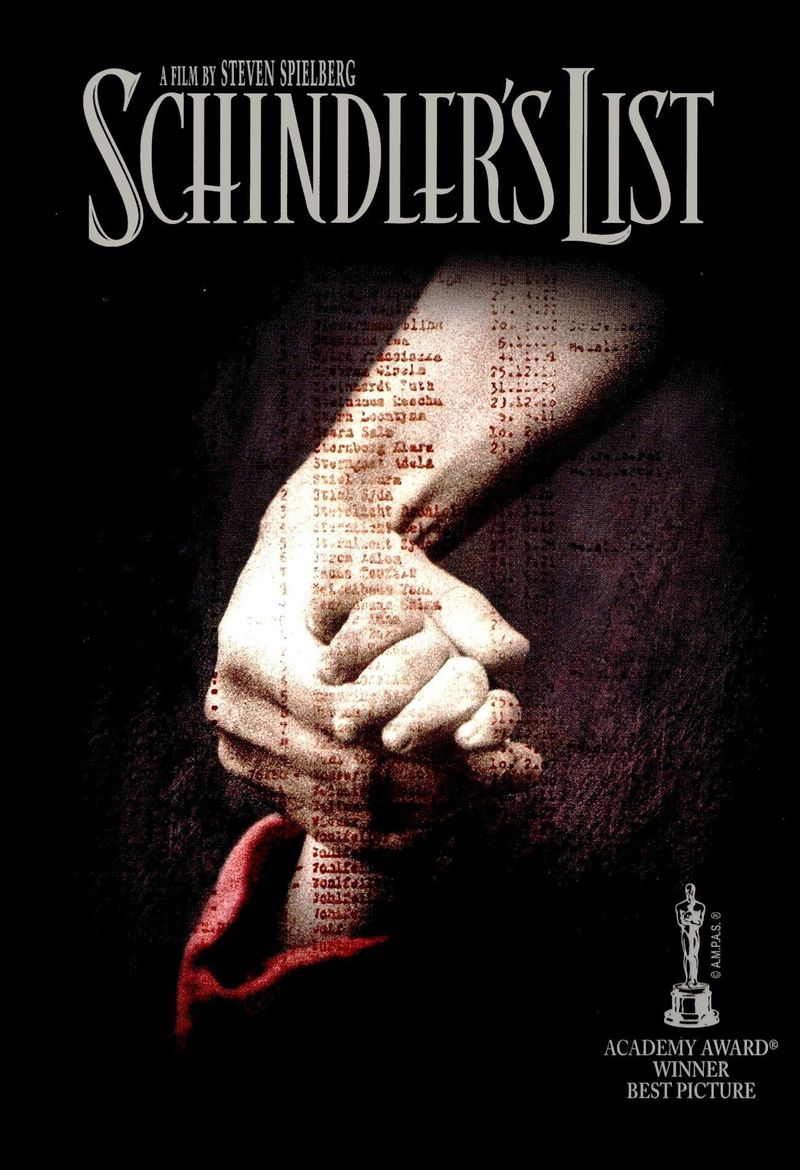
Steven Spielberg made one of cinema’s most devastating masterpieces with Schindler’s List.
Shot almost entirely in black and white, the film tells the true story of Oskar Schindler, a German businessman who saved over a thousand Jewish lives during the Holocaust.
The weight of every scene is felt deeply and genuinely.
Spielberg initially felt he wasn’t ready to make this film, but the result silenced every doubt.
Winning seven Academy Awards including Best Picture, it became a historical landmark in storytelling.
Schools around the world use it to teach about one of history’s darkest chapters with honesty and respect.
4. Goodfellas (1990)
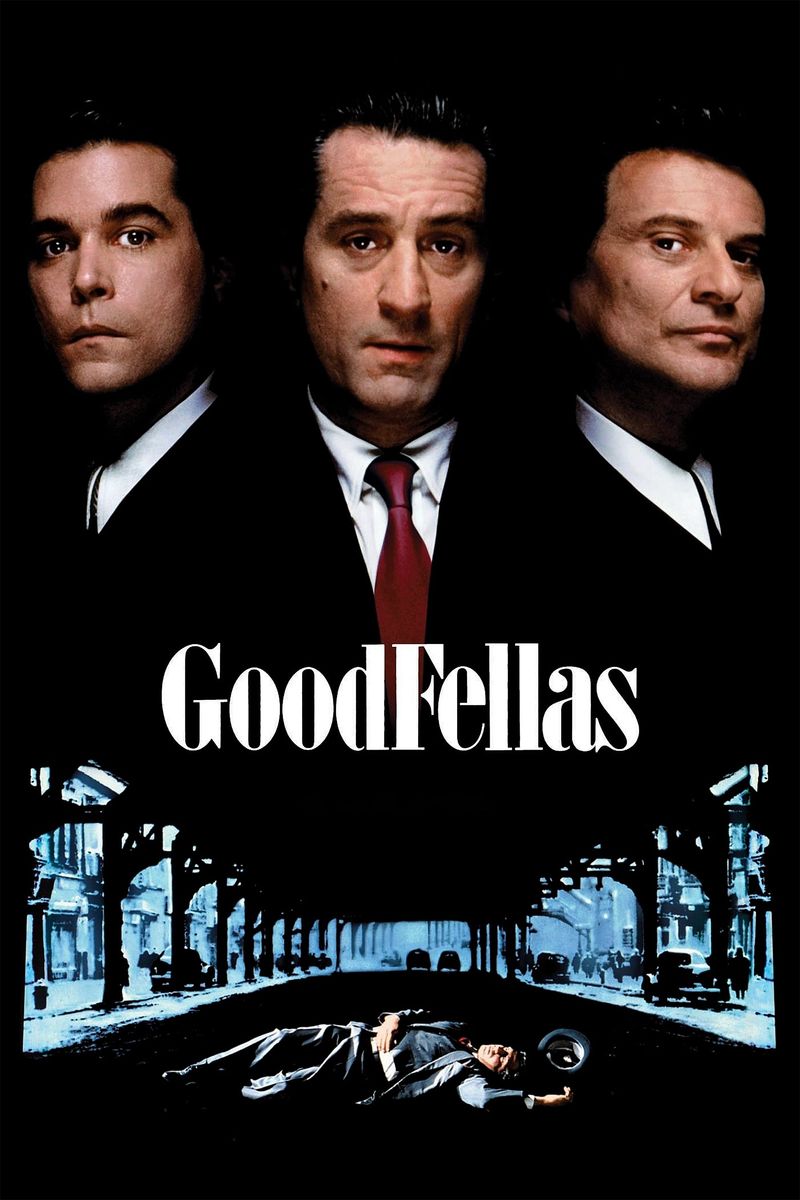
Martin Scorsese’s Goodfellas opened the decade with a bang and never slowed down.
The film follows Henry Hill’s rise and fall inside the New York mob, told with breathtaking energy and style.
Ray Liotta, Robert De Niro, and Joe Pesci delivered career-defining performances that still feel raw and electric.
The famous Copacabana tracking shot alone is studied in film schools around the world.
Goodfellas made organized crime feel thrillingly real rather than glamorized fantasy, which is what separated it from every other mob film before it.
Scorsese’s editing rhythm gave the movie a pulse all its own.
5. The Silence of the Lambs (1991)
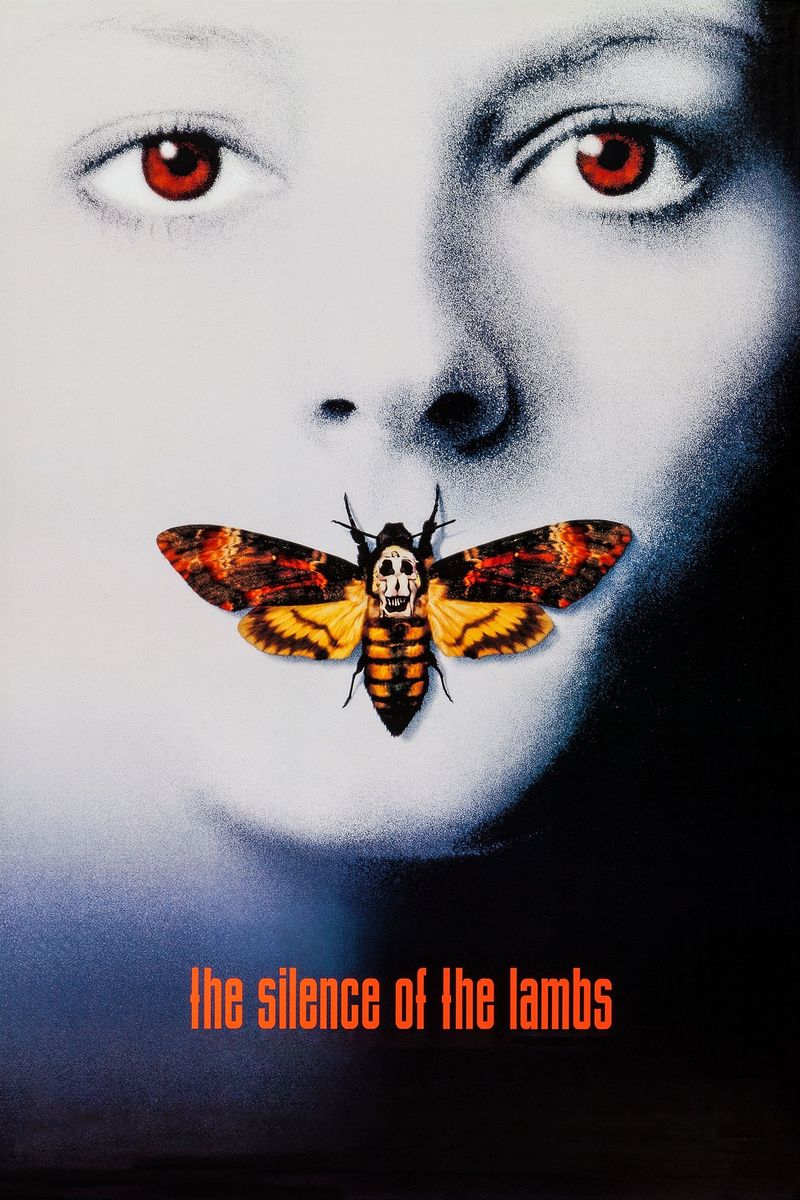
Rarely does a thriller win the Academy Award for Best Picture, but The Silence of the Lambs earned every bit of that honor.
Jodie Foster plays rookie FBI agent Clarice Starling, who must interview the brilliant and terrifying Dr. Hannibal Lecter to catch a serial killer.
Anthony Hopkins portrayed Lecter in such a chilling way that just 16 minutes of screen time made him unforgettable.
The film is a masterclass in tension-building without relying on cheap jump scares.
Director Jonathan Demme trusted the audience’s imagination, which made everything feel even more unsettling.
Smart, gripping, and deeply psychological from start to finish.
6. Forrest Gump (1994)
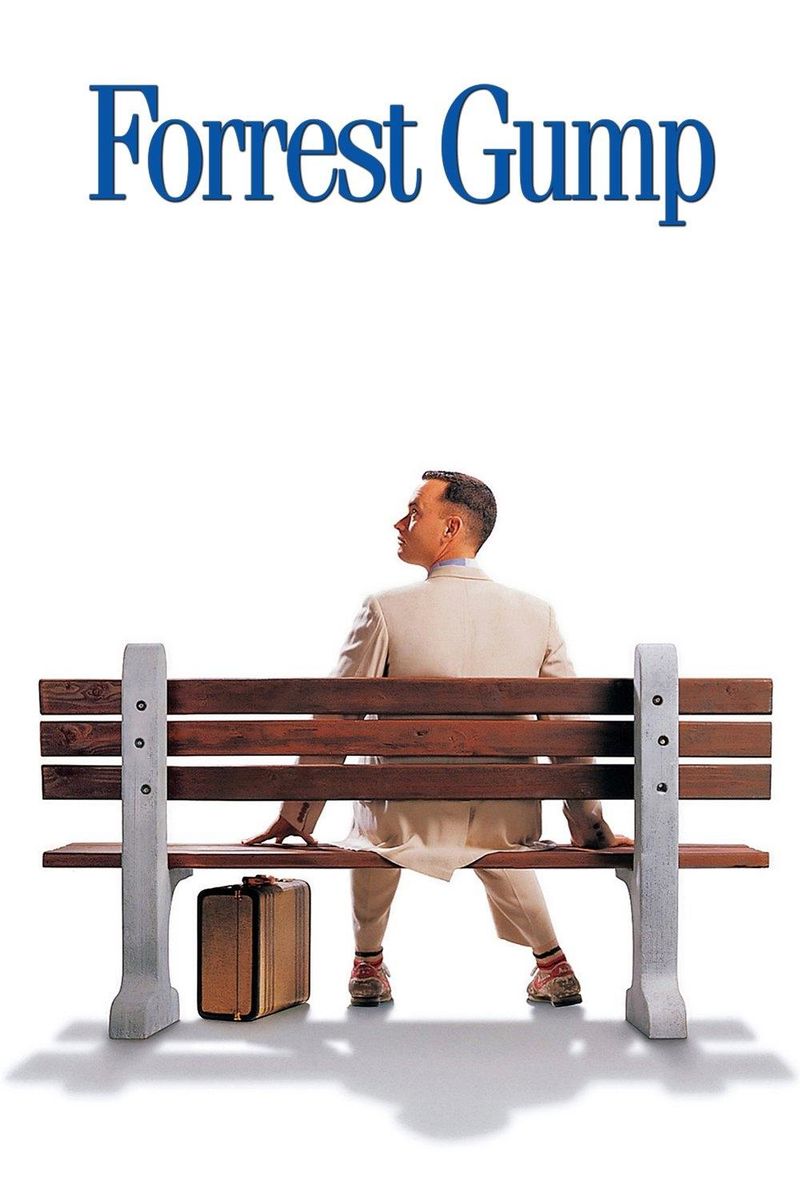
“Life is like a box of chocolates” is probably one of the most recognized movie quotes in history.
Forrest Gump tells the story of a kind-hearted man from Alabama who accidentally stumbles through some of the biggest moments in American history.
Tom Hanks brought such warmth and sincerity to the role that audiences completely fell in love.
The film works because Forrest never tries to be extraordinary; he simply does his best every single day.
That quiet message about kindness and perseverance touched millions of viewers worldwide.
Robert Zemeckis blended comedy, drama, and history in a way that felt effortlessly magical.
7. Fight Club (1999)
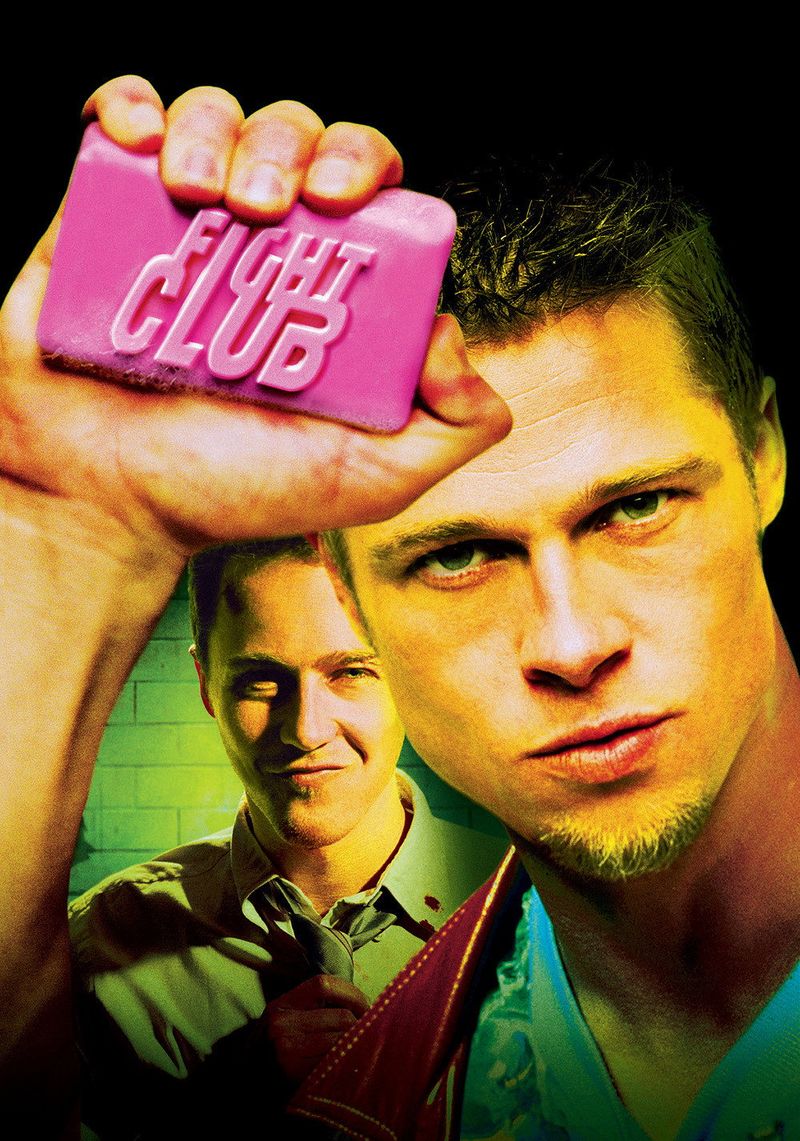
When Fight Club first hit theaters, many critics dismissed it as too violent and nihilistic.
Over time, audiences recognized it as a sharp, satirical attack on consumer culture and identity.
Brad Pitt and Edward Norton created one of cinema’s most fascinating and twisted duos, and their chemistry crackles throughout every scene.
David Fincher’s direction was relentlessly stylish without ever feeling hollow.
The film’s now-famous twist ending rewired how viewers thought about everything they had just watched.
Fight Club rewards repeat viewings because new layers keep revealing themselves.
The first rule may be not to talk about it, but everyone does anyway.
8. The Matrix (1999)
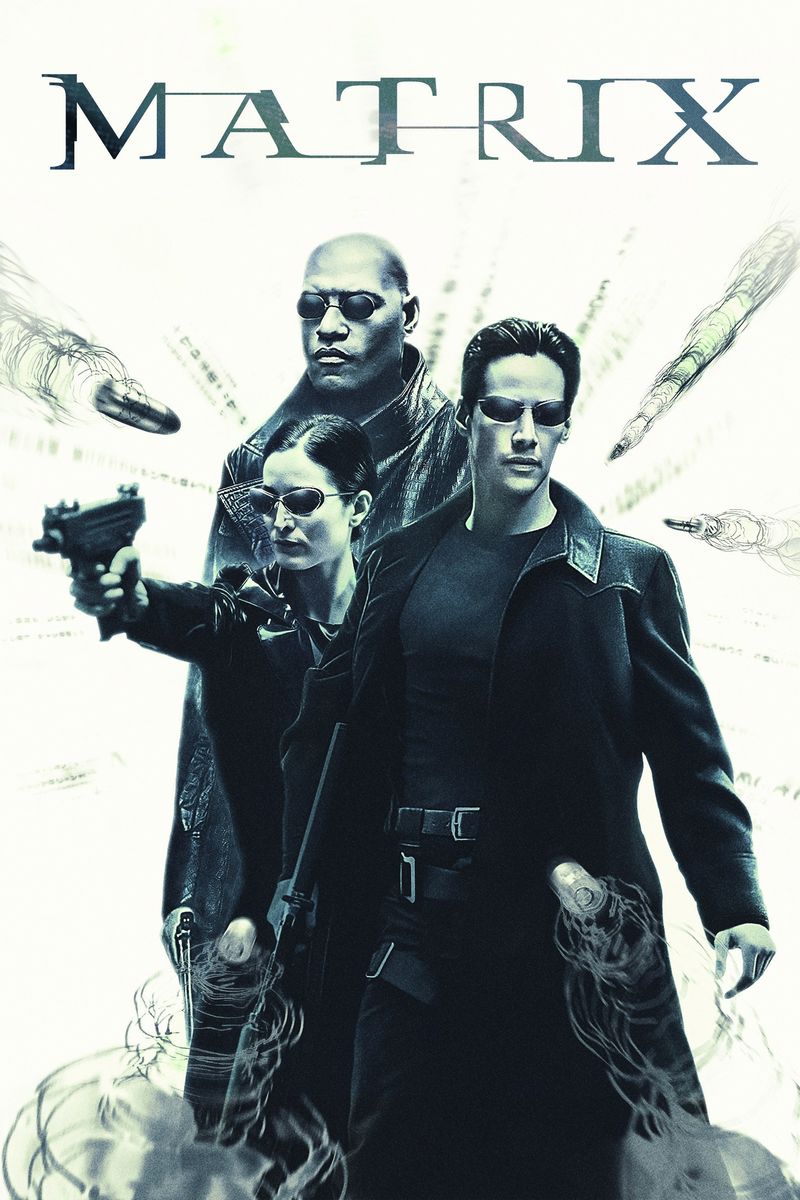
Nothing prepared audiences for The Matrix when it arrived in 1999.
The Wachowskis introduced bullet-time photography and a mind-bending sci-fi reality that felt completely unlike anything seen before on screen.
Keanu Reeves played Neo with a cool, understated style that perfectly matched the film’s futuristic tone.
Beyond the jaw-dropping action sequences, the story raised serious philosophical questions about reality, freedom, and control.
High school students and philosophy professors alike found themselves debating red pills and blue pills.
The Matrix launched a franchise, inspired countless imitations, and permanently changed the visual language of action filmmaking.
Very few films can genuinely claim that kind of lasting impact.
9. Se7en (1995)
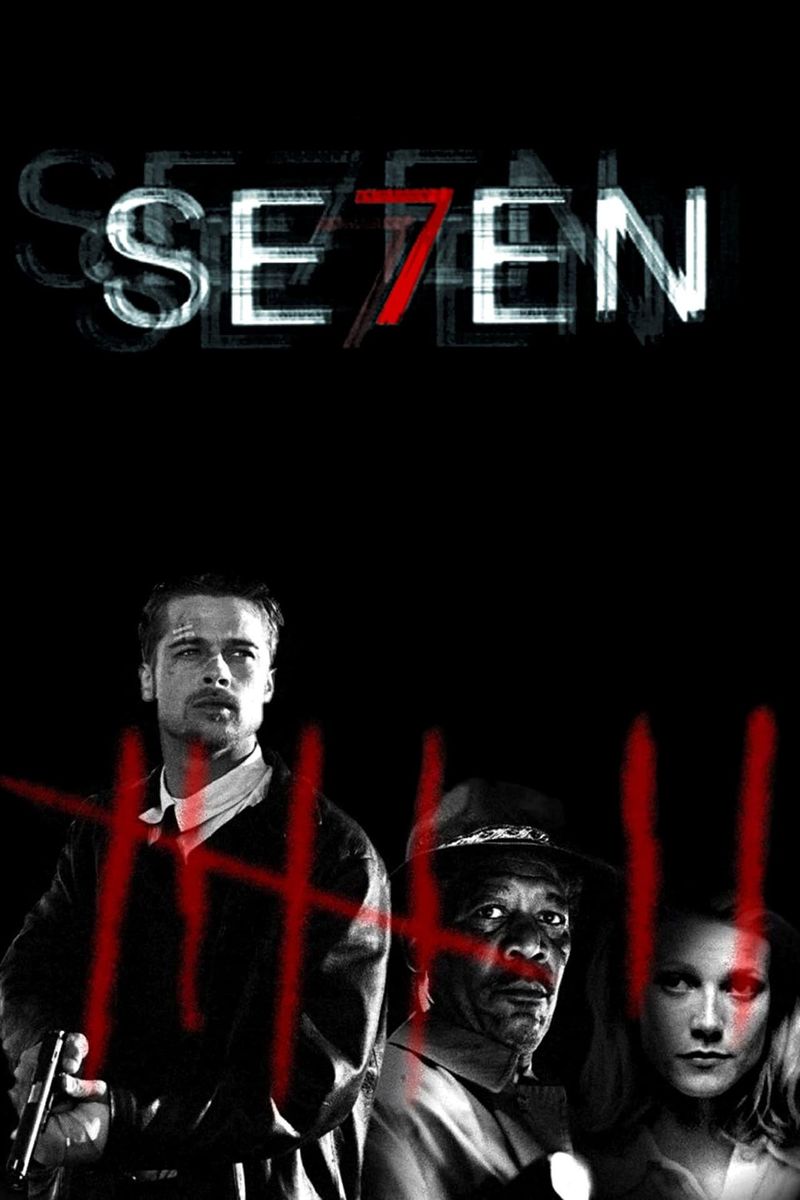
David Fincher crafted one of the darkest and most gripping crime thrillers of the entire decade with Se7en.
Brad Pitt and Morgan Freeman play two detectives hunting a serial killer who models his murders on the seven deadly sins.
The film’s relentlessly bleak atmosphere makes the story feel genuinely dangerous from the very first frame.
That ending is one of the most talked-about in cinema history, and for good reason.
Fincher refused to soften the impact, delivering something audiences had never experienced in a mainstream thriller before.
Se7en proved that dark, uncompromising storytelling could still reach a massive audience and leave a permanent mark.
10. Saving Private Ryan (1998)
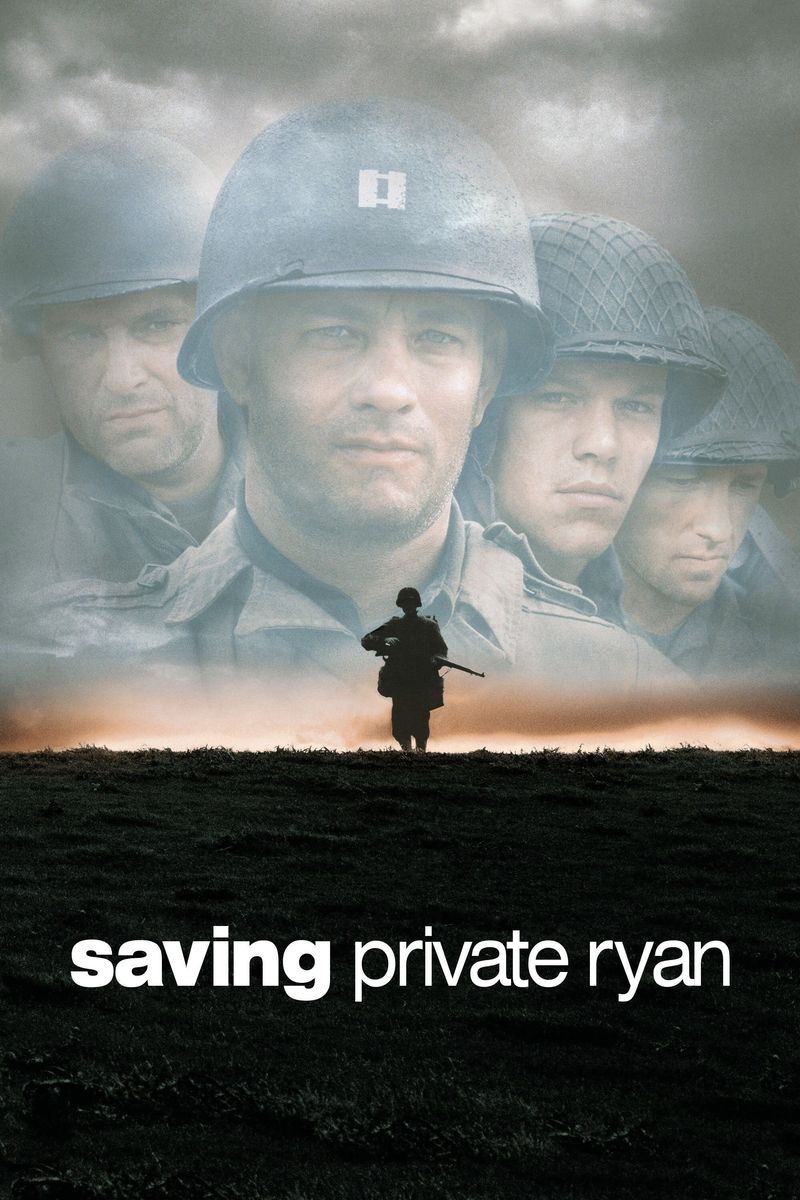
Steven Spielberg changed war movies forever with the opening 27 minutes of Saving Private Ryan.
The D-Day beach landing sequence was so realistically brutal that veterans of the actual battle reported it was the closest any film had come to capturing the experience.
Tom Hanks led an extraordinary ensemble cast with quiet, exhausted heroism.
Beyond the action, the film is deeply human, asking hard questions about sacrifice, duty, and the value of a single life.
Spielberg’s technical mastery served an emotional story about what soldiers truly endure.
Saving Private Ryan remains required viewing for understanding both the horror and the humanity of World War II.
11. Fargo (1996)
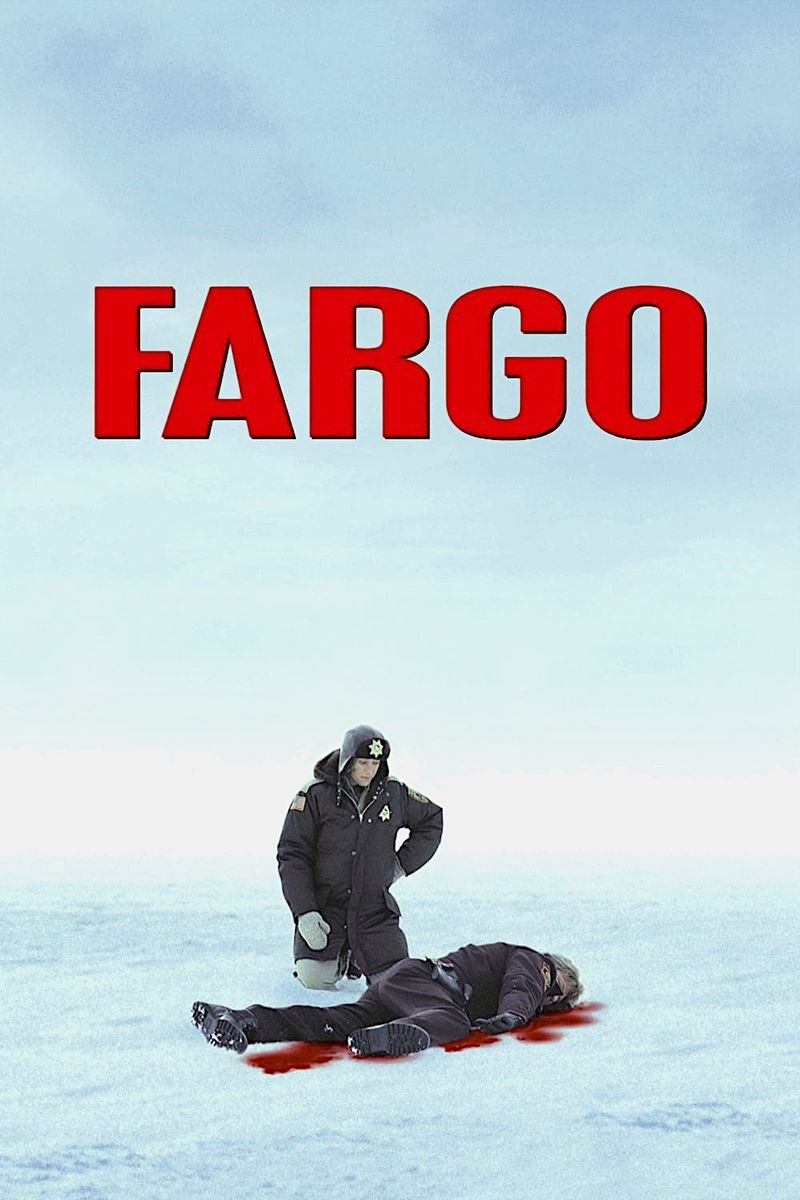
The Coen Brothers created something utterly unique with Fargo, blending dark comedy with crime thriller in the most unexpected and delightful way.
Frances McDormand’s performance as pregnant police chief Marge Gunderson is one of cinema’s all-time greatest characters.
She is warm, smart, and quietly brilliant in a story full of deeply foolish criminals.
The snowy Minnesota setting became almost a character in itself, creating a frozen, lonely world where bad decisions spiral horribly out of control.
Fargo won two Academy Awards and launched McDormand into stardom.
Its deadpan humor and genuine suspense make it endlessly rewatchable even after all these years.
12. The Big Lebowski (1998)
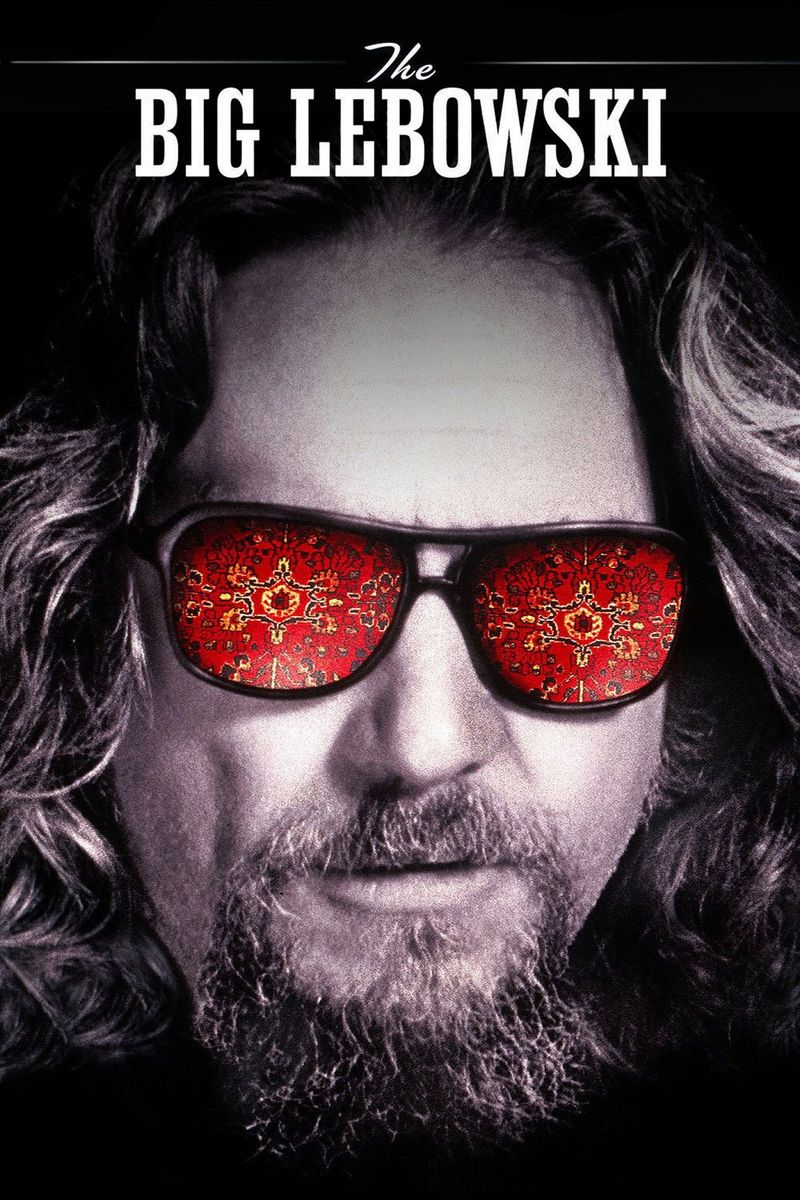
Nobody expected The Big Lebowski to become a cult phenomenon when it released in 1998.
The Coen Brothers followed up Fargo with this wonderfully shaggy, hilarious story of a mistaken identity gone completely sideways.
Jeff Bridges played “The Dude,” a laid-back bowler dragged into a ridiculous kidnapping scheme, with absolute effortless charm.
The film flopped initially but found its devoted audience through home video and late-night screenings.
Today, annual Lebowski Fest events celebrate The Dude’s philosophy of just rolling with life.
Few movies have inspired such genuine affection and devotion from fans.
The Dude abides, and so does this brilliant, bizarre comedy.
13. Jurassic Park (1993)
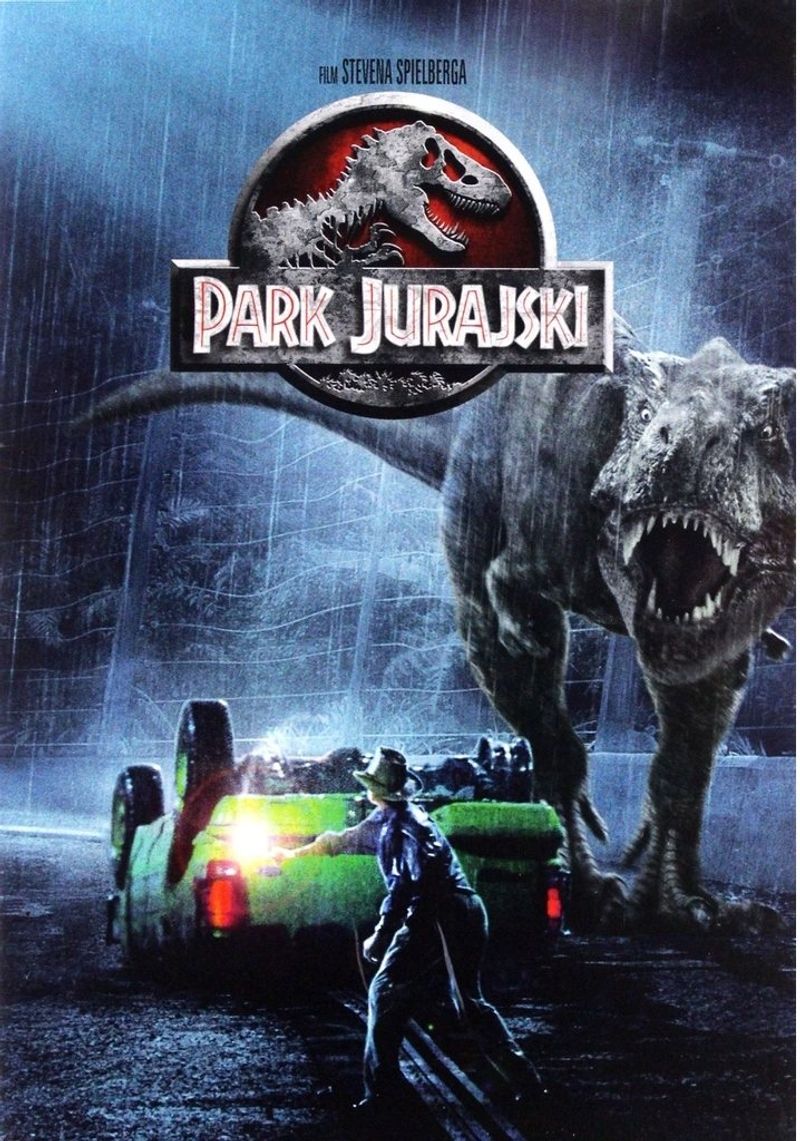
Steven Spielberg made dinosaurs terrifyingly real in 1993, and audiences lost their minds in the best possible way.
Jurassic Park combined cutting-edge CGI with practical animatronics to create creatures that genuinely felt alive on screen.
That moment when Dr. Grant first sees the Brachiosaurus grazing remains one of cinema’s most purely joyful scenes.
Beyond the spectacle, the film raised smart questions about scientific responsibility and playing God with nature.
Michael Crichton’s story gave Spielberg the perfect mix of wonder and danger to work with.
Jurassic Park launched one of cinema’s most successful franchises and still holds up beautifully over thirty years later.
14. Toy Story (1995)
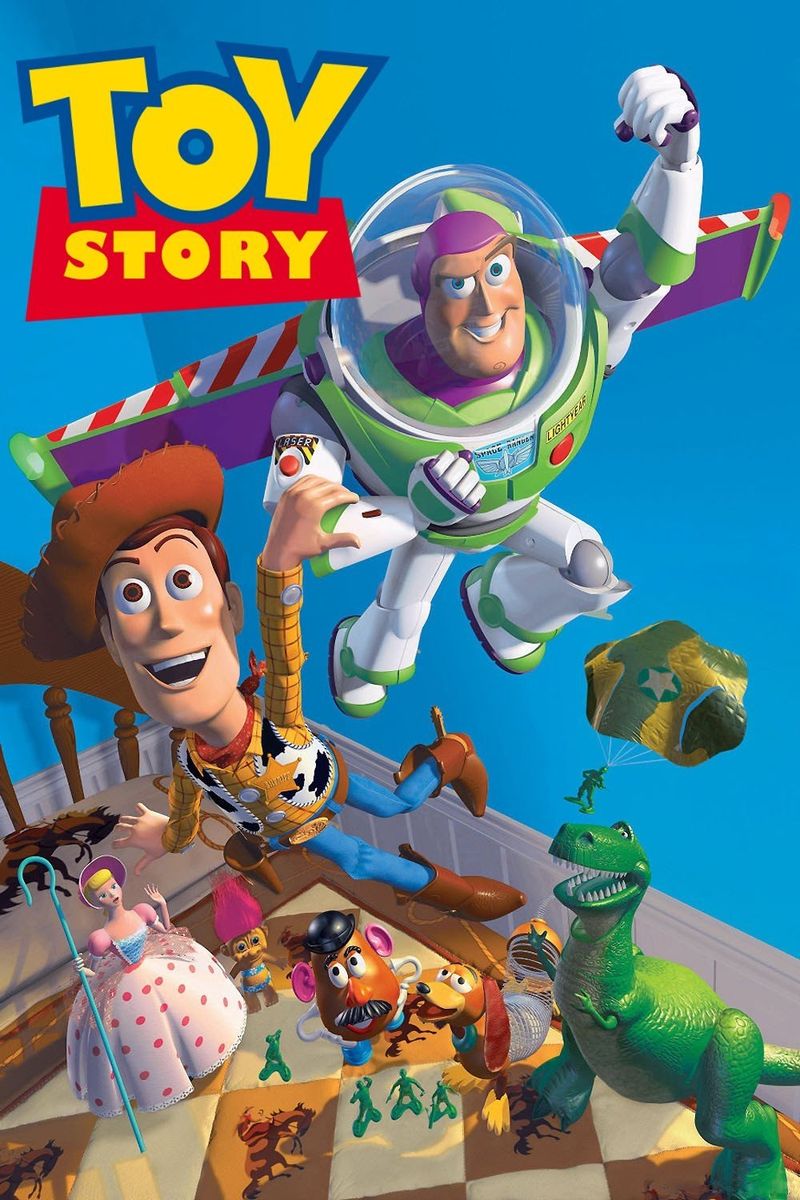
Pixar changed animation history forever with Toy Story, the world’s first fully computer-animated feature film.
The idea that toys come to life when humans aren’t watching was simple, brilliant, and instantly magical.
Woody and Buzz Lightyear became two of the most beloved characters in family film history almost overnight.
What made Toy Story special wasn’t just the groundbreaking technology but the genuine emotional depth of the story.
Adults cried just as much as children did.
The film explored friendship, jealousy, and belonging in ways that felt completely honest.
Pixar proved that animation wasn’t just for kids, and family filmmaking was never the same again.
15. Heat (1995)
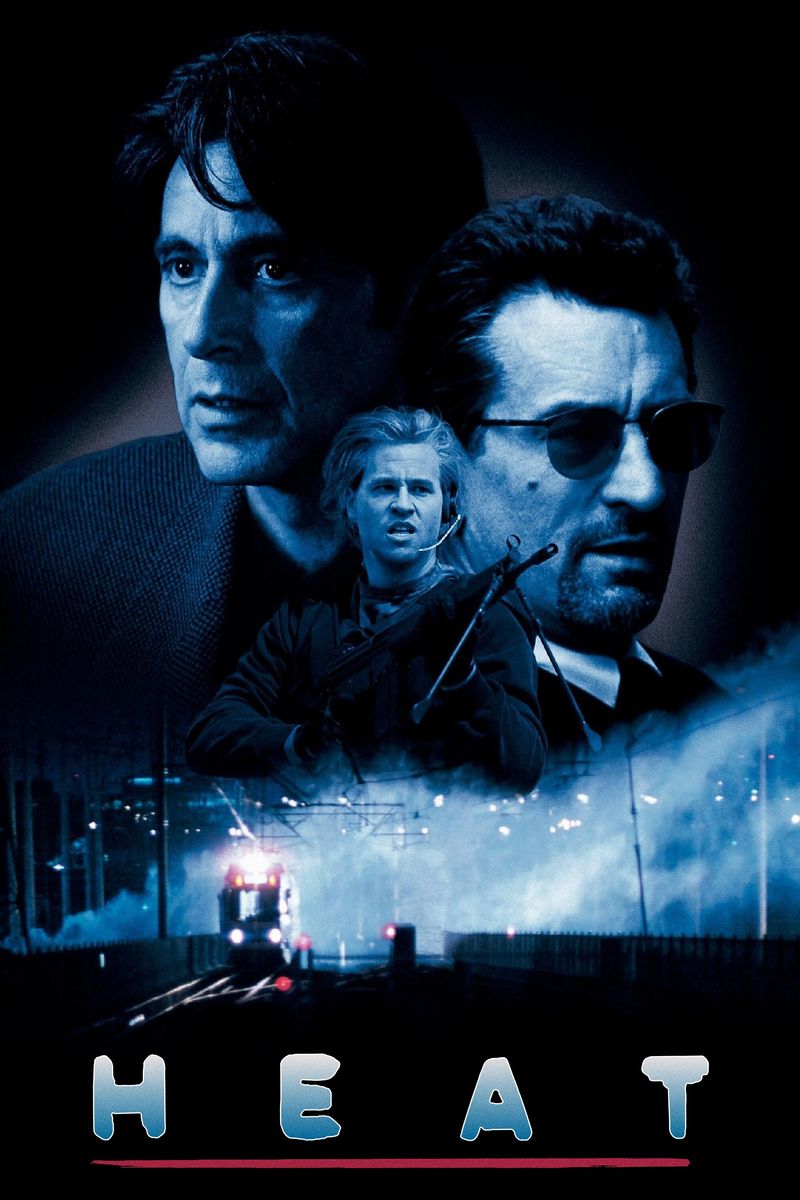
Heat brought together Al Pacino and Robert De Niro on screen for the very first time, and the result was pure cinematic electricity.
Michael Mann’s crime epic follows a seasoned detective and a professional thief locked in an intense cat-and-mouse pursuit across Los Angeles.
Their famous diner scene, though only a few minutes long, is one of the most anticipated face-offs in film history.
Mann shot the film with a documentary-like precision that made every heist and shootout feel brutally authentic.
The downtown bank robbery sequence set a new standard for action filmmaking.
Heat rewards patient viewers with a rich, layered story about obsession, professionalism, and sacrifice.