 MomSkoop

Growing out a bob can feel like a frustrating in-between phase where nothing looks quite right.
But here’s the secret most people miss: the awkward stage doesn’t have to look awkward at all.
With a few smart styling moves, your transitioning hair can actually look like a totally intentional, polished style.
These seven tricks will help you own every inch of that growth.
1. Shift the Silhouette, Not the Length

Forget obsessing over how many inches you’ve gained — the real magic is in how your hair sits.
Play with volume placement to completely change how your cut reads.
Sleek, flat roots with fullness at the ends create a lob-like silhouette that looks styled on purpose.
Try soft bends through the mid-lengths using a large barrel iron or even braiding damp hair overnight.
This reshapes the overall outline without touching the length.
Suddenly, that in-between cut stops looking grown out and starts looking like a deliberate, fashion-forward style you planned all along.
2. Commit to a Signature Part

Your part is more powerful than you think.
A deep side part, a sharp zig-zag, or an ultra-clean middle part can completely reframe your face and make your whole look feel intentional.
It’s one of the easiest zero-cost upgrades you can make.
Pick one parting style and stick with it consistently so it becomes your signature.
When people see the same deliberate part every day, they read your hair as a styled choice — not a grow-out in progress.
A rattail comb and a little pomade are all you need to lock this trick in.
3. Refine the Ends Without Chasing a Trim
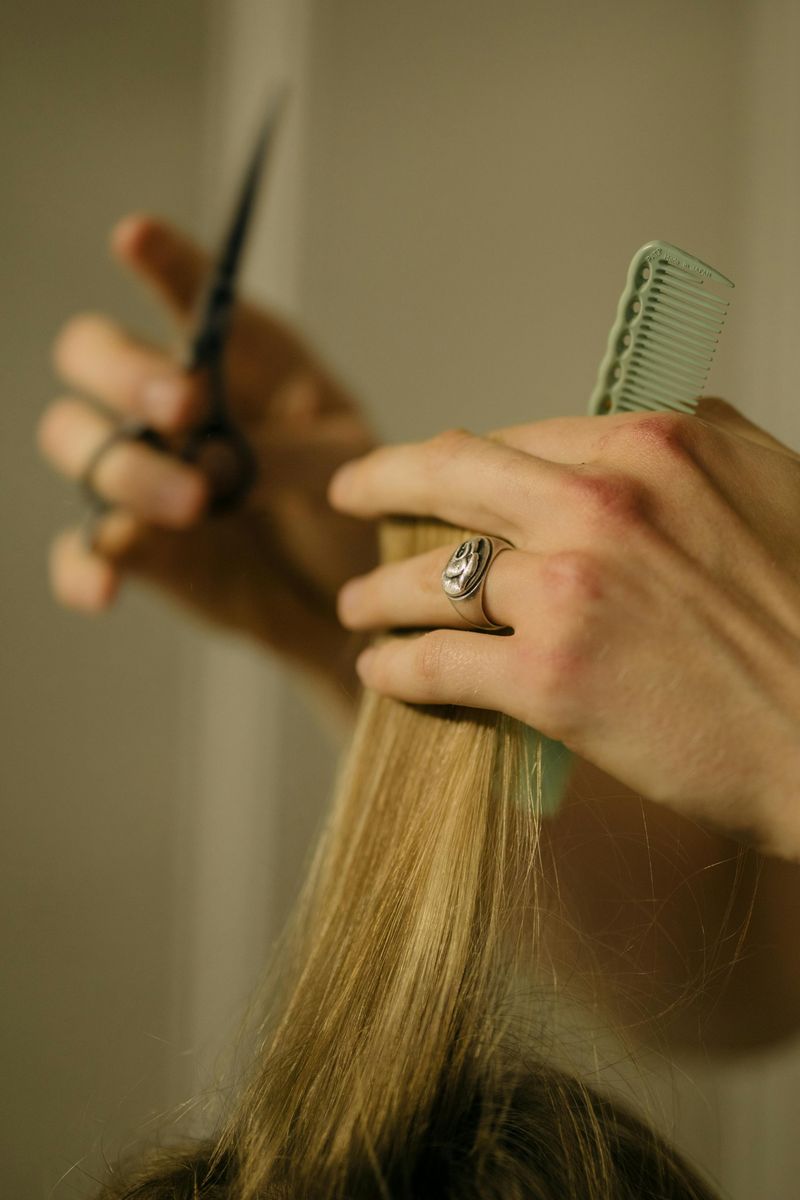
Here’s something a lot of people get wrong: running to the salon for a full trim every few weeks actually slows your progress.
Instead, ask your stylist for micro-dusting — a technique that removes only the thinnest sliver of damaged ends without stealing any real length.
Internal texturizing is another great option.
It removes bulk and weight from inside the hair so the ends look polished and intentional rather than scraggly.
Your hair keeps growing, your ends stay clean, and nobody can tell you’re in a transitional phase.
It’s a win on every level.
4. Introduce a Subtle Face Frame

Face-framing pieces are basically a cheat code for the grow-out phase.
A few soft layers or cheekbone-length strands around your face add movement and shape that makes the whole cut look like it was designed that way — because now, it kind of was.
The trick is keeping them subtle.
You’re not going for dramatic curtain bangs or heavy layers that break up your length goals.
Think wispy, grown-in, barely-there framing that catches light and flatters your features.
This small addition draws attention to your face and away from any unevenness happening further down your lengths.
5. Use Texture as Your Identity
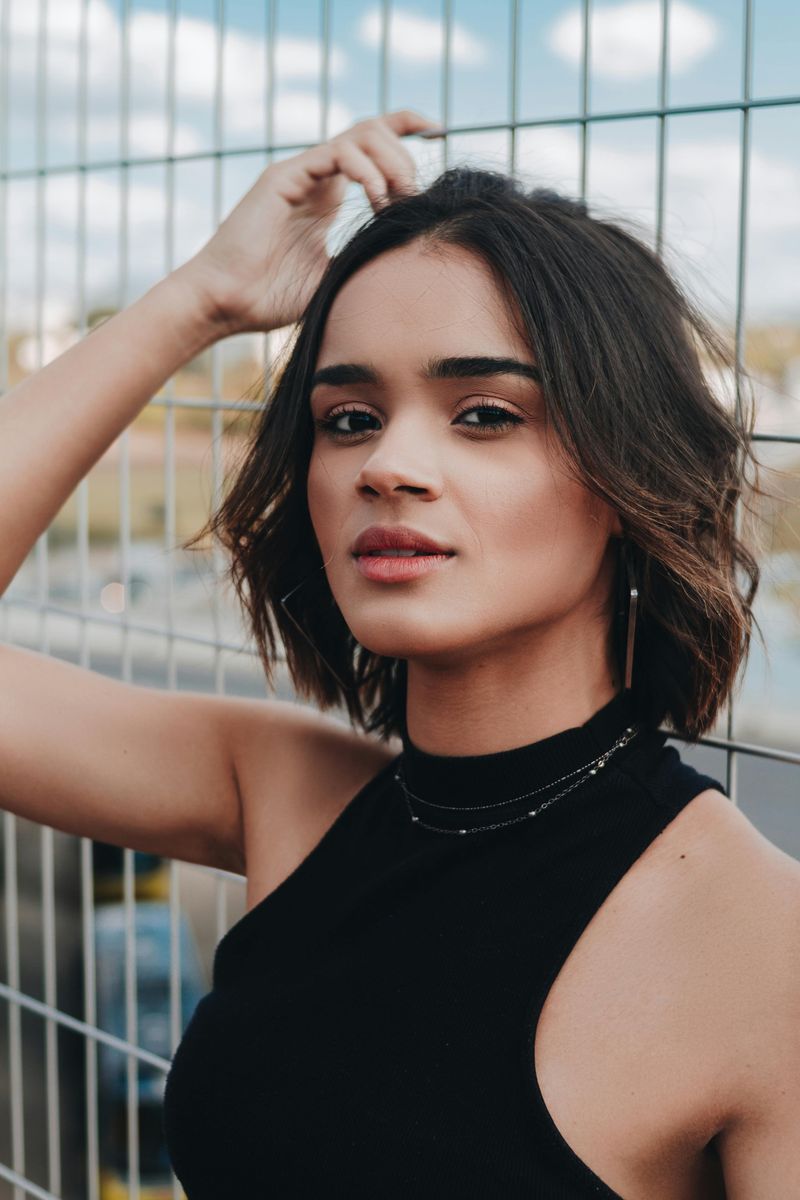
One of the smartest moves during a grow-out?
Pick a texture and own it like it’s your whole personality.
Whether that’s glassy straight, effortless soft waves, or air-dried natural texture, committing to one look makes your hair read as styled — not somewhere in between styles.
Rotating randomly between textures is what makes hair look transitional and uncertain.
But when you show up with the same gorgeous waves every single day, people assume that’s just your look.
And honestly?
It is now.
Mousse, a diffuser, or a flat iron — whatever gets you there, use it consistently.
6. Upgrade Your Color Dimension

Color is the ultimate distraction — in the best possible way.
When your hair has depth, dimension, and movement through the color, nobody is studying whether your lengths are perfectly even.
A gloss treatment, soft tonal balayage, or a root smudge can transform your entire look without a single haircut.
These techniques are also wonderfully low-maintenance, which matters when you’re in a growth phase and trying to minimize salon visits.
Root smudges, especially, blur the grow-out line naturally so regrowth blends rather than contrasts.
Think of color as your secret weapon for making every phase of your hair journey look intentional.
7. Accessorize With Intention, Not Convenience
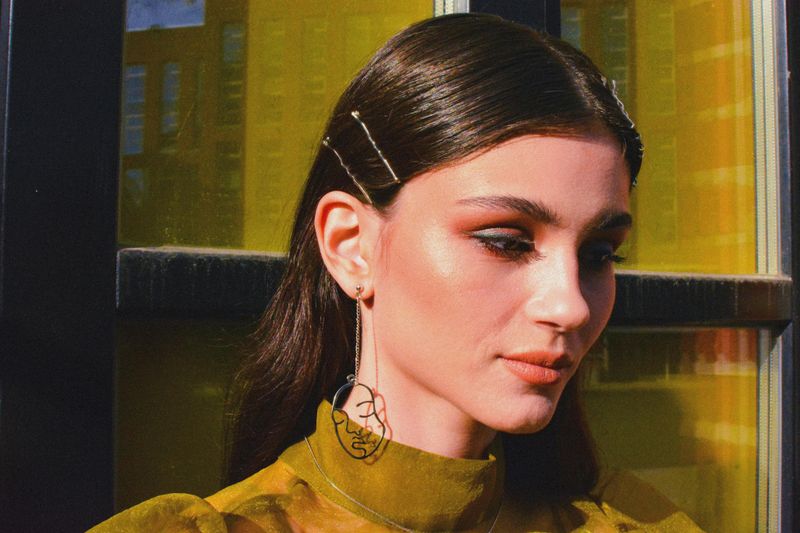
There’s a big difference between grabbing a clip because your hair is driving you crazy and actually styling your hair with an accessory.
The first looks like you gave up.
The second looks like you got dressed with purpose — and that distinction is everything during a grow-out.
Claw clips placed at the nape or side, minimalist pins tucked behind one ear, or a sleek headband positioned just right can define your silhouette and elevate the whole phase.
Treat accessories like jewelry, not just tools.
When they’re chosen thoughtfully, they make your transitioning bob look like a full, finished hairstyle.