 MomSkoop
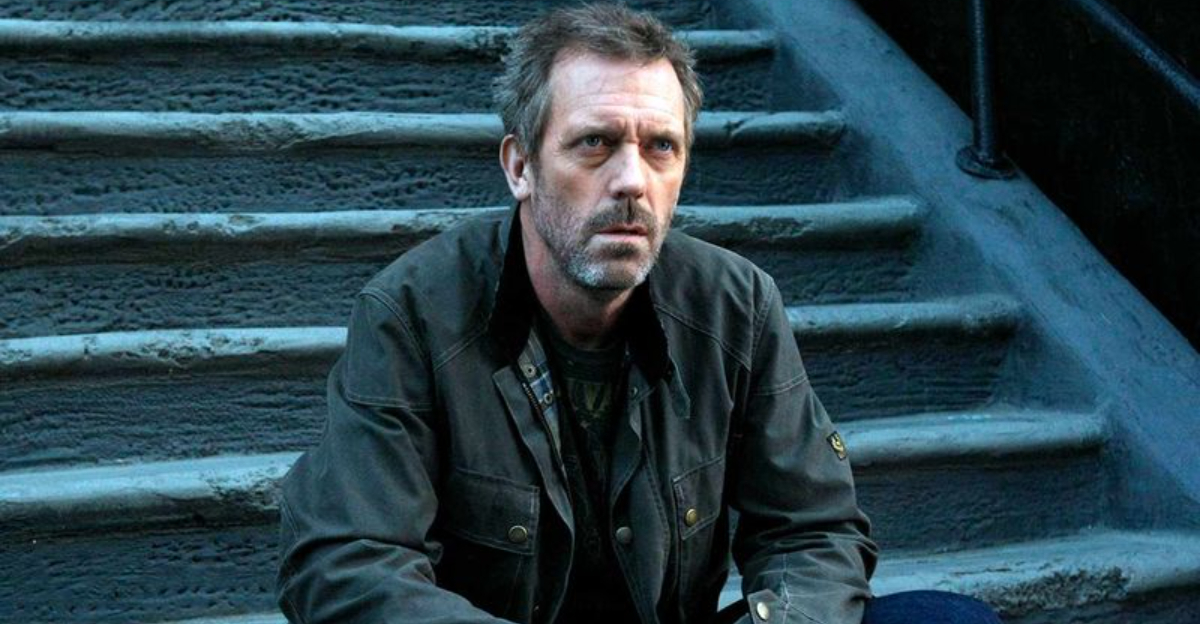
Some of the most recognizable names in entertainment grew up surrounded by church pews, Sunday school lessons, and family prayers. Yet as they got older, many of them began asking hard questions and quietly, or sometimes very publicly, walked away from the faith they were raised in.
Their stories are as different as the people themselves, ranging from gentle drifts to sharp breaks. Understanding why people change their beliefs can help us think more carefully about faith, identity, and the choices we all make.
1. Gabriel Byrne
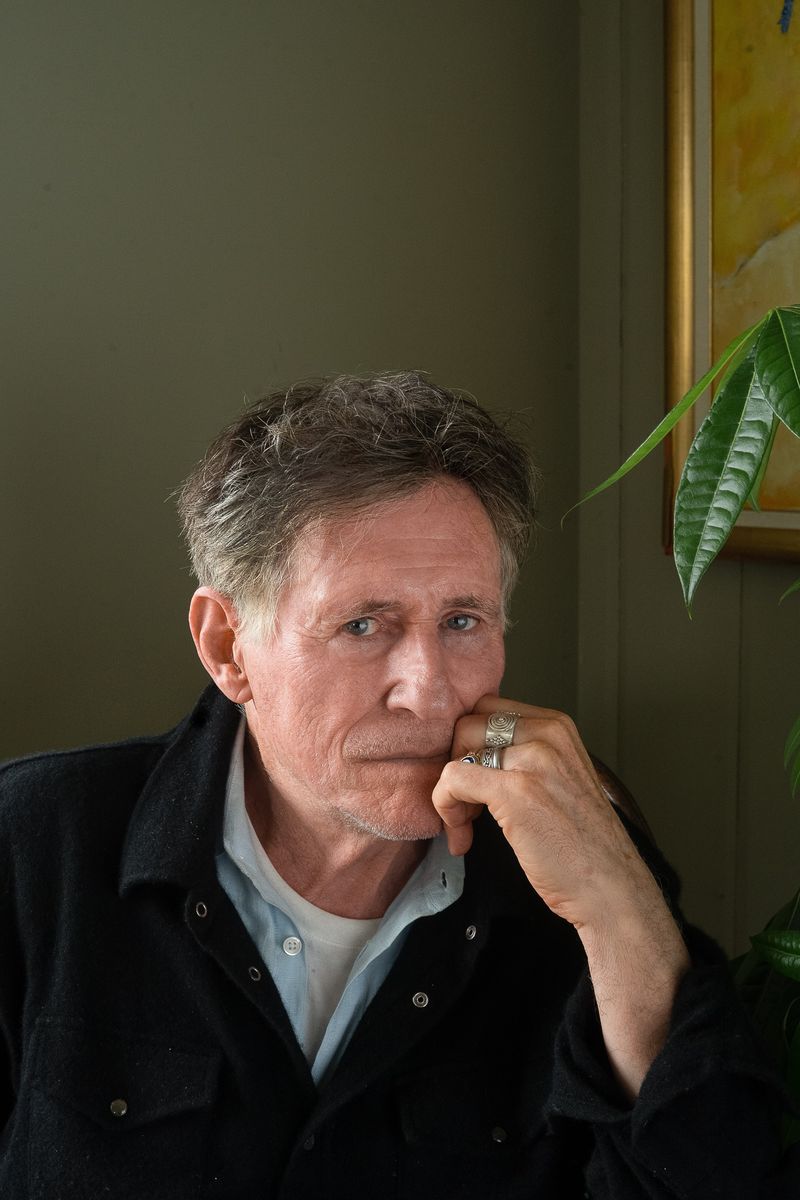
Few paths toward leaving Christianity are as striking as Gabriel Byrne’s.
He actually spent years training in a seminary, preparing to become a priest before painful experiences during that time shook him to his core.
What he encountered there left wounds that did not heal quietly.
Over the decades, Byrne has spoken candidly about losing his faith and developing a deep criticism of the Catholic institution he once hoped to serve.
His story is not simply about doubt but about disillusionment born from real harm.
For many people who have felt let down by organized religion, his honesty has felt like a rare and meaningful kind of courage.
2. Kathy Griffin
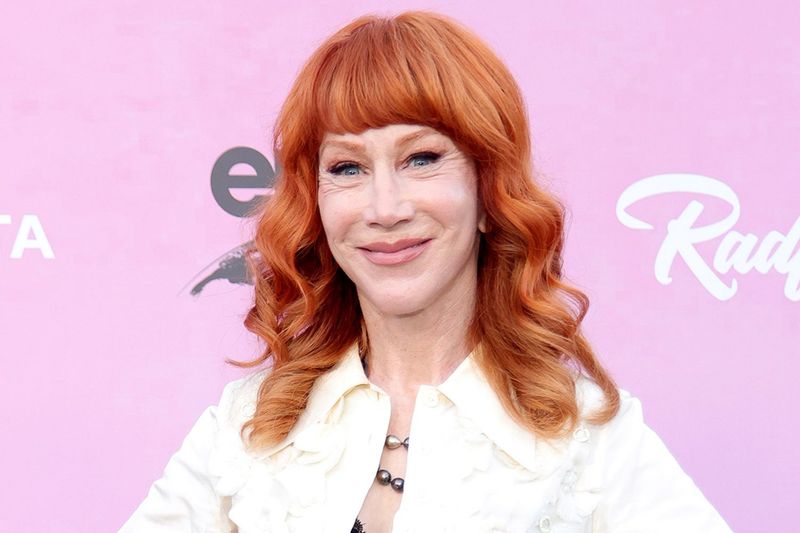
Catholic school left a deep mark on Kathy Griffin, though perhaps not the one her teachers intended.
She spent her early years in a structured religious environment, attending mass, learning doctrine, and absorbing the culture of the church.
But over time, something shifted.
Griffin became one of the most outspoken celebrities when it comes to rejecting organized religion, and her comments on the subject have never been quiet or careful.
Her sharp humor has often been the vehicle for expressing views that go well beyond polite disagreement.
Whether or not you share her perspective, there is no question she delivers it with the same unfiltered energy that defines everything she does.
3. Kevin Bacon
Not every departure from faith comes with anger or drama.
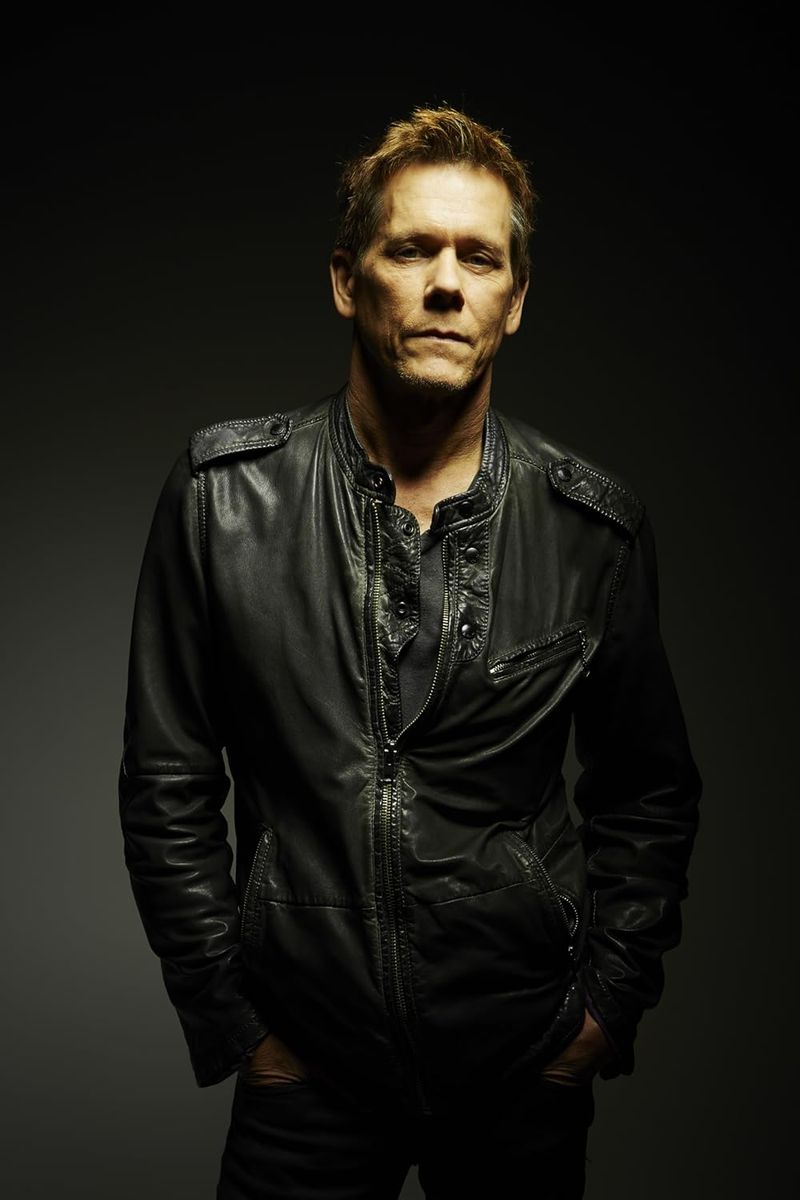
Kevin Bacon grew up in a Catholic household where church was simply part of life, woven into weekly routines and family traditions.
As an adult, he gradually moved toward atheism, a shift he has discussed openly in interviews.
What stands out about his perspective is the balance he brings to it.
He does not mock people who still believe, and he has been vocal about keeping religion out of public policy without turning it into a personal attack.
That combination of honesty and respect makes his story one of the more thoughtful examples on this list.
4. Brad Pitt
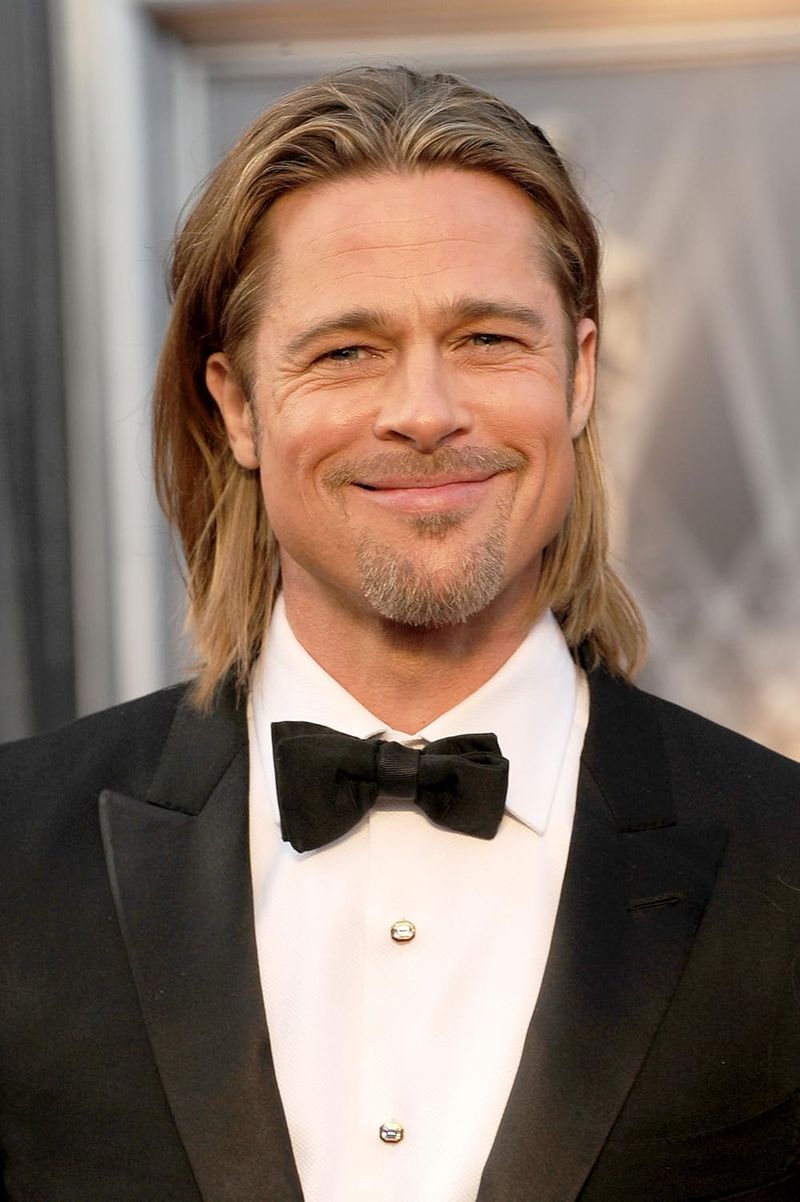
Brad Pitt did not just sit in the pews as a child.
He sang in the choir, participated actively in Baptist church life, and grew up in a family where faith was lived out loud.
That kind of upbringing tends to leave a strong impression, even when the beliefs eventually fade.
As an adult, Pitt began questioning the teachings he had absorbed so naturally as a boy.
He has described himself as both atheist and agnostic at different points, acknowledging that his feelings about belief shift depending on the moment.
That kind of honest uncertainty is refreshing.
Rather than picking a permanent label, he seems comfortable sitting with the question itself, which is something many people quietly relate to.
5. Bruce Willis
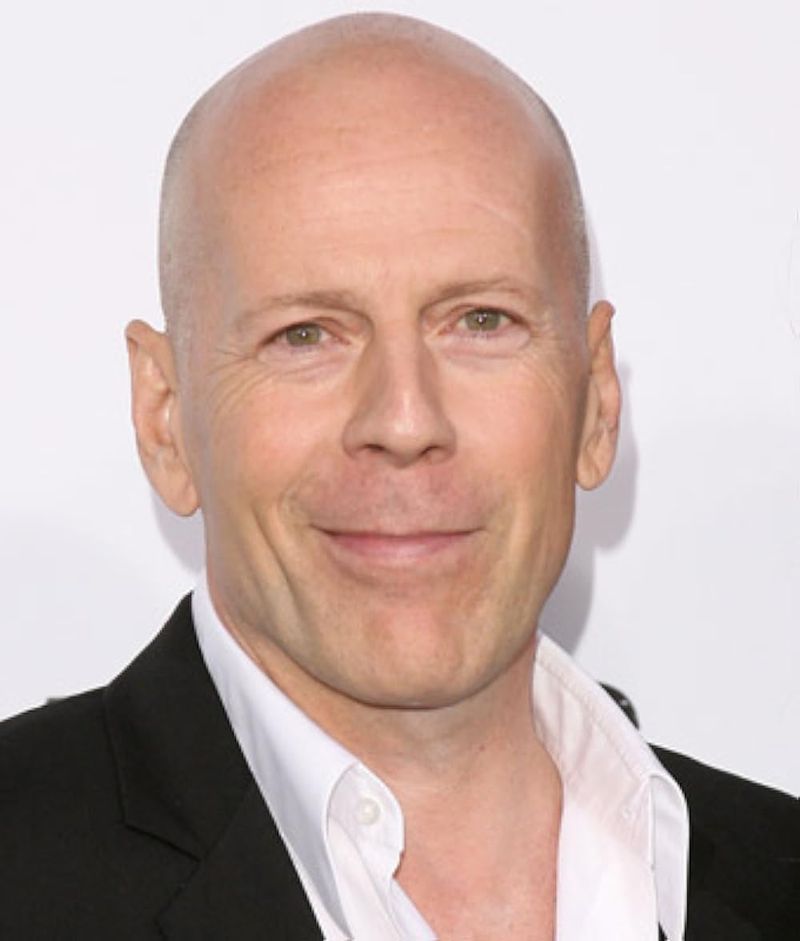
A Lutheran upbringing gave Bruce Willis a solid foundation of church teachings and structured faith during his early years.
Sunday services and religious education were regular parts of his childhood routine.
But as he moved into adulthood and began experiencing the world on a larger scale, his perspective on organized religion began to change.
He has described religion as something that once tried to explain the unexplainable, a kind of early attempt to make sense of life’s biggest mysteries.
Yet Willis has also left the door slightly open, hinting that some greater force or unknown mystery might still exist.
His view sits somewhere between skepticism and wonder, which feels honest and very human.
6. Hugh Laurie
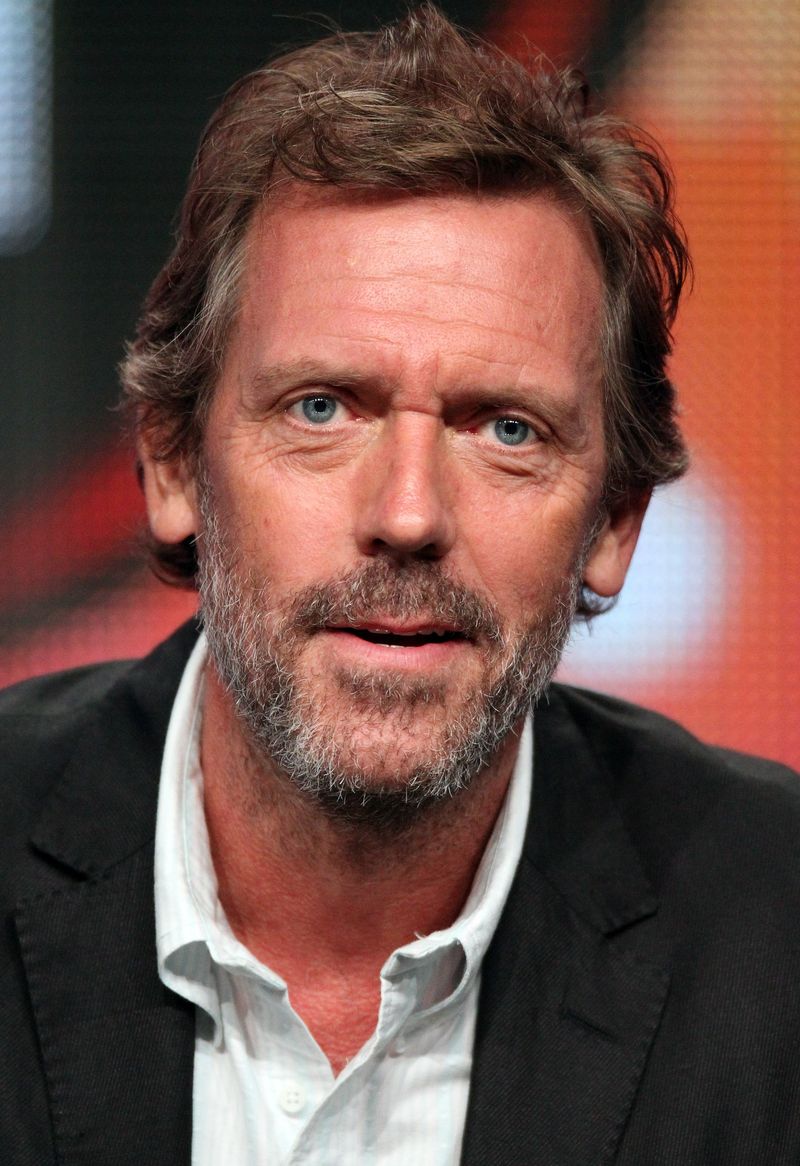
Strict religious expectations during childhood can leave a complicated emotional legacy.
Hugh Laurie grew up in a household where faith came with weight and structure, and those early impressions stayed with him long after he stopped believing.
His journey toward atheism was not a simple shrug but something he has reflected on with real depth.
In interviews, Laurie has described the emotional heaviness that once came with religious belief, suggesting that faith carried a kind of pressure he eventually needed to put down.
His thoughts on the subject are not dismissive but genuinely thoughtful.
For someone who made a career playing complicated characters, it seems fitting that his own spiritual story resists easy answers.
7. Katy Perry
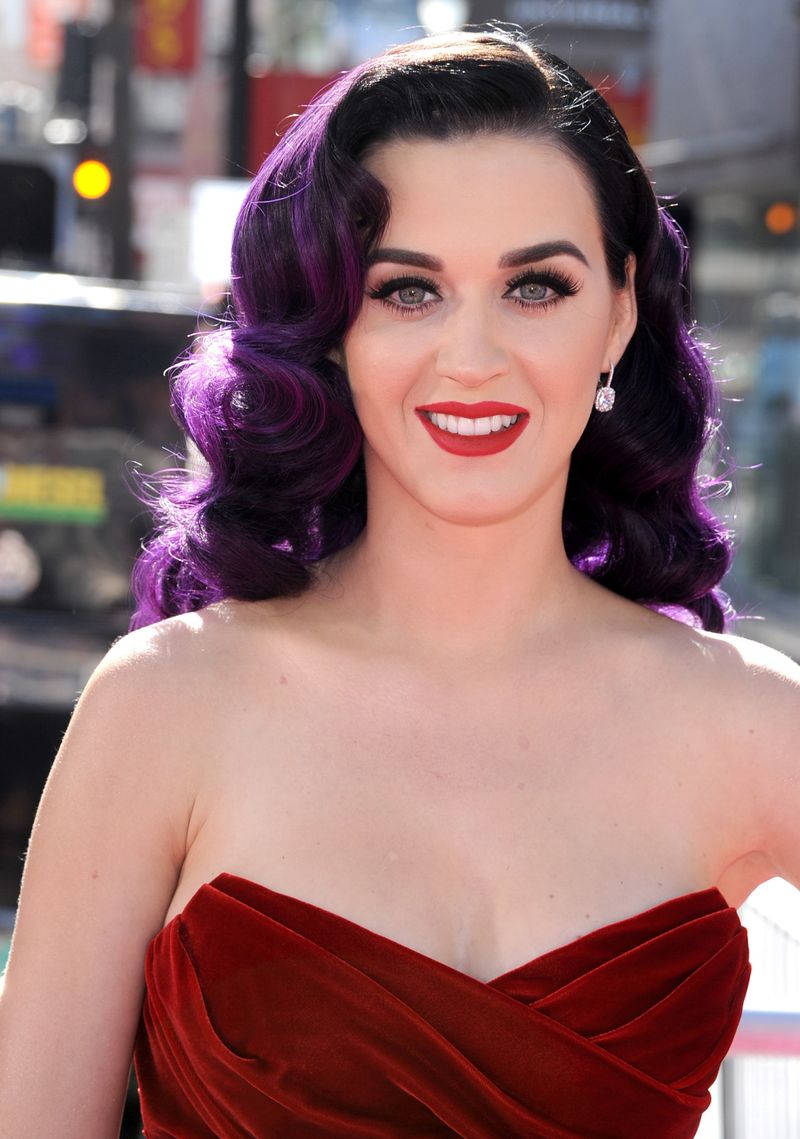
Imagine growing up where the only music allowed in the house was gospel, and your father preached from the pulpit every Sunday.
That was Katy Perry’s world, and it shaped her earliest understanding of identity, creativity, and purpose.
Her first recordings were Christian albums made for a faith-centered audience.
As her career exploded into pop stardom, her beliefs quietly shifted alongside her life.
She has spoken about stepping away from strict religious doctrine while still holding on to a personal sense of something larger than herself.
Perry’s story is less about rejection and more about evolution, a gradual stretching beyond the boundaries of the world she started in toward something she defines on her own terms.
8. Anne Rice
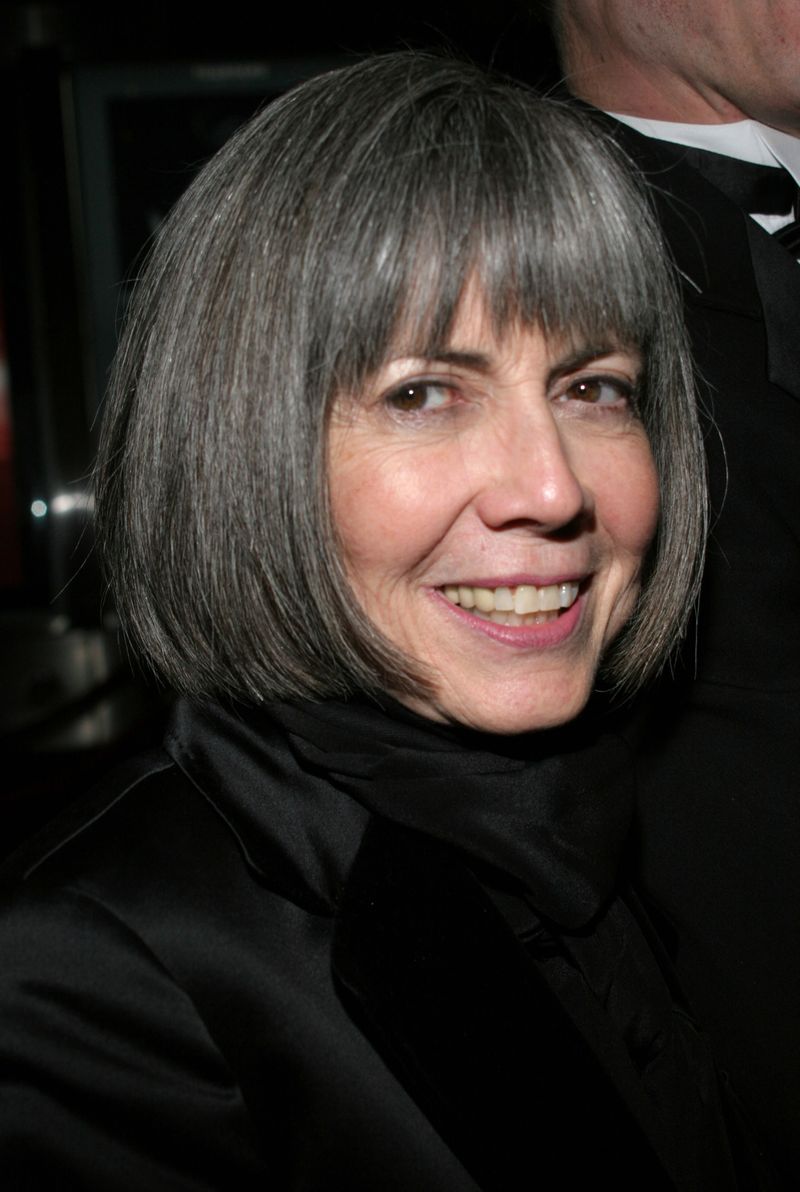
Anne Rice’s relationship with faith was anything but straightforward.
Raised Catholic, she stepped away from the church as a young adult, only to make a very public return to Christianity decades later.
She even wrote novels centered on the life of Jesus, pouring her renewed belief into literary form.
Then she stepped back again.
Rice eventually announced that she was leaving organized Christianity while still believing in God, a distinction she felt strongly enough to explain in detail.
Her spiritual life played out on the page and in public statements, making her journey unusually transparent.
What her story captures is the reality that belief is not always a straight line but sometimes a winding road with unexpected turns.
9. Daniel Radcliffe
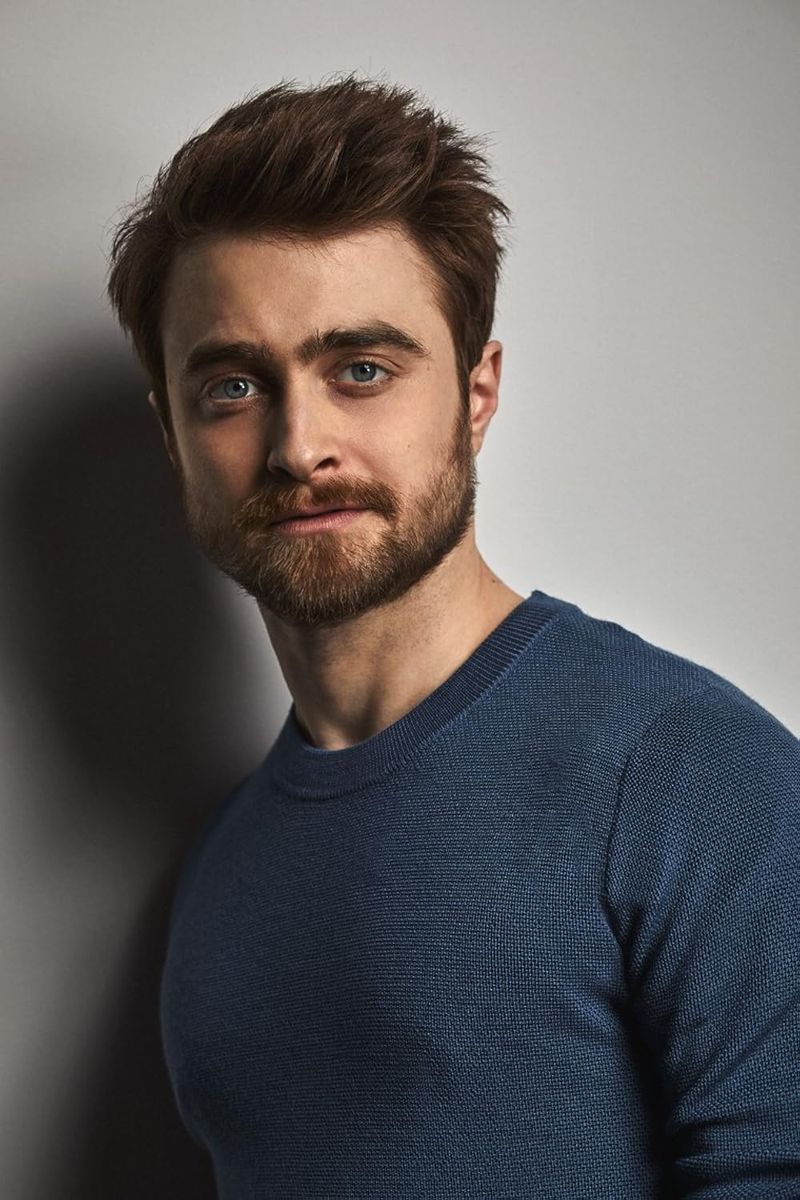
Growing up between two religious worlds is not always easy.
Daniel Radcliffe was raised in a home that touched on both Jewish and Christian traditions, giving him early exposure to faith without a single clear anchor.
As he got older, he found himself drawn more toward science and reason than religion.
He began identifying as an atheist during his teenage years and has since taken part in public conversations about belief, skepticism, and the relationship between science and spirituality.
Even as his views shifted, his family relationships remained close.
His story is a reminder that changing your beliefs does not have to mean losing the people who shaped you.
10. Julia Roberts
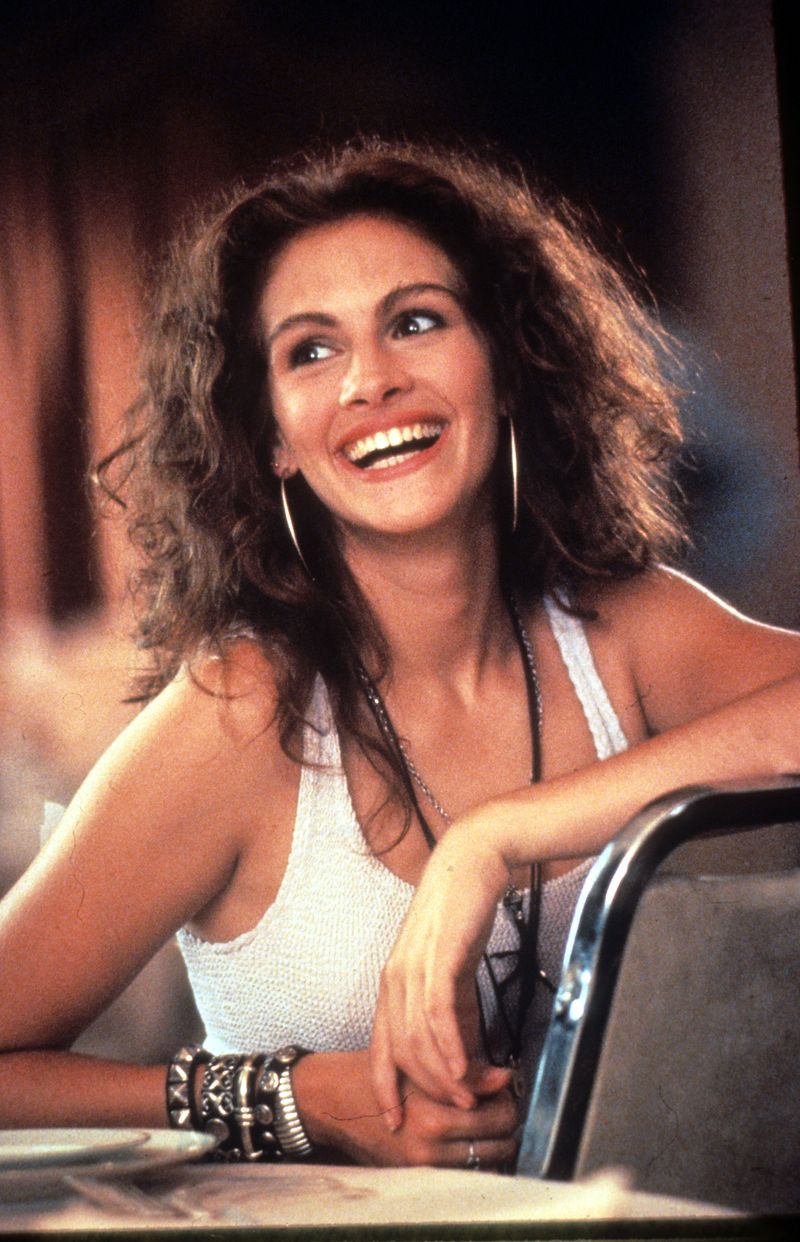
Julia Roberts grew up with Christian influences shaping her early sense of the world.
Church and faith were familiar parts of her background, even if they were not the loudest voice in her upbringing.
The real turning point came much later, on the other side of the globe.
A trip to India opened something unexpected for Roberts.
She became genuinely drawn to Hindu practices and philosophy, eventually embracing that path as her own.
The shift was meaningful enough that she introduced her children to those same beliefs and traditions.
Her story stands out because it is not really about rejection but about discovery, finding a spiritual home in a place and tradition she never could have predicted as a child.
11. George Clooney
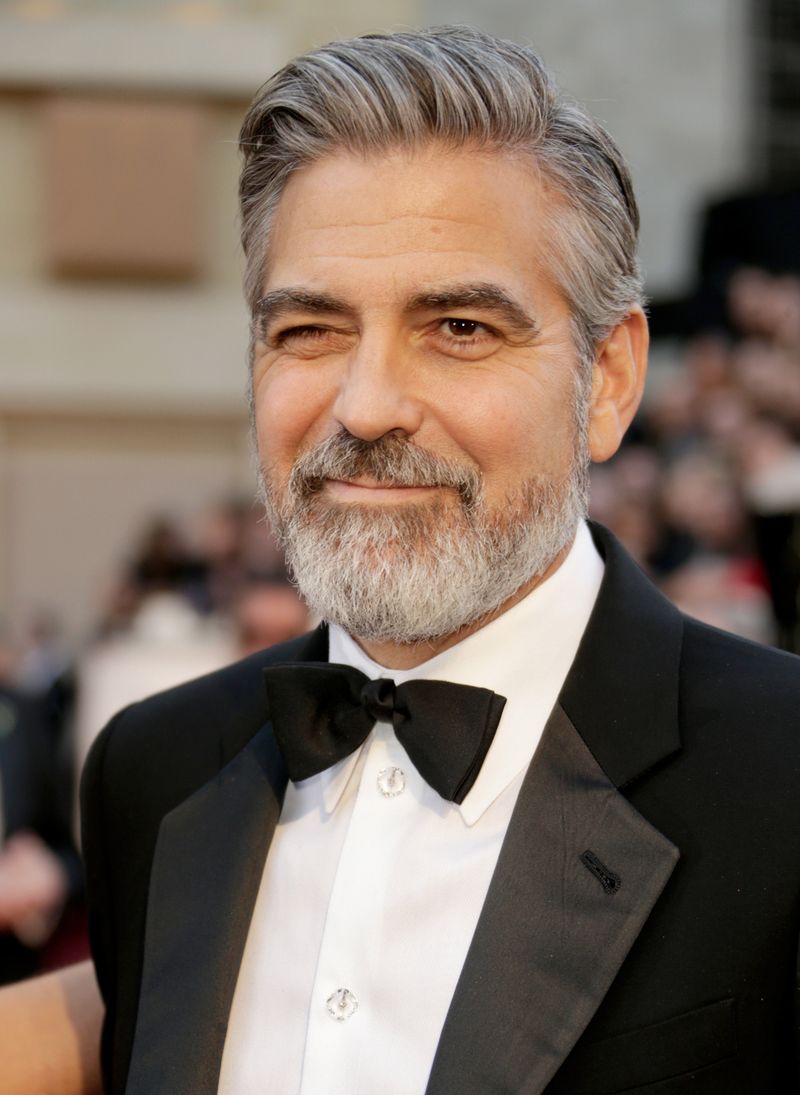
Mass, confession, and the rhythms of Catholic parish life were all normal parts of George Clooney’s childhood.
He grew up in a practicing Catholic family where church attendance was expected and faith was part of the household routine.
Looking back, he has acknowledged that structure gave him a sense of order during his younger years.
Over time, his perspective changed.
Clooney eventually began describing himself as an atheist, though he has done so without hostility toward people who still hold religious beliefs.
His tone tends to be measured and respectful even when the subject gets personal.
That balance between honesty about his own views and genuine regard for others reflects a maturity that goes beyond simple rejection of his roots.
12. Orlando Bloom
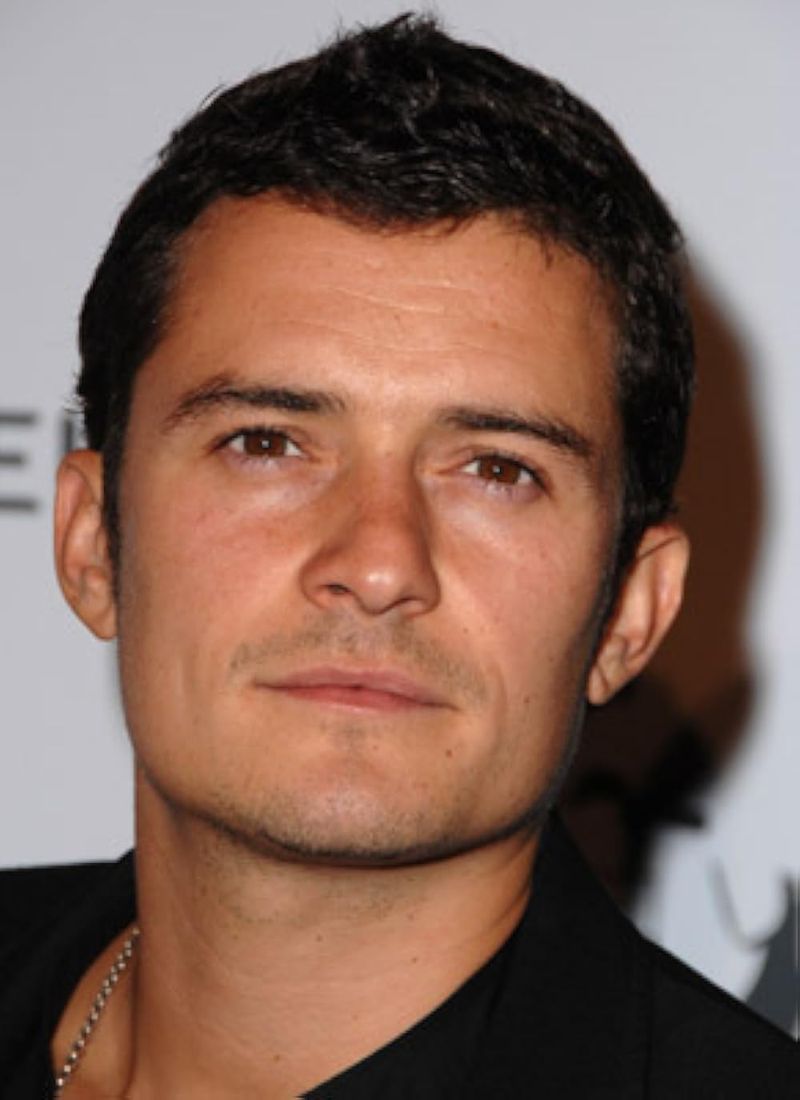
A Christian education and regular church attendance marked Orlando Bloom’s early years, giving him a familiar framework for understanding the world.
But something about that framework eventually stopped fitting the life he was building for himself.
As an adult, he did not simply walk away from spirituality.
He walked toward something else entirely.
Bloom embraced Buddhist practice and has spoken about how deeply it has shaped his daily life, his mindset, and his approach to personal growth.
The change was not just a label swap but a genuine shift in how he moves through the world.
His journey is a good reminder that leaving one tradition does not always mean giving up on meaning.
Sometimes it means finding it somewhere new.
13. Anne Hathaway
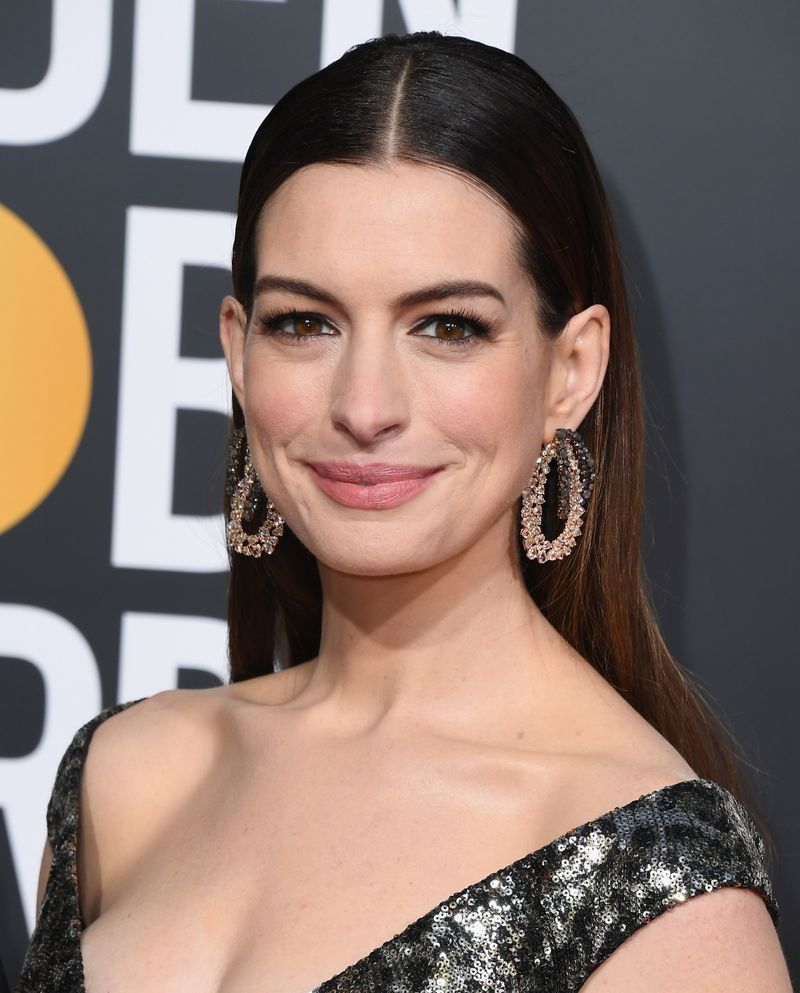
As a young girl raised in a strict Catholic household, Anne Hathaway once imagined herself becoming a nun.
That level of early devotion speaks to how seriously faith was taken in her home.
Then her teenage years arrived, and with them came a shift that changed everything.
The turning point was personal and connected to her family rather than just abstract theology.
When her brother came out as gay, Hathaway found herself unwilling to stay in a religious tradition that did not fully accept him.
She stepped away from Catholicism and has since described herself as searching for meaning without being tied to one specific religion.
Her story shows how love for family can reshape a person’s entire spiritual outlook.
14. Ricky Gervais
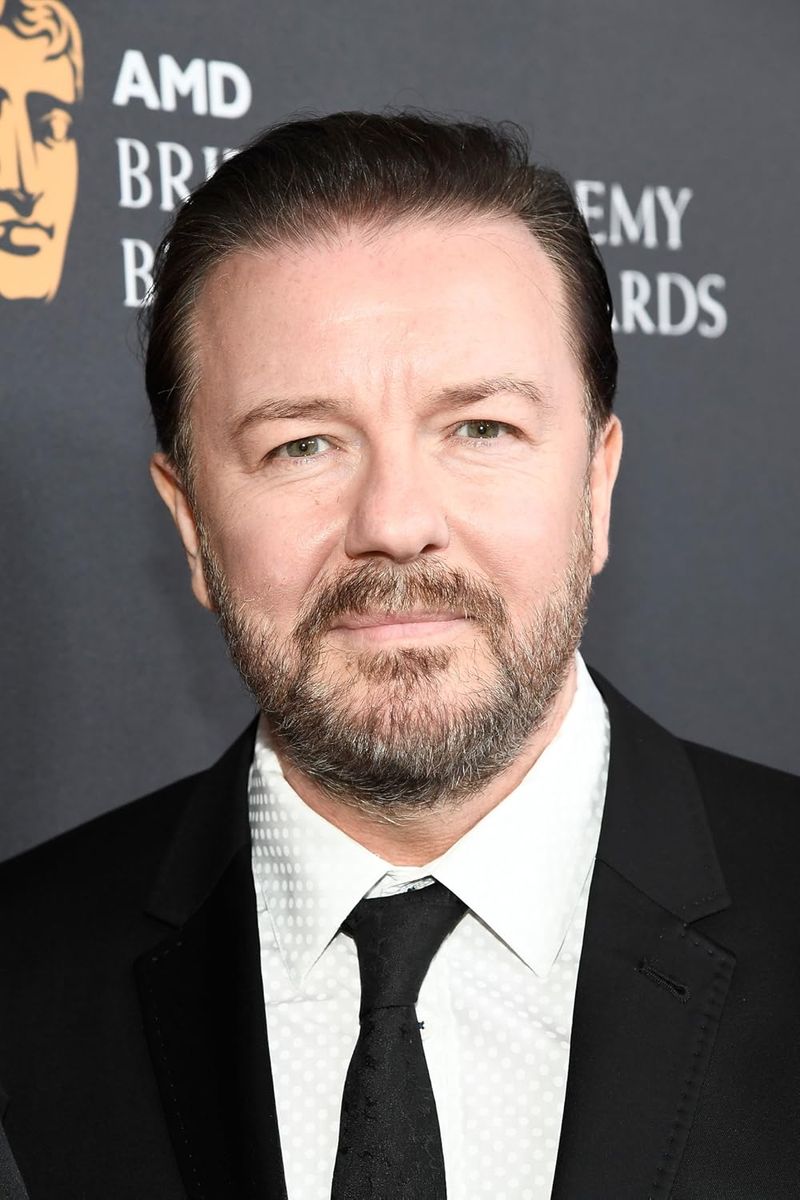
Ricky Gervais did not wait until adulthood to start asking difficult questions about religion.
He has said that he began doubting belief at a surprisingly young age, well before most kids are even thinking about such things.
That early skepticism eventually grew into a full and comfortable atheism that he wears without apology.
What makes Gervais interesting is how he tends to approach the subject.
Rather than expressing bitterness, he leans on humor and logic, poking at religious ideas with wit rather than rage.
His comedy has frequently touched on faith, God, and the nature of belief, often sparking conversations that go far beyond the joke itself.
He treats skepticism as something reasonable rather than rebellious, which gives his perspective a grounded quality.
15. John Lennon
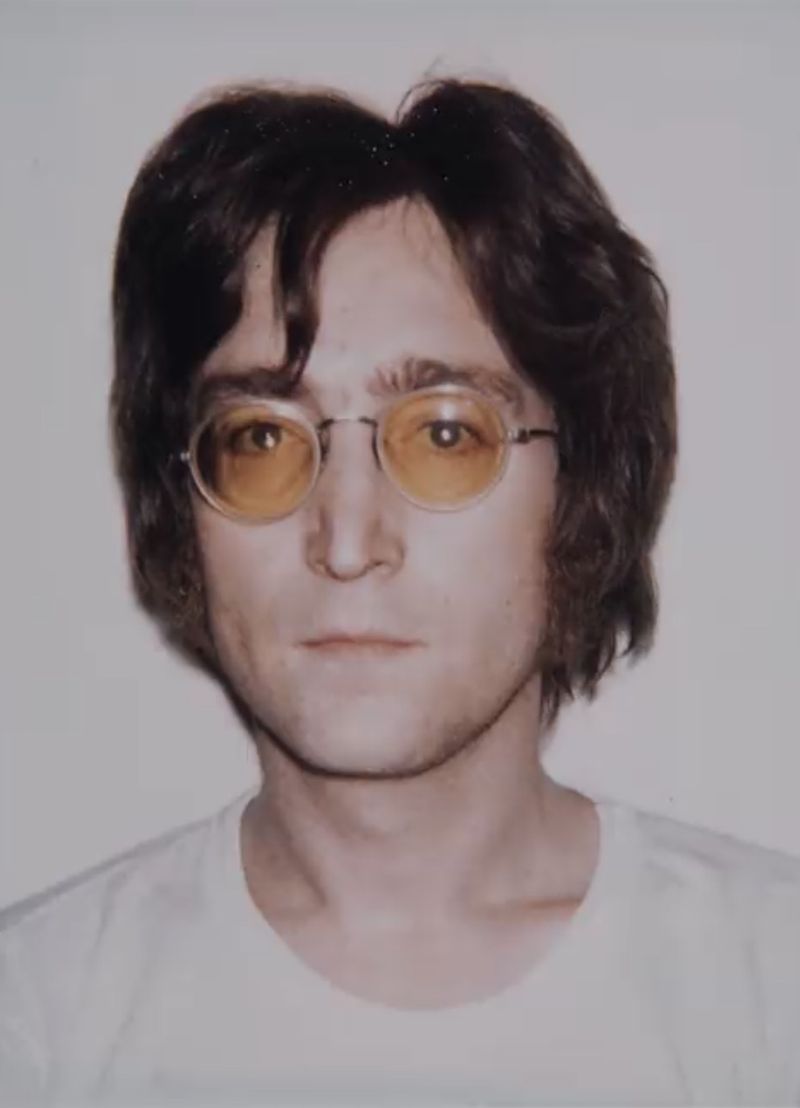
Religion was part of the background noise of John Lennon’s childhood in Liverpool, present but not particularly defining.
The real transformation came later, as fame, philosophy, and a restless intellect pulled him toward bigger and more unsettling questions.
He did not drift quietly.
He made noise.
His public comments about Christianity became some of the most controversial statements ever made by a celebrity, sparking protests and record burnings when he suggested the Beatles were more popular than Jesus.
But beneath the controversy was a genuine reckoning with belief that shaped much of his music and writing.
Songs like Imagine reflected a vision of a world without religious division, a provocative idea that still sparks conversation decades later.
16. Elton John
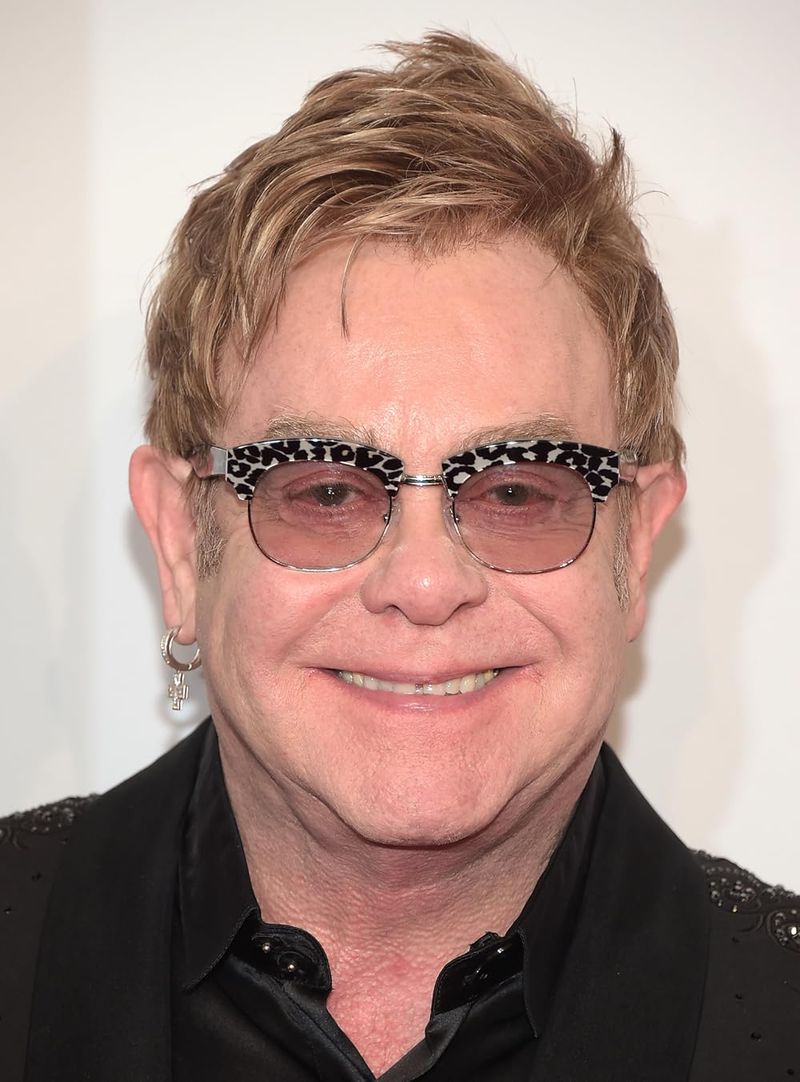
Church of England services and traditional Christian practices were part of Elton John’s early environment, giving him a baseline familiarity with organized religion.
As his career took off and his personal life unfolded in public, the connection to that tradition gradually loosened.
The world he was building for himself did not quite fit inside those old structures.
He has spoken about moving away from organized religion and finding meaning through other channels, particularly through love, friendship, and creative expression.
Music became his most sacred space.
His life partnership and later his role as a father gave him the kind of grounded purpose that faith once offered.
For Elton John, belonging seems to come through connection rather than doctrine.
17. Jodie Foster
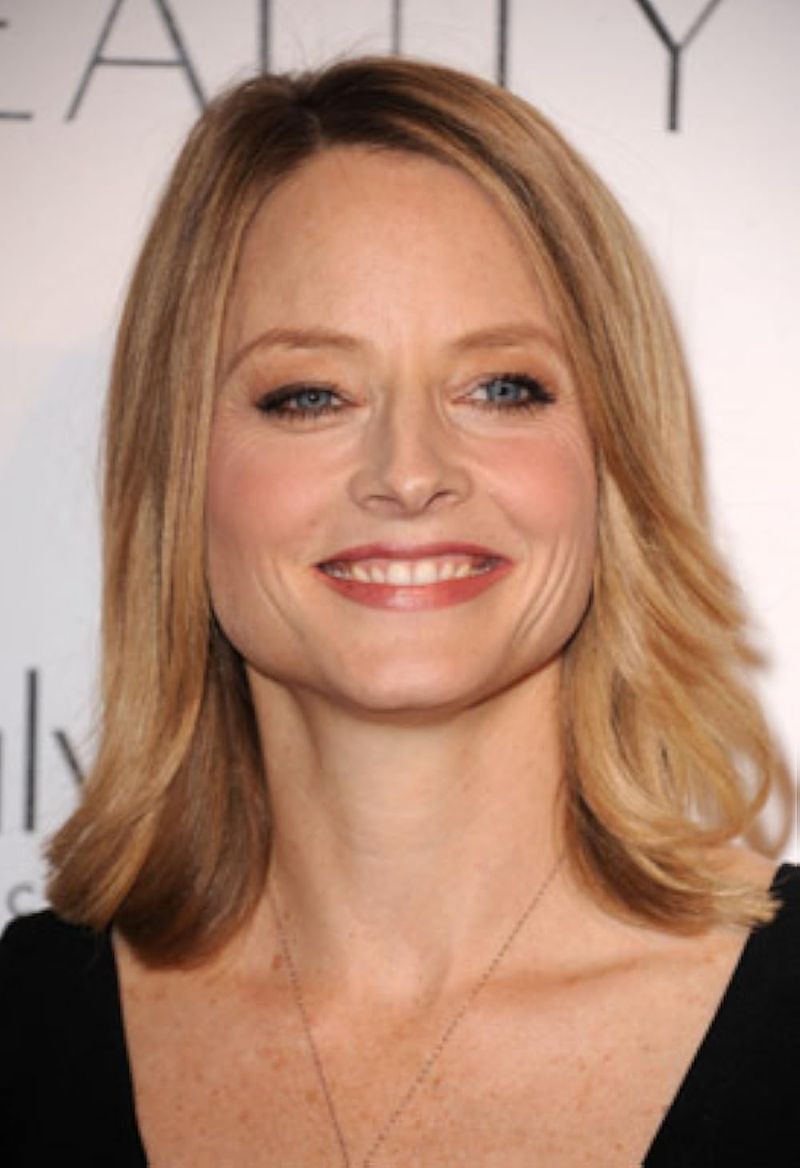
Religious schooling was woven into Jodie Foster’s early education, giving structure and a certain moral framework to her childhood years.
But as she grew older and began forming her own worldview, those religious foundations gave way to something more personally constructed.
The shift was quiet rather than dramatic.
Foster has described herself as non-religious and tends to approach questions of meaning through reason and personal reflection rather than faith or tradition.
Her outlook fits a larger pattern in her life of thinking independently and resisting easy categories.
She rarely makes her beliefs the center of public conversation, but when asked, she is clear.
For Foster, a thoughtful and examined life seems to be the point, not any particular creed.