 MomSkoop
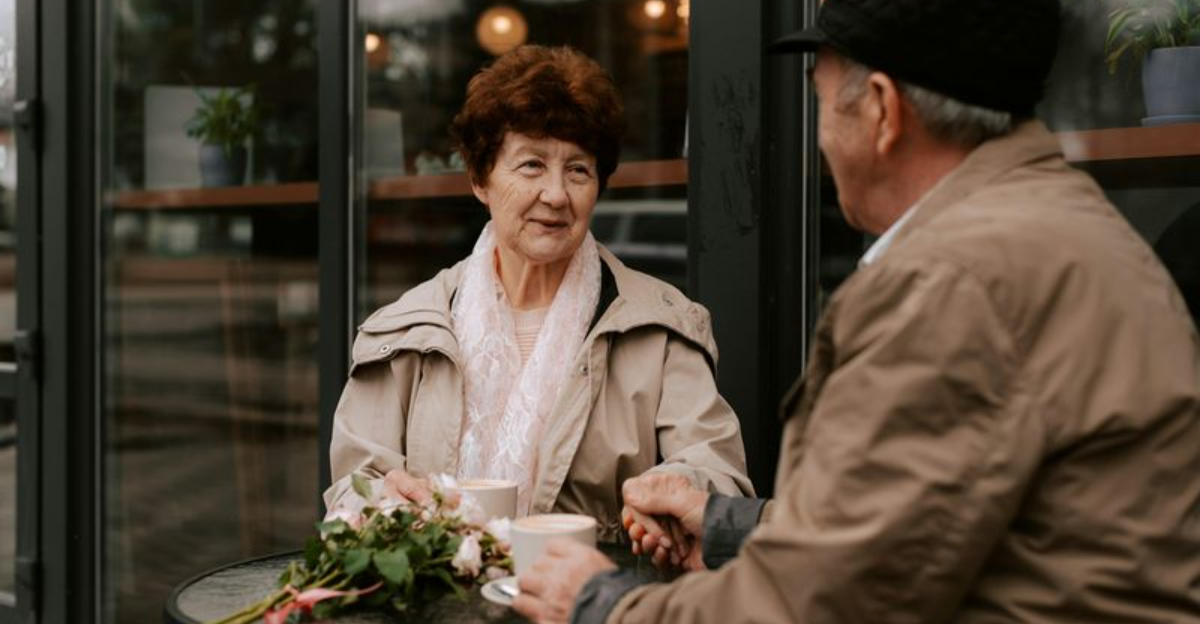
Losing a spouse changes everything — including who you are when you step back into the dating world. Grief doesn’t follow a schedule, and neither does the heart’s readiness to try again.
Dating after becoming a widow is one of the most emotionally complex experiences a person can go through. If you’re in that season of life, these honest truths may help you feel a little less alone.
1. You’re Starting From Loss, Not a Clean Slate
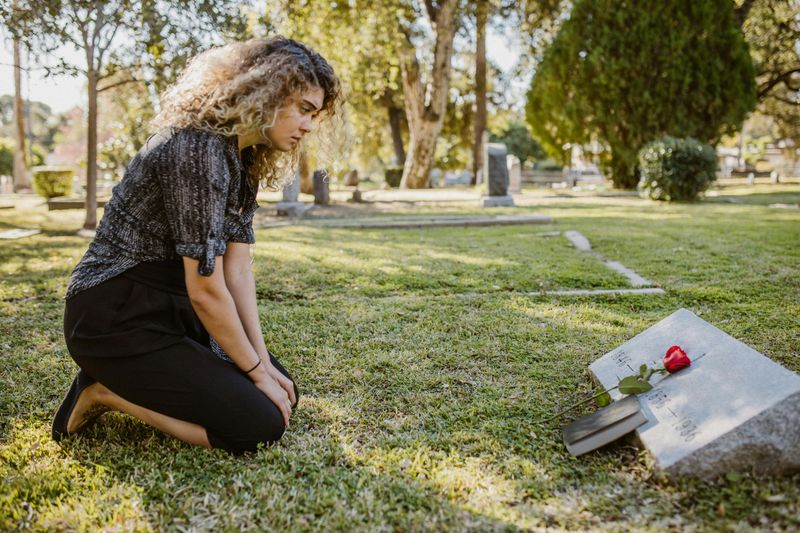
Every first date you go on carries invisible weight.
Unlike someone who has never been married, you walk into new relationships with a full emotional history — one that includes real love, real commitment, and real grief.
That history doesn’t disappear just because you’re putting yourself out there again.
Recognizing this truth early actually gives you an advantage.
You know what a deep relationship feels like.
You’re not searching blindly — you’re searching with purpose.
The challenge is allowing yourself to be open while also honoring what you’ve already lived through.
Patience with yourself isn’t optional here.
It’s the foundation everything else is built on.
2. Grief Will Show Up on Dates — Sometimes Uninvited

You could be having a genuinely wonderful evening and then — out of nowhere — a wave of sadness hits.
Maybe your date laughed like your late spouse.
Maybe the restaurant played a familiar song.
Grief has its own timing, and it does not care about your plans.
This doesn’t mean something is wrong with you.
It means you loved deeply, and that love left a mark.
Being upfront with yourself about this possibility helps you navigate those moments with grace instead of panic.
A good partner will understand.
The right person won’t make you feel broken for having feelings that are completely, entirely human.
3. People Will Compare Themselves to Your Late Spouse

Even when you never bring up your late spouse, some dates will.
Insecurity can make people ask questions like, “Do I remind you of them?” or “Was your marriage really that good?” These conversations can feel invasive and oddly competitive.
Some people genuinely struggle with the idea of being compared to someone they can never meet — someone who, in memory, may seem almost perfect.
That’s a real emotional hurdle for new partners to face.
You don’t owe anyone a ranking system.
Your past relationship was its own thing.
Any new relationship deserves to be judged on its own terms, not measured against a ghost.
4. Your Standards Are Higher Now — and That’s Okay
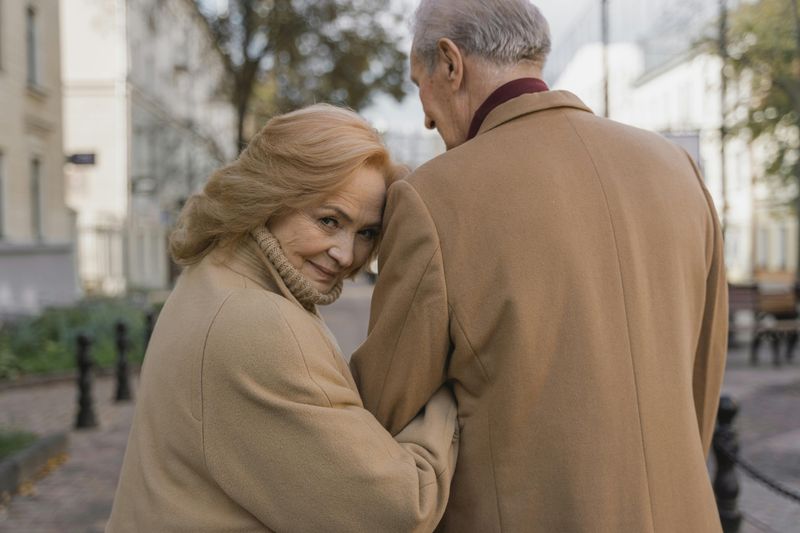
Having experienced a committed, loving partnership raises the bar — permanently.
Petty arguments, hot-and-cold behavior, or someone who can’t communicate maturely?
Those things feel like a waste of precious time when you’ve known what real partnership looks like.
Some people might call this being “too picky.” But knowing what you want isn’t a flaw — it’s wisdom.
You’ve lived through something that clarified your values in ways most people don’t experience until much later in life, if ever.
Hold your standards firmly.
Settling for less than genuine respect and emotional maturity would be a disservice to both you and any potential partner you meet.
5. Guilt Is Common, Irrational, and Very Real
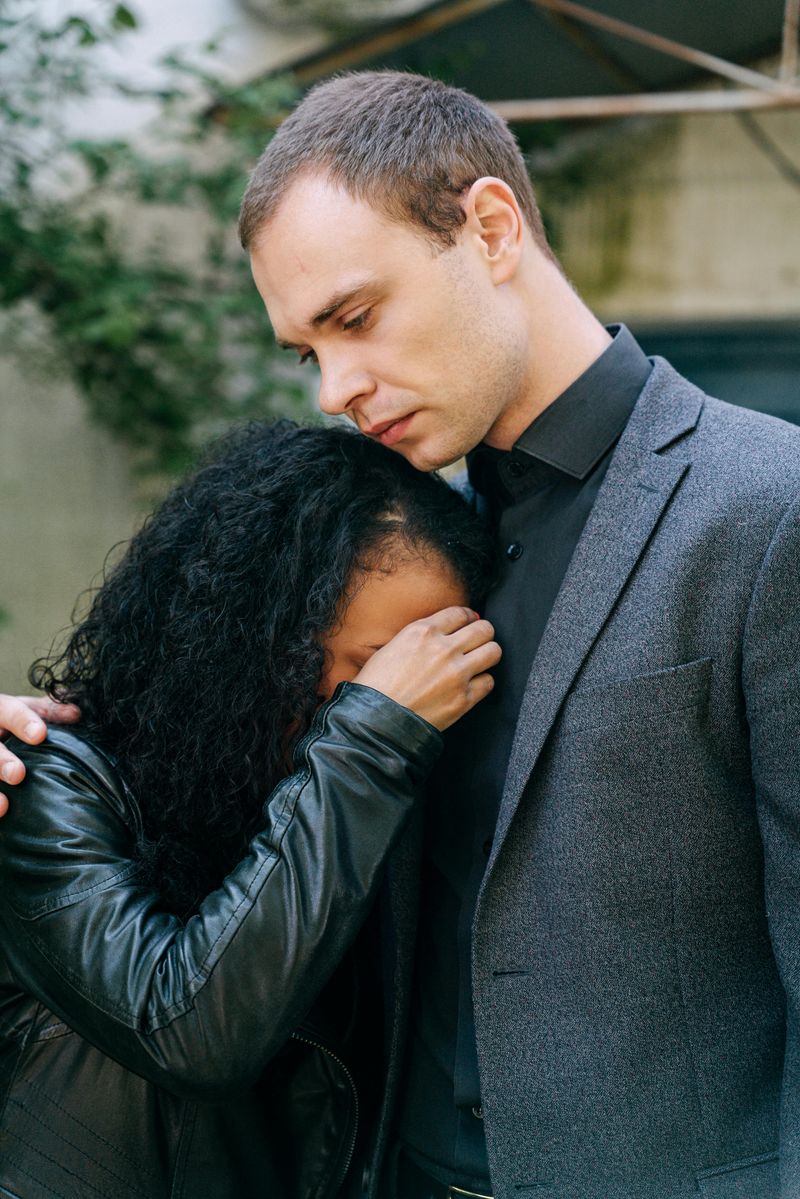
The first time you feel a real spark with someone new, guilt often follows right behind it.
Even if you logically know your late spouse would want you to be happy, the heart doesn’t always follow logic.
That guilt can feel like betrayal, even when it absolutely isn’t.
Widows and widowers across the world describe this same experience — the joy of a new connection quickly shadowed by a deep, aching sense of wrongdoing.
Therapy, support groups, or simply talking to a trusted friend can help you work through these feelings without letting them shut you down.
Feeling guilty doesn’t mean you’re doing something wrong.
It means you cared deeply.
6. Your Timeline Won’t Make Sense to Everyone Else

Six months in and someone says it’s too soon.
Three years later and someone else says you’ve waited too long.
People love to have opinions about a journey they’ve never taken themselves.
It can feel exhausting and deeply unfair.
Here’s the truth: there is no universal timeline for grief or for readiness to date again.
Everyone processes loss differently.
Some people feel ready after a year.
Others need five.
Both are valid.
Neither requires anyone else’s approval.
The only person qualified to decide when you’re ready is you.
Trust your gut over anyone else’s calendar.
You’re the one living inside this experience — not them.
7. Emotional Clarity Becomes Your Secret Strength
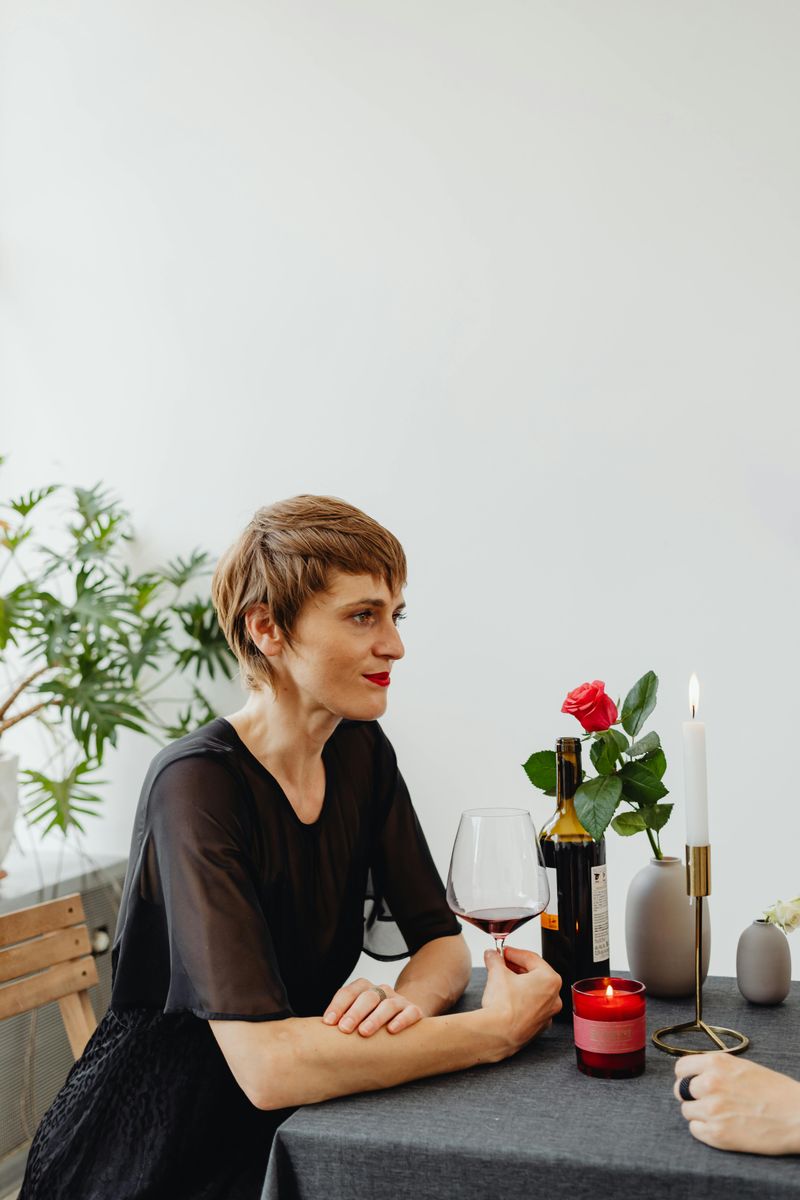
Losing a spouse strips away a lot of the noise that clutters early relationships.
Suddenly, you care far less about surface-level attraction and far more about character, kindness, and whether someone is actually emotionally available.
That shift is powerful.
You’re less likely to chase someone who’s inconsistent or settle for someone who doesn’t make you feel genuinely valued.
Many widows describe dating after loss as surprisingly clarifying — they know themselves better than they ever have before.
That self-awareness is an asset, not a burden.
Carry it confidently.
The right person will appreciate your depth, not be intimidated by it.
8. Triggers Can Appear Out of Nowhere During a Date
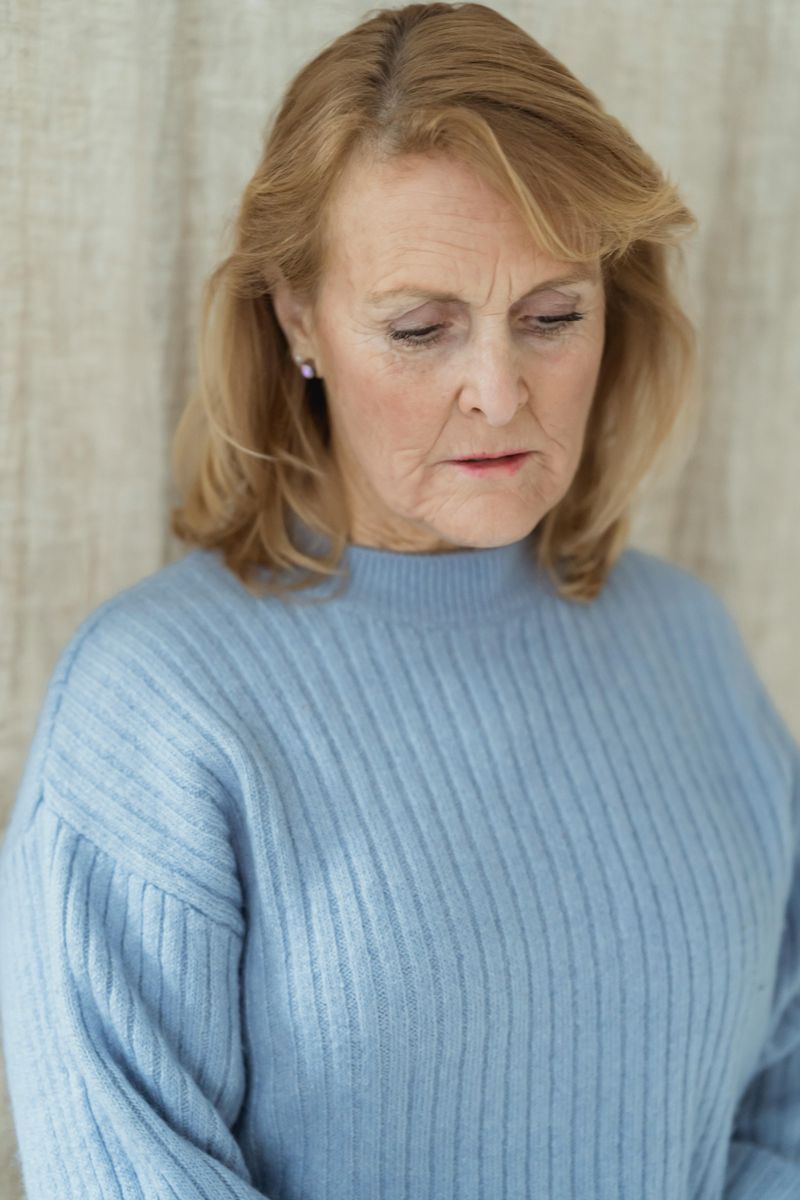
You’re mid-laugh at dinner and a song starts playing — one you danced to at your wedding.
Suddenly, you’re somewhere else entirely.
Triggers don’t announce themselves, and they don’t care about the timing.
A phrase, a scent, a street corner can shift everything in a single second.
Preparing for this doesn’t mean living in fear of your own emotions.
It means building self-compassion so that when a trigger hits, you can breathe through it rather than spiral with embarrassment.
Being honest with a date — even just saying “that song hits me sometimes” — can actually create genuine connection instead of awkward silence.
Vulnerability, handled well, builds trust.
9. Not Everyone Has the Bandwidth to Date a Widow
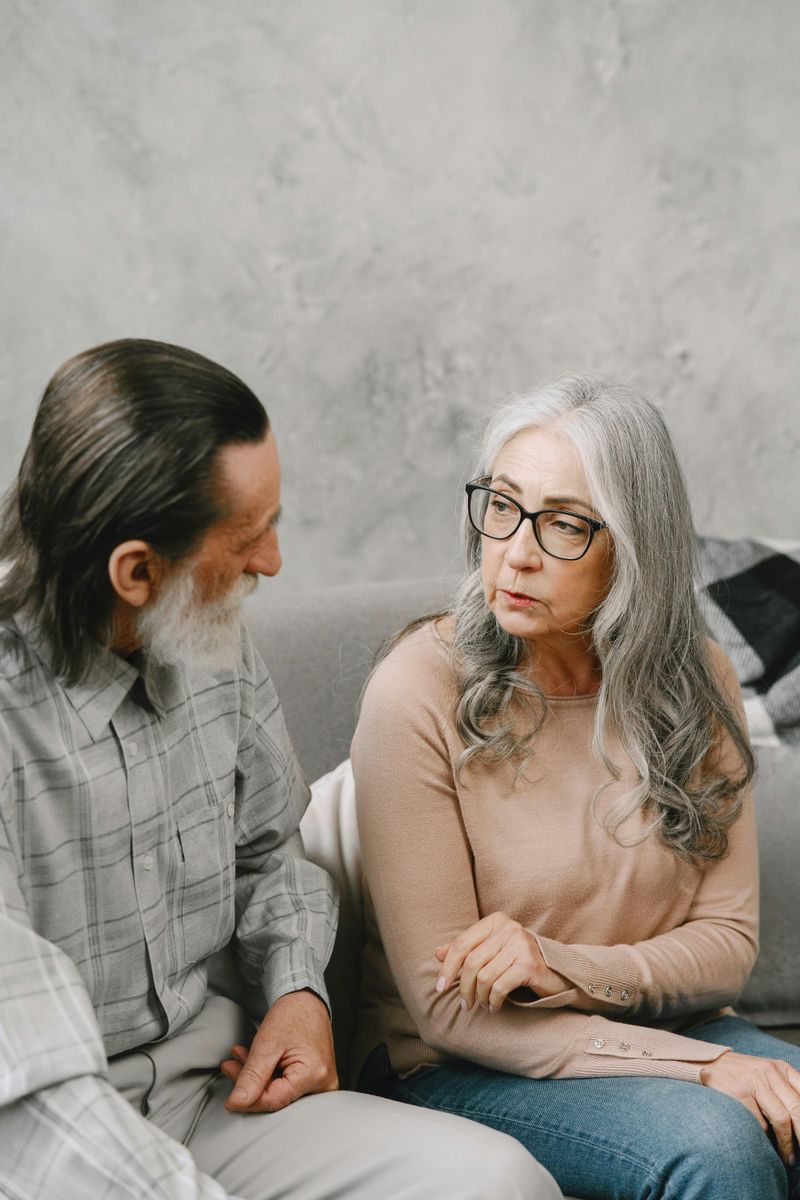
Some people, no matter how kind or well-meaning, simply aren’t equipped to handle the emotional complexity that comes with dating someone who has experienced deep loss.
They may pull back when grief surfaces or grow resentful of a love story they weren’t part of.
That’s not necessarily their fault — it’s just a mismatch.
Someone without significant life experience may struggle to hold space for your reality without making it about them.
Recognizing this early saves everyone unnecessary heartache.
You deserve someone who can sit with complexity and not run from it.
Finding that person may take time, but they absolutely exist — and they’re worth waiting for.
10. You’re Not Moving On — You’re Moving Forward
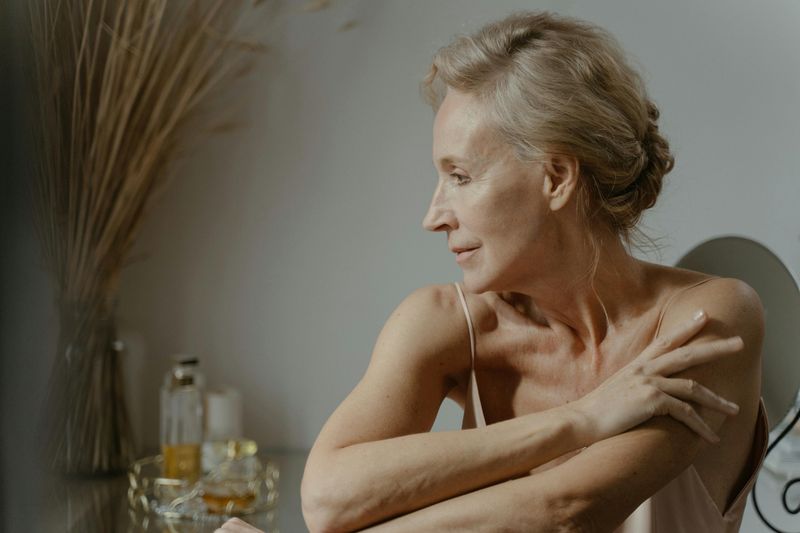
There’s a big difference between moving on and moving forward.
Moving on implies leaving something behind — erasing it, replacing it.
Moving forward means carrying your full story with you while still making room for new chapters.
Your late spouse doesn’t disappear from your heart when you fall for someone new.
Love isn’t a limited resource.
Your capacity to care for someone new doesn’t diminish what you shared before.
Many widows find that their new relationships are actually enriched by the depth of love they’ve already known.
Starting again isn’t a betrayal.
It’s one of the bravest, most human things you can do — and you deserve every bit of happiness that comes next.